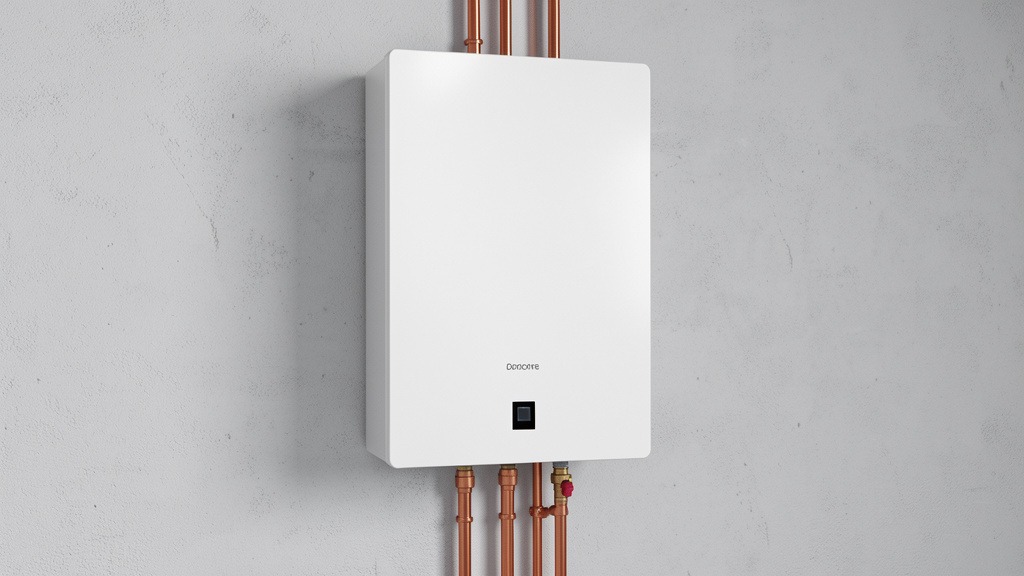
Move beyond guesswork with a clear, step-by-step approach to choosing a water heater that aligns with your household’s actual usage patterns, home constraints, and long-term comfort goals.
Selecting a water heater is one of the more impactful home system decisions you’ll make. Unlike replacing a faucet or light fixture, this choice influences daily comfort for many years, affects utility usage, and carries practical implications if mismatched to your home’s realities. Many homeowners encounter fragmented advice: oversimplified online calculators that ignore real-world routines, sales-focused recommendations, or technical manuals heavy on jargon. This guide offers a structured, observation-based framework to bring clarity to the process. Drawing from established plumbing principles, energy efficiency guidelines, infrastructure considerations, and common household patterns, you’ll learn how to assess your home’s genuine hot water needs, recognize physical and utility constraints often overlooked, and match technology options to your lived experience—not marketing narratives. By the end, you’ll feel equipped to select a system that consistently delivers warm water when needed while supporting your priorities around efficiency, budget, and home integration.
Introduction: Why Sizing Matters Beyond Simple Headcount
Picture a typical weekday morning: one family member finishes a shower, another begins, the dishwasher starts downstairs, and someone washes breakfast dishes. Suddenly, the hot water diminishes or turns cold. This isn’t random misfortune—it often stems from selecting equipment sized for theoretical averages rather than your household’s actual peak usage pattern. Industry observations suggest that mismatched sizing is a frequent contributor to premature replacement requests, not just mechanical wear. The frustration of interrupted routines accumulates quietly but meaningfully over time.
On the other end, oversized units may lead to unnecessary energy use. Keeping excess water heated continuously consumes energy even during low-demand periods. While exact savings vary by climate, utility rates, and usage habits, right-sizing helps avoid this inefficiency. The emotional dimension matters too: confidence in your system reduces daily friction—no hesitation before starting the dishwasher during a shower, no anxiety when hosting guests, no recalculating routines around appliance use.
This guide addresses that uncertainty. We move past the outdated “family of four needs a 50-gallon tank” rule of thumb, which ignores critical variables like simultaneous fixture use, regional groundwater temperatures, flow rates of specific fixtures, and recovery characteristics across technologies. Instead, we provide a repeatable audit method used by building professionals. You’ll learn to observe your home’s hot water patterns objectively—identifying true peak demand windows, mapping physical and utility constraints, and aligning choices with your values (budget awareness, space limitations, sustainability considerations). Whether responding to an urgent failure or planning a proactive upgrade, this process supports informed decisions. The goal is reliable, predictable hot water—turning any faucet and receiving consistent comfort, exactly as home life should feel.
The Household Hot Water Audit Framework: Build Your Sizing Foundation
Generic sizing charts rarely reflect real homes. True alignment begins with understanding your household’s unique hot water patterns. This four-step audit transforms abstract estimates into personalized, actionable insights. Plan to observe usage across two typical weekdays and one weekend day. A simple notebook or digital note suffices. This modest time investment supports years of optimized performance.
Step 1: Map Your Household’s Actual Hot Water Demand
Headcount alone is an unreliable sizing indicator. Two households of identical size can have vastly different hot water needs based on routines, ages, fixture types, and appliance habits. Break demand into three observable layers: peak simultaneous usage, daily volume patterns, and fixture-specific flow rates.
Identify Your True Peak Demand Window
Peak demand isn’t “morning” or “evening”—it’s the specific 10–15 minute window when hot water draw is most intense. Track these details:
– Exact start/end times of showers, baths, dishwasher cycles, laundry fills, and hand-washing
– Duration of each activity (e.g., “Shower: 7:05–7:18 AM”)
– Concurrent usage (e.g., “7:10 AM: Shower running + dishwasher starting”)
Illustrative example: A household initially assumed their peak was 6:30–7:30 AM. Tracking revealed the actual peak was 7:05–7:20 AM: one shower running (12 mins), a second shower starting at 7:10 AM (overlap), dishwasher launching at 7:12 AM, and brief kitchen sink use at 7:15 AM. This concentrated 15-minute window required significantly more simultaneous flow than their initial estimate.
Calculate Gallons Per Minute (GPM) Draw During Peak
Each fixture consumes hot water at a characteristic rate. Multiply active fixtures by typical flow:
– Standard showerhead: 2.0–2.5 GPM (older models may use more)
– Low-flow showerhead: 1.5–1.8 GPM
– Bathroom faucet: 1.0–1.5 GPM
– Kitchen faucet: 1.5–2.2 GPM
– Dishwasher: 1.0–2.5 GPM (varies by model and cycle)
– Washing machine (hot wash): 1.5–3.0 GPM
Example peak calculation:
– Two concurrent showers: 2.5 GPM × 2 = 5.0 GPM
– Dishwasher starting: +1.8 GPM
– Kitchen faucet briefly: +1.2 GPM
– Total observed peak draw: ~8.0 GPM
This figure becomes your essential benchmark. Any candidate water heater must deliver this flow rate at your required temperature rise during peak windows. Ignoring this is a primary cause of insufficient hot water during busy periods.
Document Daily Volume Patterns
While peak demand dictates flow capability, total daily usage influences recovery speed needs and efficiency considerations. Note:
– Total shower minutes per day
– Dishwasher cycles (full vs. quick wash)
– Laundry loads using hot water
– Other significant uses (filling tubs, pet care, etc.)
Why this matters: A household using 60 gallons daily spread evenly may function well with a smaller high-recovery tank or modest tankless unit. Another using 60 gallons concentrated in two intense peaks requires robust simultaneous flow capacity. Volume data also supports informed efficiency comparisons later.
Common Mistakes to Avoid
– Relying on memory: Human recall is often inaccurate for timing and duration. Physical tracking yields reliable data.
– Overlooking occasional high-use scenarios: Do relatives visit monthly? Host holiday gatherings? Note these patterns.
– Ignoring planned fixture changes: Installing low-flow showerheads soon? Factor future reductions. Adding a high-flow rain shower? Account for increased demand.
– Assuming off-peak usage is irrelevant: Late-night baths after morning peaks still impact recovery capacity. Track all meaningful uses.
Step 2: Assess Your Home’s Physical and Utility Constraints
Your ideal water heater must operate within your home’s existing boundaries. Overlooking these leads to installation delays, unexpected costs, or compromised choices. Evaluate these areas before researching models.
Physical Space Dimensions
Clear access to the current unit location. Measure carefully:
– Height: Floor to ceiling, noting pipes, ducts, or structural obstructions
– Width: Side-to-side clearance, including required service access (typically 6–12 inches)
– Depth: Front-to-back space, accounting for vent pipes, gas lines, or panels behind
– Access path: Doorway widths, stair turns, hallway constraints between delivery point and installation site
Critical nuance: Tankless units are compact vertically but often require wider wall space for venting components. Heat pump water heaters need substantial ambient air volume (typically 750–1,000 cubic feet) and clearance on all sides for airflow. A unit fitting the alcove may not meet code due to inadequate ventilation. Photograph the space with a ruler visible for contractor discussions.
Utility Connections
– Gas line: Existing pipe diameter? Older homes may require upgrades for high-BTU tankless units. Verification by a qualified professional is essential.
– Electrical: Circuit amperage and voltage? Panel space availability? Heat pump and large electric tankless units often require dedicated high-amperage circuits. Panel upgrades can add significant cost.
– Venting: Current vent type and condition? Tankless gas units require specific vent materials and precise installation. Retrofitting vents through walls adds complexity.
– Drainage: Floor drain proximity? Local code often mandates drain pans with gravity drain lines for units installed above living spaces.
Water Quality Considerations
Hard water (mineral content) affects longevity across technologies. Assess your water:
– DIY test strip: Available at hardware stores (measures grains per gallon, GPG)
– Municipal report: Request your city’s annual water quality report
– Visible signs: Scaling on faucets or showerheads suggests hardness
Impact by technology:
– Tank units: Sediment buildup reduces efficiency and lifespan. Annual flushing is recommended, especially in harder water areas.
– Tankless units: Narrow heat exchangers are highly susceptible to scaling. Most manufacturers recommend water softening or scale inhibition where hardness exceeds moderate levels.
– Heat pump units: Less affected by water hardness but sensitive to airborne dust in the installation space.
Action: If hardness is moderate to high, discuss mitigation options (softener, scale inhibitor) with your installer. Addressing this upfront supports long-term reliability.
Climate and Installation Location
– Ambient temperature: Basements in colder regions versus garages in warmer climates create different operating conditions. Heat pump units operate less efficiently below 40°F (4°C); some models have minimum ambient requirements.
– Freeze risk: Units in unheated spaces may require freeze protection features.
– Noise sensitivity: Heat pump units emit compressor noise (similar to a refrigerator). Avoid installing directly below quiet living areas if noise is a concern.
Why this audit prevents issues: A homeowner selected a heat pump unit without verifying airflow space in a cramped utility closet, requiring wall modifications. Another chose a high-BTU tankless unit only to discover their existing gas line needed upgrading. Proactive measurement avoids these scenarios. Your infrastructure assessment isn’t bureaucracy—it’s the foundation for a smooth installation.
Step 3: Align Technology Choices With Your Priorities
Technology selection reflects personal priorities as much as technical specs. Use your audit data to weigh options objectively. Avoid decisions driven solely by trends (“Tankless is modern!”) or isolated fears (“What if energy prices rise?”). Instead, map options to your documented needs and constraints.
Understanding Total Cost Considerations
Consider both initial investment and ongoing operation. Costs vary significantly by region, contractor, home specifics, and utility rates. The table below illustrates conceptual ranges to frame discussions—not precise quotes:
| Technology | Typical Purchase/Install Range* | Key Considerations |
|---|---|---|
| Standard Gas Tank | $1,000–$2,500 | Lower upfront cost where gas is available; requires adequate venting |
| Standard Electric Tank | $900–$2,000 | Simpler installation where gas isn’t available; higher operating cost in high-use homes |
| Gas Tankless | $2,500–$6,000+ | Higher upfront cost; potential gas line/venting upgrades; requires water quality management in hard water areas |
| Electric Tankless | $1,800–$4,500+ | Space-efficient; often requires significant electrical upgrades; best for moderate demand or point-of-use |
| Heat Pump (Hybrid) | $2,000–$4,500 | Higher efficiency where climate and space allow; may qualify for rebates; requires adequate ambient air |
| Solar Thermal | $4,000–$10,000+ | Functions as a pre-heater; requires professional assessment; backup system essential |
*Estimates vary widely by location, home specifics, and incentives. Always obtain multiple detailed quotes. Rebates (federal, state, utility) can significantly reduce net cost—check DSIRE database or local utility programs.
Key insight: The lowest upfront option isn’t always the most economical long-term, especially in high-usage households. Conversely, higher-efficiency models justify cost through reduced operating expenses where conditions align. Discuss break-even timing with installers using your utility rates and usage patterns.
Efficiency Metrics Decoded
– Uniform Energy Factor (UEF): Current DOE standard. Rates efficiency across low, medium, high, and very high usage patterns. Match the UEF tier to your documented usage volume. A unit optimized for high usage may underperform for low-volume households.
– First Hour Rating (FHR – Tanks): Total hot water delivered in the first hour (stored volume + recovery). FHR should meet or exceed your documented peak hour demand.
– Temperature Rise at Flow Rate (Tankless): Performance is defined by GPM delivered at a specific temperature increase (e.g., “7.0 GPM at 70°F rise”). This is critical—verify using manufacturer performance charts for your required rise.
– Coefficient of Performance (COP – Heat Pumps): Ratio of heat moved to electricity used. Higher COP indicates greater efficiency under suitable conditions.
Sustainability and Practical Factors
– Carbon considerations: Heat pump and solar-assisted systems typically have lower operational emissions where grid electricity is cleaner. Gas systems produce direct combustion emissions.
– Rebates and incentives: Research available programs early—they influence net cost significantly.
– Longevity: Tankless units often have longer service lives (15–20+ years) with proper maintenance; tanks typically 8–12 years. Factor maintenance commitment into your decision.
– Water waste: Tank systems may waste water waiting for hot water to reach distant fixtures. Recirculation systems (with timer or sensor) can reduce this. Tankless provides on-demand flow but doesn’t eliminate wait time for water to travel through pipes.
Decision Framework Questions
Answer these after completing Steps 1 and 2:
1. Does my peak GPM demand exceed 5.0? → Tankless or high-recovery tank becomes necessary.
2. Is my installation space confined (<10’x10′) or unheated? → May eliminate heat pump option.
3. Is water hardness moderate/high without treatment planned? → Tankless requires careful evaluation.
4. Is natural gas unavailable? → Focus shifts to electric tank, heat pump, or point-of-use solutions.
5. Is reducing monthly operating cost a top priority? → Heat pump may be optimal if climate/space allow.
6. Is minimizing initial investment critical? → Standard gas tank (if gas available) often offers accessible entry point.
This values alignment narrows overwhelming choice into a logical shortlist. You’re evaluating 2–3 technologies that genuinely fit your home and priorities—not comparing every model on the market.
Step 4: Apply Precise Sizing Methodologies
With demand data and constraints documented, apply technology-specific sizing approaches. Generic advice fails here; precision prevents future frustration.
Sizing Conventional Tank Water Heaters: Focus on First Hour Rating (FHR)
Tank gallon labels (40, 50, 80) are misleading. FHR—the total hot water delivered in the first hour—is what matters.
Process:
1. Sum all hot water used during your documented peak hour window:
– Shower 1: 12 mins × 2.5 GPM = 30 gallons
– Shower 2: 10 mins × 2.5 GPM = 25 gallons (overlapped)
– Dishwasher: 1 cycle × ~6 gallons = 6 gallons
– Kitchen sink: 2 mins × 1.5 GPM = 3 gallons
– Total Peak Hour Demand = ~64 gallons
2. Select a tank with FHR ≥ your calculated demand. FHR is listed on the EnergyGuide label.
– Example: A “50-gallon” tank might have a 67-gallon FHR (high-recovery burner). A “65-gallon” tank might have only a 60-gallon FHR. The 50-gallon unit better meets the need.
Critical adjustments:
– Cold climate factor: In regions with cold groundwater (<55°F), effective capacity decreases. Size up accordingly or prioritize higher recovery rates.
– Buffer consideration: Add 10–15% to peak demand if your household has zero tolerance for margin (e.g., frequent guests).
– Recovery priority: For long peak windows (>25 mins) or back-to-back high usage, prioritize units with faster recovery (higher BTU input for gas, higher wattage elements for electric) over pure tank size.
Illustrative scenario:
A household documented 58 gallons peak demand. Groundwater temperature averages 52°F in winter.
– Adjusted demand: ~68 gallons (accounting for cold climate impact)
– Target FHR: ≥70 gallons
– Selected unit: 65-gallon high-recovery gas tank (FHR 72 gallons)
– Rationale: Space constraints and moderate off-peak usage made a larger tank inefficient. The high-recovery model met peak demand while minimizing standby loss.
Sizing Tankless (On-Demand) Water Heaters: Temperature Rise is Essential
Tankless performance is defined by flow rate at a specific temperature rise.
Step 1: Determine Required Temperature Rise
Temperature Rise = Desired Output Temp (typically 105–115°F) - Winter Groundwater Temp
– Resource: Consult USGS groundwater maps, local utility data, or regional averages. Use winter low for conservative sizing.
– Examples: Phoenix winter avg: ~60°F; Chicago: ~42°F; Seattle: ~48°F; Miami: ~68°F
Step 2: Match Flow Rate to Peak GPM Demand
Using audit data (e.g., peak draw = 7.2 GPM), select a unit delivering ≥7.2 GPM at your calculated temperature rise.
Critical nuance: Manufacturer specs often list flow at moderate rises (e.g., “9.0 GPM at 35°F rise”). Performance drops as required rise increases. A unit rated for 8.0 GPM at 40°F rise may deliver only 5.5 GPM at 68°F rise—insufficient for colder climates.
Verification method:
1. Locate the unit’s performance curve chart (manufacturer website)
2. Find your required temperature rise on the X-axis
3. Read the corresponding GPM value on the Y-axis
4. Confirm GPM meets or exceeds your peak demand
Illustrative outcome:
Reviewed performance charts for gas tankless models requiring 68°F rise:
– Model A: Delivers 6.8 GPM → Insufficient
– Model B: Delivers 7.5 GPM → Meets need
– Model C: Delivers 8.2 GPM → Provides buffer
Selected Model B for balanced performance and value.
Electric tankless note: Whole-house units often require substantial electrical capacity (e.g., 100+ amps). Panel upgrades are common in older homes. Point-of-use units avoid this but serve single fixtures only.
Sizing Heat Pump Water Heaters (Hybrid): Climate and Volume Synergy
Heat pumps perform best when:
– Ambient air temperature stays within the unit’s operating range (typically 40–90°F)
– Installation space provides adequate airflow (750+ cu. ft.)
– Household usage patterns allow the heat pump mode to keep up with demand
Sizing approach:
1. Calculate average daily hot water volume from audit
2. Select tank size:
– <50 gal/day → 50-gallon unit
– 50–75 gal/day → 65–80 gallon unit
– >75 gal/day → 80+ gallon unit or discuss dual-unit strategy
3. Verify climate suitability:
– Ideal: Heated basements in moderate climates
– Conditional: Garages in mild climates with temperature monitoring
– Not recommended: Unheated spaces in cold climates where ambient temps regularly fall below unit minimums
Illustrative assessment:
Household uses ~68 gallons daily. Basement maintains 55°F+ in winter.
→ Target 65–80 gallon hybrid unit. Selected 80-gallon model for added storage buffer during peak demand; backup electric elements engage automatically during high draw.
Sizing Solar Thermal Systems: Professional Assessment Required
Solar water heating requires site-specific engineering: roof orientation, shading, local solar resource, and backup system sizing.
– Non-negotiable: Engage a certified solar thermal installer (e.g., NABCEP) for feasibility study.
– Your role: Provide your documented hot water usage patterns. This helps them right-size the conventional backup system—avoiding oversized, inefficient backups.
– Realistic expectation: Solar thermal typically pre-heats water, reducing conventional energy use by 50–80% in suitable climates. It is rarely a standalone solution across all U.S. regions.
Sizing Verification Checklist
Before finalizing any selection, confirm:
– [ ] Tank FHR ≥ adjusted peak hour demand volume
– [ ] Tankless delivers required GPM at your specific temperature rise (verified via performance chart)
– [ ] Heat pump unit matches daily volume AND installation climate/airflow requirements
– [ ] Physical dimensions fit space with required clearances
– [ ] Utility connections (gas line size, electrical circuit) support unit specifications
– [ ] Water quality considerations addressed per manufacturer guidance
– [ ] Local code requirements verified (venting, seismic straps, drain pan)
The Fundamental Principle: The right water heater harmonizes with your household’s rhythm and your home’s physical reality. Precision sizing transforms hot water from a source of daily uncertainty into seamless, reliable comfort.
Understanding Water Heater Technologies: Strengths and Considerations
Knowledge empowers confident comparison. This section explains how major technologies function, their practical strengths, limitations, and ideal applications—based on engineering principles and field experience. This prevents mismatches between expectations and real-world performance.
Conventional Storage Tank Water Heaters: Proven and Predictable
How It Works
An insulated tank (typically 30–80 gallons) stores water heated by a gas burner (beneath the tank) or electric elements (immersed in water). A thermostat maintains set temperature (usually 120°F). Cold water enters via a dip tube at the bottom; heated water rises to the top for delivery. Flue pipe (gas) or insulation (electric) minimizes heat loss.
Practical Strengths
– Consistent delivery: Provides stable flow and temperature during simultaneous use (within FHR limits). No “cold water sandwich” effect.
– Accessible entry point: Generally lower initial investment, especially where gas infrastructure exists.
– Simplicity: Fewer components can mean straightforward maintenance and repairs (thermostat, elements, anode rod).
– Water quality flexibility: Tolerates a wider range of water conditions (though maintenance is still important in hard water areas).
– Power outage resilience: Gas models with standing pilots provide hot water during outages. Newer electronic ignition models may require minimal power but often include battery backup options.
Limitations and Mitigation Strategies
– Standby heat loss: Energy is used to maintain temperature 24/7. Mitigation: Select models with higher insulation values; set thermostat to 120°F; insulate accessible hot water pipes.
– Finite supply: Once stored hot water depletes, recovery takes time (gas: 30–60 mins; electric: 60–120+ mins). Mitigation: Size correctly using FHR method; stagger high-demand activities when possible.
– Space requirements: Cylindrical footprint requires dedicated floor space. Mitigation: Evaluate “tall” vs. “short” models for alcove fit; some manufacturers offer space-conscious designs.
– Typical service life: 8–12 years. Mitigation: Annual tank flushing; inspect/replace anode rod per manufacturer guidance (critical in hard water areas).
Well-Suited For
– Budget-conscious replacements where infrastructure matches existing setup
– Households with moderate, predictable usage patterns
– Locations with harder water (with commitment to maintenance)
– Homeowners valuing simplicity and widespread serviceability
– Homes with gas availability and appropriate venting
Field Insight
When properly sized to documented demand and maintained, storage tanks deliver reliable performance. Most performance issues trace to undersizing relative to actual peak demand or neglected maintenance—not inherent technology flaws.
Tankless (On-Demand) Water Heaters: Continuous Flow, Precise Sizing
How It Works
Cold water flows through a heat exchanger activated only when a hot water tap opens. Gas models use high-BTU burners; electric models use high-wattage elements. Temperature is controlled by modulating energy input. No storage tank = minimal standby loss.
Practical Strengths
– Continuous hot water: No depletion during extended use (showers, filling tubs).
– Space efficiency: Wall-mounted units free floor space; ideal for closets or tight utility areas.
– Potential energy savings: Reduced standby loss benefits homes with lower or intermittent usage. Savings diminish with very high continuous demand.
– Longer service life: 15–20+ years is achievable with proper maintenance. Heat exchangers often carry extended warranties.
– Reduced flood risk: Minimal stored water limits potential damage if a failure occurs.
Limitations and Critical Considerations
– Flow rate dependency: Performance is constrained by unit capacity. Simultaneous high-demand activities may cause temperature fluctuation if demand exceeds capability. Mitigation: Size meticulously using temperature rise method; consider multiple smaller units for large homes (“manifold” approach).
– Water quality sensitivity: Mineral scale can restrict narrow heat exchanger passages. Mitigation: In areas with moderate/high hardness, water treatment (softener or scale inhibitor) is strongly recommended per manufacturer guidance; annual descaling maintenance is essential.
– Venting requirements (gas models): Require specific vent materials and precise installation. Retrofitting vents can add complexity and cost.
– Electrical demands (electric models): Whole-house units often require significant service upgrades. Point-of-use units avoid this but serve single fixtures.
– Minimum flow activation: Very low flows (e.g., slow faucet drip) may not trigger the unit. Mitigation: Adjust aerators; accept limitation for trickle uses.
Well-Suited For
– Households with clearly defined peak demand windows (verified via audit)
– Locations with softer water or commitment to water treatment
– Gas availability with adequate line size (for gas models)
– Space-constrained installations
– Homeowners prioritizing long-term operating cost reduction where conditions align
– Regions with milder groundwater temperatures (reducing required temperature rise)
Technology Note: Condensing vs. Non-Condensing Gas Tankless
– Non-condensing: Exhaust gases vented at high temperatures. Requires stainless steel venting. Thermal efficiency: ~80–85%.
– Condensing: Captures additional heat from exhaust, cooling gases significantly. Allows use of less expensive vent materials (e.g., PVC in some cases). Thermal efficiency: ~90–98%. Higher initial cost is often offset by venting savings and efficiency gains over time. Condensing models are generally recommended where budget allows.
Field Insight
Long-term performance correlates strongly with water quality management and maintenance adherence. Units with appropriate water treatment and annual service consistently maintain performance. Neglecting these aspects is the most common cause of premature issues.
Heat Pump Water Heaters (Hybrid): Efficiency in Suitable Conditions
How It Works
Uses a refrigeration cycle to extract heat from surrounding air and transfer it to water. Includes backup electric elements for high-demand periods or colder ambient temperatures. Operates in selectable modes:
– Heat Pump Only: Maximum efficiency, slower recovery
– Hybrid (Auto): System blends heat pump and elements based on demand
– Electric Only: Elements only; used during peak demand or cold ambient conditions
Practical Strengths
– High efficiency: Uses significantly less electricity than conventional electric tanks where ambient conditions support heat pump operation.
– Ancillary benefits: Removes moisture from air (helpful in humid basements); slight cooling effect can be beneficial in warm climates.
– Incentive availability: Often eligible for federal tax credits, state programs, and utility rebates—check current offerings.
– Quiet operation: Modern units operate at noise levels comparable to household appliances.
Limitations and Strategic Placement
– Ambient temperature dependency: Efficiency declines as air temperature drops; most units have minimum operating temperatures. Mitigation: Install ONLY in climate-controlled spaces within the manufacturer’s specified range (e.g., heated basements). Avoid unheated garages in cold climates.
– Space requirements: Needs substantial air volume (typically 750–1,000 cubic feet) and clearance on all sides. Mitigation: Verify room dimensions before purchase; avoid cramped closets.
– Recovery speed: Heat pump mode recovers slower than electric elements. Mitigation: Select a larger tank size for buffer capacity; use “Hybrid” mode to engage elements during peak demand.
– Noise: Compressor and fan generate sound. Mitigation: Install away from quiet living/sleeping areas; use vibration pads if needed.
– Higher initial investment: Cost before rebates is typically higher than standard electric tanks.
Well-Suited For
– Homes without natural gas access
– Climate-controlled installation locations (basements, utility rooms) in regions with suitable ambient temperatures
– Households with moderate, spread-out hot water usage
– Homeowners prioritizing lower operating costs where conditions align
– Areas with strong utility rebates or time-of-use electricity rates (can schedule heating during off-peak hours)
Optimization Tips
– Mode selection: “Hybrid” mode offers balanced performance for most households.
– Thermostat setting: 120°F is generally optimal. Higher settings increase reliance on less-efficient electric elements.
– Airflow management: Keep area around unit clear; clean air filter per manufacturer schedule.
– Professional consultation: Discuss ducting options (intake/exhaust) with your installer if space or climate presents challenges.
Field Insight
Performance is highly dependent on installation environment. Units in suitable locations (adequate space, stable ambient temperature) deliver substantial efficiency gains. Placement outside recommended conditions significantly reduces benefits. Site assessment is as important as unit selection.
Solar Thermal and Supplementary Options: Contextual Applications
Solar Thermal Systems
– Function: Roof-mounted collectors pre-heat water before it enters a conventional storage tank. Requires a backup system (gas/electric) for cloudy periods or high demand.
– Best suited for: Sunny climates with unshaded south-facing roof space; households with high hot water demand; long-term sustainability focus.
– Critical considerations: High initial investment; requires professional engineering assessment; backup system sizing is crucial; maintenance includes periodic fluid and component checks.
– Realistic perspective: Functions as a pre-heater, reducing—but not eliminating—conventional energy use. Return on investment varies widely by location, incentives, and usage. Always obtain multiple quotes from certified installers.
Point-of-Use Tankless Units
– Function: Small electric units installed under sinks or near remote fixtures.
– Best suited for: Eliminating long wait times for hot water at distant fixtures (e.g., master bathroom far from main heater); reducing water waste; supplementing main system in large homes.
– Advantage: Avoids whole-house electrical upgrades; solves specific “cold water wait” problems.
– Limitation: Serves only one fixture; not a whole-home solution.
Smart Features and Grid Integration
Some newer models offer Wi-Fi connectivity for:
– Remote temperature adjustment
– Usage monitoring and leak alerts
– Integration with time-of-use electricity rates (heat during lower-cost periods)
– Participation in utility demand-response programs (potential bill credits)
Consideration: Evaluate long-term value of connectivity versus core reliability. Privacy policies and manufacturer support longevity are worth reviewing. Prioritize proven performance and appropriate sizing over feature sets.
Navigating Installation: Safety, Codes, and Professional Partnership
Selection is only part of the journey. Proper installation is critical for safety, performance, longevity, and warranty validity. This section clarifies non-negotiable steps, helps you evaluate professionals, and sets realistic expectations. Never treat installation as an afterthought.
The Importance of Permits and Code Compliance
Water heater installation is regulated for essential safety reasons: preventing gas leaks, carbon monoxide exposure, fire hazards, scalding risks, and water damage. Permits initiate vital oversight:
– Code verification: Inspectors check venting clearances, gas line sizing, electrical circuits, seismic restraints (in applicable zones), drain pan installation, and temperature/pressure valve discharge piping.
– Safety validation: Confirms combustion air supply, proper venting of exhaust gases, and functional emergency shutoffs.
– Insurance and resale: Unpermitted work may complicate insurance claims or future home sales. Many insurers and buyers require proof of compliant installation.
Local Variations Matter
– Model codes: Most U.S. jurisdictions follow the International Plumbing Code (IPC) Section 507, but local amendments exist.
– Regional requirements: Examples include earthquake straps (California), flood elevation rules (coastal Florida), or backflow preventers (certain municipalities).
– Utility protocols: Some gas providers require their technician to perform final ignition and pressure checks.
Action step: Contact your local building department before purchasing. Ask: “What permits are required for water heater replacement? Are there local amendments to standard plumbing codes I should be aware of?” Document the response. Reputable contractors secure permits—but verify they do. Avoid any suggestion to skip permits to “save time or money”; this is a significant red flag.
Choosing a Qualified Installer: A Systematic Approach
A lower quote can lead to higher long-term costs through corrections, inefficiency, or safety issues. Evaluate contractors thoroughly:
Essential Credentials
– [ ] Licensed for plumbing and/or HVAC work in your state (verify via state licensing board website)
– [ ] Insured: General liability and workers’ compensation coverage
– [ ] Bonded: Provides financial recourse for incomplete or non-compliant work
– [ ] Manufacturer-certified: Especially important for tankless and heat pump units to ensure warranty validity
– [ ] Local references: Request 2–3 recent clients with similar installations
Interview Questions to Gauge Expertise
1. “Based on my documented peak demand [share GPM] and space constraints, what specific model do you recommend and why?” (Tests if they listen vs. push inventory)
2. “What permits will you secure, and how do you coordinate inspections?” (Confirms process knowledge)
3. “How do you handle venting or utility modifications if needed?” (Reveals retrofit experience)
4. “What is included in your labor warranty beyond the manufacturer’s coverage?” (Typical labor warranty: 1 year; top installers offer 2–5 years)
5. “Can you provide a detailed, line-item written estimate?” (Prevents unexpected add-ons)
Warning Signs
– High-pressure sales tactics or demands for immediate signing
– Cash-only payment requirements
– Refusal to provide a written estimate
– Vague responses about permits, codes, or required modifications
– Quotes significantly below others (may indicate cut corners)
– No verifiable business address or credible online reviews
DIY Installation: Important Considerations
While replacing a like-for-like electric tank might be feasible for highly skilled individuals:
– Gas installations involve serious risks (leaks, incomplete combustion). Most jurisdictions prohibit unlicensed gas work.
– Electrical work for high-amperage circuits typically requires a licensed electrician.
– Incorrect venting can lead to carbon monoxide hazards.
– Manufacturer warranties often require professional installation per code.
– Insurance implications may arise from unpermitted work.
Exception: Some point-of-use electric tankless units may be DIY-eligible if an appropriate circuit exists and local code permits. Consult a qualified electrician first. For whole-house systems, professional installation is strongly recommended as a safety and reliability safeguard. Budget appropriately for quality installation—it protects your investment and your household.
Installation Day: What to Expect
A professional installation typically follows this sequence. Your presence during key stages is helpful:
Pre-Installation
– Contractor secures permits
– Orders correct unit and necessary materials
– Coordinates with utility companies if required
Installation Day Flow
1. Site preparation: Drop cloths, tool organization, safety measures
2. Utility shutoff: Water main and gas/electricity to old unit
3. Old unit removal: Complete draining, disconnection, careful removal
4. Site modifications (if needed): Vent rerouting, gas line extension, electrical updates, pan installation
5. New unit placement: Leveling, securing (seismic straps if required)
6. Utility connections: Gas line pressure test (bubble solution check); electrical wiring; water connections with dielectric unions if mixing metals
7. Venting installation: Correct slope, secure joints, proper termination clearances
8. Safety devices: Temperature/Pressure (T&P) valve discharge pipe extended to within 6 inches of floor (unobstructed, no threads at end); drain pan with gravity drain if above living space
9. Startup sequence: Fill tank slowly (venting air); leak checks; ignition (gas); thermostat verification; testing hot water at multiple fixtures
10. Cleanup and walkthrough: Old unit removal; site cleanup; operation explanation; warranty documentation handoff
Your Verification Points
– [ ] Gas connections leak-tested visibly
– [ ] Vent pipe has continuous upward slope (no dips for condensation)
– [ ] T&P discharge pipe is unobstructed and terminates visibly near floor
– [ ] Unit is level and securely mounted
– [ ] Drain pan installed if unit is above living space or finished flooring
– [ ] Thermostat initially set to 120°F (prevents scalding; energy efficient)
– [ ] You receive: Manufacturer warranty details, installer warranty terms, permit documentation, operation manual
Post-Installation Steps
1. Final inspection: Confirm contractor schedules and completes it. Avoid heavy use until inspected.
2. Warranty registration: Complete manufacturer registration promptly (often extends coverage).
3. Documentation: Save all receipts, permits, and warranty info in your home maintenance file.
4. Thorough testing: Run hot water at all fixtures; note any unusual sounds, smells, or temperature inconsistencies. Report concerns immediately.
Understanding Cost Components
Costs vary widely based on home specifics, location, and required modifications. Reputable contractors provide transparent, line-item quotes. Conceptual breakdown:
| Component | Standard Gas Tank | Gas Tankless | Heat Pump | Notes |
|---|---|---|---|---|
| Unit Cost | $600–$1,500 | $1,200–$3,000 | $1,000–$2,500 | Varies by brand, features, rebates |
| Basic Installation | $400–$900 | $800–$1,800 | $600–$1,400 | Like-for-like replacement |
| Venting Modifications | $0–$500 | $500–$2,500+ | $0 | Tankless often requires new venting |
| Gas Line Upgrade | $0–$300 | $300–$2,000 | $0 | Needed for high-BTU tankless units |
| Electrical Upgrade | $0 | $0–$1,200 | $200–$1,000 | Panel work for heat pump/tankless |
| Permit & Inspection Fees | $50–$200 | $50–$200 | $50–$200 | Non-negotiable |
| Removal & Disposal | $50–$150 | $50–$150 | $50–$150 | |
| Total Conceptual Range | $1,100–$3,500 | $3,000–$9,000+ | $2,000–$6,000 | Highly dependent on home specifics |
Why quotes vary: A “simple” tankless install in a home with existing correct venting and gas line may cost $2,500. The same unit in a home requiring new venting through brick, gas line upgrade, and electrical work can exceed $7,000. Demand line-item quotes. Evaluate value: credentials, warranty, included services, communication quality—not just the lowest price.
Maintenance: Supporting Long-Term Performance and Safety
Consistent maintenance significantly influences a water heater’s service life, efficiency, and safety—not brand alone. Neglect can shorten lifespan and increase risks. This practical maintenance guide transforms preservation from chore to manageable habit. Most annual tasks take under 30 minutes and prevent major issues.
Annual Maintenance: Essential for All Types
Schedule this yearly, ideally before seasons of higher usage. Set a calendar reminder.
For Storage Tank Units (Gas & Electric)
1. Test Temperature & Pressure (T&P) Valve:
– Place bucket under discharge pipe
– Lift valve lever fully; hot water should flow freely
– Release lever; flow should stop completely
– If no flow or continuous drip: Contact a professional for replacement. This safety device prevents over-pressurization—never disable or ignore malfunction.
2. Flush Sediment:
– Turn off power/gas and cold water supply
– Attach hose to drain valve; run to floor drain
– Open drain valve; open a hot water tap upstairs to break vacuum
– Drain 3–4 gallons until water runs clearer
– Close drain valve; restore water/power
– Hard water areas: Consider flushing every 6 months. Sediment reduces efficiency and accelerates wear.
3. Inspect Anode Rod (Every 2–3 Years):
– Locate hex head on top of tank
– Remove rod; assess condition
– If heavily corroded or coated, replacement is recommended
– Note: Powered anode rods are an option in hard water areas—discuss with your installer.
For Tankless Units
1. Descaling (Critical where water hardness is moderate/high):
– Follow manufacturer’s procedure precisely
– Typically involves circulating a food-grade descaling solution through service ports
– Frequency: Every 6–12 months depending on water hardness and usage
– Important: Skipping this per manufacturer guidance may affect warranty coverage and performance.
2. Clean Air Intake Filter (Gas Condensing Models):
– Remove, rinse, dry completely before reinstalling
– Prevents overheating and maintains efficiency
3. Visual Check: Note any error codes; listen for unusual operational sounds.
For Heat Pump (Hybrid) Units
1. Clean Air Filter: Remove, vacuum or rinse, dry completely. Quarterly in dusty environments. Clogged filters reduce efficiency.
2. Clear Surrounding Area: Maintain recommended clearance; gently remove dust from coils with soft brush.
3. Check Condensate Drain: Ensure tube is clear and draining properly.
4. Verify Mode Setting: Confirm operating in “Hybrid” mode unless specific reason to adjust.
Seasonal and Situational Checks
Before Extended Absence (Vacation >1 Week)
– Storage tanks: Set thermostat to “Vacation” mode (if available) or lowest setting. Saves energy; reduces stagnation risk.
– Tankless: No action needed (no stored water).
– Heat pump: Set to “Vacation” mode if available; otherwise lowest setting.
– Critical: Consider shutting off main water supply to mitigate leak risk while away.
After Power Outage (Gas Units with Electronic Ignition)
– Reset thermostat per manual
– Follow manufacturer’s restart procedure
– If unit fails to ignite after recommended attempts, contact a professional—do not repeatedly cycle.
Signs Requiring Professional Attention
– Rust-colored water (indicates internal corrosion)
– Puddles or moisture under unit
– Rotten egg smell (may indicate bacterial activity; requires professional assessment)
– Loud rumbling, knocking, or banging sounds
– Pilot light won’t stay lit (gas safety concern)
– Persistent error codes after reset
– Visible corrosion on connections or fittings
Maintenance Log: Simple Tracking
A brief log supports consistency and provides history:
| Date | Task Performed | Notes/Observations | Next Due |
|---|---|---|---|
| 05/15/2024 | Flushed tank; T&P test | Water cleared after 2 gal | 11/15/2024 |
| 05/15/2024 | Anode rod inspected | Moderate wear; monitor | 05/15/2026 |
| … | … | … | … |
Value: Documentation supports warranty claims (“maintained per manual”) and reveals patterns (increasing sediment = discuss water treatment). It turns intention into accountable action.
Hard Water Management Strategy
If water testing indicates moderate to high hardness:
1. Water softener: Whole-house system is the most comprehensive solution, benefiting all plumbing.
2. Scale inhibitor: If a softener isn’t feasible, a point-of-entry scale inhibition system offers partial protection.
3. Increase maintenance frequency: Flush tanks or descale tankless units more often per manufacturer guidance.
4. Discuss anode options: For tanks, powered anode rods may reduce maintenance needs in hard water.
Proactive water quality management is one of the most effective steps to support water heater longevity. Consistent, modest maintenance protects a significant home asset.
Your Questions, Answered
These questions reflect common concerns during selection and ownership. Answers integrate code principles, manufacturer guidance, and practical experience.
Q: How do I determine if my water hardness affects tankless water heater suitability?
A: Test your water first (DIY strip or municipal report). If hardness is moderate to high, consult the specific tankless manufacturer’s requirements—many recommend water softening or scale inhibition to maintain performance and warranty coverage. Even with treatment, regular descaling maintenance remains essential. In high-hardness areas without treatment plans, a well-maintained storage tank may offer more predictable long-term performance.
Q: Is it safe to set my water heater temperature below 120°F?
A: 120°F is the temperature recommended by safety organizations (like the Consumer Product Safety Commission) and model plumbing codes as a balance between scalding risk and Legionella bacteria prevention. Lower temperatures increase bacterial growth risk, especially in tanks with infrequent use. For households with heightened scalding concerns (young children, elderly), install thermostatic mixing valves at fixtures. These blend hot and cold water at the point of use, delivering safer temperatures while maintaining the tank at 120°F for safety.
Q: My tankless water heater makes a clicking sound during use. Is this normal?
A: Intermittent clicking during operation is often normal for gas models, as the modulating valve adjusts flame intensity to maintain temperature. However, persistent loud clicking, banging, or vibration warrants professional review. Potential causes include water hammer (addressed with a pressure-reducing valve), loose components, or gas pressure issues. Consult your installer if the noise is disruptive or accompanied by error codes. Never ignore unusual operational sounds.
Q: Can a water heater be installed in an attic?
A: Model plumbing codes (IPC Section 507.10) generally prohibit storage water heaters in attics due to flood risk from leaks. Tankless units may be permitted under strict conditions: installation in a drain pan with gravity drain line to the exterior, adequate service clearance, and compliance with combustion air and venting requirements. Always verify with your local building department first. Attic installations often create significant maintenance access challenges—strongly consider alternative locations despite space constraints.
Q: What are realistic savings expectations with a heat pump water heater?
A: Savings vary based on electricity rates, climate, usage patterns, and installation environment. According to U.S. Department of Energy estimates, typical households may save $100–$300 annually compared to standard electric tanks. In a suitable location (e.g., heated basement with stable ambient temperature), a 65-gallon heat pump unit serving a family of four might use 1,800–2,200 kWh/year versus 4,500–5,500 kWh for a standard electric tank. At $0.15/kWh, this represents meaningful savings. Factor in available rebates and tax credits, which can shorten payback periods. Use the ENERGY STAR savings calculator with your specific data for a personalized estimate.
Q: Why does hot water seem to run out faster in winter?
A: Two primary factors: 1) Colder groundwater temperature: Winter inlet water may be 20–30°F colder than summer, requiring more energy to reach target temperature, which slows recovery and reduces effective capacity. 2) Increased usage: Longer showers, more laundry. Solution: During sizing, use winter groundwater temperature for conservative calculations. For existing systems, ensure settings are appropriate and maintenance is current. Never compensate by raising the thermostat significantly—this increases scalding risk and energy use without solving the core issue.
Q: Are “self-cleaning” or “scale-resistant” features worth the extra cost?
A: Features like modified dip tubes or special anode rods may offer marginal benefits but do not eliminate the need for maintenance, especially in hard water areas. A standard unit with disciplined annual flushing typically outperforms a premium “self-cleaning” unit with neglected care. Consider directing budget toward water treatment (if hardness is high) or a maintenance kit. Long-term reliability stems from consistent care, not marketing features alone.
Q: What’s the most common mistake when replacing a water heater?
A: Replacing “like for like” without reassessing current household needs. Families change, fixtures are updated, routines evolve. Installing the same capacity unit that served two people may be inadequate for four. Conversely, oversized units waste energy. Always conduct a current hot water audit—even for urgent replacements. Temporary solutions (e.g., portable shower alternatives) are safer than rushing into a mismatched permanent install.
Q: How should I dispose of my old water heater?
A: Most professional installers include removal and disposal in their service—confirm this upfront. If handling independently: 1) Drain completely, 2) Contact your local waste authority for bulky item disposal rules, 3) Many scrap metal recyclers accept units (call ahead for requirements). Never abandon at the curb without authorization. Some retailers offer haul-away services for a fee during new purchases.
Q: Can a water heater explode, and how is this prevented?
A: Modern units with functioning safety devices have an extremely low risk of catastrophic failure. Primary safeguards include the Temperature & Pressure (T&P) valve, thermostat, and anode rod. Prevention protocol: 1) Test the T&P valve annually (as described in maintenance), 2) Never disable, plug, or obstruct the T&P valve or its discharge pipe, 3) Ensure the discharge pipe terminates visibly near the floor, 4) Replace units showing severe corrosion, persistent leaks, or other warning signs. Consistent maintenance and respecting safety devices eliminate virtually all risk.
Q: When does repair make sense versus replacement?
A: Consider the “50% Rule” as a guideline: If repair cost exceeds 50% of a new unit’s price and the heater is near or beyond its typical service life (8–12 years for tanks, 12–15+ for tankless), replacement is often more economical long-term. Also weigh: recurring issues, visible corrosion, rust in water, inconsistent temperature, or rising energy bills. A failing unit risks water damage—factor potential repair costs for floors, walls, or ceilings into your decision. When uncertain, obtain quotes for both repair and replacement from licensed professionals.
Conclusion: Confident Comfort, Every Day
You now have a clear, actionable framework for water heater decisions—from understanding your home’s genuine hot water patterns to selecting technology aligned with your constraints and values, navigating installation with awareness, and supporting long-term performance through maintenance. This process transforms an often-overwhelming choice into an intentional step toward reliable home comfort. No more cold shower surprises. No more guessing about efficiency claims. No more anxiety during busy mornings. Instead, the quiet confidence that your system is matched to your life.
Recap: Three Foundations for Success
- Demand-Informed Sizing: Your documented hot water audit (peak flow, daily volume, infrastructure constraints) is the essential foundation. Move beyond headcount or tank size labels. Match equipment capability to your observed reality.
- Context-Aware Technology Selection: Let your audit data—not trends—guide your choice. Prioritize solutions that harmonize with your space, utilities, water quality, budget perspective, and comfort goals.
- Professional Partnership and Care: Invest in qualified installation and consistent maintenance. Permits, code compliance, and annual care are not bureaucratic steps—they are vital safeguards protecting your household, your home, and your investment.
The 24-Hour Rule: Your Immediate Next Step
Within the next 24 hours, complete this single action:
👉 Spend 10 minutes observing hot water use during your household’s busiest morning window. Note the start/end times of showers, appliance cycles, and any moments where hot water felt insufficient. Jot these down.
This small step transforms abstract concepts into personal insight. It anchors your future decisions in reality—not assumptions. Whether replacing soon or planning ahead, this awareness empowers you.
The Bigger Picture: Hot Water as Home Harmony
A thoughtfully selected water heater operates seamlessly—a quiet enabler of daily life. It supports relaxing evening baths, efficient cleanup after family meals, and confident morning routines. It reflects deeper values: stewardship (using resources wisely), care (protecting family from hazards), and foresight (planning for lasting comfort). In mastering this single system, you cultivate an approach applicable to all home systems: observe carefully, choose intentionally, maintain consistently. This is the essence of informed homeownership.
Your home deserves this attention. Your family deserves this reliability. And you deserve the peace of mind that comes from knowing you’ve made a grounded, confident choice. Turn the faucet. Feel the steady warmth. This is how home comfort should feel.
Explore Our Complete Home Systems Guide:
Understanding Your Home’s Electrical System: Safety, Panels & Upgrades | Whole-House Water Filtration: Choosing the Right System for Your Water | HVAC Sizing Fundamentals: Comfort Without Overspending | Practical Smart Home Integration: Automation That Actually Helps | The Homeowner’s Preventive Maintenance Calendar