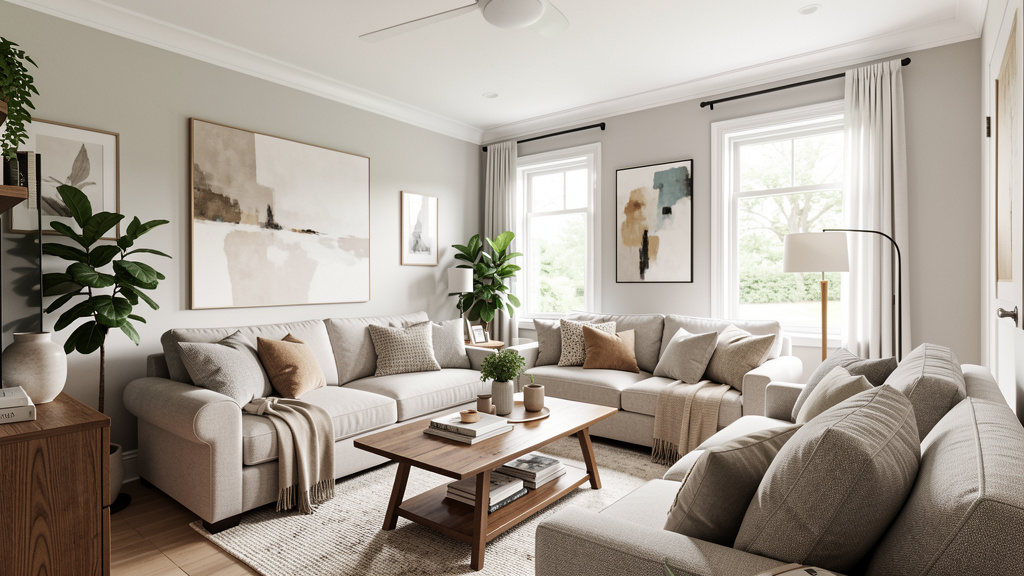
Stop Guessing and Start Breathing Clean Air: A Step-by-Step Guide to Matching the Right Purifier to Your Space and Needs
Selecting an air purifier shouldn’t feel like decoding a technical manual while standing in a brightly lit aisle surrounded by sleek boxes promising miracle air. True effectiveness hinges on a precise alignment between your room’s physical dimensions, your specific air quality concerns, and the engineering capabilities of the unit itself. This guide dismantles marketing noise to deliver a scientifically grounded, room-by-room methodology—transforming an overwhelming purchase into a confident, informed decision that supports your health and comfort through verified principles.
Introduction
Walk into any major retailer or scroll through online marketplaces, and you’ll encounter a dizzying array of air purifiers. Some boast “medical-grade” filtration, others highlight smart app connectivity, while many emphasize whisper-quiet operation. Yet beneath these surface features lies a critical truth often buried in fine print or omitted entirely: an undersized purifier in a large room cannot achieve meaningful air cleaning rates, and the wrong filter type for your specific contaminant will not address your primary concern. This principle is consistently reflected in performance data from independent testing bodies like the Association of Home Appliance Manufacturers (AHAM) and guidance from public health agencies. Industry standards exist to translate airflow dynamics and filtration science into actionable metrics. This guide consolidates established HVAC engineering principles, filter media research, and aggregated user feedback into a single, cohesive framework. It moves beyond generic advice to provide exact calculations, filter specifications, and contextual considerations that distinguish units capable of meaningful air cleaning from those that merely circulate air. Whether addressing seasonal pollen, pet dander, wildfire smoke, persistent odors, or seeking baseline air quality improvement, the path begins with understanding the relationship between space, contaminant, and machine.
The Room-Filter Synergy Framework
Forget vague recommendations like “get one for medium rooms.” Effective air purification operates on physics, not marketing categories. The Room-Filter Synergy Framework is a four-step methodology designed to eliminate guesswork. It systematically addresses the two pillars of air purifier efficacy: spatial capacity (can it clean this specific volume of air sufficiently fast?) and contaminant targeting (does its filtration system effectively capture your specific pollutants?). This framework is refined by cross-referencing AHAM Verifide® program guidelines, EPA recommendations on indoor air quality, and performance data across numerous models. It transforms abstract specifications into tangible, room-specific requirements. By following these steps sequentially, you build a reliable foundation for your decision—one resilient against sales tactics and aligned with measurable air quality goals. Whether managing allergies, smoke exposure, or general wellness, this approach ensures your investment functions as intended within your unique environment.
Step 1: Calculate Your Room’s True Air Cleaning Needs
Most shoppers start—and falter—here. They see a label stating “Covers up to 500 sq. ft.” and assume sufficiency for their 450-square-foot living room. This is frequently misleading. Square footage alone is an incomplete metric. Air exists in three dimensions. Ignoring ceiling height is akin to estimating paint needs using only wall width.
Why this step is crucial: Air Changes per Hour (ACH) represents how many times the entire volume of air in a room passes through the purifier’s filter each hour. For general air quality maintenance, 2–3 ACH is commonly referenced. For allergy sensitivity, asthma triggers, or smoke mitigation, 4–6 ACH is often recommended in professional guidance. An undersized unit may achieve only 1 ACH—insufficient to meaningfully reduce pollutant concentration. Slight oversizing is generally preferable to undersizing, as it allows operation at lower, quieter speeds while still meeting target ACH.
How to do it correctly: The Volume-Based CADR Calculation
1. Measure Precisely: Record Length (ft) × Width (ft) × Ceiling Height (ft). Standard ceilings are often 8 feet, but many newer homes feature 9- or 10-foot ceilings; older homes may have lower. Example: A “400 sq. ft.” room with 10-foot ceilings has a volume of 4,000 cubic feet (400 × 10), not 3,200 (which assumes 8 ft).
2. Determine Target ACH: Base this on your primary concern:
* General dust/pollen maintenance: 3 ACH
* Moderate allergies, light pet dander: 4 ACH
* Heightened sensitivity, asthma considerations, noticeable odors: 5 ACH
* Wildfire smoke events, significant smoke exposure, chemical sensitivity concerns: 6 ACH
3. Calculate Required CADR (Clean Air Delivery Rate): CADR, measured in cubic feet per minute (CFM), is the only standardized, third-party verified metric (via AHAM) for an air purifier’s cleaning speed for specific particles (dust, pollen, smoke). Use this formula:
Required CADR = (Room Volume in Cubic Feet × Target ACH) / 60
* Example Calculation: Bedroom is 12′ × 15′ (180 sq. ft.) with standard 8′ ceilings. Volume = 1,440 cubic feet. Target ACH = 4.
Required CADR = (1,440 × 4) / 60 = 5,760 / 60 = 96 CFM
* Critical Adjustment for Smoke: Smoke particles are smaller and harder to capture. AHAM guidance suggests using the Smoke CADR rating specifically for smoke concerns and aiming for a CADR value at least equal to ⅔ of your room’s square footage (for 8-ft ceilings). For a 180 sq. ft. room: 180 × 0.66 ≈ 120 Smoke CADR minimum. This often necessitates a higher target ACH (5–6) for smoke scenarios.
4. Account for Real-World Variables:
* Open Floor Plans: Treat the entire connected space (living room + dining area + kitchen) as one volume. This is a frequent sizing oversight. A purifier rated for a closed 300 sq. ft. room will be overwhelmed in an open 800 sq. ft. great room. Multiple correctly sized units or a single high-capacity model may be necessary.
* High Ceilings (Vaulted, Cathedral): Volume increases significantly. Calculate average height if peaked: (Lowest height + Highest height) / 2. (e.g., (8ft + 16ft)/2 = 12ft avg; Volume = 400 × 12 = 4,800 cu ft).
* Frequent Air Exchange: Rooms with many windows/doors opened regularly introduce more pollutants. Consider increasing target ACH by 1.
* Furniture and Layout: Heavy furniture may slightly impede airflow. Ensure placement allows 1–2 feet of clearance on all sides.
Common mistakes to avoid:
* Relying solely on manufacturer’s “room size” claim: These are often optimistic estimates based on minimal ACH or ideal lab conditions. Always verify with CADR.
* Ignoring ceiling height: A 10% increase in ceiling height increases volume (and required CADR) by 10%. This single factor can render a seemingly appropriate unit ineffective.
* Using square footage alone for smoke concerns: Smoke requires the specific Smoke CADR calculation (⅔ rule). Pollen or dust CADR ratings are not indicative of smoke particle capture efficiency.
* Overlooking the purpose of ACH: Higher ACH compensates for continuous pollutant generation (occupant activity, cooking, pets). At low ACH, cleaning rate may not outpace pollutant accumulation.
Consider a hypothetical scenario: A resident lives in a modern apartment with 10-foot ceilings. Their bedroom measures 14’×16′ (224 sq. ft.). They purchased a purifier advertised for “rooms up to 250 sq. ft.” based solely on square footage but experienced persistent morning congestion. Using the volume-based calculation: Volume = 224 × 10 = 2,240 cu ft. Target ACH = 4. Required CADR = (2,240 × 4)/60 ≈ 149 CFM. The unit’s verified Pollen CADR was only 110. It was physically incapable of achieving 4 ACH. After selecting a model with a 165 Pollen CADR, symptom improvement was noted. The initial unit wasn’t defective; it was mismatched to the room’s true volume.
Step 2: Decode Filter Technologies for Your Specific Concerns
CADR indicates cleaning speed; filter type determines what is captured. Installing a purifier with mismatched filtration is inefficient. Filter technology is not universal. Your primary air quality concern must guide filter selection. This step requires moving beyond buzzwords like “HEPA” or “Activated Carbon” to understand critical nuances within each category.
Why this step is crucial: Pollutants vary in size and chemical properties. Particulate matter (dust, pollen, dander) requires mechanical filtration. Gaseous pollutants (odors, VOCs) require adsorption. Choosing filtration optimized for your dominant concern ensures efficiency and cost-effectiveness. Using carbon-heavy filtration for pure dust removal allocates resources unnecessarily; using basic mechanical filtration for strong odors yields limited results.
How to do it correctly: The Contaminant-to-Filter Matrix
First, identify your primary concern(s):
* Allergens (Pollen, Dust Mites, Mold Spores): Primarily particulate matter (0.3 – 10 microns). Filter Priority: True HEPA.
* Pet Dander & Hair: Dander is fine particulate (< 10 microns); hair is large debris. Filter Priority: True HEPA + Robust Pre-Filter.
* Wildfire Smoke / Tobacco Smoke: Contains ultrafine particulates (PM2.5) and gaseous chemicals/odors. Filter Priority: True HEPA + High-Weight Activated Carbon (5+ lbs).
* Cooking Odors / Household Smells: Primarily gaseous VOCs and odors. Filter Priority: High-Weight Activated Carbon.
* VOCs from Renovation/New Furniture: Gaseous chemicals (formaldehyde, benzene). Filter Priority: Activated Carbon (potassium permanganate-impregnated preferred for formaldehyde) + potentially specialized media.
* General Air Quality / Dust: Mixed particulates. Filter Priority: True HEPA + Standard Carbon Layer.
Deep Dive: Filter Types Decoded
-
Pre-Filter:
- Purpose: Captures large particles (hair, lint) before they reach the main filter, extending main filter life.
- What to Look For: Washable/reusable is ideal for cost and sustainability. Should be easily accessible. Critical for pet owners. A weak pre-filter accelerates HEPA filter clogging.
- Budget Consideration: Units with basic mesh pre-filters require more frequent cleaning. Factor this into maintenance planning.
- Common Oversight: Neglecting pre-filter maintenance drastically reduces airflow, diminishing CADR and increasing motor strain.
-
HEPA Filter (High-Efficiency Particulate Air):
- Purpose: Removes 99.97% of particles 0.3 microns in size (the Most Penetrating Particle Size). Efficiency is typically higher for particles both larger and smaller than 0.3 microns. Essential for allergens, dander, mold spores, and smoke particulates.
- Critical Distinction:
- True HEPA (or HEPA H13/H14): Meets strict standards (DOE in US, EN 1822 in EU), capturing ≥99.97% of 0.3-micron particles. Essential for health-related particulate concerns. Verify “True HEPA,” “HEPA 13,” or “HEPA 14” in specifications. AHAM Verifide® reports list CADR values only for units meeting this standard.
- “HEPA-Type,” “HEPA-Like,” “99% HEPA”: Unregulated marketing terms. Efficiency varies widely and is often significantly lower for critical sub-micron particles. Not recommended for allergy, asthma, or smoke particulate concerns.
- Construction Matters: Pleated media increases surface area, supporting longer life and sustained airflow. Sealed housing is essential—air must pass through the filter media, not leak around edges. Independent reviews often assess seal integrity.
- Budget Consideration: There is no effective budget alternative to True HEPA for particulate removal where health is a concern. Prioritize a correctly sized True HEPA unit over a larger unit with unverified filtration.
- Common Oversight: Assuming all HEPA-labeled filters perform equally. Poor housing seals can reduce real-world efficiency substantially.
-
Activated Carbon Filter:
- Purpose: Adsorbs gaseous pollutants, odors, VOCs, and smoke chemicals. Does not capture particles. Effectiveness relies on massive surface area created by “activating” carbon.
- Weight is Critical: A thin mesh layer (common in budget units) saturates quickly. For meaningful odor/VOC removal:
- Light odors (occasional cooking): Minimum 2–3 lbs carbon.
- Moderate odors (pets, regular cooking): 4–6 lbs carbon.
- Heavy odors, smoke, strong VOCs: 7+ lbs carbon. Seek “deep-bed” descriptions.
- Carbon Type & Enhancement:
- Coconut Shell Carbon: Often preferred for household odors due to pore structure suited for smaller gas molecules.
- Impregnated Carbon: For specific VOCs like formaldehyde, carbon impregnated with potassium permanganate (KMnO₄) offers enhanced reactivity. Verify explicit mentions if this is a primary concern.
- Budget Consideration: A unit with a replaceable, standalone carbon cartridge (even if modest weight) allows future upgrades. Effectiveness remains limited for heavy loads compared to high-weight integrated filters.
- Common Oversight: Overestimating thin carbon layers. A “odor-reducing” filter with <1 lb of carbon has minimal impact on persistent smells. Confusing physical filter size with actual carbon weight.
-
Other Technologies (Contextual Evaluation):
- UV-C Light: Marketed to inactivate microorganisms on filter surfaces. Considerations: Requires sufficient intensity and exposure time; residential airflow rates often limit effectiveness. Potential for trace ozone generation if poorly designed. Guidance: Only consider if presented as a supplement to True HEPA/carbon in a well-designed unit, with verified ozone-free certification (< 0.05 ppm). Not a standalone solution.
- Ionizers / PlasmaWave / Bipolar Ionization: Emit ions intended to agglomerate particles. Significant Considerations: Many generate ozone (a respiratory irritant). Effectiveness for whole-room cleaning is debated; particles may resettle on surfaces. CARB (California Air Resources Board) regulates ozone emissions. Guidance: Prefer units where ionization features can be permanently disabled. Verify CARB certification and independent ozone testing if included. True HEPA filtration remains a more consistently validated method for particle removal without potential byproducts.
- Photocatalytic Oxidation (PCO): Uses UV light on a catalyst to break down VOCs. Considerations: Potential to generate harmful intermediate byproducts (e.g., formaldehyde) if not precisely engineered. Limited independent validation for residential efficacy. Guidance: Generally not recommended in consumer air purifiers due to unresolved safety and efficacy questions.
Filter Selection Reference
| Filter Type | Best Suited For | Critical Specification to Verify | Minimum Recommendation for Efficacy | Considerations to Note |
|---|---|---|---|---|
| Pre-Filter | Extending main filter life, pet hair capture | Washable? Easy access? | Must be present & maintainable | Non-washable types require frequent replacement |
| True HEPA | Allergens, dander, mold, smoke particles | “True HEPA,” “H13,” “H14”; Sealed housing | Essential for particulate concerns | Avoid unverified “HEPA-Type” claims |
| Activated Carbon | Odors, smoke chemicals, VOCs | Weight in pounds (lbs); Carbon type | 2–3 lbs (light), 5+ lbs (moderate) | “Carbon layer” without weight specification is suspect |
| Impregnated Carbon | Formaldehyde, specific strong VOCs | Mentions potassium permanganate (KMnO₄) | Only if VOCs are primary concern | Verify specific claims beyond marketing language |
| UV-C | Supplemental microbial reduction (contextual) | Ozone-free certification (<0.05 ppm) | Only if disableable & verified | Not a primary filtration technology |
| Ionizers | Generally not recommended as primary method | CARB certified, permanently disableable | Exercise caution | Potential ozone generation; inconsistent efficacy data |
Imagine two distinct household needs: One household has multiple pets and manages dander sensitivity. They require a robust washable pre-filter and True HEPA filtration; carbon is secondary. Another household resides in a region affected by seasonal wildfire smoke. They require True HEPA and substantial activated carbon (7+ lbs) to address both smoke particles and chemical odors. Selecting the first household’s ideal unit for the second scenario would leave lingering smoke odors unresolved. Precision in matching filtration to the dominant concern optimizes performance and resource allocation.
Step 3: Match the Purifier’s Capacity to Your Room (Beyond CADR)
You’ve calculated required CADR (Step 1) and identified essential filter types (Step 2). Now, evaluate how the unit performs in your living environment. This step bridges laboratory-certified metrics and real-world usability—noise, energy use, maintenance, and placement practicality.
Why this step is crucial: A purifier with ideal CADR on paper may be impractical due to noise at required speed, high operating costs, or difficult maintenance. Conversely, a unit with slightly lower peak CADR that operates quietly and sustainably at your needed speed may deliver better long-term results. User adherence—will you run it consistently?—is fundamental to effectiveness.
How to do it correctly: The Operational Reality Check
-
Verify CADR Credibility:
- AHAM Verifide® is Key: Prioritize models displaying the AHAM Verifide® seal, indicating independent lab testing and published CADR values for Dust, Pollen, and Smoke. Manufacturer-stated CADR without verification lacks reliability.
- Match the Relevant CADR: For allergens/dust, reference the Pollen CADR. For smoke scenarios, reference the Smoke CADR. Ensure the verified value meets or exceeds your calculated requirement.
- Assess Speed Context: Some manufacturers advertise CADR measured only at maximum (“Turbo”) speed. Determine the CADR achievable at Medium or High speed—the settings you’d reasonably use daily. If your required CADR is only attainable on an uncomfortably loud setting, the unit is effectively undersized for practical use.
-
Noise Level Assessment (Decibels – dB):
- Contextualize Decibels: Decibels are logarithmic. A 10 dB increase is perceived as roughly twice as loud.
- 20–30 dB: Very quiet (rustling leaves), ideal for bedrooms overnight.
- 30–40 dB: Quiet library level, acceptable for bedrooms/living areas.
- 40–50 dB: Moderate rainfall, noticeable but often tolerable in living spaces.
- 50+ dB: Busy office level, potentially disruptive for sleep or concentration.
- Demand Speed-Specific Data: Locate dB ratings at the fan speed required to achieve your target CADR. Search user reviews for phrases like “[Model] noise on medium speed bedroom.” Placement affects perception—centering the unit often reduces perceived noise versus corner placement.
- Contextualize Decibels: Decibels are logarithmic. A 10 dB increase is perceived as roughly twice as loud.
-
Energy Consumption Awareness:
- Check EnergyGuide Label: Many units display estimated annual energy cost. Compare this metric.
- Estimate Real Cost: Find wattage at your typical operating speed. Formula:
(Watts × Hours Used Daily × 365) / 1000 = kWh/year. Multiply by your electricity rate. Example: A 50W unit running continuously: (50 × 24 × 365)/1000 = 438 kWh/year. At $0.15/kWh ≈ $65.70/year. Energy Star certified models prioritize efficiency. - Smart Features: Timers or scheduling can reduce high-speed runtime. Verify sensor reliability if considering auto mode (see below).
-
Filter Replacement Cost & Frequency (Total Cost of Ownership):
- Calculate Annual Cost: (Replacement Filter Set Price) / (Replacement Interval in Years). Example: $80 filter set replaced every 8 months (0.67 years): $80 / 0.67 ≈ $120/year. This recurring cost can exceed the initial purchase price over time.
- Factor into Decision: Compare 5-year total cost:
(Unit Price) + (Annual Filter Cost × 5) + (Annual Energy Cost × 5). A higher initial investment with lower operating costs may be more economical long-term. - Availability Check: Confirm filters are readily available from the manufacturer and reputable retailers. Some brands use standardized sizes, enabling compatible third-party options (verify quality reviews).
-
Sensor Reliability (For Auto Mode Units):
- Research Thoroughly: Auto mode adjusts fan speed based on particle sensors. Budget sensors can be inaccurate—triggering high speed for harmless dust or failing to detect rising pollutant levels. Search “[Model Name] sensor accuracy review.” Units with laser-based (PM2.5) sensors generally offer better reliability than basic infrared sensors. Consider if manual speed control better suits your needs for predictability.
Common mistakes to avoid:
* Ignoring noise at required speed: Selecting a unit that meets CADR only on a speed too loud for intended use (e.g., bedroom overnight).
* Underestimating filter costs: Focusing solely on purchase price without budgeting for recurring replacements, leading to infrequent changes and reduced performance.
* Over-relying on auto mode: Assuming sensors will optimize operation without verifying real-world accuracy through user feedback.
* Overlooking placement constraints: Choosing a unit that doesn’t fit intended location or blocks pathways.
Consider a hypothetical office scenario (12’×10′, 8′ ceilings; volume 960 cu ft). Target ACH = 4. Required CADR = (960 × 4)/60 = 64 CFM. Two options:
* Unit A: Verified Pollen CADR 75. Noise on Medium (CADR=70): 42 dB. Filter cost: $60/year. Energy: 35W on Medium.
* Unit B: Verified Pollen CADR 100. Noise on Medium (CADR=65): 38 dB. Filter cost: $90/year. Energy: 45W on Medium.
Unit B has higher peak CADR, but Unit A meets the requirement and operates more quietly at the necessary speed. The 5-year cost estimate favored Unit A ($615 vs. $852). For this specific need and environment, Unit A represented a more sustainable, user-friendly choice. Precision in matching operational profile to context outweighs raw specification numbers.
The Fundamental Principle: An air purifier’s real-world value is determined by the sustainable alignment between its verified cleaning capacity (CADR), its operational profile (noise, energy), and total cost of ownership (filters) within your specific room and lifestyle. The optimal unit is the one you will operate consistently, at the necessary speed, for the long term.
Step 4: Factor in Real-World Variables & Long-Term Strategy
Technical specifications alone don’t guarantee success. Integration into your daily life—placement, maintenance, multi-room strategy, and adapting to household dynamics—determines whether the purifier delivers sustained benefits. This step transforms the unit from a standalone appliance into a functional component of your home environment.
Why this step is crucial: Even a perfectly specified purifier underperforms if placed poorly, maintained infrequently, or mismatched to household routines. Real-world variables directly impact effectiveness. This step ensures your solution is practical, maintainable, and adaptable.
How to do it correctly: The Integration Protocol
Placement for Optimal Airflow
* Central & Unobstructed Placement: Position the purifier as centrally as feasible within the target room. Maintain 1–2 feet of clearance on all sides, especially around air intakes (typically sides or bottom). Blocking intakes severely restricts airflow and reduces effective CADR.
* Elevation Considerations: For lighter pollutants like smoke or VOCs that rise, placement on a sturdy table (2–3 feet high) may enhance capture. For heavier particles like dust or dander, floor placement is acceptable. Critical Exception: Never place directly on thick carpeting if intake is on the bottom. Use included feet or a hard surface/mat. Units with bottom intake perform best on hard flooring.
* Strategic Positioning by Concern:
* Allergies/Pollen: Place near the bed (3–5 feet away), ensuring clean air flows across the sleeping area without direct draft on the face. Run continuously during high-pollen seasons.
* Pets: Position in the room where pets spend most time, slightly away from their resting areas to avoid disturbance. Prioritize units with robust pre-filters.
* Smoke/Odors: During events, place centrally in the occupied room with doors closed to create a “clean air zone.” For cooking odors, position near the kitchen doorway (not directly over stove).
* Open Floor Plans: For spaces >600 sq. ft., one powerful centrally placed unit is preferable to multiple weak units. For very large areas (>800 sq. ft.), two correctly sized units at opposite ends often provide more uniform cleaning than one oversized unit. Calculate total volume first.
* Placement to Avoid:
* Inside cabinets or enclosed shelves (blocks all airflow).
* Directly against walls (blocks intake).
* In high-traffic pathways where frequently bumped.
* Near humidifiers or significant moisture sources (can damage components).
Maintenance for Sustained Performance
* Pre-Filter Cleaning (Weekly/Bi-Weekly): For washable types: rinse gently, air dry completely (24+ hours) before reinserting. For non-washable: vacuum with soft brush attachment. A clean pre-filter is the single most impactful maintenance task for preserving main filter life and airflow.
* Filter Replacement Timing: Do not rely solely on indicator lights (often simple timers). Base replacement on:
* Manufacturer’s guideline (baseline).
* Visual inspection: HEPA filter darkened? Carbon filter compressed or saturated-smelling?
* Performance cues: reduced airflow, increased noise, return of target concerns.
* Tip: Photograph new filters for visual comparison during inspections.
* Exterior & Sensor Care (Monthly): Wipe exterior and intake grilles with a dry microfiber cloth. For units with accessible particle sensors, gently clean the sensor window per manual instructions to prevent false readings.
* Seasonal Adjustments: During high-pollen seasons or wildfire events, inspect filters more frequently. Filter life may shorten significantly. In low-pollen winter months within a sealed home, life may extend slightly.
Multi-Room & Complex Home Strategies
* Single-Unit Priority Strategy: Focus budget on one correctly sized, high-quality purifier for your most critical room—typically the bedroom, where exposure duration is longest. Move the unit to other rooms (living area, office) during daytime if practical. This delivers the greatest health benefit per dollar spent.
* Targeted Multi-Unit Strategy: For multiple high-need areas (bedroom, nursery, home office):
* Prioritize: Bedroom first, then other critical zones.
* Size Per Room: Calculate CADR requirement for each room individually. A nursery requires different sizing than a living room.
* Budget Approach: Use a high-quality unit for the primary room. For secondary rooms with less severe needs, a smaller, budget-friendly True HEPA unit (avoiding unverified filtration) can be effective. Avoid spreading budget too thin across multiple ineffective units.
* Whole-House Considerations:
* HVAC-Integrated Filters: Installing a high-MERV filter (MERV 13+) in central HVAC may provide supplementary filtration. Important Caveats: 1) Most residential HVAC systems aren’t designed for the airflow restriction of high-MERV filters, potentially reducing efficiency or straining the system; 2) Air cleans only when the fan runs; 3) Duct leaks can reintroduce pollutants. Consult an HVAC professional before upgrading MERV. Often a supplement, not replacement, for portable purifiers in key rooms.
* Dedicated Whole-House Purifiers: Installed within ductwork by HVAC professionals. Effective but costly ($1,000+ installed). Best considered during HVAC replacement or major renovation. Requires professional sizing and installation. Not a DIY solution.
Special Scenarios: Contextual Adaptations
* Renters: Prioritize portability and non-invasive placement. Avoid units requiring permanent modification. Document unit condition upon move-in/move-out. Focus on placement strategies that comply with lease terms (e.g., not blocking vents). Units with handles ease relocation.
* Small Spaces (Apartments, Dorms): Size precisely! Calculate the small volume. Seek compact, quiet models designed for bedrooms or offices. Units with adequate carbon filtration are valuable where odors concentrate. Portability is a plus.
* High Humidity / Mold Concerns: Air purifiers remove airborne mold spores but do not address the moisture source causing mold growth. This is critical: Fix leaks, improve ventilation, and use a dehumidifier to maintain relative humidity below 50%. A True HEPA purifier is valuable after moisture issues are resolved to capture lingering spores. Never rely solely on a purifier for active mold remediation.
* Chemical Sensitivities: Prioritize units with substantial, high-quality carbon filters (7+ lbs, potentially impregnated). Avoid units with strong initial “new plastic” odor—air out in a garage first if possible. Verify zero ozone emission (CARB certified, no non-disableable ionizers). Consider units with metal housings if plastic off-gassing is a severe concern. Begin operation on lowest speed to assess tolerance.
Common mistakes to avoid:
* Neglecting routine maintenance: Skipping pre-filter cleaning accelerates main filter clogging, reduces performance, and increases energy use. Integrate cleaning into weekly routines.
* Poor placement for convenience: Shoving the unit into a corner behind furniture guarantees suboptimal performance. Prioritize airflow over being “out of the way.”
* Overestimating single-unit coverage: Expecting one purifier in the living room to clean air in distant bedrooms. Air doesn’t flow that way in typical homes. Target the room you occupy.
* Ignoring source control: Using a purifier to mask odors from a litter box placed immediately adjacent, rather than relocating the source. Purifiers clean air; they don’t eliminate pollution at the origin. Combine with source reduction (e.g., better litter management, ventilation while cooking).
Consider a hypothetical studio apartment resident (700 sq. ft. with 9-foot ceilings; volume ~6,300 cu ft). Initially using one purifier rated for “700 sq. ft.” near the bed, they noticed persistent smoke odor near the kitchen during wildfire season. Recognizing the open layout challenge, they retained the primary unit (verified Smoke CADR 220) centrally located in the main living/sleeping area. They added a smaller, quiet True HEPA unit (Smoke CADR 80) specifically for the kitchen zone to handle localized cooking odors and smoke infiltration near the window. This targeted two-unit approach, sized appropriately for zones within the open space, proved significantly more effective than relying solely on the single unit or pursuing one prohibitively large commercial model. They also established a weekly pre-filter rinse ritual, ensuring both units maintained peak efficiency throughout challenging seasons.
Addressing Your Specific Air Quality Concerns: A Targeted Guide
While the Room-Filter Synergy Framework provides the universal methodology, your personal context demands tailored application. This section translates the framework into actionable strategies for eight common scenarios. Refer to the scenario aligning with your primary goal, then cross-reference core framework steps for precise execution. Each includes essential filter specifications, placement considerations, and scenario-specific pitfalls.
For Allergy & Asthma Considerations: Precision Targeting of Triggers
Allergens like pollen, dust mites, and mold spores require precise filtration. Essential Filter Specification: True HEPA (H13 minimum). Unverified “HEPA-Type” filters lack consistent efficiency for the full spectrum of allergen sizes, particularly smaller particles. Prioritize units with verified high Pollen CADR relative to your room calculation. A robust, washable pre-filter extends HEPA life during high-allergen seasons. Placement Strategy: Position 3–5 feet from the bed, directing clean air exhaust across the sleeping area, not directly at the face. Continuous operation on a medium setting (achieving 4–5 ACH) is often recommended during peak seasons—pollen counts rise early; clean air should be ready. Key Consideration: Intermittent operation allows allergen concentrations to rebuild. Consistent operation maintains lower baseline levels. Supporting Practice: Pair with allergen-proof mattress and pillow covers. The purifier cleans airborne particles; covers reduce the reservoir in bedding. Verify the AHAM report specifically lists Pollen CADR.
For Pet Households: Managing Dander, Hair, and Odors
Pets introduce microscopic dander, visible hair, and persistent odors. Essential Filter Specification: True HEPA + Heavy-Duty Washable Pre-Filter + Minimum 4 lbs Activated Carbon. The pre-filter is critical defense against hair rapidly clogging the HEPA filter. Carbon (4+ lbs) addresses ammonia from litter boxes and general pet odors. Placement Strategy: Position in the room pets frequent most, with ample clearance (2+ feet) to prevent hair accumulation on the intake. Avoid placing directly beside pet resting spots to minimize disturbance. Key Consideration: Underestimating carbon needs leads to rapid saturation and ineffective odor control. Prioritize verified carbon weight. Supporting Practice: Regular grooming outdoors reduces indoor shedding. Vacuum floors and upholstery frequently with a HEPA-filtered vacuum to remove settled dander the air purifier cannot reach. For multiple pets, consider a slightly higher target ACH (5 instead of 4) due to increased pollutant load.
For Wildfire Smoke Events: Capturing Particulates and Chemicals
Wildfire smoke contains ultrafine particulates (PM2.5) and hazardous gaseous chemicals. Standard odor filters are inadequate. Essential Filter Specification: True HEPA (H13/H14) + Deep-Bed Activated Carbon (Minimum 7 lbs, ideally 10+ lbs). HEPA captures lung-penetrating particles; heavy carbon adsorbs acrid chemicals causing irritation and odor. Verify the Smoke CADR specifically. Apply the ⅔ rule: Required Smoke CADR ≥ (Room Sq. Ft. × 0.66). For a 400 sq. ft. room, minimum Smoke CADR ≈ 264. Placement Strategy: During events, seal windows/doors. Place purifier centrally in the room you occupy most (often bedroom). Close doors to other rooms to create a “clean air room.” Run continuously on the highest tolerable setting to achieve 5–6 ACH. Key Consideration: Insufficient carbon weight removes visible haze but leaves chemical odors and gases unaddressed. Verify independent reviews testing smoke odor removal. Supporting Practice: Monitor outdoor air quality via apps (e.g., AirNow.gov). Begin purifier operation before smoke peaks indoors. Keep replacement filters on hand; smoke saturation drastically shortens filter life. Consider a secondary unit for the bedroom if the primary unit is elsewhere.
For Cooking & Household Odors: Targeted Gas-Phase Filtration
Cooking odors (fish, curry, frying), garbage smells, or mustiness require focused gas-phase filtration. Essential Filter Specification: High-Weight Activated Carbon (Minimum 5 lbs for moderate odors, 7+ lbs for strong/frequent odors). True HEPA remains beneficial for grease particles and dust, but carbon is primary. Prioritize verified carbon weight and type (coconut shell often preferred). Placement Strategy: Position near the kitchen doorway or in the adjacent dining area—not directly over the stove (heat and grease risk damage). Operate during and for 30–60 minutes after cooking. For garbage odors, place near the bin location if space and safety allow. Key Consideration: Thin carbon mesh filters saturate within days for strong cooking smells. Verify carbon weight in specifications or detailed reviews. Supporting Practice: Always use a range hood vented outside while cooking—it’s the most effective method for removing heat, moisture, and pollutants at the source. The air purifier acts as secondary cleanup for residual odors. For musty basement smells, address moisture first (dehumidifier!), then use carbon filtration for lingering organic odors.
For New Furniture, Renovations & VOC Reduction: Addressing Chemical Off-Gassing
New materials release VOCs like formaldehyde for extended periods. Standard carbon has limited effectiveness. Essential Filter Specification: Activated Carbon Impregnated with Potassium Permanganate (KMnO₄) + Minimum 6 lbs total carbon weight. KMnO₄ chemically reacts with and neutralizes formaldehyde and aldehydes more effectively than standard carbon. Verify explicit “formaldehyde removal” or “VOC-specific” filter claims. True HEPA remains beneficial for construction dust. Placement Strategy: Position as close as safely possible to the primary off-gassing source (e.g., new sofa, freshly painted room). Maximize ventilation (open windows) while running the purifier during initial high-off-gassing periods. Key Consideration: Standard carbon filters show minimal impact on formaldehyde in independent testing. Verify the specific impregnation technology. Supporting Practice: Source low-VOC or VOC-free materials during renovations—it’s the most effective prevention. Slightly increasing room temperature (if comfortable) can accelerate off-gassing; combine with ventilation and aggressive purification. For severe concerns, consider a dedicated VOC sensor.
For General Air Quality & Dust Reduction: Foundational Approach
For baseline air quality improvement without severe specific concerns, focus on efficiency and sustainability. Essential Filter Specification: True HEPA + Standard Activated Carbon Layer (2–3 lbs) + Washable Pre-Filter. This combination addresses common household pollutants: dust, tracked-in pollen, occasional pet dander, and light odors. Prioritize energy efficiency (Energy Star) and reasonable long-term filter costs. Placement Strategy: Central location in the main living area during daytime; move to the bedroom at night. Operation on low or auto setting (if sensor is reliable) is often sufficient for maintenance (2–3 ACH). Key Consideration: Avoid over-engineering. A 10-lb carbon filter is unnecessary for general use. Focus on a well-sealed True HEPA unit with sustainable operating costs. Supporting Practice: Combine with simple habits: remove shoes at the door, use quality doormats, vacuum weekly with a HEPA vacuum. The purifier complements these practices; it doesn’t replace them. This scenario offers the most cost-effective entry point to establish consistent air purification habits.
For Nurseries & Children’s Rooms: Prioritizing Safety and Quiet Operation
Children’s developing systems warrant careful consideration. Safety and quiet operation are paramount. Essential Filter Specification: True HEPA (for dust, dander, potential mold spores) + CARB-Certified Ozone-Free Operation (absolutely no non-disableable ionizers). Avoid units with bright LED displays that may disrupt sleep; seek models with a “Night Mode” dimming or disabling lights. Ultra-quiet operation on low speed (< 30 dB) is critical. Placement Strategy: Position across the room from the crib/bed, ensuring clean air circulates without creating a draft directly on the child. Maintain strict 2-foot clearance from all sides and the crib. Secure cords safely out of reach. Key Consideration: Prioritize simplicity and verified safety certifications (CARB, Energy Star) over complex features. Supporting Practice: Continuous operation on the lowest effective setting is often recommended. The consistent white noise may be soothing. Choose units with physical child locks on controls if accessible to toddlers. Emphasize source control first: use low-VOC paints/furnishings, avoid heavy fragrances in the nursery.
For Mold Spore Management: A Component of a Broader Strategy
Critical Clarification: An air purifier only captures airborne mold spores. It does not kill mold growing on surfaces or address the moisture source causing growth. Using a purifier without fixing leaks, improving ventilation, or reducing humidity is ineffective and delays necessary remediation. Essential Filter Specification: True HEPA (H13 minimum) to capture airborne spores. Avoid ionizers, which may fragment spores. Placement Strategy: Use only after visible mold has been professionally remediated and the moisture source is permanently resolved. Place centrally in the affected room during and after remediation to capture disturbed spores. Run continuously initially. Key Consideration: Relying solely on an air purifier to “solve” a mold problem is ineffective and potentially hazardous. High humidity also rapidly saturates filters. Supporting Practice: Pair with a hygrometer and dehumidifier. Maintain indoor relative humidity below 50% year-round to inhibit mold growth. If hidden mold is suspected (musty smell, water stains), consult a professional remediation specialist before purchasing an air purifier. The purifier is a final air-cleaning step, not the initial remediation solution.
Navigating Practical Constraints & Smart Adaptations
Real-world constraints—budget, rental rules, space limitations, or unexpected performance issues—require pragmatic adaptations. This section offers evidence-informed alternatives and troubleshooting strategies to maintain progress toward cleaner air without compromising core principles. Sustainable success often lies in adaptable implementation.
Budget Constraints: Strategic Value Maximization
Air purifier prices vary widely. Avoid compromising on critical specs (True HEPA, sufficient verified CADR) for health-related concerns, as this often leads to ineffective results and greater long-term cost. Instead, adopt a phased, strategic approach:
* Non-Negotiable Core: For particulate concerns (allergies, asthma, smoke particles), True HEPA filtration is essential. A smaller, correctly sized True HEPA unit delivers more value than a larger unit with unverified filtration. Prioritize AHAM Verifide® models even in the value tier ($150–$250); several brands offer verified performance at accessible prices.
* Contextual Compromises (Where Appropriate):
* Carbon Weight: For pure particulate concerns without strong odors, a unit with a lighter carbon layer (2–3 lbs) is acceptable. Supplement odor control with source management (ventilation, baking soda).
* Noise Profile: If the required speed for your CADR is slightly noisier than ideal but still tolerable in the intended space (e.g., 42 dB in a living room), it may be a valid trade-off. Use timers to run on higher speeds when away, lower speeds when present.
* Smart Features: Skip app connectivity or complex displays. Manual controls are often more reliable and cost-effective. Direct budget toward filter quality and motor performance.
* Phased Investment Strategy:
1. Phase 1 (Critical Room): Invest in one correctly sized True HEPA purifier for your bedroom—the room where air quality impact on health is most significant due to exposure duration. Calculate precisely; select the smallest unit meeting your CADR need for that room.
2. Phase 2 (Secondary Room): After 6–12 months, add a second, appropriately sized unit for another high-need area. By then, filter replacement costs are budgeted, and needs are clearer.
3. Filter Cost Awareness: Research third-party replacement filter availability before purchasing. Brands using standardized filter sizes sometimes have compatible, lower-cost options from reputable third parties. Caution: Avoid ultra-low-cost, no-name filters; poor seals or media compromise performance.
* Emergency Context Only: In urgent, short-term scenarios (e.g., sudden severe wildfire smoke with no access to a certified purifier), a well-constructed box fan with a MERV 13 furnace filter securely attached over the intake may provide limited particulate filtration. This is NOT recommended for sustained use: It is inefficient, lacks carbon for gases, poses potential fire/safety risks if unmonitored, and is noisy. Prioritize evacuation or seeking cleaner air if smoke is severe. Certified portable air cleaners remain the recommended solution for ongoing protection.
Rental Limitations & Space Constraints: Working Within Boundaries
Renters and those in compact spaces face unique placement and portability challenges.
* Placement Adaptation:
* No Central Spot? Position near the doorway of the target room. While suboptimal, it processes air moving through the space. Ensure intake isn’t blocked by the door.
* Very Small Room? Size correctly! Calculate the small volume; a compact model (e.g., designed for bedrooms/offices) is ideal. Its lower CADR is sufficient for small volumes and typically operates very quietly.
* Limited Floor Space? Seek units designed for shelf or table placement. Verify intake/exhaust locations—some tower units require floor placement. Ensure the shelf is sturdy and provides adequate clearance.
* Renter-Specific Practices:
* Document Condition: Photograph the unit and its placement upon move-in. Note any existing marks. Protects security deposit.
* Avoid Modifications: Do not drill, use heavy adhesives, or permanently block vents. Use furniture sliders under the unit if moving frequently to prevent floor scratches.
* Proactive Communication: If lease terms are unclear, briefly inform your landlord you’re using a portable air purifier for health reasons—it’s generally viewed positively for maintaining air quality.
* Prioritize Portability: Choose units with handles and manageable weight for easy movement between rooms or during relocation.
* Open Floor Plan Adaptation (Revisited): For studios or lofts under 600 sq. ft., one correctly sized unit (calculate total volume!) placed centrally is usually sufficient. For larger open areas, the two-unit strategy (one primary, one secondary) is often more feasible than whole-house systems. Use furniture arrangement to subtly define zones and position units accordingly.
Troubleshooting Common Performance Observations
Even with careful selection, adjustments may be needed. Often, simple changes resolve concerns.
* “Dust/allergens aren’t reducing noticeably!”
* Check: Is the pre-filter clogged? Clean immediately. Is the HEPA filter due for replacement? Inspect visually. Is placement obstructed (corner, behind furniture)? Relocate centrally with clearance. Re-calculate required CADR using actual room measurements. Are windows/doors frequently open during high-pollen times? Minimize air exchange when outdoor counts are high.
* “Smoke/odors persist!”
* Check: Is the carbon filter saturated? Replace—smoke drastically shortens carbon life. Is carbon weight sufficient? (<5 lbs is often inadequate for smoke). Is the unit running on a speed achieving target ACH? Verify Smoke CADR meets the ⅔ rule. Are sources being managed? (Seal windows during wildfires, use range hood while cooking).
* “Too loud for sleep!”
* Check: Is a lower speed sufficient? Re-calculate required CADR; you may not need the highest setting. Move the unit farther from the bed (across the room). Place on a soft rug (if intake isn’t on bottom) to dampen vibration. Ensure it’s on a level surface. For future purchases, prioritize models with dedicated ultra-quiet sleep modes.
* “Filter change light activated early!”
* Check: Indicator lights are often timers, not saturation sensors. In high-pollution environments (pets, smoke, construction), filters saturate faster. Inspect the HEPA filter—if dark gray/black, replace. For carbon, if previously controlled odors return, replace. Reset the timer per manual after replacement. Operating with a saturated filter reduces efficiency and strains the motor.
* “Auto mode seems unreliable!”
* Check: Gently clean the particle sensor window with a dry cotton swab per manual. Relocate away from drafts, direct sunlight, or high-traffic areas where walking kicks up dust. If inconsistency persists, switch to manual mode and set a consistent speed based on your CADR calculation. Many users find manual mode more predictable for their routine.
Understanding Limitations: When an Air Purifier Isn’t the Primary Solution
Clarity about boundaries prevents misdirected effort and ensures safety. Air purifiers excel at removing airborne pollutants but have defined limitations:
* Visible Mold Growth on Surfaces: Stop. Do not rely on an air purifier. This requires professional mold remediation and fixing the underlying moisture problem (leak, condensation, ventilation issue). An air purifier may be used during professional remediation to capture disturbed spores, but it is not the solution to active growth.
* Strong, Persistent Chemical Smells (Beyond Cooking): Could indicate serious hazards: gas leak (natural gas/propane—EVACUATE AND CALL EMERGENCY SERVICES), sewer gas leak, or significant off-gassing. Investigate the source immediately. An air purifier masks symptoms but does not resolve dangerous conditions.
* Radon Gas: Air purifiers do not remove radon. Radon requires specialized mitigation (sub-slab depressurization) installed by certified professionals. Test your home for radon (inexpensive kits available).
* Carbon Monoxide (CO): Air purifiers do not remove CO. This is a silent, deadly gas. Working CO detectors are essential on every level and near sleeping areas. Ensure fuel-burning appliances are serviced annually.
* Excessive Humidity / Condensation: Leads to mold and dust mites. Solution: Dehumidifier (for basements, humid climates) or improved ventilation (bathroom/kitchen fans vented outside). Air purifiers do not reduce humidity.
Recognizing these boundaries directs effort to the correct solution. An air purifier is a valuable tool within its domain—cleaning the air you breathe—but functions best as part of a holistic approach including source control, ventilation, and humidity management for a truly healthy home environment.
Your Questions, Answered
Q: How often should I really replace the filter? The light came on after 4 months, but the manual says 12.
A: Filter change indicators are primarily timers, not precise sensors of saturation. Real-world lifespan depends entirely on your environment. In homes with pets, high pollen, or during smoke events, filters may saturate in 3–6 months. Visually inspect the HEPA filter—if it’s dark gray or black instead of light, replace it. For carbon filters, if previously controlled odors return or the filter smells saturated/musty, replace it. When in doubt, replace; a clogged filter reduces cleaning efficiency, strains the motor (increasing noise and energy use), and may release trapped particles. Base replacement on your usage and visual inspection, not solely the timer.
Q: Can I wash and reuse the HEPA filter to save money?
A: No. True HEPA filters use tightly pleated, fragile media (glass fiber or synthetic). Washing destroys the microscopic structure and any electrostatic charge aiding capture, rendering the filter ineffective or creating pathways for particles. It also risks damaging the seal. Some units have washable pre-filters (check your manual!), but the main HEPA and carbon filters are disposable. Attempting to wash a HEPA filter compromises air quality and is not cost-effective. Invest in proper replacements.
Q: Is ozone from air purifiers dangerous? How do I know if mine produces it?
A: Ozone (O₃) is a lung irritant, particularly concerning for children, the elderly, and those with respiratory conditions. Avoid purifiers that intentionally generate ozone (sometimes marketed as “energized oxygen”). For units with ionizers, UV-C, or PCO: 1) Ensure CARB (California Air Resources Board) certification for ozone emissions (mandatory for sale in California, indicates emissions < 0.05 ppm); 2) Verify any ionizing feature can be permanently disabled. For heightened sensitivity, the safest choice is a purifier using only mechanical filtration (True HEPA + Carbon) with no ionizing technology. Check product specifications and certifications carefully.
Q: My room is 350 sq. ft., but the purifier says “Covers up to 500 sq. ft.” Why isn’t it working well?
A: Manufacturer “room size” claims are often optimistic estimates based on minimal air changes per hour (sometimes as low as 1–2 ACH) or ideal lab conditions. They frequently ignore ceiling height. Calculate using the CADR method: Measure your room’s volume (Length × Width × Ceiling Height). Determine your target ACH (e.g., 4 for allergies). Required CADR = (Volume × ACH) / 60. Then, check the unit’s verified CADR (look for AHAM Verifide® report) for the relevant pollutant (Pollen for allergies, Smoke for smoke). If the verified CADR is less than your calculated requirement, the unit is undersized. High ceilings (9+ ft) are a common factor—your 350 sq. ft. room with 10-ft ceilings has 3,500 cubic feet of air, requiring significantly more cleaning capacity than a standard 8-ft ceiling room.
Q: Do air purifiers help with viruses like colds or flu?
A: Air purifiers with True HEPA filters can capture airborne virus particles (typically attached to respiratory droplets or dust). They serve as a supplemental layer within a broader strategy, not a primary defense. HEPA filtration may reduce airborne virus concentration in the room where operating, potentially lowering transmission risk. However, viruses spread primarily through close contact and surfaces. They should be used alongside core measures: vaccination, hand hygiene, staying home when ill, and improving ventilation (opening windows when outdoor air quality permits). Do not rely solely on an air purifier for virus protection. Be cautious of units making explicit “kills viruses” claims without specific, independent lab validation for that pathogen.
Q: Should I run my air purifier 24/7? Isn’t that wasteful?
A: For optimal air quality in frequently occupied rooms, continuous operation is generally recommended, especially in bedrooms. Pollutants (dust, dander, VOCs) are constantly generated. Turning the unit off allows concentrations to rebuild. Modern Energy Star certified purifiers are designed for continuous operation; energy cost on low/medium speeds is often modest (comparable to an LED light bulb). The health benefits of consistently cleaner air typically outweigh the small energy cost. Use lower speeds overnight for quiet operation. If concerned, select a model with low wattage on medium speed and use a timer for high-pollution periods (e.g., pollen season mornings, cooking times). The greater inefficiency is purchasing an effective purifier and not using it consistently.
Q: What’s the difference between CADR and ACH? Which number matters more?
A: They are directly related but serve different purposes. CADR (Clean Air Delivery Rate) is a fixed measurement of the purifier’s output—cubic feet of clean air delivered per minute for specific particles (dust, pollen, smoke). It’s a property of the machine, verified by AHAM. ACH (Air Changes per Hour) is a calculated requirement for your room—how many times the entire room’s air volume should be cleaned each hour for your needs. You use your room’s volume and desired ACH to calculate the minimum CADR you need. CADR is the tool; ACH is the goal. Always start with your required ACH based on your needs, calculate the necessary CADR, then select a purifier whose verified CADR meets or exceeds that number. Context is essential—comparing CADR numbers alone without room size is meaningless.
Q: Are “HEPA-Type” or “99% HEPA” filters good enough for allergies?
A: No, they are not sufficient for allergy or asthma concerns. “HEPA-Type,” “HEPA-Like,” or “99% HEPA” are unregulated marketing terms with no standardized testing requirement. Actual efficiency varies widely (often 80–95% at best) and is frequently much lower for the most penetrating particle sizes (around 0.3 microns) that trigger reactions. True HEPA (or HEPA H13/H14) is a strict standard requiring capture of 99.97% of particles at 0.3 microns. For health-related concerns where removing the smallest allergens is critical, True HEPA is essential. The modest upfront cost difference is insignificant compared to the impact of ineffective filtration. Always verify “True HEPA” or “HEPA 13” in specifications.
Q: Can I use an air purifier in a room with a humidifier?
A: Yes, with precautions. Place them several feet apart. Do not position the air purifier’s intake directly next to the humidifier’s mist output. Excessive moisture drawn into the purifier can: 1) Damage internal components over time; 2) Cause HEPA filter media to degrade or clump; 3) Promote mold growth inside the unit. If using both, monitor humidity with a hygrometer and keep relative humidity below 50–60% to avoid creating conditions favorable for mold and dust mites. In humid climates, a dehumidifier is often a more beneficial companion to an air purifier than a humidifier.
Q: How close do I need to be to the air purifier to benefit?
A: Air purifiers clean the air throughout the entire room, not just a small area around the unit. Effectiveness is highest near the unit and diminishes with distance due to air mixing. For best results: 1) Size the purifier correctly for the entire room volume (using the CADR calculation); 2) Place it centrally or in the area where you spend the most time (e.g., near your bed or desk); 3) Ensure unobstructed airflow (1–2 ft clearance). You don’t need to sit right next to it, but placing it in a far corner of a large room while you occupy the opposite side will slow cleaning in your immediate breathing zone. Proper sizing and placement ensure clean air circulates effectively through your occupied space.
Q: Do air purifiers dry out the air or affect humidity?
A: No, standard air purifiers with HEPA and carbon filters do not remove moisture from the air and do not affect humidity levels. They filter particles and gases but do not alter water vapor content. If air feels dry while using a purifier, it’s likely coincidental—due to seasonal changes (winter heating), air conditioning, or a separate dehumidifier. Conversely, they do not add moisture. If humidity control is needed, a separate humidifier (to add moisture) or dehumidifier (to remove moisture) is required. Confusion sometimes arises from combination units (purifier + humidifier), but the purification component itself has no dehumidifying effect.
Q: Are expensive brand-name purifiers always better than lesser-known brands?
A: Not necessarily. While established brands often have strong engineering and service networks, many lesser-known brands offer excellent value with AHAM-verified performance. Critical factors are verified specifications, not brand prestige: 1) AHAM Verifide® CADR numbers matching your calculated needs; 2) True HEPA filter with sealed housing; 3) Sufficient carbon weight for your concerns; 4) CARB certification for ozone safety. Research specific models using independent review sites that test performance. Read user reviews focusing on long-term reliability and filter costs/availability. A $200 AHAM-verified model from a value brand can outperform a $500 non-verified “premium” model with inflated claims. Let verified data, not brand recognition, guide your decision.
Conclusion and Your Path to Cleaner Air
Choosing the right air purifier is no longer a matter of guesswork. You now hold a precise, actionable framework—the Room-Filter Synergy Framework—that transforms complexity into clarity. To solidify your path forward, remember these three foundational pillars:
- Precision Sizing: Base your selection on calculated room volume and target Air Changes per Hour (ACH), using verified CADR numbers—not manufacturer room size claims—to ensure the unit can effectively clean your specific space.
- Targeted Filtration: Match the filter technology (True HEPA, activated carbon weight, specialized media) precisely to your dominant air quality concern. A mismatch here renders even a perfectly sized unit ineffective for your needs.
- Sustainable Integration: Evaluate the purifier’s real-world operation—noise at required speed, energy use, filter replacement cost, and placement logistics—to ensure it fits seamlessly into your life and you will use it consistently.
Your 24-Hour Action Step: Within the next day, select one room in your home (ideally your bedroom) and measure its exact dimensions: length, width, and ceiling height. Multiply these to calculate the cubic volume. This simple, five-minute action grounds the entire framework in your reality and is the essential first step toward a confident purchase.
The Bigger Picture: An air purifier is a powerful tool, but it functions best as part of an integrated indoor air quality strategy. Pair it with proactive source control (removing shoes indoors, using exhaust fans while cooking), strategic ventilation (opening windows when outdoor air quality is good), and humidity management (using dehumidifiers in damp climates) to create a resilient, healthy home environment. Clean air is not a single product purchase; it’s an ongoing practice of awareness and intentional choices.
Explore Our Complete System:
Understanding HEPA Filters: A Deep Dive | Whole-House Air Filtration: HVAC Integration Guide | Wildfire Smoke Preparedness: Beyond the Air Purifier | Indoor Humidity Control: Dehumidifiers vs. Air Purifiers | Pet Allergen Reduction: A Comprehensive Strategy | VOC Sources in the Home and How to Mitigate Them | Seasonal Allergy Defense: From Pollen to Indoor Air