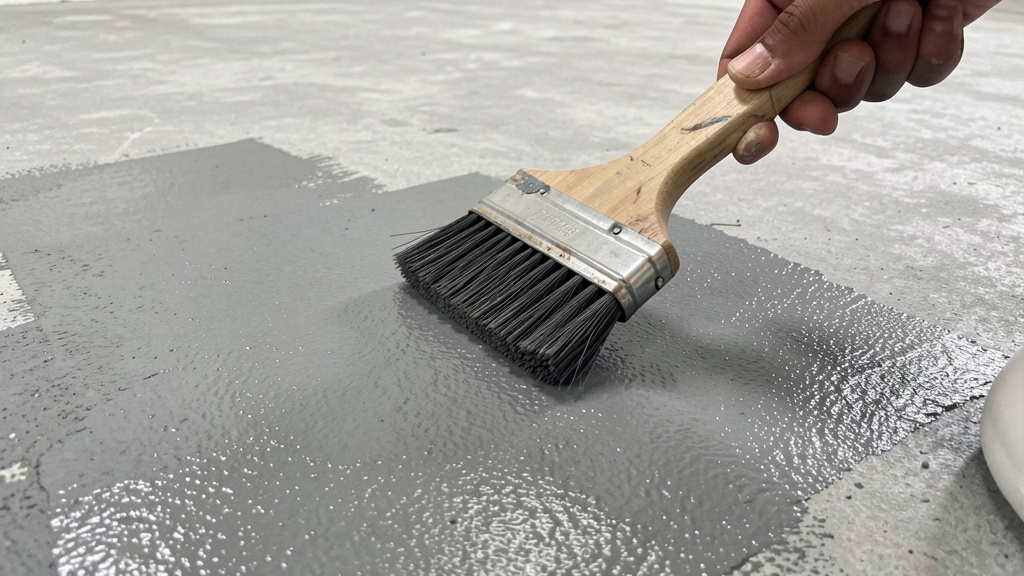
Science-Informed Strategies to Enhance Surface Safety, Durability, and Long-Term Performance Across Common Project Scenarios
Specialty coatings serve distinct functional purposes beyond aesthetics—providing targeted defense against moisture intrusion, flame spread, and slip hazards. Unlike standard paints, these engineered formulations interact dynamically with environmental stressors through specific chemical or physical mechanisms. This guide offers a structured, standards-aware approach to understanding, selecting, and applying waterproofing, fire-resistant, and anti-slip coatings. Grounded in established testing protocols from ASTM International, Underwriters Laboratories (UL), the National Fire Protection Association (NFPA), and accessibility guidelines, this resource supports informed decision-making for homeowners and project stewards seeking to enhance safety, longevity, and regulatory alignment across diverse surface challenges.
Introduction: Purpose-Driven Protection for Real-World Surfaces
Surface treatments exist on a spectrum—from purely decorative finishes to highly engineered protective systems. Specialty coatings occupy the latter end: crystalline waterproofers penetrate concrete to form internal moisture barriers; intumescent coatings remain inert until heat exposure triggers expansion into insulating char; anti-slip additives modify surface texture at a microscopic scale to increase friction where needed most. These are active systems designed for specific performance outcomes.
Misapplication carries tangible consequences. A coating selected without assessing substrate condition or environmental exposure may underperform, leading to remediation costs, safety concerns, or compromised structural elements. Conversely, a thoughtfully matched system—applied with attention to preparation, environmental conditions, and manufacturer guidance—can deliver years of reliable service with minimal upkeep. This guide avoids fragmented product comparisons or marketing-driven claims. Instead, it presents a repeatable evaluation framework, detailed category insights, and adaptable protocols aligned with industry standards. Every recommendation emphasizes context: your substrate, your environment, your goals. Safety, verification, and realistic expectations remain central throughout.
The Coating Selection Framework: A Three-Layer Evaluation Process
Rushed decisions often precede coating challenges. A deliberate assessment process transforms complexity into clarity. This three-layer framework—refined through common industry patterns—guides you from surface observation to confident specification. Completing all layers before purchasing materials prevents mismatched solutions and supports long-term success.
Layer 1: Substrate and Surface Assessment
The substrate is the foundation of adhesion and performance. Begin with these diagnostic considerations:
-
Material Identification: Concrete, wood, metal, masonry, tile, or composite? Each requires compatible chemistry. Epoxy bonds well to properly prepared concrete but typically needs a primer for non-porous metals. Wood should register below 15% moisture content (verified with a meter) and be free of tannins or resins that may migrate. Galvanized steel often requires an etching primer to prevent adhesion issues.
-
Condition Documentation: Note cracks (measure width where possible), spalling, rust, efflorescence (white deposits indicating moisture movement), chalkiness, or prior coating failures. Surfaces with active deterioration require repair before coating. Applying a barrier over unresolved issues is unlikely to succeed—like sealing moisture beneath a film.
-
Porosity and Absorption Test: Perform the water droplet test on a clean, dry area. If water beads for over 30 seconds, the surface is non-porous (e.g., glazed tile) and needs profiling. If absorbed within 5 seconds, it’s highly porous (e.g., raw concrete) and may require a primer. Moderate absorption (10–30 seconds) often indicates suitable conditions for many coatings.
-
Surface Profile Check: Smoothness reduces adhesion potential. Industry standards describe profiles from CSP 1 (smooth) to CSP 10 (heavy blast). For DIY concrete projects, CSP 3–4 (achieved via light grinding or etching) typically supports better mechanical keying. The “thumbnail test” offers a practical check: if your thumbnail catches slightly on the texture, adhesion potential improves.
Practical Exercise: Sketch the area. Mark material transitions (e.g., concrete to wood threshold), penetrations (pipes, conduits), cracks, and deterioration zones. Photograph under angled light (early morning or late afternoon sun) to reveal subtle flaws invisible under flat lighting. This documentation informs preparation steps.
Layer 2: Environmental and Operational Stressors
Define the forces the coated surface will encounter throughout its service life. These determine non-negotiable performance needs.
- Moisture Exposure Type: Distinguish between:
- Moisture vapor transmission (humidity moving through slabs)
- Capillary rise (water wicking up foundation walls)
- Hydrostatic pressure (water pushing against below-grade walls)
- Intermittent wetting (showers, deck exposure)
-
Immersion (ponds, sump pits, water features)
Waterproofing solutions vary significantly by exposure. A vapor barrier won’t stop hydrostatic pressure; damp-proofing paint fails under immersion. -
Fire Risk Context: What fire-resistance rating is required (e.g., 1-hour)? Is protection for structural elements (steel beams) or interior surfaces (walls, ceilings)? Intumescent coatings for steel function differently than fire-retardant treatments for wood. Consider proximity to ignition sources, occupancy type, and local code expectations.
-
Traffic and Mechanical Demands: Assess:
- Foot traffic (residential hallway vs. commercial entrance)
- Rolling loads (garage vehicles, carts)
- Abrasion (workshop areas, stair treads)
- Chemical exposure (oil, pool chemicals, cleaners)
-
UV exposure (south-facing decks, rooftops)
Anti-slip needs differ between a bathroom floor (wet traction for bare feet) and a workshop ramp (coarse grit for oily conditions). UV exposure degrades many polymers; exterior applications require UV-stable formulations. -
Thermal and Climatic Cycling: Will the substrate experience temperature swings or humidity changes? Concrete expands; wood swells. Coatings must accommodate movement. Rigid coatings on flexible substrates (e.g., cementitious on wood decks) often crack. Flexible elastomeric membranes bridge minor movement. In freeze-thaw regions, low water absorption prevents spalling when trapped moisture freezes.
Stressor Mapping Example: Concrete patio adjacent to a pool in a sunny climate:
– Substrate: Exterior concrete, minor hairline cracks
– Stressors: UV exposure, wet/dry cycles, chlorine, barefoot traffic, temperature range 40°F–110°F
– Needs: UV-stable binder, non-yellowing chemistry, fine anti-slip texture comfortable barefoot, chemical resistance, flexibility for thermal movement
– Pathway: Penetrating silane/siloxane water repellent + fine polymer grit broadcast into a UV-stable aliphatic polyurethane topcoat. Avoid rigid epoxies or coarse grit uncomfortable underfoot.
Layer 3: Performance Goals and Practical Constraints
Translate technical needs into actionable project criteria.
- Certifications and Compliance: Does the project require adherence to specific standards?
- Fire: UL listings, ASTM E84 (flame spread), NFPA references. Verify the coating is tested for your exact substrate configuration.
- Slip Resistance: ADA suggests Static COF ≥ 0.6 for level surfaces, ≥ 0.8 for ramps. ANSI B101.3 specifies Dynamic COF ≥ 0.42 for wet interior surfaces. Request test reports using recognized methods (e.g., ASTM F2913).
-
Waterproofing: ASTM standards for membranes (e.g., D4536). Confirm warranty terms explicitly cover your scenario.
Always consult your local building department (Authority Having Jurisdiction) early—they interpret model codes locally. -
Aesthetic and Functional Balance: Must the coating be clear? Tintable? Textured but not abrasive? Fire-resistant coatings often have inherent texture; some accept topcoats. Anti-slip additives alter appearance—fine silica is subtle; coarse grit is pronounced.
-
Lifecycle and Maintenance Expectations: How long should performance last? Foundation waterproofing may target 15–25 years with minimal upkeep. A garage floor coating might need refreshing every 7–10 years due to abrasion. Consider future access for maintenance—coating hard-to-reach areas demands maximum durability.
-
Budget Realism: Differentiate upfront cost from lifecycle value. A higher-initial-cost coating applied correctly may prevent costly repairs later. Conversely, over-engineering low-risk areas wastes resources. Factor in preparation materials and labor—preparation often represents the majority of project effort.
Core Insight: The optimal coating aligns precisely with your substrate’s characteristics, the environmental stresses it faces, and your defined performance goals. Mismatched properties—not product quality—are frequently at the root of coating challenges. This framework creates clarity before selection begins.
Working through these layers generates a clear technical brief. Example: “Waterproofing for an interior basement concrete wall subject to minor dampness (no hydrostatic pressure), requiring vapor permeability, compatibility with future finishes, and alignment with ASTM-referenced standards.” This specificity guides meaningful research and supplier conversations.
Deep Dive: Waterproofing Coatings—Managing Moisture for Structural Longevity
Water exploits vulnerabilities over time—migrating through pores, expanding when frozen, fostering deterioration. Waterproofing coatings form engineered barriers that block liquid intrusion while often permitting vapor transmission (“breathability”), reducing the risk of trapped moisture. Understanding categories, mechanisms, and appropriate contexts is essential.
Understanding Waterproofing Chemistry: Types and Applications
Critical distinction: Damp-proofing resists moisture vapor but cannot withstand liquid water under pressure. True waterproofing forms a continuous barrier capable of resisting hydrostatic pressure. For below-grade walls, foundations, or immersion scenarios, true waterproofing is necessary. The table below clarifies common categories:
| Coating Type | Base Chemistry & Mechanism | Ideal Applications | Key Considerations |
|---|---|---|---|
| Cementitious Crystalline | Portland cement, quartz, catalysts. Reacts with moisture to grow insoluble crystals deep within concrete pores. Self-sealing for future micro-cracks. | Interior/exterior concrete foundations, retaining walls, water tanks, pools. Excels at negative-side waterproofing (applied to interior side). | Rigid—cannot bridge active cracks or substrate movement. Requires concrete substrate. Applied to damp (not wet) surface; requires moist curing (3–7 days). Not for high-vibration areas. |
| Liquid Rubber (Elastomeric) | Acrylic, polyurethane, or silicone polymers forming a seamless, flexible membrane. High elongation bridges hairline cracks. Reflects UV. | Roofs (flat/low-slope), balconies, plaza decks, expansion joints, above-grade walls. Ideal for surfaces with thermal movement. | Requires multiple coats to achieve specified thickness. Vulnerable to puncture. Silicone offers superior UV resistance but limited recoatability. Acrylics often need primer on non-porous surfaces. |
| Bituminous (Asphalt/Coal Tar) | Asphalt or coal tar pitch, often reinforced with mat. Forms thick, monolithic barrier. | Below-grade foundation walls (positive-side), built-up roofing. Good adhesion to damp concrete. Coal tar offers chemical resistance. | Strong odor during application; requires ventilation. Degrades rapidly under UV—must be protected with soil, insulation, or topcoat. Coal tar contains PAHs; check local regulations. |
| Polyurethane (Moisture-Cured) | Reactive resins curing upon contact with atmospheric moisture. Tough, flexible, chemical-resistant membrane. | Pond liners, plaza decks over occupied spaces, secondary containment, high-traffic wet areas. | Sensitive to humidity during application—high moisture causes bubbling. Often requires precise 2-component mixing. Solvent-based versions have higher VOCs. |
| Epoxy (High-Build) | Two-component resin/hardener creating a hard, non-porous, chemical-resistant barrier. Bonds strongly to concrete. | Interior concrete floors (garages, basements), pools, industrial settings requiring chemical resistance. Effective for radon mitigation when fully encapsulated. | Poor UV resistance—yellows and degrades outdoors. Rigid—cracks on flexible substrates. Requires meticulous prep. Not breathable; traps moisture if applied over damp concrete. |
| Penetrating Sealers (Silane/Siloxane) | Small-molecule silicones penetrating deep into substrate, forming hydrophobic barrier within pores. No surface film. | Above-grade concrete/masonry walls, driveways, patios, brickwork. Preserves appearance and breathability. Ideal for historic surfaces. | Does not bridge cracks or provide film barrier. Not suitable for hydrostatic pressure or immersion. Effectiveness diminishes over time (5–10 years); reapplication needed. Less effective on dense surfaces. |
Clarifying Negative-Side vs. Positive-Side Waterproofing
– Positive-Side: Applied to the side where water originates (e.g., exterior foundation wall). Most effective method—it stops water before entering the substrate. Often requires excavation.
– Negative-Side: Applied to the interior side (e.g., basement wall). Blocks water that has penetrated the substrate. Cementitious crystalline coatings work well here because hydrostatic pressure can drive crystallization deeper. However, persistent high pressure may find paths at joints. Whenever possible, address the water source (improve grading, extend downspouts, install drainage) to reduce pressure on any system.
Step-by-Step Application Protocol: Cementitious Crystalline on Interior Basement Wall
This walkthrough illustrates precision for a common scenario: addressing minor dampness and efflorescence on an interior basement concrete wall with no active leaks or hydrostatic pressure. Goal: vapor-permeable barrier allowing the wall to dry inward.
Tools and Materials Checklist:
– Safety Gear: Nitrile gloves, ANSI Z87.1 goggles, N95 respirator (for dust), coveralls
– Surface Prep: Wire brush, cold chisel & hammer, HEPA vacuum, concrete cleaner, acid etcher (or eco-friendly alternative), stiff nylon brush, hose, pH test strips
– Repair: Hydraulic cement (for active leaks), epoxy injection kit (cracks >1/16″), concrete patch
– Coating: Cementitious crystalline powder, liquid polymer additive (if required), bucket, drill with paddle mixer, stiff block brush, roller with ¾” nap, corner trowel
– Verification: Moisture meter, plastic sheet test materials
Phase 1: Surface Preparation (Critical Foundation)
Why it matters: Coatings adhere to what they contact. Contaminants or weak surfaces lead to adhesion issues. Preparation is consistently cited as pivotal to long-term performance.
- Remove Loose Material: Aggressively brush away flaking concrete, mortar, and efflorescence. Vacuum thoroughly with HEPA filter. Efflorescence indicates moisture movement—it provides no adhesion value.
- Repair Defects:
- Hairline cracks (<1/16″): Clean thoroughly; coating may bridge them.
- Active leaks: Temporarily seal with hydraulic cement. Address source later.
- Cracks >1/16″: Chisel into inverted “V” groove. Clean. Inject with epoxy per kit instructions. Feather edges with patching compound. Cure fully.
- Spalls/Voids: Patch with polymer-modified mortar. Feather edges smoothly.
- Deep Clean: Scrub with concrete cleaner solution. Rinse thoroughly. Allow to dry completely (24+ hours). Re-test absorption with water droplet test.
- Profile Surface (If Needed):
- Acid Etching: Mix per label (e.g., 1 part acid to 3 parts water). Apply, let react (do not let dry), neutralize thoroughly with baking soda solution, rinse until neutral pH (verify with strips).
- Eco Alternative: Use biodegradable concrete etcher per instructions.
- Mechanical: Angle grinder with diamond cup wheel (wear respirator). Creates consistent profile. Vacuum continuously.
- Moisture Verification:
- Moisture Meter: Concrete moisture content typically should be <5% (follow device instructions).
- Plastic Sheet Test (ASTM D4263): Tape 18″x18″ clear plastic to wall. Wait 16–24 hours. Condensation under sheet indicates excess moisture—delay coating. Surface should be damp (not wet) for cementitious application. Test by pressing dry hand firmly for 10 seconds; should feel cool and slightly damp.
Phase 2: Mixing and Application
Precision matters: Deviations from mix ratios or application parameters can compromise performance.
- Mixing:
- Pour liquid additive or water first into clean bucket.
- Gradually add powder while mixing slowly (300–500 RPM). Mix 3–5 minutes until smooth, lump-free, uniform. Scrape sides/bottom.
- Never add extra water to improve workability—it weakens the crystalline structure. If mixture thickens during use (pot life typically 30–60 mins), discard and mix fresh. Do not re-liquify.
- Application:
- Start at top. Use stiff block brush to force coating deep into texture, especially around cracks, corners, penetrations. Apply with firm, circular motion.
- For large areas, use roller after brushing edges. Maintain wet edge.
- Apply first coat uniformly. Target wet film thickness per manufacturer (often 30–40 mils; use gauge if available). Coverage is typically 80–100 sq ft per gallon per coat—do not stretch.
- Allow first coat to dry until tack-free (2–4 hours per specs).
- Apply second coat perpendicular to first direction. Achieve total dry film thickness per product guidance (often 40–60 mils).
- Critical Details:
- Pipe Penetrations: Apply extra thickness around pipes. Work coating deep into gap. Consider embedding fiberglass mesh tape in wet coating for reinforcement.
- Floor/Wall Joint: Coat 6 inches up wall and 6 inches onto floor. Use corner trowel to create a smooth cove (rounded transition) to reduce stress. Embed mesh tape if movement is anticipated.
- Repaired Areas: Feather coating smoothly over patches. Apply slightly thicker film over injection points.
Phase 3: Curing, Inspection, and Verification
Curing is part of the chemistry: Cementitious coatings require moisture to hydrate and form crystals. Premature drying risks micro-cracking.
- Moist Curing:
- Immediately after final coat, lightly mist surface with clean water. Surface should be damp, not dripping.
- Repeat misting 2–3 times daily for minimum 3 days (7 days ideal), especially in low humidity or warm temps.
- Protect from direct sun, wind, or freezing temps (<40°F/4°C). Cover loosely with plastic if needed for moisture retention, ensuring air circulation.
- Post-Cure Inspection (After 7 Days):
- Visual: Uniform color, no pinholes, cracks, or thin spots. Surface should feel consistently textured, not powdery.
- Adhesion Spot Check: Press strong tape firmly onto coated area. Rip off quickly. Minimal coating removal indicates good adhesion. Significant removal requires spot repair.
- Water Test: Spray a small section (2’x2′) vigorously for 10 minutes. Check adjacent area after 30 minutes for moisture penetration. Note: Full crystalline development continues for ~28 days; initial test is indicative.
- Long-Term Monitoring: After full cure (28 days), observe during heavy rain. Minor efflorescence may appear initially as residual salts purge—this often diminishes. Persistent dampness suggests unresolved water source or application issue needing review.
Illustrative Scenario: A homeowner applied a general-purpose “waterproofing paint” over efflorescence and unrepaired cracks without surface profiling. Within months, bubbling occurred, and dampness worsened. Assessment revealed: the paint trapped moisture against the wall; efflorescence created a weak bond layer; the product was damp-proofing, not true waterproofing. Resolution required complete removal, crack injection, profiling, and proper crystalline system application with curing. This underscores that preparation, product selection, and curing are interconnected—shortcuts in one area often compromise the whole system.
Advanced Waterproofing Scenarios
Scenario: Concrete Slab-on-Grade with Moisture Vapor Emission
Context: New tile installation failing due to moisture vapor rising through slab.
Pathway:
– Install a moisture mitigation system before flooring. Options include:
a) Epoxy-based moisture vapor barrier (requires aggressive profiling, CSP 4–5)
b) Cementitious crystalline slurry applied directly to slab
c) Uncoupling membrane with integrated vapor barrier (e.g., Schluter-Ditra)
– Critical Step: Retest vapor emission after mitigation system cures per ASTM standards. Proceed only after verification.
Scenario: Balcony Waterproofing Over Living Space
Context: Wood-framed balcony leaking below.
Pathway:
– Remove deck boards, inspect framing for rot; repair/replace damaged wood.
– Ensure sloped substrate (¼” per foot minimum) toward drain.
– Apply liquid rubber membrane (polyurethane or silicone) with fabric reinforcement at seams, drains, penetrations.
– Embed non-woven polyester fabric into wet coating at joints/corners for crack-bridging.
– Apply minimum coats to achieve required thickness (verify with wet film gauge).
– Install compatible protective wear course (textured acrylic, tile with flexible grout).
– Non-Negotiable: Positive drainage. No flat spots. Perform water flood test before final finish.
Scenario: Planter Box or Green Roof Waterproofing
Context: Protecting structure from constant soil moisture and roots.
Pathway:
– Apply primary waterproofing membrane rated for immersion and root resistance (e.g., specific PVC, TPO, or high-build polyurethane per manufacturer).
– Install root barrier layer per specs.
– Add protection board (rigid insulation or dimpled mat) to shield membrane.
– Critical: All penetrations require specialized flashing details per manufacturer. Standard coatings lack root resistance and long-term immersion stability—consult product data sheets explicitly.
Deep Dive: Fire-Resistant Coatings—Supporting Passive Fire Protection
Fire-resistant coatings (often termed “fireproofing”) are passive fire protection systems designed to delay structural failure and flame spread during a fire event, providing critical time for evacuation and response. These coatings do not make materials “fireproof”—a misleading term—but are tested to deliver specific fire-resistance ratings (e.g., 1-hour) under standardized conditions. Understanding ratings, limitations, and precise application requirements is essential for safety and compliance.
Understanding Fire Ratings, Standards, and Coating Types
Fire resistance is quantified through standardized furnace tests (ASTM E119, UL 263). The rating (in hours) indicates how long an assembly (substrate + coating + other components) maintains:
1. Load-bearing capacity (structural elements remain intact)
2. Integrity (flames/hot gases do not pass through)
3. Insulation (temperature on unexposed side stays below threshold)
Critical Insight: Ratings apply to the entire tested assembly, not the coating alone. A coating tested on one beam size may not be valid for another without specific verification. Always confirm the listing matches your exact configuration.
Common Fire-Resistant Coating Categories:
- Intumescent Coatings:
- Mechanism: Contain acid source, carbon source, and blowing agent. When exposed to heat (typically 200–300°C / 392–572°F), they react to expand into a rigid, insulating char layer (expansion ratios vary). This char has low thermal conductivity, slowing heat transfer to the substrate.
- Subtypes:
- Solvent-Based: Higher durability, chemical resistance. Stronger odor, higher VOCs. Common in industrial settings.
- Water-Based: Lower VOCs, easier cleanup. May require more coats. Common in commercial interiors.
- Thin-Film: Typically 15–50 mils dry film thickness (DFT) for 1–2 hour ratings on steel. Often aesthetic options available.
- Thick-Film (Mastic): 100+ mils DFT. Used for higher ratings or complex shapes.
- Applications: Exposed structural steel (warehouses, parking structures), wood framing in specific constructions, interior walls/ceilings requiring flame spread reduction.
-
Key Metric: Dry Film Thickness (DFT). Rating is directly tied to precise DFT. Verification with a magnetic DFT gauge is standard practice for critical applications.
-
Cementitious Fireproofing:
- Mechanism: Portland cement, gypsum, mineral fibers mixed with water. Applied thickly to provide thermal mass. Water in the matrix turns to steam, absorbing heat energy.
- Application: Typically spray-applied. Can be troweled for repairs.
- Applications: Structural steel in industrial settings, areas where appearance is secondary. Excellent for complex shapes and higher ratings (3+ hours).
-
Key Metrics: Density, thickness, bond strength. Often requires mechanical attachment (pins/washers) for overhead applications.
-
Ablative Coatings:
- Mechanism: Polymers (e.g., silicone rubber) that char and slowly erode (“ablate”) when heated, absorbing heat energy through decomposition.
- Applications: Wood surfaces in wildfire-prone zones (decks, siding), marine vessels. Less common in standard residential construction but growing for exterior protection.
- Key Metric: Ablation rate under specific heat flux. Requires substrate-specific testing.
Understanding Product Documentation:
– UL Design Number: Specifies exact assembly: coating product, substrate size/type, required DFT, resulting rating (e.g., “UL Design for [Beam Size] using [Product] at [DFT]”). This is essential for verification.
– ASTM E84 / UL 723: Measures Surface Burning Characteristics (Flame Spread Index and Smoke Developed Index). Class A = FSI ≤ 25 (best). Required for many interior finishes.
– Red Flag Alert: Vague terms like “fire retardant,” “meets code,” or “fire resistant” without specific listing numbers or test standards. Always request the technical data sheet and listing report. Verify alignment with your local building code requirements.
Step-by-Step Application Protocol: Water-Based Intumescent on Structural Steel Beam
Project Context: Converting a space requiring exposed steel beams to achieve a 1-hour fire rating per local code. Beam size confirmed. Authority Having Jurisdiction (AHJ) approval obtained for a specific UL-listed system.
Pre-Application Essentials:
1. Verify Listing: Obtain the UL Design report for the exact beam size, coating product, required DFT, primer requirements, and topcoat compatibility.
2. Consult AHJ: Submit product data and UL design to building department for pre-approval. Get written confirmation.
3. Surface Condition: Steel must be clean per SSPC-SP6 (Commercial Blast Cleaning) standard—uniform gray with visible anchor profile, free of rust, oil, dust. Wipe test with clean white cloth should show no discoloration.
4. Environmental Conditions: Ambient temperature typically 50–90°F (10–32°C), relative humidity <85%, substrate temperature >5°F above dew point. Use hygrometer and dew point calculator. Do not apply if rain, fog, or condensation is imminent.
Tools and Materials:
– Safety Gear: Nitrile gloves, safety goggles, NIOSH-approved respirator with organic vapor cartridges and P100 filters (intumescents may contain sensitizers), coveralls
– Surface Prep: Solvent (xylene/acetone) and clean rags, wire brush
– Primer: Manufacturer-specified corrosion-inhibitive primer (often mandatory)
– Coating: Water-based intumescent (Part A), catalyst (Part B if 2K), calibrated scale (for 2K), drill with paddle mixer
– Application: Airless sprayer (ideal), or high-quality roller (¾”–1″ nap), angled sash brush
– Measurement: Wet film thickness combs, magnetic DFT gauge, holiday detector
– Documentation: Project logbook, camera
Phase 1: Surface Preparation and Priming
1. Final Clean: Wipe entire beam with solvent-dampened rag to remove dust, oil, fingerprints. Allow solvent to evaporate completely. Surface must be dry.
2. Primer Application: Mix primer per instructions. Apply uniformly—brush edges/corners, roller flat areas. Target DFT per primer spec (typically 2–3 mils). Maintain wet edge. Allow to dry to touch per recoat window. Primer provides corrosion protection; intumescent coating alone typically does not prevent rust.
Phase 2: Intumescent Coating Application (Precision Focus)
1. Mixing (Critical for 2K Systems):
– For 2-component: Use calibrated scale. Mix Part A and Part B exactly at specified ratio. Under-mixing causes incomplete reaction; over-mixing introduces air.
– Mix slowly for full time specified (often 3–5 mins). Scrape sides/bottom. Observe induction time if required.
– Pot Life Awareness: Note working time (e.g., 45 mins at 77°F). Mix only what can be applied within this window. Do not add water/solvents to extend pot life—they compromise chemistry.
– For 1K water-based: Stir thoroughly; do not thin.
2. Application Technique:
– Spray Method (Preferred): Adjust for even fan pattern. Hold gun 12–18″ from surface. Overlapping passes (50% overlap). Immediately check wet film thickness with comb gauge. Adjust to achieve target.
– Roller/Brush Method: Load roller evenly. Apply thin, even coats with light pressure. Avoid stippling. Work systematically: edges first, then flats. Maintain wet edge.
– First Coat: Apply to achieve ~50% of target DFT. Pay close attention to edges and corners where coating may pull away (“corner thinning”). Inspect for holidays (pinholes) with bright light.
3. Drying and Recoating:
– Allow first coat to dry within specified recoat window (e.g., 4–24 hours). Check manufacturer chart for temp/humidity adjustments. Do not recoat too soon (traps solvents) or too late (may require light sanding for adhesion).
– Lightly sand imperfections with fine grit sandpaper. Wipe clean.
– Apply second coat perpendicular to first. Re-check wet film thickness. Continue until cumulative DFT meets requirement.
4. DFT Verification (Critical Step):
– After final coat cures (typically 7 days), measure DFT at multiple locations per standard practice: minimum 3 measurements per 100 sq ft, with spot checks at edges, corners, complex areas.
– Use calibrated magnetic DFT gauge. Record readings. Minimum reading must meet required DFT; average should exceed it. If low, apply touch-up coats per manufacturer. Document measurements with photos.
– Why it matters: In fire exposure, areas below required DFT may compromise the assembly’s rated performance. Precision supports intended function.
Phase 3: Topcoating (If Required)
– Many intumescents accept compatible topcoats for color or UV protection. Critical: Topcoat must be explicitly approved by the intumescent manufacturer. Some topcoats may inhibit expansion.
– Apply only after intumescent is fully cured (check data sheet—often 7+ days). Lightly sand if required for adhesion.
– Use low-build topcoat to avoid excessive thickness that could impede expansion. Verify total system thickness aligns with listing parameters.
Post-Application Documentation:
– Compile project file: Product batch numbers, mixing ratios, environmental conditions, DFT logs with photos, curing records.
– Submit to building inspector if required. Retain for building records and future reference. This documentation supports warranty claims and verifies compliance during property transactions.
Illustrative Insight: In documented cases where fire-resistant coatings underperformed, investigations often revealed deviations from specifications—such as incorrect mixing ratios, insufficient DFT, or lack of verification. This underscores that these systems function as engineered assemblies; adherence to tested parameters is fundamental to intended performance. Precision in preparation, application, and verification is not optional—it is integral to the system’s purpose.
Navigating Compliance and Professional Collaboration
- When DIY May Be Considered: Small, non-structural applications where local code does not mandate certification—e.g., applying a fire-retardant treatment to wooden ceiling beams in a detached garage workshop (always verify local code first). Requires meticulous adherence to DFT, surface prep, and environmental conditions.
- When to Engage a Certified Professional: Applications involving structural elements, required fire ratings for occupancy permits, complex geometries, or where building department requires certified application. Certified applicators (through manufacturers or organizations like SSPC) have training, calibrated equipment, and experience with inspection protocols. They provide certified DFT reports often required by authorities.
- Key Questions for Professionals:
- “Can you provide the UL Design number specific to my beam size and required rating?”
- “Will you provide a DFT measurement report with photos for my records and the building department?”
- “What is your process for verifying surface preparation meets required standards?”
- “Do you carry liability insurance for fireproofing application?”
- Local Code is Paramount: NFPA and UL are model standards. Your local building department adopts and amends them. Always consult your AHJ before purchasing materials. Requirements vary by jurisdiction, occupancy type, and building height.
Deep Dive: Anti-Slip Coatings—Enhancing Traction for Safety in Dynamic Conditions
Slip-and-fall incidents are a leading cause of injury across residential and commercial settings. Anti-slip coatings modify surface friction to increase traction, particularly under wet, oily, or contaminated conditions. Effective solutions balance safety, comfort, durability, and cleanability—requiring thoughtful selection beyond simply “adding grit.”
The Science of Slip Resistance: Metrics and Real-World Factors
Slip resistance is quantified by the Coefficient of Friction (COF), a ratio of horizontal force required to move an object to the vertical force (weight) pressing it against the surface. Higher COF generally indicates greater resistance to slipping.
- Static COF (SCOF): Force to initiate movement. Historically measured per ASTM C1028; ADA Accessibility Guidelines reference SCOF ≥ 0.60 for level surfaces, ≥ 0.80 for ramps. Note: Testing variability exists.
- Dynamic COF (DCOF): Force to maintain movement. Measured per ANSI B101.3 using a BOT-3000E digital tribometer. ANSI A137.1 specifies DCOF ≥ 0.42 for level interior surfaces when wet. Increasingly used as a benchmark.
- Critical Nuance: COF depends on multiple factors:
- Contaminant: Water, oil, soap drastically reduce COF. Testing should simulate real conditions (e.g., “wet” test with sodium lauryl sulfate solution).
- Footwear: Leather vs. rubber soles vs. bare feet yield different results. No coating is universally slip-proof.
- Testing Method: Pendulum testers (ASTM E303), drag sleds, and digital tribometers produce different values. Always note the test method when comparing.
- Surface Wear: COF decreases as anti-slip aggregates wear. Durability matters for long-term safety.
Practical Field Assessment (Qualitative):
1. Wet Foot Test: On a small, inconspicuous area, wet thoroughly. Walk slowly in typical footwear (and barefoot if applicable). Does it feel secure? Use support nearby for safety.
2. Visual Inspection: Under bright light, examine texture. Is aggregate evenly distributed? Are particles securely embedded? Loose grit suggests poor binder quality.
3. Context Check: Consider typical use—barefoot areas (pool decks) need finer, smoother aggregates; oily workshop ramps need coarser grit. Comfort and cleanability matter.
Types of Anti-Slip Solutions: Mechanisms and Selection Guide
| Type | Mechanism & Composition | Best Applications | Grit Considerations |
|---|---|---|---|
| Broadcast Aggregate Systems | Grit (aluminum oxide, silica, polymer) broadcast into wet base coat (epoxy, polyurea, acrylic). Grit protrudes for mechanical keying. | Garage floors, warehouse ramps, industrial settings, boat decks. High durability, customizable traction. | Extra Fine (80–120 mesh): Barefoot areas (pool decks), minimal texture. Medium (40–60 mesh): Most residential (garages, porches). Coarse (20–30 mesh): Heavy industrial, oily conditions. Can be harsh barefoot. |
| Pre-Mixed Textured Additives | Silica sand, glass beads, rubber granules, or polymer particles uniformly dispersed in coating. Single-step application. | Showers, bathroom floors, pool surrounds, marine surfaces, retail entrances. Consistent appearance. | Rubber additives (1–3mm) add cushioning—ideal for play areas, senior facilities. Glass beads offer subtle texture with light reflection. Silica provides reliable traction without sharp edges. |
| Chemical Etching / Profiling | Acid or abrasive blasting creates permanent micro-roughness on concrete. Surface modification, not a coating. | Existing concrete patios, driveways, warehouse floors where coating isn’t desired. Permanent solution. | Profile depth (CSP) determines traction. CSP 3–4 ideal for most foot traffic. Too aggressive (CSP 6+) creates difficult-to-clean surface and potential trip hazard from uneven wear. |
| Non-Skid Tapes and Strips | Pressure-sensitive adhesive with abrasive surface (aluminum oxide, ceramic grit). | Stair treads, ladder rungs, equipment steps, targeted hazard zones. Immediate application, no cure time. | Choose tape with rounded grit edges for barefoot comfort. Ensure edges are sealed to prevent peeling. Best for specific high-risk spots rather than full surfaces. |
| Clear Penetrating Anti-Slip | Acidic solutions micro-etch surface without film formation. Preserves appearance. | Polished concrete, tile, stone in historic buildings or high-end retail where appearance is critical. | Minimal visual change. Effectiveness varies by substrate density. Requires reapplication every 1–3 years. Test in inconspicuous area first. |
Selection Factors Beyond Grit:
– Binder Durability: Epoxy offers chemical/abrasion resistance for garages. Polyurea handles thermal movement better for outdoor concrete. Acrylics are cost-effective for low-traffic areas but wear faster.
– UV Stability: For exterior use, aliphatic polyurethanes or UV-stable acrylics prevent yellowing. Standard epoxies degrade outdoors.
– Cleanability: Coarse grit traps dirt. For kitchens or areas needing frequent cleaning, consider finer aggregates, rubber additives, or targeted non-slip tapes.
– Comfort Underfoot: Rubber granules add cushioning—valuable for workshops or standing areas. Avoid sharp-edged aggregates in barefoot zones.
Step-by-Step Application Protocol: Epoxy Anti-Slip System for Residential Garage Floor
Garage floors face oil drips, tire abrasion, chemicals, and moisture—demanding a durable, traction-enhanced solution. This protocol details a robust DIY approach using a broadcast aggregate system.
Project Scope: 20’x20′ concrete garage floor, minor oil stains, hairline cracks, CSP 2 profile. Goal: Durable, chemical-resistant floor with reliable wet/dry traction.
Tools and Materials Checklist:
– Safety Gear: Nitrile gloves, ANSI Z87.1 goggles, N95 respirator (grinding), organic vapor respirator (epoxy), coveralls, knee pads
– Surface Prep: Concrete grinder with diamond cup wheel (or acid etch kit), HEPA vacuum, degreaser, oil spot primer, crack repair epoxy, moisture meter
– Coating System: Epoxy primer (recommended), 100% solids epoxy base coat (Part A + Part B), anti-slip aggregate (polymer grit, 40–60 mesh), clear aliphatic polyurethane topcoat (UV-stable)
– Application: ½” nap roller covers (solvent-resistant), squeegee, notched trowel, broadcast sieve, mixing buckets, drill with paddle mixer
– Verification: Moisture meter, pH test strips (if etching), plastic sheet test materials
Phase 1: Surface Preparation (Foundation of Success)
Why it matters: Epoxy bonds mechanically and chemically. Contaminants or smooth surfaces increase delamination risk. Preparation is consistently emphasized in industry guidance.
- Clear and Clean: Remove all items. Sweep thoroughly. Vacuum dust from cracks and joints.
- Degrease Oil Stains: Apply concrete degreaser to stained areas. Scrub vigorously. For stubborn stains:
- Poultice Method: Mix absorbent clay with mineral spirits into paste. Apply thick layer. Cover with plastic. Wait 24 hours. Remove paste. Repeat if needed.
- Primer Method: After cleaning, apply dedicated oil-spot primer. Allow full cure.
- Repair Cracks and Spalls:
- Clean cracks with wire brush and vacuum.
- For cracks >1/16″, inject with low-viscosity epoxy per kit instructions.
- For spalls, fill with polymer-modified concrete patch. Feather edges. Cure fully (24–72 hrs).
- Profile the Surface:
- Mechanical Grinding (Preferred): Use angle grinder with diamond cup wheel. Grind entire floor to CSP 3 profile (uniform scratch pattern). Vacuum continuously with HEPA attachment. Remove all laitance (weak surface layer). Verify with CSP comparator or thumbnail test.
- Acid Etching (Alternative): Mix per label. Apply, allow to react, neutralize thoroughly, rinse until neutral pH (verify with strips). Allow to dry completely (24+ hrs). Grinding is generally more consistent and recommended for epoxy.
- Final Verification:
- Moisture Test: Use moisture meter. Concrete moisture content typically should be <5%. For slab-on-grade, perform plastic sheet test (ASTM D4263): Tape 18″x18″ plastic sheet tightly to floor. Wait 16–24 hrs. No condensation under sheet = pass.
- Cleanliness Test: Wipe surface with white cloth. Cloth should remain clean. Re-clean if discolored.
Phase 2: Primer Application (Recommended)
– Mix epoxy primer per instructions. Apply uniformly with roller or notched trowel. Target DFT 2–3 mils.
– Primer seals pores, enhances adhesion, and provides uniform absorption. Critical for porous or repaired areas.
– Allow to dry until tack-free per recoat window (typically 2–4 hrs).
Phase 3: Base Coat Application and Aggregate Broadcast
1. Mix Base Coat: Combine Part A and Part B exactly per ratio (use calibrated pumps or scale). Mix slowly for full time specified (3–5 mins). Scrape sides/bottom. Observe induction time if required.
2. Apply Base Coat: Pour mixed epoxy in sections. Spread evenly with squeegee or roller. Work from farthest point toward exit. Maintain wet edge. Target wet film thickness per manufacturer (often 15–20 mils).
3. Broadcast Aggregate (Critical Timing):
– Begin immediately after base coat application while wet.
– Use broadcast sieve. Walk backward to avoid stepping in wet coating.
– Broadcast evenly with “salt-and-pepper” coverage—not so dense coating can’t bind grit, not so sparse traction is insufficient. Hold sieve 12–18″ above surface.
– Pro Tip: Broadcast slightly heavier aggregate in high-traffic zones (garage door entry, workbench area).
– Coverage Guide: Typically 0.5–1.0 lb per 100 sq ft. Follow manufacturer recommendation. Save excess for touch-ups.
4. Cure: Allow base coat to cure undisturbed per specs (usually 12–24 hrs). Aggregate should be firmly embedded. Vacuum loose, unbound grit.
Phase 4: Topcoat Application (Sealing and Protection)
– Purpose: Seals aggregate to prevent dislodging, adds UV resistance (critical for sun-exposed areas), enhances chemical resistance, eases cleaning.
– Lightly sand cured base coat with 80–100 grit sandpaper for intercoat adhesion. Vacuum thoroughly.
– Mix clear aliphatic polyurethane topcoat. Apply uniformly with roller. Target DFT 2–3 mils.
– Critical: Verify topcoat is compatible with epoxy base and formulated for anti-slip systems (matte/satin finish). Glossy topcoats may reduce traction.
– Allow full cure per specs (typically 24–72 hrs light foot traffic, 7 days for vehicle traffic). Temperature and humidity impact cure time.
Phase 5: Final Inspection and Maintenance
– Traction Check: After full cure (7 days), wet surface thoroughly. Walk across in typical footwear. Should feel secure with no unexpected sliding. Test near drain areas.
– Adhesion Spot Check: Press strong tape firmly onto surface. Rip off quickly. Minimal aggregate removal indicates good binding.
– Maintenance Guide:
– Cleaning: Sweep regularly. Mop with pH-neutral cleaner. Avoid wax-based cleaners—they fill texture and reduce traction.
– Rejuvenation: If traction diminishes after years, clean thoroughly and apply fresh clear topcoat with light aggregate broadcast.
– Avoid: Pressure washing directly on edges (can lift coating), harsh acids, abrasive scrubbers that wear aggregate.
Illustrative Scenario: A homeowner applied a smooth acrylic deck coating to a concrete pool deck. After rain or splashes, the surface became slippery. Solution: Lightly grind deck to CSP 2 profile. Apply penetrating silane/siloxane water repellent. While tacky, broadcast fine polymer grit (80 mesh). After cure, apply clear, UV-stable aliphatic polyurethane topcoat. Result: Natural concrete appearance preserved with reliable wet traction comfortable for bare feet. This highlights that anti-slip solutions must align with substrate, environment, user needs (barefoot comfort), and aesthetics—no universal “best” product exists.
Specialized Anti-Slip Scenarios
Scenario: Bathroom Shower Pan or Floor
Challenge: Reliable wet traction, mold resistance, barefoot comfort, seamless appearance.
Pathway:
– Use pre-mixed epoxy or polyurethane coating with fine silica or rubber additive (40–60 mesh).
– Apply in thin, even coats to maintain slope toward drain (¼” per foot). Avoid pooling.
– Alternative: Apply non-slip tape strips strategically on shower floor (less aesthetic but highly effective).
– Critical: Ensure existing slope is maintained. Coating should not create flat spots where water pools.
Scenario: Exterior Wooden Deck
Challenge: Wood expands/contracts; film-forming coatings crack. Needs traction when wet, UV resistance, wood protection.
Pathway:
– Preferred: Penetrating water repellent with fine anti-slip additive (silica). Soaks into wood grain, doesn’t form film. Reapply every 2–3 years.
– Alternative: Non-slip tapes on stair treads and high-traffic areas.
– Avoid: Film-forming paints or epoxies—they will peel as wood moves.
– Maintenance: Clean annually with oxygen bleach (not chlorine) to prevent mold/mildew which reduces traction.
Scenario: Commercial Entrance During Rain/Snow
Challenge: High foot traffic tracking water/snow; needs consistent traction, durability, easy cleaning.
Pathway:
– Install recessed walk-off mats at entrance (first line of defense).
– Apply heavy-duty epoxy or polyurea coating with medium aggregate (30–40 mesh) broadcast.
– Consider “channel” pattern: coat main walking path with anti-slip system, leave borders smooth for aesthetics.
– Implement daily protocol: squeegee standing water, use absorbent mats during inclement weather.
– Compliance Note: Verify DCOF ≥ 0.42 when wet per ANSI B101.3 if required. Document testing.
Cross-Cutting Considerations: Universal Principles for Safety, Tools, and Environmental Responsibility
While each coating category has unique requirements, several universal principles support successful, safe, and responsible application across all specialty coatings.
Personal Protective Equipment (PPE): Essential Safety Practices
Specialty coatings may contain components requiring rigorous protection. Never compromise on PPE—health consequences can be serious.
- Respiratory Protection:
- Organic Vapor Cartridges (OV): Required for solvent-based coatings (epoxies, polyurethanes, intumescents), acid etching, spray application. Cartridges must be NIOSH-approved and changed per schedule.
- P100 Particulate Filters: Essential when sanding, grinding, or working with concrete dust. Required with OV cartridges for coatings containing isocyanates (many polyurethanes).
- Critical Reminder: Dust masks (N95) do not protect against solvent vapors. Cartridge respirators do not protect in oxygen-deficient atmospheres. Know the hazards of your materials. Consult Safety Data Sheets (SDS).
- Skin and Eye Protection:
- Gloves: Nitrile gloves (8+ mil thickness) for chemical resistance. Latex offers no solvent protection. Change immediately if contaminated. For acid etching, use neoprene or butyl rubber gloves.
- Eye Protection: ANSI Z87.1 safety goggles (sealed) for grinding, acid work, overhead application. Safety glasses are insufficient for splash protection.
- Body Protection: Chemical-resistant coveralls (Tyvek-type), long sleeves, pants, steel-toed boots with chemical-resistant soles.
- Ventilation Strategy:
- Natural Ventilation: Open windows/doors. Use box fans to exhaust fumes outdoors (fan blowing outward).
- Mechanical Ventilation: For garages, basements, use explosion-proof exhaust fans rated for solvent vapors. Calculate airflow needs.
- Confined Spaces: Never enter tanks, pits, or crawl spaces without atmospheric testing and proper procedures. Hire professionals for confined space work.
Tool Selection, Calibration, and Maintenance
The right tools, used correctly, support professional results.
- Mixing Equipment:
- Drill: Variable speed (0–600 RPM), ½” chuck, minimum 7 Amp motor.
- Paddle Mixer: Jiffy mixer style. Clean immediately after use with appropriate solvent. Cured epoxy is difficult to remove.
- Calibration: For 2K systems, use calibrated pumps or digital scale (0.1g accuracy). Follow manufacturer ratios precisely—volume ≠ weight.
- Application Tools:
- Rollers: Nap length critical: ⅜” for smooth surfaces, ¾”–1″ for textured coatings/rough surfaces. Use solvent-resistant covers for epoxies/polyurethanes. Roll in “W” or “M” pattern for even film.
- Brushes: Synthetic bristles for water-based; natural bristles for solvent-based. Angled sash brushes (2–3″) for edges.
- Sprayers: Airless sprayers require thorough cleaning with manufacturer-recommended solvent immediately after use. Test pattern on cardboard first.
- Specialty: Notched trowels for wet film thickness control; squeegees for epoxy floors; broadcast sieves for even aggregate distribution.
- Measurement and Verification Tools:
- Wet Film Thickness Gauge: Plastic or metal comb. Press into wet coating; highest tooth leaving mark indicates thickness. Essential for target DFT.
- Dry Film Thickness Gauge: Magnetic (for steel) or ultrasonic (for concrete/wood). Verify calibration. Take multiple readings.
- Moisture Meter: Pin-type or pinless for substrate verification. Critical before coating concrete.
- Dew Point Calculator: Smartphone app or chart. Never apply coatings when substrate temperature is within 5°F of dew point—condensation causes adhesion issues.
Environmental Conditions: Critical Application Factors
Temperature, humidity, and airflow silently influence chemical reactions during application and cure.
- Temperature Guidelines:
- Ambient Air: Most coatings require 50–90°F (10–32°C). Below 50°F, curing slows or stops; above 90°F, solvents flash off too quickly causing defects.
- Substrate Temperature: Must be within product specs. Cold concrete is a common issue—verify with infrared thermometer. Warm substrate with space heaters before application if needed (ensure ventilation).
- Product Temperature: Store coatings at room temperature 24+ hours before use. Cold product is viscous; hot product has reduced pot life.
- Humidity and Dew Point:
- Relative Humidity (RH): Ideal range 40–70%. High RH (>85%) may cause blushing (white film) in epoxies. Low RH (<30%) causes rapid drying.
- Dew Point Rule: Substrate temperature must be at least 5°F above dew point. Condensation creates an invisible moisture film, risking adhesion failure. Calculate dew point using ambient temp and RH. Monitor continuously.
- Mitigation: Use dehumidifiers in basements; avoid coating during fog, rain, or rapid temperature drops (dawn/dusk).
- Curing Environment:
- Airflow: Gentle airflow aids solvent evaporation and curing. Avoid strong drafts causing uneven drying or dust contamination.
- Protection: Cover coated areas from rain, dust, insects, foot traffic during cure. Use plastic sheeting loosely tented (not touching surface). Remove after initial cure for full ventilation.
- Cure Time vs. Dry Time: “Dry to touch” ≠ fully cured. Full chemical cure may take 7–30 days. Respect manufacturer guidelines for recoating, foot traffic, and service use. Rushing risks damage.
Sustainability and Environmental Stewardship
Responsible practices minimize ecological impact without sacrificing performance.
- Low-VOC and Zero-VOC Formulations:
- Water-based acrylics, epoxies, and intumescents now meet stringent VOC regulations (SCAQMD, EPA). Look for certifications: Green Seal GS-11, MPI Category I/II.
- Performance Note: Modern low-VOC coatings often match solvent-based performance. Verify technical data sheets for durability claims.
- Trade-off Awareness: Some ultra-low-VOC coatings may have longer cure times—evaluate against project needs.
- Material Efficiency and Waste Reduction:
- Calculate area precisely. Order 10% extra for waste/repair, not excess. Leftover coating is hazardous waste.
- Use mixing liners in buckets for easy cleanup and reduced solvent use.
- Apply coatings at specified thickness—over-application wastes material; under-application compromises performance.
- Hazardous Waste Disposal:
- Never pour leftover coating, solvents, or contaminated rags down drains or storm sewers.
- Solidify liquid waste with absorbent material (kitty litter) before disposal per local regulations.
- Contact local household hazardous waste (HHW) facility for disposal guidelines. Many communities offer collection events.
- Rag Safety: Oily rags can spontaneously combust. Lay flat to dry outdoors away from structures, or store submerged in water in metal container until disposal.
- Lifecycle Thinking:
- A durable coating lasting 20 years often has lower environmental impact than a cheap coating requiring recoating every 5 years (manufacturing, transport, disposal).
- Consider end-of-life: Some coatings (cementitious) are inert; others require special handling. Ask manufacturers about recyclability or take-back programs.
- Prioritize products with Environmental Product Declarations (EPDs) or Health Product Declarations (HPDs) for transparent impact assessment.
Troubleshooting Common Coating Challenges: Diagnosis and Response
Even with careful planning, issues can arise. A systematic approach addresses root causes, not just symptoms. Always prioritize safety and consult manufacturer guidance.
Challenge: Blistering, Bubbling, or Pinholes
- Symptoms: Raised bubbles, craters, or small holes in coating film. May appear during application or after cure.
- Potential Causes:
- Moisture: Trapped moisture vapor escaping through coating (common on concrete with high moisture content). Blisters may contain water.
- Solvent/Air: Solvents flashing off too quickly (high temp, low humidity) or trapped due to thick application. Blisters contain vapor/air.
- Contamination: Oil, grease, or dust on substrate creating weak boundary layer.
- Application: Rolling too vigorously introducing air; applying over uncured primer.
- Response Protocol:
- Identify Cause: Carefully cut open a blister (wear PPE). Water inside suggests moisture issue. Dry suggests solvent/air issue. Test substrate moisture content.
- Moisture Path: Stop work. Address moisture source (improve drainage, install vapor barrier). Remove affected coating. Allow substrate to dry completely (may require dehumidification). Apply moisture-tolerant primer or mitigation system before recoating.
- Solvent/Air Path: Sand affected area smooth. Ensure proper environmental conditions (temp, humidity). Apply thinner coats with adequate flash-off time between coats. Avoid vigorous rolling.
- Prevention: Always verify substrate moisture content and cleanliness. Follow manufacturer’s environmental guidelines. Use wet film thickness gauge to avoid over-application.
Challenge: Peeling, Flaking, or Delamination
- Symptoms: Coating lifts off substrate in sheets or patches, often starting at edges or cracks.
- Potential Causes:
- Inadequate Surface Preparation: Dust, oil, laitance, or previous coating not fully removed.
- Moisture: Substrate too damp during application; moisture vapor pressure exceeding coating’s permeability.
- Contamination: Silicone-based cleaners, waxes, or release agents on surface.
- Environmental: Applying when substrate temperature is near dew point (condensation).
- Coating Incompatibility: Applying coating over incompatible previous layer.
- Response Protocol:
- Assess Extent: Small areas may allow spot repair. Widespread failure requires full removal.
- Remove Failed Coating: Use mechanical methods (grinding, scraping) or chemical strippers per product instructions. Wear appropriate PPE.
- Re-Prepare Surface: Clean thoroughly. Profile if needed. Verify moisture content and cleanliness.
- Reapply: Follow all preparation and application steps meticulously. Consider a primer compatible with both substrate and topcoat.
- Prevention: Invest time in surface preparation. Verify substrate readiness (moisture, cleanliness, profile). Follow manufacturer’s surface prep requirements explicitly.
Challenge: Poor Slip Resistance or Rapid Wear of Anti-Slip Texture
- Symptoms: Surface feels slippery when wet; aggregate wears down quickly; traction diminishes after cleaning.
- Potential Causes:
- Insufficient Aggregate: Too little broadcast; aggregate not embedded deeply enough.
- Binder Wear: Topcoat or base coat wearing away, exposing or loosening aggregate.
- Improper Aggregate Type: Grit too fine for the environment (e.g., fine grit in oily workshop).
- Cleaning Methods: Harsh scrubbing, pressure washing, or wax-based cleaners filling texture.
- Response Protocol:
- Assess Current State: Clean surface thoroughly. Perform wet foot test (safely). Inspect aggregate embedment.
- Minor Wear: Clean surface. Apply a fresh coat of compatible clear topcoat with light aggregate broadcast.
- Significant Wear/Loss: Remove worn coating. Re-prepare surface. Reapply full anti-slip system with appropriate aggregate size and binder durability for the environment.
- Prevention: Select aggregate size and binder type matched to traffic and contaminants. Follow maintenance guidelines—avoid abrasive cleaners. Reapply topcoat periodically to protect aggregate.
Challenge: Discoloration, Chalking, or Degradation (Especially Outdoors)
- Symptoms: Coating yellows, fades, becomes powdery (chalking), or loses gloss prematurely.
- Potential Causes:
- UV Exposure: Coating not formulated for exterior use (e.g., standard epoxy on sunny deck).
- Incompatible Topcoat: Topcoat not UV-stable or not approved for the base coat.
- Environmental Stress: Extreme temperature swings, chemical exposure beyond coating’s capability.
- Response Protocol:
- Identify Cause: Review product data sheets—was the coating rated for the exposure?
- Surface Prep: Clean thoroughly. Remove chalky residue (washing, light sanding).
- Recoat: Apply a UV-stable topcoat explicitly compatible with the existing system (e.g., aliphatic polyurethane over epoxy). If degradation is severe, full removal and reapplication may be needed.
- Prevention: For exterior applications, select coatings explicitly rated for UV exposure. Use UV-stable topcoats. Verify compatibility between layers.
Your Questions, Answered
Q: Can I apply a specialty coating over an existing paint or coating?
A: Generally not recommended without verification. Existing coatings may prevent adhesion or trap moisture. Test adhesion first (cross-hatch tape test). If the old coating is sound, compatible, and properly profiled, some systems allow it—but consult the new coating’s technical data sheet. When in doubt, remove the old coating for a reliable bond.
Q: How do I know if my concrete is dry enough to coat?
A: Use a moisture meter per ASTM F2659 (target typically <5% for many coatings) or perform the plastic sheet test (ASTM D4263): Tape an 18″x18″ clear plastic sheet tightly to the slab. Wait 16–24 hours. Condensation under the sheet indicates excess moisture—delay coating. Always follow the specific coating manufacturer’s moisture requirements.
Q: Are there eco-friendly specialty coating options?
A: Yes. Many water-based, low-VOC, or zero-VOC formulations exist for waterproofing, fire resistance, and anti-slip applications. Look for certifications like Green Seal GS-11 or MPI Category I/II. Penetrating sealers (silane/siloxane) often have lower environmental impact than film-formers. Always review the product’s Safety Data Sheet (SDS) and environmental documentation.
Q: How long does it take for a coating to fully cure?
A: “Dry to touch” (hours) is different from full chemical cure (days to weeks). Epoxy may be walkable in 24 hours but require 7 days for vehicle traffic and 30 days for full chemical resistance. Intumescent coatings may need 7+ days before topcoating. Always follow the manufacturer’s cure schedule for your specific temperature and humidity conditions.
Q: Can I mix different brands of coatings or additives?
A: Strongly discouraged. Coatings are engineered systems. Mixing brands risks chemical incompatibility, poor adhesion, or failure to achieve performance claims (like fire ratings or slip resistance). Use additives and topcoats explicitly approved by the base coating manufacturer.
Q: What’s the difference between waterproofing and damp-proofing?
A: Damp-proofing resists moisture vapor transmission but cannot withstand liquid water under pressure. Waterproofing forms a continuous barrier capable of resisting hydrostatic pressure. For below-grade walls, foundations, or areas with standing water potential, true waterproofing is necessary. Product labels and technical data sheets should clarify the classification.
Q: Do fire-resistant coatings require special maintenance?
A: Intumescent coatings should be inspected periodically for damage, abrasion, or coating loss—especially in high-traffic or exposed areas. Damaged areas must be repaired per the manufacturer’s instructions to maintain the fire rating. Avoid painting over intumescents with incompatible topcoats. Cementitious fireproofing should be checked for cracks or delamination. Consult the product data sheet for maintenance guidance.
Q: How often should anti-slip coatings be reapplied?
A: It depends on traffic, environment, and coating system. High-traffic commercial entrances may need attention every 2–5 years; a residential garage floor might last 7–10 years. Inspect annually: if aggregate is worn smooth, traction feels reduced when wet, or the binder is chalking, it’s time to rejuvenate. A fresh topcoat with light aggregate broadcast often extends life significantly.
Q: Is it safe to use these coatings in areas with children or pets?
A: Once fully cured according to manufacturer instructions, most specialty coatings are inert and safe. During application and cure, keep children and pets away from the area due to fumes, wet surfaces, and trip hazards. Choose low-odor, low-VOC formulations for indoor spaces. For play areas, consider rubberized anti-slip additives for cushioning. Always follow SDS precautions.
Q: Can I apply coatings in cold weather?
A: Most coatings have minimum temperature requirements (often 50°F/10°C ambient and substrate). Cold temperatures slow or stop curing, leading to poor film formation, adhesion issues, or extended tackiness. Some products are formulated for lower temperatures—check the technical data sheet. If coating in cool conditions, warm the substrate (with space heaters, ensuring ventilation) and store materials at room temperature beforehand. Never apply if substrate is near dew point.
Q: What should I do if I notice a problem after the coating has cured?
A: Stop using the area if safety is a concern. Document the issue with photos. Review your application process against the manufacturer’s instructions. Contact the coating manufacturer’s technical support—they often provide troubleshooting guidance. For structural or safety-critical failures (e.g., fire coating on structural steel), consult a qualified professional. Prevention through meticulous preparation and adherence to specs is always preferable.
Q: Are there coatings that combine multiple properties (e.g., waterproof and anti-slip)?
A: Yes, but with caveats. Some deck coatings offer water repellency and anti-slip properties. However, “all-in-one” products may not excel in all areas. For critical applications (e.g., basement waterproofing and slip resistance), a layered approach is often more reliable: apply a dedicated waterproofing system first, then a compatible anti-slip topcoat. Verify compatibility between layers with the manufacturers. Never assume a product performs multiple high-stakes functions without explicit testing data.
Conclusion and Next Step
Specialty coatings are powerful tools when matched thoughtfully to surface, environment, and purpose. Success hinges not on the most expensive product, but on deliberate assessment, meticulous preparation, adherence to manufacturer guidance, and realistic expectations. The three-layer framework—substrate assessment, stressor evaluation, and goal definition—provides a repeatable path to confident decisions. Remember: preparation is foundational, environmental conditions are non-negotiable, and verification (moisture tests, DFT checks) transforms uncertainty into assurance.
- Recap: The three pillars of coating success are (1) understanding your substrate and its condition, (2) defining the environmental stresses the surface will face, and (3) aligning product selection with verified performance needs and practical constraints. Safety, documentation, and patience during cure are equally vital.
- The 24-Hour Rule: Within the next day, select one surface in your home or project that concerns you—perhaps a damp basement wall section, a slippery garage entry, or a deck showing wear. Spend 15 minutes observing it closely: note the material, any cracks or stains, how water or traffic interacts with it, and what outcome you truly need. Take a photo. This small act of focused observation builds the foundation for an informed next step—whether research, consultation, or action.
- The Big Picture: Specialty coatings are one component of holistic property stewardship. They work best alongside complementary strategies: proper drainage to reduce hydrostatic pressure, good housekeeping to minimize slip hazards, and adherence to building codes for fire safety. View coatings as part of a system—where preparation, application, maintenance, and environmental context all contribute to lasting performance and peace of mind.
Explore Our Complete System:
Understanding Concrete Repair and Surface Preparation | Building Code Basics for Homeowners | Sustainable Surface Solutions: Low-Impact Material Choices | Moisture Management Strategies for Basements and Crawl Spaces | Fire Safety Beyond Coatings: A Holistic Home Approach | Slip Prevention Strategies for Every Room | Essential Tool Guide for Surface Coating Projects