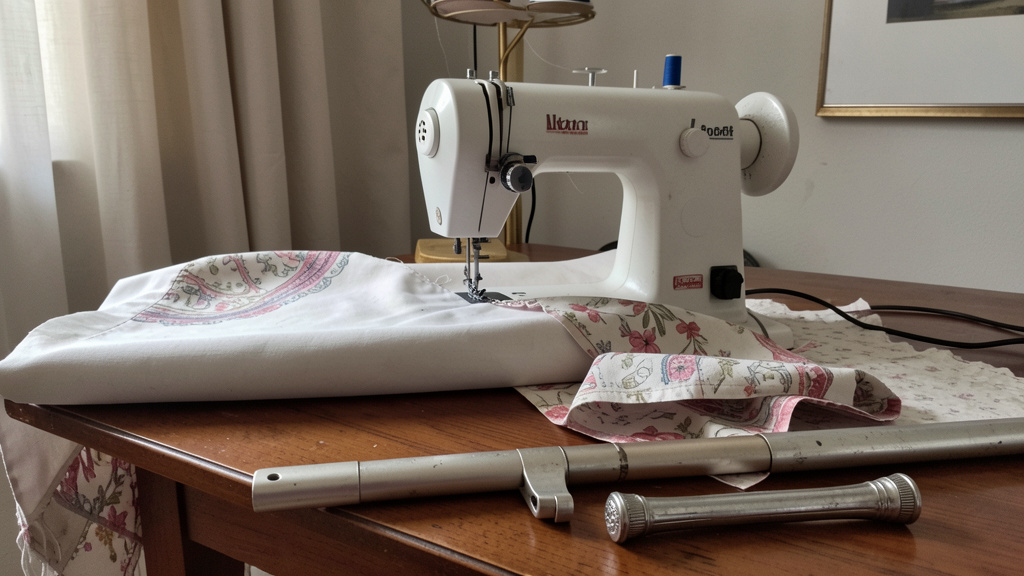
Transform Your Windows Thoughtfully—From Fabric Selection to Installation, Every Step Clarified with Practical Wisdom
Imagine walking into a room where sunlight filters through thoughtfully chosen fabric, casting soft shadows that harmonize with your space. Curtains do more than cover glass—they shape light, define privacy, and add layers of texture and intention. Yet many hesitate at the threshold of DIY window treatments, wondering: Will the length feel right? Did I account for fabric behavior? What if hardware doesn’t hold? This guide meets those uncertainties with clarity, not complexity. We walk through each phase with grounded detail, adaptable options, and respect for your time and skill level. Beautiful, functional curtains aren’t reserved for professionals—they’re achievable through informed choices and mindful execution.
Introduction
Window treatments offer one of the most accessible avenues for reshaping a room’s atmosphere. Unlike permanent renovations, curtains provide reversible, budget-conscious refinement that influences light quality, thermal comfort, and spatial perception. Textiles have long held cultural significance—from Japanese noren signaling transitions to European tapestries moderating castle temperatures. Today’s DIY approach honors this legacy while embracing modern materials and inclusive techniques. This guide synthesizes widely recognized interior standards, including safety considerations from the Window Covering Safety Council and textile handling principles documented in industry resources. Whether you’re using tension rods in a rental or crafting lined panels for a primary living space, the foundation remains consistent: clarity of purpose, attention to measurement, and alignment of materials with real-world use. Progress matters more than perfection. By the end, you’ll carry not only finished curtains but adaptable knowledge for future projects.
The Five-Pillar Framework for Thoughtful DIY Curtains
Fragmented tutorials often omit critical connections between steps. True reliability emerges from an integrated system where each decision supports the next. After reviewing recurring challenges in DIY curtain projects—such as hardware strain, fabric distortion, or fit mismatches—we developed the Five-Pillar Framework. This structure mirrors professional workflows while remaining accessible to home crafters. Each pillar addresses a distinct phase where thoughtful choices prevent downstream complications. Crucially, the pillars interrelate: your fabric selection (Pillar 1) influences construction method (Pillar 4); your measurements (Pillar 2) determine hardware needs (Pillar 5). This isn’t about rigid rules—it’s about building awareness so you can adapt confidently to your unique windows, constraints, and goals.
Pillar 1: Clarify Your Design Intent and Select Appropriate Fabric
Begin not with measurements, but with purpose. What role should these curtains fulfill in your specific space? A sheer panel framing a garden view serves a different need than blackout fabric in a media room. Define your primary objective using this practical guide:
| Primary Goal | Key Fabric Qualities | Recommended Fabric Types | Considerations |
|---|---|---|---|
| Light Control | Dense weave, opacity, thermal properties | Blackout-lined polyester, medium-weight velvet, tightly woven linen | Avoid thin weaves; layering may be needed for full blackout |
| Privacy (Day/Night) | Moderate weight, subtle texture | Cotton duck, jacquard, suede-look polyester | Sheers offer daytime privacy but limited night coverage |
| Energy Efficiency | Insulating potential, thermal backing | Thermal-lined fabrics, quilted textiles | Lining adds significant insulation value |
| Decorative Accent | Drape quality, color retention, texture | Linen blends, embroidered cotton, silk-look rayon | Prioritize visual harmony with existing palette |
| Child/Pet Safety | Durability, washability, cordless compatibility | Performance polyester, solution-dyed acrylic | Avoid long cords; prioritize secure mounting |
Why intent guides material choice: Selecting fabric before clarifying purpose often leads to mismatched results. Luxurious silk in a sun-drenched room may fade faster than expected. Heavy velvet in a humid bathroom could retain moisture. Starting with intent creates a filter for every subsequent decision.
Understanding fabric behavior beyond labels:
– Drape quality: How fabric falls and folds. High-drape fabrics (rayon, lightweight linen) create soft gathers; low-drape fabrics (canvas, duck cloth) hold structured shapes. Test by draping a sample over your hand—if it flows gently, it has high drape.
– Opacity insight: Thread count is less relevant for curtains than weave density. Hold fabric to a light source: minimal light penetration indicates better light-blocking capability.
– Shrinkage awareness: Even fabrics labeled “pre-washed” may shrink slightly. Washing and drying fabric using your intended care method before cutting prevents post-installation surprises. Skipping this step has led many to discover shortened panels after the first wash—a common and avoidable issue.
– Pattern repeat planning: Printed fabrics repeat at set intervals (e.g., every 24 inches). For floor-length panels requiring seam alignment, calculate yardage needs early: (Desired panel height ÷ repeat distance), rounded up, multiplied by repeat distance. Example: 90″ panel with 24″ repeat = 4 repeats needed (96″ fabric per panel). Add 10% for adjustments.
Adaptable pathways for varying constraints:
– Ideal approach: Source remnants or “seconds” from upholstery suppliers. Minor dye variations often disappear in lined constructions.
– Budget-conscious: Repurpose high-thread-count flat sheets or tablecloths. A queen sheet typically yields two standard-width panels. Wash thoroughly first to remove manufacturing finishes.
– Temporary or rental solution: Use fusible interfacing on lightweight decorator fabric to add body. Best for low-traffic areas with minimal sun exposure.
Climate-responsive considerations: In humid regions (coastal areas, basements), natural fibers like untreated cotton or linen may absorb moisture and stretch over time. Solution-dyed acrylics (such as Sunbrella Interiors) offer mildew resistance and colorfastness—originally developed for marine environments but now widely adapted for interior use. Always verify current product specifications for indoor suitability.
Seasonal awareness: Sun intensity shifts with seasons. South-facing windows receive stronger UV exposure in summer; lower winter sun angles highlight texture. For spaces with dramatic seasonal light changes, prioritize fabrics rated for UV resistance or plan to rotate panels periodically to ensure even exposure.
Pillar 2: Master Measurement and Calculation with Layered Verification
Measurement inconsistencies frequently lead to fit issues. Yet windows are rarely perfectly square, and installation goals vary. This pillar emphasizes verification over assumption, with adaptable techniques for diverse scenarios.
The Three-Zone Measurement Approach:
1. Window Zone: Measure the glass area at top, middle, and bottom. Note any variations—older homes often differ by ½ inch or more.
2. Installation Zone: Determine rod placement. Mounting 4–6 inches above the frame (and extending 4–6 inches beyond each side) creates a more spacious feel. Measure at the intended rod height.
3. Clearance Zone: Identify obstructions: radiators, window cranks, furniture, or door swings. Measure the space needed for panels to stack back fully without blocking function.
Calculating dimensions thoughtfully:
– Width guidance: (Rod width × fullness factor) ÷ number of panels.
Fullness considerations:
– Pencil pleat: 2.0–2.5x rod width
– Grommet or tab top: 1.8–2.2x rod width
– Ripplefold track: 1.0–1.2x rod width
Example: 60″ rod × 2.2 = 132″ total fabric width. For two panels: ~66″ width each.
– Length guidance:
– Sill-length: Rod to sill + ½” clearance
– Apron-length: Rod to 4″ below sill
– Floor-length: Rod to floor – ½” (“kiss” finish) or +1–3″ (light pooling)
Always measure from the intended rod position, not the window frame top. Use a level to ensure consistent height marking.
Verification before cutting: Create cardboard or paper templates matching your calculated panel dimensions. Tape them to the wall where curtains will hang. Observe over several hours—does the width feel balanced with the window? Does the length interact well with furniture or baseboards? Does sunlight at different times reveal unintended gaps? This low-risk step prevents irreversible errors. Professional installers often recommend this practice to avoid conflicts with radiators, handles, or architectural details.
Scenario-based adjustments:
– Bay windows: Treat each flat segment independently. Install separate rods per section. Avoid single continuous rods across angles—they create tension and uneven stacking. Mount panels to stack toward the room’s center for cleaner operation.
– French doors: Prioritize clearance. Measure the door’s fully open width. Ensure the stacked curtain width fits within that space. If tight, consider ripplefold tracks (minimal stack depth), lightweight fabrics, or café-style (half-height) curtains below the handle line.
– Arched or Palladian windows: Functional curtains work best on the straight sections below the arch. Mount rods on the flat wall areas flanking the arch. Use stationary side panels to frame the architectural feature; avoid attempting to cover the curved portion unless specialized curved-track hardware is installed.
– Awkward placements (corner windows, beside doors): Extend the rod across the entire wall section for visual balance. Hang panels only on the window side; leave the door side clear. For corners, L-shaped track systems allow panels to stack along adjacent walls.
Common pitfalls to avoid:
– Assuming windows are perfectly square (measure multiple points).
– Overlooking hardware projection: A thicker rod sits farther from the wall, affecting perceived length.
– Mounting into drywall alone for heavy fabrics: Locate studs when possible. If not, use toggle bolts rated for substantial weight (check manufacturer specs).
Pillar 3: Prepare and Cut Fabric with Careful Attention
Preparation profoundly impacts final appearance. Rushing pre-washing, ignoring grain alignment, or imprecise cutting introduces issues no finishing step can fully correct. Patience here builds longevity.
Pre-cut preparation sequence:
1. Wash and dry fabric using the method you’ll use for finished curtains. Use mild detergent; skip fabric softener (it can reduce sewability).
2. Press thoroughly. Iron on the appropriate heat setting with steam. Work in sections until completely flat. Wrinkles distort cutting lines—a single fold can alter panel width.
3. Check grain alignment. Fold fabric selvage-to-selvage. Edges should align without twisting. If fabric bows, gently pull diagonally at corners until edges hang straight. Misaligned grain can cause panels to twist on the rod over time.
Cutting with precision:
– Tools: Sharp fabric shears (dedicated to fabric), clear quilting ruler (24″+), tailor’s chalk or water-soluble marker. Rotary cutters with self-healing mats offer speed but require practice.
– Layout strategy: For patterned fabric, align repeats at key visual points (top of panel, seam lines) before cutting. For solids, minimize seams where possible.
– Marking guidelines:
– Work on the fabric’s wrong side.
– Include seam allowances in markings:
– Side seams: ½” each side
– Top heading: 3–4″ (varies by header style)
– Bottom hem: 2–4″ (based on desired finish)
Example: For a 54″ finished panel width: mark cutting line at 55″ (54″ + ½” + ½”).
Seaming wider panels: When fabric width (typically 54–60″) is narrower than needed:
1. Plan seam placement visually—avoid center seams if possible; offset for balance.
2. Cut strips matching panel height plus allowances.
3. Pin right sides together. A walking foot (if available) prevents shifting.
4. Sew with ½” allowance. Press seams open with an iron—this reduces bulk and supports smooth drape. Finish raw edges with zigzag stitch or pinking shears to limit fraying. For wide panels, this method creates cohesive results when executed carefully.
Sustainability note: Save scraps. Small pieces line drawers; larger remnants become pillow covers, pet beds, or craft projects. Many communities have textile recycling or art programs that accept clean fabric remnants—check local options.
Pillar 4: Construct Curtains Using Sewing or Thoughtful No-Sew Methods
Construction transforms fabric into function. Both sewing and no-sew approaches can yield polished results when matched to your tools, skill level, and intended use. Neither path is inherently superior—clarity of method matters most.
Sewing Method: Technique-Focused Assembly
Pressing as a core practice: Ironing before and after each major step sets stitches, reduces bulk, and creates clean edges. Keep your ironing station accessible during construction.
Step-by-step panel assembly:
1. Finish raw edges: Serge or zigzag stitch all cut edges immediately to prevent fraying during handling.
2. Side hems: Fold edge ½” toward wrong side, press. Fold again ½”, press. Pin. Stitch close to the inner folded edge. This double-fold encases raw edges for durability.
3. Bottom hem:
– Standard: Fold up 1″, press. Fold again 2–3″, press thoroughly using a ruler for consistency. Pin every 4″.
– Weighted option: Insert lead-free drapery weight tape into the hem before the final fold to encourage a straight hang.
– Stitch with blind hem stitch (if available) or straight stitch ⅛” from inner edge.
Tip: Uneven hems are highly noticeable. Take time to measure and press meticulously.
4. Header options (choose one):
– Pencil pleat: Attach pre-made tape to the top edge. Fold fabric over tape, stitch along guides. Insert hooks into designated pockets. Versatile for most rods.
– Grommet top: Mark grommet centers (typically 4–6″ apart, starting 2″ from sides). Cut holes per kit instructions. Reinforce the area behind each grommet with fusible interfacing to prevent tearing under weight.
– Tab top: Cut rectangles (e.g., 3″x6″). Fold lengthwise, right sides together; stitch short ends and long edge. Turn right side out, press flat. Attach evenly spaced tabs to the panel top edge.
Lining considerations:
Lining enhances durability, light control, and drape.
– Blackout lining: Contains a light-blocking layer. Sew lining separately, then attach only at the header and side seams. Avoid stitching through the blackout layer at the hem—repeated folding can cause cracking.
– Standard lining (cotton sateen, Bemberg rayon): Cut lining 1″ shorter than main fabric to prevent peeking. Attach only at the header; let lining and fabric hang independently for optimal flow.
– Interlining (for added body/insulation): A layer of flannel or bump cloth between fabric and lining. Common in high-end workrooms. Requires careful pressing to manage bulk.
No-Sew Method: Intentional Shortcuts
“No-sew” can mean “thoughtfully assembled without a machine.” These methods suit renters, beginners, or quick updates—when matched to appropriate fabrics and expectations.
Fabric fusion technique:
1. Use fusible hem tape (e.g., Steam-A-Seam) for hems and seams.
2. Place tape between fabric layers at the fold line.
3. Press with iron (dry, per tape instructions) for 10–15 seconds per section. Lift press cloth to check bond.
Important: Test tape on a scrap first. Some synthetics react poorly to heat. For delicate fabrics (silk, chiffon), use minimal fabric glue applied with a toothpick along the fold edge. Weight with books while drying.
Clip-ring system:
– Fold the top edge of the panel 1″ to the back and press.
– Attach decorative clip rings directly to the folded edge.
– Advantage: Clips distribute weight evenly; no header sewing required. Rings glide smoothly on rods.
– Enhancement: Add small fabric-covered buttons where clips attach for reinforced grip and visual detail.
Tension rod adaptation (lightweight fabrics only):
1. Cut fabric to window width + 2″ (for side folds).
2. Fold sides over rod ends; secure with minimal fabric glue dots.
3. Insert rod into folded pockets.
Limitation: Only suitable for very light fabrics (sheers, voiles). Total weight should remain under 1 lb. Test stability before final placement.
When no-sew methods require caution:
– Stiffening: Adhesives can reduce fabric flexibility. Apply sparingly at stress points only.
– Slippage: Clip rings may slide on very smooth fabrics. Add tiny felt pads inside clip jaws for grip.
– Durability: Fusible bonds may weaken with repeated washing. Hand-wash gently or spot-clean when possible.
Choose the method aligned with your fabric weight, expected use, and care preferences.
Pillar 5: Select and Install Hardware for Long-Term Function
Hardware anchors the entire system. Thoughtful selection and secure installation ensure smooth operation, safety, and visual harmony. This phase deserves as much attention as fabric choice.
Hardware selection considerations:
| Component | Key Factors | Guidance |
|—————–|———————————————-|———————————————–|
| Rod Type | Weight capacity, projection, aesthetic | For panels over 4 lbs: 1″+ diameter metal rod with center support |
| Brackets | Mounting surface, projection depth | Extend 3–4″ beyond window frame; use 3 brackets for rods over 60″ |
| Finials | Style, functionality | Avoid oversized finials that catch fabric during operation |
| Rings/Clips | Rod diameter match, glide quality | Metal rings with nylon liners reduce noise and friction |
| Tracks | Heavy panels, curved windows, ceiling mount | Ceiling-mounted tracks distribute weight evenly; ideal for large spans |
Weight assessment:
Estimate total hanging weight:
(Fabric weight per sq yd × panel area) + lining + hardware.
Example: Two 54″x90″ medium-weight panels ≈ 3–4 lbs total.
Guideline: Select rods rated for at least 1.5x your estimated weight. When uncertain, choose hardware with higher capacity. Sagging rods compromise drape and strain fabric.
Installation sequence for reliability:
1. Mark positions: Use a level to draw a light pencil line at rod height. Mark bracket locations: ends 3–4″ from rod edge, plus center bracket for rods over 48″.
2. Verify mounting surface: Use a stud finder. Mount brackets into studs whenever possible. For drywall-only:
– Use toggle bolts rated for substantial weight (check specs; 50+ lbs capacity per bolt is prudent).
– Drill pilot holes slightly smaller than bolt diameter.
3. Install brackets: Pre-drill holes. Secure brackets. Re-check level after mounting.
4. Assemble rod off-wall: Attach finials, slide on rings before mounting. Prevents fumbling at height.
5. Hang rod: Rest rod ends in bracket cradles. Gently test stability—apply light downward pressure at center. Minimal flex is acceptable; significant bowing indicates insufficient support.
6. Hang panels: Start from center outward for symmetrical stacking. Adjust ring spacing if panels bunch unevenly.
Special installation contexts:
– Ceiling-mounted rods: Ideal for vaulted ceilings or maximizing height illusion. Mount tracks directly to ceiling joists (locate with stud finder). Measure drop length carefully—panels should clear the window frame by 1–2″.
– Motorized systems: Suitable for hard-to-reach windows (skylights, two-story walls). Battery-operated tracks avoid wiring. Program open/close limits via app. Consider cost versus long-term convenience.
– Child and pet safety: Safety organizations emphasize cordless operation. Choose wand-controlled, motorized, or tension-rod systems. For existing corded hardware: install cleats high on the wall (out of reach) and secure cords tightly when not in use. Prioritize secure bracket mounting—loose hardware poses greater risk than cords alone.
Final alignment check:
After hanging:
1. Close panels fully. Verify bottom edges align with intended height (floor, sill).
2. Open panels completely. Confirm they stack neatly within the clearance zone without blocking light, views, or access.
3. Step back 10 feet. Assess overall balance in natural light. Adjust ring positions if stacking appears uneven.
4. Observe over 24 hours. Morning and afternoon light may reveal subtle alignment needs invisible under artificial light.
The Guiding Insight: Curtains exist in dynamic relationship with architecture, light, and daily life. Successful installation creates a system that functions gracefully through seasons, sun angles, and the quiet rhythm of opening and closing—a detail that deepens connection to your space over time.
Navigating Complex Window Scenarios with Adaptability
Architectural character brings unique opportunities. This section offers scenario-specific strategies grounded in function and aesthetics, emphasizing adaptable solutions over one-size-fits-all rules.
Bay Windows: Segment-Based Strategy
Bay windows combine multiple planes. Forcing a single rod across angles causes binding and uneven stacking.
Approach: Treat each flat segment independently.
– Install separate rods per segment, mounted on the wall surface above each window pane.
– Calculate width and fullness per segment.
– Hang panels to stack toward the room’s center, preventing fabric from bunching into corners.
– Alternative: For shallow bays, adjustable angle connectors between rods can create a continuous look while accommodating the angle. Test operation before finalizing.
French Doors: Prioritizing Clearance
Panels must not obstruct door function when open.
Approach: Calculate stack-back width first.
1. Measure the door’s fully open width.
2. Determine total stacked panel width (rod width × fullness factor ÷ number of panels).
3. Ensure stacked width fits within the door’s clearance zone.
4. If space is limited:
– Choose ripplefold track systems (minimal stack depth)
– Select lightweight fabrics (linen, cotton)
– Mount rod higher to increase available stack area
5. Alternative solution: Café curtains mounted below the door handle preserve view and privacy without interfering with operation.
Sliding Glass Doors: Engineering for Scale
Large spans demand robust support.
Approach: Overbuild support intentionally.
– Rod diameter: Minimum 1.25″ for openings over 72″ wide.
– Brackets: Four brackets minimum (ends + two interior supports). Center support is essential.
– Fabric strategy: Split into three panels (center stationary, sides functional) to reduce weight per moving section.
– Track alternative: Ceiling-mounted track systems handle weight silently and are ideal for heavy blackout panels. Verify ceiling joist locations before installation.
Arched or Palladian Windows: Framing Architecture
Functional curtains rarely work across curved tops.
Approach: Use stationary side panels only.
– Mount rods on the straight wall sections below the arch curve.
– Panels frame the arch without covering it, highlighting architectural detail.
– For the arched section itself: Only install sheer fabric on a curved rod if specialized hardware exists and operation is smooth. Otherwise, leave the arch uncovered—it’s often the room’s focal point.
Awkward Placements: Intentional Asymmetry
Windows beside doors, under stairs, or in tight corners challenge symmetry.
Approach: Work with the architecture.
– Window beside door: Extend rod across the entire wall section (door + window). Hang panels only on the window side; the visual weight balances the door.
– Corner window: Use an L-shaped track system mounted on both walls. Panels stack along each wall when open.
– Very narrow window: Install floor-to-ceiling panels on a narrow rod. Vertical stripes on fabric can enhance the perception of height. Embrace the asymmetry as intentional design.
Troubleshooting Common Challenges with Practical Fixes
Even careful projects encounter hiccups. This section offers calm, actionable solutions—framed as learning opportunities, not failures. Each follows: Symptom → Likely Cause → Repair Path.
Symptom: Panels Hang Crooked or Twist
- Likely Cause: Rod not level; inconsistent hem depth; fabric grain misalignment.
- Repair Path:
- Verify rod level with a bubble level. Adjust bracket height if needed.
- Measure hem depth at multiple points. If inconsistent: carefully unpick stitches, re-press with a ruler guide, and re-stitch.
- If twisting persists while hanging: gently pull bottom corners diagonally and apply light steam to reset fibers. For persistent cases, check grain alignment during initial cutting phase for future projects.
Symptom: Rod Sags in Center
- Likely Cause: Insufficient bracket support; rod under-specified for weight; drywall anchors not rated for load.
- Repair Path:
- Temporary: Install a center support bracket.
- Permanent: Remove rod. Locate a stud or ceiling joist at the center point. Mount a heavy-duty bracket directly into structural support. Reinstall rod.
- Prevention: For rods over 48″, always include a center bracket. When mounting solely into drywall, use toggle bolts rated for double the estimated weight.
Symptom: Fabric Puckers at Seams
- Likely Cause: Uneven fabric feed during sewing; incorrect machine tension; stretching fabric while stitching.
- Repair Path:
- Minor puckering: Press seam with steam while gently pulling fabric taut.
- Significant puckering: Carefully rip seam. Place tissue paper under fabric while re-sewing—it stabilizes feeding. Remove paper after stitching.
- Prevention: Use a walking foot if available; test machine tension on scrap fabric first; avoid pulling fabric through the machine.
Symptom: Hems Appear Bulky or Uneven
- Likely Cause: Inconsistent fold depth; skipped pressing; thick fabric not graded.
- Repair Path:
- Unpick stitches.
- Press fold line sharply using a ruler as a guide.
- For thick fabrics (velvet, tapestry): Trim seam allowance to ¼” before folding the hem.
- Use a blind hem stitch for a nearly invisible finish.
- Tip: Place parchment paper between iron and delicate fabrics to prevent shine.
Symptom: Panels Don’t Close Fully (Light Gap)
- Likely Cause: Insufficient fullness; rod mounted too close to window; panels too narrow.
- Repair Path:
- Add extension brackets to move rod farther from the wall (increases stack depth when open, improves closure when closed).
- Quick fix: Attach magnetic tape strips to overlapping panel edges for a seamless seal.
- Prevention: Use higher fullness factors (2.2x–2.5x) for light-sensitive rooms. Verify measurements against the Three-Zone Protocol.
Symptom: Fabric Shows Uneven Fading
- Likely Cause: Direct sun exposure on specific sections; dye sensitivity.
- Repair Path:
- Rotate left and right panels seasonally to distribute exposure.
- Apply UV-protective spray (test in inconspicuous area first) during cleaning.
- For significant fading: Repurpose panels for low-sun areas; select solution-dyed acrylics for replacement.
- Prevention: Choose fabrics labeled for lightfastness (look for “excellent” UV resistance ratings). Line panels for added protection.
Symptom: Hardware Creates Noise or Scratches Rod
- Likely Cause: Metal-on-metal contact; low-quality ring materials.
- Repair Path:
- Apply clear nail polish inside ring openings to create a buffer (let dry completely).
- Replace plastic rings with metal rings featuring nylon liners.
- Rub the rod lightly with candle wax or dry bar soap for smoother glide.
- Upgrade path: Silent-glide track systems use nylon carriers instead of rings—ideal for bedrooms or quiet spaces.
Your Questions, Answered
Q: How much extra fabric should I buy for pattern matching?
A: Base it on the pattern repeat. For a 24″ repeat and 90″ panel height: (90 ÷ 24 = 3.75 → round up to 4 repeats). 4 × 24″ = 96″ fabric per panel. Add 10–15% for adjustments. For large-scale patterns (damasks, bold florals), purchasing an extra yard per panel is often prudent—it’s more economical than remaking panels.
Q: Can I safely use outdoor fabric indoors?
A: Yes, and it can be advantageous. Modern indoor/outdoor fabrics (Sunbrella Interiors, Outdura) are engineered for UV resistance, moisture resistance, and easy cleaning. Newer lines are PFAS-free and feel soft—always request a sample to assess handfeel and drape. Ideal for sunrooms, kitchens, nurseries, or homes with pets. Verify the product is labeled for interior use.
Q: How do I mount brackets securely on plaster/lath walls?
A: Plaster requires careful handling. Use a magnetic stud finder to locate nails in the lath (indicating stud positions). Mount brackets directly into studs whenever possible. If mounting between studs:
– Drill a pilot hole with a masonry bit.
– Insert a plaster-specific anchor (e.g., ToggleBolt).
– Screw bracket into anchor.
Critical: Avoid hammering anchors—they can crack plaster. Test anchor stability with gentle pressure before hanging the rod.
Q: What are the safest curtain options for a nursery or child’s room?
A: Prioritize cordless operation and secure mounting:
– Tension rods with clip rings (no wall mounting needed)
– Wand-operated traverse rods
– Battery-operated motorized systems
Avoid tie-backs with loops; use breakaway holdbacks if needed. Mount all hardware into studs. Safety organizations consistently recommend cordless window covering systems to minimize hazards. Always verify current safety guidelines from trusted sources like the Window Covering Safety Council.
Q: How should I clean lined curtains?
A: Check fabric care labels first. General guidance:
– Vacuum regularly with an upholstery brush attachment.
– Spot clean stains with a mild soap solution; blot gently—do not rub.
– For thorough cleaning: Consult a professional dry cleaner experienced with drapery. Avoid machine washing lined curtains—fabric and lining may shrink at different rates, causing puckering.
– Prevention: Apply fabric protector spray to high-contact areas after installation (test first).
Q: Why do my grommet curtains slide unevenly?
A: Two common factors:
1. Grommets spaced unevenly—measure and mark positions precisely before cutting holes.
2. Rod diameter mismatch—grommets should slide smoothly without excessive rattle. Standard pairing: 1.25″ rod diameter with grommets having a 1.6″ interior diameter.
Fix: Add thin nylon washers inside grommets to reduce wobble, or replace the rod with the correct diameter.
Q: Can I combine sheer and opaque fabrics in one panel?
A: Yes—this “layered panel” technique works well for balanced light and privacy. Steps:
1. Sew the sheer (top section) and opaque (bottom section) fabrics together at a horizontal seam.
2. Finish raw edges of both fabrics before joining.
3. Press the seam toward the opaque fabric.
4. Line only the opaque section if desired.
Tip: Place the seam at a natural visual break, such as where the window frame ends.
Q: How can I prevent curtains from blowing inward on windy days?
A: Three reliable methods:
1. Insert lead-free weighted hem tape inside the bottom hem.
2. Use magnetic holdbacks that attach securely to the wall.
3. For French doors: Place a discreet tension rod behind the curtain at the bottom edge to anchor the fabric.
Avoid: Heavy chains or unsecured weights that could pose a falling hazard.
Q: What’s the practical difference between rod pocket and tab top headers?
A:
– Rod pocket: A sewn tunnel at the top where the rod inserts. Creates soft, casual gathers. Best for lightweight fabrics and stationary panels. Downside: Panels can be harder to slide; rod is visible.
– Tab top: Fabric loops (tabs) slide onto the rod. Offers a clean, modern look with easy operation. Tabs are visible on the front—choose a complementary fabric for tabs.
Guidance: Tab top suits frequently opened/closed curtains; rod pocket works well for decorative, rarely moved panels.
Q: Can I hang curtains on a vaulted or sloped ceiling?
A: Yes—ceiling-mounted tracks are ideal. Steps:
1. Measure the drop length from ceiling to desired panel bottom.
2. Install the track directly into ceiling joists (locate with a stud finder).
3. Use adjustable carriers to set panel height precisely.
4. Select lightweight fabrics to reduce strain on the system.
Alternative: Mount the rod on the highest vertical wall section below the vault. This creates a dramatic height effect while simplifying installation.
Q: How often should curtain hardware be inspected or replaced?
A: Inspect annually. Replace hardware if:
– Brackets show rust, cracks, or looseness
– Rod bends visibly under panel weight
– Rings or carriers grind, stick, or damage the rod
– Screws no longer hold securely
Quality hardware (solid brass, powder-coated steel) can last a decade or more with proper installation and care. Budget hardware may require attention every few years. Proactive maintenance extends system life.
Conclusion: Cultivating Confidence Through Craft
You now hold a flexible framework—not just steps, but the reasoning behind them. From clarifying your intent to navigating a sagging rod, each pillar builds adaptable competence. Remember three foundational practices that consistently elevate results:
1. Verify measurements physically—cardboard templates prevent irreversible cutting errors.
2. Prepare fabric thoroughly—pre-washing and pressing establish a stable foundation.
3. Anchor hardware securely—mounting into structural supports ensures safety and function.
This journey extends beyond covered windows. It’s about deepening your relationship with your home—observing how morning light shifts across seasons, how fabric texture interacts with afternoon shadows, how a well-placed panel frames a view you cherish. One home crafter shared that after installing linen curtains in her breakfast nook, she began noticing the quality of light differently—the way it softened at dusk, making evening tea feel more intentional. That is the quiet reward: heightened awareness of the spaces you inhabit.
The 24-Hour Step
Before momentum fades, take one small action today:
.Measure a single window using the Three-Zone Protocol. Write the numbers clearly. Place the note where you’ll see it tomorrow—on your fabric stash, sewing kit, or refrigerator. This bridges intention and action. Progress begins with a single measurement.
The Broader Perspective
Curtains are woven into the daily rhythm of home. They mark transitions: drawing them open to welcome the day, closing them to signal rest. In a landscape of mass-produced interiors, thoughtfully made window treatments carry quiet meaning—they reflect time invested, care extended, and personal presence. As you step back from your finished panels, acknowledge the skill you’ve cultivated. That confidence will naturally extend—to rearranging a bookshelf, selecting a wall color, or approaching your next project with curiosity rather than caution. You haven’t just created window coverings. You’ve nurtured a more intentional, observant connection to the place you call home.
Explore Our Complete Home Interiors System:
The Ultimate Guide to DIY Throw Pillows: From Fabric to Fluff | Mastering Wall Art Arrangement: A Room-by-Room Framework | Sustainable Home Textiles: Choosing Eco-Friendly Fabrics That Last | The Renters’ Handbook: Non-Permanent Upgrades That Feel Custom | Lighting Layers Decoded: Ambient, Task, and Accent for Every Room | Furniture Flipping Fundamentals: Sand, Stain, and Style Like a Pro | Seasonal Home Refresh: Rotate Textiles for Year-Round Comfort