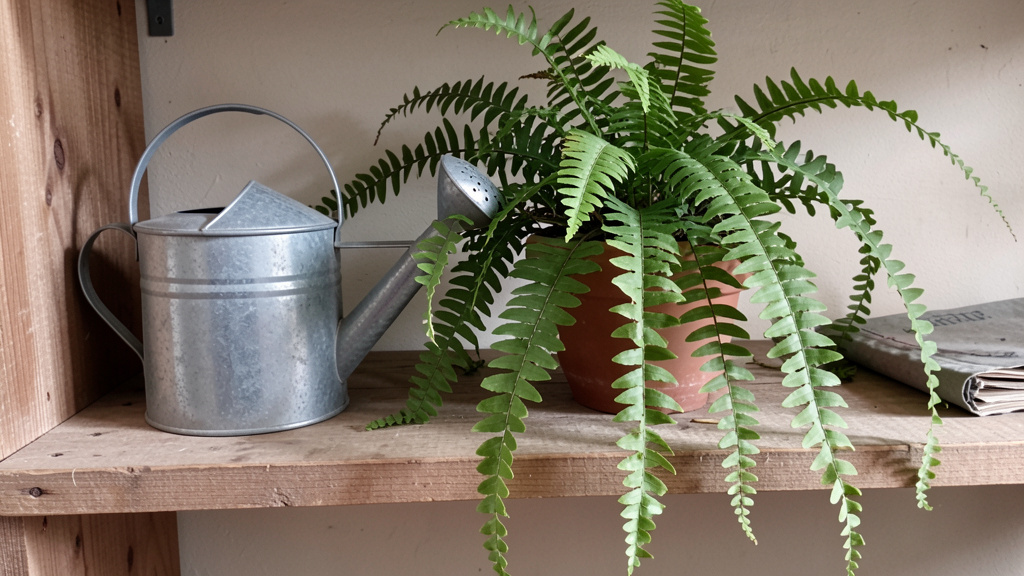
Stop Guessing and Start Thriving: Master the Art of Watering Any Indoor Plant in Any Season Through Observation and Adaptation
Watering indoor plants is rarely about adhering to a rigid calendar schedule—it’s a dynamic practice shaped by plant biology, seasonal light shifts, your home’s microclimate, and subtle environmental cues. This comprehensive guide dismantles the myth of universal watering rules and replaces guesswork with a reliable, observation-based framework. You’ll discover precisely how to assess moisture needs for diverse houseplants across changing seasons, recognize critical visual signals your plants emit, troubleshoot hydration issues before they escalate, and adapt techniques to your unique living space. Whether you nurture a single snake plant or a vibrant collection of tropical specimens, this resource transforms watering from a source of uncertainty into an intuitive, rewarding practice that fosters resilient, thriving greenery year-round.
Introduction: Why “How Often” Is the Wrong Question
Walk into any garden center, scroll social media plant communities, or review decades of houseplant literature, and you’ll encounter well-intentioned but fundamentally limited advice: “Water your pothos every seven days.” “Succulents need water once a month.” These directives persist because they offer comforting simplicity. Yet they overlook a core botanical reality: water uptake is driven by transpiration, a process entirely dependent on environmental conditions—not the date on a calendar. A peace lily thriving in a sun-drenched apartment during peak daylight months operates under vastly different hydraulic demands than an identical plant in a dimly lit space during shorter-day periods. Established horticultural understanding confirms that soil moisture depletion correlates with light intensity, ambient temperature, humidity levels, airflow, pot composition, and soil structure. When we fixate on frequency alone, we overlook the plant’s actual physiological state. This misalignment is the primary cause of both chronic underwatering (leading to crispy leaves, stunted growth, and vulnerability to pests) and the far more common issue of overwatering (triggering root rot, fungal proliferation, and irreversible decline). True plant care begins with shifting perspective: from “When should I water?” to “Does this plant need water right now?” This subtle reframe empowers you to become a responsive caretaker rather than a passive scheduler. By learning to read your plant’s language and environmental context, you cultivate not just healthier foliage, but deeper confidence and connection with your living collection. The journey to watering awareness starts with understanding why rigid schedules fail—and what to do instead.
The Golden Rule: Check, Don’t Schedule
Before exploring plant-specific details or seasonal patterns, internalize this foundational principle: Prioritize observation over predetermined timelines. This mindset shift resolves more plant care challenges than any single technique. Consider two identical ZZ plants placed side-by-side on a windowsill. One sits directly in the path of an air conditioning vent; the other rests in still air. Within days, the vent-exposed plant’s soil will dry significantly faster due to increased airflow accelerating evaporation. Watering both on a fixed day would chronically underwater one while overwatering the other. Similarly, a monstera receiving intense afternoon sun through a south-facing window during high-light months will transpire moisture rapidly, whereas the same plant in a lower-light location during shorter-day periods may retain soil moisture for weeks. Seasons alter indoor light quality and duration dramatically—winter sunlight is weaker and shorter, reducing photosynthetic activity and water demand. Humidity fluctuates with heating systems in cooler months (often dropping below 20% relative humidity) and varies with regional weather patterns. Even repotting changes the equation: fresh soil holds moisture differently than compacted, root-bound media. Scheduling ignores these variables. Checking honors them. This approach aligns with established understanding of plant-water relations. The goal isn’t memorizing intervals but developing observational literacy—the ability to interpret soil moisture, leaf posture, stem firmness, and environmental context as integrated data points. Embrace patience. Allow yourself to skip watering when the soil is still adequately moist. Trust the evidence before you, not an arbitrary date. This practice cultivates attentiveness, sharpens perception, and ultimately builds a more resilient relationship with your plants. They will respond with vigorous growth, cleaner foliage, and greater stability.
The Hydration Assessment Protocol (HAP): Your Four-Step Path to Confident Watering
Forget confusing charts and conflicting advice. The Hydration Assessment Protocol (HAP) is a systematic, repeatable method designed for accuracy across all plant types and environments. Synthesized from horticultural principles and physiological understanding, HAP transforms subjective uncertainty into objective assessment. Perform these four steps in order, every time you consider watering. Consistency builds intuition; within weeks, the process becomes second nature.
Step 1: The Soil Moisture Check—Beyond Surface Appearance
Why this step is crucial: Soil surface appearance is notoriously deceptive. Evaporation dries the top layer rapidly, while moisture lingers deep in the root zone. Conversely, dense soils or shaded locations may keep the surface damp while roots experience poor aeration below. Assessing moisture at root level prevents both premature watering (which may encourage fungal issues) and delayed watering (which stresses roots). This step addresses the most frequent error: watering based solely on dry-looking topsoil.
How to do it correctly:
– The Knuckle Method (Highly Reliable): Insert your index finger vertically into the soil to the depth appropriate for pot size (approximately first knuckle for small pots under 6 inches, second knuckle for medium pots, or use a wooden chopstick/probe for large floor plants to reach 2–3 inches deep). Focus on sensation: Is the soil cool and clinging? Damp but not wet? Crumbly and dry?
– Moisture Meter Guidance: If using a meter, insert the probe midway between the stem and pot edge, avoiding direct root contact. Wait 15–20 seconds for stabilization. Note: Meters vary in accuracy. Periodically verify readings by comparing with the finger or chopstick method.
– Chopstick Technique: Slide a smooth wooden chopstick deep into the soil. Withdraw after 10 seconds. Dark staining or soil clinging firmly indicates moisture. Light staining with minimal adhesion suggests partial dryness. Clean wood indicates dryness. Ideal for plants with dense root mats where fingers struggle to penetrate.
Common mistakes to avoid:
– Checking only at the center near the stem (moisture varies radially; check 2–3 spots around the pot).
– Using a wet finger (water on skin distorts perception; ensure hands are dry first).
– Ignoring pot depth (shallow pots dry more uniformly than deep pots; adjust insertion depth accordingly).
– Testing immediately after misting leaves (surface moisture misleads; wait approximately one hour).
Illustrative scenario: You check your calathea Monday morning. The top layer feels dry, but your finger at 1.5 inches encounters cool, slightly sticky soil. You withhold water. Wednesday, the same depth feels merely cool with no stickiness. Thursday, it’s crumbly. Water Thursday. Without this check, watering Monday based on surface dryness could risk issues in this moisture-sensitive plant.
Step 2: Decode the Plant’s Body Language
Why this step is crucial: Plants communicate stress through visible cues long before irreversible damage occurs. Leaves, stems, and growth patterns provide real-time feedback on hydration status. Learning these signals allows proactive adjustment—catching underwatering before leaves crisp or overwatering before roots decline. This step transforms you from a passive observer into an active interpreter of plant health.
How to do it correctly:
– Leaf Posture: Gently observe leaves. Are they supple and taut (ideal)? Limp or drooping (potential thirst OR overwatering—cross-reference with Step 1)? Crisp and brittle (possible chronic underwatering or low humidity)?
– Color Shifts: Note subtle changes. Yellowing lower leaves often correlate with prolonged soil moisture (roots unable to uptake oxygen). Brown, papery leaf tips may suggest underwatering, low humidity, or water chemistry sensitivity. Pale, washed-out new growth can indicate inconsistent moisture.
– Stem Integrity: For succulents or woody plants (like rubber trees), gently assess stems. Firm texture generally indicates adequate hydration. Soft, mushy, or noticeably wrinkled texture signals distress (mushy often relates to excess moisture; wrinkled to insufficient).
– Growth Patterns: Are new leaves smaller than previous ones? Is the space between leaves elongating? These can reflect moisture stress during active growth phases.
Common mistakes to avoid:
– Misinterpreting natural behaviors (e.g., peace lilies dramatically droop when soil moisture is low but typically recover within hours of watering—this is a reliable signaling mechanism, not emergency distress).
– Ignoring species-specific traits (ZZ plant rhizomes store water; slight leaf droop is normal between waterings. Ferns naturally prefer consistently moist soil; any droop warrants prompt attention).
– Overreacting to isolated symptoms (yellow leaf + dry soil suggests underwatering. Yellow leaf + moist soil suggests other factors. Context is essential).
Illustrative scenario: Your spider plant’s leaf tips are browning. Step 1 shows soil is dry at one inch. You water thoroughly. Tips continue browning over subsequent days. You realize low humidity (not underwatering) is the likely contributor—browning tips with adequately moist soil often point to dry air. You place it on a pebble tray. New growth emerges with cleaner margins. Body language guided precise diagnosis.
Step 3: Audit Your Environment—The Hidden Variables
Why this step is crucial: Your home contains microclimates that vary dramatically within a single room. A plant three feet from a window receives significantly more light (and thus transpires more water) than one in a corner. Heating vents, ceiling fans, humidifiers, and even weather outside your windows alter conditions daily. This audit identifies why two identical plants in the same room may need different care.
How to do it correctly:
– Light Assessment: Note window direction (south-facing typically receives strongest light in the Northern Hemisphere; north-facing receives weakest; east/west offer moderate). Track approximate direct sun exposure on the plant’s location. Observe seasonal shifts: daylight duration and solar angle change substantially throughout the year.
– Temperature & Airflow: Feel for drafts near vents, doors, or windows. Ideal range for most common tropical houseplants is generally 65–80°F (18–27°C). Below 60°F (15°C), metabolic processes typically slow; adjust watering frequency accordingly.
– Humidity Awareness: Inexpensive hygrometers provide useful readings. Below 40% relative humidity: tropical plants (ferns, calatheas) may show stress faster. Above 60%: soil may stay moist longer; ensure adequate airflow.
– Pot & Soil Factors: Terracotta is porous and accelerates drying. Glazed ceramic or plastic retains moisture longer. Dense potting mixes hold water; chunky mixes (with perlite, orchid bark) drain more readily. Note these variables—they modify Step 1 results.
Common mistakes to avoid:
– Assuming “room temperature” is uniform (measure near the plant; floors are cooler, elevated surfaces warmer).
– Overlooking seasonal indoor changes (winter heating reduces humidity; summer AC creates localized dry zones near vents).
– Ignoring recent plant history (a plant recently moved from low to high light needs gradual watering adjustment).
Illustrative scenario: Your fiddle leaf fig sits two feet from a south window. During high-light months, Step 1 shows dry soil approximately every four days. In lower-light months, the same spot shows soil staying adequately moist nearly twice as long. You audit: daylight duration decreased; indoor temperature shifted slightly cooler. You adjust watering proactively—not reactively—supporting plant stability.
Step 4: The Weight Test—A Tactile Technique for Pot Mastery
Why this step is crucial: Soil moisture directly correlates with pot weight. This tactile method bypasses surface deception and provides holistic assessment of the entire root ball. It’s especially valuable for large plants where finger tests are impractical, plants with dense root systems, or when seeking an additional verification method. Weight becomes an intuitive benchmark calibrated to your specific setup.
How to do it correctly:
– Establish Baseline: After thoroughly watering (until excess flows from drainage holes), lift the pot immediately. Note the weight sensation—”heavy,” “substantial,” “dense.” Set it down.
– Monitor Regularly: Lift the pot gently every day or two. Compare the current weight to your baseline. As soil dries, weight decreases noticeably.
– Determine Threshold: For moisture-preferring plants (ferns, calatheas), water when weight feels “moderately light.” For drought-tolerant plants (snake plants, ZZ), wait until “very light.” Your hands learn this gradient through repetition.
– Refine Over Time: Briefly note patterns: “Watered Monday—felt heavy. Friday—felt light. Watered.” Patterns emerge within a few cycles.
Common mistakes to avoid:
– Skipping the post-watering baseline lift (you cannot gauge “light” without knowing “heavy”).
– Lifting inconsistently (use the same hands and grip position for comparison).
– Forgetting pot material differences (a terracotta pot will feel lighter than plastic at similar moisture levels—calibrate per pot).
Illustrative scenario: Your peace lily in a ceramic pot feels heavy after watering Sunday. Wednesday, lifting it feels noticeably lighter. Thursday, it feels distinctly light. You water Thursday. Within an hour, leaves regain turgor. Over months, you recognize the exact “thirsty weight” without checking soil—saving time while preventing stress.
The Fundamental Principle: Watering is not an event on a calendar; it is a responsive dialogue between you and your plant, mediated by soil, season, and surroundings. Mastery lies not in memorizing intervals, but in cultivating the awareness to listen.
Seasonal Shifts: Adapting Your Watering Awareness to Natural Cycles
Indoors does not mean insulated from Earth’s cycles. Seasonal changes in daylight duration, solar angle, temperature, and humidity profoundly impact your plants’ metabolic activity—even within climate-controlled homes. A plant’s water needs during peak daylight months can be substantially higher than during shorter-day periods due to stronger light driving photosynthesis and transpiration. Ignoring these shifts is a common contributor to seasonal plant stress. This section details how to anticipate and adapt to each season’s unique patterns, using environmental cues rather than calendar dates.
Note: Seasonal timing described below applies to the Northern Hemisphere. If you are in the Southern Hemisphere, reverse the seasons (e.g., December–February corresponds to summer, June–August to winter). Always prioritize observing your plant’s signals and local conditions over calendar dates.
Spring: The Gradual Awakening
As daylight lengthens and sun angles strengthen (typically late winter through late spring in the Northern Hemisphere), many plants emerge from periods of slower growth. New growth appears—tender leaves, elongating vines, budding flowers. This growth surge generally increases water demand. Roots become more active, seeking moisture to support cell expansion. However, spring presents nuanced conditions: outdoor temperatures may still be cool, while increasing light accelerates soil drying. Humidity often rises with seasonal rains, slightly offsetting evaporation.
Key Adjustments:
– Increase Monitoring Frequency: Begin checking soil moisture more regularly instead of adhering to winter intervals. Plants transition from slower metabolic activity to active growth.
– Watch for Growth Signals: The appearance of a new leaf unfurling on a monstera or a vine extending on pothos is a direct cue: water demand has increased. Water within a day or two of noticing active growth if soil is approaching dryness.
– Adjust for Variable Weather: During cool, cloudy weeks, growth may stall. Revert to less frequent checks. During unseasonably warm, sunny spells, check more often. Trust observation over the calendar.
– Post-Repotting Consideration: Spring is a common time for repotting. Fresh soil retains moisture differently. Water lightly after repotting, then wait several days before resuming checks. New roots are sensitive to saturation.
– Fertilizer Synergy: As you introduce diluted fertilizer (typically at reduced strength initially), ensure soil is moist beforehand. Applying fertilizer to dry soil may cause root stress. Watering and feeding become linked practices.
Plant-Specific Insight: African violets often initiate bloom cycles in spring. Consistent soil moisture is critical—allowing soil to dry completely may cause bud drop. Bottom watering helps keep crowns dry while maintaining even moisture. Check every few days.
Summer: Peak Activity and Mindful Vigilance
Longest days, highest sun intensity, and warmest temperatures define summer months. Transpiration rates typically peak. Plants may require watering more frequently than in cooler months. However, modern homes introduce variables: air conditioning creates dry, cool air near vents while other areas remain humid and warm. Intense direct sun through windows can significantly warm soil in dark pots.
Key Adjustments:
– Time Your Watering: Water early morning. This allows moisture to absorb before peak heat, reduces evaporation loss, and ensures foliage dries before evening—minimizing conditions favorable to fungal issues. Avoid watering during midday heat; temperature contrast may stress roots.
– Combat AC Dryness: Plants near AC vents dry rapidly. Group plants together to create a shared humidity microclimate. Place trays of water nearby (not under pots) to increase ambient moisture through evaporation.
– Shield from Intense Light: For plants in south/west windows, use sheer curtains during peak sun hours. Check soil regularly—surface may feel dry while roots experience warmth. Lift pots; if uncomfortably warm, move temporarily.
– Vacation Strategy: For absences under ten days: water thoroughly pre-departure, move plants away from direct sun to cooler spots (not dark closets), group together, and place on trays filled with pebbles and water (pots elevated above water). For longer absences, use self-watering spikes or wicking systems—not saucers filled with water (promotes root issues).
– Recognize Heat Response: Wilting during afternoon heat is common (especially in ferns, calatheas). Do NOT water immediately. Check soil first. If adequately moist, wilting is often a temporary transpiration response; leaves typically recover as temperatures cool. Watering saturated soil during heat may accelerate problems.
Plant-Specific Insight: Boston ferns thrive in summer humidity but may struggle in AC-dried air. Light morning misting and placement on a humidity tray can help. Check soil every other day—dense root balls may retain moisture internally even if the surface feels dry. Water when the top layer feels dry, ensuring thorough drainage.
Fall: The Gentle Transition
As daylight shortens and sun angles lower (early autumn through late autumn), plant growth gradually decelerates for many species. Metabolic activity slows in preparation for cooler months. Soil retains moisture longer due to reduced light intensity and cooler temperatures. This transition period is critical—overwatering now may set the stage for issues during lower-activity periods. Yet, early fall can mimic summer conditions, creating uncertainty.
Key Adjustments:
– Gradual Reduction: Don’t abruptly cut watering. As days shorten noticeably, extend intervals between checks. If watering every four days in late summer, shift to every five to six days by mid-autumn.
– Maximize Light Capture: Clean windows thoroughly. Gently wipe plant leaves with a damp cloth. Every photon supports efficient function as light diminishes.
– Monitor Indoor Climate Shifts: As heating systems activate, indoor humidity often plummets. Place hygrometers near plant groupings. Below 30% relative humidity, prioritize humidity solutions (pebble trays, grouping) over increasing water frequency—dry air accelerates leaf moisture loss but doesn’t necessarily mean roots need more water.
– Pre-Winter Health Check: Inspect roots if repotting. Trim any soft, discolored sections. Refresh the top layer of soil to remove potential salt buildup from seasonal fertilizing. Healthy roots entering cooler months withstand moisture fluctuations better.
– Resist Over-Correction: Seeing slower growth, beginners sometimes underwater. Continue using HAP. A plant needing water in fall still shows dry soil at root depth and subtle droop—just less frequently than in summer.
Plant-Specific Insight: Christmas cacti initiate bud formation in fall triggered by cooler nights and shorter days. During this critical phase, allow soil to dry slightly more between waterings than in summer—but avoid extreme dryness. Inconsistent moisture may cause bud drop. Check every five to seven days.
Winter: Periods of Slower Activity
Shortest days, weakest light, cooler temperatures, and lowest humidity define winter months. Many common tropical houseplants enter periods of reduced growth—metabolic rates drop significantly. Roots require far less moisture. Simultaneously, heating systems reduce indoor humidity, creating a deceptive environment: leaves may show dry-tip stress (from low humidity) while soil remains moist for extended periods. This contradiction contributes to common winter plant challenges—well-intentioned watering to “fix” crispy tips may overwhelm roots already adapting to cooler, darker conditions.
Key Adjustments:
– Significantly Reduce Frequency: For most plants, watering intervals increase substantially versus summer. A snake plant watered every few weeks in summer may need water only once every several weeks in winter. Trust HAP—check soil every ten to fourteen days initially; extend as you observe slower drying.
– Water with Room-Temperature Water: Avoid cold tap water. Fill a watering can and let it sit to reach ambient temperature. Cold water may stress roots during cooler periods.
– Combat Heating Dryness Strategically: Group plants away from radiators, baseboard heaters, and forced-air vents. Use humidifiers set to moderate levels near plant collections. Pebble trays are helpful—fill trays with water just below pebble tops; pots sit dry on pebbles while evaporating moisture humidifies immediate air.
– Maximize Light Exposure: Rotate plants weekly for even light exposure. Move shade-tolerant plants (ZZ, snake plant) closer to windows; keep light-sensitive plants (calathea) slightly back to avoid cold windowpane contact.
– Pause Fertilizing: Plants in slower-growth phases generally cannot utilize nutrients. Fertilizing now may contribute to salt buildup in slower-drying soil. Resume when new growth appears.
– Beware the “Dry Tip” Trap: Brown leaf tips on spider plants or dracaenas in winter are often low-humidity related, NOT underwatering. Check soil first. If adequately moist, do not water. Increase ambient humidity instead. Watering moist soil to address humidity-related symptoms may cause complications.
Plant-Specific Insight: Orchids (Phalaenopsis) often bloom through winter. While growth slows, flowering benefits from consistent moisture. Water when the potting medium feels dry at the surface—typically every ten to fourteen days. Use room-temperature water. Ensure pots drain completely; never let sit in water. Lower light reduces evaporation, so err slightly toward drier between waterings versus summer.
The Ultimate Plant-by-Plant Watering Reference
This reference synthesizes species-specific physiology, seasonal adaptation, and environmental interaction. Crucially: These are starting points, not rigid schedules. Always apply the Hydration Assessment Protocol (HAP) first. Conditions in your home will modify these guidelines. Each entry includes:
– Core Watering Philosophy: The plant’s fundamental relationship with moisture
– Seasonal Adjustments: How needs shift across seasons
– Critical Visual Cues: What to watch for
– Pro Tips: Species-specific nuances
(Note: All guidance assumes typical indoor conditions: 65–75°F / 18–24°C, moderate humidity 40–60%, indirect light. Adjust for your microclimate.)
Alocasia (Elephant Ear)
Core Philosophy: Prefers consistently moist (not soggy) soil. Alocasias originate from humid forest understories with well-draining organic matter. They lack significant water storage tissues, making them sensitive to dry soil. However, dense, waterlogged soil may compromise rhizomes.
Seasonal Adjustments:
– Spring/Summer: Water when the top half-inch of soil feels dry.
– Fall: Extend intervals slightly as growth slows.
– Winter: Water less frequently. Critical: Use room-temperature water.
Critical Visual Cues: Drooping leaves = immediate thirst (water within hours). Yellowing lower leaves + wet soil = possible overwatering. Crispy brown leaf edges = low humidity (check soil first before assuming underwatering).
Pro Tips: Moisture meters can be helpful initially; dense root systems make finger tests challenging. Always use pots with drainage. Group with other humidity-preferring plants. If leaves collapse dramatically overnight, water immediately—they often recover remarkably fast when thirsty.
Anthurium
Core Philosophy: Prefers even moisture with excellent drainage. Anthuriums are epiphytes (grow on trees in nature), so their roots benefit from air circulation. Soggy soil may lead to root issues; prolonged dryness may halt flower production.
Seasonal Adjustments:
– Spring/Summer: Water when the top inch feels dry.
– Fall/Winter: Water when the top inch to inch-and-a-half feels dry. Reduce frequency significantly in lower light.
Critical Visual Cues: Drooping, curling leaves = underwatering. Yellow leaves starting at base = possible overwatering. Brown leaf tips = low humidity or inconsistent watering.
Pro Tips: Use a coarse, chunky mix (orchid bark, perlite, charcoal). Water thoroughly until it flows freely from drainage holes, then empty saucer promptly. Avoid getting water on the flowers (spathes)—may cause spotting. Bottom watering works well.
Arrowhead Plant (Syngonium)
Core Philosophy: Prefers moderately moist soil. Adaptable but thrives with consistent moisture during growth phases. Tolerates slight drying between waterings better than calatheas but less than pothos.
Seasonal Adjustments:
– Spring/Summer: Water when the top inch feels dry.
– Fall/Winter: Water when the top inch to inch-and-a-half feels dry.
Critical Visual Cues: Drooping new growth = needs water. Yellowing older leaves = possible overwatering. Brown, crispy leaf edges = dry air or underwatering.
Pro Tips: Juvenile plants (arrow-shaped leaves) tolerate slightly drier soil than mature plants (lobed leaves). Wipe leaves regularly—dust blocks light. Suitable for self-watering pots due to consistent moisture preference.
Boston Fern (Nephrolepis exaltata)
Core Philosophy: Prefers consistently moist soil; high humidity is essential. Ferns have fibrous roots that desiccate rapidly. Avoid allowing soil to dry completely.
Seasonal Adjustments:
– Spring/Summer: Water when surface feels barely dry. Mist foliage lightly in morning if air is dry.
– Fall/Winter: Water when surface feels dry. Critical: Increase humidity support (humidifier ideal).
Critical Visual Cues: Fronds turning yellow/brown and crispy = underwatering OR low humidity. Drooping fronds = immediate thirst. Blackened frond bases = possible overwatering/root issues.
Pro Tips: Plastic pots retain moisture better than terracotta. Place on a deep pebble tray filled with water. Avoid drafty areas. If fronds brown extensively, trim affected fronds at base and increase humidity—new growth may emerge if roots are healthy.
Calathea (Including Prayer Plant, Rattlesnake)
Core Philosophy: Prefers consistently moist (not wet) soil. Calatheas are humidity-sensitive with responsive roots. They signal thirst dramatically (leaves fold upward at night—”praying”—but remain folded during day when thirsty).
Seasonal Adjustments:
– Spring/Summer: Water when the top half-inch feels dry.
– Fall/Winter: Water when the top inch feels dry. Reduce frequency but avoid letting soil dry completely.
Critical Visual Cues: Leaves permanently folded upward during daylight = thirsty. Yellow leaves + wet soil = possible overwatering. Brown, crispy leaf edges = low humidity (most common issue).
Pro Tips: Use distilled, filtered, or rainwater if tap water causes tip burn. Always use room-temperature water. Group with other calatheas to create humidity pocket. Water in the morning.
Chinese Evergreen (Aglaonema)
Core Philosophy: Tolerates drying moderately between waterings. Extremely adaptable and forgiving. Stores water in stems and rhizomes. Overwatering is far riskier than underwatering.
Seasonal Adjustments:
– Spring/Summer: Water when the top inch to inch-and-a-half feels dry.
– Fall/Winter: Water when the top two inches feel dry. Can go longer in low light/winter.
Critical Visual Cues: Slight droop in newer leaves = needs water. Yellowing lower leaves = possible overwatering. Brown leaf tips = dry air or inconsistent watering.
Pro Tips: Thrives in low light—water even less frequently in dim corners. Excellent for beginners. Use well-draining soil; add extra perlite. Tolerates tap water better than sensitive plants.
Christmas Cactus (Schlumbergera)
Core Philosophy: Prefers drying slightly between waterings, especially during bud formation. Unlike desert cacti, it’s a tropical epiphyte but benefits from distinct wet/dry cycles.
Seasonal Adjustments:
– Spring/Summer (Growth Phase): Water when top inch feels dry.
– Fall (Bud Initiation): Allow soil to dry slightly more—water when top inch to inch-and-a-half feels dry. Critical: Consistent moisture helps prevent bud drop.
– Winter (Blooming): Water when top inch feels dry. Avoid moving plant while blooming.
Critical Visual Cues: Wrinkled, limp stems = underwatering. Soft, mushy stems = possible overwatering. Bud drop = inconsistent moisture or moving plant.
Pro Tips: Use a well-draining mix with extra perlite. Ensure perfect drainage. To encourage reblooming: In autumn, provide longer nights and cooler temps (55–65°F / 13–18°C).
Fiddle Leaf Fig (Ficus lyrata)
Core Philosophy: Water thoroughly, then allow significant drying. Deep watering encourages deep roots; frequent shallow watering may promote weak surface roots.
Seasonal Adjustments:
– Spring/Summer: Water when top two inches feel dry.
– Fall/Winter: Water when top three inches feel dry. Reduce significantly in low light.
Critical Visual Cues: Brown spots with yellow halos = possible overwatering. Crispy brown edges = underwatering or dry air. Drooping leaves = check soil immediately (could indicate either).
Pro Tips: Water slowly until it flows freely from drainage holes. Wait, then empty saucer. Rotate plant quarterly for even growth. Wipe large leaves monthly—dust reduces light absorption. Avoid drafty areas.
Monstera Deliciosa (Swiss Cheese Plant)
Core Philosophy: Prefers moderately moist soil; excellent drainage vital. Aerial roots absorb moisture from air—higher humidity may reduce soil watering frequency.
Seasonal Adjustments:
– Spring/Summer: Water when top inch to inch-and-a-half feels dry.
– Fall/Winter: Water when top two inches feel dry.
Critical Visual Cues: Curling or drooping leaves = thirsty. Yellowing lower leaves = possible overwatering. Brown leaf tips = low humidity.
Pro Tips: Mist aerial roots lightly or wrap in damp sphagnum moss. Use a chunky mix (orchid bark, perlite). Support climbing stems with a moss pole. Water in the morning.
Orchid (Phalaenopsis – Moth Orchid)
Core Philosophy: Prefers drying between waterings; roots need air. Grown in bark mix, not soil. Roots turn silvery-green when dry, bright green when moist—a natural indicator.
Seasonal Adjustments:
– Spring/Summer (Growth/Blooming): Water when bark feels dry at the surface and roots are silvery.
– Fall/Winter (Slower Growth): Water when bark is dry throughout and roots silvery.
Critical Visual Cues: Wrinkled, leathery leaves = underwatering. Yellow, mushy roots = possible overwatering. Bud blast (dropping buds) = inconsistent moisture or cold draft.
Pro Tips: Water thoroughly in sink until water runs clear. Let drain completely. Never let sit in water. Use room-temperature water. After blooms fade, cut spike above second node to encourage rebloom.
Pothos (Epipremnum aureum)
Core Philosophy: Prefers drying thoroughly between waterings. Extremely drought-tolerant due to water-storing stems. Overwatering causes rapid leaf yellowing.
Seasonal Adjustments:
– Spring/Summer: Water when top inch to inch-and-a-half feels dry.
– Fall/Winter: Water when top two inches feel dry. Can go longer.
Critical Visual Cues: Curling leaves = thirsty. Yellow leaves (especially lower) = possible overwatering. Brown spots = sunburn or inconsistent watering.
Pro Tips: Ideal for self-watering pots or beginners. Thrives in low light—water less frequently in dim areas. Propagate easily in water; transition to soil gradually. Wipe leaves occasionally.
Peace Lily (Spathiphyllum)
Core Philosophy: Prefers consistently moist soil; signals thirst dramatically. Famous for drooping leaves when dry—a reliable indicator. However, prolonged dryness causes irreversible leaf browning.
Seasonal Adjustments:
– Spring/Summer: Water when top half-inch feels dry OR at first sign of droop.
– Fall/Winter: Water when top inch feels dry OR at droop.
Critical Visual Cues: Drooping leaves = immediate need for water (recovers within hours). Yellow leaves = possible overwatering. Brown leaf tips = low humidity or water chemistry.
Pro Tips: Use distilled or filtered water to prevent tip burn if sensitive. Place in bright, indirect light for best blooms. Water thoroughly; empty saucer after 15 minutes.
Philodendron (Heartleaf, Brasil, etc.)
Core Philosophy: Prefers drying moderately between waterings. Very adaptable and forgiving. Similar to pothos but slightly prefers more consistent moisture.
Seasonal Adjustments:
– Spring/Summer: Water when top inch feels dry.
– Fall/Winter: Water when top inch to inch-and-a-half feels dry.
Critical Visual Cues: Drooping or curling leaves = thirsty. Yellow leaves = possible overwatering. Brown leaf edges = dry air.
Pro Tips: Thrives in moderate to low light. Water less frequently in lower light. Wipe leaves to maximize light absorption. Excellent for hanging baskets—check soil more frequently.
Snake Plant (Sansevieria)
Core Philosophy: Prefers very dry soil between waterings. Stores water in thick, succulent leaves. Highly vulnerable to root issues from overwatering.
Seasonal Adjustments:
– Spring/Summer: Water when soil is completely dry two to three inches deep.
– Fall/Winter: Water when soil is completely dry throughout pot. Can go several weeks.
Critical Visual Cues: Soft, mushy base of leaves = possible overwatering. Wrinkled, thinning leaves = underwatering (rare).
Pro Tips: Use well-draining cactus/succulent mix. Terracotta pot recommended. Water sparingly at base—avoid getting water in leaf rosette center. Thrives on neglect. Ideal for low-light bathrooms.
Spider Plant (Chlorophytum comosum)
Core Philosophy: Prefers moderately moist soil. Tolerates slight drying. Sensitive to chemicals in some tap water.
Seasonal Adjustments:
– Spring/Summer: Water when top inch feels dry.
– Fall/Winter: Water when top inch to inch-and-a-half feels dry.
Critical Visual Cues: Brown leaf tips = fluoride/chlorine in water OR low humidity. Drooping leaves = thirsty. Yellowing = possible overwatering.
Pro Tips: Use distilled, filtered, or rainwater to prevent tip burn if sensitive. Produces “pups” (baby plants) on runners—propagate easily. Prefers slightly root-bound; repot only when necessary.
Succulents (Echeveria, Haworthia, etc.)
Core Philosophy: Soak thoroughly, then allow to dry completely. Native to arid regions; roots are sensitive to persistent moisture.
Seasonal Adjustments:
– Spring/Summer (Active Growth): Water when soil is dry throughout pot.
– Fall/Winter (Slower Growth): Water sparingly—only when leaves show slight wrinkling.
Critical Visual Cues: Wrinkled, soft leaves = underwatering. Translucent, mushy leaves = possible overwatering.
Pro Tips: Must use fast-draining cactus/succulent mix. Unglazed terracotta pot essential. Water at soil level—avoid wetting rosettes. Provide bright, indirect light. Reduce watering significantly in cooler months.
ZZ Plant (Zamioculcas zamiifolia)
Core Philosophy: Prefers very dry soil between waterings. Stores water in rhizomes (underground stems) and thick leaflets. Overwatering is the primary risk.
Seasonal Adjustments:
– Spring/Summer: Water when soil is dry two to three inches deep.
– Fall/Winter: Water when soil is completely dry throughout pot. Can go several weeks.
Critical Visual Cues: Slight droop in newer leaflets = needs water. Yellowing leaves + wet soil = possible overwatering.
Pro Tips: Thrives in low light—water even less frequently in dim areas. Use well-draining soil; add extra perlite. Extremely tolerant of neglect. Ideal for offices or beginners. Wipe leaves occasionally.
African Violet (Saintpaulia)
Core Philosophy: Prefers consistently moist (not wet) soil. Extremely sensitive to cold water and wet crowns (center of plant).
Seasonal Adjustments:
– Spring/Summer: Water when surface feels dry.
– Fall/Winter: Water when surface feels dry.
Critical Visual Cues: Drooping leaves = thirsty. Crown rot (mushy center) = water on crown or overwatering. Brown leaf spots = cold water on leaves.
Pro Tips: ALWAYS use room-temperature water. Water from bottom: place pot in saucer with shallow water for 20–30 minutes, then remove. Never get water on leaves or crown. Use African violet-specific mix. Provide bright, indirect light.
Rubber Plant (Ficus elastica)
Core Philosophy: Prefers drying moderately between waterings. Thick, leathery leaves store water. Sensitive to overwatering.
Seasonal Adjustments:
– Spring/Summer: Water when top inch to inch-and-a-half feels dry.
– Fall/Winter: Water when top two inches feel dry.
Critical Visual Cues: Drooping leaves = thirsty. Yellow leaves = possible overwatering. Brown leaf edges = dry air.
Pro Tips: Wipe large leaves monthly with damp cloth. Use well-draining soil. Avoid moving frequently; sensitive to location changes. Prefers consistent temperatures; keep away from drafts.
String of Pearls (Senecio rowleyanus)
Core Philosophy: Soak thoroughly, then allow to dry completely. Succulent stems store water; pearls shrivel when thirsty.
Seasonal Adjustments:
– Spring/Summer: Water when pearls begin slight wrinkling.
– Fall/Winter: Water only when pearls are noticeably wrinkled.
Critical Visual Cues: Wrinkled, deflated pearls = underwatering. Mushy, translucent pearls = possible overwatering.
Pro Tips: Use fast-draining cactus mix. Hang away from direct sun (scorches pearls). Water carefully at soil base—avoid wetting pearls. Terracotta pot recommended. Propagate easily.
Environmental Factors That Significantly Influence Watering
Even thorough plant knowledge and seasonal awareness can be influenced by overlooked environmental variables. These factors interact dynamically, creating unique microclimates that demand personalized adjustments. Mastering them elevates your watering precision.
Pot Material: The Moisture Regulator
- Terracotta/Unglazed Ceramic: Porous. Wicks moisture from soil, accelerating evaporation. Ideal for succulents, cacti, snake plants, ZZ plants. Watering Impact: Soil dries noticeably faster than in non-porous pots. Check moisture sooner than guidelines suggest. In cooler months, this can benefit drought-tolerant plants; in warmer months, requires more frequent checks for moisture-preferring plants.
- Glazed Ceramic/Plastic: Non-porous. Retains moisture significantly longer. Ideal for ferns, calatheas, peace lilies. Watering Impact: Soil stays moist longer. Extend intervals between checks. Critical: Ensure drainage holes are present and unobstructed.
- Concrete/Metal: Concrete breathes slightly but retains cold; metal conducts temperature. Watering Impact: Concrete pots dry moderately fast but stay cool in winter—delay watering after cold periods. Metal pots heat rapidly in sun—check soil daily in bright windows.
- Self-Watering Pots: Contain a reservoir. Wick or capillary action draws water upward as soil dries. Watering Impact: Reduces frequency dramatically. Ideal for travelers or consistent-moisture plants (pothos, spider plants). Caution: Not suitable for succulents, cacti, or plants needing distinct dry periods. Monitor reservoir; clean periodically.
Soil Composition: The Drainage Foundation
Standard “potting soil” varies. Understanding mix components predicts drying rates:
– Peat Moss/Coir: Retains moisture well. High peat mixes stay wet longer—ideal for ferns, calatheas. Adjustment: Add perlite to standard mixes for most tropicals to improve aeration.
– Perlite/Pumice: Creates air pockets. Critical for drainage. Adjustment: For snake plants, ZZ, succulents: Use a mix with a high proportion of perlite or pumice. For moisture-lovers: a moderate amount is sufficient.
– Orchid Bark: Large chunks promote airflow. Essential for orchids, monstera, philodendron. Adjustment: Mixes heavy on bark dry faster—water more frequently but ensure thorough saturation.
– Vermiculite: Holds water and nutrients. Common in seed-starting mixes. Adjustment: Generally avoid in mature plant mixes unless growing moisture-dependent species.
Pro Tip: Refresh the top layer of soil annually. Old soil compacts, reducing drainage—leading to misleading “dry surface, wet roots” scenarios.
Light Intensity: The Primary Driver
Light fuels photosynthesis, which drives transpiration (water loss through leaves). More light = faster drying.
– Direct Sun (South/West Windows): Soil dries rapidly. Plants here may need water significantly more often than the same plant in indirect light. Adjustment: Use moisture-retentive pots for moisture-lovers; add humidity trays. Check soil frequently in warmer months.
– Bright Indirect (East Windows, Near South): Ideal for most tropicals. Moderate drying rate. Adjustment: Standard HAP checks apply. Rotate plants weekly.
– Medium/Low Light (North Windows, Interior Rooms): Minimal transpiration. Soil stays moist for extended periods. Adjustment: Use terracotta pots to encourage drying. Extend check intervals significantly. Water only when soil is dry deep down—surface dryness is irrelevant. Overwatering risk is highest here.
Critical Insight: Seasonal light changes indoors are profound. Track daylight patterns; as daylight duration decreases, begin adjusting watering frequency gradually.
Humidity and Airflow: The Invisible Influencers
- Low Humidity (<40% RH): Accelerates moisture loss from leaves, causing crispy tips. Misconception: This does NOT always mean roots need more water. Soil may still be moist. Solution: Increase ambient humidity (humidifier, pebble trays, grouping) rather than watering more frequently. Check soil before watering.
- High Humidity (>60% RH): Slows transpiration, keeping soil moist longer. Risk: Fungal issues may thrive. Solution: Increase gentle airflow. Extend watering intervals. Ensure excellent soil drainage.
- Airflow (Vents, Fans, Drafts): Moving air accelerates soil and leaf surface drying. Adjustment: Plants near AC/heating vents, ceiling fans, or frequently opened doors need more frequent checks. Group plants to buffer airflow. Avoid placing directly in vent paths.
Troubleshooting Common Watering Challenges
Even attentive caretakers encounter issues. Early recognition and precise response prevent minor problems from escalating.
Overwatering: Understanding the Risks
Why it happens: Roots require oxygen. Soggy soil fills air pockets, potentially suffocating roots. Symptoms often appear after damage has occurred.
Key Symptoms:
– Yellowing leaves, starting with oldest/lower leaves
– Mushy, discolored stems or leaf bases
– Soil remains moist many days after watering
– Foul odor from soil
– Leaves drooping despite moist soil
Immediate Action:
1. Stop watering.
2. Gently remove plant from pot. Shake off excess soil.
3. Inspect roots: Healthy = firm, white/tan. Compromised = soft, brown/black.
4. Sterilize scissors. Trim all compromised roots back to healthy tissue.
5. Rinse remaining roots gently under lukewarm water.
6. Repot in fresh, well-draining mix. Use clean pot with drainage.
7. Do not water for several days. Place in bright, indirect light.
8. Resume HAP checks; water only when soil is dry at appropriate depth.
Prevention: Always use pots with drainage holes. Never let plants sit in saucers of water. When uncertain, wait one more day. Use the weight test for large plants.
Underwatering: Recognizing and Responding
Why it happens: Soil dries completely, roots desiccate, plant cannot uptake water even when provided. Often occurs during absences or misreading signals.
Key Symptoms:
– Crispy, brown, papery leaves (starting at tips/edges)
– Soil pulling away from pot edges
– Extreme drooping that doesn’t resolve after watering
– Leaves dropping prematurely
Immediate Action:
1. For mildly dry plants: Water thoroughly until it flows from drainage holes. Repeat after 15 minutes to ensure saturation.
2. For severely dry plants (soil shrunken from edges): Place pot in sink. Slowly pour lukewarm water over soil until water level reaches halfway up pot. Let soak 30–60 minutes. Drain completely.
3. Move to shaded area for 24–48 hours to reduce stress.
4. Mist foliage lightly (avoiding flowers) to increase humidity.
5. Resume normal care once plant shows signs of recovery.
Prevention: Group plants together. Use moisture-retentive pots for plants prone to drying. Set reminders for initial checks until routine is established.
Water Quality Considerations
Symptoms: Brown leaf tips, white crust on soil surface, stunted growth.
Causes:
– Chlorine/Fluoride: Common in municipal water. May affect sensitive plants (spider plants, calatheas, dracaenas).
– Hard Water: Mineral content may build up in soil.
– Softened Water: Sodium content may affect roots.
Solutions:
– Let tap water sit uncovered for 24 hours before use (allows chlorine to dissipate; fluoride remains).
– Use distilled, reverse osmosis, or rainwater for sensitive plants.
– Flush soil thoroughly every few months: Water slowly until excess flows through drainage holes. Removes buildup.
– Scrape off white crust on soil surface and replace top layer with fresh mix.
– Avoid water softened by sodium-based systems if possible.
Seasonal Transition Awareness
Symptoms: Leaf drop, slowed growth, bud drop occurring predictably during seasonal shifts.
Cause: Failure to adjust watering rhythm to changing light/temperature. Most common in fall when summer watering frequency continues as light diminishes.
Solution:
– Track daylight changes. As sunset occurs earlier, begin extending watering intervals gradually.
– Perform HAP checks more frequently during transition months to observe drying rate changes.
– Clean windows and plant leaves to maximize available light during lower-light seasons.
– Accept some leaf drop as natural acclimation—focus on new growth health.
Your Questions, Answered
Q: Is it better to underwater or overwater my plants?
A: Neither is ideal, but temporary underwatering is generally easier to correct than issues from prolonged overwatering. Most plants recover from brief drought stress with proper rehydration. Overwatering may lead to root complications that are difficult to reverse. However, chronic underwatering weakens plants over time. The goal is balance—using the Hydration Assessment Protocol to water precisely when needed.
Q: Should I water my plants from the top or bottom?
A: Both methods have merits. Top watering helps flush mineral salts and ensures even moisture distribution. Bottom watering (placing the pot in a tray of water for 20–30 minutes) encourages deep root growth and is ideal for plants prone to crown issues (like African violets). For most plants, alternating methods can be beneficial. Always discard excess water after 30 minutes.
Q: What time of day is best for watering indoor plants?
A: Early morning is generally optimal. Water has time to absorb before peak daytime warmth increases evaporation. Foliage dries before cooler evening temperatures arrive, reducing conditions favorable to fungal issues. Avoid watering during midday heat or late evening.
Q: My plant’s soil is dry on top but moist underneath. What should I do?
A: This may indicate poor drainage or recent overwatering. Do not water. Improve conditions: Ensure pot has drainage holes. Gently aerate soil surface with a chopstick (avoiding roots). Increase airflow around the plant. If persistent, consider repotting with a chunkier mix (add perlite/orchid bark). Always check moisture at root depth before watering.
Q: Can I use ice cubes to water my plants?
A: Not recommended. Cold temperatures may shock plant roots, inhibiting water uptake and potentially causing stress. This is especially concerning for tropical plants accustomed to consistent warmth. Always use room-temperature water. The ice cube method is not supported by horticultural best practices.
Q: How do I water plants when I go on vacation?
A: For absences under ten days: Water thoroughly pre-departure. Move plants away from direct sun to cooler, shadier spots (not dark closets). Group plants together. Place on trays filled with pebbles and water (pots elevated above water level). For longer absences: Use self-watering spikes connected to water reservoirs, or wicking systems. Avoid saucers filled with water. For critical plants, arrange for someone to perform HAP checks.
Q: Why do my plant’s leaves have brown tips?
A: Brown tips most commonly indicate low humidity (especially in winter with heating systems) or inconsistent watering—not necessarily underwatering. Check soil moisture first. If soil is moist, increase ambient humidity via humidifier, pebble trays, or grouping plants. For sensitive plants, use distilled or filtered water. Trim brown tips with clean scissors following the leaf’s natural shape.
Q: Do I need to adjust watering for flowering vs. non-flowering plants?
A: Yes. Flowering plants (orchids, African violets, Christmas cactus) often have heightened moisture sensitivity during bloom cycles. Consistent moisture is critical—allowing soil to dry completely may cause bud drop. However, they still require excellent drainage. Research species-specific needs during flowering phases. Non-flowering foliage plants generally have more flexible moisture ranges.
Q: How does fertilizer interact with watering?
A: Always water soil thoroughly before applying liquid fertilizer. Fertilizing dry soil may concentrate salts around roots. Dilute fertilizer appropriately for indoor plants. Water lightly after fertilizing to distribute nutrients. During periods of slower growth (cooler months, lower light), pause fertilizing—plants cannot utilize nutrients effectively, leading to potential buildup in slower-drying soil.
Q: My plant is root-bound. Does that change watering?
A: Yes. Root-bound plants (roots circling densely) dry out more quickly because roots displace moisture-holding soil. You may need to water more frequently. However, this is temporary. Repot into a container slightly larger with fresh mix. After repotting, water lightly and wait several days before resuming normal checks—new roots are sensitive.
Q: Is tap water safe for all my plants?
A: It depends on your water source and plant sensitivity. Municipal water often contains chlorine (evaporates if left out 24 hours) and fluoride (does not evaporate), which may affect sensitive plants. Hard water leaves mineral deposits. For sensitive species, use distilled, reverse osmosis, or rainwater. Most resilient plants (snake plants, ZZ, pothos) tolerate tap water well. When in doubt, let tap water sit uncovered overnight before use.
Q: How can I tell if my plant needs water if it’s in a decorative pot without drainage?
A: Decorative pots without drainage present challenges. Best practice: Remove the inner nursery pot, water thoroughly in the sink, let drain completely for 15–20 minutes, then return to decorative pot. If permanently planted: Use the weight test exclusively—learn the “heavy” (just watered) and “light” (dry) weights. Water sparingly with a small measuring cup. Check weight daily. Strongly consider repotting into a container with drainage holes for long-term plant health.
Conclusion and Your 24-Hour Action Plan
Mastering indoor plant watering is not about memorizing endless rules or chasing perfection. It is a practice of mindful observation, responsive care, and deepening connection with the living beings sharing your space. You now hold a complete framework—the Hydration Assessment Protocol—to replace uncertainty with confidence. You understand how seasons shift demands, how environments modify needs, and how to read your plants’ unique languages. This knowledge transforms watering from a chore into a quiet ritual of attention, where each check becomes a moment of presence with your green companions.
Recap: The Three Pillars of Confident Watering
1. Assess, Don’t Schedule: Trust soil moisture, plant signals, and environmental context over calendar dates.
2. Adapt to Seasons and Environment: Proactively adjust your rhythm as light, temperature, humidity, and location shift.
3. Honor Individuality: Apply plant-specific knowledge within your unique home environment. No two plants experience your space identically.
The 24-Hour Rule: Within the next day, select one plant that has caused you uncertainty. Perform all four steps of the Hydration Assessment Protocol on it. Note your observations: soil moisture depth, plant posture, environmental factors, and pot weight. Record your findings briefly. This single, intentional act builds observational skill far more effectively than passive reading. It anchors understanding in practice—and practice builds unshakable confidence.
The Big Picture: When you water with awareness, you do more than sustain life. You cultivate patience in a hurried world. You learn to listen to non-verbal communication. You witness resilience and growth firsthand. Your indoor garden becomes a living reminder that thriving requires balance, not force. Each well-hydrated leaf, each new unfurling shoot, reflects your attunement. Carry this mindset beyond watering: into light placement, humidity management, and seasonal care. You are not just keeping plants alive; you are co-creating a vibrant, breathing sanctuary. Start today. Check one plant. Listen. Respond. Watch what grows—not just in the pot, but within you.
Explore Our Complete Indoor Plant Care System:
The Ultimate Guide to Choosing the Perfect Pot for Every Plant | Decoding Indoor Plant Soil: Custom Mixes for Every Species | 10 Silent Signs of Plant Stress (And Exactly How to Respond) | Humidity Hacks: Creating a Tropical Oasis in Any Home | The Seasonal Indoor Plant Care Calendar: Month-by-Month Tasks | Fertilizing Indoor Plants: A Simple, No-Burn Guide | Propagating Houseplants: From Single Leaf to Lush Collection