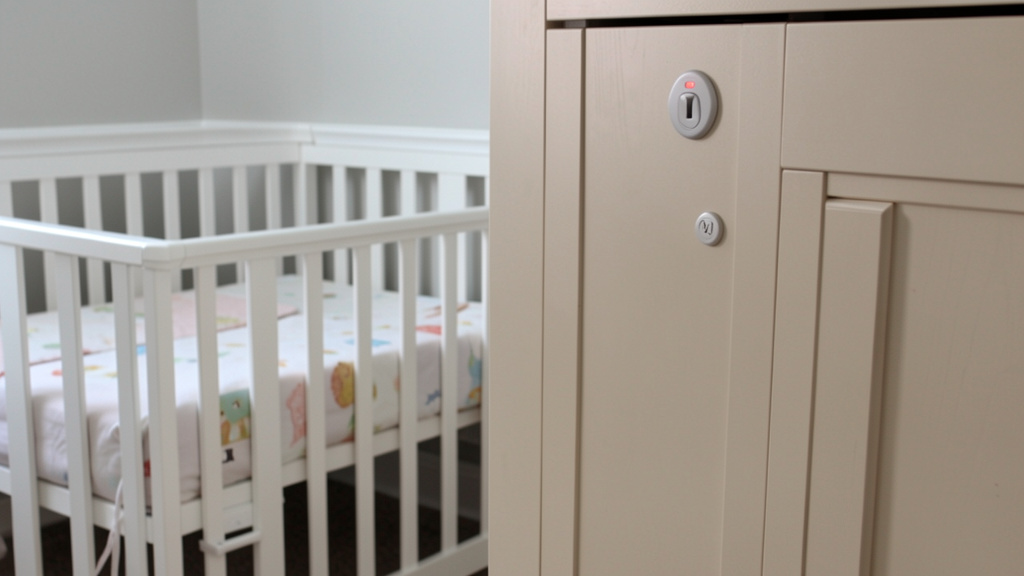
Move beyond temporary baby-proofing with a proactive, evolving safety strategy that grows with your child—covering physical hazards, emotional well-being, and digital boundaries at every developmental stage.
Creating a truly child-safe home isn’t about slapping on cabinet locks and calling it done. It’s a dynamic, thoughtful process that evolves as your child grows from a crawling infant to an independent teenager. This comprehensive guide transforms safety from a reactive chore into a proactive framework—blending evidence-based physical modifications, age-appropriate communication strategies, and digital literacy practices. You’ll discover precisely how to adapt each room of your home across four critical developmental stages, anticipate hidden hazards before they become emergencies, and foster an environment where safety and independence grow hand-in-hand. Whether you’re welcoming your first newborn or navigating the complexities of teen autonomy, this living blueprint ensures your home remains a sanctuary of security and trust for years to come.
Introduction
The moment you bring a child home, the familiar contours of your living space transform. That elegant floor lamp becomes a tipping hazard. The staircase shifts from architectural feature to urgent consideration. The kitchen drawer holds not just utensils, but potential dangers. This shift in perspective is universal among caregivers—a profound recalibration of how we see our own homes. Yet too often, safety efforts remain fragmented: frantic baby-proofing for infancy, followed by reactive adjustments during toddlerhood, with little continuity into the school years or adolescence. The result? Gaps in protection precisely when new vulnerabilities emerge.
True home safety operates on a continuum. It recognizes that a 9-month-old exploring cabinet contents faces fundamentally different risks than a 9-year-old using the stove independently, or a 16-year-old navigating late-night returns. It understands that physical barriers alone cannot address the emotional safety needs of a sensitive tween or the digital landscape challenges facing modern youth. This guide synthesizes established child development principles, injury prevention guidance from organizations like the Consumer Product Safety Commission (CPSC) and American Academy of Pediatrics (AAP), and practical implementation strategies into a unified system. We move beyond isolated product recommendations to cultivate a safety mindset—one that empowers you to assess, adapt, and communicate effectively at every stage. Safety isn’t about fear; it’s about foresight. It’s the quiet confidence that comes from knowing your environment supports your child’s growth while honoring their expanding capabilities. As developmental frameworks consistently emphasize, environments that balance protection with appropriate challenge foster resilience, competence, and trust—foundations that extend far beyond physical safety into lifelong emotional well-being.
The Progressive Safety Framework: Three Pillars for Every Age
Before diving room-by-room, establish your foundational mindset. The Progressive Safety Framework operates on three interlocking pillars that remain relevant from infancy through adolescence, though their expression evolves dramatically. This isn’t a checklist to complete once; it’s a lens through which to view your home continuously. Understanding these pillars transforms safety from a series of tasks into an integrated philosophy.
Pillar 1: The Physical Environment – Adapting Spaces to Developmental Realities
This pillar addresses the tangible modifications to your home. Crucially, it rejects the “one-size-fits-all” approach. A physical barrier essential for an infant (like a stair gate) becomes counterproductive—and potentially hazardous—if rigidly maintained for a school-aged child who needs to learn stair navigation under supervision. Physical adaptations must align precisely with current motor skills, cognitive understanding, and emerging independence.
- Why this pillar is non-negotiable: Children interact with environments based on their developmental stage, not adult logic. A toddler doesn’t see a bookshelf as furniture; they see a climbing challenge. A teen doesn’t view an unlocked medicine cabinet as a hazard; they see convenient access. Physical modifications bridge the gap between a child’s current capabilities and the environment’s inherent risks. Public health data consistently indicates that unintentional injuries remain a leading concern for children under 19, with the type of injury shifting predictably by age group—falls dominate toddler years, poisoning risks peak during preschool exploration, and transportation-related incidents rise significantly in adolescence. Your physical environment must anticipate these shifts.
- How to implement dynamically: Conduct quarterly “safety scans” from your child’s eye level. For infants, crawl through rooms. For toddlers, sit on the floor. For teens, consider pathways during low-light conditions (late returns). Ask: “What is accessible right now? What new skill has my child mastered that changes their interaction with this space?” Replace expired smoke detector batteries during these scans. Update cabinet locks as fine motor skills develop. Adjust furniture anchoring as climbing abilities increase. Physical safety is ongoing maintenance, not one-time installation.
- Common pitfalls to avoid:
- The “Set-and-Forget” Trap: Installing baby gates and never reassessing. Gates can become climbing hazards for toddlers over 24 months or obstacles during emergencies for older children.
- Over-Protection: Creating an environment so restrictive it hinders necessary skill development (e.g., never allowing a supervised 4-year-old to pour their own water hinders coordination and responsibility).
- Underestimating “Transitional” Periods: The weeks when a child almost masters stairs, or nearly reaches the counter, are peak hazard windows. Increase supervision intensity during these phases.
Pillar 2: Behavioral Guidance & Communication – Building Safety Literacy
Physical barriers fail without context. This pillar focuses on the conversations, routines, and skill-building that empower children to navigate their world safely. It shifts safety from “because I said so” to collaborative understanding. For a 2-year-old, this means simple, consistent phrases (“Hot! Ouch!”). For a 12-year-old, it involves discussing why certain rules exist and problem-solving scenarios together.
- Why this pillar creates lasting impact: Research in developmental psychology, such as work published in the Journal of Pediatric Psychology, demonstrates that children who understand the reason behind safety rules are significantly more likely to internalize them and apply them independently—even when adults aren’t present. Behavioral guidance transforms safety from external control to internal compass. It builds critical thinking: “If I leave this toy on the stairs, what could happen?” This pillar is especially vital during adolescence, when peer influence peaks and risk assessment skills are still maturing. Open communication channels established early become lifelines during teen years.
- How to implement age-appropriately:
- Infants (0-12 mos): Focus on caregiver routines. Narrate actions: “Checking the bath water—it’s just right!” Model calm responses to minor bumps. Safety is entirely adult-managed; communication builds your own awareness.
- Toddlers (1-3 yrs): Use short, clear commands paired with redirection. “Knives are for grown-ups. Here’s your plastic knife for playdough.” Praise specific safe behaviors: “I love how you held the railing coming down the stairs!” Introduce simple cause-and-effect: “If we run on the wet floor, we might slip. Let’s walk carefully.”
- School-Age (4-12 yrs): Shift to collaborative problem-solving. “We need a rule for using the microwave. What do you think is safe?” Role-play scenarios: “What would you do if you smelled smoke?” Involve them in safety tasks: “You’re in charge of checking that the back door is locked before bed.” Discuss media portrayals of risk (e.g., cartoon characters jumping from heights).
- Teens (13+ yrs): Prioritize dialogue over directives. Discuss real-world consequences using anonymized examples or hypotheticals: “A friend texts they’re at a party where people are drinking. What are their options?” Focus on decision-making frameworks: “What are the potential short-term and long-term outcomes of this choice?” Acknowledge their growing autonomy while expressing care: “I trust you, and my role is to help you think through situations where pressure might cloud judgment.”
- Common pitfalls to avoid:
- Inconsistent Messaging: Saying “Don’t touch the stove” but leaving pots with handles dangling over the edge sends mixed signals. Align words and environment.
- Fear-Based Tactics: Overemphasizing worst-case scenarios (“You’ll get kidnapped!”) can induce anxiety without teaching practical skills. Focus on empowerment: “Here’s how we stay aware and safe.”
- Ignoring Emotional Safety: A child who feels shamed for making a mistake (“You knew not to climb that!”) is less likely to report near-misses. Frame errors as learning opportunities: “Thank you for telling me the glass broke. Let’s clean it up safely together and talk about how to carry dishes next time.”
Pillar 3: Digital Boundaries & Online Safety – The Modern Frontier
Today’s “home” extends into digital spaces. This pillar addresses screen time, content access, privacy, cyberbullying, and online interactions. Like physical safety, digital safety requires evolving strategies—from strict parental controls for young children to guided autonomy and critical media literacy for teens.
- Why this pillar is inseparable from physical safety: Digital and physical worlds constantly intersect. Location sharing affects real-world safety. Online conflicts spill into school hallways. Exposure to inappropriate content impacts emotional well-being and decision-making. AAP guidelines stress that digital habits formed in childhood shape lifelong relationships with technology. Ignoring this pillar creates a critical vulnerability, especially as children gain independent device access.
- How to implement progressively:
- Infants/Toddlers (0-3 yrs): Strictly limit screen time per AAP recommendations (video chatting with grandparents is the primary exception). Curate all content. Devices are used with a caregiver, not as substitutes for interaction. Model healthy device-free times (meals, bedtime).
- Preschool/Early Elementary (3-7 yrs): Introduce educational apps/games with clear time limits (use timers). Co-view content. Begin simple conversations: “Why do you think that character was mean online?” Set devices to “kid mode” with restricted app stores. Keep devices in common areas; no screens in bedrooms.
- Middle Childhood (8-12 yrs): Establish a Family Media Agreement (written contract). Introduce basic privacy concepts: “Never share your full name, school, or address online.” Teach critical evaluation: “How do we know if this website is trustworthy?” Gradually introduce supervised social media alternatives (e.g., closed family groups). Discuss cyberbullying: “What would you do if someone said something unkind in a game chat?”
- Teens (13+ yrs): Shift from control to coaching. Discuss digital footprints: “How might this post be viewed by a college admissions officer in two years?” Negotiate reasonable screen time limits focused on balance (homework, sleep, activities). Address complex topics: sexting laws, deepfakes, online grooming tactics. Emphasize empathy: “How would you feel if that meme was about you?” Maintain an open-door policy for reporting concerns without immediate punishment.
- Common pitfalls to avoid:
- Technological Whack-a-Mole: Banning one app only for teens to migrate to another. Focus on principles (respect, privacy, critical thinking) over specific platforms.
- Secret Monitoring: Installing spyware without discussion destroys trust. If monitoring is necessary for safety (e.g., new driver), be transparent: “For the first six months, the location app is on so I know you arrived safely. We’ll revisit this.”
- Neglecting Your Own Habits: Children model caregiver behavior. Constant phone-checking during conversations undermines messages about mindful tech use. Designate device-free zones/times for everyone.
The Fundamental Principle: Safety is not the absence of risk, but the presence of preparedness. A home that evolves with your child—physically, communicatively, and digitally—doesn’t just prevent injuries; it cultivates capable, confident individuals who carry safety awareness into every space they inhabit.
Room-by-Room Safety Adaptations Through the Ages
Now, apply the Progressive Safety Framework to the specific landscapes of your home. For each room, we detail actionable adaptations across four developmental stages: Infant (0-12 months), Toddler (1-3 years), School-Age (4-12 years), and Teen (13+ years). Note developmental ranges are fluid; observe your child’s individual abilities. Always prioritize anchoring furniture to wall studs using anti-tip kits—this is essential for TVs, bookcases, dressers, and appliances across all stages where climbing is possible.
Entryway, Hallways & Stairways: The First and Last Line of Defense
This high-traffic zone presents unique challenges: constant comings/goings, transitional lighting, and vertical hazards. Safety here sets the tone for the entire home.
Infant Stage (0-12 months)
- Physical Environment: Install hardware-mounted safety gates at the top AND bottom of stairs. Pressure-mounted gates are unsafe at the top of stairs—they can dislodge under pressure. Ensure gates swing away from the stairs. Cover sharp corners on banisters or newel posts with soft padding. Keep entryway floors clear of shoes, bags, or toys that could trip caregivers carrying infants. Install nightlights with warm, low-glare bulbs in hallways for nighttime feedings/checks. Secure heavy coats or bags hanging on hooks that could be pulled down.
- Behavioral Guidance: Establish a “shoe-free zone” inside the door to prevent tracking in hazards (chemicals, sharp debris) and reduce tripping. Practice the “secure hold” routine when navigating stairs with baby: one hand firmly on railing, baby secured against your body. Narrate actions: “We’re going slowly down the stairs. Hold tight!”
- Digital Boundaries: Not applicable at this stage. Focus caregiver attention on physical transitions.
- Common Mistake: Using a pressure-mounted gate at the top of stairs. Hardware-mounted gates must be screwed directly into wall studs for maximum security. Test gate latches frequently—they can wear or be manipulated by curious hands as mobility increases.
- Budget Tip: Repurpose old blankets or thick towels rolled and secured with strong tape to temporarily pad sharp banister edges while sourcing proper padding. Never use this as a long-term solution for areas within reach once crawling begins.
Toddler Stage (1-3 years)
- Physical Environment: Reassess stair gates. If your toddler is consistently climbing gates (a major red flag), it may be time to remove the top gate and intensify stair safety education under close supervision. Install non-slip treads on every stair step—clear adhesive treads can be invisible hazards; choose contrasting colors. Add additional handrails at toddler height (18-24 inches) on both sides of the staircase if possible. Secure area rugs in hallways with double-sided tape or non-slip pads. Install door lever locks or door knob covers on exterior doors to prevent wandering. Ensure doorstops prevent fingers from getting caught.
- Behavioral Guidance: Teach the “one hand on the railing” rule. Practice walking up/down stairs sideways (like a crab) for better balance. Use songs or rhymes: “Feet on the step, hold the rail, take it slow, no fail!” Praise safe stair navigation enthusiastically. For doors: “Doors are for grown-ups to open. If you want to go outside, find a caregiver.” Role-play what to do if they accidentally get outside (stand still, call for help).
- Digital Boundaries: Introduce the concept of trusted adults simply: “We only go with people our grown-ups say are okay.” Connect this to digital later: “Just like we don’t open the door to strangers, we don’t talk to strangers online.”
- Common Mistake: Assuming a child who “knows” stairs is safe. Toddlers are impulsive. Supervision remains critical even after they master stair climbing. Never rely solely on gates for children over 24 months who show climbing ability—this creates a false sense of security and a potential fall hazard from the gate.
- Emergency Alternative: If a child is actively trying to climb a gate you cannot immediately remove, temporarily place a sturdy, anchored piece of furniture (like a low bookshelf screwed to the wall) in front of the gate to block access, while intensifying supervision and stair training. This is a short-term bridge only.
School-Age Stage (4-12 years)
- Physical Environment: Remove stair gates entirely. Ensure adequate lighting on stairs and landings—consider motion-sensor lights. Repair any loose handrails or worn carpeting on steps. Keep hallways clutter-free to prevent tripping during play or rushing. Install peepholes at child height on exterior doors. Discuss and practice fire escape routes involving stairs/windows. Ensure emergency numbers are posted near entryway phones.
- Behavioral Guidance: Transition to responsibility: “You’re old enough to use the stairs safely. Remember: no running, hold the rail, especially in socks.” Teach door safety: “Always check who’s there before opening. Use the peephole. If it’s someone unexpected, call for a grown-up.” Practice emergency scenarios: “If the smoke alarm sounds, what’s our meeting spot outside?” Involve them in checking that exterior doors are locked at night.
- Digital Boundaries: Connect physical and digital safety: “Just like we check who’s at the door, we check who’s messaging us online. If someone you don’t know contacts you, tell me immediately.” Discuss location sharing settings on devices—when is it appropriate (family finding app) vs. risky (public posts showing your location)?
- Common Mistake: Neglecting the “in-between” times. School-aged children often arrive home before caregivers. Ensure clear protocols: “Go straight to the kitchen table, call to confirm you’re home, then you can have a snack.” Practice this routine repeatedly.
- Nuance: For children with ADHD or sensory processing differences, hallways/stairs may present specific challenges (impulsivity, depth perception). Work with occupational therapists for tailored strategies—colored tape on step edges, designated “calm down” spots before transitioning between rooms.
Teen Stage (13+ years)
- Physical Environment: Focus shifts to late-night safety. Ensure exterior pathways and entryways are well-lit with motion-sensor or timer-controlled lights. Verify all locks on doors/windows function smoothly. Discuss car safety: “Park where there’s good lighting. Have your keys ready before you leave the building.” Keep a charged power bank and small flashlight accessible near the door for emergencies. Review fire escape routes—teens should know how to safely exit their room and the house.
- Behavioral Guidance: Frame discussions around autonomy and awareness: “I trust you to get home safely. What’s your plan if your ride falls through?” Discuss situational awareness: “When walking to the car late, put the phone away, head up, be aware of surroundings.” Establish clear, non-judgmental check-in protocols: “Text ‘home’ when you arrive. If I don’t hear from you by [time], I’ll call—this is about safety, not distrust.” Role-play handling peer pressure regarding risky transportation.
- Digital Boundaries: Deepen conversations: “Location sharing with close friends is fine, but broadcasting your empty house on social media isn’t. Let’s review your privacy settings together.” Discuss digital consent: “Never share photos of friends without permission. Understand the legal implications of sharing explicit images.” Address hidden apps—focus on why secrecy is concerning rather than accusatory searches.
- Common Mistake: Using safety discussions as opportunities for lectures or expressing excessive fear. Teens disengage from fear-based messaging. Keep conversations calm, factual, and focused on their competence: “You’re smart and capable. Let’s brainstorm how to handle X situation.”
- Critical Insight: For teens, safety is deeply tied to social dynamics. A protocol like “Call me anytime for a ride, no questions asked until the next morning” removes the barrier of immediate punishment and prioritizes physical safety. This builds immense trust and aligns with adolescent development guidance.
Living Room & Family Spaces: The Heart of the Home, Multiplied by Hazards
This central hub demands versatile safety strategies accommodating play, relaxation, entertainment, and socializing across ages.
Infant Stage (0-12 months)
- Physical Environment: Anchor all furniture—TVs, bookcases, entertainment centers—to wall studs. Cover all electrical outlets with sliding plate covers (more secure than plug-in caps). Secure dangling cords from blinds, lamps, or electronics with cord shorteners or clips; keep cords completely out of reach. Pad sharp furniture corners (coffee tables, entertainment units). Remove small decorative objects (coins, figurines, remote control batteries) from low surfaces. Choose washable, non-toxic rugs. Ensure fireplace screens are securely installed if applicable. Keep plants (especially toxic varieties like pothos, philodendron, peace lily) completely out of reach or remove them.
- Behavioral Guidance: Create a defined “play zone” with a playmat, keeping baby contained away from hazards during supervised play. Model calm behavior around the space. During tummy time, stay within arm’s reach. Store toys in low, open bins for easy access during play sessions.
- Digital Boundaries: Limit background TV. The AAP recommends avoiding digital media (except video chatting) for children under 18 months. Opt for soft music or white noise instead.
- Common Mistake: Underestimating reach. Infants develop surprising upper body strength and can pull items down from surfaces you deem “out of reach.” If it’s within arm’s length when baby is sitting or propped, it’s accessible. Test by sitting on the floor yourself.
- Product Nuance: Avoid outlet covers that resemble toys (bright colors, shapes). Sliding plate covers are less tempting and more secure. For cords, avoid zip ties alone—they can be chewed; use dedicated cord management boxes screwed to the wall.
Toddler Stage (1-3 years)
- Physical Environment: Reassess furniture anchoring—toddlers are stronger climbers. Replace glass-top tables with wood or rounded-edge alternatives. Install stove knob covers and appliance locks (oven, fridge). Use fireplace gates (not just screens) that lock. Secure heavy lamps or decor to surfaces with museum putty. Install window guards (not just locks) on upper-floor windows; keep furniture away from windows to prevent climbing. Choose toys without small parts (check age labels); use a toilet paper tube test—if a toy fits inside, it’s a choking hazard. Store remote controls in locked boxes or high cabinets (button batteries are a severe ingestion hazard).
- Behavioral Guidance: Establish clear zones: “This rug is for playing. The TV area is for watching.” Teach “hot” and “ouch” for stove/fireplace. Practice “gentle hands” with pets or siblings. Implement a “clean-up song” routine before transitions. Praise specific safe behaviors: “Great job putting the blocks in the bin!”
- Digital Boundaries: Introduce co-viewing of high-quality, age-appropriate content (15-20 mins max per AAP). Discuss what you watch: “Why was sharing important in that show?” Set timers visibly: “When the timer rings, screen time is done.” Keep all screens in common areas—no devices in bedrooms.
- Common Mistake: Overlooking the “helper” phase. Toddlers love to “help” in the kitchen. Instead of constant “no,” create safe helper tasks: “You can stir this bowl of dry beans,” or “Hand me the wooden spoon.” This channels curiosity positively.
- Emergency Scenario: If a child swallows a button battery (symptoms may not be immediate), do not induce vomiting. Contact Poison Control (1-800-222-1222) or seek emergency medical care immediately. Time is critical. Keep the battery packaging if possible for identification.
School-Age Stage (4-12 years)
- Physical Environment: Transition from barriers to education. Remove outlet covers (child understands danger). Discuss fire safety: show how to stop, drop, and roll; practice crawling under smoke (use a blanket). Ensure fire extinguisher is accessible and family knows basic use (PASS method: Pull, Aim, Squeeze, Sweep). Teach proper knife handling for kitchen helper tasks (start with butter knives, progress slowly). Secure heavy art or mirrors on walls. Discuss water safety if home has a pool/hot tub (fences, alarms, rules). Address trampoline safety if applicable (single user, safety net, supervision).
- Behavioral Guidance: Involve child in creating family rules: “What should our rule be for jumping on furniture?” Assign safety-related chores: “You’re in charge of checking that the patio door is locked each night.” Discuss media literacy: “How do commercials try to make us want things?” Role-play handling conflicts with siblings/friends in shared spaces. Teach basic first aid: cleaning scrapes, applying bandages.
- Digital Boundaries: Implement the Family Media Agreement. Designate device-free times (meals, one hour before bed) and zones (bedrooms). Use parental controls transparently: “These settings help us stick to our agreed screen time.” Teach critical evaluation of online content: “Who made this video? What’s their goal? Is this fact or opinion?” Discuss cyberbullying response: “Don’t respond. Save the evidence. Tell a trusted adult.”
- Common Mistake: Assuming “they know better.” School-aged children test boundaries. Consistently reinforce rules with calm reminders, not anger. Connect rules to values: “We don’t jump on the couch because we respect our home and our bodies.”
- Developmental Insight: Around age 7-8, children enter a stage where cause-and-effect reasoning deepens. Use this: “If we leave toys on the floor, someone could trip and get a serious injury. Let’s keep pathways clear.”
Teen Stage (13+ years)
- Physical Environment: Focus on social safety. Discuss guest protocols: “If friends are over, the main living area is the hangout spot.” Ensure adequate lighting for outdoor social areas. Review emergency procedures: location of fire extinguisher, first aid kit, how to shut off main water/gas valves (with supervision). Discuss responsible use of kitchen appliances when home alone (oven, microwave). Address substance safety: “If someone offers you drugs or alcohol, here’s how to say no confidently. My priority is your safety—if you’re in a situation where you need a ride away from substances, call me. No lecture in the moment.”
- Behavioral Guidance: Shift to mentorship. Discuss healthy relationships: signs of respect vs. control. Talk about consent in all contexts (physical space, borrowing items, sharing photos). Practice de-escalation techniques for conflicts: “Take a breath. Use ‘I feel’ statements.” Encourage hosting friends at home where you can provide a safe, supervised environment. Discuss mental health openly: “It’s okay to feel stressed. Here are resources [list school counselor, crisis text line].”
- Digital Boundaries: Co-create social media guidelines. Discuss digital reputation: “Would you want your future employer to see this post?” Address deepfakes and misinformation: “How can we verify if this news story is real?” Talk about healthy boundaries in digital relationships: “It’s okay to mute notifications or take breaks from apps. You control your attention.” Discuss legal implications of sharing explicit images of minors.
- Common Mistake: Invading privacy without cause (random phone checks). This destroys trust. Instead, foster open dialogue: “I notice you seem stressed after being on your phone. Want to talk about it?” Focus on behavior, not surveillance.
- Critical Conversation Starter: “What’s one thing you wish caregivers understood about being a teen online today?” Listen without interrupting. This builds bridges far more effectively than directives.
Kitchen: From Off-Limits Zone to Culinary Classroom
The kitchen concentrates hazards (heat, sharp objects, chemicals) but also offers unparalleled opportunities for skill-building and connection. Safety here evolves from strict exclusion to guided inclusion.
Infant Stage (0-12 months)
- Physical Environment: Install safety latches on all lower cabinets and drawers (especially under sink—chemicals, sharp tools). Use stove knob covers and an oven lock. Secure the refrigerator with a childproof lock if baby can pull up. Keep appliance cords coiled and secured. Never place hot liquids or food near the edge of counters. Use back burners whenever possible, turning pot handles inward. Keep a fire extinguisher accessible (not under the sink near chemicals). Store knives in locked blocks or high drawers.
- Behavioral Guidance: Create a safe observation spot: a secured high chair or play yard outside the kitchen workflow during active cooking. Narrate calmly: “Cooking soup. It’s hot. We watch from here.” Avoid rushing or showing stress—babies absorb caregiver anxiety.
- Digital Boundaries: Not applicable. Minimize distractions while handling hot items or sharp tools near baby.
- Common Mistake: Using the high chair as a “parking spot” while cooking intensely. If baby is fussy, move them to a safe space (play yard in adjacent room) before continuing complex tasks. Never hold baby while handling hot liquids or sharp objects.
- Pro Tip: Keep a dedicated “safe drawer” filled with unbreakable measuring cups, wooden spoons, and silicone spatulas. When baby is content in their safe spot, occasionally hand them a safe item to explore—this satisfies curiosity safely.
Toddler Stage (1-3 years)
- Physical Environment: Maintain cabinet/drawer locks on hazardous areas. Install a stove guard (clear barrier that clips to the front of the stove). Use appliance locks on dishwasher (sharp utensils, detergent pods) and washing machine. Keep step stools away from counters/stove when not in supervised use. Store cleaning supplies under sink in locked containers even with cabinet locks (toddlers can defeat some locks). Use cordless window coverings or secure cords high out of reach. Keep a “kid zone” clear of traffic paths.
- Behavioral Guidance: Introduce the “kitchen rules” song: “Hot stove, ouch! Sharp knives, stop! Hot liquids, wait!” Designate a specific spot (marked with tape) where toddler stands during “helper” time. Start simple: “You can tear lettuce,” “Stir this cold batter,” “Wash these apples.” Praise participation: “You’re such a good helper!” Teach “ask before touching” for anything near counters.
- Digital Boundaries: If using a tablet for a short recipe video, keep it secured on a high shelf. Avoid using screens to occupy toddler in kitchen—distraction increases accident risk for both caregiver and child.
- Common Mistake: Allowing unsupervised access to the “safe drawer.” Even safe items become hazards if thrown or used to climb. Supervise all kitchen interactions closely.
- Critical Hazard Alert: Laundry and dishwasher detergent pods are brightly colored, squishy, and resemble candy. Ingestion causes severe chemical burns. Store exclusively in high, locked cabinets. If a pod is punctured on skin/eyes, rinse immediately for 20+ minutes and contact Poison Control. Keep the number visible: 1-800-222-1222.
School-Age Stage (4-12 years)
- Physical Environment: Begin phasing out locks on non-hazard cabinets. Focus education on specific dangers: “Knives cut away from your body,” “Always use a potholder,” “Turn pot handles inward.” Install a step stool with handrails for safe counter access. Ensure good task lighting over prep areas. Keep a well-stocked first aid kit visible and accessible. Discuss fire safety: how to smother a grease fire (baking soda, lid—never water), location of fire extinguisher.
- Behavioral Guidance: Implement a “Kitchen Skills Ladder.” Start with Level 1: Making sandwiches, using microwave with supervision. Level 2: Using toaster oven, chopping soft foods with butter knife. Level 3: Using stove for simple tasks (scrambled eggs) with direct supervision. Level 4: Independent simple meal prep (pasta) with check-ins. Celebrate mastery! Teach cleanup routines: “Clean as you go.” Discuss food safety: handwashing, cross-contamination (raw meat), fridge temperatures.
- Digital Boundaries: Allow supervised use of tablets for kid-friendly recipe apps/videos. Discuss evaluating online recipes: “Is this source reliable? Does it include safety steps?” Set timers for cooking tasks to prevent distractions.
- Common Mistake: Skipping foundational skills. Don’t jump to “make dinner” before mastering knife safety and stove awareness. Build competence incrementally. A child who feels capable is less likely to take reckless risks.
- Empowerment Strategy: Assign “Head Chef” for one family meal per week (with support). They choose the menu (within guidelines), gather ingredients, and lead prep. This builds confidence, responsibility, and practical life skills far beyond safety.
Teen Stage (13+ years)
- Physical Environment: Ensure teen knows location and basic use of fire extinguisher. Review emergency procedures: gas leak (don’t flip switches, evacuate, call from outside), severe cuts (apply pressure, elevate). Discuss safe food handling for parties or babysitting (allergies, cross-contamination). Address appliance maintenance: cleaning dryer lint trap (fire hazard), checking fridge seals.
- Behavioral Guidance: Frame kitchen independence as responsibility: “Since you’re cooking for yourself after school, let’s review the rules: clean up immediately, no leaving food out, text if you burn something.” Discuss hosting friends: “If you’re making snacks for friends, be mindful of allergies. Ask before serving.” Talk about responsible consumption: reading nutrition labels, balanced meals vs. convenience foods. Address cooking under the influence—never use stove/oven if impaired.
- Digital Boundaries: Discuss recipe sourcing critically: “Is this TikTok recipe safe? Does it mention doneness temperatures for meat?” Talk about food photography/social media: “Sharing your cooking is great! Remember to clean up the kitchen before the photo session.” Address disordered eating concerns with sensitivity if noticing patterns (without shaming).
- Common Mistake: Micromanaging their cooking. Offer help when asked, but allow mistakes (burnt toast, oversalted soup) as learning opportunities. Say: “What would you do differently next time?” instead of “I told you so.”
- Trust Builder: Give them autonomy over one weekly family meal. Provide budget, dietary constraints, and support. This demonstrates trust in their growing capabilities and contributes meaningfully to family life.
Bathroom: Privacy, Hygiene, and Hidden Dangers
Bathrooms concentrate water, electricity, chemicals, and hard surfaces. Safety must balance supervision needs with growing privacy demands.
Infant Stage (0-12 months)
- Physical Environment: Never leave infant unattended in bath—not for a second. Use a non-slip bath mat inside and outside the tub. Set water heater thermostat to 120°F (49°C) max to prevent scalding. Test bath water with elbow/wrist before placing baby in. Keep all electrical appliances (hairdryers, radios) unplugged and stored away from water sources. Install toilet locks. Secure cabinets containing medications, razors, cleaning supplies. Keep floor clear of slippery rugs or toys. Use faucet covers on tub spouts.
- Behavioral Guidance: Establish bath time as calm, predictable routine. Gather all supplies (towel, washcloth, soap, clean diaper) before starting. Keep one hand on baby at all times. Sing songs to keep them engaged and still. After bath, wrap baby immediately in towel before moving.
- Digital Boundaries: Avoid using phone/tablet during bath time. Your full attention is required.
- Common Mistake: Answering the door or phone during bath time. Place a sign on the front door: “Bath Time in Progress—Please Ring Doorbell.” If alone, take baby wrapped in towel to answer urgent matters.
- Critical Context: According to the Centers for Disease Control and Prevention (CDC), drowning is the leading cause of unintentional injury-related death among children ages 1 to 4 in the United States. It can occur in less than 2 inches of water and often without noise, making constant supervision essential.
Toddler Stage (1-3 years)
- Physical Environment: Maintain toilet locks, as toddlers are at risk of drowning in toilets due to their size and curiosity. Keep bathroom door closed when not in use. Install non-slip strips or mats in tub/shower. Use faucet covers. Store all medications (including vitamins) in locked cabinets—toddlers can open child-resistant caps. Secure trash cans (razors, feminine products). Install nightlights for nighttime trips. Keep electrical outlets covered near sinks/tub. Store cleaning supplies under sink in locked containers.
- Behavioral Guidance: Teach handwashing song (20 seconds—Happy Birthday twice). Practice “ask before entering” bathroom when occupied. For toilet training: “Flush only toilet paper. Everything else goes in the trash.” Supervise all bath times closely—toddlers can slip quickly. Teach “hot” for faucet handles. Praise independent handwashing.
- Digital Boundaries: Not applicable. Keep devices out of bathroom to prevent drops in water and establish hygiene-focused space.
- Common Mistake: Assuming a toddler who “knows” bath rules is safe alone. Supervision remains essential. Toddlers are top-heavy and lose balance easily on wet surfaces.
- Pro Tip: Keep a dedicated “bath toy caddy” that hangs outside the tub. Toys stay contained, dry faster (reducing mold), and are easy to access without reaching over water.
School-Age Stage (4-12 years)
- Physical Environment: Remove toilet locks. Discuss water safety: “Never play in the bathtub alone.” Ensure non-slip mats remain. Teach proper storage of personal care items (razors, nail clippers). Discuss medication safety: “Only take medicine given by a parent or doctor. Never share.” Install grab bars in shower if child has mobility challenges. Ensure adequate ventilation to prevent mold.
- Behavioral Guidance: Transition to privacy with check-ins: “Knock before entering if the door is closed.” Teach shower/bath safety: “Sit down if you feel dizzy,” “Call for help if you slip.” Discuss body autonomy and privacy: “Your body belongs to you. No one should touch you in ways that make you uncomfortable. Tell me if that happens.” Introduce basic first aid for minor cuts (cleaning, bandaging).
- Digital Boundaries: Establish firm rule: No phones or devices in the bathroom. Reasons: privacy protection (prevents accidental sharing of compromising images), prevents water damage, reduces distraction during potentially hazardous activities (slipping), and supports healthy body image by reducing comparison triggers.
- Common Mistake: Ignoring emotional safety. School-aged children may experience body image concerns or anxiety about bodily functions. Use matter-of-fact, positive language about bodies and hygiene. Avoid negative comments about your own or others’ bodies in front of children.
- Developmental Note: Around age 8-10, children may begin asking questions about puberty. Have age-appropriate books available in a private space. Normalize conversations: “Bodies change as we grow. It’s healthy and normal. You can always ask me questions.”
Teen Stage (13+ years)
- Physical Environment: Focus on independence and awareness. Ensure adequate lighting. Discuss safe storage of personal medications if applicable. Address razor safety and disposal. Talk about bathroom safety during late nights (fatigue increases slip risk). Ensure functioning exhaust fan to manage humidity.
- Behavioral Guidance: Respect privacy fiercely—knock and wait for acknowledgment before entering. Discuss healthy hygiene routines without shaming. Address body image sensitively: “Media images are often edited. Focus on how your body feels and what it can do.” Provide resources for puberty questions (trusted websites, books, healthcare provider). Discuss consent regarding privacy: “Your space is yours. Similarly, respect others’ privacy.”
- Digital Boundaries: Reinforce “no devices in bathroom” rule for privacy and mental health. Discuss risks of taking/posting bathroom selfies (location clues, privacy breaches). Address cyberbullying related to body image: “If someone posts unkind comments about appearance, screenshot and block. Tell me or another trusted adult.” Talk about digital footprint: “A compromising photo shared privately can be screenshotted and spread. Think before you send anything.”
- Common Mistake: Making jokes or critical comments about teen’s appearance, hygiene habits, or bathroom use. This damages self-esteem and trust. Offer support neutrally: “I noticed extra acne wash in the cart. Would you like me to pick some up?” or “The shower drain seems slow—want to tackle it together this weekend?”
- Critical Conversation: Normalize mental health check-ins. “Bathrooms can feel like the only private space. If you ever feel overwhelmed, remember it’s okay to step out and take deep breaths. And it’s always okay to talk to me, the school counselor, or call/text the Crisis Text Line (text HOME to 741741).”
Bedrooms: Sanctuaries of Sleep, Privacy, and Personal Growth
Bedrooms evolve from nurseries to personal retreats. Safety must adapt from constant monitoring to fostering secure independence.
Infant Stage (0-12 months) – The Nursery
- Physical Environment: Follow AAP Safe Sleep Guidelines rigorously: Firm mattress with tight-fitting sheet. No soft bedding, pillows, bumpers, stuffed animals, or loose blankets in crib. Place baby on back to sleep. Room-sharing (baby in own crib/bassinet in parents’ room) is recommended for first 6-12 months. Ensure crib meets current safety standards (slats ≤ 2 3/8 inches apart, no drop sides). Anchor all furniture (dressers, changing tables) to wall studs. Use cordless window coverings or secure cords high. Install baby monitor (audio/video) with secure Wi-Fi password. Keep nightlights cool to touch (LED). Ensure smoke/carbon monoxide detectors are functional in hallway outside room.
- Behavioral Guidance: Establish consistent bedtime routine (bath, book, feed, sleep). Place baby in crib drowsy but awake to encourage self-soothing. Avoid overheating—dress baby in one more layer than you’re wearing. Check room temperature (68-72°F / 20-22°C ideal).
- Digital Boundaries: Ensure baby monitor is secure. Change default passwords. Place monitor camera so it only views crib area, not entire room. Disable remote access features if not needed. Avoid monitors with unnecessary apps/data collection.
- Common Mistake: Using sleep positioners, wedges, or “breathable” bumpers. These are not recommended by AAP and pose suffocation risks. Trust the bare crib principle.
- Critical Reminder: Never sleep with infant on couches, armchairs, or adult beds (especially with soft bedding, pillows, or if caregiver is tired/impaired). This is associated with a significantly increased risk of sleep-related infant death. If feeding in bed, return baby to crib before falling asleep.
Toddler Stage (1-3 years) – The Big Kid Room
- Physical Environment: Transition to toddler bed when child climbs out of crib (lower mattress first if possible). Anchor all furniture—dressers are a leading cause of tip-over incidents. Use bed rails if needed for transition. Cover electrical outlets. Secure window cords or use cordless coverings; install window guards on upper floors. Keep nightlights on. Remove choking hazards (small toys, coins). Ensure closet doors aren’t a pinch hazard. Use non-slip rugs. Keep a small step stool by sink if bathroom is en-suite.
- Behavioral Guidance: Create a calming bedtime routine chart with pictures. Teach “stay in bed” expectations. Use a toddler clock (changes color at wake-up time) to manage early rising. Practice fire drill: “Crawl low under smoke. Meet at the tree.” Praise staying in bed. Address nighttime fears calmly: “Monsters aren’t real. Let’s check under the bed together. Would a nightlight help?”
- Digital Boundaries: No screens in bedroom. Charge all family devices overnight in a central location (kitchen). This protects sleep quality (blue light suppresses melatonin) and prevents unsupervised access.
- Common Mistake: Underestimating climbing ability. Toddlers can scale dressers to reach windows. Furniture anchoring is non-optional. Test anchors monthly.
- Pro Tip: Do a “midnight crawl” yourself. Lie on the floor in your child’s room in dim light. What hazards do you see? Loose cords? Sharp edges? Toys on floor? Adjust accordingly.
School-Age Stage (4-12 years) – The Personal Space
- Physical Environment: Remove bed rails if no longer needed. Ensure desk chair is ergonomically appropriate. Provide good task lighting for homework. Secure heavy bookshelves/art to walls. Discuss fire safety: “Know two ways out of your room. Practice crawling to the door.” Keep pathways clear of toys/clutter. Ensure window screens are secure (screens are not safety devices—they hold bugs, not children). Install smoke/carbon monoxide detectors inside bedroom if door is typically closed at night.
- Behavioral Guidance: Involve child in room organization: “Where should we keep Legos so they don’t become tripping hazards?” Establish bedtime routines collaboratively. Discuss privacy: “Knock before entering. Your room is your space.” Teach basic room maintenance: making bed, putting clothes away. Address sleep hygiene: consistent bedtime, wind-down routine without screens.
- Digital Boundaries: Strictly enforce no phones/tablets in bedroom overnight. Use a traditional alarm clock. Discuss why: protects sleep, reduces anxiety from nighttime notifications, prevents inappropriate content access. If device is needed for homework, establish a “homework station” in a common area. Use device settings to schedule “downtime” (locks non-essential apps after bedtime).
- Common Mistake: Allowing screens in bedroom “just for music.” This often leads to scrolling, messaging, or accessing other content. Use a dedicated Bluetooth speaker instead.
- Developmental Insight: Around age 9-10, children develop a stronger sense of personal space and privacy. Respect this while maintaining safety oversight. Knocking before entering teaches mutual respect and models consent.
Teen Stage (13+ years) – The Private Retreat
- Physical Environment: Ensure functional smoke/carbon monoxide detectors. Discuss fire escape plan specific to their room (ladder for second story?). Address candle/incense safety (never leave unattended, use stable holders). Talk about electrical safety: avoid daisy-chaining power strips, don’t run cords under rugs. Ensure adequate ventilation. Discuss safe storage of any personal medications.
- Behavioral Guidance: Explicitly affirm privacy: “I will always knock and wait for your response before entering.” Establish reasonable quiet hours respecting family needs. Discuss sleep importance for brain development, mood, and academics—avoid framing as “you need more sleep.” Offer support: “Want help finding blackout curtains for better sleep?” Address mental health: “Your room is your sanctuary. If it ever feels like a place of sadness or anxiety that won’t lift, please talk to me or [trusted adult].”
- Digital Boundaries: Negotiate bedroom device policy together. Options:
- Option A (Recommended): Phones charge overnight in kitchen. Use traditional alarm clock.
- Option B: Phone stays in room but on “Do Not Disturb” mode overnight (allowing calls from parents).
Discuss why: Protects sleep architecture, reduces FOMO (fear of missing out) anxiety, prevents late-night social media conflicts. Address online privacy: “Think carefully before posting photos of your room—what clues does it give about your location, interests, or valuables?”
- Common Mistake: Secretly checking their room or devices. This breaches trust profoundly. If safety concerns arise (signs of self-harm, substance use), address them directly and compassionately: “I’m worried because I noticed X. Can we talk about what’s going on?” Seek professional help if needed.
- Trust Catalyst: “I respect your privacy. In return, I need to know you’re safe. If you ever feel overwhelmed, scared, or pressured—about anything—my door is always open without judgment. Your safety matters more than any rule.”
Garage, Basement, Laundry & Outdoor Spaces: The High-Risk Zones
These areas concentrate potent hazards (chemicals, tools, machinery, water) often overlooked in standard safety guides. Vigilance here is critical.
Universal Physical Safeguards (All Ages)
- Garage/Basement: Install automatic door closer on interior door leading to house. Lock all chemical storage (paints, solvents, pesticides, antifreeze—highly toxic). Store tools in locked cabinets. Secure ladders, step stools, and heavy equipment. Install GFCI outlets near water sources. Ensure adequate lighting. Post emergency numbers visibly. Keep workbenches clear when not in use.
- Laundry Area: Lock detergent pods and chemicals in a high cabinet. Secure washer/dryer doors when not in use (entrapment risk). Keep lint trap clean (fire hazard). Store irons and ironing boards out of reach. Ensure good ventilation.
- Outdoor Spaces: Install self-closing, self-latching gates on pool fences (4+ feet high). Cover pools/spas when not in use. Secure trampolines with safety nets; enforce one-jumper rule. Store lawn chemicals, fertilizers, and tools in locked sheds. Check playground equipment for splinters, rust, loose bolts. Ensure swing sets are on soft surfacing (mulch, rubber mats). Install motion-sensor lighting on pathways. Secure grills (propane tanks, hot surfaces). Remove poisonous plants (oleander, foxglove, castor bean). Cover sandboxes to prevent animal waste. Seasonal Note: Inspect outdoor spaces quarterly—check for ice on steps in winter, ensure pool covers are secure in spring, verify lighting before darker autumn evenings.
Age-Specific Adaptations & Guidance
- Infants/Toddlers: Treat these areas as strictly off-limits without direct, hands-on supervision. Use door locks or gates on interior doors. Never store toys in garage/basement where child might wander seeking them. During outdoor play, maintain “touch supervision” (within arm’s reach) near water, grills, or driveways. Teach “stop” at driveway edges.
- School-Age: Begin supervised introduction. “Today, we’ll learn how to safely put laundry in the washer.” Teach chemical recognition: “This skull symbol means DANGER. Never touch.” Assign simple, safe chores (folding towels, sweeping garage after tools are secured). Discuss pool rules: “No running. No diving in shallow end. Wait 30 minutes after eating.” Practice calling 911 with a disconnected phone: “My name is . I’m at . There’s an emergency with ___.”
- Teens: Focus on responsibility and emergency response. Teach proper chemical handling/storage. Discuss safe operation of lawn equipment (mowers, trimmers)—require safety goggles, closed-toe shoes. Review pool safety for hosting friends: “No horseplay. Know where life ring is. Never swim alone.” Address driveway safety: “Always look both ways before backing out. Assume kids/bikes might be behind you.” Discuss responsible use of workshop tools with training. Emphasize: “If you see a downed power line near the house, stay far away and call 911 immediately—don’t touch anything.”
Critical Hazard Spotlight: Carbon Monoxide (CO)
This odorless, colorless gas is produced by cars, generators, grills, furnaces, and fireplaces. Install CO detectors on every level of your home and outside sleeping areas. Test monthly. Never run a car in an attached garage—even with the door open. Never use a generator, grill, or camp stove indoors or near windows/doors. Symptoms of poisoning mimic flu (headache, dizziness, nausea). If detector alarms, evacuate immediately and call 911 from outside. This silent threat demands proactive defense, especially during colder months when heating systems are in frequent use.
Navigating Common Frictions: When Safety Meets Real Life
Even the best-laid safety plans encounter real-world complications. How you navigate these frictions determines whether safety becomes a source of conflict or a foundation of trust. These scenarios reflect genuine caregiver struggles—addressed with empathy and evidence-based strategies.
“My Child Resists Safety Measures—It Feels Like a Power Struggle!”
This is especially common with toddlers testing autonomy and teens asserting independence. Framing is everything. Instead of “You can’t climb that,” try “Let’s find a safe way for you to climb.” For toddlers: Offer limited choices within safe boundaries. “Do you want to hold my hand on the stairs, or hold the railing?” For teens: Shift from “rules” to “reasons.” “I’m not restricting your phone because I don’t trust you. Research shows blue light disrupts sleep cycles, and I care about your ability to focus tomorrow. What solution works for you—a charging station in the kitchen, or using the phone’s downtime feature?” Involve them in creating solutions. A child who helps design the safety plan is far more invested in following it. Acknowledge their feelings: “I know it feels babyish to have the gate up. It’s only here because your climbing skills are growing faster than your balance. We’ll practice stairs together, and when you’re steady, the gate comes down.” This validates their desire for growth while maintaining safety.
“We Have Multiple Children at Different Stages—How Do We Balance Safety?”
Mixed-age households present unique challenges (e.g., toddler accessing teen’s small electronics). Adopt a “highest risk” baseline for shared spaces. Anchor all furniture. Use cabinet locks on lower cabinets accessible to the youngest. Create “zones”: A designated toddler-proofed play area in the living room; teen’s bedroom remains their private, less-restricted space (with agreed-upon safety basics like smoke detectors). Teach older siblings protective responsibility without burdening them: “Your job isn’t to watch the younger child, but if you see them heading for the stairs, call for a grown-up.” Praise specific helpful behaviors: “Thank you for moving that small toy off the floor where baby could reach it.” For teens, frame it positively: “Having a younger sibling means you’re a role model. When you wear your helmet biking, you show them it’s important.” Avoid shaming older children for “baby” safety measures—explain the why: “The gate is for your little sister’s safety right now. I know you don’t need it, and we appreciate you helping keep it closed.”
“We Rent—We Can’t Drill Holes or Make Permanent Changes!”
Renter constraints are real, but safety isn’t optional. Focus on non-permanent, landlord-approved solutions. For furniture anchoring: Use anti-tip straps with adhesive pads designed for temporary use (test on inconspicuous area first; remove carefully with hairdryer heat). Place heavy furniture away from high-traffic areas and climbing zones. For windows: Install removable window guards that clamp onto the frame (check local fire codes first—some require quick-release mechanisms). Use door lever locks that slide over existing handles (no drilling). For gates: Choose pressure-mounted gates only for doorways between rooms (never at top of stairs). Place non-slip rug pads under area rugs. Use cord shorteners and clips extensively. Document all safety modifications with photos before moving in. Communicate proactively with your landlord: “I’d like to install temporary window guards for my toddler’s safety. They remove cleanly and protect your property from potential damage. May I proceed?” Many landlords appreciate proactive safety efforts. If denied critical safety measures (like window guards on upper floors), document the request and denial in writing—this may be necessary for liability protection.
“Safety Gear is Expensive—How Do We Prioritize on a Budget?”
Safety investments should be strategic, not exhaustive. Prioritize based on immediacy of risk and severity of potential injury. Use this decision framework:
1. Critical (Non-Negotiable): Items preventing life-threatening injuries. Examples: Furniture anchors (tip-overs cause fatalities), smoke/carbon monoxide detectors, stair gates (hardware-mounted at top of stairs for infants/toddlers), window guards on upper floors. Buy these first, even secondhand (check for recalls). Many fire departments offer free smoke detectors.
2. High Priority (Prevent Serious Injury): Items preventing fractures, poisoning, severe cuts. Examples: Cabinet locks for under-sink chemicals, outlet covers, non-slip bath mats, pool fence. Seek budget options: Sliding outlet plates vs. plug-in caps; DIY cabinet locks using rubber bands (temporary only); dollar store non-slip shelf liner cut to size for bath mats.
3. Moderate Priority (Prevent Minor Injury/Nuisance): Items preventing bumps, scrapes, minor ingestion. Examples: Corner pads, drawer locks on non-hazard drawers, toy organizers. Get creative: Pool noodles slit and taped to sharp table edges; repurposed containers for toy storage.
4. Low Priority (Convenience): Items that make safety easier but aren’t core protections. Examples: High-end baby monitors, decorative safety gates. Delay these.
Budget Hacks: Check community groups, online marketplaces, or thrift stores for unused safety items (verify no recalls). Ask family for hand-me-downs. Many hospitals offer free car seat checks and sometimes discounted seats. Local health departments may provide low-cost safety kits. Remember: Your vigilant supervision is the most effective—and free—safety tool, especially during high-risk transitional periods.
“I’m Overwhelmed—Where Do I Even Start?”
Safety fatigue is real. Combat it with micro-actions. Apply the 24-Hour Safety Sprint:
* Hour 1: Walk through your home on your hands and knees. Note every hazard at child’s eye level. Write them down.
* Hour 2: Tackle the top 3 items from your list that take <10 minutes each (e.g., move small objects off low tables, test smoke detector batteries, secure one dangling cord).
* Hour 3: Schedule one larger task for the weekend (e.g., anchor the TV stand, install a cabinet lock).
* Hour 4: Place the Family Media Agreement draft on the fridge for discussion tomorrow.
Progress, not perfection, builds momentum. Celebrate completing these micro-tasks. Safety is a marathon, not a sprint—consistent small steps create profound change over time. You’ve already taken the most important step: seeking knowledge. Trust that.
Your Questions, Answered
Q: When is it safe to remove baby gates from the top of the stairs?
A: There’s no universal age—it depends entirely on your child’s demonstrated stair navigation skills and impulse control. Generally, gates can be considered for removal once a child consistently: 1) Walks up and down stairs while holding the railing, 2) Does not attempt to climb over or around the gate, and 3) Understands and follows the “no running on stairs” rule. For most children, this occurs between 2.5 and 3.5 years. Crucially: If your child is actively climbing the gate, remove it immediately (after ensuring stair safety education is in place) as the gate itself becomes a fall hazard. Transition by practicing stair use together multiple times daily under close supervision before removing the gate permanently. Consult your pediatrician if you have concerns about your child’s motor development.
Q: Are “child-resistant” caps on medicine bottles truly safe?
A: “Child-resistant” does not mean “child-proof.” Studies show many children as young as 2 can open these caps within minutes. Treat all medications—including vitamins, eye drops, and topical creams—as high-risk. Store all medications in a locked cabinet or lockbox, high out of reach. Never refer to medicine as “candy.” Dispose of expired medications properly (via pharmacy take-back programs). Program Poison Control (1-800-222-1222) into your phone. In an emergency, have the medication container ready when you call.
Q: How do I talk about “stranger danger” without making my child fearful of everyone?
A: Shift the focus from “strangers” (which can include helpful police officers or store employees) to “tricky people” and situational awareness. Teach: “Safe grown-ups don’t ask kids for help (like finding a lost puppy). They ask other grown-ups.” Emphasize body autonomy: “No one should touch your private parts (covered by swimsuit) except to keep you clean, healthy, or safe—and that should always be with permission from your caregivers.” Identify “safety network” people: “If you’re lost, find a mom with kids, a store cashier at the register, or a police officer. Stay where you are and call my name.” Practice scenarios: “What would you do if someone you don’t know offers you a ride?” Role-playing builds confidence without inducing paralyzing fear.
Q: My teen says all their friends have phones in their rooms at night. Am I being unreasonable?
A: You are prioritizing their health and safety, not being unreasonable. Cite the science: The American Academy of Sleep Medicine states screens before bed delay sleep onset, reduce sleep quality, and impair next-day functioning—critical for teen brain development and academic performance. Frame it as care, not control: “I’m not restricting your phone because I don’t trust you. I’m protecting your sleep because I care about your well-being, grades, and mood. Let’s find a solution that works for both of us.” Offer alternatives: A dedicated alarm clock, charging station in the kitchen with a family “wind-down” ritual (e.g., everyone puts phones in basket after 9 PM). Listen to their concerns—they may fear missing social updates. Problem-solve together: “Could we set a specific time you check messages before bed?” This collaborative approach respects their growing autonomy while upholding non-negotiable health boundaries.
Q: Are furniture anchors really necessary for low bookshelves?
A: Absolutely yes. Tip-over incidents are not limited to tall dressers. Even low, wide furniture can tip if a child pulls on an open drawer or climbs on a lower shelf. CPSC data indicates tip-overs cause thousands of injuries annually in children. Anchoring is a simple, inexpensive precaution. Use anti-tip straps or brackets screwed into wall studs (not just drywall anchors). Test the anchor by gently pulling the furniture forward—it should not move. Make anchoring non-negotiable for any freestanding furniture accessible to children who climb, pull up, or are curious explorers. This is one area where proactive prevention is essential.
Q: How do I handle safety when my child is at a friend’s house with different rules?
A: Proactive communication is key. Before a playdate, casually mention your family’s key safety practices to the other parent: “Just so you know, we’re working on stair safety at home—[Child] is learning to hold the railing.” For significant concerns (unsecured pool, unlocked firearms), be direct but respectful: “I noticed the pool gate was open earlier. For [Child]’s safety, would you mind ensuring it’s latched when they’re playing outside?” If safety standards are severely lacking and non-negotiable for you (e.g., no car seat, accessible medications), it’s okay to decline the playdate: “Thanks for the invite! We’ll have to connect another time.” For teens, equip them with exit strategies: “If you ever feel unsafe at a friend’s house—whether it’s about substances, driving, or anything else—text me the code word ‘pineapple.’ I’ll call with a ‘family emergency’ and pick you up, no questions asked until the next morning.” This empowers them to prioritize safety without social fear.
Q: When should I start teaching my child to call 911?
A: Begin introducing the concept around age 3-4 with simple, clear guidelines. Use a disconnected phone for practice. Teach: “Call 911 only for big emergencies when a grown-up is hurt and can’t call—like if someone falls down the stairs and doesn’t answer.” Drill the essential information: “What’s your name? What’s your address? What’s the emergency?” Emphasize: “Stay on the line until the operator says it’s okay to hang up.” Role-play scenarios. For school-aged children, expand to recognizing emergencies (fire, severe bleeding, someone unconscious). Post your address and emergency contacts by every phone. For teens, discuss when not to call (minor cuts, arguments) and the serious consequences of prank calls. Reinforce that calling for a genuine emergency is brave and responsible.
Q: How do I balance safety with allowing my child to take healthy risks?
A: This is the heart of progressive safety. Healthy risks (climbing a tree, using a real knife for cooking, navigating a new neighborhood) build resilience, problem-solving skills, and confidence. The key is managed risk. Assess: What’s the worst realistic outcome? Can my child handle it with my support? Start small: A toddler uses a butter knife to cut a banana; a 10-year-old walks to the end of the block and back with clear boundaries. Provide scaffolding: “I’ll spot you on the climbing wall today. Next time, you try the first section alone.” Debrief afterward: “What felt challenging? What did you learn?” Avoid rescuing prematurely—allow minor struggles (frustration with a puzzle, wobbling on a bike) as growth opportunities. Safety isn’t about eliminating all risk; it’s about providing the right level of challenge with appropriate support so your child develops the competence to navigate an imperfect world.
Q: Are smart home devices (cameras, locks) helpful or invasive for child safety?
A: They can be helpful tools if implemented thoughtfully and transparently, but carry significant privacy and trust risks. For young children: A nursery camera provides peace of mind. For school-aged children: Avoid hidden cameras in bedrooms or bathrooms—this violates privacy and damages trust. If using cameras in common areas (e.g., to monitor after-school arrival), inform your child: “We have a camera by the front door so I know when you get home safely. It’s not to spy on you.” For teens: Secret monitoring is strongly discouraged. If safety concerns warrant monitoring (e.g., new driver), be transparent: “For the first month, the location app is on so I know you arrived safely. We’ll review this together.” Prioritize open communication over surveillance. Technology should enhance safety, not replace trust-building conversations. Always secure device passwords and review privacy settings to prevent unauthorized access.
Q: What’s the single most important safety habit to instill from infancy?
A: Consistent, calm communication about safety. From narrating bath water temperature (“Warm, not hot!”) to discussing why we look both ways (“Cars can’t always stop quickly”), weaving safety awareness into daily interactions builds a child’s internal risk-assessment skills. This habit evolves: Toddlers learn “hot/ouch,” school-agers problem-solve scenarios (“What if the smoke alarm sounds?”), teens engage in nuanced discussions about peer pressure. When safety is framed as care (“I keep medicine locked because I love you and want you safe”) rather than fear (“Don’t touch that or you’ll get hurt!”), children internalize it as a value, not a restriction. This foundation of open dialogue becomes your most powerful tool during the teen years when physical barriers fade and trust is paramount. Start the conversation early, keep it calm, and make it continuous.
Conclusion and Your Next Step
Creating a child-safe home across the journey from baby to teen is not about achieving a perfect, hazard-free environment. It is a dynamic practice of awareness, adaptation, and connection. You have now explored a comprehensive framework—grounded in the three pillars of Physical Environment, Behavioral Guidance, and Digital Boundaries—that empowers you to meet your child’s evolving needs with confidence. You’ve gained room-specific strategies that honor developmental stages, navigated real-world frictions with practical solutions, and equipped yourself with answers to pressing questions. Remember the core truth: Safety flourishes not in rigid fortresses, but in environments where protection and growing independence are thoughtfully balanced. The goal is not to eliminate every risk, but to cultivate a child who possesses the awareness, skills, and trust to navigate their world safely—long after they’ve left your home.
Recap: The Three Anchors of Lifelong Safety
- Adapt Proactively: Safety is not a one-time project. Conduct quarterly “safety scans” from your child’s current perspective. Adjust physical spaces, communication styles, and digital boundaries as skills and risks evolve. Anchor furniture today; teach stair navigation tomorrow; discuss digital consent next year.
- Communicate Consistently: Weave safety into daily life through calm, age-appropriate dialogue. Replace fear with understanding. Frame rules around care and competence. Listen to your child’s concerns. This builds the trust that transforms safety from external control to internal compass.
- Prioritize Connection: The strongest safety net is a secure attachment. When children feel heard, respected, and unconditionally loved, they are more likely to internalize safety values and come to you with concerns—especially during the turbulent teen years. Safety is ultimately an expression of love in action.
The 24-Hour Rule: One Small Step Forward
Within the next day, choose one actionable step from this guide and complete it. Not ten. Not tomorrow. One, today. Perhaps it’s testing your smoke detector batteries. Or crawling through your living room to spot hazards at toddler height. Or drafting the first line of your Family Media Agreement. Or simply sitting down with your child and saying, “I’ve been thinking about how our home can feel even safer and more comfortable for you. What’s one thing you’d change?” This single action breaks the inertia of overwhelm. It builds momentum. It reaffirms your commitment. Progress compounds. Start small, but start now.
The Big Picture: Safety as a Legacy of Care
The work you do to create a safe home echoes far beyond preventing accidents. It shapes how your child views risk, responsibility, and relationships. It teaches them that their well-being matters. It models how to care for others and their environment. When you anchor a bookshelf, you’re not just preventing a tip-over—you’re demonstrating vigilance. When you discuss digital boundaries calmly, you’re not just setting rules—you’re fostering critical thinking. When you respect your teen’s privacy while expressing care, you’re not just navigating adolescence—you’re building a foundation of trust that lasts a lifetime. This journey of adapting your home is, at its heart, a profound act of love—a continuous, evolving promise to provide sanctuary while nurturing the courage to explore the world. You are not just making a house safer; you are shaping a human being’s understanding of security, autonomy, and care. That is a legacy worth every thoughtful adaptation.
Explore Our Complete System:
The Ultimate Baby-Proofing Checklist: Room-by-Room Safety Scan | Digital Wellness for Families: Creating a Healthy Tech Ecosystem | The Calm Home Toolkit: Reducing Sensory Overload for Anxious Kids | Seasonal Safety Deep Dive: Preparing Your Home for Summer, Winter & Holidays | Teaching Resilience: Age-Appropriate Risk-Taking for Confident Kids | The Family Emergency Plan: Simple Steps for Fire, Weather & Medical Crises | Nurturing Emotional Safety: Building Trust From Infancy Through Adolescence