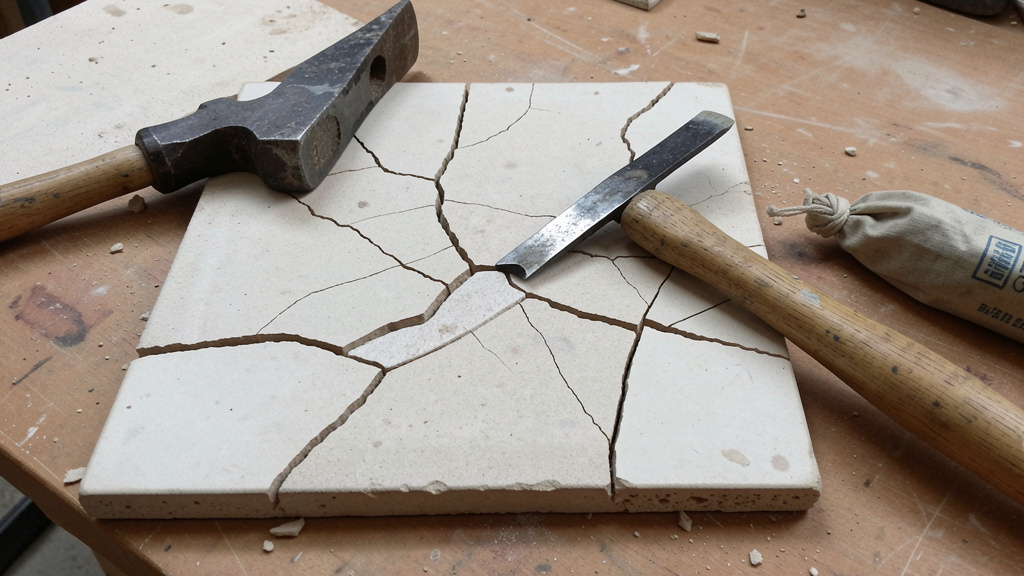
Stop living with cracked tiles and stained grout. This comprehensive guide walks you through every detail of tile repair—from assessing damage to sealing your work—so you can restore your floors and walls with precision, safety, and lasting results.
Tile damage doesn’t require a full remodel. Whether facing a cracked kitchen floor tile or discolored shower grout, this guide delivers clear, actionable steps for replacement and regrouting. You’ll learn to match materials thoughtfully, avoid common pitfalls, and execute repairs that integrate seamlessly—without assuming professional intervention is always necessary. Grounded in established industry standards and observed patterns across residential tile systems, this approach prioritizes structural integrity, moisture management, and visual harmony. What may feel daunting becomes an achievable, methodical process when broken into deliberate phases. Whether your surface is ceramic, porcelain, natural stone, mosaic, or set on floor, wall, backsplash, or niche—the core principles remain consistent. This is not a collection of shortcuts; it is a durable framework for building competence. Bookmark it. Return to specific sections as needs arise. Transform frustration into quiet accomplishment, one repaired tile at a time.
Introduction
That hairline crack tracing your bathroom floor tile. The stubborn stain embedded deep in kitchen grout. The hollow click beneath your foot with every step. These are not merely cosmetic flaws—they are early signals. Ignoring them invites moisture intrusion, substrate deterioration, and escalating damage that transforms a simple fix into a complex renovation. Yet many delay repairs, deterred by perceived complexity, fear of mismatched results, or the misconception that “only professionals can do this right.” This guide dismantles those barriers. Tile repair is fundamentally a practice of careful observation, precise execution, and material awareness—not magic. By understanding why failures occur and how materials interact within your home’s system, you gain agency to intervene effectively. Whether ceramic, porcelain, natural stone, or mosaic; floor, wall, backsplash, or shower niche—the foundational principles hold true. We move beyond fragmented tips to deliver a cohesive methodology: diagnosing hidden damage, sourcing compatible replacements, executing clean removal without harming neighbors, preparing the substrate to enduring standards, setting tile with precision, mastering grout integration, and implementing protective sealing protocols. Consider this your permanent reference—structured to support learning, execution, and future maintenance. Return to it with confidence.
The Tile Repair Blueprint Framework
Forget fragmented videos or oversimplified guides that omit critical context. The Tile Repair Blueprint is an eight-phase methodology designed to eliminate guesswork and build repair integrity from the ground up. This framework treats tile repair not as isolated tasks (“remove tile,” “apply grout”) but as an interconnected system where each phase directly influences the next. Rushing substrate preparation compromises adhesion. Mismatched grout draws attention. Skipping cure time invites premature failure. The Blueprint embeds diagnostic checkpoints, conditional decision paths, and contingency considerations observed in high-integrity repairs across diverse residential contexts. It integrates safety protocols, material behavior insights, and pacing guidance to reduce frustration. Most critically, it emphasizes assessment before action—investing 20 minutes in diagnosis prevents hours of rework. Below, each phase unfolds with purpose-driven detail: the rationale behind every step, adaptable execution methods aligned with your tools and constraints, clear examples of frequent missteps (and how to avoid them), and contextual scenarios illustrating thoughtful application. This is not theoretical—it is a consolidated protocol reflecting patterns of success and failure documented across residential tile systems. Follow it sequentially, and you cultivate results that honor both function and appearance.
Step 1: Damage Assessment and Strategic Planning
Before touching a tool, become a tile detective. Surface damage often masks deeper issues. A cracked tile may signal substrate movement, moisture exposure, or original installation variance. Acting without diagnosis risks repeating the failure. This phase has three essential sub-steps:
Sub-Step 1.1: Document and Diagnose the Damage
Place your palm flat over the damaged area. Press gently while listening and feeling. Do you detect a hollow “thump” or movement? This suggests debonding—loss of adhesion between tile and substrate. Tap surrounding tiles systematically with a coin or screwdriver handle. A consistent, high-pitched “ping” indicates solid bonding; a dull “thud” reveals additional loose tiles requiring attention. Use a bright flashlight held parallel to the surface (raking light) to reveal subtle cracks, lippage (height variations), or grout recession invisible under normal lighting. In wet areas (showers, tub surrounds), check adjacent grout or substrate for softness by pressing firmly with a fingernail. Crumbly grout or spongy substrate signals moisture intrusion—a critical indicator requiring moisture mitigation before repair. Photograph the area from multiple angles (close-up, mid-range, contextual wide shot) with a ruler or coin for scale. Note tile dimensions (length × width × thickness), layout pattern (straight, diagonal, herringbone), grout line width (use calipers or thin ruler), and surface texture (glossy, matte, textured). This documentation informs every subsequent decision.
Why this matters: Misdiagnosis is the most frequent cause of repair recurrence. Replacing a single cracked tile over a compromised substrate guarantees the new tile will fail similarly. Identifying all affected zones prevents “repair whack-a-mole.”
Common mistake: Assuming only the visibly damaged tile is problematic. Adjacent tiles often share the same underlying condition.
Real-world insight: A recurring crack in a kitchen floor tile led to tapping tests revealing multiple hollow tiles nearby. Investigation uncovered prolonged moisture exposure from an appliance leak, softening the subfloor. Addressing the moisture source and substrate repair before resetting tiles resolved the issue permanently.
Practical tip: Place a few drops of water on grout near the damage. If it beads, the grout is sealed. If it absorbs quickly, the grout is unsealed or degraded—critical information for later sealing decisions.
Sub-Step 1.2: Determine the Root Cause
Ask these diagnostic questions:
– Location: High-traffic zone (entryway, kitchen path)? Impact site (dropped object)? Wet area (shower floor)? Transition zone (tile to wood)?
– Pattern: Straight crack (point impact) or spiderwebbed (substrate flex, thermal stress)? Uniform grout discoloration (age, sealant failure) or patchy (mold, staining)?
– History: When did damage appear? After moving furniture? Following plumbing work? Seasonal shifts (winter contraction)?
– Tile type: Thin ceramic (more brittle) or thick porcelain (impact-resistant)? Natural stone (porous, requires specific sealing)?
Why this matters: Addressing only the symptom (crack) without resolving the cause (flexing substrate, moisture) wastes effort. A repair in a high-impact zone benefits from robust adhesive; moisture-related failure requires substrate drying and waterproofing.
Counter-example: Replacing a shower floor tile cracked due to inadequate slope toward the drain. Without correcting drainage geometry (a substrate-level issue), water pools again, inviting mold and repeat failure. This scenario warrants professional assessment (see “When to Call a Professional”).
Decision path:
→ Crack from dropped object? → Repair tile; reinforce substrate if hollow.
→ Multiple loose tiles in area? → Investigate substrate integrity; may require larger-section repair.
→ Grout crumbling/discolored in wet area? → Check for leaks; repair moisture damage first.
→ Crack follows grout line precisely? → Likely substrate movement; assess structural stability.
Sub-Step 1.3: Plan Your Repair Scope and Gather Intel
Define your scope: replacing one tile, a small section, or regrouting an entire area? For single-tile replacement, invisibility is the goal. For regrouting, consistency is key. Begin sourcing materials now. Visit the original tile supplier if possible. Bring photos and measurements. If the tile is discontinued (common in older homes), explore these avenues:
– Contact the manufacturer directly with tile name/lot number (often stamped on tile back or in old records).
– Search online marketplaces (eBay, Etsy, Habitat for Humanity ReStores) using descriptive terms (“beige 4×4 ceramic mosaic,” “saltillo terra cotta”).
– Visit local tile shops with samples; experienced staff often recognize patterns or suggest close matches.
– For grout, scrape a tiny, inconspicuous sample (e.g., behind toilet) into a sealed bag. Match against color charts under natural light. Note: Grout darkens when wet and after sealing—match to the dry sample.
Why this matters: Delaying material sourcing causes project stalls and rushed decisions. Having components ready maintains momentum and precision.
Adaptive option: If an exact tile match is unattainable, consider a deliberate “accent tile” approach. Replace the damaged tile and one or two others symmetrically with a complementary design. This transforms repair into intentional design—only if your aesthetic supports it.
Temporary stabilization: For a cracked tile needing short-term stabilization (e.g., before guests arrive), clean the crack thoroughly with acetone, apply clear epoxy resin carefully with a toothpick, and wipe excess immediately. This is purely cosmetic and temporary—not structural. Full replacement remains necessary.
The Fundamental Principle: The longevity of a tile repair depends not on the replacement tile alone, but on meticulous substrate preparation and thoughtful material integration. A perfectly set mismatched tile draws attention; a flawlessly matched tile over a weak substrate fails prematurely. Excellence lives where structural integrity and visual harmony converge.
Step 2: Gathering Tools and Materials—Precision Over Power
Using inappropriate tools increases risk of collateral damage and frustration. Precision instruments protect adjacent tiles, reduce physical strain, and support professional outcomes. Below is a categorized reference. Items marked “Critical” are non-optional for safety and success. Budget-conscious alternatives are noted where feasible, with clear rationale.
Essential Toolkit Reference
| Category | Critical Tools | Purpose & Rationale | Budget-Conscious Alternative |
|---|---|---|---|
| Safety | ANSI-approved safety glasses, N95 respirator, cut-resistant gloves | Tile dust contains respirable crystalline silica; fragments pose eye/hand hazards. Non-negotiable. | None. Safety gear is mandatory. Borrow or purchase basic certified versions. |
| Removal | Oscillating multi-tool with carbide-grout blade & tile-cutting blade, cold chisel (1/4″ & 1/2″), ball-peen hammer, manual grout saw | Oscillating tool vibrates grout/tile loose with minimal shock transfer. Chisel/hammer enables controlled fragmentation. | Manual grout saw + hammer/chisel (requires greater skill/time; higher risk to adjacent tiles). |
| Preparation | Wire brush (stiff nylon for walls, brass for stone), HEPA-filter vacuum, margin trowel, pH-neutral cleaner | Removes adhesive residue without scratching substrate. HEPA filtration captures hazardous dust. | Old toothbrush + shop vac (less effective on residue; compromised dust control). |
| Setting | Notched trowel (size matching original installation—typically 1/4″ x 3/8″ V-notch for floors), rubber grout float, tile spacers (match existing grout width), level (4″ or 6″) | Correct notch size ensures optimal adhesive coverage (too little = poor bond; too much = lippage). Spacers maintain consistent joints. | Use existing grout lines as spacer guide (risky for alignment); straightedge instead of level. |
| Grouting | Cellulose grout sponge (not synthetic), bucket, margin trowel, precision sealer applicator | Cellulose sponge holds water without shedding fibers; precise sealer application prevents uneven absorption. | Clean household sponge (rinse thoroughly first); small paintbrush for sealer. |
| Specialty | Tile nippers, wet saw (for multiple tiles), grout colorant kit | Nippers shape replacement edges; colorant fine-tunes grout match. | Score-and-snap cutter for straight cuts (less precise); accept minor grout variation. |
Material Selection Guidance
Adhesive (Mortar):
– Modified Thinset: Essential for floors, wet areas, and tiles larger than 12″x12″. Contains polymers for flexibility, moisture resistance, and stronger bond. Look for “ANSI A118.4” or “A118.15” certification. Use white for light grout/tiles, gray for dark.
– Unmodified Thinset: Acceptable only for small, dry-area wall repairs (backsplashes) on stable substrates. Less flexible; avoid where movement occurs.
– Pre-mixed Mastic: Avoid for floors, wet areas, or tiles larger than 8″x8″. Organic adhesive softens with heat/moisture, leading to debonding. Suitable only for very small, dry, vertical repairs (e.g., one mosaic tile on a kitchen backsplash).
Rationale: Thinset cures through hydration (chemical reaction with water), forming a rigid, waterproof bond. Mastic dries by evaporation and remains slightly flexible—problematic under foot traffic or moisture exposure.
Documented consequence: Using mastic in a shower floor repair led to adhesive softening, tile debonding, and moisture intrusion requiring extensive remediation. Modified thinset prevents this pathway.
Grout Selection:
– Sanded Grout: Required for joints 1/8″ (3mm) or wider. Sand provides structural integrity, preventing shrinkage cracks. Essential for floors and large-format tiles.
– Unsanded Grout: For joints narrower than 1/8″ (common in walls, mosaics, polished stone). Smoother texture won’t scratch delicate surfaces.
– Epoxy Grout: Premium choice for high-stain zones (kitchen counters, shower floors). Non-porous, stain-resistant, no sealing needed. Higher cost and shorter working time require practice.
Color Matching Protocol:
1. Mix a small test batch of dry grout powder with water.
2. Apply a dime-sized dab to an inconspicuous area of existing grout (e.g., corner behind fixture).
3. Let cure completely (24–72 hours per manufacturer).
4. Compare under multiple light sources (daylight, incandescent, LED). Grout lightens while drying but darkens permanently after sealing.
5. Adjust: Most brands offer colorants. Add tiny amounts (toothpick tip) to dry powder before mixing. Document: “1 drop Burnt Umber per cup powder.”
Critical nuance: Existing grout may be soiled or sealed. Clean a small test section thoroughly with pH-neutral cleaner before matching. Matching to dirty grout yields incorrect results after full-area cleaning.
Replacement Tile:
– Measure thickness precisely. A 1/16″ variance causes lippage (uneven height), creating trip hazards and visual disruption.
– Verify water absorption rate for wet-area replacements (porcelain <0.5% ideal; ceramic may be higher).
– For natural stone (marble, travertine), prioritize matching quarry batch if possible—veining and color vary significantly. Seal before installation per stone requirements.
Sourcing insight: Some tile restoration specialists maintain collections of discontinued tiles from past projects. Contacting such resources can yield matches for older installations, often for a nominal fee.
Step 3: Removing the Damaged Tile—Surgical Precision
This phase demands patience. Aggressive removal risks damaging adjacent tiles or the substrate. Two methods are presented: Controlled Removal (preferred for single tiles) and Section Removal (for multiple damaged tiles or compromised substrate).
Method A: Controlled Removal (Single Tile)
Phase 3.1: Grout Excavation
Using an oscillating tool with a carbide-grout blade (set to shallow depth: 1/8″), carefully cut along all four grout lines surrounding the damaged tile. Work slowly, keeping the blade vertical. Goal: Sever the grout bond without contacting adjacent tile edges. No oscillating tool? Use a manual grout saw. Score deeply along each line, then use a sharp utility knife to “zip” the grout loose. Vacuum debris frequently.
Why shallow depth? Cutting too deep risks nicking the substrate or adjacent tile edges, creating weak points.
Verification: After clearing grout, insert a thin putty knife between the damaged tile and a neighbor. If it slides in easily, the grout bond is fully broken. If resistance remains, re-cut that section.
Phase 3.2: Tile Fragmentation and Extraction
Option 1 (Oscillating Tool): Switch to a rigid scraper or tile-cutting blade. Make two diagonal cuts across the tile face (forming an “X”). This weakens the tile into manageable sections. Insert a cold chisel into one cut line. Tap gently with a hammer to lift the fragment. Repeat for all sections. Vacuum fragments immediately.
Option 2 (Manual): Place a cloth over the tile to contain shards. Tap the center firmly with a hammer to crack it. Insert chisel into cracks and lever fragments out piece by piece. Work from center outward.
Why fragment first? Attempting to pry out an intact tile transfers force to neighbors, often cracking them. Controlled fragmentation isolates the damage.
Common mistake: Prying at the tile edge. This acts as a lever against adjacent tiles. Always work from the center.
Safety emphasis: Wear safety glasses and gloves. Tile shards are razor-sharp. Work in short intervals to avoid tool overheating or fatigue.
Phase 3.3: Adhesive Residue Removal
With the tile removed, old thinset/mastic will remain on the substrate. Do not skip this. Residue creates an uneven surface, causing lippage.
– For thinset: Use oscillating tool with carbide scraper blade (low speed) or stiff wire brush. Scrape parallel to substrate. Vacuum constantly.
– For mastic: Apply adhesive remover gel (follow product instructions), wait specified time, then scrape with margin trowel.
Cleanliness test: Run your gloved finger over the substrate. It should feel uniformly smooth, not gritty or sticky. High spots must be scraped down; low spots will be filled in Step 4.
Substrate integrity check: Tap the exposed area. Solid “ping” = sound. Hollow “thud” = substrate damage (rotted wood, cracked cement board). Stop here. Address substrate repair before proceeding (see Step 4).
Method B: Section Removal (Multiple Tiles or Compromised Substrate)
When damage spans multiple tiles or substrate is soft/cracked:
1. Map the repair area. Extend boundaries to the nearest full tile edges or expansion joints. Avoid stopping mid-tile field.
2. Use a straightedge and pencil to mark precise cut lines on grout joints.
3. With oscillating tool (carbide blade) or angle grinder (diamond blade with water feed/dust shroud—extreme caution), cut along marked lines through grout and tile.
4. Remove tiles section by section using chisel/hammer.
5. Inspect the entire exposed substrate. This is your opportunity to correct underlying issues: replace water-damaged backer board, reinforce framing, apply waterproofing membrane in wet areas.
Rationale: Sometimes a larger repair is more efficient and reliable than patching multiple isolated failures. It addresses root causes comprehensively.
Critical context: In shower pans or sloped areas, section removal is often necessary to verify and restore proper drainage geometry. Guessing slope leads to puddling and failure.
Step 4: Preparing the Substrate—The Foundation of Longevity
Industry standards, including those from the Tile Council of North America (TCNA), emphasize a clean, stable, and level substrate for optimal adhesion. This phase is where most repairs falter—by rushing preparation. A perfect tile over a poor substrate fails faster than a modest tile over a sound foundation.
Step 4.1: Deep Cleaning and Inspection
Vacuum the cavity thoroughly. Wipe with a damp cloth using pH-neutral cleaner (never vinegar or acid-based cleaners—they leave bonding-inhibiting residues). Let dry completely. Inspect under bright light:
– Wood subfloor: Check for soft spots, delamination, or water stains. Probe gently with screwdriver tip. Softness = replace section. Ensure subfloor is structurally sound (no bounce when stepped on nearby).
– Cement backer board (HardieBacker, Durock): Look for cracks, crumbling edges, or water damage (discoloration, softness). Cut out damaged sections with utility knife; replace with new backer board screwed to framing.
– Existing tile (for overlay repairs): Ensure surface is clean, sound, and profiled (use bonding agent per manufacturer). Generally not recommended for DIY floor repairs.
Critical moisture verification: For wet areas or suspected leaks, tape a 12″x12″ plastic sheet to the substrate. Seal edges with tape. Wait 24 hours. Condensation under plastic = moisture present. Do not proceed until source is fixed and area is dry. A moisture meter provides additional confidence (readings should be <15% for wood, <5% for concrete).
Step 4.2: Leveling and Profiling
The substrate must be flat within 1/4″ over 10 feet (TCNA standard). Use a 4-foot level or straightedge:
– High spots: Scrape down with carbide scraper or sand lightly.
– Low spots (more common): Fill with patching compound (e.g., Planipatch, thick-mixed thinset). Trowel smooth. Let cure per product instructions (usually 1–24 hours).
– Cracks in concrete: Fill with crack isolation membrane or flexible patching compound to prevent “reflective cracking” (crack telegraphing through new tile).
Why flatness matters: An uneven substrate causes tiles to rock, creating hollow spots where adhesive doesn’t contact tile. Foot traffic stresses these weak points, leading to cracks.
Analogy: Setting tile on an uneven surface is like placing a book on a wobbly table—it never sits securely. Leveling creates stability.
Step 4.3: Priming and Bonding Enhancement
– Porous substrates (concrete, dry cement board): Apply a latex-based bonding primer. This seals dust, reduces moisture absorption from thinset, and boosts adhesion. Roll on thinly; let become tacky (15–60 mins).
– Non-porous substrates (existing tile, metal): Use a liquid latex additive mixed into the thinset (replaces water) or a dedicated bonding agent.
– Critical for wet areas: Apply a liquid waterproofing membrane (e.g., RedGard, Hydro Ban) over the entire repair area and 6″ beyond, especially in showers/tubs. Embed fiberglass mesh tape at corners and seams. Let cure per manufacturer specs (usually 24 hours; membrane turns solid red). This step aligns with IRC plumbing code requirements for shower receptors. Skipping it risks moisture damage behind walls.
Practical tip: Sketch the repair area. Note substrate type, moisture test results, and prep steps completed. This “repair log” prevents oversight during multi-day projects.
Step 5: Setting the New Tile—Alignment is Everything
This phase transforms preparation into visible progress. Precision ensures the repair blends seamlessly. Rushing causes lippage, inconsistent grout lines, or poor adhesion.
Step 5.1: Dry Fit and Test Placement
Place the new tile (without adhesive) into the cavity. Check:
– Does it sit flush with surrounding tiles? (Use straightedge across neighbors and new tile)
– Are grout lines consistent? Insert spacers at all four sides.
– Does the pattern align? (Critical for diagonals, mosaics, or veined stone)
Adjustments now: If tile sits high, substrate has a high spot—scrape down. If low, account for it during thinset application. If pattern misaligns, mark tile for minor trimming with nippers (test-fit after each adjustment).
Why dry fit? Discovering misalignment after adhesive is applied causes stress and errors. Dry fitting builds confidence and reveals needed tweaks.
Step 5.2: Mixing and Applying Thinset
– Mixing: Follow package water ratio exactly. Use margin trowel to mix powder and water in a clean bucket. Mix 2–3 minutes until smooth, lump-free paste. Let “slake” (rest) 5–10 minutes. Remix briefly. Do not add extra water to extend working time—it weakens bond strength.
– Application: Using notched trowel, spread thinset evenly over substrate cavity. Hold trowel at 45-degree angle; drag to create uniform ridges. Coverage should be 95%+ (no bare spots). Also, “back-butter” the replacement tile: spread a thin layer of thinset on its back with the flat trowel side. This ensures full contact, especially on textured tile backs.
Why back-butter? Tile backs often have recessed patterns (“lugs”) that reduce contact area. Back-buttering fills these voids. Industry standard for tiles >8″x8″ or irregular backs.
Working time: Most thinsets have 20–30 minute “open time” (time before skin forms). Work in a cool room; heat accelerates drying. Have tile ready before mixing.
Step 5.3: Setting and Aligning
Place tile firmly into cavity. Apply even pressure with a slight twisting motion (“embedding”) to collapse ridges and maximize contact. Immediately insert spacers at all four sides. Check alignment:
– Height: Lay straightedge across new tile and two adjacent tiles. No rocking.
– Grout line: Sight down the line. Spacers should create uniform gap.
– Level: Place level on tile surface. Adjust immediately if uneven (thinset is workable for 5–10 minutes). Tap gently with rubber mallet on a scrap wood block to avoid chipping.
Critical timing: Do not walk on or disturb tile for at least 24 hours. Thinset gains initial strength in 24h but reaches full strength in 7–14 days.
Common mistake: Over-tamping. Excessive pressure squeezes out too much thinset, creating voids. Firm, even pressure is sufficient.
Pro technique: Place masking tape across the grout line between the new tile and one neighbor. Write the date and time on it. This visual reminder prevents accidental disturbance during cure.
Step 6: Regrouting—The Art of Integration
Grout is pivotal for visual blending. A perfect tile replacement with mismatched grout highlights the repair. This phase covers color matching, application technique, and curing science.
Step 6.1: Final Grout Line Preparation
After thinset cures 24 hours:
– Remove all spacers. Vacuum cavity thoroughly—dust prevents grout adhesion.
– Lightly dampen (do not soak) the grout lines with a spray bottle. This prevents dry substrate from drawing moisture from fresh grout too quickly, causing cracks.
– Critical: Clean tile surfaces around the cavity with isopropyl alcohol on a lint-free cloth. Removes oils/dust that cause grout haze.
Step 6.2: Mixing Grout for Ideal Consistency
– Use clean bucket and margin trowel. Add water first, then slowly incorporate grout powder.
– Mix to “peanut butter” consistency: thick enough to hold a peak when trowel is lifted, but spreadable. Too wet = weak grout, shrinkage cracks. Too dry = crumbly, hard to pack.
– Let slake 5–10 minutes. Remix. Discard if it begins to stiffen (“pot life” expired—usually 60–90 mins).
Color matching refinement: Mix a test batch. Apply to a scrap tile or inconspicuous area. Cure 72 hours. Compare under multiple lights. Adjust colorant before mixing the main batch. Document your formula.
Step 6.3: Application and Tooling Technique
– Hold rubber float at 45-degree angle. Press grout firmly into joints with diagonal strokes, working in small sections (2’x2′).
– Scrape off excess grout with float held nearly flat (80 degrees). Goal: Joints full, tile surface mostly clean.
– Wait 15–30 minutes (until grout firms slightly—”thumb test”: press gently; leaves slight impression but no stickiness).
– First cleanup: Damp (not dripping) cellulose sponge. Rinse frequently in clean water. Wipe diagonally across tiles in one direction only. Change water when cloudy.
– Second cleanup (10 mins later): Lighter pass with cleaner sponge to remove haze.
– Final polish (after 2–3 hours, when surface is dry to touch): Buff tiles with dry, soft microfiber cloth.
Why diagonal strokes? Forces grout deep into joints without pulling it out. Straight strokes along joints often leave voids.
Critical mistake to avoid: Over-washing. Excessive water dissolves grout near the surface, weakening it and causing pinholes. Sponge should be damp, not wet.
Wet-area protocol: For showers/tubs, ensure grout is packed tightly into corners and where tile meets fixtures. These are high-stress, high-moisture zones prone to failure.
Step 6.4: Curing and Haze Management
– Let grout cure undisturbed 72 hours. Keep area dry; cover with plastic sheeting if humidity is low (<40%).
– Grout haze: A milky film on tiles after curing. Caused by residual grout particles. Remove after full cure (7 days) with:
– Mild solution: 1 part white vinegar to 4 parts water. Test in hidden area first (avoid on natural stone!).
– Commercial grout haze remover (pH-neutral).
– Magic Eraser (melamine foam) with light pressure.
Never use acid cleaners on grout haze initially—they etch tile surfaces. Patience is key; haze often buffs off with microfiber after full cure.
Step 7: Sealing and Curing—Locking in Protection
Sealing is essential for cement-based grout and natural stone tiles. It forms a protective barrier against stains, moisture, and deterioration. Epoxy grout and glazed ceramic/porcelain tiles typically do not require sealing (verify manufacturer specifications).
Step 7.1: The Sealing Timeline
– Grout: Wait minimum 72 hours after grouting (longer in cool/humid conditions). Grout must be completely dry. Test: Press thumb firmly on grout line; no coolness or moisture transfer.
– Natural stone tiles: Seal before grouting (to prevent grout staining pores), then again after grout cures.
Why wait? Sealing damp grout traps moisture, causing cloudiness, poor adhesion, or mold growth beneath the sealer. Patience prevents rework.
Step 7.2: Selecting and Applying Sealer
– Impregnating sealer: Recommended. Penetrates pores, repels water/oil without altering appearance. Look for “fluoropolymer” or “silane/siloxane” based. Avoid “coating” sealers (acrylic) that peel or yellow.
– Application: Use narrow brush or precision applicator bottle. Apply sealer only to grout lines (mask tile edges with painter’s tape if preferred). Saturate grout until it darkens. Wait 5–10 minutes (per product). Wipe all excess sealer from tile surfaces with dry cloth—critical step. Residual sealer dries as a sticky, hazy film.
– Second coat: Apply after first coat absorbs (usually 10–15 mins). Wait 24 hours before light use; 72 hours for full cure.
Test first: Apply sealer to a hidden grout line. Check after 24 hours for darkening or residue. Adjust technique if needed.
Practical tip: Place cotton balls soaked in sealer into deep grout lines (e.g., shower corners) for deeper penetration. Remove after 5 minutes.
Step 7.3: Full Cure Protocol
– Light foot traffic: 24 hours after sealing.
– Heavy use (showers, kitchens): Wait 7 full days before exposing to water or heavy loads. Thinset and grout continue curing internally.
– Maintenance: Re-seal grout annually in high-moisture areas; every 2–3 years elsewhere. Test by sprinkling water on grout—if it beads, sealer is active; if it absorbs, reseal.
Science insight: Sealers don’t “fill” pores—they line them with hydrophobic molecules. Over-application creates a surface film that fails prematurely. Less is more.
Step 8: Final Inspection and Maintenance Integration
The repair isn’t complete until verified. Conduct a systematic post-cure inspection (after 7 days):
- Visual Check: View from multiple angles under natural and artificial light. Assess:
- Color integration (grout and tile)
- Consistent grout line width
- Absence of lippage (run hand over surface; should be smooth)
- No haze or sealer residue on tiles
- Functional Check:
- Tap test: Coin tap should produce consistent “ping” across repair and neighbors.
- Water test (wet areas): Sprinkle water on repair. It should bead on sealed grout and flow away without pooling.
- Documentation: Take “after” photos matching your “before” angles. Note the date, materials used, and observations in your repair log. This becomes invaluable for future maintenance.
- Preventive Integration: Add this repaired area to your home maintenance calendar. Schedule annual grout inspection/sealing. Place felt pads under furniture legs in high-traffic zones near the repair. Keep a small container of matching grout powder and sealer labeled for future touch-ups.
Reflective note: Acknowledge your accomplishment. Tile repair requires patience, precision, and problem-solving. You’ve not only addressed a flaw—you’ve deepened your understanding of your home’s systems. This competence compounds with each project.
Matching Existing Tiles and Grout: A Practical Guide
The pursuit of visual integration drives much repair anxiety. Let’s clarify matching with actionable, realistic strategies.
Tile Matching Approach
Identification Steps:
– Backstamp: If possible, examine a loose fragment (from damage or behind a fixture). Note manufacturer logo, series name, color code, size, and PEI rating. Example: “Series: Sierra / Color: Alabaster / Size: 12×24 / PEI 4”.
– Pattern analysis: Is it rectified (precise edges, narrow grout lines) or non-rectified (slight size variation, wider grout)? Glazed or through-body (color consistent throughout)?
– Digital research: Search backstamp text online. Manufacturer websites often archive collections. Share clear photos in community forums (r/Tile, Houzz)—members frequently assist.
When an exact match isn’t feasible:
– Close match protocol: Select a tile slightly darker than existing. Lighter tiles often stand out more against aged surroundings. Test under your home’s lighting.
– Strategic placement: If replacing multiple tiles, position new tiles in less conspicuous locations (e.g., under rug edge, behind toilet).
– Embrace variation: For rustic tiles (saltillo, quarry), subtle variation is authentic. Focus on matching texture and color family, not pixel-perfect hue.
Ethical note: Never remove a tile from a hidden area (closet, under cabinet) to replace a visible one. This creates a new issue and may affect home value. Always source externally.
Grout Color Matching Process
Grout matching blends chemistry and observation. Follow this verified protocol:
- Clean the reference area: Scrub a 2″x2″ section of existing grout with pH-neutral cleaner and soft brush. Rinse. Let dry 24 hours. Matching to dirty grout guarantees mismatch after cleaning the whole area.
- Create test batches: Mix small batches of dry grout powder:
- Batch A: Base color (e.g., “Bone”)
- Batch B: Base + 1 drop “Warm Gray” colorant
- Batch C: Base + 1 drop “Ivory”
- Batch D: Base + 1 drop “Taupe”
- Batch E: Base + 1 drop “Charcoal”
Apply each to a grout sample card or scrap tile. Label clearly. - Cure and compare: Let cure 72 hours in the actual repair location (lighting matters!). View at different times of day. The successful batch is the one that visually integrates with existing grout.
- Document precisely: “Formula: 1 cup ‘Bone’ powder + 2 drops ‘Warm Gray’.” Save leftover mixed powder in a labeled container.
Advanced consideration: For aged grout with natural variation, mixing two successful batches in a 70/30 ratio can mimic patina.
Myth clarification: Quality grout colorants (e.g., polymer-modified types used per instructions) do not compromise grout integrity when added within recommended limits (<5% of dry volume).
Special Scenarios: Showers, Heated Floors, and Complex Patterns
Standard repairs cover most cases. These contexts require tailored attention.
Wet Area Repairs (Showers, Tubs, Steam Rooms)
Moisture demands rigorous protocol:
1. Diagnose moisture source first. Is failure due to failed caulk at fixture joints? Cracked grout? Compromised pan? Fix the source before tile repair.
2. Substrate integrity is non-negotiable. Cement backer board must be sound. Any softness = replace section. Apply liquid waterproofing membrane (e.g., RedGard) over entire repair area and 6″ beyond. Embed mesh tape at all seams and corners. Membrane must cure to solid, uniform color (usually 24h). This aligns with IRC Section P2709 requirements for shower receptors.
3. Use only modified thinset (ANSI A118.15) rated for wet areas.
4. Grout selection: Sanded grout for joints >1/8″. Epoxy grout is an excellent choice for shower floors due to its non-porous nature.
5. Critical detail: Where tile meets tub/shower base, use 100% silicone caulk, not grout. Grout cracks at this movement joint. Remove old caulk completely. Clean with alcohol. Apply silicone caulk (match grout color if possible) in a smooth, concave bead. Tool with wet finger.
Red flag: If water pools on shower floor after repair, slope is incorrect. This requires professional assessment—do not ignore.
Context note: Steam showers require vapor-proofing behind backer board. Standard repairs are insufficient.
Repairs Over Radiant Floor Heating
Heat introduces expansion/contraction dynamics. Protocol:
1. Turn off heating system 24 hours before starting. Let floor cool to room temperature.
2. Verify heating element integrity: If original installation documentation exists, consult it to locate wires. Do not cut into substrate without verification. If uncertain, consult a qualified professional.
3. Use flexible thinset: Modified thinset with high polymer content (labeled “for radiant heat” or “flexible”).
4. Grout with flexibility: Urethane grout or cement grout with liquid polymer additive. Avoid rigid epoxy grout directly over heating elements.
5. Curing protocol: After setting tile, wait 14 days before gradually reactivating heat (increase 5°F per day to operating temperature). Rapid heating stresses grout.
Safety priority: Electrical work requires licensed expertise. When in doubt, seek professional assistance.
Complex Pattern Repairs (Herringbone, Mosaics, Medallions)
Precision and patience are essential.
– Herringbone/Parquet: Dry-fit replacement pieces multiple times. Number fragments lightly on the back. Photograph the pattern before removal. Use tile nippers for micro-adjustments. Work from the center of the damaged section outward.
– Mosaics (Sheet-mounted): Remove entire sheet if damage is central. For edge damage, carefully pry individual tesserae (small tiles) with tweezers after softening adhesive with a low-heat heat gun. Replace with matching tesserae; re-mount on mesh backing if needed.
– Medallions/Decorative Inserts: Document pattern meticulously. Source replacements from specialty suppliers. For valuable or intricate designs, professional conservation may be warranted.
Practical tip: For pattern alignment, use registration marks. Place painter’s tape across the repair boundary on adjacent tiles. Mark alignment points on tape. Remove tape after setting new tile; marks guide precise repositioning.
When to Call a Professional: Recognizing Beyond-DIY Situations
True competence includes recognizing limits. Attempting repairs beyond your tools, knowledge, or safety threshold risks greater damage. Consult a certified tile installer (CTI) or qualified contractor if you observe:
- Significant substrate damage: Soft, spongy, or visibly deteriorated subfloor/backer board spanning more than 12″x12″. This often requires structural repair.
- Suspected hidden leaks: Water stains on ceiling below, persistent dampness, musty odors. A plumber must locate and fix the source first.
- Widespread failure: More than 25% of a tiled area is loose, cracked, or hollow. Indicates systemic installation issues.
- Shower pan failure: Water leaking through floor into subfloor. Requires complete pan rebuild with proper slope and waterproofing—beyond surface repair.
- Historic or valuable tile: Antique encaustic cement tiles, hand-painted Talavera, or irreplaceable mosaics. Professionals have conservation expertise.
- Suspected hazardous materials: If black adhesive (common in pre-1980s installations) is present and disturbance is needed, do not proceed. Have material tested by a certified lab. If asbestos is confirmed, hire licensed abatement professionals. Safety overrides project urgency.
- Personal comfort: If you feel overwhelmed, fatigued, or unsafe at any stage, pause. Fatigue leads to errors. A qualified professional can often resolve complex repairs efficiently.
Finding qualified help: Look for installers certified by the Ceramic Tile Education Foundation (CTEF) or members of the National Tile Contractors Association (NTCA). Request portfolio examples of similar repairs. Obtain a written scope of work.
Perspective: A professional repair for one tile typically ranges $150–$400. Weigh this against potential consequences of an unsuccessful DIY attempt. Sometimes expert intervention is the most prudent choice.
Preventing Future Damage: A Sustainable Maintenance Approach
The most effective repair is prevention. Integrate these practices to extend tile system life:
| Area | Weekly | Monthly | Annually |
|---|---|---|---|
| All Tile Surfaces | Sweep/vacuum to remove abrasive grit. Clean spills promptly. | Mop with pH-neutral cleaner (avoid vinegar, bleach, ammonia). | Inspect grout lines for cracks, discoloration, or looseness. Re-caulk tub/shower joints if cracked. |
| Floors (High Traffic) | Place walk-off mats at entrances. Use felt pads under furniture legs. Rotate rugs periodically. | Check for loose tiles (tap test). Tighten cabinet/toilet bolts contacting tile. | Apply grout sealer if water no longer beads. Consider professional cleaning for textured tiles. |
| Wet Areas (Showers, Tubs) | Squeegee walls/floor after use. Ventilate during/after showering. | Clean grout with soft brush and oxygen bleach (not chlorine) to prevent mold. Check caulk integrity at fixture joints. | Full grout inspection. Re-seal grout. Verify shower door tracks drain properly. |
| Countertops/Backsplashes | Wipe splatters immediately (acidic foods stain grout). | Check sealant between countertop and backsplash. | Re-seal natural stone surfaces per manufacturer guidelines. |
Foundational Habits:
– Use appropriate cleaners: Acidic cleaners (vinegar, lemon) etch grout and stone; alkaline cleaners (bleach, ammonia) degrade sealers. Choose products labeled “safe for sealed grout.”
– Prevent impact damage: Place rubber mats in high-traffic entryways. Lift—don’t drag—furniture.
– Manage humidity: In bathrooms, run exhaust fan 20 minutes post-shower. Ideal indoor humidity: 30–50%.
– Address issues early: A hairline crack today becomes a larger problem tomorrow. Maintain a small repair kit (matching grout sample, sealer, caulk).
Long-view perspective: Tile is among the most durable surfacing materials when maintained thoughtfully. These consistent, small actions preserve beauty and function for decades, honoring the initial investment and reducing long-term waste.
Your Questions, Answered
Q: How long should I wait before walking on the repaired tile?
A: Wait a minimum of 24 hours before light foot traffic (socks only). For full strength and to prevent lippage, wait 72 hours before normal use (shoes, furniture). In cool (<60°F) or humid conditions, extend initial cure time to 48–72 hours. Always follow the specific thinset manufacturer’s guidelines, as formulations vary. Rushing this step is a leading cause of repair failure.
Q: Can I repair a cracked tile without replacing it?
A: Only as a temporary cosmetic measure for minor hairline cracks in low-traffic, dry areas. Clean the crack thoroughly with acetone. Fill with clear epoxy resin using a toothpick, wiping excess immediately. This does not restore structural integrity. For any crack wider than a hairline, in a floor, wet area, or location subject to foot traffic, replacement is the only permanent, safe solution. Attempting to “glue” a structurally compromised tile risks further damage.
Q: My grout is discolored but the tiles are fine. Do I need to replace tiles to regrout?
A: No. Regrouting alone is often effective. Use a grout removal tool (oscillating tool with carbide blade preferred) to cut out old grout to a depth of at least 2/3 the tile thickness. Vacuum thoroughly. Dampen the cavity. Apply new grout following Step 6 protocols. However, if grout is crumbling or tiles are loose, address the underlying cause (substrate issues) before regrouting, or the new grout will fail prematurely.
Q: Why does my new grout look darker than the old grout?
A: Two common reasons: 1) Existing grout is soiled or unsealed and has lightened with age and cleaning. Clean the entire area thoroughly before matching color. 2) New grout is damp during application. Grout lightens as it cures but darkens permanently after sealing. Always match to a fully cured and sealed test batch. If the new grout remains noticeably darker after full cure (7 days) and sealing, it may require time for the surrounding area to be cleaned uniformly, or acceptance that aged grout develops a unique patina.
Q: Can I use caulk instead of grout for the repair?
A: Never use caulk to replace grout in field joints (between tiles across a floor or wall). Caulk is flexible and designed only for movement joints: where tile meets a dissimilar material (tub, sink, cabinet), at room perimeters, or over substrate control joints. Using caulk in field joints collects dirt, shrinks, yellows, and fails structurally under foot traffic. Grout provides necessary rigidity. Use 100% silicone caulk only in designated movement joints, matching grout color if possible.
Q: What if I can’t find an exact match for my old tile?
A: First, exhaust sourcing avenues (manufacturer archives, ReStores, online marketplaces, tile restoration specialists). If truly unattainable: 1) For a single tile, consider a deliberate “accent tile” approach—replace the damaged tile and one or two others symmetrically with a complementary design, turning repair into feature. 2) Replace all tiles in a defined area (e.g., entire shower wall) for uniformity. 3) Consult a tile artisan about custom matching techniques. Avoid using a noticeably mismatched tile—it will consistently draw attention.
Q: Is it safe to repair tile over black adhesive that might contain asbestos?
A: Exercise extreme caution. Black mastic common in pre-1980s installations may contain asbestos. Do not sand, scrape, or disturb it. If suspected: 1) Stop work immediately. 2) Have material tested by a certified laboratory. 3) If positive, hire licensed asbestos abatement professionals. DIY disturbance releases hazardous fibers. For minor repairs where mastic is intact and will remain covered, encapsulation (sealing over it) may be an option under professional guidance. Safety must always come first.
Q: How do I fix grout haze that won’t come off?
A: First, confirm it’s haze (milky film) and not sealer residue or etching. Wait until grout is fully cured (7+ days). Try: 1) Buff vigorously with dry microfiber cloth. 2) Use a dedicated grout haze remover (pH-neutral) per instructions. 3) For stubborn cases, a very mild solution (1 part white vinegar to 4 parts water) on a soft cloth—test in hidden area first, especially on natural stone or unglazed tile. Avoid abrasive pads or harsh acids. Prevention through meticulous cleanup during grouting is most effective.
Q: Can I repair tile on a curved surface (like a shower bench)?
A: Yes, with adaptations. Use flexible modified thinset. For the tile: 1) Cut standard rigid tile into smaller strips (mosaic-style) to conform to the curve. 2) Use flexible mesh-backed mosaic sheets designed for curves. 3) For pronounced curves, specialized thin porcelain or flexible tile products may be needed. Grout with flexible urethane grout. Ensure the substrate is sound and properly shaped before tiling—repairing the curve is more challenging than flat surfaces. Practice on scrap material first.
Q: Why did my newly replaced tile crack again after a few weeks?
A: Typically due to one of these root causes: 1) Unaddressed substrate issue: Hollow spot, flexing floor, or moisture damage beneath the repair. 2) Improper adhesive: Using mastic instead of thinset, or insufficient coverage. 3) Lippage: Tile set higher/lower than neighbors, creating a stress point. 4) Premature use: Walking on tile before thinset cured. 5) Impact: Dropping a heavy object on the new tile. Diagnose by tapping the surrounding area—if hollow sounds exist, substrate preparation was inadequate. Full investigation is essential before attempting another repair.
Q: Should I seal grout before or after cleaning the entire area?
A: Clean the entire tiled area thoroughly before applying sealer to the repair. Sealing over dirt traps stains permanently. After the repair is complete and fully cured (7 days), clean all tiles and grout with an appropriate cleaner. Let dry completely (24 hours). Then apply sealer only to the new grout lines (and any adjacent old grout you wish to refresh). This ensures uniform appearance and maximum protection. Sealing dirty grout is a frequent and avoidable error.
Q: How do I store leftover grout and thinset for future touch-ups?
A: Dry powder: Transfer to an airtight container (glass jar with tight lid). Label with product name, color, date, and your custom colorant formula. Store in a cool, dry place. Shelf life: approximately 1 year unopened; 6 months opened if sealed well. Mixed material: Not recommended for storage. Thinset hardens irreversibly. Grout may dry out or mold. For tiny touch-ups, mix fresh batches using your documented formula. Maintain a small “repair kit” with labeled powder samples, spacers, and sealer for emergencies.
Conclusion and Your Next Step
Tile repair is an act of thoughtful stewardship. It is not merely fixing a flaw; it is honoring the materials within your home, extending their functional life, and deepening your connection to your living space. You now hold a complete system—the Tile Repair Blueprint—that transforms uncertainty into capable action. From the diagnostic rigor of Step 1 to the protective care of Step 7, each phase builds upon the last, creating a repair that is structurally sound and visually integrated. Remember the core insight established early: excellence emerges where meticulous substrate preparation meets thoughtful material integration. A rushed removal or skipped sealing step undermines even careful work. Conversely, patience in assessment and preparation makes the physical work smoother and more successful.
Recap: The 3 Foundational Pillars
1. Diagnose Before You Act: Invest 20 minutes understanding the why behind the damage. Tap for hollow spots. Check for moisture. Identify root causes. This prevents repeating failure.
2. Prepare the Foundation Relentlessly: A flawless tile over a compromised substrate fails. Clean, level, prime, and waterproof the substrate to enduring standards. This phase is foundational to long-term success.
3. Respect Cure Times: Thinset and grout cure through chemical processes, not just drying. Wait 24 hours before light use, 72 hours before sealing, and 7 days before heavy use. Patience is an active investment in durability.
The 24-Hour Rule: Within the next 24 hours, take one small, specific action. Go to the damaged tile. Clean the surface thoroughly with a damp cloth and pH-neutral cleaner. Dry it completely. Take a well-lit photo with a ruler beside it. Save this photo to your phone labeled “Tile Repair Reference.” This single act breaks the inertia of delay. It transforms an abstract “someday” task into a documented, actionable item. You have already begun.
The Bigger Picture: Every repaired tile strengthens your relationship with your home. It is a tangible reminder that you possess the knowledge and skill to maintain and care for your environment. This competence compounds—today’s tile repair builds confidence for tomorrow’s project. You join a tradition of thoughtful maintainers who understand that homes thrive under attentive, informed care. The crack you mend today is not just a fixed flaw; it is a quiet affirmation of your capability, a step in the ongoing practice of homemaking. Prepare your tools with care, move with patience, and restore with confidence. Your home—and your peace of mind—will thank you.
Explore Our Complete System:
The Ultimate Guide to Grout Cleaning and Stain Removal | Waterproofing Showers: A Step-by-Step Membrane Installation Guide | Choosing the Right Tile for Every Room: Durability, Style, and Cost Decoded | Natural Stone Care: Sealing, Cleaning, and Avoiding Costly Mistakes | DIY Subfloor Repair: Fixing Squeaks, Soft Spots, and Structural Issues | Mastering Tile Cutting: Wet Saw, Nippers, and Score-and-Snap Techniques | Home Maintenance Calendar: Monthly Tasks to Protect Your Investment