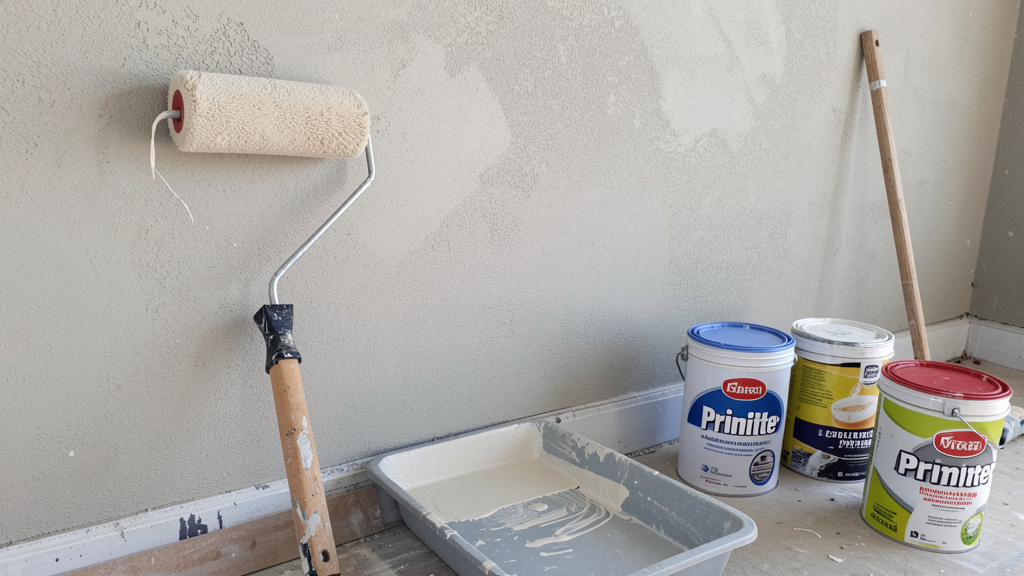
Transform Rough Surfaces into Professional Results with This Step-by-Step System—Applicable to Wood, Metal, Drywall, Concrete, and Beyond
Achieving a durable, visually satisfying finish hinges not on expensive tools or innate talent, but on a disciplined, adaptable process grounded in material science and practical craftsmanship. This guide dismantles fragmented finishing advice to deliver a unified framework applicable across substrates—from restoring weathered outdoor furniture to refinishing interior millwork. We move beyond product-centric shortcuts to emphasize why each phase matters: how material behavior, environmental variables, and sequential execution interact to determine longevity and aesthetics. What follows is a comprehensive exploration of surface finishing as a diagnostic practice, empowering you to assess intelligently, prepare thoroughly, and apply confidently—regardless of project scale or experience level.
Introduction
Hardware store aisles overflow with sandpapers, primers, stains, sealers, and applicators promising effortless perfection. Yet many DIY finishing projects encounter peeling paint, blotchy wood tones, uneven textures, or premature failure. Why? Because attention fixates on the final coat while neglecting the foundational reality: a finish bonds only as well as the surface permits. Professional analyses consistently identify inadequate preparation—not product quality or application skill—as the predominant factor in finishing failures. This guide rebalances that equation. Synthesizing principles from ASTM surface preparation standards, conservation best practices, building science resources, and documented field protocols across residential and light-commercial contexts, we present a cohesive system adaptable to virtually any substrate. Whether refinishing pine cabinetry, prepping concrete for epoxy, restoring iron railings, or painting humidity-prone drywall, core principles remain constant. This is not about haste; it is about strategic depth. By understanding material responses, environmental interactions, and chemical dependencies at each stage, uncertainty transforms into informed action. Let’s begin where every successful finish truly starts—not with a brush, but with deliberate observation.
The Universal Finish Framework: Assessment, Preparation, Application
At the heart of enduring results lies a three-phase cognitive framework transcending material type, project scale, or aesthetic goal: Assessment → Preparation → Application. This is not a rigid checklist but an intentional decision-making protocol. Just as a clinician diagnoses before treating, a finisher must understand a surface’s composition, history, and future demands before selecting tools or products. While sandpaper grits differ between oak and steel, and primers vary for drywall versus concrete, the logic of progression remains consistent. Master this structure, and you gain clarity for any finishing challenge—known or unforeseen. The sections below deconstruct each phase with actionable detail, emphasizing the reasoning behind actions. This knowledge becomes your most reliable tool when navigating unique scenarios no single tutorial could anticipate.
Phase 1: Assessment – The Diagnostic Foundation
Assessment is the silent phase where project outcomes are determined before tools are touched. It demands patience, systematic observation, and curiosity. Rushing guarantees rework. True assessment answers three foundational questions: What is this material? What condition is it in? What demands will it face? Let’s examine each component with precision.
Step 1: Identify the Substrate Material with Certainty
Misidentification is a frequent source of finishing complications. “Wood” or “metal” lacks necessary specificity. Each material family contains subtypes with distinct physical and chemical behaviors dictating every subsequent choice.
Why this step is crucial: Wood species absorb stains differently; ferrous metals oxidize differently than non-ferrous; drywall and plaster require distinct repair compounds; concrete porosity affects sealer penetration. Applying a finish designed for one substrate to another risks poor adhesion, discoloration, or accelerated degradation. For example, standard latex primer applied directly to galvanized steel without an etching primer may lead to adhesion issues due to chemical incompatibility.
How to do it correctly: Engage multiple verification methods:
– Visual Inspection: Note grain patterns (straight-grained pine vs. open-pored oak), surface texture (smooth drywall paper vs. rough plaster), color cues (reddish copper vs. silvery aluminum), or manufacturing marks (lumber stamps, drywall seams). Check inconspicuous areas like cabinet interiors for original material clues.
– Tactile Feedback: Tap lightly. Drywall produces a hollow sound; plaster yields a denser thud. Wood feels ambient-temperature; metal feels initially cool. Gently run a fingernail across an edge—MDF feels uniformly soft; solid wood offers grain resistance.
– Controlled Test Patch: In a hidden area (inside a drawer, back of a door), lightly sand a 1-inch square with 120-grit sandpaper. Observe residue: fine yellow dust suggests pine; coarse white dust indicates drywall; dark residue may indicate dense hardwoods. For existing coatings, apply a cotton swab dampened with denatured alcohol. Softening suggests shellac or lacquer; resistance suggests polyurethane or catalyzed finishes.
– Verification Aids: Consult resources like the Wood Database (online), use a magnet (adheres to steel, not aluminum/copper), or employ a moisture meter (readings above 18% on wood indicate moisture concerns requiring resolution before finishing).
Common pitfalls to avoid:
– Assuming all light-colored wood is pine (could be poplar, which stains more uniformly).
– Confusing plaster (hard, often lath-backed, common in pre-1950s construction) with drywall (softer, paper-faced, post-1950s). Plaster repairs typically require setting-type joint compound; drywall uses premixed compounds.
– Treating all metals identically. Aluminum often requires acid-etching primers; stainless steel may need only thorough cleaning; cast iron demands aggressive rust removal.
– Overlooking composites: Particleboard swells with moisture exposure; MDF requires sealed edges; veneers sand through easily.
Illustrative scenario: A refinisher applied water-based polyurethane directly to raw cedar siding. Within months, tannins migrated through the finish, creating dark streaks. Resolution required stripping, applying a stain-blocking primer formulated for tannin-rich woods, and reapplying finish—tripling initial effort. Proper substrate identification would have prompted primer selection upfront.
Step 2: Evaluate Existing Coatings, Contaminants, and Damage
Surfaces rarely present a blank canvas. Previous finishes, environmental residues, and physical damage create hidden barriers to adhesion. This step diagnoses what lies beneath—literally and figuratively.
Why this step is crucial: Finishes bond mechanically (to microscopic surface texture) and chemically (to compatible molecules). Grease, wax, silicone residues, loose coatings, or chalky surfaces create non-adherent barriers. Invisible contaminants like cooking oils on cabinets or nicotine on walls can cause fisheyes (craters where finish retracts) or peeling. Undetected damage like water stains or corrosion pockets may telegraph through new coats.
How to do it correctly:
– Adhesion Test: Apply high-tack painter’s tape firmly to the surface. Remove sharply. If coating lifts, broader stripping or profiling may be needed. Perform multiple tests across large areas.
– Contaminant Detection:
– Grease/Oil: Wipe with a clean white cloth dampened with mineral spirits. Discoloration indicates oil residue.
– Wax/Silicone: Sprinkle water droplets. Persistent beading beyond normal surface tension suggests wax or silicone presence, requiring dedicated dewaxing solvents or TSP-substitute washes.
– Mold/Mildew: Look for fuzzy spots (black, green, white), especially in damp zones. Confirm with a swab dipped in diluted household bleach—if the spot lightens, it is likely mold (not dirt). Address moisture sources first.
– Chalkiness: Rub surface firmly with a dark cloth. White powder transfer indicates degraded coating requiring removal.
– Damage Mapping: Use a bright LED flashlight held parallel to the surface (raking light). This reveals subtle dents, cracks, waviness, or prior repairs invisible under ambient light. Document findings.
– Lead Paint Awareness (Critical for Pre-1978 Structures): Assume lead-based paint may be present. Use an EPA-recognized lead test kit before sanding or scraping. If positive, follow EPA Renovation, Repair, and Painting (RRP) guidelines: contain work area with plastic sheeting, use HEPA vacuum, wear appropriate respiratory protection, and dispose of waste properly. When uncertain, consult a certified lead abatement professional. Safety is non-negotiable.
Common pitfalls to avoid:
– Sanding suspected lead paint without testing and containment (creates hazardous dust).
– Using household cleaners containing silicones or waxes (e.g., furniture polish) for pre-cleaning—they leave invisible residues that repel finishes.
– Ignoring “invisible” contaminants like skin oils on trim before painting.
– Assuming all cracks are superficial; persistent cracks may indicate underlying structural movement requiring professional evaluation.
Adaptable approach: For light contamination on non-critical projects, a diluted vinegar-water solution may cut light grease on non-porous surfaces. For adhesion-critical projects (floors, outdoor furniture), dedicated TSP substitutes or degreasers are advisable. Small investments in preparation prevent larger rework costs.
Step 3: Assess Environmental and Usage Factors
A finish must endure its intended environment. Overlooking this leads to premature deterioration, regardless of preparation quality. This step defines the “stress profile” your finish must withstand.
Why this step is crucial: UV exposure degrades binders; humidity swells wood and encourages mildew; foot traffic abrades surfaces; temperature swings induce expansion/contraction stresses; chemical exposure (cleaners, pool chemicals) breaks down coatings. Selecting a finish without considering these factors compromises performance.
How to do it correctly: Create a simple stress profile checklist:
– Location: Interior (which room? bathroom = high humidity), exterior (full sun, shaded, coastal = salt air), submerged (pond feature), or high-touch (handrail, tabletop).
– Exposure Factors: Hours of direct sunlight? Proximity to heat sources? Foot traffic level? Chemical exposure? Temperature/humidity fluctuations?
– Aesthetic & Functional Needs: Desired sheen (matte hides flaws; gloss highlights them but offers more durability)? Color retention critical? Need for non-slip texture? Food-safe requirements (cutting boards)? Historical accuracy (reversible finishes for antiques)?
– Regulatory Considerations: Local VOC regulations may restrict solvent-based products. Fire codes may require flame-retardant coatings in specific applications. Check municipal guidelines.
Common pitfalls to avoid:
– Using interior paint on exterior surfaces (fails rapidly due to UV and moisture exposure).
– Applying a soft paste wax finish to a high-traffic kitchen table (wears quickly).
– Choosing non-slip additives for bathroom floors without considering cleanability trade-offs.
– Overlooking microclimates: A north-facing exterior wall retains moisture longer than a south-facing one, potentially requiring mildewcide additives.
Contextual adaptation: In regions with intense UV exposure and salt air, standard spar urethane may amber or degrade faster on exterior wood. Alternatives like UV-inhibiting marine oils (with scheduled reapplication) may offer more appropriate, maintainable protection than forcing a single “permanent” coating. Appropriateness often outweighs perceived durability.
The Fundamental Principle: Assessment is active interrogation, not passive observation. The surface holds answers; your role is to ask precise questions. Time invested here compounds exponentially in efficiency, quality, and longevity. A rushed assessment inevitably extends correction efforts later.
Phase 2: Preparation – Engineering the Foundation for Adhesion
Preparation transforms the diagnosed surface into an ideal substrate for finish adhesion. This phase demands methodical progression: Cleaning → Repairing → Smoothing → Priming/Sealing. Each step builds upon the previous; skipping or compromising one weakens the entire system. True preparation is progressive, unforgiving of shortcuts, and consumes the majority of project time for experienced finishers—and for sound reason. Let’s explore each action with precision, including surface-specific adaptations and failure prevention tactics.
Step 1: Cleaning – The Non-Negotiable First Action
Cleaning removes all physical and chemical barriers to adhesion. Dust, grease, mold, wax, and salts must be eliminated. Sanding cannot compensate for contamination—sanding merely embeds residues deeper into pores.
Why this step is crucial: Microscopically, finishes bond to peaks and valleys created during smoothing. Contaminants fill these valleys or create slippery films, preventing mechanical keying and chemical bonding. Even fingerprint oils can cause defects in sprayed finishes. Adherence to established surface cleaning principles (referenced in ASTM D4258) supports durable outcomes.
How to do it correctly—Surface-Specific Protocols:
– Wood (Bare or Previously Finished):
– Dry Cleaning: After sanding, vacuum first with a soft brush attachment—never blow dust with compressed air (embeds particles). Follow with a high-quality tack cloth wiped with the grain. For carvings, use a soft-bristled brush dipped in mineral spirits, then vacuum.
– Wet Cleaning: For grease (kitchen cabinets), mix TSP substitute per label. Apply, scrub gently, rinse thoroughly with clean water, and dry completely. For resinous woods (pine knots), wipe with denatured alcohol on a lint-free cloth. For mold/mildew, use diluted household bleach solution (wear gloves/eye protection), wait 10 minutes, rinse well, and dry. Critical: Allow wood to reach appropriate moisture content (typically 6-12% depending on environment) before proceeding—trapped moisture causes cloudiness or adhesion issues.
– Metal:
– Degreasing: Wipe thoroughly with mineral spirits or acetone on a clean cloth. For heavy grease, use a dedicated parts cleaner. Work in a well-ventilated area.
– Rust/Corrosion: Light rust: scrub with fine steel wool (0000 grade) or wire brush. Heavy rust: use phosphoric acid-based naval jelly per instructions—it converts rust to a stable layer. Rinse after treatment. For aluminum oxidation, use diluted vinegar solution or commercial brightener. Rinse thoroughly.
– Final Clean: After treatment, wipe again with mineral spirits to remove residues. Prime promptly in humid conditions to prevent flash rust.
– Drywall/Plaster:
– Dust Removal: Vacuum walls/ceilings with a soft brush attachment. Focus on corners and texture peaks.
– Stain Treatment: For water stains, smoke, or nicotine, apply a stain-blocking primer before general priming. For mold, clean as described, ensure moisture source is resolved, then apply mold-inhibiting primer.
– General Cleaning: Wipe with a damp (not soaking) sponge. Allow to dry completely. Avoid excessive water on drywall—it can soften the paper face.
– Concrete/Masonry:
– Efflorescence Removal: White deposits indicate migrating salts. Scrub with stiff brush and diluted muriatic acid solution (always add acid to water). Wear full PPE. Rinse extensively until runoff is neutral. Allow to dry 48+ hours.
– General Cleaning: Use a pressure washer (<1500 PSI to avoid damage) for exteriors, or scrub with TSP substitute and stiff brush for interiors. Remove oil stains with concrete degreaser before proceeding.
Common pitfalls to avoid:
– Skipping rinse steps after chemical cleaning (leaves residues that prevent adhesion).
– Using household cleaners containing silicones or waxes (leave invisible films).
– Cleaning in direct sunlight (causes rapid drying, streaking, trapped moisture).
– Reusing rags (redistributes contaminants); fold to use clean sections.
– Cleaning metal and delaying priming (allows flash rust); prime within hours in humid conditions.
Adaptable approaches:
– Budget-Conscious: For light cleaning on non-critical interior wood or drywall, mild dish soap and warm water suffice. Rinse well and dry thoroughly. Rubbing alcohol is a lower-cost metal degreaser alternative (though less potent than mineral spirits).
– Emergency Fix: If contamination appears after priming (e.g., a grease spot causes a crater), stop. Lightly sand the area, clean meticulously with appropriate solvent, spot-prime, let dry, feather-sand edges, then proceed. Prevention remains vastly preferable.
Step 2: Repairing – Restoring Structural and Aesthetic Integrity
Repair addresses physical imperfections: cracks, dents, holes, gouges, and uneven surfaces. The goal is creating a structurally sound, dimensionally stable base that won’t telegraph defects through the finish.
Why this step is crucial: Finishes are thin films (often 2-5 mils thick). They highlight, rather than hide, underlying irregularities. A filled crack may expand/contract at a different rate than the substrate, causing the repair to become visible through multiple coats. Poor repairs also create weak points where moisture can infiltrate.
How to do it correctly—Surface-Specific Protocols:
– Wood:
– Dents: For surface dents in solid wood (not veneer), use the steam method: Place a damp (not dripping) white cloth over the dent. Apply a medium-heat iron for 5-10 seconds. Lift to check. Steam relaxes compressed fibers. Caution: Test on scrap first; excessive heat/water damages wood. For deep dents or veneer, proceed to filling.
– Cracks/Gouges: Select filler matched to wood type and finish:
– Water-Based Wood Filler: Easy sanding, low odor. Good for indoor furniture. May shrink; multiple applications sometimes needed. Tint with wood dye or project sawdust for better color match.
– Epoxy-Based Filler: Minimal shrinkage, strong bond, waterproof. Ideal for outdoor projects, structural gaps, or filling knots. Mix resin/hardener precisely. Can be tinted. Sands harder than water-based.
– Traditional: For antiques or visible repairs requiring reversibility, hide glue and wood dutchman (inlay patch) align with conservation standards.
– Application: Overfill slightly. Use a plastic putty knife. Allow full cure per instructions. Sand flush only after fully cured, starting with grit matching your final sanding stage, progressing finer. Feather edges widely (2-3 inches beyond repair).
– Drywall/Plaster:
– Small Holes (Nail Pops): Drive screw slightly below surface. Apply lightweight joint compound with 2″ putty knife. Feather edges. Sand lightly when dry. Prime before painting.
– Medium Holes: Cut square around hole. Insert backing wood block. Screw new drywall patch in place. Apply mesh tape over seams. Apply 3 thin coats of joint compound, feathering each coat wider than the last (6″, then 10″, then 14″). Sand smooth between coats.
– Cracks: For hairline cracks, use flexible acrylic caulk designed for drywall. For larger cracks, V-out the crack, apply mesh tape, and compound. Critical: Determine cause—if crack reappears, it may indicate structural movement requiring professional evaluation.
– Plaster Specifics: Use setting-type joint compound (“hot mud”) for plaster repairs—it bonds better to old plaster and shrinks less. For large areas, specialist skills may be advisable.
– Metal:
– Dents: For non-structural dents on steel, use auto-body filler (Bondo). Clean and profile area first (sand to bare metal). Mix filler with hardener per ratio. Apply with plastic spreader. Shape before hardening. Sand smooth (start 80-grit, progress to 180). Note: Bondo is for ferrous metals only; not suitable for aluminum or structural repairs.
– Rust Holes: For small holes, use epoxy metal repair putty (e.g., JB Weld SteelStik). Clean area aggressively to bright metal. Knead putty, press firmly into hole, shape. Cures rock-hard. Sand and prime. For large holes or structural concerns, welding a patch is required—consult a professional.
– Concrete:
– Hairline Cracks: Clean crack. Inject with concrete crack repair epoxy using syringe applicator. Smooth surface.
– Spalling (Surface Chipping): Remove loose material. Clean area. Apply polymer-modified concrete patching compound. Trowel smooth. Feather edges.
– Structural Concerns: For active leaks, hydraulic cement may be used. For significant structural cracks, epoxy injection is superior but often requires professional equipment. Consult a structural engineer if cracks are wide (>1/8″), diagonal, or near foundations.
Common pitfalls to avoid:
– Using spackle on wood (shrinks excessively, cracks).
– Sanding repairs before fully cured (creates divots).
– Ignoring root causes (e.g., water leak behind a wall crack—fix the leak first!).
– Applying thick layers of compound/filler (increases shrinkage; multiple thin coats are superior).
– Sanding plaster repairs too aggressively (exposes lath or creates weak spots).
Illustrative insight: A craftsman repairing a deep gouge in an oak table mixed fine oak sawdust with epoxy resin. After curing and sanding, the repair blended seamlessly because the composite matched the wood’s density and absorption rate—demonstrating how material understanding informs superior repair strategy.
Step 3: Smoothing – Creating Uniform Texture Through Progressive Abrasion
Smoothing (sanding) creates the microscopic profile essential for mechanical adhesion. It’s not about removing material—it’s about engineering a uniform, contaminant-free surface with consistent “tooth.” Grit progression is critical; skipping grits leaves deep scratches that telegraph through finishes.
Why this step is crucial: Each sanding grit removes scratches left by the previous coarser grit. Skipping grits (e.g., jumping from 80 to 220) leaves deep valleys requiring excessive finish to fill, potentially causing uneven sheen or visible scratches. Over-sanding soft woods creates “dished” areas; under-sanding leaves mill marks or old finish residue. Proper smoothing ensures the finish sits evenly, reflecting light uniformly.
How to do it correctly—The Universal Grit Progression Protocol:
1. Determine Starting Grit: Based on surface condition:
– Rough Sawn Wood/Heavy Rust Removal: Start 60-80 grit
– Removing Old Paint/Finish: Start 80-100 grit
– Smoothing Repairs/New Wood: Start 100-120 grit
– Final Smoothing Before Stain/Finish: Progress to 180-220 grit
– Between Finish Coats: Use 220-320+ grit (finer for gloss finishes)
2. Progress Sequentially: Never skip more than one grit level. Standard progression: 80 → 100 → 120 → 150 → 180 → 220. For ultra-smooth finishes, continue to 320, 400, or higher.
3. Technique Matters:
– Wood: Always sand with the grain direction. Sanding across or against the grain creates visible cross-grain scratches impossible to remove later. Use a sanding block for flat surfaces to maintain even pressure. For contours, use sanding sponges or folded sandpaper.
– Metal: Sand in one direction initially to create uniform scratch pattern. For final smoothing before priming, sand until surface is uniformly dull (no shiny spots). Use aluminum oxide paper.
– Drywall: Use a pole sander with 120-grit sanding screen for large areas. Sand repairs flush, feathering edges widely. Avoid sanding paper-faced drywall too aggressively—exposing paper fibers causes “flashing” after painting.
– Concrete: For heavy leveling, use diamond cup wheel on angle grinder. For final prep before coating, use 60-80 grit sanding screens. Goal is CSP 2-3 profile (Concrete Surface Profile)—a visibly roughened surface.
4. Dust Management: Vacuum frequently during sanding. For final passes before finishing, use a vacuum sander or wet-sand with mineral spirits (on oil-based projects) to capture fine dust. Wipe entire surface with tack cloth immediately before applying primer/finish.
5. Verification: After final sanding, wipe surface with a dark lint-free cloth. Any light-colored scratches or dust residue will be visible. Inspect under raking light.
Surface-Specific Nuances:
– Wood Grain Considerations:
– End Grain: Absorbs finish significantly faster than face grain, causing dark spots. Sand end grain to a higher grit (320+) to partially close pores and reduce absorption disparity. Alternatively, apply a thin “seal coat” of diluted finish (1 part finish to 1 part mineral spirits) to end grain first.
– Blotch-Prone Woods (Pine, Cherry, Maple): After final sanding to 180 grit, apply pre-stain wood conditioner. This seals pores slightly for more even stain absorption. Wait per product instructions before staining.
– Open-Pored Woods (Oak, Ash, Mahogany): For a glass-smooth finish, apply grain filler after staining but before topcoating. Paste wood filler is pushed into pores, wiped clean, and sanded smooth. Adds time but yields exceptional results for tabletops.
– Metal Profiling Standards: For optimal paint adhesion on steel, industry references (e.g., SSPC-SP 3) describe achieving a uniformly dull surface through power tool cleaning—achievable DIY with wire brushes or sanding. Abrasive blasting creates superior profiles but is typically beyond DIY scope.
– Drywall “Level 5” Finish: For gloss paints or critical lighting (e.g., media rooms), a Level 5 drywall finish is recommended: after standard taping/mudding (Level 4), apply a thin skim coat of joint compound over the entire surface, then sand smooth. This eliminates subtle imperfections visible under sheen.
Common pitfalls to avoid:
– Using a random orbital sander in one spot too long (creates swirl marks or dips). Keep sander moving in overlapping passes.
– Sanding across wood grain (leaves permanent cross-grain scratches).
– Using worn-out sandpaper (glazed paper generates heat, burns wood, and is inefficient). Replace when cutting action diminishes.
– Sanding bare wood with water-based products without pre-raising grain (see below).
– Skipping the final tack cloth wipe (dust nibs ruin smooth finishes).
Adaptable approaches:
– Budget Alternative: Hand sanding with sanding blocks offers maximum control and is cost-effective for small projects or intricate areas. It’s slower but reduces risk of power tool errors. Use cork or rubber sanding blocks to conform to contours.
– Emergency Fix: If you accidentally sand through a veneer layer: Stop immediately. Clean area gently. Apply matching wood dye to exposed substrate to minimize contrast. Seal with dewaxed shellac. Proceed with extreme caution—consider professional consultation for valuable pieces.
– Critical Sub-Step: Raising the Grain (For Water-Based Finishes on Wood): Water-based products cause wood fibers to swell (“raise the grain”), resulting in a rough surface after the first coat dries. Prevention:
1. After final sanding (e.g., to 180 grit), lightly wipe the entire surface with a barely damp sponge or cloth. Use distilled water to avoid mineral deposits.
2. Allow wood to dry completely (1-2 hours).
3. Lightly sand again with the same grit used previously (e.g., 180 grit) or one step finer. This removes the raised fibers.
4. Wipe clean with tack cloth.
This extra step ensures the first finish coat dries smooth, saving significant effort later.
Step 4: Priming and Sealing – Creating the Chemical Bridge
Priming serves multiple critical functions: sealing porosity, blocking stains, promoting adhesion, and providing a uniform base for topcoats. Think of primer as the translator between substrate and finish—enabling compatibility.
Why this step is crucial: Unprimed porous surfaces (bare wood, drywall, concrete) absorb finish unevenly, causing blotchiness, poor coverage, and excessive product use. Tannins in woods like cedar can migrate through light-colored finishes. Rust on metal continues to spread under paint. Primer addresses these issues chemically and physically. Referencing established primer performance criteria (e.g., ASTM standards for concrete primers) aligns work with professional benchmarks.
How to do it correctly—Surface-Specific Primer Selection & Application:
– Wood:
– Bare Wood: Use a sanding sealer (e.g., dewaxed shellac like Zinsser SealCoat) for the first coat. It seals pores minimally, raises grain less than water-based primers, and sands exceptionally well. Apply thin coat, let dry per instructions, lightly sand with 320-grit, wipe clean. Alternative: Water-based primer for lower odor, but requires pre-raising grain.
– Stain Blocking: For knots, water stains, or tannin-rich woods, use pigmented shellac primer (Zinsser BIN) or oil-based primer (Kilz Original). These block stains effectively. BIN dries fast but has strong odor; oil-based has longer dry time but excellent adhesion.
– Previously Painted Wood: If switching from oil to latex paint, use a bonding primer to ensure adhesion.
– Metal:
– Ferrous Metals (Steel, Iron): Use rust-inhibitive primer. Zinc-rich primers offer enhanced corrosion resistance for outdoor/exposed applications. For light rust, rust-converting primers chemically stabilize rust.
– Non-Ferrous Metals: Aluminum requires self-etching primer. Galvanized steel also requires etching primer or dedicated galvanized metal primer. Stainless steel/copper often need only thorough cleaning and a compatible primer (check manufacturer specs).
– Critical: Apply primer promptly after final cleaning/profiling to prevent flash rust. Thin, even coats are essential—thick coats may run or inhibit curing.
– Drywall/Plaster:
– New Drywall: Use PVA (Polyvinyl Acetate) primer. It seals the porous paper face and joint compound, ensuring uniform paint absorption and preventing “flashing.”
– Repairs/Patches: Prime all repairs before painting the entire wall. Unprimed patches absorb paint differently, causing visible spots.
– Stain Blocking: As noted earlier, use shellac-based or oil-based primer over water stains, smoke damage, or markers before applying PVA or topcoat.
– Concrete/Masonry:
– Moisture Testing First: Perform plastic sheet test (tape 18″x18″ plastic to floor for 24h; condensation underneath indicates moisture vapor emission). If moisture present, use a moisture-mitigating primer.
– Standard Priming: Use concrete bonding primer or epoxy primer. These penetrate pores, bind dust, and provide a uniform surface. Etching (acid or mechanical) must be done before priming.
– Efflorescence-Prone Areas: Use a primer specifically formulated to block salts.
Application Best Practices for All Primers:
– Thin Coats Win: Apply primer in thin, even coats. Thick coats take longer to dry, may run, and can create a weak film. Use a high-quality synthetic brush (for water-based) or natural bristle (for oil-based), or a low-nap roller (3/8″ for smooth surfaces).
– Coverage Matters: Ensure complete coverage, especially on edges and corners. “Cut in” edges first with a brush, then roll large areas. Maintain a wet edge to avoid lap marks.
– Drying Time is Critical: Follow manufacturer’s recoat window precisely. Recoating too soon traps solvents; waiting too long may require light sanding for intercoat adhesion. Humidity and temperature significantly affect dry times—adjust expectations accordingly.
– Final Prep Before Topcoat: Once primer is fully dry, lightly sand with fine grit (220-320) to remove any “nibs” (dust particles stuck in wet primer) and create slight tooth for topcoat adhesion. Wipe thoroughly with tack cloth. This step is often overlooked but critical for smooth final finishes.
Common pitfalls to avoid:
– Using latex primer over oil-based paint without a bonding primer (adhesion failure risk).
– Skipping primer on patched drywall areas (“flashing” is likely).
– Applying primer in high humidity without allowing extra dry time (can cause “blushing”—a cloudy film in solvent-based primers).
– Using interior primer on exterior surfaces (lacks UV resistance and flexibility).
– Assuming “paint and primer in one” products eliminate the need for separate priming—they are optimized for previously painted surfaces in good condition. For bare substrates, repairs, or stain blocking, dedicated primer is essential.
Illustrative insight: Covering dark-stained paneling with standard white paint often yields uneven, muddy results. A more effective approach: apply two coats of white pigmented shellac primer (BIN) to block the dark color completely, then apply topcoats. While requiring an extra step, this method achieves brighter, more uniform coverage with fewer topcoats, demonstrating how strategic primer selection improves efficiency and outcome.
Phase 3: Application – The Art and Science of the Final Coat
Application is where preparation pays dividends. This phase demands mindfulness of product behavior, environmental conditions, tool selection, and technique. A perfectly prepared surface can be compromised by poor application; conversely, meticulous application cannot rescue poor preparation. Here, we focus on executing final coats with precision, covering product selection, technique mastery, environmental control, and curing science.
Step 1: Selecting the Right Finish for the Job
Choosing a finish is a strategic decision based on the Assessment phase’s stress profile. It’s not solely about preference—it’s about material compatibility and performance requirements.
Why this step is crucial: Incompatible finishes lead to premature failure: peeling, cracking, fading, or chemical degradation. A finish must accommodate substrate movement (wood expands/contracts), resist environmental stressors (UV, moisture), and meet functional needs (durability, cleanability). Understanding finish chemistry prevents mismatches.
How to do it correctly—Decoding Finish Types & Best Applications:
– Wood Finishes:
– Penetrating Oils (Tung Oil, Linseed Oil, Danish Oil): Soak into wood fibers, enhancing grain with a warm feel. Easy to repair (spot-treat). Low sheen. Best for: low-wear items (decorative boxes, tool handles), butcher blocks (food-safe options), rustic furniture. Limitations: Require periodic reapplication; offer minimal moisture/scratch resistance. Note: “Tung Oil Finish” at stores is often a varnish/oil blend—check label. Pure tung oil cures slowly.
– Varnishes (Polyurethane, Spar Urethane, Phenolic Resin): Form a protective film on the wood surface. Highly durable, water-resistant. Oil-based amberizes over time; water-based dries clear. Spar urethane has UV inhibitors and flexibility for exterior/marine use. Best for: floors, tabletops, doors, outdoor furniture. Application Tip: Water-based polyurethane dries fast but can raise grain—ensure pre-raising step was done. Oil-based allows longer working time.
– Lacquer: Fast-drying solvent-based finish. Typically applied by spraying. Can be “burned in” for repairs. Used in furniture manufacturing. Best for: cabinets, musical instruments (where clarity and hardness are critical). Caution: Requires excellent ventilation and spray equipment; sensitive to heat/alcohol.
– Shellac: Natural resin dissolved in alcohol. Dries fast, easy to repair, non-toxic when dry. Used as sanding sealer or for French polishing. Best for: antiques (reversible), interior trim, sealing knots. Limitation: Not water-resistant; dissolves in alcohol. Dewaxed shellac (SealCoat) is preferred for sealing.
– Wax (Paste Wax, Beeswax): Not a standalone finish. Used as a topcoat over another finish to enhance sheen, feel, and provide minor scratch resistance. Best for: adding luster to finished furniture, protecting metal fixtures. Requires periodic reapplication.
– Paints:
– Latex (Acrylic) Paint: Water cleanup, low odor, flexible, breathable (allows moisture vapor transmission). Excellent for: interior walls, ceilings, trim (modern acrylic enamels offer hard finish), exterior siding (UV-resistant formulations). Tip: “Acrylic Enamel” latex paints provide harder, more durable finish for trim and doors.
– Oil-Based Paint: Harder film, smoother application (levels well), superior adhesion on metal/glossy surfaces. Requires mineral spirits cleanup. Best for: high-gloss trim, doors, metal railings, surfaces requiring maximum durability. Limitation: Strong odor, longer dry time, higher VOCs (restricted in some areas), yellows over time. Not breathable—traps moisture on wood if substrate isn’t perfectly dry.
– Specialty Paints: Chalk-style paint (minimal prep, matte finish, requires wax topcoat); Milk paint (historical authenticity); Epoxy paint (chemical/abrasion resistance for garage floors).
– Concrete/Masonry Coatings:
– Acrylic Sealers: Penetrating or film-forming. Enhance color, provide basic water resistance. Best for: driveways, patios, walkways. Reapply every 2-3 years.
– Epoxy Coatings: Two-part systems. Extremely durable, chemical-resistant, seamless. Best for: garage floors, workshops, basements. Requires meticulous prep. Can yellow in UV—use UV-stable aliphatic epoxy for sun-exposed areas.
– Polyurea/Polyaspartic: Faster cure than epoxy, more flexible, UV stable. Professional-grade for high-performance floors.
– Stains: Acid stains react chemically with concrete lime for mottled effect. Water-based stains are more predictable, opaque. Both require sealer topcoat.
Critical Compatibility Checks:
– Over Existing Finishes: Can you apply water-based finish over oil-based stain? Generally yes, after full cure (72+ hours) and light sanding. Can you apply latex paint over oil-based paint? Only with a bonding primer. Always test in an inconspicuous area first.
– Recoat Windows: Finishes have specific “recoat windows”—the time frame when the next coat bonds best. Applying too soon traps solvents; too late requires sanding for adhesion. Consult technical data sheet (TDS) for exact times, adjusted for temperature/humidity.
– Sheen Selection Logic:
– Flat/Matte: Hides surface imperfections best. Lower durability. Best for: ceilings, low-traffic adult bedrooms.
– Eggshell/Satin: Slight sheen, good durability, hides minor flaws. Best for: living rooms, hallways, family rooms.
– Semi-Gloss/Gloss: High durability, easy to clean, highlights surface perfection (and flaws). Best for: trim, doors, cabinets, kitchens, bathrooms, children’s rooms.
Common pitfalls to avoid:
– Using interior paint outdoors (fails rapidly from UV/moisture).
– Applying water-based finish over uncured oil-based stain (adhesion failure risk).
– Ignoring recoat windows (leads to delamination between coats).
– Choosing high-gloss paint for imperfect drywall (highlights every flaw).
– Using standard concrete sealer on a floor with moisture vapor emission (traps moisture, causes coating failure).
Adaptable approaches:
– Budget Alternative: For low-traffic, indoor wooden items (bookshelves, decorative boxes), a simple paste wax (beeswax and mineral oil) provides modest protection and pleasant feel. Not suitable for high-wear or outdoor use.
– Emergency Fix: If you realize you’ve applied an incompatible finish (e.g., water-based poly over uncured oil stain): Stop. Allow current coat to dry fully. Lightly sand entire surface. Apply a compatible bonding primer/sealer (e.g., dewaxed shellac) to isolate layers. Once dry, proceed with correct topcoat. Test first. If adhesion is poor during sanding, full stripping may be necessary.
Step 2: Mastering Application Techniques – Tool Selection and Execution
The right tool and technique transform finish application from frustrating to fluid. Technique must match finish viscosity, surface geometry, and desired outcome.
Why this step is crucial: Brush marks, roller stipple, orange peel (spray), drips, and uneven coverage stem directly from tool/technique mismatches. Mastery ensures the finish flows smoothly, levels properly, and cures to a uniform film.
How to do it correctly—Technique Deep Dive:
– Brushing:
– Brush Selection:
– Natural Bristle (China Bristle): For oil-based paints, varnishes, stains. Holds more finish, provides smooth flow. Flagged tips (split ends) hold finish better.
– Synthetic Bristle (Nylon/Polyester): For water-based (latex) paints and finishes. Resists water swelling. Also good for oil-based if labeled “multi-use.”
– Size: 2″ angled sash brush for cutting in edges, trim, detail work. 3-4″ flat brush for larger flat surfaces (doors, cabinets).
– Technique:
1. Loading: Dip brush 1/3 into finish. Tap gently against inside of can—do not wipe hard (removes too much finish, causes brush marks).
2. Application: Work in manageable sections. Apply finish with the grain on wood. Use long, smooth strokes. Maintain consistent pressure.
3. Tip-Off: The secret to brush-mark-free finishes. After laying down finish, lightly drag the very tip of the brush perpendicular to the stroke direction (across the grain) with almost no pressure. This levels ridges without removing finish. Requires practice—test on scrap first.
4. Edges: “Cut in” edges first (corners, where wall meets ceiling), then roll or brush adjacent areas while the cut-in area is still wet to avoid lap marks.
– Rolling:
– Roller Selection:
– Nap Length: Short (1/4″) for smooth surfaces (doors, cabinets, metal). Medium (3/8″-1/2″) for lightly textured walls. Long (3/4″+) for heavily textured surfaces (popcorn ceilings, rough stucco).
– Material: Synthetic (polyester/nylon) for water-based paints. Natural lambswool for oil-based (holds more finish, smoother release).
– Technique:
1. Loading: Roll cover evenly in paint tray well. Roll back and forth on tray ramp to distribute paint and remove excess. Cover should be saturated but not dripping.
2. Pattern: Use a “W” or “M” pattern on the surface to distribute paint evenly. Then, without reloading, fill in the pattern with parallel, overlapping strokes in one direction (e.g., top to bottom). This ensures even film thickness.
3. Wet Edge: Always maintain a wet edge. Work in sections small enough that you can complete rolling before the previously rolled area begins to dry. Overlap each pass by 50%. Lap marks occur when rolling over partially dried paint.
4. Pressure: Use light, consistent pressure. Let the roller do the work—pressing hard squeezes paint out unevenly and creates stipple.
– Spraying (HVLP – High Volume Low Pressure Recommended for DIY):
– Equipment Setup: Thin finish per manufacturer instructions (critical for spray guns). Strain finish through fine mesh filter. Adjust fluid flow, air pressure, and fan pattern per gun manual. Test spray pattern on cardboard first.
– Technique:
1. Stance: Hold gun perpendicular to surface, 6-8 inches away. Trigger control: squeeze smoothly at start of pass, release before end of pass to avoid heavy edges.
2. Passes: Overlap each pass by 50%. Move gun at consistent speed—too slow causes runs; too fast causes dry spray (orange peel). Keep gun moving; never stop while trigger is squeezed.
3. Pattern: Spray vertical surfaces top to bottom. For large areas, work in 2’x2′ sections. Maintain consistent distance—arching arm causes uneven coverage.
4. Environment: Spray in a dust-free, well-ventilated area. Cover surrounding areas meticulously—overspray travels far. Wear full PPE (respirator with organic vapor cartridges, goggles, coveralls).
– Cleanup: Clean gun thoroughly immediately after use per manufacturer instructions. Dried finish clogs passages permanently.
Surface-Specific Application Tips:
– Vertical Surfaces (Walls, Doors, Cabinets): Work top to bottom. This allows you to catch drips before they run far. For doors, remove hardware, lay flat if possible. Paint panels first, then rails/stiles.
– Intricate Details (Moldings, Carvings, Spindles): Use a small detail brush (1/2″ – 1″). For spraying intricate work, reduce fluid flow and air pressure slightly, make multiple light passes from different angles. After spraying, use a soft, dry artist’s brush to gently “tip off” high spots in recesses.
– Large Flat Areas (Floors, Tables, Walls): For floors, use a lambswool applicator pad or roller designed for floor finishes. Work in sections, maintaining wet edge. For tables, brush finish onto surface, then tip off meticulously. Consider using a high-density foam roller for ultra-smooth water-based finishes on cabinets (test first).
– Avoiding Common Defects:
– Brush Marks: Caused by thick finish, wrong brush, or not tipping off. Solution: thin finish slightly (if product allows), use quality brush, master tip-off technique.
– Orange Peel (Spray): Caused by incorrect thinning, low pressure, or spraying too far away. Solution: adjust gun settings, ensure proper thinning, maintain correct distance.
– Drips/Runs: Caused by overloading brush/roller, or applying too thick a coat. Solution: apply thinner coats, maintain proper tool loading, work top to bottom on verticals.
– Lap Marks:* Caused by rolling/brushing over partially dried areas. Solution: maintain wet edge, work in smaller sections, use paint conditioner (for latex) to extend open time in hot/dry conditions.
Illustrative insight: Achieving a glass-smooth finish on cabinets often involves: applying dewaxed shellac sanding sealer, sanding to 320 grit, applying first coat of water-based polyurethane with a high-density foam roller, immediately tipping off with a soft brush, sanding lightly with 400-grit wet/dry paper between coats, and repeating. This protocol demonstrates how technique and patience yield professional results without expensive equipment.
Step 3: Environmental Control and Curing Science
Temperature, humidity, airflow, and time govern how finishes dry and cure. Ignoring these factors guarantees defects, regardless of product quality or application skill.
Why this step is crucial: “Dry to touch” is not “fully cured.” Drying is solvent evaporation; curing is chemical cross-linking that achieves full hardness and durability. Rushing this phase causes permanent damage: footprints in “dry” floor finish, scratches on “dry” tabletops, or adhesion failure from trapped solvents. Environmental conditions directly impact film formation, leveling, and long-term performance.
How to do it correctly—The Ideal Finishing Environment:
– Temperature: Most finishes perform best between 50°F (10°C) and 90°F (32°C). Critical thresholds:
– Below 50°F: Latex paint may not coalesce properly—film remains weak. Oil-based finishes dry extremely slowly, attracting dust.
– Above 90°F: Finishes dry too fast—brush marks don’t level, lap marks set instantly, solvents flash off causing bubbling or poor flow.
– Wood-Specific: Ideal wood moisture content during finishing: typically 6-12% depending on regional equilibrium. Use a moisture meter. Finishing wood that’s too wet traps moisture; too dry wood in arid climates can cause excessive finish absorption.
– Humidity: Ideal range: 40-60% relative humidity.
– High Humidity (>70%): Slows solvent evaporation dramatically. Causes “blushing” (milky film) in some finishes due to moisture condensation. Promotes mildew growth in paint.
– Low Humidity (<30%): Causes finishes to dry too fast, reducing leveling time. Increases static electricity, attracting dust to wet surfaces.
– Concrete-Specific: Moisture vapor emission must be tested and mitigated before coating. High ambient humidity during application can trap moisture.
– Airflow & Ventilation:
– Ventilation: Essential for fume removal and providing oxygen for curing (some finishes require oxygen). Use exhaust fans blowing outward. Open windows on opposite sides of room for cross-ventilation. Never use unvented space heaters near wet finishes—they deplete oxygen needed for curing and create fire hazards.
– Airflow Control: Gentle airflow aids drying, but direct drafts (fans blowing on wet surface) cause dust contamination, uneven drying, and brush mark setting. Position fans to exhaust air away from work area.
– Lighting: Work under bright, neutral-white light (5000K LED). Avoid yellow incandescent light—it hides imperfections. Raking light (flashlight parallel to surface) reveals dust nibs, brush marks, or unevenness before the finish sets.
– Curing Timeline Realities (General Guidelines—ALWAYS CHECK PRODUCT LABEL):
– Latex Paint: Dry to touch: ~1 hour. Recoat: ~4 hours. Light use: 24 hours. Full cure (washable): 14-30 days.
– Oil-Based Paint/Varnish: Dry to touch: 6-8 hours. Recoat: 24 hours. Light use: 48-72 hours. Full cure: 7-30 days.
– Water-Based Polyurethane: Dry to touch: ~2 hours. Recoat: 4-6 hours. Light use: 24 hours. Full cure: ~21 days.
– Epoxy (Concrete): Dry to touch: 4-6 hours. Foot traffic: 12-24 hours. Vehicle traffic: 3-7 days. Full chemical cure: ~7 days.
– Critical Rule: Full cure time is when the finish reaches maximum hardness and chemical resistance. Avoid placing heavy objects, dragging furniture, or cleaning surfaces until after full cure. Protect finished surfaces with rosin paper (not plastic sheeting, which traps moisture) during cure period.
Common pitfalls to avoid:
– Closing all windows immediately after painting (traps fumes, slows drying, increases humidity).
– Using box fans blowing directly onto wet finish (embeds dust, causes uneven drying).
– Walking on a “dry” epoxy floor after 12 hours (requires 3-7 days for full cure—permanent damage occurs).
– Applying finish in a garage with the door open on a windy day (overspray, dust contamination).
– Ignoring dew point: If surface temperature is below dew point, moisture condenses on surface—causing fisheyes, poor adhesion. Check weather apps for dew point.
Adaptable approaches:
– Budget-Conscious Environmental Control: Schedule projects for mild, stable weather days (spring/fall often ideal). Use a portable dehumidifier in damp basements or bathrooms during project. For small items (furniture), create a temporary “finishing tent” with plastic sheeting and a fan exhausting air out of the tent. Monitor temperature/humidity inside with a hygrometer. In cold weather, use a space heater in an adjacent room to gently warm the workspace—never place heater directly in finishing area due to fire risk and oxygen depletion.
– Emergency Fix for Environmental Mishaps:
– Blushing (Milky Film): Caused by moisture condensation. If caught early, increase airflow and warmth gently. For cured blush, lightly sand with fine grit and recoat with finish containing a “blush eliminator” additive, or use a retarder to slow drying in future applications.
– Dust Nibs on Cured Finish: Wait until fully cured. Wet-sand with 600+ grit wet/dry paper and water or mineral spirits. Polish with automotive compound or dedicated wood finish polish. Prevention (dust control) is far easier.
– Runs/Drips: While still wet, gently brush out the run. If dried, wait until fully cured, sand smooth with fine grit wrapped around a flat block, wipe clean, and spot-recoat. Feather edges carefully.
Navigating Surface-Specific Challenges: Deep Dives into Wood, Metal, Drywall, and Concrete
The Universal Framework provides the structure; these deep dives supply nuanced execution details for the four most common substrate families. Each section integrates Assessment, Preparation, and Application specifics, troubleshooting guidance, and insights aligned with conservation and building science principles.
Wood: Honoring Grain, Movement, and Species Intelligence
Wood is a dynamic material that expands, contracts, and responds to seasonal humidity changes. Successful finishing respects this behavior rather than fighting it. Ignoring wood movement can cause finishes to crack, peel, or restrict natural motion—potentially damaging the wood itself.
Critical Wood-Specific Principles:
– Moisture Content Matters: Wood should be at equilibrium moisture content (EMC) for its environment before finishing. Ideal EMC for interior projects typically ranges 6-12% depending on climate. Use a moisture meter to verify. Finishing wood that’s too wet traps moisture; too dry wood in humid climates will swell after finishing, stressing the film. Acclimate wood in the project environment for 1-2 weeks before starting.
– Grain Direction Dictates Technique: Always sand and apply finishes with the grain. Cross-grain application leaves visible scratches impossible to remove later. On end grain, sand to a higher grit (320+) to reduce excessive finish absorption.
– Species Behavior Matters:
– Softwoods (Pine, Fir, Cedar): Resinous knots may bleed tannins. Soft grain absorbs more stain than hard grain, causing blotching. Solution: Seal knots with shellac-based primer; apply pre-stain conditioner before staining.
– Hardwoods (Oak, Ash, Mahogany): Open pores create texture. For smooth finishes, use grain filler after staining. Oak’s tannins can react with water-based finishes—test first.
– Maple, Birch, Cherry: Prone to blotching due to inconsistent density. Pre-stain conditioner is essential for even color.
– Exotics (Teak, Rosewood): High natural oil content may repel finishes. Wipe with acetone before finishing to remove surface oils. Some exotics contain pigments that bleed—seal thoroughly.
– Plywood/Veneers: Sand extremely lightly—veneers are thin. Use fine grits (180+) only. Seal edges of plywood to prevent moisture ingress and delamination.
Step-by-Step Wood Finishing Protocol (Example: Solid Oak Dining Table):
1. Assessment: Confirm solid oak (not veneer). Check for existing finish type. Note open pores. Assess usage: high-wear tabletop, moderate-use legs.
2. Preparation:
– Strip old finish if present (chemical stripper or careful sanding).
– Sand progressively: 100 → 120 → 150 → 180 grit, with the grain. Vacuum and tack cloth.
– Apply pre-stain conditioner (optional for oak, but ensures even stain absorption). Wait per instructions.
– Apply oil-based stain with cloth, wipe excess after recommended time. Let dry per label.
– Optional Grain Filling: For glass-smooth top, apply paste wood filler after stain dries. Push into pores with cloth, wipe clean across grain. Let dry, sand lightly with 220 grit.
– Apply dewaxed shellac sanding sealer. Sand lightly with 320 grit when dry. Tack cloth.
3. Application:
– Apply first coat of oil-based spar urethane (for durability) with high-quality brush. Tip off meticulously. Let dry per label.
– Lightly sand with 320 grit wet/dry paper (dry sanding). Wipe clean.
– Apply second coat. Repeat sanding if desired.
– Apply third coat for high-wear surface. For extra smoothness, after final coat cures 48h, rub out with 0000 steel wool and paste wax.
Wood Finish Troubleshooting Guide:
– Blotchy Stain: Cause: Uneven absorption. Prevention: Pre-stain conditioner. Fix: Sand off stain completely, apply conditioner, restain.
– Raised Grain After First Coat: Cause: Water-based finish on un-raised grain. Prevention: Pre-raise grain with damp cloth before finishing. Fix: Lightly sand with fine grit once dry, proceed.
– White Rings (Heat/Moisture): Light rings: Rub with mayonnaise (oil penetrates) or non-gel toothpaste (mild abrasive). Deep rings: Requires sanding and refinishing the affected area.
– Finish Cracking/Checking: Cause: Applied too thickly; wood movement restricted; incompatible layers. Prevention: Thin coats, allow for wood movement, ensure compatibility. Fix: Strip and refinish, using flexible finish for items with significant movement.
– Cloudy/Milky Finish: Cause: Moisture trapped during application. Prevention: Work in ideal conditions. Fix: Light cloudiness may clear as it cures; severe cases require sanding and recoating in better conditions.
Conservation Insight: For antiques or historically significant pieces, prioritize reversibility—a core tenet of conservation ethics. Use shellac (soluble in alcohol) or traditional oils rather than modern catalyzed finishes. Document all steps. When uncertain, consult a professional conservator. Preserving historical integrity often outweighs achieving a “perfect” modern finish.
Metal: Conquering Corrosion and Achieving Molecular Adhesion
Metal finishing fundamentally addresses oxidation (rust/corrosion). Success hinges on absolute cleanliness, proper surface profiling, and selecting chemically compatible primers. Unlike wood, metal doesn’t “breathe”—finishes must form a continuous, unbroken barrier.
Critical Metal-Specific Principles:
– Surface Profile is Essential: Paint needs “tooth” to grip. A mirror-smooth metal surface offers minimal mechanical adhesion. Achieving a uniformly dull surface through sanding or wire brushing is a practical DIY goal. For critical applications, abrasive blasting creates optimal anchor patterns.
– Flash Rust Awareness: Bare steel begins oxidizing quickly in humid air. Prime promptly after final cleaning/profiling. In high humidity, use rust converters or work in climate-controlled space.
– Galvanic Corrosion Awareness: When dissimilar metals contact (e.g., steel screw in aluminum), electrolysis accelerates corrosion. Use compatible fasteners or insulating washers. Primers must be formulated for the specific metal.
Step-by-Step Metal Finishing Protocol (Example: Wrought-Iron Garden Gate):
1. Assessment: Confirm ferrous metal (magnet adheres). Evaluate rust level. Check existing paint adhesion (tape test).
2. Preparation:
– Remove loose rust/paint: Wire brush attachment on drill, or sand with 80-grit aluminum oxide paper until uniformly dull. For heavy rust, use naval jelly per instructions, then neutralize and rinse.
– Clean thoroughly: Wipe with mineral spirits on clean cloth to remove oils, dust, residues. Inspect for missed spots.
– Critical: Prime within hours. Apply rust-inhibitive primer (zinc-rich or red oxide) with brush or spray. Thin, even coat. Cover all edges and welds. Let dry per label.
3. Application:
– Lightly sand primer with fine grit if recoat window exceeded. Wipe clean.
– Apply topcoat: High-quality exterior enamel (oil-based for durability, or modern acrylic enamel). Two thin coats preferred over one thick coat. Allow full dry time between coats.
– For decorative effect: After primer, apply metallic paint or use dry-brush technique with contrasting color on raised details, then seal with clear coat.
Metal Finish Troubleshooting Guide:
– Flash Rust Under Primer: Cause: Delay between cleaning and priming; high humidity. Prevention: Prime promptly; use rust converter on questionable areas. Fix: Sand to bare metal, clean, prime immediately.
– Peeling Paint: Cause: Poor surface prep; incompatible primer. Prevention: Meticulous cleaning/profiling; correct primer selection. Fix: Strip completely, restart prep process.
– Orange Peel (Sprayed Finish): Cause: Incorrect spray pressure/distance; finish too thick. Prevention: Test spray pattern; thin per instructions. Fix: Sand smooth with fine grit, respray.
– Blisters/Bubbles: Cause: Trapped moisture or solvents; applying topcoat before primer fully cured. Prevention: Ensure surface dry; follow recoat windows. Fix: Sand affected area, ensure dryness, recoat.
– White Corrosion on Aluminum: Cause: Using steel wool or wire brush (embeds steel particles). Prevention: Use stainless steel brushes or non-metallic abrasives on aluminum. Fix: Remove corrosion with aluminum brightener, clean, apply self-etching primer.
Durability Insight: For outdoor metal in coastal areas, specify primers and topcoats with enhanced corrosion inhibitors. Zinc-rich primers provide cathodic protection. Regular maintenance (touching up scratches immediately) extends service life significantly. Annual inspection is advisable.
Drywall and Plaster: The Art of Invisible Finishing
The goal for wall and ceiling finishes is invisibility—the surface should not draw attention to itself. Success lies in seamless repairs, uniform porosity, and understanding how light reveals imperfections.
Critical Drywall/Plaster Principles:
– Porosity Uniformity is Paramount: Unprimed patches absorb paint differently than surrounding areas, causing “flashing” (visible patches). Primer seals all surfaces equally.
– Light is the Ultimate Inspector: View walls under multiple light sources: overhead lights, lamps, natural light from windows. Raking light (flashlight parallel to wall) reveals subtle flaws invisible under normal light. Fix flaws before painting.
– Plaster vs. Drywall Protocol: Plaster is harder, less porous, and often backed by wood lath. Use setting-type joint compound (“hot mud”) for repairs—it bonds better and shrinks less. Drywall uses premixed compound. Avoid spackle for large plaster repairs.
Step-by-Step Drywall Finishing Protocol (Example: Repairing and Painting a Bedroom Wall):
1. Assessment: Identify damage type (nail pop, crack, hole). Check for moisture stains or mold. Determine if plaster or drywall (sound test, visual inspection).
2. Preparation:
– Repair damage per surface-specific guidelines. Feather repairs widely.
– Sand repairs smooth. Vacuum entire wall surface thoroughly.
– Critical Step: Apply PVA primer to entire wall, not just repairs. This seals porosity uniformly. For stains, spot-prime first with stain-blocking primer, then prime entire wall.
– Allow primer to dry completely.
3. Application:
– Cut in edges (corners, ceiling line, trim) with 2″ angled brush. Use painter’s tape on trim if needed (apply to dry surface, burnish edge, remove tape while paint is still wet).
– Roll wall using “W” pattern with medium-nap roller (3/8″). Maintain wet edge. Work in 3’x3′ sections.
– Apply second coat after recommended dry time. Second coat ensures uniform color and hides minor imperfections.
– Sheen Selection: Eggshell for walls (hides minor flaws, durable); semi-gloss for trim (easy cleanability).
Drywall Finish Troubleshooting Guide:
– Flashing (Visible Patches): Cause: Unprimed repairs; inconsistent roller pressure. Prevention: Prime entire wall; maintain consistent technique. Fix: Lightly sand, prime entire wall, repaint.
– Visible Seams/Tape Lines: Cause: Insufficient feathering of joint compound; compound shrinkage. Prevention: Apply multiple thin coats of compound, feathering widely each time. Fix: Sand smooth, reapply compound with wider feathering, prime, repaint.
– Bubbling Paint: Cause: Moisture behind wall; applying paint over uncured compound; poor adhesion. Prevention: Fix moisture source; ensure repairs fully cured; prime properly. Fix: Determine cause. If moisture, fix source first. Scrape bubbles, repair substrate, prime, repaint.
– Roller Stipple: Cause: Low-quality roller; incorrect nap length; rolling over drying paint. Prevention: Use quality roller cover; select correct nap; maintain wet edge. Fix: Light stipple may be acceptable; heavy stipple requires sanding and repainting with better technique.
– Paint Peeling at Corners: Cause: Poor adhesion due to dust or insufficient primer on corner bead. Prevention: Clean corners thoroughly; prime well. Fix: Scrape loose paint, sand, prime, repaint.
Professional Insight: For critical areas (media rooms, galleries with track lighting), a Level 5 drywall finish is recommended: after standard taping/mudding (Level 4), apply a thin skim coat of joint compound over the entire surface, then sand smooth. This eliminates subtle imperfections visible under intense or directional lighting. The extra effort is worthwhile for high-visibility spaces.
Concrete and Masonry: Engineering Durability from the Ground Up
Concrete is porous, alkaline, and subject to moisture vapor transmission. Finishes must accommodate these properties while providing abrasion and chemical resistance. Preparation is exceptionally critical—failure here almost guarantees coating failure.
Critical Concrete Principles:
– Moisture Testing is Mandatory: Never skip moisture testing before applying coatings. Moisture vapor emission rate (MVER) must be within product specifications. Trapped moisture causes blistering, peeling, and mold growth underneath coatings. Perform the plastic sheet test (tape 18″x18″ plastic to floor for 24 hours; condensation underneath indicates moisture) or use a calcium chloride test kit per manufacturer instructions.
– Surface Profile (CSP) Dictates Adhesion: Smooth-troweled concrete offers minimal mechanical key. Acid etching or mechanical grinding is required to achieve CSP 2-3 (visible scratch pattern). DIY acid etching: Use concrete etching solution (phosphoric acid-based, safer than muriatic) per instructions. Rinse thoroughly until water runs clear. Neutralize if required by product. Mechanical grinding with a diamond cup wheel on an angle grinder or dedicated floor grinder is the preferred method for achieving a consistent profile. Always wear appropriate PPE, including a respirator rated for silica dust. After grinding, vacuum thoroughly with a HEPA-filtered vacuum and wipe with a damp cloth to remove residual dust. Allow the surface to dry completely before proceeding to priming. For large areas or severe contamination, professional grinding equipment may be warranted.
– Alkalinity Consideration: Fresh concrete (less than 28 days old) has high alkalinity that can degrade coatings. Allow concrete to cure fully before coating. Etching or priming helps neutralize surface alkalinity.
Step-by-Step Concrete Finishing Protocol (Example: Interior Garage Floor):
1. Assessment: Confirm concrete age (>28 days). Perform moisture test. Evaluate surface condition (oil stains, cracks, spalling). Determine usage: vehicle traffic, chemical exposure, desired aesthetics.
2. Preparation:
– Clean thoroughly: Remove oil stains with concrete degreaser or cat litter absorption method. Pressure wash (<1500 PSI) or scrub with TSP substitute. Rinse well. Allow to dry 48+ hours.
– Repair damage: Fill cracks with epoxy injection or concrete crack filler. Patch spalls with polymer-modified patching compound. Allow full cure.
– Profile surface: Etch with concrete etching solution OR grind with diamond cup wheel to achieve CSP 2-3. Rinse thoroughly if etching. Vacuum meticulously.
– Moisture mitigation: If moisture test indicates emission, apply a moisture-mitigating epoxy primer per manufacturer instructions.
3. Application:
– Apply concrete bonding primer or epoxy primer. Use a 3/8″ nap roller. Ensure even coverage. Let dry per label.
– Apply first coat of epoxy coating (mixed precisely per instructions). Use a notched squeegee for even distribution, then back-roll with a spiked roller to release air bubbles. Work in manageable sections.
– Broadcast decorative flakes (if desired) while first coat is wet.
– Apply second coat after recommended recoat window. For UV exposure (garage with windows), use aliphatic polyurethane topcoat for UV stability and gloss retention.
– Cure: Allow full cure time before foot traffic (24-48 hours) and vehicle traffic (5-7 days). Protect from moisture during cure.
Concrete Finish Troubleshooting Guide:
– Coating Peeling/Blistering: Cause: Inadequate surface profile; moisture vapor emission; contamination. Prevention: Proper profiling, moisture testing, thorough cleaning. Fix: Strip coating, address root cause (profile, moisture), restart process.
– Fish Eyes/Craters: Cause: Surface contamination (oil, silicone). Prevention: Meticulous cleaning, solvent wipe before priming. Fix: Sand affected area, clean thoroughly, spot-prime, recoat.
– Uneven Gloss/Color: Cause: Inconsistent mixing; uneven application; moisture during application. Prevention: Mix thoroughly; maintain wet edge; monitor humidity. Fix: Light sanding and recoating may help; severe cases require stripping.
– Cracking in Coating: Cause: Structural movement in concrete; coating too rigid for substrate. Prevention: Repair structural cracks first; use flexible coatings over control joints. Fix: Address concrete movement first, then repair coating.
– Poor Adhesion at Edges: Cause: Inadequate profiling at edges; “picture framing” from roller application. Prevention: Profile edges thoroughly; cut in edges with brush before rolling. Fix: Sand edges, reprofile if needed, spot-prime, recoat.
Longevity Insight: Concrete coatings are sacrificial layers. Even the best systems require maintenance. Inspect annually for scratches, chips, or wear. Touch up promptly to prevent moisture ingress. For high-traffic commercial areas, consider professional recoating every 5-10 years. Proper initial preparation remains the single greatest factor in coating lifespan.
Your Questions, Answered
Q: How do I know if I’ve sanded enough before applying finish?
A: After your final grit, wipe the surface with a dark, lint-free cloth. Any light-colored scratches or dust residue will be visible. Inspect under raking light (flashlight held parallel to the surface). The surface should feel uniformly smooth with no detectable scratches from the previous grit. For wood, sanding with the grain is non-negotiable—cross-grain scratches will show through finish.
Q: Can I apply water-based polyurethane over an oil-based stain?
A: Yes, but only after the oil-based stain has fully cured (typically 72+ hours) and the surface has been lightly sanded with fine grit (220+) to promote adhesion. Always test in an inconspicuous area first. Applying water-based finish over uncured oil stain risks adhesion failure and cloudiness.
Q: What’s the most common mistake beginners make with finishing?
A: Rushing surface preparation. Skipping cleaning, inadequate sanding progression, or neglecting to prime repairs leads to visible flaws, poor adhesion, or premature failure. Remember: preparation constitutes 70-90% of a professional finish. Invest time here—it cannot be rushed.
Q: How do I fix a dripped finish before it dries?
A: While still wet, gently brush out the drip in the direction of the existing finish flow using a clean, dry brush. For sprayed finishes, lightly mist the area with the appropriate thinner (per product instructions) and blend. If the drip has started to set, stop—attempting to fix it may cause more damage. Wait until fully cured, then sand smooth and spot-recoat.
Q: Is “paint and primer in one” sufficient for bare drywall?
A: No. “Paint and primer in one” products are formulated for previously painted surfaces in good condition. Bare drywall is highly porous and requires a dedicated PVA primer to seal the surface uniformly, prevent “flashing” (visible patches), and reduce topcoat consumption. Skipping this step often results in uneven sheen and poor coverage.
Q: How long should I wait between coats of paint or finish?
A: Always follow the manufacturer’s recoat window specified on the product label or technical data sheet. This window is critical for intercoat adhesion. Recoating too soon traps solvents, causing bubbling or poor adhesion. Waiting too long may require light sanding to ensure the next coat bonds properly. Adjust for temperature and humidity—cool or humid conditions extend dry times.
Q: Can I finish wood in cold weather?
A: Most finishes perform poorly below 50°F (10°C). Latex paint may not coalesce properly; oil-based finishes dry extremely slowly, attracting dust. If you must work in cool conditions, use a space heater in an adjacent room to gently warm the workspace (never place heater directly in finishing area due to fire risk and oxygen depletion). Monitor surface temperature with an infrared thermometer—keep it above 50°F during application and initial cure. Consider postponing until conditions improve.
**Q: How do