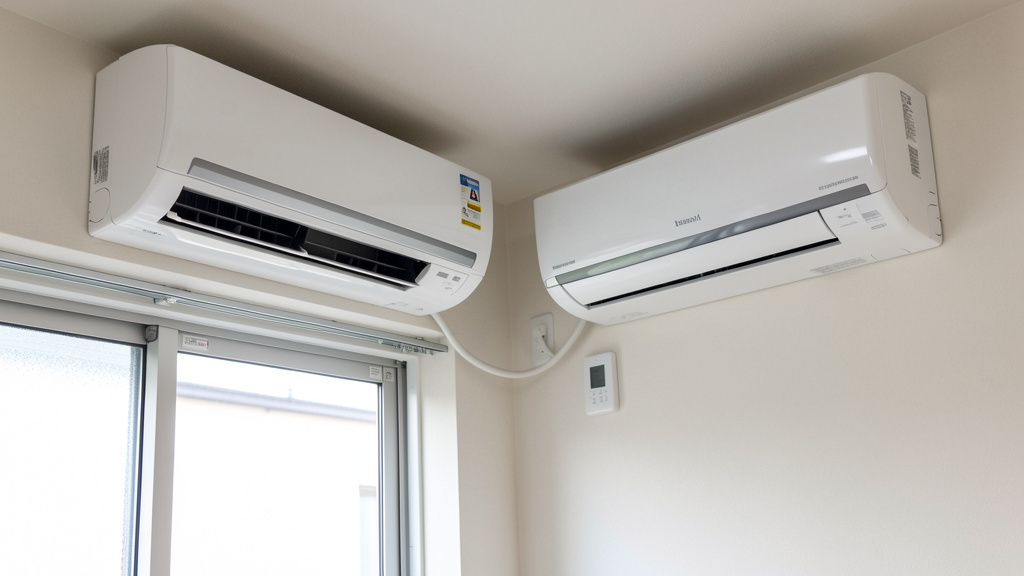
Stop guessing and start cooling: A step-by-step guide to selecting the perfect cooling system for your home, budget, and lifestyle—grounded in building science and practical decision-making.
Selecting the right air conditioner isn’t merely about lowering the temperature—it’s about harmonizing technology with your home’s architecture, local climate patterns, energy priorities, and daily living rhythms. This guide dismantles fragmented advice to deliver a structured, evidence-informed framework for choosing between central air, ductless mini-splits, and window units. We’ll walk through diagnostic methods, constraint-aware considerations, installation realities, and long-term ownership factors so you can move forward with clarity.
Introduction
Imagine this: It’s a sweltering July afternoon. Your current cooling solution struggles, humidity lingers, and you face a decision impacting comfort, utility expenses, and home functionality for years to come. Online searches yield contradictory claims—“Central AC is essential!” versus “Mini-splits slash energy bills!” versus “Window units are sufficient.” Confusion arises because manufacturers emphasize product features, contractors prioritize feasible installations, and content creators chase engagement. Your unique context often gets overlooked.
This guide restores focus. Drawing on established HVAC engineering principles, energy efficiency standards from ASHRAE (American Society of Heating, Refrigerating and Air-Conditioning Engineers) and the U.S. Department of Energy, and building science fundamentals, we present a neutral, systematic approach to air conditioner selection. No single technology is universally superior. Instead, we provide diagnostic tools to match solutions to your specific circumstances—whether you reside in a historic home without ductwork, a newly constructed house in a hot-dry climate, or a rental apartment with structural limitations. Comfort is deeply personal—and so is the path to achieving it.
The Home Cooling Decision Framework: Five Steps to Your Ideal System
Move beyond oversimplified “BTU per square foot” charts. Real-world cooling demands depend on insulation quality, window orientation, ceiling height, occupancy patterns, local humidity, and internal heat sources. This five-step framework transforms ambiguity into actionable insight. Follow sequentially—each step builds on the previous. Skipping ahead risks mismatches between expectations and outcomes.
Step 1: Assess Your Home’s Cooling Profile
Before evaluating equipment, diagnose your home’s thermal characteristics. This goes beyond square footage to identify heat gain pathways. Walk through each space and note:
-
Architectural Era & Construction: Homes built before 1980 often lack modern insulation standards. Check attic insulation depth (less than 10 inches of fiberglass suggests significant heat gain). Older windows (single-pane, aluminum frames) permit greater thermal transfer. Brick exteriors absorb heat during the day, radiating it inward after sunset. Newer homes (post-2000) typically feature tighter envelopes but may require balanced ventilation to manage humidity.
-
Window Analysis: Note window direction. South-facing windows receive intense midday sun; west-facing windows endure late-afternoon heat gain. Each large window in direct sun meaningfully increases cooling load. Consider existing mitigations: thermal curtains, low-emissivity (Low-E) coatings, or exterior shading from trees or awnings.
-
Room Usage Patterns: Is the basement used daily or seasonally? Does a home office generate heat from electronics? Kitchens and laundry areas produce internal heat loads independent of outdoor conditions. A bedroom used only at night has different demands than a sunroom occupied throughout the day.
-
Existing Infrastructure: Do ducts exist? Inspect vents for visible damage, rust, or poor sealing. For window units, measure openings precisely (width, height, depth). Older double-hung windows may not safely support heavier units. For mini-splits, identify accessible exterior walls for potential line-set routing.
-
Climate Zone Context: The U.S. Department of Energy defines eight climate zones. In humid zones (e.g., Southeast), moisture control is as critical as temperature reduction. In mixed-humid zones (e.g., Mid-Atlantic), seasonal humidity spikes require adaptable dehumidification. In dry climates (e.g., Southwest), evaporative cooling may supplement mechanical systems. Your location shapes technology priorities.
Why this step matters: A 1,500 sq ft home in a humid climate with older windows and minimal insulation may require greater cooling capacity than a 2,000 sq ft well-sealed home in a temperate zone. Ignoring these variables risks undersized systems (running continuously without adequate dehumidification) or oversized systems (short-cycling, wasting energy, causing temperature fluctuations).
Common pitfall: Relying solely on listed square footage. Measure conditioned spaces yourself. Include finished basements, sunrooms, or converted garages—these often present unique thermal challenges.
Step 2: Estimate Cooling Needs Thoughtfully
Online BTU calculators offer rough starting points but lack nuance. Professional HVAC designers use Manual J load calculations—a detailed protocol accounting for numerous variables. While a full Manual J requires specialized software and training, you can develop a more informed estimate using structured adjustments:
-
Base Calculation: Begin with standard guidance: approximately 20 BTUs per square foot of conditioned space. For a 1,200 sq ft area: 1,200 × 20 = 24,000 BTUs (a “2-ton” system; 12,000 BTUs = 1 ton).
-
Apply Contextual Adjustments:
- Sun Exposure: Add 10% for heavily shaded homes; add up to 20% for homes with extensive direct sun exposure.
- Kitchen Factor: Add approximately 4,000 BTUs if cooling includes a kitchen (appliances generate heat).
- Occupancy: Add roughly 600 BTUs per regular occupant beyond two.
- Insulation Quality: Older homes with minimal insulation may require +10–15%; well-insulated homes may allow -5–10%.
- Ceiling Height: Standard 8-ft ceilings need no adjustment. For 10-ft ceilings, consider +15–25% due to increased air volume.
- Climate Consideration: Humid climates may benefit from slightly higher capacity to support dehumidification; dry climates focus more on sensible cooling.
Illustrative Example:
– 1,400 sq ft home in a humid subtropical zone
– Full sun exposure, older windows, 9-ft ceilings
– Family of four, includes kitchen
– Base: 1,400 × 20 = 28,000 BTUs
– Sun exposure adjustment: +20% → 33,600
– Kitchen: +4,000 → 37,600
– Occupancy (two additional people): +1,200 → 38,800
– Ceiling height: +~12% → ~43,500
– Climate consideration: +10% → ~47,850 BTUs
→ Rounded to nearest standard size: 48,000 BTUs (4-ton system)
Note: This example demonstrates the adjustment process. Final sizing should be validated by a qualified HVAC professional.
Why this step matters: Undersized systems strain components, reduce dehumidification, and shorten equipment life. Oversized systems short-cycle—cooling air rapidly but failing to remove moisture, leading to clammy discomfort and inefficient operation. Proper sizing supports consistent temperature and humidity management. Industry observations indicate correctly sized systems typically operate more efficiently over their lifespan than mismatched alternatives.
Key nuance: SEER (Seasonal Energy Efficiency Ratio) ratings reflect efficiency at rated capacity. An oversized high-SEER unit operating inefficiently due to short-cycling may consume more energy than a correctly sized mid-SEER unit running optimally. Capacity alignment often outweighs peak efficiency ratings alone.
The Fundamental Principle: Effective cooling addresses both sensible heat (temperature) and latent heat (moisture). A system selected only for temperature reduction may leave indoor air uncomfortably humid. True comfort requires balancing both loads.
Step 3: Evaluate Installation Realities and Constraints
Technology exists in theory; installation occurs within your home’s physical and regulatory boundaries. Honest assessment prevents frustration later. Document constraints before researching equipment.
For Central Air Systems:
– Ductwork Assessment: Existing ducts? Check for visible leaks, disconnected sections, or damaged insulation. Sealing and insulating ducts can improve efficiency meaningfully but adds cost. No ducts? Installing new ductwork in a finished home involves significant disruption and expense. Historic homes may face preservation guidelines affecting modifications.
– Indoor Unit Space: Requires dedicated space for an air handler (typically near existing heating equipment). Confirm adequate clearance and structural support.
– Outdoor Unit Placement: Needs a level, stable surface with clearance for airflow (typically 2+ feet on all sides). Verify proximity to the indoor unit—longer refrigerant lines reduce efficiency. Review HOA guidelines regarding placement, screening, or visibility.
– Electrical Requirements: Most systems require a dedicated 240V circuit. Older homes may need panel evaluation or upgrades.
For Ductless Mini-Splits:
– Wall Penetration: Requires a small hole (approx. 3 inches) through an exterior wall for refrigerant lines, wiring, and drainage. Assess interior access (closet, utility space) and exterior conditions (siding type, landscaping). Masonry walls may require specialized drilling.
– Indoor Head Placement: Mounting height (typically 7–8 ft), distance from seating areas (to avoid direct drafts), and clearance from ceilings/furniture matter. Multi-head systems require thoughtful zoning—each head serves a defined area.
– Outdoor Unit Constraints: Smaller footprint than central AC condensers, but still requires stable placement and clearance. For multi-head systems, confirm the outdoor unit’s capacity aligns with the combined indoor heads. Line-set length limitations apply (manufacturer-specific; longer runs may require adjustments).
– Aesthetic Integration: Indoor heads are visible. Consider placement relative to room layout and decor. Some manufacturers offer customizable panels.
For Window and Portable Units:
– Window Compatibility: Measure precisely. Confirm unit fits window type (double-hung, sliding) and dimensions. Casement (crank-out) windows often cannot accommodate standard units. Verify structural integrity of the window frame to support unit weight.
– Safety and Security: Install support brackets anchored securely—not relying solely on the window sash. Add security bars if on ground level. Remove units seasonally to prevent weather damage or theft.
– Portable Unit Considerations: Requires a vent hose through a window or wall kit. Single-hose models create negative pressure, potentially drawing in unconditioned air; dual-hose models mitigate this. Condensate management varies (manual emptying, auto-evaporation, gravity drain). Noise levels are typically higher than other options since the compressor operates indoors.
– Structural Caution: Never install heavy units in compromised frames. When uncertain, consult a professional.
Why this step matters: Installation challenges frequently drive post-installation dissatisfaction. A technically suitable mini-split is impractical if wall penetrations violate lease terms. A low-cost window unit becomes hazardous if improperly mounted. Document constraints early to filter viable options.
Budget consideration: Installation costs often approach or exceed equipment costs for central and ductless systems. Obtain multiple detailed quotes specifying: equipment models, efficiency ratings, warranty terms, necessary modifications (ductwork, electrical), permits, and cleanup. Quotes significantly below market average may indicate omitted services or substandard practices.
Step 4: Project Total Cost of Ownership Thoughtfully
Initial price misleads. A $350 window unit appears cheaper than a $3,500 mini-split—until decade-long costs are weighed. Consider a simplified projection:
| Cost Factor | Window Unit (12k BTU) | Ductless Mini-Split (12k BTU) | Central AC (3-ton) |
|---|---|---|---|
| Upfront Equipment | $250–$450 | $1,000–$2,500 | $2,500–$4,500 |
| Installation | $0 (DIY) – $150 (pro) | $800–$2,000 | $3,000–$7,000+ |
| Annual Energy Cost* | $85–$140 | $45–$85 | $180–$300 |
| Annual Maintenance | $15–$30 (filter care) | $75–$150 (professional service) | $100–$200 (professional service) |
| Estimated Repairs (10 yrs) | $100–$250 | $200–$400 | $400–$800 |
| Typical Lifespan | 5–8 years | 15–20 years | 12–15 years |
| Approx. 10-Year Cost | $1,700–$2,700 | $2,400–$4,100 | $6,300–$10,800 |
*Estimates based on ~500 annual cooling hours, $0.15/kWh, and representative SEER values. Actual costs vary significantly by location, usage patterns, utility rates, and equipment specifics. Consult local professionals for personalized estimates.
Why this step matters: Window units may require replacement within the mini-split’s lifespan. Factor in recurring purchase costs, disposal, and installation effort. Central AC’s higher initial investment may be justified for whole-house daily use—but inefficient if cooling only one room nightly. Align calculations with your usage:
– Occasional cooling (single room, <200 hrs/yr): Window unit may offer lowest total cost.
– Targeted cooling (2–3 zones, 300–500 hrs/yr): Mini-split often provides optimal value.
– Whole-house cooling (daily use, 600+ hrs/yr): Central AC may become cost-effective despite higher initial outlay.
Additional considerations:
– Rebates & Incentives: Many utilities offer rebates for high-efficiency systems (SEER2 16+). Check the DSIRE database (dsireusa.org) for local programs. Pre-approval may be required.
– Financing: Some providers offer promotional financing. Review terms carefully—avoid loans extending beyond the system’s expected service life.
– Installation Quality: Industry observations suggest improper installation can significantly reduce efficiency and lifespan. Budget for qualified installation, especially for complex systems.
Step 5: Align Technology with Lifestyle and Priorities
Technical suitability means little if the system conflicts with daily life. Reflect on these aspects:
-
Noise Sensitivity: Window units typically operate at moderate noise levels. Mini-split indoor heads often run near-silently on low settings. Central AC outdoor units generate noticeable sound—placement relative to bedrooms or patios matters. If quiet operation is essential (e.g., home offices, light sleepers), prioritize low-decibel models and strategic placement.
-
Aesthetic Preferences: Will a window unit obstruct views or clash with architectural style? Mini-split heads are visible but increasingly streamlined. Central AC vents integrate discreetly into ceilings or walls. For heritage homes with preservation constraints, mini-splits with careful placement may offer the least intrusive solution.
-
Control Needs: Prefer smart integration? Many mini-splits and modern central systems support Wi-Fi thermostats for scheduling or remote adjustments. Window units rarely include advanced controls. Desire room-by-room management? Mini-splits excel at zoned comfort. Prefer whole-house uniformity? Central AC simplifies control.
-
Seasonal Flexibility: In mild climates with short cooling seasons, a removable window unit offers practicality. In regions with variable shoulder seasons, heat pump mini-splits provide efficient cooling and heating—potentially reducing reliance on separate heating systems.
-
Health and Air Quality: Allergy sufferers may benefit from systems compatible with enhanced filtration. Central AC can integrate with whole-house air purifiers. Mini-splits often include washable filters. Consistent humidity control (maintaining 40–60% relative humidity) supports mold prevention and respiratory comfort—variable-speed systems typically manage moisture more effectively than single-stage units.
Why this step matters: A technically sound system that disrupts daily life may be underutilized. Comfort encompasses psychological and physical dimensions. If noise or appearance causes reluctance to operate the system, its value diminishes.
Scenario-based alignment:
– Urban Renter (500 sq ft apartment): Window unit. Prioritizes landlord-approved installation, seasonal removal, and quiet operation (seek models with sleep modes). Confirm lease permissions first.
– Historic Homeowner (1,800 sq ft, no ducts): Ductless mini-split. Preserves architectural integrity, enables zoning for frequently used spaces. Multi-head configuration for living area and primary bedroom.
– Suburban Family (2,400 sq ft new build): Central AC. Delivers consistent whole-house comfort, integrates with existing ductwork. Pair with a programmable thermostat for scheduling.
– Detached Workshop (800 sq ft): Single-zone mini-split. Provides precise temperature control, potential heating capability, and avoids ductwork challenges.
Central Air Conditioning Systems: Whole-House Comfort Considerations
Central air conditioning provides integrated cooling for homes with existing, well-maintained ductwork. The system uses an outdoor condenser connected to an indoor air handler. Refrigerant cycles between units, absorbing indoor heat and expelling it outside. Conditioned air distributes via ducts to vents throughout the home. Understanding key variables helps set realistic expectations.
System Operation and Dehumidification
As warm indoor air passes over the evaporator coil, refrigerant absorbs heat and moisture condenses—a critical dehumidification process. A properly sized system runs sufficiently long cycles to remove meaningful moisture, not just lower temperature. Short cycles (common with oversized units) cool air quickly but leave humidity unchecked, resulting in a cool-but-clammy feel.
Compressor Technology Tiers
Performance varies significantly by compressor type—often more impactful than SEER rating alone:
-
Single-Stage Systems: Compressor operates at full capacity or off. Pros: Lowest initial investment. Cons: Less precise temperature control, reduced dehumidification on mild days, higher noise during operation. Suitable for: Budget-conscious scenarios in moderate climates with infrequent peak cooling demands.
-
Two-Stage Systems: Compressor operates at a lower setting (typically 60–70%) for mild conditions and high setting for extreme heat. Pros: Longer run times improve dehumidification, reduce temperature swings, lower energy use versus single-stage. Cons: Higher initial cost. Suitable for: Most homeowners seeking balanced comfort and efficiency, especially in humid regions.
-
Variable-Speed Systems: Compressor and indoor fan adjust continuously (from ~25% to 100%) based on real-time demand. Pros: Precise temperature/humidity control, quietest operation, highest efficiency potential. Cons: Highest initial investment. Suitable for: Households prioritizing consistent comfort, noise reduction, or air quality; ideal for humid climates or allergy concerns.
Installation note: Advanced systems (two-stage, variable-speed) require meticulous installation—proper refrigerant charge, airflow calibration, and duct integrity—to realize their benefits. Verify technician credentials and request post-installation performance verification.
Understanding SEER2
In 2023, the U.S. adopted SEER2—a revised efficiency testing standard accounting for real-world factors like duct resistance and external static pressure. A SEER2 15 unit generally delivers efficiency comparable to an older SEER 16 unit. Federal minimums now vary by region:
– Northern zones (4–8): SEER2 13.4 minimum
– Southern zones (1–3): SEER2 14.3 minimum
Practical guidance: When comparing systems, confirm all efficiency ratings use the SEER2 standard. For many homeowners, SEER2 16–18 offers a favorable balance of upfront cost and long-term savings. Higher ratings (SEER2 20+) carry premium costs; evaluate payback period based on your cooling hours and local utility rates. Always verify model-specific ratings via manufacturer documentation.
Ductwork: The Foundation of Performance
Even advanced equipment underperforms with compromised ducts. Studies indicate duct leakage can waste 20–30% of conditioned air in typical installations. Before installing new equipment:
1. Request a duct leakage assessment (often part of an energy audit).
2. Seal visible leaks with mastic sealant or metal-backed tape (avoid standard duct tape).
3. Insulate ducts in unconditioned spaces (attics, crawlspaces) with appropriate R-value insulation.
4. Balance airflow to ensure consistent delivery to all rooms.
When central AC may not fit: If ductwork is severely deteriorated, inaccessible, or absent—and renovation costs are prohibitive—ductless solutions may offer a more practical long-term path despite higher equipment costs.
Ductless Mini-Split Systems: Targeted Comfort Without Ducts
Ductless mini-splits deliver flexible cooling (and often heating) for homes without ductwork, room additions, or efficiency-focused retrofits. One outdoor condenser connects to one or more indoor air-handling units via small, concealed refrigerant lines. This zoned approach conditions only occupied spaces, reducing energy waste.
Efficiency Through Inverter Technology
Most mini-splits use inverter-driven compressors that adjust speed continuously to match demand. Instead of cycling fully on/off, the system modulates output—running longer at lower speeds during mild weather. Benefits include:
– Smoother temperature maintenance
– Enhanced dehumidification during extended low-speed operation
– Reduced energy consumption compared to single-stage systems
– Lower compressor stress, potentially extending service life
System Configurations
-
Single-Zone: One outdoor unit powers one indoor head. Ideal for: Garages, sunrooms, home offices, or single-room additions. Typically the most cost-effective entry point.
-
Multi-Zone: One outdoor unit powers multiple indoor heads (typically 2–5; some models support more). Heads operate independently. Ideal for: Whole-home cooling in ductless homes, historic renovations, or adding zones to existing systems. Critical note: Total indoor capacity should generally not exceed 130% of the outdoor unit’s rated capacity. Professional design is essential to avoid performance issues.
Indoor Unit Options
-
Wall-Mounted: Most common. Sleek profile, mounted high on walls for optimal airflow. Modern designs minimize visual impact. Avoid placement directly above seating areas to prevent drafts.
-
Ceiling Cassette: Flush-mounted into drop ceilings with 360° airflow. Requires accessible ceiling space above. Ideal for open layouts where wall mounting isn’t feasible.
-
Floor-Mounted (Console): Low-profile unit drawing air near the floor. Suitable for rooms with limited wall space or vaulted ceilings.
-
Concealed Ducted: Indoor unit hidden in attic/closet with short duct runs to 1–2 registers. Nearly invisible—only vents are visible. Ideal for spaces where aesthetics are paramount.
Cold Climate Capability
Early mini-splits had limited low-temperature performance. Many modern heat pump models (often labeled “cold climate” or similar) maintain heating capacity well below freezing—some rated to -13°F or lower per manufacturer specifications. In cooling mode, performance remains robust across climates. For regions with cold winters, verify the specific model’s low-temperature heating specifications if using for year-round climate control.
Installation Quality Factors
Long-term reliability hinges on precise installation:
– Line Set Integrity: Refrigerant lines require continuous insulation. Wall penetrations should be sealed with appropriate caulk to prevent air/moisture infiltration.
– Vacuum Procedures: Technicians must pull a deep vacuum on the refrigerant circuit before charging to remove moisture and non-condensables—a critical step for compressor longevity.
– Refrigerant Charge: Systems pre-charged for standard line lengths may require adjustment for longer runs. Charging by weight (not pressure alone) ensures accuracy.
– Secure Mounting: Indoor units must anchor to structural studs. Outdoor units require stable, level pads with vibration isolators to minimize noise transmission.
Where mini-splits excel:
– Homes lacking ductwork (avoiding invasive duct installation)
– Room additions or renovations
– Zoning specific areas (home office by day, bedrooms by night)
– Historic homes requiring minimal structural modification
– Replacing multiple inefficient window units
– Spaces needing both cooling and efficient heating
Considerations:
– Higher initial cost than window units (but often lower than central AC + new ducts)
– Indoor units require visible wall/ceiling space
– Multi-zone designs benefit from professional planning
– Installation expertise significantly impacts performance
Window and Portable Air Conditioners: Practical Solutions for Specific Scenarios
Window and portable units offer accessible cooling for renters, apartment dwellers, or targeted room applications. While not ideal for whole-house cooling, modern units deliver reliable performance when matched to appropriate use cases. Understanding their operational principles and limitations prevents frustration.
Window Units: Self-Contained Cooling
Window ACs house all components in a single unit straddling the window frame. Warm indoor air passes over the evaporator coil; heat and moisture expel outside via the condenser section. Proper sealing around the unit is essential—gaps allow hot outdoor air infiltration, undermining efficiency.
Sizing Guidance:
– 150–250 sq ft: 5,000–6,000 BTU
– 250–350 sq ft: 7,000–8,000 BTU
– 350–450 sq ft: 9,000–10,000 BTU
– 450–550 sq ft: 11,000–12,000 BTU
– 550–700 sq ft: 13,000–14,000 BTU
Adjustments: Add ~10% for heavily shaded rooms; add ~20% for sunny rooms. Add ~4,000 BTU for kitchens. Avoid significant oversizing—leads to short-cycling and poor dehumidification.
Efficiency Notes: Modern ENERGY STAR-certified units achieve higher efficiency than older models. Inverter-driven window units (increasingly available) adjust compressor speed for smoother operation and better efficiency. While less efficient than ductless systems overall, a correctly sized window unit cooling one room typically uses far less energy than central AC cooling an entire unoccupied house.
Installation Safety Essentials:
1. Verify Fit: Confirm unit dimensions match your window type and measurements. Casement windows often require specialized models.
2. Secure Mounting: Install support brackets anchored to the building structure—not just the window frame. Units can weigh 50–100+ lbs.
3. Seal Gaps: Use included foam weatherstripping or removable adhesive tape to block air leaks. Check for light penetration at night.
4. Electrical Safety: Plug directly into a wall outlet on a dedicated circuit where possible. Avoid extension cords. Verify circuit capacity.
5. Security: Install window locks above the unit. Add secondary security bars for ground-floor windows. Remove units before winter weather arrives.
Portable Air Conditioners: Flexibility with Trade-Offs
Portable units sit entirely indoors, venting hot air through a hose routed via a window kit. Two configurations exist:
– Single-Hose Models: Draw room air to cool the condenser, exhausting hot air outside. Creates slight negative pressure, potentially drawing in unconditioned air through leaks. Generally less efficient.
– Dual-Hose Models: One hose draws outside air for condenser cooling; the other exhausts hot air. Maintains room pressure, improving efficiency. Recommended when portability is essential.
Condensate Management:
– Manual Drain: Requires periodic emptying of an internal tank—frequent in humid conditions.
– Auto-Evaporation: Uses heat to evaporate moisture exhausted through the hose. Effectiveness varies with humidity; may require manual draining during high-moisture periods.
– Gravity Drain: Hose directs condensate to a floor drain or outside. Most reliable for continuous operation.
When Portables May Fit:
– Rental restrictions prohibiting window modifications
– Rooms with non-standard windows (arched, sliding glass doors)
– Temporary cooling during renovations
– Supplemental cooling for workshops or server areas
– Situations requiring unit mobility between rooms
Limitations to Consider:
– Less efficient than window units of comparable capacity
– Higher noise levels (compressor operates indoors)
– Condensate management demands attention
– Not ideal as a primary cooling solution for large or frequently used spaces
Optimizing Performance and Longevity
- Placement Strategy: Install on north or east-facing windows when possible to minimize direct sun on the unit. Close curtains/blinds on sunny windows during peak heat.
- Thermostat Settings: Use “Auto” fan mode (fan runs only with compressor). “Energy Saver” modes (if available) cycle the fan off with the compressor to avoid recirculating humid air.
- Routine Maintenance: Clean or replace filters every two weeks during heavy use. Clogged filters restrict airflow, causing frost buildup and strain. Annually clean condenser coils (outdoor portion of window units) with coil cleaner. Ensure drainage paths are clear.
- Off-Season Care: Remove window units before freezing temperatures. Clean thoroughly, cover with breathable material, store upright in a dry location. For portables, drain all water, clean filters, and store hoses loosely coiled.
Navigating Common Constraints: Practical Pathways Forward
Real-world limitations—budget, regulations, structural conditions—often complicate ideal solutions. This section offers pragmatic, adaptable strategies for frequent friction points.
Constraint: Limited Upfront Budget
Scenario: Cooling is needed now, but funds for a permanent system are months away.
Adaptive Pathway:
– Immediate Action: Deploy a high-efficiency window unit (ENERGY STAR certified) in the highest-priority space (e.g., bedroom). Supplement with strategic fans: ceiling fans (counter-clockwise in summer) enhance perceived cooling; box fans in windows create cross-ventilation during cooler evenings. Install blackout curtains on south/west windows to reduce solar heat gain—potentially lowering cooling load noticeably.
– Bridge Strategy: Create a dedicated savings goal. Research local utility rebates early—some require pre-approval. Obtain quotes for target systems; inquire about payment plans or seasonal promotions (spring often features contractor incentives).
– Forward View: When ready, install the permanent solution. Repurpose the window unit for secondary spaces. Avoid rushed, substandard installations that create future liabilities. Patience supports long-term value.
Constraint: Rental or Landlord Restrictions
Scenario: Lease prohibits permanent modifications, drilling, or external units.
Adaptive Pathway:
– Window Unit Protocol: Select units with reversible installation kits. Use removable weatherstripping (e.g., adhesive foam tape designed for temporary use). Document window condition with photos before installation. Store original hardware safely.
– Portable Unit Approach: Choose a dual-hose model with a window kit using tension rods (no drilling). Place on a stable cart for easy relocation. Confirm lease language permits “temporary ventilation modifications.”
– Collaborative Discussion: Propose a solution-oriented conversation: “I will cover all installation and restoration costs. I’ll provide proof of renter’s insurance. I’ll return the window to its original condition upon move-out.” Share data on how efficient cooling reduces building-wide electrical load.
– Non-AC Alternatives: Explore whole-house fans (if attic access permitted), evaporative coolers (in dry climates), or high-velocity fans paired with strategic ventilation. Sometimes focusing cooling efforts on one critical room is the most feasible path.
Constraint: HOA or Historic Preservation Guidelines
Scenario: Association rules restrict visible outdoor units, wall penetrations, or exterior modifications.
Adaptive Pathway:
– Central AC Integration: If ductwork exists, position the outdoor unit in a side/rear yard with approved screening (lattice, strategic landscaping). Submit detailed placement diagrams showing compliance with setback requirements.
– Mini-Split Mitigation: Propose low-impact solutions: custom enclosures matching home architecture, dense evergreen screening, or placement within enclosed patios. For wall sleeves, use low-profile conduit covers painted to blend with siding. Provide manufacturer visuals demonstrating minimal visual impact.
– Alternative Technologies: Rooftop packaged units (common in some condominiums) may align with HOA standards. Ground-source heat pumps eliminate visible outdoor units but require significant yard access and investment.
– Engagement Strategy: Request a meeting with the architectural review committee. Present factual benefits: energy efficiency data, property value research, safety protocols for professional installation. Offer to sign agreements addressing liability concerns. Professional persistence often yields workable compromises.
Constraint: Unique Structural Conditions
Scenario: Historic plaster walls, masonry exteriors, cathedral ceilings, or potential hazardous materials complicate installation.
Adaptive Pathway:
– Historic Home Protocol: Consult your local historic preservation office before engaging contractors. Many provide free guidance on sympathetic modifications. Route line sets through closets or utility chases. Use ceiling cassette heads in rooms with ornate moldings. Prioritize preserving original windows—install units in secondary, less visible windows.
– Masonry Solutions: Diamond-core drilling minimizes vibration damage to brick or stucco. Hire technicians experienced with historic or masonry structures. Seal penetrations with flexible, masonry-rated caulk to accommodate building movement.
– Hazardous Material Awareness: Homes built before 1980 may contain asbestos in insulation, tiles, or duct wrap. Never disturb suspect materials. Hire a licensed inspector before any renovation. If asbestos is present, professional abatement must precede HVAC work. Safety is non-negotiable.
– High-Ceiling Strategy: Avoid mounting indoor heads directly under vaulted ceilings where cool air stratifies. Position heads on lower adjacent walls, angling airflow across the occupied space. Supplement with ceiling fans on low speed to gently mix air layers without creating drafts.
Constraint: Navigating Contractor Selection
Scenario: Quotes vary widely; technical jargon feels overwhelming.
Adaptive Pathway:
– Quote Analysis: Request itemized proposals. Red flags include: vague descriptions (“system install”), missing model numbers, omitted permit costs, or unclear warranty terms. Verify refrigerant type (R-454B is increasingly standard; R-410A is being phased down).
– Credential Verification: Confirm state licensing and insurance. Look for NATE (North American Technician Excellence) certification or manufacturer-specific training. Read reviews focusing on installation quality and communication.
– Key Questions to Ask:
1. “Will you perform a cooling load calculation? May I see the summary?”
2. “What steps ensure proper refrigerant charge and airflow?”
3. “What is covered under warranty (parts, labor, compressor)?”
4. “Can you provide references from similar projects?”
– Professional Partnership: Choose contractors who explain processes clearly, welcome questions, and prioritize your understanding. Avoid high-pressure sales tactics. This relationship impacts system performance for years—select for trust and transparency.
Your Questions, Answered
Q: How long do air conditioners typically last?
A: Lifespan varies by type, climate, usage, and maintenance. General ranges: window units (5–8 years), ductless mini-splits (15–20 years), central AC systems (12–15 years). Signs it may be time to replace: frequent repairs (costing more than half the price of a new unit), steadily rising energy bills despite consistent use, uneven cooling, persistent humidity issues, or age exceeding typical service life. Proactive replacement before complete failure avoids emergency decisions during peak heat.
Q: What is SEER2, and why does it matter?
A: SEER2 is the updated federal efficiency standard effective January 2023. It tests systems under more realistic conditions, including duct resistance and external static pressure. A SEER2 15 unit generally delivers efficiency comparable to an older SEER 16 unit. Always compare ratings using the same standard. When evaluating systems, request SEER2 values and verify model numbers against manufacturer specifications. For many homeowners, SEER2 16–18 offers a practical balance of initial cost and operational savings. Local rebates may improve the economics of higher-efficiency models.
Q: Can I install a window AC unit myself?
A: Many window units are designed for DIY installation, but safety is paramount. Only proceed if: you can securely mount support brackets into the building structure (not just the window frame), the window locks firmly above the unit, the electrical outlet is dedicated and grounded, and you have assistance for lifting (units often weigh 50–100+ lbs). Never install alone, especially on upper floors. If your window has unusual dimensions, shows structural weakness, or is difficult to access, professional installation is strongly recommended. Safety outweighs cost savings.
Q: Why does my AC run constantly without reaching the set temperature?
A: This indicates a significant performance issue. Common causes include: severe undersizing for the space, refrigerant leak (low charge reduces cooling capacity), restricted airflow (dirty filter, blocked coils), extreme outdoor temperatures beyond the unit’s design limits, or duct leakage (in central systems). Less obvious factors: thermostat placement near heat sources, failing compressor, or incorrect fan settings. Turn the system off and contact a licensed HVAC technician. Continuing to run a struggling system risks further damage. Document symptoms (runtime duration, temperature differences) to assist diagnosis.
Q: Are modern mini-splits noisy?
A: Contemporary mini-splits are engineered for quiet operation when installed correctly. Indoor heads typically operate between 19–28 decibels on low settings—comparable to a whisper. Outdoor units range from 45–60 decibels (similar to light rainfall). Most noise complaints stem from installation issues: vibration against walls (mitigated by proper mounting and vibration pads), incorrect refrigerant charge, or placement too close to living/sleeping areas. Request sound rating (dB) specifications when selecting models. Choose units with “quiet mode” features for bedrooms. Professional installation significantly influences acoustic performance.
Q: What routine maintenance can I perform myself?
A: Consistent basic care supports efficiency and longevity:
– Monthly (cooling season): Clean or replace air filters. Check condensate drain lines for blockages.
– Seasonally: Clear vegetation and debris at least 2 feet around outdoor units. Gently rinse condenser coils with a garden hose (power off first). For window units, wipe exterior coils and verify mounting stability.
– Annually: Schedule a professional tune-up before peak season. Technicians assess refrigerant levels, electrical components, thermostat calibration, and overall system operation.
Never attempt internal repairs—refrigerant handling requires EPA Section 608 certification. Always power off systems at the breaker before any inspection. Safety first.
Q: Does a higher SEER rating always save money in mild climates?
A: Diminishing returns apply. In regions with fewer than 300 annual cooling hours (e.g., Pacific Northwest, Northern New England), the additional cost of SEER2 20+ systems may take many years to recoup through energy savings. SEER2 16–17 often provides the strongest return on investment. Calculate: (Estimated annual energy savings) × (Expected ownership years) versus (Price premium). Factor in available rebates. In mild climates, proper sizing and installation quality typically deliver greater real-world benefits than chasing the highest possible SEER rating. A well-installed mid-efficiency system outperforms a poorly installed high-efficiency unit.
Q: Can I use a portable AC in a room without windows?
A: Not safely or effectively. Portable units must vent hot exhaust air outside via a window, sliding door, or wall kit. Venting into another indoor space (like a closet) transfers heat elsewhere, worsening overall cooling and risking overheating. For windowless rooms (interior bathrooms, basements without egress windows), alternatives include: a ductless mini-split with line set routed through an adjacent space, a through-the-wall AC unit (requires exterior wall penetration with proper sleeve), or improving whole-house cooling so the space remains comfortable passively. Never operate a portable AC without a proper exhaust path—this creates fire hazards and equipment damage risks.
Q: What makes an AC system more environmentally sustainable?
A: Sustainability spans multiple factors:
– Refrigerant Choice: Newer systems increasingly use R-454B or R-32, which have lower global warming potential than older R-410A. Avoid units using phased-out refrigerants like R-22.
– Energy Efficiency: Higher SEER2 ratings reduce operational electricity use. Pairing with renewable energy (e.g., solar) further lowers carbon impact.
– Heat Pump Advantage: Systems providing both efficient cooling and heating (mini-splits, central heat pumps) can eliminate fossil fuel-based heating in moderate climates, significantly reducing household emissions.
– Durability & Serviceability: Choosing robust systems with strong warranties and accessible parts reduces replacement frequency and waste.
– Responsible End-of-Life: Confirm your installer recycles refrigerant and metals properly. Inquire about manufacturer take-back programs.
No single “greenest” option fits all contexts. Start by reducing cooling load through home efficiency upgrades (insulation, air sealing, window treatments). Then select the most appropriate efficient system for your needs.
Q: How should I prepare my AC system for winter?
A: Proper off-season care preserves equipment:
– Window Units: Remove before first frost. Clean filters and coils thoroughly. Store upright in a dry location. Cover with breathable fabric—avoid plastic sheeting which traps moisture.
– Portable Units: Drain all water completely. Clean filters and interior components. Store the exhaust hose loosely coiled. Keep in a dry area.
– Central & Mini-Split Systems: No removal needed. Place a breathable mesh cover over the outdoor condenser to block debris while allowing airflow (never use solid tarps which trap moisture and accelerate corrosion). Schedule fall maintenance: check for refrigerant leaks, inspect electrical connections, clean drain lines.
Critical reminder: Never fully enclose the top of outdoor units—trapped moisture causes rust and component damage. Mesh covers protect from falling branches and leaves while permitting necessary ventilation.
Conclusion: Your Path to Confident Cooling
Selecting an air conditioner is less about choosing a product and more about designing a comfort strategy aligned with your home and life. You now have a framework to move beyond marketing claims and fragmented advice. Remember these guiding pillars:
- Diagnose Before Deciding: Your home’s unique thermal profile—not just square footage—shapes cooling needs. Invest time in Step 1 assessment; it prevents costly mismatches.
- Total Value Over Initial Price: Evaluate ownership costs across years. A thoughtful investment in proper sizing, quality installation, and appropriate efficiency often delivers greater long-term satisfaction than the lowest upfront price.
- Harmonize Technology with Living: The most suitable system aligns with your daily rhythms, sensory preferences, and spatial constraints. Prioritize factors like noise levels, control preferences, and visual integration alongside technical specifications.
The 24-Hour Rule
Before contacting contractors or browsing models, complete this small but powerful action: Walk through your home with a notebook. Document window directions, room usage patterns, existing infrastructure constraints, and your top three comfort priorities (e.g., “quiet bedroom cooling,” “no visible indoor units,” “lowest operational cost”). This 20-minute exercise transforms vague wishes into clear criteria. When quotes arrive, you’ll evaluate them against your documented needs—not persuasive sales language.
The Integrated Perspective
Cooling exists within a broader home comfort ecosystem. Pair your system with complementary strategies: add attic insulation, install programmable thermostats, use ceiling fans to allow slightly higher thermostat settings, and seal air leaks around windows and doors. These synergistic steps amplify your AC’s effectiveness while reducing its runtime. View your decision not as an isolated purchase, but as one component of a resilient, efficient, and personalized home environment. Comfort is cultivated intentionally—and you now hold the tools to cultivate it wisely.
Explore Our Complete Home Comfort System:
Mastering Home Humidity Control | Duct Sealing: The $200 Upgrade That Saves $300/Year | Smart Thermostat Setup Guide | Preparing Your HVAC for Extreme Weather | Energy Audit Checklist: Find Hidden Waste | Sustainable Cooling: Beyond the AC Unit | Window Treatments That Slash Cooling Costs