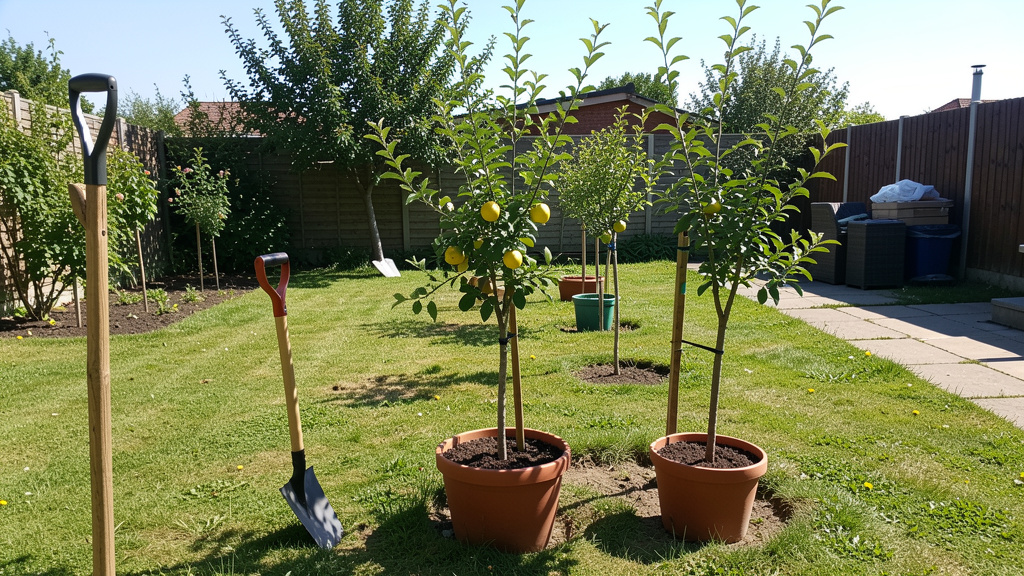
From Tiny Patios to Acreage Dreams—Design a Thriving, Sustainable Fruit Tree Collection That Provides Rewarding Harvests Year After Year
Imagine stepping into your backyard on a crisp autumn morning to pluck a sun-warmed apple straight from the branch. Picture children learning where food truly comes from as they help harvest plums for weekend jam. Envision preserving summer’s sweetness in jars of home-canned peaches shared with neighbors during colder months. This meaningful connection to food and seasons is deeply achievable through a thoughtfully planned home orchard, carefully designed for your specific space, climate, and lifestyle. Whether your outdoor area measures 100 square feet or several acres, this guide transforms overwhelming choices into a clear, confidence-building roadmap for selecting, planting, and nurturing fruit trees that can thrive for years to come.
Introduction: Why Your Home Orchard Journey Begins With Planning, Not Planting
For generations, home orchards have represented more than sustenance—they embody connection to place, seasonality, and self-reliance. Historical records show settlers often prioritized fruit tree saplings alongside shelter construction, recognizing orchards as long-term investments in security and community identity. Today, this wisdom resonates amid growing interest in food transparency, environmental stewardship, and meaningful outdoor engagement. Yet many well-intentioned efforts encounter challenges: trees planted too closely compete for resources; varieties mismatched to local conditions struggle to establish; maintenance demands exceed initial expectations. These outcomes rarely reflect lack of effort but often stem from skipping the foundational step: intentional, holistic planning.
This guide synthesizes widely accepted principles from university agricultural extensions, master gardener programs, and horticultural societies across diverse regions. It moves beyond fragmented advice or purely inspirational content to deliver what many current resources lack: an integrated framework addressing spatial considerations, climatic factors, personal objectives, and practical maintenance before the first shovel touches soil. This approach is grounded in the understanding that successful orchards begin not in the ground, but in thoughtful preparation—a deliberate vision translated into actionable steps. By investing time in planning, you reduce the likelihood of future corrections, disease management challenges, or replanting. You transform uncertainty into informed confidence, helping ensure each tree becomes a valued, productive part of your landscape. Let’s begin building that foundation together.
The Orchard Blueprint Framework: Four Pillars for Long-Term Success
Before exploring specific varieties or planting techniques, we establish a mental model designed to address common planning oversights. True orchard resilience rests on four interconnected pillars—Space, Climate, Goals, and Capacity—each requiring honest reflection. Overlooking even one pillar may create future challenges; thoughtfully addressing all four supports sustainable success. Developed based on established horticultural principles and patterns observed in community gardening programs, this framework transforms abstract aspirations into a tailored, executable plan. Think of it as your orchard’s architectural blueprint: invisible once planting begins, yet essential for long-term vitality.
The Guiding Principle: Design your orchard for the gardener you are today and the space you steward now—not an idealized version of either. Alignment between your current reality and your plan fosters enduring satisfaction and manageable care.
Pillar 1: Space Assessment—Measuring Beyond Square Footage
Space evaluation begins with measurement but deepens into understanding your yard’s unique character. Gather a notebook, measuring tape, compass app, and camera. Over three consecutive days (morning, noon, afternoon), document these elements:
Sunlight Mapping: Most fruit trees require a minimum of six hours of direct, unobstructed sunlight daily for reliable fruiting—eight to ten hours is ideal for many stone fruits and apples. Stand in potential planting zones at 9 AM, 1 PM, and 5 PM. Note shadows cast by structures, fences, or mature trees. Sketch a simple diagram marking “Full Sun” (6+ hours), “Partial Sun” (4–6 hours), and “Shade” (<4 hours). Remember: deciduous trees lose leaves in winter, so a spot shaded by an oak in summer may receive ample sun during spring bloom. Evergreens create year-round shade. Important nuance: South-facing slopes (in the Northern Hemisphere) often receive significantly more prolonged sunlight than north-facing slopes—a difference that can impact fruit ripening and winter hardiness in many regions.
Soil Reality Check: Avoid assumptions—test. Contact your local cooperative extension service (find via extension.org) for soil testing guidance. While awaiting results, perform two field assessments:
– Drainage Test: Dig a 12″x12″ hole, fill with water, let drain completely, then refill. Time the second drainage. Ideal: 1–6 hours. <1 hour suggests fast drainage (sandy soil); >24 hours indicates poor drainage (heavy clay risk).
– Texture Test: Moisten a handful of soil. Squeeze: Does it form a tight, non-crumbly ball (clay)? Feel gritty and fall apart immediately (sand)? Or hold a loose shape that crumbles gently (loam—the preferred texture for many fruit trees)? Most fruit trees thrive in loamy soil with pH between 6.0 and 7.0. Heavy clay may require strategic planting approaches; sandy soil may need moisture-retention amendments.
Spatial Constraints Inventory: Measure distances from potential sites to:
– Property lines (check local ordinances—some areas restrict planting within 5–10 feet of boundaries)
– Septic drain fields (maintain 25–50+ feet distance—tree roots seek moisture and may interfere with systems)
– Underground utilities (always call 811 before digging anywhere)
– Overhead power lines (consider mature tree height; even dwarf varieties need adequate clearance)
– Patios, walkways, driveways (fallen fruit may create slip hazards; root zones benefit from protection from soil compaction)
Microclimate Identification: Your yard contains subtle climate variations. South-facing brick walls absorb heat by day, radiating it at night—potentially creating a warmer microzone suitable for marginally hardy varieties like figs. Low-lying areas may collect cold air on still nights (“frost pockets”), increasing blossom vulnerability in spring—avoid planting early-blooming varieties here. Wind corridors increase drying stress; sheltered corners offer protection. Document these nuances—they matter as much as your regional hardiness zone.
Common Space Assessment Consideration: Measure not just the open patch today, but project 15–20 years forward. A sapling planted 15 feet from a mature maple may seem spacious now, but the maple’s expanding canopy and root system will eventually dominate light and soil resources.
Pillar 2: Climate Compatibility—Understanding Zones, Chill Requirements, and Frost Patterns
Climate alignment is essential. Planting a low-chill peach variety in a cold-winter region, or a high-chill apple in a mild-winter area, often leads to poor results. This pillar moves beyond simplified zone labels to practical, localized understanding.
USDA Hardiness Zone Context: First, confirm your zone using the USDA Plant Hardiness Zone Map. Note: Zones reflect only average annual extreme minimum temperatures. They do not account for summer heat, humidity, rainfall, or wind—all critical for fruit tree performance. Example: Zone 7 spans humid coastal Virginia and arid high-desert New Mexico. Both share similar winter lows, but fruit tree behavior differs significantly. Supplement zone data with:
– Heat Zone considerations (American Horticultural Society): Days above 86°F influence fruit ripening and heat tolerance.
– Local observation: Visit farmers’ markets. Ask growers: “What fruit trees perform well here?” Their on-the-ground experience offers valuable context.
Chill Requirements Clarified: This is frequently misunderstood yet vital. Chill hours = cumulative hours between 32°F and 45°F during dormancy (typically November–February). Trees require specific chill totals to break dormancy properly and produce flowers/fruit. Insufficient chill may cause delayed, uneven, or absent bloom. Excessive chill can trigger premature bloom vulnerable to late frosts.
| Fruit Type | Low Chill (<400 hrs) | Medium Chill (400–700 hrs) | High Chill (>700 hrs) | Important Context |
|---|---|---|---|---|
| Peaches/Nectarines | ‘Desert Gold’, ‘Bonanza’ | ‘Redhaven’, ‘Elberta’ | ‘Reliance’ (less common) | Most require 600–900 hrs; Southern-adapted options exist |
| Apples | ‘Anna’, ‘Dorsett Gold’ | ‘Gala’, ‘Fuji’, ‘Honeycrisp’ | ‘Granny Smith’, ‘Northern Spy’ | Low-chill apples often need a compatible pollinator |
| Plums | ‘Methley’, ‘Santa Rosa’ | ‘Santa Rosa’ (adaptable) | ‘Stanley’, ‘Damson’ | Japanese plums generally require fewer chill hours than European types |
| Cherries (Sweet) | ‘Royal Lee’, ‘Mini’ | ‘Bing’, ‘Rainier’ | ‘Lapins’, ‘Sweetheart’ | Sweet cherries typically need 700–1000+ hrs; climate-specific |
| Cherries (Sour) | ‘North Star’ (adaptable) | ‘Montmorency’ | ‘Meteor’ | Sour cherries are generally more cold-hardy and flexible |
| Figs | Most common varieties | N/A | N/A | Chill requirements less critical; hardiness zone more relevant |
| Pears | ‘Kieffer’, ‘Orient’ | ‘Bartlett’, ‘Anjou’ | ‘Bosc’, ‘Comice’ | Many pears show adaptability across ranges |
Finding your local chill data: Search “[Your County] chill hours extension” (e.g., “Sonoma County chill hours UC ANR”). University agricultural resources often provide localized estimates. When uncertain, selecting varieties rated for 50–100 hours below your area’s average may provide a helpful buffer for variable winters.
Frost Date Awareness: Identify your average last spring frost and first fall frost dates (via almanac.com/gardening/frostdates). This informs:
– Planting timing: Bare-root trees are typically planted while dormant (late winter/early spring), after soil is workable but before bud break. Container trees offer more flexibility but avoid extreme temperatures.
– Bloom timing risks: Early-blooming trees (apricots, peaches, almonds) face higher frost vulnerability during bloom. In frost-prone areas, later-blooming varieties (e.g., ‘Halehaven’ peach) or north-facing slopes (which delay bloom) may be advantageous.
– Harvest windows: Late-ripening varieties (e.g., ‘Winesap’ apple) may not mature before first frost in short-season climates. Match expected ripening times to your local frost-free period.
Humidity and Regional Disease Pressures: High humidity (Southeastern US, Pacific Northwest) can increase fungal disease risks (apple scab, peach leaf curl). Selecting resistant varieties (e.g., ‘Liberty’ apple, ‘Q1-8’ peach) and prioritizing airflow in spacing supports healthier trees. Arid regions face different considerations: potential sunscald on trunks, specific soil nutrient dynamics—requiring tailored approaches like trunk protection or targeted soil amendments.
Climate Insight: Microclimates within your yard may shift your effective growing conditions by 1–2 zone points. That south-facing wall might create a slightly warmer pocket—worth noting during your Space Assessment for strategic planting opportunities.
Pillar 3: Goal Definition—Clarifying Your “Why” Before Selecting “What”
Your personal objectives shape every subsequent decision. Reflect on these questions:
Harvest Intentions:
– Fresh eating: Prioritize flavor complexity over shipping durability. Heirloom apples like ‘Ashmead’s Kernel’ offer nuanced taste but bruise easily—ideal for home use.
– Preserving: Seek reliable-yielding, consistent-ripening varieties. ‘Montmorency’ sour cherries for pies; ‘Italian Prune’ plums for drying; ‘Liberty’ apples for sauce.
– Baking: Dense-fleshed fruits hold shape well (e.g., ‘Granny Smith’ apples, ‘Bartlett’ pears).
– Sharing/gifting: Consider visually distinctive varieties (‘Pink Pearl’ apple, ‘Satsuma’ plum).
– Wildlife/ecosystem support: Native species like pawpaw (Asimina triloba) or American persimmon (Diospyros virginiana) provide habitat and food for local wildlife.
Timeline Expectations:
– Sooner harvests (Years 1–3): Dwarf trees on precocious rootstocks (e.g., M9 apple, Citation peach) may produce lightly in year two. Columnar or genetic dwarf varieties (e.g., ‘Bonanza’ peach) often fruit earliest but typically have shorter lifespans (10–15 years).
– Long-term investment (Years 5–25+): Semi-dwarf or standard trees take longer to fruit (3–7 years) but often live decades, provide shade structure, and yield larger harvests. Suitable for permanent landscape integration.
Aesthetic Integration:
– Ornamental value: Flowering crabapples (‘Prairifire’, ‘Adirondack’) offer spring blooms and persistent winter fruit (for birds). Purple-leaf plum (‘Thundercloud’) provides dramatic foliage.
– Seasonal interest: Select varieties with extended bloom periods, colorful bark (cherry), or striking fall color (pear).
– Architectural forms: Espaliered apples against a fence; weeping cherry as a focal point; multi-graft “fruit cocktail” trees for compact spaces.
Household & Community Factors:
– Child-friendly considerations: Avoid trees with thorns (some citrus, quince) or messy fruit drop near play areas. Select accessible picking heights (dwarf varieties).
– Allergy awareness: For dioecious trees (like some persimmons), male cultivars produce pollen; female cultivars bear fruit but require a nearby male pollinator. Research specific sensitivities.
– Cultural connections: Honor heritage with varieties meaningful to your background (e.g., ‘Meyer’ lemon for Mediterranean ties, ‘Hachiya’ persimmon for Japanese heritage).
Goal-Setting Consideration: Be realistic about consumption capacity. A mature dwarf apple tree may produce between 30 and 50 pounds of fruit in a favorable year; semi-dwarf trees can yield more. Actual harvests vary based on care, weather, and tree health. Ask: “Will we realistically use, preserve, or share this amount?” Starting with 2–3 well-chosen trees often brings more satisfaction than managing many.
Pillar 4: Capacity Evaluation—Honest Assessment of Time, Skill, and Resources
This pillar supports sustainable engagement. Reflect thoughtfully on:
Time Commitment:
– Planting year: Approximately 10–15 hours per tree (site prep, planting, staking, initial care).
– Annual maintenance:
– Minimal (5–10 hrs/tree): Dwarf trees on disease-resistant rootstocks; drip irrigation; mulch rings.
– Moderate (15–25 hrs/tree): Standard pruning; seasonal monitoring; organic pest/disease prevention.
– Higher (30+ hrs/tree): Espalier training; intensive management; hand-thinning fruit.
– Harvest & processing: Varies widely by yield and preservation methods (5–20+ hours per variety).
Skill Level Alignment:
– Beginner-friendly options: Figs (minimal pruning needs, generally pest-resilient), sour cherries (often self-fertile, cold-hardy), ‘Liberty’ apple (scab-resistant), Asian pears (vigorous, adaptable).
– Intermediate considerations: Peaches (require precise pruning, thinning, seasonal care), sweet cherries (pollination needs, bird protection), plums (suckering management).
– Advanced projects: Espalier training, multi-graft trees, heritage varieties with specific requirements.
Resource Inventory:
– Tools: Basic (shovel, pruners, hose) versus specialized (soil pH meter, drip kit, ladder, fruit thinner).
– Water access: Consistent moisture is crucial, especially years 1–3. Is hose reach feasible? Consider rainwater collection or drip systems in drought-prone areas.
– Support network: Local master gardener hotline? Orchardist mentor? Online communities (e.g., Reddit’s r/fruit_trees)? Access to reliable information builds confidence during challenges.
Maintenance Reflection Questions:
1. “If I travel frequently in summer, can I arrange reliable watering?”
2. “Am I comfortable dedicating weekend mornings to seasonal tasks like pruning?”
3. “Do I have storage for necessary tools and harvest containers?”
4. “If pests appear, am I prepared to use organic methods or seek guidance?”
Capacity Insight: Your capacity can evolve. Starting with one resilient tree (like a container-grown fig) builds foundational skills. Document observations. Connect with local growers. Progress, not perfection, sustains long-term enjoyment.
Choosing Your Trees: A Strategic Selection Guide
With your Four Pillar assessment complete, tree selection becomes purposeful. This section translates your blueprint into informed choices.
Rootstock: The Foundation You Can’t See
Most fruit trees are grafted: a fruiting variety (scion) joined to a root system (rootstock) influencing size, hardiness, and soil adaptation. Avoid “seedling” trees (grown from seed)—they are unpredictable in size, fruit quality, and timing. Prioritize grafted trees with clearly labeled rootstocks.
Apple Rootstock Overview:
– M27 (Extreme Dwarf): 3–5 ft tall. Requires permanent staking. Fruits early (year 2). Ideal for containers, tight spaces. Shorter lifespan (10–15 yrs).
– M9 (Dwarf): 6–10 ft. Needs staking. Fruits year 2–3. High yield density. Benefits from fertile soil; monitor for fire blight susceptibility.
– M26 (Semi-Dwarf): 8–12 ft. May need temporary staking. Fruits year 3–4. Balanced size/manageability. Moderate disease resistance.
– MM106 (Semi-Vigorous): 12–18 ft. Typically self-supporting. Fruits year 4–5. Tolerates varied soils. Longer lifespan potential.
– Bud.118 (Vigorous): 18–25+ ft. Standard size. For larger properties. Hardy, long-lived (50+ yrs potential).
Peach/Plum/Cherry Rootstock Notes:
– Citation (Peach/Plum): Semi-dwarf (10–12 ft). Early fruiting. Adaptable to heavier soils. Moderate cold tolerance.
– St. Julian A (Plum): Semi-vigorous (12–15 ft). Versatile across soil types. Strong anchor.
– Colt (Cherry): Semi-dwarf (12–15 ft sweet cherry). Tolerates heavier soils better than some alternatives.
– Gisela 5 (Cherry): Dwarf (8–10 ft sweet cherry). Very early fruiting. Requires excellent drainage and soil support. Needs staking.
Selection Tip: When ordering bare-root trees (often best value, widest variety), reputable nurseries specify rootstocks. Filter searches by rootstock size first, then variety. For container trees at retail nurseries, check tags carefully—generic “dwarf” labels may lack detail. When uncertain, ask staff: “What rootstock is this grafted onto?”
Pollination Partnerships: Understanding Fertility Needs
Pollination misunderstandings commonly lead to poor fruit set. Key considerations:
Self-Fertile vs. Self-Unfruitful:
– Self-Fertile: Can set fruit with its own pollen (e.g., most sour cherries, ‘Stella’ sweet cherry, ‘Methley’ plum, figs, peaches, nectarines, apricots). Advantageous for limited spaces.
– Self-Unfruitful: Requires pollen from a different compatible variety blooming simultaneously (e.g., most apples, pears, sweet cherries, Japanese plums). Critical for planning.
Apple Pollination Notes:
– Apples generally need cross-pollination from another apple or crabapple with overlapping bloom times:
– Group 1 (Early): ‘Gala’, ‘McIntosh’, ‘Yellow Transparent’
– Group 2 (Mid): ‘Honeycrisp’, ‘Fuji’, ‘Granny Smith’, ‘Braeburn’
– Group 3 (Late): ‘Winesap’, ‘Northern Spy’
– Plant at least two varieties from the same or adjacent groups within approximately 50 feet.
– Note: Triploid varieties (‘Bramley’s Seedling’, ‘Jonagold’, ‘Mutsu’) produce little viable pollen—they can receive pollen but cannot pollinate others. Pair triploids with two other compatible varieties.
Pear Pollination: European pears (Bartlett, Anjou) and Asian pears (Shinseiki, Chojuro) often cross-pollinate if bloom times align. ‘Bartlett’ has some self-fertility but yields improve with a partner. ‘Seckel’ is a less reliable pollinator—avoid relying on it alone.
Cherry Pollination: Sweet cherries have specific compatibility needs. ‘Bing’ requires ‘Van’ or ‘Stella’ nearby. Sour cherries (Montmorency) are self-fertile and may pollinate some sweet cherries—but verify compatibility charts. Always consult the nursery’s current pollination guide before ordering.
Space-Conscious Pollination Strategies:
– Multi-Graft Trees: One tree with 2–4 compatible varieties grafted onto a single rootstock (e.g., “Family Apple Tree” with ‘Gala’, ‘Fuji’, ‘Granny Smith’). Ensures cross-pollination in minimal space. Requires attentive pruning to balance growth.
– Crabapple Pollinators: A single ornamental crabapple (e.g., ‘Dolgo’, ‘Snowdrift’) within 100 feet can pollinate multiple apple varieties while adding spring beauty.
– Neighbor Collaboration: With permission, coordinate planting compatible pollinators within bee-foraging distance (typically under 1/2 mile).
Pollination Clarification: While bees may travel distances, relying on distant trees for consistent pollination is uncertain. Providing compatible pollinators within your property supports more reliable yields. Wind-pollinated species (like some walnuts) are exceptions—but most fruit trees depend on insect activity.
Variety Selection by Yard Size: Tailored Starting Points
The Micro-Yard (Under 500 sq ft) / Container Focus:
– Strategy: Dwarf rootstocks, columnar forms, containers, vertical training.
– Apple: ‘Northpole’ or ‘Scarlet Sentinel’ (columnar, 8–10 ft tall, narrow profile). ‘Garden Delicious’ on M27 rootstock in large container (24″+ diameter).
– Pear: ‘Concorde’ on Quince C rootstock (self-fertile tendencies, compact habit).
– Peach: ‘Bonanza’ or ‘Pix-Zee’ (genetic dwarf, 4–6 ft, container-suited).
– Fig: ‘Petite Negri’ or ‘Little Miss Figgy’ (naturally compact, container-adaptable). Overwinter protected in cold zones.
– Citrus (Zones 9–11 or container): ‘Improved Meyer’ lemon (self-fertile, fragrant blooms). Bring indoors when temperatures approach 40°F.
– Tip: Fabric pots (Smart Pots) encourage healthy root structure. Elevate containers on casters for mobility. Water consistently in summer; fertilize moderately during growth periods.
The Standard Suburban Lot (500–2,500 sq ft):
– Strategy: Semi-dwarf trees spaced for airflow and access. Mix early/mid/late season varieties for extended harvest.
– Apple Trio: ‘Liberty’ (disease-resistant, mid-season), ‘Honeycrisp’ (popular crisp texture, late), ‘GoldRush’ (long-storage potential, very late). Plant on M26 rootstock 12–15 ft apart.
– Stone Fruit Pair: ‘Redhaven’ peach (reliable producer, freestone) + ‘Santa Rosa’ plum (self-fertile tendencies, rich flavor). Space 15 ft apart.
– Pear: ‘Moonglow’ (fire blight resistant traits, partial self-fertility) + ‘Maxine’ (Bartlett type; Moonglow can serve as pollinator).
– Cherry: ‘North Star’ sour cherry (self-fertile, cold-hardy, excellent for pies).
– Space-Saver: Train one apple tree as a horizontal espalier along a south-facing fence—maximizes yield in minimal footprint.
The Larger Property (2,500+ sq ft):
– Strategy: Zone planting by use (kitchen garden near house, preservation block further out). Include standard/rootstock trees for legacy.
– Heirloom Selection: ‘Ashmead’s Kernel’ apple (complex flavor profile), ‘Coe’s Golden Drop’ plum (honeyed sweetness), ‘Black Tartarian’ cherry (early season, rich flavor).
– Preservation Focus: ‘Italian Prune’ plum (drying), ‘Yellow Transparent’ apple (early sauce), ‘Montmorency’ cherry (freezing/pies).
– Native/Wildlife: Pawpaw grove (requires two genetically distinct trees), American persimmon (‘Prok’ male + ‘Yates’ female).
– Pollinator Support: Dedicate space to native flowering shrubs (serviceberry, elderberry) to attract and sustain beneficial insects.
Climate-Responsive Starting Recommendations:
– Hot & Arid (Zones 8–10, low chill): ‘Desert Gold’ peach (~250 chill hrs), ‘Anna’ apple (pair with ‘Dorsett Gold’ for pollination), ‘Kadota’ fig, ‘Meyer’ lemon. Prioritize drip irrigation; consider afternoon shade for young trees.
– Humid Southeast (Zones 7–9, disease pressure): ‘Q1-8’ peach (leaf curl resistance traits), ‘Liberty’ or ‘Freedom’ apple (scab resistance), ‘Methley’ plum (adaptable), ‘Celeste’ fig (rust resistance tendencies). Prune for airflow; avoid overhead watering when possible.
– Cold Northern (Zones 3–5, short season): ‘North Star’ cherry (Zone 4 hardy), ‘Duchess of Oldenburg’ apple (early ripening, Zone 3 adaptable), ‘Patterson’ plum (cold-hardy), ‘Hardy Chicago’ fig (container, overwintered). Select early-ripening varieties; utilize south-facing walls for heat retention.
– Pacific Northwest (Zones 7–8, wet springs): ‘Akane’ apple (scab resistance, ripens before heavy rains), European plum types (‘Stanley’, ‘Damson’), ‘Lapins’ cherry (crack resistance traits). Ensure good drainage; follow local extension guidance on preventative care.
Sourcing Quality Trees: Nursery Selection Guidance
Where you acquire trees matters. Prioritize:
1. Reputable Specialty Nurseries: Stark Bro’s, Raintree Nursery, Burnt Ridge Nursery, Willis Orchards. They specialize in fruit trees, provide detailed rootstock/pollination information, and typically guarantee healthy stock.
2. Local Nurseries with Orchard Experience: Staff understand regional challenges. Trees may be pre-acclimated to your climate.
3. Exercise Caution With: Big-box stores with minimal labeling, unknown online sellers without physical presence, or trees showing stress signs (yellowing leaves, circling roots).
Bare-Root vs. Container-Grown Trees:
– Bare-Root (Ordered mail-order, shipped dormant Jan–Mar):
– Advantages: Wider variety selection, lower cost, easier root inspection, often establishes quickly.
– Considerations: Must plant promptly upon arrival; limited to dormant season planting window.
– Well-Suited For: Most home orchardists planning multiple trees.
– Container-Grown (Available spring–fall at nurseries):
– Advantages: Flexible planting timing (avoid temperature extremes), visible tree structure.
– Considerations: Higher cost, risk of root-bound specimens (check drainage holes), slower transition to native soil.
– Well-Suited For: Replacing a single tree; gardeners outside bare-root season.
Tree Health Checklist Before Purchase:
– [ ] Roots: Firm, white (not brown/mushy), minimal circling in container
– [ ] Trunk: Straight, smooth bark (no cracks, cankers, or oozing)
– [ ] Branches: Well-spaced scaffold branches (for future structure), no broken limbs
– [ ] Buds: Plump, evenly distributed (indicates vigor)
– [ ] Label: Clear variety name, rootstock, pollination notes
From Plan to Planting: Executing Your Orchard Blueprint
Your blueprint is complete. Now, implement it with care—the planting phase significantly influences long-term tree health.
Site Preparation: Weeks Before Planting
Soil Amendment Approach (Evidence-Based Guidance):
– Current Research Consensus: Avoid amending only the planting hole. Studies from institutions like Cornell University and UC Davis indicate amended holes can create a “comfort zone” where roots circle inward rather than expanding into native soil, potentially leading to girdling roots or instability.
– Recommended Approach:
1. Test soil pH/nutrients (via extension service). Apply broadcast amendments across the entire planting area weeks prior:
– Low pH (<6.0): Add pelletized lime per test recommendations
– High pH (>7.5): Add elemental sulfur
– Poor fertility: Incorporate 2–3 inches of compost over the entire future root zone area
2. For heavy clay: Create a wide, shallow planting mound (18–24″ diameter, 6–8″ high) using native soil. Plant tree on mound—roots grow outward before downward, avoiding saturated conditions.
3. For sandy soil: Mix 20–30% compost into the entire planting area to improve moisture and nutrient retention.
Marking the Spot: Use a stake or temporary marker for exact planting locations based on your spacing plan. Double-check distances to structures, utilities, and other trees. Visualize mature canopy size—hold arms wide to simulate branch spread.
Planting Day: Step-by-Step Guidance
Timing Considerations:
– Bare-Root Trees: Plant during dormancy—after soil thaws but before buds swell (typically late winter to early spring). In mild climates (Zones 8–10), fall planting (Oct–Nov) may allow root establishment before spring growth.
– Container Trees: Plant in early spring or early fall (avoid summer heat stress). If planting in summer, provide temporary shade and consistent watering.
The Planting Hole:
1. Dig Wide, Not Deep: Hole should be 2–3 times wider than the root spread, but no deeper than the root ball. Use the soil line on the trunk (slight color change) as a depth guide. Planting too deep is a common cause of decline.
2. Roughen Hole Sides: Scrape vertical grooves in hole walls with a shovel to discourage root circling.
3. Position Tree: For bare-root: Create a small soil mound in hole center. Drape roots evenly over mound. For container: Gently remove tree; loosen any tightly circling roots.
4. Backfill with Native Soil: Fill hole halfway, water thoroughly to settle soil and eliminate air pockets. Finish filling. Avoid stomping soil—firm gently with hands.
5. Final Depth Check: Soil line on trunk should sit 1–2 inches above surrounding grade (allows for settling). In heavy clay or wet sites, plant 2–3 inches higher on a mound.
6. Water Deeply: Slowly apply 5–10 gallons of water around the base. Wait for absorption; repeat once.
Essential Post-Planting Steps:
– Staking (Only if Necessary): Stake only if the tree cannot stand upright alone or in windy locations. Use two stakes outside the root zone. Attach flexible ties (tree straps, sections of old hose) at the lowest needed support point. Remove stakes after one full growing season—trunk movement strengthens wood.
– Mulch Ring: Apply 2–4 inches of wood chips or shredded bark in a 3–4 foot diameter circle around the tree. Keep mulch 4–6 inches away from the trunk (prevents moisture-related issues, rodent access, disease). Mulch conserves moisture, suppresses weeds, moderates soil temperature.
– Trunk Protection: Wrap trunk from soil line to lowest branches with a commercial tree guard or plastic spiral guard. Helps prevent sunscald (southwest injury), rodent damage, and equipment injury. Remove after 2–3 years when bark thickens.
– Initial Pruning: For bare-root whips (unbranched trees): Cut top back to 24–30″ to encourage low scaffold branches. For branched trees: Remove only broken/damaged limbs; avoid heavy pruning in year one (roots need leaf energy to establish).
Planting Clarifications: “Add fertilizer to the planting hole.” Avoid. Fertilizer salts may harm tender new roots. Wait until year two for light fertilization if soil tests indicate need. “Add gravel to bottom of hole for drainage.” Not recommended. This can create a perched water table—water pools above the gravel layer. Proper hole width and native soil backfill support natural drainage.
Watering Guidance: The First Three Years
Newly planted trees depend on consistent moisture. Roots are initially confined near the trunk.
Year 1 Watering Approach:
– Weeks 1–4: Water deeply every 2–3 days (approximately 5 gallons per inch of trunk diameter)
– Months 2–3: Water deeply 1–2 times per week
– Months 4–12: Water deeply once weekly (adjust for rainfall/heat)
– Method: Use a soaker hose coiled around the drip line (edge of canopy) or slow trickle from a garden hose. Avoid overhead sprinklers when possible (wets foliage, may encourage disease). Water should penetrate deeply—check with a trowel 12+ inches down.
Observing Tree Response:
– Possible Overwatering Signs: Uniform yellowing leaves, premature leaf drop; soil remains soggy >24 hours after watering.
– Possible Underwatering Signs: Leaves curl inward, brown at edges, drop; soil pulls away from hole edges.
– Practical Check: Insert finger 2″ into soil near roots. Water only if dry. In clay soil, water less frequently but deeply; in sand, water more frequently with smaller amounts.
Years 2–3 Transition: Gradually extend time between waterings to encourage deep root growth. By the end of year three, established trees typically need supplemental water only during prolonged dry periods (2+ weeks without significant rain).
The First Five Years: A Seasonal Care Calendar for Long-Term Success
Orchard care aligns with natural cycles. Use this month-by-month guide as a flexible framework. Adjust timing based on your local frost dates and observed conditions.
Winter (Dormant Season: December–February)
Primary Focus: Structural pruning, preventative care, planning.
- December–January (Deep Dormancy):
- Pruning Window: Ideal time for major structural pruning. Leafless trees reveal branch architecture clearly. Cuts heal efficiently as sap begins rising in late winter.
- Pruning Principles:
- Remove “The 3 Ds”: Dead, Diseased, Damaged wood first.
- Eliminate crossing/rubbing branches (creates entry points for disease).
- Thin crowded interior branches to improve light/air penetration (supports health).
- Maintain central leader (main trunk) for apples/pears; open-center “vase” shape for peaches/plums.
- Make clean cuts just outside the branch collar (swollen area where branch meets trunk)—never flush to trunk.
- Tool Care: Sharpen pruners, loppers, saws. Disinfect blades between trees with 10% bleach solution or rubbing alcohol to minimize disease transfer.
-
Planning: Review notes from past season; order supplies.
-
Late January–February (Pre-Bud Break):
- Dormant Spraying (If Applicable): A preventative step often overlooked.
- Dormant Oil: Helps smother overwintering scale insects, mite eggs, aphid eggs. Apply when temperatures are 40–70°F with no rain forecast for 24 hours. Coat branches/trunk thoroughly.
- Copper-Based Fungicide: Used preventatively for issues like peach leaf curl or apple anthracnose in some regions. Apply before bud swell (green tip stage). Note: Avoid on apricots (risk of phytotoxicity). Always follow product labels and local extension recommendations.
- Final Pruning: Remove any winter-damaged branches.
Winter Insight: Pruning stimulates growth. Prune vigorous trees more assertively to manage size; prune weaker trees lightly to conserve energy. Each cut should have a clear purpose.
Spring (Bud Break to Petal Fall: March–May)
Primary Focus: Bloom protection, pollination support, early monitoring.
- Early Spring (Bud Swell to Pink Tip):
- Final Preventative Sprays (If Missed): Apply copper fungicide before green tissue emerges if recommended for your area/tree type.
-
Frost Awareness: Monitor forecasts closely during bloom. For light frost events (<28°F):
- Cover: Drape tree with frost cloth (not plastic—traps moisture) before sunset.
- Water: Run sprinkler continuously from before freeze until ice melts (latent heat release may offer protection). Only effective for brief freezes; stop before heavy ice accumulates.
- Avoid: Intermittent watering during freeze events (can worsen damage).
-
Bloom Time (Critical Period):
- Pollinator Support: Place shallow water source with stones (for bee landing) near trees. Avoid all pesticide use during bloom—bees are actively foraging.
- Hand Pollination (If Needed): For isolated trees or low bee activity, use a soft brush to transfer pollen between flowers on warm, calm midday hours.
-
Early Fruit Thinning: When fruits are pea-sized (late spring), remove excess to prevent branch stress and improve remaining fruit size/quality. Leave one fruit per cluster; space 4–6 inches apart on branch. Especially beneficial for peaches, apples, plums.
-
Late Spring (Petal Fall):
- First Growing Season Monitoring: After petals drop, observe for signs of pests/disease. In humid climates, organic fungicides (e.g., sulfur) may be applied preventatively for issues like apple scab. Use insecticidal soap only if aphid populations exceed tolerance levels. Always identify the issue first—intervene only when necessary.
- Light Fertilization (If Needed): Apply balanced organic fertilizer (e.g., 5-5-5) or compost tea around the drip line if soil tests indicate need. Avoid high-nitrogen fertilizers after mid-summer (may promote tender growth vulnerable to cold).
Spring Consideration: “My tree bloomed but set little fruit.” Possible factors: Late frost damaged blossoms; insufficient pollinators; tree maturity; nutrient imbalance. Review your Pillar 2 (Climate) and Pillar 4 (Capacity) assessments for context.
Summer (Fruit Development: June–August)
Primary Focus: Consistent moisture, monitoring, light maintenance.
- Watering: Increase frequency during heatwaves. Mulch ring is essential for moisture retention. Check soil moisture 4″ deep before watering.
- Weekly Monitoring:
- Inspect leaves for holes (caterpillars), stippling (mites), curling (aphids).
- Check fruit for dimples (stink bugs), holes (codling moth), oozing sap (borers).
- Integrated Pest Management (IPM) Approach:
- Identify: Use extension service resources or apps (e.g., UC IPM) for accurate identification.
- Tolerate: Accept minor cosmetic damage—healthy trees withstand some pest pressure.
- Mechanical: Hand-pick pests; use sticky traps for monitoring.
- Biological: Encourage ladybugs (aphid predators), lacewings. Plant dill, yarrow, or alyssum nearby to attract beneficials.
- Organic Controls (If Necessary): Neem oil (insect growth regulator), kaolin clay (particle barrier for apples), Bt (Bacillus thuringiensis for caterpillars). Apply late evening to minimize bee exposure.
- Light Summer Pruning: After harvest for early varieties, remove water sprouts (vigorous vertical shoots) and suckers below graft union. Improves light penetration for next year’s buds.
- Bird Protection: Install netting before fruit ripens (birds learn locations quickly). Secure edges tightly to ground.
Summer Insight: Thinning fruit is strategic stewardship. A tree overloaded with small fruit directs energy inefficiently. By thinning, you encourage fewer, higher-quality fruits that better fulfill the tree’s biological purpose. It’s collaborative care, not control.
Fall (Harvest to Dormancy: September–November)
Primary Focus: Thoughtful harvest, site cleanup, soil care.
- Harvest Timing:
- Apples/Pears: Lift and twist gently. If stem releases easily, it’s ready. Check background color (under blush)—yellowing often indicates maturity for many varieties.
- Stone Fruits: Slight give at stem end; full color development. Taste test when possible!
- Storage: Cure apples/pears in cool, humid space (50–60°F) for 1–2 weeks before cold storage. Sort carefully—damaged fruit may affect others.
- Post-Harvest Care:
- Sanitation: Rake and remove fallen fruit and leaves. Reduces overwintering pests/diseases (e.g., apple scab spores in leaves).
- Optional Late Fertilization: In nutrient-poor soils, apply compost or balanced organic fertilizer after leaf drop. Avoid nitrogen-heavy feeds late in season.
- Deep Watering: Before ground freezes, provide a deep watering to support root hydration through winter.
- Cover Crops: In orchard aisles, sow crimson clover or winter rye. Fixes nitrogen, prevents erosion, suppresses weeds. Mow in spring before new growth.
- Tool Care: Clean, oil, and store pruners, sprayers, ladders. Sharpen blades for next season.
Fall Clarification: “Prune in fall to tidy up.” Generally avoid major pruning after mid-summer. Late pruning may stimulate new growth that won’t harden before winter, increasing cold damage risk. Save structural pruning for deep dormancy.
Navigating Challenges: Pests, Diseases, and Weather Variability
Even well-planned orchards encounter challenges. This section offers calm, actionable responses—not panic.
Common Pest Considerations (Organic-Focused)
Codling Moth (Apple/Pear “Worm”):
– Signs: Small hole near fruit stem, brown frass (sawdust-like waste) at entry.
– Prevention:
– Sanitation: Remove and destroy infested fruit promptly.
– Trunk Bands: Wrap corrugated cardboard around trunk in late spring; larvae crawl down to pupate—remove and dispose of bands weekly.
– Mating Disruption: Hang pheromone twist-ties (Isomate-C Plus) in early spring per label instructions.
– Management: Apply Bt kurstaki or spinosad at petal fall and 10 days later if monitoring indicates need. Reapply after heavy rain.
Plum Curculio (Plum/Cherry “Worm”):
– Signs: Crescent-shaped scar on young fruit; premature fruit drop.
– Prevention: Shake tree vigorously over a sheet at dawn (adults play dead); destroy beetles. Maintain clean orchard floor.
– Management: Apply kaolin clay (Surround WP) immediately after petal fall—creates a particle barrier adults avoid. Reapply after rain.
Aphids:
– Signs: Curled leaves, sticky honeydew, sooty mold.
– Response: Blast off with strong water spray. Release ladybugs if available. Apply insecticidal soap only to affected areas. Tolerate low populations—they support beneficial insect life cycles.
Birds:
– Prevention: Netting is most reliable. Install before fruit ripens. Use reflective tape, old CDs, or predator decoys early (birds habituate quickly). Consider planting sacrificial “decoy” trees (e.g., mulberry) away from main orchard.
Disease Awareness Without Alarm
Peach Leaf Curl:
– Signs: Thickened, reddish, curled leaves in spring; possible defoliation.
– Prevention: Key: Apply copper fungicide during dormancy (after leaf drop, before bud swell) if recommended for your area. Resistant varieties: ‘Q1-8’, ‘Frost’, ‘Indian Free’.
– Response: No treatment once leaves curl. Remove affected leaves; provide light fertilization to support regrowth. Tree often recovers, though yield may be reduced that season.
Apple Scab:
– Signs: Olive-green spots on leaves/fruit; leaves yellow and drop; fruit develops scabby lesions.
– Prevention: Plant resistant varieties (‘Liberty’, ‘Freedom’, ‘Pristine’). Rake and destroy all fallen leaves in fall (spores overwinter here). Prune for airflow.
– Management: Apply sulfur or lime-sulfur at green tip, pink bud, and petal fall stages if pressure is high. Organic option: Regalia (biofungicide) per label.
Fire Blight (Apples/Pears):
– Signs: Branch tips blacken, curl like “shepherd’s crook”; oozing cankers.
– Prevention: Avoid excessive nitrogen fertilization. Prune during dormancy (not spring). Select resistant varieties (‘Liberty’, ‘Freedom’, ‘Magness’ pear).
– Response: During bloom in warm/rainy weather, follow local extension guidance on preventative sprays. Critical: Prune infected branches at least 12 inches below visible canker during dry weather. Sterilize tools between cuts with 10% bleach solution. Destroy all prunings—do not compost.
Weather Variability: Adaptive Strategies
Late Spring Frost:
– Prevention: Select later-blooming varieties where frost is common. Avoid planting in frost pockets (low areas). North-facing slopes may delay bloom.
– During Event: Cover trees with frost cloth. Run sprinkler continuously (see Spring section). Place buckets of warm water under trees (radiates gentle heat).
Drought Conditions:
– Prevention: Maintain deep mulch ring (4″ wood chips). Install drip irrigation on timer. Select drought-adapted rootstocks (MM111 apple, Marianna 2624 plum).
– During Event: Water deeply once weekly (not daily shallow watering). Prioritize young trees (<5 years). Mature trees may naturally drop fruit to conserve resources—they often recover.
Extreme Heat (>100°F):
– Prevention: Whitewash trunks (1:1 water:interior white latex paint) to prevent sunscald. Provide temporary shade cloth (30%) for young trees.
– During Event: Water deeply in early morning. Avoid fertilizing or pruning during heatwaves.
Heavy Snow/Ice:
– Prevention: Proper pruning creates strong branch unions less prone to splitting.
– During Event: Gently brush off accumulating snow with a broom before it freezes. Never shake branches—ice makes them brittle. If limbs bend under snow, support with temporary props.
Challenge Perspective: View pests or diseases as feedback, not failure. Aphid presence may indicate nitrogen imbalance; poor fruit set may signal pollination gaps. Each observation deepens your understanding of your orchard’s unique language. Document notes in a garden journal—patterns emerge over seasons.
Creative Solutions for Unique Situations
Constraints often inspire innovation. These proven adaptations turn limitations into opportunities.
The Container Orchard: Fruit Trees on Patios, Balconies, and Rooftops
Why Containers Work: Ideal for renters, small spaces, or trialing varieties. Enables overwintering tender trees (figs, citrus) indoors. Full control over soil conditions.
Container Selection:
– Material: Fabric pots (Smart Pots) > wood > plastic > ceramic. Fabric pots encourage air-pruning of roots, preventing circling; excellent drainage.
– Size: Minimum 15–20 gallons for dwarf fruit trees. Ideal: 24″+ diameter, 18″+ deep. Larger is generally better—roots stay cooler, moisture lasts longer.
– Drainage: Must have multiple drainage holes. Elevate pot on feet or bricks.
Soil & Planting:
– Soil Mix: 50% high-quality potting mix, 30% compost, 20% perlite/pumice. Never use garden soil (compacts, drains poorly).
– Planting: Position tree so graft union sits 1–2″ above soil line. Water thoroughly after planting.
Care Protocol:
– Watering: Daily in summer heat; check soil moisture 2″ deep. Containers dry faster than ground.
– Fertilizing: Every 2–3 weeks during active growth with balanced liquid fertilizer (e.g., fish emulsion). Reduce frequency in fall.
– Overwintering (Cold Climates):
– Figs/Citrus: Move to unheated garage, basement, or shed before first frost. Water sparingly (just enough to prevent complete drying). Provide minimal light.
– Dormant Deciduous Trees (apples, peaches): Leave outside but protect roots:
– Group pots together against north wall of house
– Wrap pots in burlap stuffed with straw
– Bury pots temporarily in soil (dig hole, place pot, backfill around it)
– Repotting: Every 2–3 years in early spring. Trim outer 1–2″ of roots; replace top third of soil.
Top Container-Adapted Varieties:
– Apple: ‘Garden Delicious’ (M27 rootstock), ‘Northpole’ columnar
– Peach: ‘Bonanza’, ‘Pix-Zee’ (genetic dwarfs)
– Fig: ‘Petite Negri’, ‘Little Miss Figgy’, ‘Chicago Hardy’
– Citrus: ‘Improved Meyer’ lemon, ‘Calamondin’ orange (self-fertile, fragrant blooms)
– Cherry: ‘Carmine Jewel’ dwarf sour cherry (Zone 3–8 adaptable)
Espalier: Artistic Training for Maximum Yield in Minimal Space
Espalier (training trees flat against walls/fences) originated in historical gardens to maximize fruit production in confined spaces. Today, it blends function and artistry.
Best Candidates: Apples and pears (flexible branches, spur-bearing habit). Less ideal for vigorous growers like peaches.
Simple Horizontal T Training (Beginner-Friendly):
1. Install Support: Attach horizontal wires or wooden rails to wall/fence at 18″, 30″, and 42″ heights. Use vine eyes and tension wire.
2. Plant Tree: 6–8″ from wall. Select one-year whip (unbranched sapling).
3. Year 1: Tie central leader vertically to top wire. Select two opposite lateral branches; tie horizontally to bottom wire. Remove other branches.
4. Year 2: Extend horizontal arms along wire. Select two new laterals above; tie to middle wire. Cut central leader just above middle wire.
5. Year 3+: Repeat process for top tier. Prune vertical shoots on horizontal arms to 3–5 buds in winter to encourage fruiting spurs.
Benefits Beyond Space-Saving:
– South-facing wall creates a slightly warmer microclimate
– Easy harvesting and pruning at eye level
– Seasonal visual interest (blossoms, fruit, branch structure)
– Efficient use of vertical space
Getting Started Tip: Many nurseries offer pre-trained espalier trees with guides. Practice tying branches with soft twine or plant ties; check monthly to avoid girdling.
Community Orchards and Shared Harvests
Limited space or resources? Collaboration expands possibilities. Community orchards transform underutilized sunny spaces into shared abundance.
Models to Explore:
– Adopt-a-Tree Programs: Partner with parks departments. Volunteers maintain designated fruit trees; harvest shared with food banks.
– School Orchards: Integrate into curriculum (science, nutrition). Students participate in planting, care, and harvest. Programs like Stark Bro’s “Orchard for Every School” offer resources.
– Neighbor Networks: Coordinate with nearby households to plant complementary pollinators. Share tools, knowledge, and harvests. Apps like Nextdoor can help organize.
– Gleaning Groups: Partner with organizations like Society of St. Andrew to harvest surplus fruit from private trees for food-insecure communities.
Starting a Small Community Orchard:
1. Identify underutilized sunny space (church property, community garden corner)
2. Secure written permission from landowner
3. Recruit 3–5 committed volunteers for planting/maintenance
4. Start modestly: 3–5 disease-resistant, easy-care trees (e.g., ‘Liberty’ apple, ‘North Star’ cherry)
5. Create a simple care schedule with rotating responsibilities
6. Host a harvest gathering to build community support
Shared Orchard Note: Document agreements clearly—fruit ownership, maintenance duties, liability considerations. Many groups use simple written understandings. Focus on shared purpose and gradual progress.
Your Questions, Answered
Q: How many fruit trees do I really need to start?
A: Begin with just one self-fertile tree suited to your space and climate (e.g., fig, sour cherry, ‘Methley’ plum). Success with one builds confidence and skills for future expansion. Most suburban yards sustainably support 2–4 well-chosen semi-dwarf trees without becoming overwhelming. Quality of care often matters more than quantity of trees.
Q: My soil is heavy clay or very sandy. Can I still grow fruit trees?
A: Yes, with thoughtful strategies. For heavy clay: Plant on a 12–18″ high mound using native soil; select rootstocks known for wet-soil tolerance (MM111 apple, Marianna 2624 plum); prioritize drainage. For sandy soil: Amend the entire planting area with 30% compost; use drip irrigation; select drought-adapted varieties (figs, pomegranates); maintain thick mulch. Soil tests provide precise amendment guidance—contact your extension service.
Q: Do I need to spray pesticides to have a successful home orchard?
A: Not necessarily. Many home orchardists achieve satisfying results using Integrated Pest Management (IPM): selecting disease-resistant varieties, maintaining sanitation (removing fallen fruit/leaves), encouraging beneficial insects, using physical barriers (netting, trunk guards), and applying organic controls only when monitoring indicates need. Accepting minor cosmetic imperfections often reduces or eliminates spraying requirements. Your personal comfort level is part of your Pillar 4 assessment.
Q: How long until I get fruit?
A: Timing varies by tree type, rootstock, and growing conditions:
– Genetic dwarfs (Bonanza peach): Often 1–2 years
– Dwarf trees (M9 apple): Typically 2–3 years
– Semi-dwarf trees (M26 apple): Usually 3–4 years
– Standard trees: May take 5–8+ years
– Figs in containers: Sometimes fruit in year one
Patience supports strong foundation development. Focus on establishing healthy root systems and branch structure early—this underpins decades of productivity.
Q: Can I grow fruit trees organically in a humid climate?
A: Yes, with variety selection and proactive care. Prioritize disease-resistant cultivars (‘Liberty’ apple for scab resistance traits, ‘Q1-8’ peach for leaf curl resistance). Prune for maximum airflow. Use copper/sulfur dormant sprays preventatively where recommended. Apply kaolin clay as a particle barrier. Accept that some seasonal variation in pest pressure is natural—working with your environment often yields sustainable results. Many humid-climate growers successfully manage orchards with minimal interventions.
Q: What’s a common challenge beginners face?
A: Planting trees closer than their mature size requires. Visualize the tree’s full-grown canopy (not the sapling in the pot). Standard apple trees generally need 25+ feet between them; semi-dwarfs typically require 15–18 feet. Crowding leads to competition for light/water/nutrients, increases disease pressure, and complicates pruning/harvesting. When uncertain, err on the side of wider spacing. Gaps can be filled later with berries, flowers, or groundcovers.
Q: How do I protect fruit from squirrels and raccoons?
A: Physical barriers are most reliable:
– Netting: Secure tightly around the entire canopy before fruit ripens.
– Trunk Guards: Metal flashing collars (24″ wide) can deter climbing.
– Motion-Activated Devices: Sprinklers or lights may discourage mammals.
– Timely Harvest: Pick fruit slightly underripe when possible (many continue ripening off-tree); finish ripening indoors.
Avoid toxic repellents near food crops. Some sharing with wildlife is often part of the experience.
Q: Is it worth growing heirloom varieties over modern cultivars?
A: It depends on your goals. Heirlooms (‘Ashmead’s Kernel’ apple, ‘Coe’s Golden Drop’ plum) offer unique flavors and historical connections but may have lower disease resistance or irregular fruiting. Modern cultivars (‘Honeycrisp’ apple, ‘Sweetheart’ cherry) often provide improved disease resistance traits, consistent yields, and storage qualities. Many orchardists thoughtfully blend both: modern varieties for reliability, heirlooms for special harvests. Research specific varieties—avoid broad generalizations.
Q: My tree isn’t growing vigorously. What should I check first?
A: Approach systematically:
1. Water: Is soil moist 4″ down? Both over- and underwatering can stunt growth.
2. Sunlight: Is it receiving at least 6 hours of direct sun daily?
3. Soil: Test pH/nutrients—extreme levels can lock up essential elements.
4. Roots: Gently check near surface for circling roots or damage.
5. Trunk: Is mulch piled against bark? Any string trimmer wounds?
6. Tree Type: Is it a naturally slow-establishing species (e.g., persimmon)?
Address the most likely factor first. When uncertain, contact your local master gardener program—they often provide free diagnostics.
Q: Can I plant fruit trees where vegetables grew before?
A: Generally yes, with awareness. Avoid planting the same fruit type where a related tree recently died (e.g., don’t plant a new apple where an old apple succumbed to disease—soil may harbor pathogens). Rotate plant families when possible. If the previous tree died of disease, solarize soil (cover with clear plastic for 4–6 weeks in summer heat) or amend heavily with compost before replanting. Test soil to check for residual herbicides (some persist for years).
Q: How do I choose between bare-root and container trees?
A: Choose bare-root if: You want wider variety selection, lower cost, are planting during dormant season (late winter), and can plant promptly upon arrival. Choose container if: You need flexible planting timing (spring/fall), want to assess the tree’s structure before buying, are replacing a single tree, or missed bare-root season. For beginners, container trees offer planting flexibility with slightly higher cost.
Conclusion: Your Orchard Journey Begins Today
You now hold a practical framework for cultivating abundance aligned with your unique circumstances. The home orchard journey unfolds not through grand gestures, but through small, consistent acts of partnership with the natural world. Remember three guiding principles for sustainable success: honest assessment of your space and capacity, patient alignment with your local climate and personal goals, and compassionate adaptation when challenges arise. These principles transform potential frustration into deep-rooted fulfillment.
The 24-Hour Step: Your First Action Toward Harvest
Before this day ends, take one small, concrete step that moves your vision toward reality:
1. Take three photos of potential planting spots in your yard (capturing morning, noon, and afternoon light).
2. Search online for “[Your County] cooperative extension office” and bookmark their website.
3. Write one sentence in a notebook: “My home orchard will provide ______ for my family.” (Fresh snacks? Pie ingredients? A teaching tool? A connection to heritage?)
This single action breaks the inertia of “someday.” It anchors your intention in the present moment. Tomorrow, you might measure that sunny spot. Next week, you might request a soil test kit. Momentum builds from microscopic beginnings.
The Broader Perspective: More Than Fruit
A home orchard represents quiet resilience—a living pantry, a classroom without walls, a bridge across generations. It invites daily observation of seasons, practice of patience, and participation in cycles larger than ourselves. The tree you plant today may outlive you, offering shade and sustenance to future generations who will never know your name but may taste the legacy of your care. In a world of disposability, you choose permanence. In a culture of haste, you cultivate patience. In landscapes of uniformity, you grow uniqueness.
Your orchard does not demand perfection. It welcomes your learning, accommodates missteps, and rewards presence. There will be seasons of generous harvest and seasons of humble lessons. Both hold value. Both offer growth. Start where you are. Use what you have. Do what you can. The soil is ready. The roots await. Your journey begins with a single seed of intention—planted today.
Explore Our Complete Orchard System:
Designing Your Edible Landscape | Mastering Organic Pest Awareness | Seasonal Harvest Preservation Guide | Building Raised Beds for Berry Companions | Creating Wildlife-Friendly Garden Habitats | Soil Health Fundamentals for Home Growers | Water-Wise Irrigation Strategies