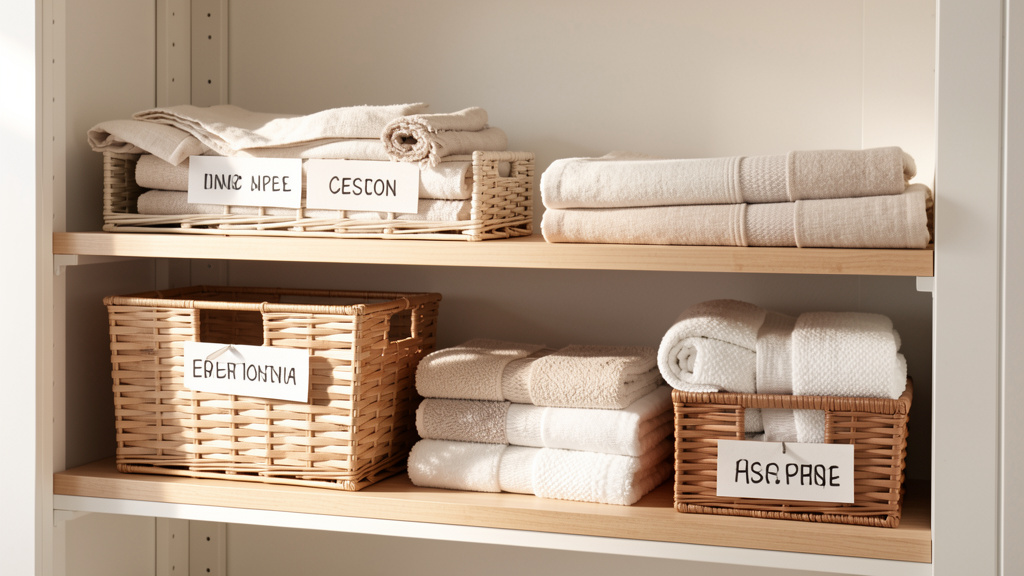
A room-by-room, psychology-informed system to maximize storage in any home—starting with observation, not purchases.
Clutter reflects a mismatch between how we live and how our spaces are organized—not personal failing. You’ve likely tried quick fixes: stacking bins that gather dust, shoving items under beds, or buying organizers that don’t solve the root issue. True space maximization requires a thoughtful, adaptable system aligned with your daily rhythms, physical constraints, and household dynamics. This guide introduces the SPACE Framework: a structured yet flexible methodology grounded in environmental psychology and practical spatial design. Whether you live in a compact urban apartment, a multi-generational home, or a space with architectural quirks, you’ll learn to reclaim unused potential, reduce daily friction, and cultivate a home that feels intentionally spacious—regardless of square footage or budget.
Introduction: Why Storage Systems Succeed or Stall
Most storage advice begins with products, not principles. “Buy these baskets!” overlooks why items accumulate where they do. Environmental psychology highlights that disorganization often stems from misalignment between human behavior and spatial design. Where do keys naturally land after entering? Where does mail pool? These “clutter hotspots” offer neutral data—not judgment—about where current systems conflict with lived experience. Similarly, thoughtful storage harmonizes with a room’s flow, light patterns, structural features, and safety requirements rather than fighting them.
Consider a typical entryway: shoes scattered near the door, coats draped over chairs, mail spilling across surfaces. A product-focused fix might add a decorative tray. But without addressing the behavioral pattern (the transition from outside to inside), the tray overflows, and hooks remain unused because they’re installed too high for children. Sustainable organization begins with observation. Spend a few days noting where items accumulate and why. Is the kitchen counter buried after dinner because dish storage is across the room? Does the linen closet overflow because towels lack designated zones? These patterns form the blueprint for solutions that endure.
This guide moves deliberately from insight to action. The SPACE Framework offers a phased, repeatable process used by professionals to create storage systems that adapt to real life. You’ll learn to survey spaces with precision, prioritize possessions using usage patterns, assign zones aligned with daily activity, select solutions matching your constraints, and build in flexibility for change. We address room-specific complexities, dismantle common myths (“You must declutter first!”), and provide adaptable strategies for tight budgets, rental limitations, awkward architecture, multi-person households, and evolving needs. By the end, you’ll possess not just more physical space, but a resilient system that reduces decision fatigue and supports your life with quiet intention.
The SPACE Framework: A Phased Path to Sustainable Organization
The SPACE Framework delivers a logical, scalable methodology. Each phase builds intentionally on the last. Skipping steps—like purchasing shelves before measuring constraints or assigning zones before auditing usage—often leads to frustration. This sequence has been refined through practical application across diverse living environments. Proceed at your own pace; depth matters more than speed.
Step 1: Survey Your Space and Stuff
Begin as a neutral observer. This dual-track audit—documenting physical dimensions and inventorying possessions—creates the objective foundation your entire system relies on. Rushing this phase is a frequent cause of organizational drift. Precision here prevents misaligned solutions later.
Why this step matters: You cannot optimize what you do not understand. A thorough survey reveals hidden opportunities (the narrow gap beside the refrigerator suitable for slim storage) and critical constraints (a radiator occupying closet depth, a slanted ceiling limiting attic access). It transforms subjective frustration (“This closet feels too small!”) into actionable data (“This closet offers approximately 14 cubic feet of usable volume”).
Conducting a practical space audit:
– Measure thoughtfully: Use a tape measure or free floor-planning app. Record wall lengths, ceiling heights (check corners—older homes may vary), door/window placements, and obstacle locations (outlets, vents, baseboard heaters). Sketch a simple floor plan. Note architectural features: alcoves, columns, window seats, stairwell voids. For closets, measure interior depth, shelf depths, rod heights, and floor clearance. Don’t overlook “negative space”: under stairs, above cabinets, inside cabinet doors, vertical wall planes.
– Assess environmental factors: Note sunlight exposure over a day (will stored items fade near this window?). In basements or garages, observe humidity—condensation on cold surfaces suggests moisture concerns requiring protective storage. Watch traffic flow: stand in doorways and note natural movement paths. Will a new unit create a bottleneck? Photograph spaces at different times to document light and shadow patterns affecting visibility.
– Identify structural and safety considerations: Locate load-bearing walls if possible (typically exterior or central walls; original blueprints help). Always verify stud locations and avoid drilling near electrical wiring or plumbing without confirmation. Note required clearances per safety guidelines: unobstructed access around water heaters and electrical panels, clearance in front of toilets, non-combustible storage near furnace areas. In seismic zones, plan to anchor tall furniture securely.
Inventorying possessions objectively:
– Categorize broadly first: Group items into master categories without judgment: Clothing, Kitchenware, Documents, Media, Sports Equipment, Seasonal Decor. Avoid deep sub-categorizing initially—focus on volume and patterns.
– Quantify gently: Count items where helpful. How many coffee mugs serve your household? How many nearly identical food containers reside in the cabinet? This reveals accumulation patterns invisible during daily use. Jot notes in a notebook or digital document.
– Document friction points neutrally: As you handle items, note why they cause difficulty. Example: “Winter scarves tangled on single rod—takes time to find matching set.” “Birthday candles buried under baking sheets—requires unloading to access.” Use neutral language: “This location creates retrieval difficulty” rather than self-criticism.
Common surveying pitfalls to avoid:
– Pitfall: Measuring only visible dimensions. Solution: Measure shelf interior depths, not just cabinet exteriors. Check ceiling height in corners. Measure clearance under beds with a ruler—many offer usable space.
– Pitfall: Conducting inventory while emotionally charged. Solution: Approach as pure data collection. Save decluttering decisions for Step 2. If an item triggers strong emotion, note “Review later” and continue.
– Pitfall: Ignoring human factors. Solution: Note household member heights. A shelf at 72 inches may be inaccessible to children or those with mobility considerations. Measure micro-spaces: behind the toilet tank, beside appliances.
Illustrative application: A household in a historic home noted a triangular void beneath the staircase dismissed as “useless.” Precise measurements revealed usable depth tapering from 24 to 8 inches with 78 inches of height. Pain point documented: “Canned goods stored inconveniently in garage.” This data supported commissioning a custom pull-out unit (via local craftsperson or adaptable modular solution), transforming dead space into accessible kitchen-adjacent storage. The survey turned perceived limitation into strategic asset.
Accessible surveying alternatives:
– No tape measure? Use string to mark dimensions, then measure the string against a known object (standard paper = 11 inches).
– No app? Graph paper (¼-inch grid) works: one square = one foot. Trace room outlines using measurements.
– Humidity check? Place ice water in a glass in the area. Condensation forming on the outside within minutes suggests elevated humidity—opt for moisture-resistant storage solutions.
The Fundamental Principle: Precision in observation eliminates misaligned solutions, reveals hidden potential, and transforms frustration into a clear, actionable blueprint.
Step 2: Prioritize by Frequency and Function
With survey data in hand, apply behavioral awareness to categorize possessions. Not all items warrant equal spatial investment. This step aligns storage effort with actual usage patterns, reducing daily friction and decision fatigue.
Why this step matters: Effective storage minimizes effort for daily essentials and thoughtfully accommodates rarely used items. Placing seasonal gear in prime closet space wastes accessible real estate; burying your daily coffee maker behind seldom-used appliances adds unnecessary steps each morning. Research in habit formation suggests that reducing retrieval steps for frequently used items supports consistent system use. Prioritization isn’t about judgment—it’s about designing intentional friction (making impulse-access harder) and eliminating it where needed (daily essentials).
The Frequency & Function Matrix: Create a simple four-zone grid. Assign items based on observed usage. Use your survey notes as evidence.
| Zone | Usage Pattern | Spatial Priority | Access Principle | Example Items |
|---|---|---|---|---|
| Zone A: Daily Essentials | Used multiple times daily or every day | Highest priority | Zero-friction access: Open shelves, eye-level hooks, top drawers, designated counter spots | Keys, phone charger, work bag, frequently worn shoes, cooking oils, daily medications |
| Zone B: Weekly Routine | Used several times per week | Secondary priority | Low-friction access: One action required (open cabinet, pull drawer) | Mixing bowls, formal shoes, board games, vacuum cleaner, laundry supplies |
| Zone C: Seasonal/Rare | Used monthly, seasonally, or a few times yearly | Tertiary priority | Moderate friction acceptable: Higher shelves, labeled bins requiring retrieval effort | Holiday decorations, guest linens, camping gear, off-season clothing, archived documents |
| Zone D: Dormant/Obsolete | Unused for over a year; broken; duplicates; expired | No dedicated home storage | Remove: Donate, recycle, responsibly discard, or off-site storage | Expired medications, broken items beyond repair, unused duplicates, clothing unworn for years |
Implementing prioritization effectively:
1. Assign zones using evidence: Refer to survey friction notes. “Birthday candles buried under baking sheets” indicates candles belong in Zone B (used seasonally) but were stored with Zone B baking sheets—creating friction. Solution: Dedicate a small, accessible Zone B container specifically for candles/lighters.
2. Track ambiguous items: For uncertain usage (e.g., “Do I really use this appliance?”), place a small sticky note on the item. Initial and date each use. After 30 days, the data clarifies its true zone.
3. Apply “function clustering”: Group items used together, even if individual frequencies vary slightly. Store wrapping paper, tape, scissors, and gift tags as a single “Gift Wrapping Cluster.” Assign the cluster to the zone of the most frequently accessed component (likely tape/scissors = Zone B). This prevents hunting for scattered components.
4. Factor in weight and safety: Heavy items (cookbooks, toolboxes) belong at waist-to-knee height in Zone B or C. Never store heavy items above shoulder height. Light, bulky items (pillows, comforters) suit high Zone C storage.
Common prioritization pitfalls to avoid:
– Pitfall: Sentimental bias overriding usage data. Solution: Acknowledge emotional significance without letting it dictate prime spatial allocation. A wedding album viewed annually belongs respectfully in Zone C, not occupying a bedside table in Zone A. Designate a specific “Memory Zone” within Zone C for curated sentimental items.
– Pitfall: Overestimating future utility (“I might use this someday”). Solution: Apply the “Realistic Next Use” test: “When did I last use this? When will I realistically use it next, and for what specific purpose?” Vague or distant answers suggest Zone C or D.
– Pitfall: Ignoring household variations. Solution: Note usage patterns per person. A child’s daily backpack belongs in Zone A at their height. A partner’s running shoes used daily need Zone A access near their exit point.
Illustrative application: A freelance creative stored primary camera gear in a basement closet. Each morning required 3–5 minutes retrieving equipment, occasionally leading to forgotten items. Usage logging confirmed daily access. Relocating gear to a dedicated shelf beside the home office desk (Zone A) reduced retrieval to seconds. The freed basement space accommodated rarely used backdrop stands (Zone C). The adjustment reduced morning stress and supported workflow consistency.
Accessible prioritization tools:
– Color-coded labeling: Use painter’s tape or stickers during transition: Red = Zone A, Blue = Zone B, Green = Zone C, Yellow = Zone D. Low cost, high visual clarity.
– Digital tracking: A simple note in your phone titled “Storage Zones” with bullet points per room. Update as zones are assigned.
– The “One Week Test”: Place questionable items in a designated “Review” box. If untouched after seven days, contents likely belong in Zone C or D.
Insight: This step significantly reduces daily cognitive load. When every item has a designated zone based on usage, you eliminate the mental tax of “Where should this go?” The system operates intuitively, conserving energy for meaningful decisions.
Step 3: Assign Zones with Intention
With priorities defined, map zones to precise physical locations. This phase integrates spatial flow, activity-based design, and ergonomic awareness. Zones should align with natural movement patterns to minimize unnecessary steps and prevent new clutter hotspots. Intentional assignment transforms categories into lived experience.
Why this step matters: Poor zone assignment creates “friction loops”—extra steps that undermine consistency. Storing recycling bins in the garage when kitchen waste is generated guarantees counter accumulation. Placing children’s art supplies on a high shelf requires adult assistance for every use, discouraging independence and leading to items left out. Thoughtful zoning creates intuitive pathways where putting items away feels effortless. It also respects room purpose: a bedroom optimized for rest benefits from minimizing visual clutter of work materials.
The Zone Assignment Protocol:
1. Identify core activity hubs per room: Where does cooking actually happen? (Prep area, cleanup sink). Where does the family naturally gather? Where do transitions occur (entering/exiting)? Map these on your floor plan sketch.
2. Place Zone A items within the activity hub: Daily coffee mugs belong near the coffee maker, not across the kitchen. Keys and wallets need a “landing strip” immediately inside the most-used entry door. Next-day clothing should be accessible from the bedroom without crossing into another room.
3. Create dedicated transition zones: Entryways benefit from a “launch pad”: a bench for shoe removal (Zone A for daily shoes), hooks at varying heights for bags/coats (Zone A), a small tray for keys/wallets (Zone A), and a bin for outgoing mail/library books (Zone B).
4. Respect room purpose and psychological impact: Avoid storing non-essential items in high-focus or restorative areas. Office supplies in the bedroom may subconsciously increase mental load; sports equipment in the living room creates visual noise. Store items where their use occurs.
5. Design inclusively: Adjust shelf heights and hook placements. A child’s Zone A items (backpack, lunchbox) must be accessible at their height. Consider mobility needs—pull-out shelves benefit those who cannot bend deeply.
Room-by-room zone assignment guidance:
-
Kitchen:
- Zone A: Utensils beside cooktop; daily dishes near dishwasher; coffee station (if used daily); cooking oils/spices within arm’s reach of stove; trash/recycling under prep sink.
- Zone B: Baking sheets near oven; mixing bowls near prep area; small appliances used weekly (blender) on lower shelves or in appliance garage.
- Zone C: Holiday platters on high pantry shelves; specialty bakeware in labeled bin; extra serving dishes.
- Tip: Store pots/pans under the stove they’re used with. Keep cutting boards near prep area.
-
Bedroom:
- Zone A: Next-day clothing on accessible hook; bedtime book/lamp on nightstand; phone charger; frequently worn jewelry in top drawer.
- Zone B: Off-season clothing in under-bed storage; extra bedding in closet shelf; workout clothes if used daily.
- Zone C: Memorabilia on top closet shelf (acid-free box); formal wear worn infrequently.
- Consideration: If work materials disrupt rest, create a dedicated “work zone” elsewhere. Zone assignment supports well-being.
-
Bathroom:
- Zone A: Daily toiletries in easy-reach drawer or caddy; hand soap by sink; daily-use hair tools on heat-resistant mat.
- Zone B: Extra toilet paper under sink; backup shampoo; first-aid kit (if accessed weekly).
- Zone C: Guest towels on high shelf; deep-cleaning supplies; infrequently used appliances.
- Safety Note: Store medications and sharp objects securely if children are present. Zone assignment must prioritize safety.
-
Garage/Basement (Utility Zones):
- Zone B: Gardening tools near exterior door used for garden access; sports equipment by garage door; vacuum near main living area entrance.
- Zone C: Holiday decorations on labeled, sturdy shelves away from heat sources; seasonal clothing in climate-appropriate bins; luggage on high shelves.
- Non-Negotiable: Maintain clear pathways to vehicles, exits, and utility equipment (water heater, electrical panel). Create a dedicated “Donation Station” bin (Zone D pending) near the exit.
Common zone assignment pitfalls to avoid:
– Pitfall: Centralizing all storage in one “junk room.” Solution: Distribute zones logically. Pet food and leashes belong near the back door (Zone A for daily walks), not in a distant hall closet. This prevents the “I’ll put it away later” pile.
– Pitfall: Ignoring vertical sightlines and ergonomics. Solution: Place frequently retrieved items between knee and shoulder height. Reserve above-shoulder space for lightweight Zone C items. Use step stools only for Zone C access.
– Pitfall: Overlooking micro-zones within furniture. Solution: Divide deep drawers with inserts. Front third = Zone A (daily socks); back two-thirds = Zone B (workout socks). Use shelf dividers in closets to separate current season (Zone A) from off-season (Zone B).
Illustrative application: A family of four faced chaotic mornings: backpacks under beds, lunches assembled last-minute, shoes hunted room-to-room. They created a dedicated “Morning Launch Pad” in their entryway mudroom: a bench with cubbies (Zone A for each child’s daily shoes), hooks at child height (Zone A for backpacks/coats), a wall-mounted clipboard (Zone B for lunch menus), and a basket for outgoing library books (Zone B). Previously scattered items had intuitive, accessible homes. Morning transitions became smoother because zones were assigned where the activity occurred, not merely where space was available.
Accessible zone assignment strategies:
– Repurpose existing furniture: A bookshelf can become a room divider in a studio, creating distinct zones. A vintage trunk at the foot of the bed serves as Zone B storage and a surface for Zone A next-day clothing.
– Visual cues over construction: Use colored tape on shelves to mark zone sections. Place a small rug to define a “shoe removal zone” by the door.
– Rental-friendly solutions: Heavy-duty adhesive hooks (tested for weight) for lightweight Zone A items (keys, hats) on entryway walls. Remove cleanly with heat per manufacturer instructions.
Adaptable technique: Visual Feedback Systems
Adapted from organizational practices, this involves creating clear visual cues for item placement. Trace utensil outlines on shelf liner inside a drawer; outline children’s toys on bin liners. When an item is missing, the “shadow” provides instant feedback. This supports maintenance, especially for children learning organization, without requiring complex systems.
Step 4: Choose Solutions Strategically
Only now—after surveying, prioritizing, and assigning zones—select storage solutions. This sequence prevents the common error of buying organizers that don’t fit your space, needs, or behavioral patterns. Solution selection is tiered, matching investment to documented need. The most expensive option is rarely the most effective.
Why this step matters: A solution misaligned with your zone map creates new friction. Deep bins in a shallow closet waste space. Complex shelving requiring advanced DIY skills may lead to abandoned projects. Strategic selection ensures every resource invested delivers functional return, aligned with your constraints (budget, skills, rental rules, dimensions).
Tier 1: Spatial Optimization (No Cost to Very Low Cost)
Focus: Reconfiguring existing space and possessions before purchasing.
– Decluttering as spatial creation: Removing Zone D items is foundational. Host a neighborhood swap, schedule donation pickup, or responsibly recycle. This step literally creates usable space.
– Furniture reconfiguration: Shift existing bookshelves to create a closet zone in a bedroom corner. Turn a desk to free wall space for vertical storage. Float a sofa away from the wall to utilize previously hidden space for slim bins.
– Vertical expansion with existing items: Stack sturdy ottomans. Place a small bookshelf on top of a dresser (secure to wall if top-heavy) for Zone C storage. Utilize full closet height by adding a tension rod below the main rod for shorter items, increasing hanging capacity.
– Multi-functional furniture assessment: Identify hidden potential. Does your coffee table have a lower shelf? Perfect for Zone B magazines. Is your bed frame high enough for under-bed storage? Slide existing bins underneath.
Tier 2: Targeted Purchases (Moderate Investment)
Focus: Solving specific, documented problems from your survey and zone map.
– Modular systems: Closet systems (e.g., adjustable shelving units) or garage slatwall/pegboard. Critical: Take precise measurements to the store. Choose components matching your zone assignments (e.g., more hanging space for Zone A clothing).
– Containers with purpose: Select based on zone and location:
– Zone A (Daily): Open bins, trays, or shallow drawers for visibility and instant access. Avoid lids.
– Zone B (Weekly): Lidded bins for dust protection; choose front-opening or flip-top designs for easier access. Uniform sizes stack efficiently.
– Zone C (Seasonal): Clear, sturdy plastic bins with secure latches (rodent/insect resistance). Label thoroughly (contents, room, date last accessed). Opaque bins acceptable if stored out of sight.
– Material considerations: Plastic bins for humid areas (basement, garage); woven seagrass or fabric bins for living areas (aesthetically pleasing); glass jars for pantry Zone B items (visibility, pest deterrence).
– Specialty hardware for micro-spaces: Over-door organizers (pantry spices, bathroom toiletries, closet shoes). Under-shelf baskets to add storage within existing cabinets. Tension rods used vertically inside cabinets as dividers. Adhesive hooks (rental-friendly) for Zone A keys, hats, or reusable bags.
Tier 3: Custom Solutions (Higher Investment)
Focus: Addressing unique architectural features or high-value, long-term needs.
– Built-ins: Bookshelves flanking a fireplace utilizing dead space. Window seat with lift-up lid storage for Zone C linens or Zone B board games. Custom closet systems designed for specific wardrobe needs. Consult professionals for structural modifications or precision work.
– Professional installation: For complex garage cabinets, pantry pull-outs, or attic flooring over joists. Ensure contractors work from your zone map. Verify licenses, insurance, and obtain multiple quotes.
Choosing solutions aligned with your context:
1. Match solution to zone requirements: Zone A demands speed and visibility (open shelves, hooks). Zone C prioritizes density and protection (stackable bins, closed cabinets). Avoid deep bins for Zone A items—they defeat easy access.
2. Prioritize ergonomics and safety: Pull-down shelves for high cabinets. Lazy Susans for corner cabinets. Anchor all tall units (bookshelves, cabinets) to wall studs, especially in homes with children or in seismic zones. Verify weight limits on adhesive hooks and shelves.
3. Material selection matters:
– Humidity: Basements/garages require plastic bins; avoid cardboard. Consider silica gel packs inside bins for extra moisture control.
– Durability: High-traffic areas need robust materials—powder-coated steel shelving, heavy-duty plastic bins. Avoid flimsy wire racks.
– Aesthetics: In living spaces, choose containers complementing your decor. Woven baskets hide visual clutter. Uniform colors (all white bins) create visual calm. Function leads; aesthetics follow.
4. Measure twice, purchase once: Take survey measurements and a photo of the space when shopping. Test-fit bins on shelves. Check clearance heights for doors and drawers. Verify assembly requirements match your skill level and available tools.
Common solution selection pitfalls to avoid:
– Pitfall: Buying organizers before decluttering (removing Zone D items). Solution: Empty the space completely first. You will likely need fewer containers. Decluttering is the foundational organizational step.
– Pitfall: Underestimating assembly time, skill, or tool requirements. Solution: Read full assembly instructions before purchasing. Be honest about time, tools, and interest. If complex assembly feels daunting, choose pre-assembled or simpler solutions.
– Pitfall: Prioritizing aesthetics over function. Solution: A beautiful ceramic vase is impractical for storing Zone A pens if too deep to see contents. Choose the most functional solution you can also live with visually.
– Pitfall: Ignoring scalability. Solution: Choose modular systems where possible. Can bin sizes be standardized for future reconfiguration? Avoid “one-off” solutions that can’t adapt.
Illustrative application: A narrow hallway closet (24 inches deep) perpetually stuffed with coats created a daily bottleneck. Survey noted the closet rod was at standard height, leaving unused vertical space below. Zone assignment confirmed coats were Zone A (used daily). Solution: Installed a second tension rod 28 inches below the existing rod. Cost: under $15. Time: under 10 minutes. Result: Doubled hanging capacity. Lower rod held children’s coats and lighter jackets; upper rod held adult winter coats. No drilling, no new bins. The solution succeeded because it addressed the documented space constraint and zone priority.
Budget-conscious sourcing guidance:
– Under $20: Tension rods (multiple uses), adhesive hooks (rental-safe), dollar-store bins for small items, binder clips to corral cords, magazine holders for files or cutting boards.
– $20–$100: Over-door organizers, modular cube storage units, shelf dividers, under-bed storage bags (vacuum-sealed for seasonal clothing), pegboard with hooks.
– $100–$500: Prefabricated closet systems (measure carefully!), heavy-duty garage shelving, slide-out pantry shelves, quality label maker.
– Thrifty sourcing: Check local buy-nothing groups, marketplace apps, or Habitat for Humanity ReStores before buying new. Many sell barely used systems or bins after moves. Inspect used items for stability and cleanliness.
Sustainability note: Repurposing is powerful organization. Glass pasta sauce jars become perfect Zone B pantry containers (add chalkboard labels). Old suitcases store off-season clothing under the bed. Wine crates create rustic shelving for Zone C books or Zone B craft supplies. This reduces waste, saves money, and adds unique character.
Step 5: Evaluate and Evolve
A storage system is a living ecosystem, not a one-time project. Life evolves—new hobbies, remote work shifts, growing families, health changes—and your system must adapt. This phase builds resilience through compassionate, scheduled reflection.
Why this step matters: Organizational systems require maintenance to remain effective. Scheduled evaluation transforms your system from fragile to adaptable—gaining strength through minor adjustments. It replaces pressure for “perfection” with compassionate iteration. Evolution is intelligent design responding to reality.
The Evaluation & Evolution Protocol:
1. Daily Micro-Check (30 seconds): As you leave a room, do a “zone scan.” Are Zone A items in place? Spend 30 seconds resetting one item. Prevents small drifts from becoming clutter avalanches. Example: Before bed, ensure keys are in the entryway tray.
2. Weekly Reset (10 minutes): Dedicate brief time weekly to review. Walk through rooms. Ask: “Did any new friction points emerge? Did any zone assignment feel frustrating?” Adjust one small thing. Example: “The recycling bin filled quickly—move it closer to the sink.”
3. Quarterly Deep Review (60 minutes): Schedule on your calendar. Revisit your Frequency Matrix (Step 2). Has usage changed? That appliance used daily now might have been Zone B last quarter. Adjust zones. Purge newly identified Zone D items. Refresh labels. Solicit feedback: “What’s one thing working well? One friction point we can solve?”
4. Annual System Reset (Half-day): Align with seasonal transitions. Conduct a mini-survey: Re-measure if furniture changed. Audit possessions. Purge aggressively—donate unused gifts, recycle outdated documents. Celebrate wins: “Finding holiday decorations is effortless now!”
Troubleshooting common evolution challenges:
– Challenge: “The system feels too complicated to maintain.” Solution: Simplify immediately. Merge Zone B and Zone C if distinctions blur. Reduce bin count. Ask: “What is the minimum structure needed?” Complexity hinders consistency.
– Challenge: “We keep reverting to old habits (e.g., dropping mail on the counter).” Solution: Strengthen visual cues. Place a brightly colored tray exactly where mail lands. Involve the household in designing the cue. Make the desired behavior easier than the old habit.
– Challenge: “We acquired more stuff (new baby, hobby, work-from-home).” Solution: Implement a “One In, One Out” guideline for non-essentials. Before buying a new kitchen item, identify an old one to donate. For necessary additions (baby gear), immediately reassess zones: “Where does this new essential belong? What Zone C item can shift to make space?”
– Challenge: “Different household members use zones differently.” Solution: Co-create solutions. Hold a brief meeting. Use the zone map: “Where would be easiest for you to access art supplies?” Customize within the framework. A child might need picture labels; a partner might prefer a different bin color. Flexibility within structure fosters buy-in.
Illustrative application: After welcoming a second child, a family noticed system strain. Baby gear infiltrated living areas. During their quarterly review, they identified a need for a Zone A “Diaper Station” accessible from both nursery and main living area. They repurposed a narrow console table in the hallway (previously unused) with a changing pad top, organized drawers for diapers/wipes (Zone A), and a small bin for soiled clothes (Zone B). This micro-zone prevented constant trips to the nursery, reduced parental stress, and kept living areas clear. They evolved their system around the new reality without overhauling the entire home. Scheduled evaluation caught the friction early.
Cultivating the Evolution Mindset:
View your system with compassionate curiosity, not judgment. When an item ends up out of place, ask “Why?” not “Who messed up?” Perhaps the zone assignment was unrealistic. Perhaps the bin is hard to open. Frame adjustments as experiments: “Let’s try moving the charging station to the bedroom for one week.” Celebrate small wins relentlessly. Did the entryway stay clear for three days? Acknowledge it. Progress, not perfection, is the metric of success. This mindset reduces shame and builds sustainable habits.
The Fundamental Principle: A storage system’s true success is measured not at launch, but months and years later. Build in scheduled reflection, embrace necessary adaptation, and your system will serve you through every chapter of life.
Room-by-Room Deep Dive: Applying SPACE to Every Area of Your Home
The SPACE Framework provides the universal methodology; this section delivers contextual application. Each room presents unique spatial challenges, behavioral patterns, and psychological needs. We move beyond generic advice to precise, actionable strategies grounded in the five SPACE phases. Implement these as standalone projects or integrate them into your full-home rollout.
The Kitchen: The Heart of the Home, Engine of Efficiency
Kitchens accumulate clutter rapidly due to high item volume, frequent use cycles, and emotional significance. Chaos here impacts daily well-being profoundly. Apply SPACE with precision.
Survey Insights Specific to Kitchens:
– Measure interior cabinet and drawer dimensions. Note awkward corners, deep lower cabinets, and unused vertical space above upper cabinets.
– Track your personal “work triangle” for a few days: Where do you actually prep food? Where is cleanup done? Map the path between sink, prep area, stove, and refrigerator. Store items along this path.
– Document friction points: “Spices buried behind canned goods—takes time to find.” “Plastic containers mismatched; lids lost.” “Mail piles on counter with no drop zone.”
Priority & Zone Assignment Nuances:
– Zone A (Daily): Within the work triangle. Cooking oils, frequently used spices, cutting boards, primary knives, daily dishes/glasses, coffee/tea station. Store pots/pans under the stove they’re used with. Keep trash/recycling bin under prep sink.
– Zone B (Weekly): Baking sheets, mixing bowls, serving platters, small appliances used weekly, backup pantry staples. Store near prep area.
– Zone C (Seasonal): Holiday platters, specialty bakeware, duplicate serving dishes. Store on highest shelves or less accessible pantry areas.
– Special Consideration – The “Utility Drawer”: Often called the “junk drawer,” this typically holds Zone B items used weekly but not daily: tape, scissors, batteries. Assign it intentionally. Use drawer dividers. Label sections. Purge obsolete items monthly.
Solution Strategies for Common Kitchen Challenges:
– Corner Cabinets:
– Ideal: Install a lazy Susan (turntable) or pull-out carousel system. Maximizes access.
– Budget: Use tiered shelf organizers to bring back items forward. Place less frequently used items on lower tier; frequently used spices on upper tier.
– Adaptable: Assign corner cabinet strictly to one Zone C category (e.g., “Holiday Serving Dishes”) and accept limited access. Better than chaotic storage.
– Drawer Organization:
– Ideal: Custom drawer inserts sized for utensils, cutlery.
– Budget: DIY with cardboard dividers or adjustable bamboo inserts. Assign zones within the drawer: Front = Zone A (spatulas); Middle = Zone B (thermometers); Back = Zone C (specialty tools).
– Tip: Store knives safely in a dedicated insert.
– Pantry Optimization:
– Ideal: Adjustable shelving. Uniform, square containers (fit more efficiently than round). Label with contents and date. Zone vertically: Snacks at child height (Zone A for them), canned goods below (Zone B), bulk items above (Zone C).
– Budget: Repurpose clean glass jars for dry goods. Use chalkboard labels. Install over-door organizers for spices.
– Critical: Implement FIFO (First-In, First-Out). Place new groceries behind existing items to reduce waste.
– Small Kitchen / No Pantry: Dedicate an adjacent closet. Install simple shelving. Label zones clearly. Add a rod inside the door for hanging aprons. Transform dead space. Use a rolling cart (Zone B for appliances) that tucks under counter.
– Under-Sink Storage: Use tension rods horizontally to create shelves for spray bottles. Hang a small caddy on the cabinet door for sponges (Zone B). Store hazardous cleaners securely if children are present.
Friction Point Addressed: “I have no counter space left.”
Solution: Audit counter items ruthlessly. Only true Zone A items used multiple times daily earn counter space (coffee maker, knife block). Everything else moves to nearby cabinets (Zone B). Install wall-mounted racks for frequently used pots/pans. Use vertical space: magnetic strip for knives, hanging rack for mugs. Clear counters visually expand the room and reduce cleaning time.
Illustrative Example: A homeowner transformed a compact galley kitchen. Survey revealed deep base cabinets were underutilized. Installed pre-made slide-out shelf kits in two lower cabinets. Pots, pans, and baking sheets now slide forward effortlessly. Added a narrow magnetic knife strip to the backsplash. Zone assignment ensured daily spices lived in a turntable on the counter (Zone A), while bulk spices went to a labeled bin in the pantry (Zone B). The kitchen feels larger, functions efficiently, and cleanup is streamlined. Investment paid dividends in daily ease.
The Closet: Beyond the Hanger—Maximizing Vertical Real Estate
Closets are frequently underutilized, often limited to a single rod and shelf. They represent prime vertical real estate awaiting strategic development. Apply SPACE to transform them into efficient systems.
Survey Insights Specific to Closets:
– Measure interior depth, width, and height at multiple points (ceilings may slope). Note rod height and shelf depth. Is space wasted below or above the rod?
– Check lighting thoroughly. Stand inside with the door closed. Are corners dark? Poor lighting leads to forgotten items.
– Document friction points: “Shoes piled on floor—can’t see pairs.” “Belts tangled.” “Off-season clothes buried.”
Priority & Zone Assignment Nuances:
– Zone A (Current Season): Primary hanging space at optimal height (shirt length determines rod height—typically 42 inches from floor for shirts). Group by type and color for quick matching. Folded sweaters on shelves at eye level.
– Zone B (Off-Season / Weekly): Secondary hanging space (using double rods) or vacuum-sealed bags on top shelf. Shoes worn weekly. Accessories used regularly.
– Zone C (Rarely Used): Top shelf for memorabilia (wedding dress in acid-free box), formal wear worn infrequently, luggage. Store in breathable garment bags or acid-free boxes to prevent damage.
– Zone A for Accessories: Dedicate specific zones: Belts on hooks or a belt hanger; scarves on hangers with clips; jewelry in a divided tray.
Solution Strategies for Common Closet Challenges:
– Maximizing Hanging Space:
– Ideal: Install a second tension rod below the main rod. Creates two levels: Upper for dresses/long items; lower for shirts/pants. Doubles capacity instantly.
– Budget: Replace bulky hangers with slim, non-slip hangers. Saves space per garment—adds significant capacity in a full closet.
– Tip: Hang all clothes facing the same direction. When worn, return facing opposite way. After several months, consider donating items still facing original direction (unused).
– Shoe Storage:
– Zone A (Daily Wear): Over-door organizer with clear pockets. Allows visibility and quick access. Place at appropriate height.
– Zone B (Seasonal/Weekly): Clear, stackable shoe boxes with photo of shoe taped to front. Store on closet floor or shelf. Prevents scuffs.
– Heeled Shoes: Store upright in original boxes with photo label to prevent deformation.
– Small Closet Hack (Under 4 feet wide):
– Remove the closet rod. Install adjustable shelving floor to ceiling. Use shelf dividers to create cubbies for folded clothing. Adds significant storage. Use top shelf for Zone C items.
– Add a full-length mirror on the inside of the door—functional and makes space feel larger.
– Lighting Upgrade:
– Ideal: Hardwired LED closet light with motion sensor.
– Budget/Rental: Battery-operated LED stick-on lights. Place one at the top to illuminate the space, one focused on the shoe area. Eliminates dark corners.
– Tip: Choose warm white light (2700K-3000K) for accurate color rendering.
Friction Point Addressed: “My closet has a weird shape (slanted ceiling, column, alcove).”
Solution: Work with the architecture. For a slanted ceiling: Install low shelves (12-18 inches deep) along the angled wall for shoes or folded sweaters. Use the space below for a small bench with storage. For a column: Wrap with custom-cut shelving (consult a woodworker) or use as a room divider. For an alcove: Perfect for a built-in desk or dedicated shoe storage. Search “awkward closet storage” for visual inspiration tailored to your layout. Custom solutions exist for nearly every configuration.
Illustrative Example: A standard reach-in closet perpetually overflowed. Survey showed rod height left unused space below. Installed a second tension rod 28 inches below the main rod. Zone A shirts/pants hung on lower rod; dresses/coats on upper rod. Added slim hangers throughout, gaining space for additional garments. A simple over-door organizer held daily shoes (Zone A). Shelf dividers organized folded sweaters. Total cost: under $30. Time: under 30 minutes. The closet now holds the entire wardrobe with room to spare, and finding items is instantaneous. The solution succeeded because it addressed the specific spatial constraint documented in the survey.
The Garage: Taming the Final Frontier—Safety, Zones, and Systems
Garages often become dumping grounds due to poor initial design and lack of intentional systems. They present unique challenges: vehicle storage, environmental exposure, safety considerations, and vast unused vertical space. A SPACE approach transforms chaos into controlled utility.
Survey Insights Specific to Garages:
– Map vehicle parking FIRST. Park cars in usual spots. Trace the outline on the floor with painter’s tape. Never compromise this footprint. All storage exists outside this zone.
– Note critical infrastructure: Electrical panel (require clear access per safety guidelines), water heater/furnace (follow manufacturer clearance guidelines), garage door opener mechanism, ceiling joists (for overhead storage mounting points).
– Assess floor condition: Cracks? Slope? Affects stability of freestanding shelving. Note locations of electrical outlets and water sources.
– Document friction points: “Gardening tools leaning against wall—fall over.” “Holiday decorations buried.” “Can’t find the ladder.”
Priority & Zone Assignment Nuances (Safety First):
– Zone B (Frequently Used Tools/Equipment): Near point of use. Gardening tools near the exterior door used for garden access. Sports equipment near the garage door used for exit. Workshop tools near the workbench area.
– Zone C (Seasonal/Infrequent): Holiday decorations, camping gear, luggage. Store on labeled, sturdy shelves away from heat sources and direct sunlight. Overhead storage is ideal for lightweight Zone C items.
– Critical Non-Negotiable Zones:
– Clear Pathways: Maintain wide pathways to vehicles, exits, and utility equipment. Mark with floor tape if helpful.
– Donation Station: A dedicated, visible bin (Zone D pending) near the garage exit. Makes removing clutter effortless.
– Hazardous Materials: Store paints, chemicals, pesticides in a locked, well-ventilated cabinet, clearly labeled, away from living areas and ignition sources. Check local regulations for disposal.
Solution Strategies for Common Garage Challenges:
– Wall-Mounted Systems (Maximize Floor Space):
– Ideal: Slatwall panels covering one or more walls. Hooks, shelves, and bins are fully adjustable. Extremely durable.
– Budget: Pegboard (½-inch thick minimum for stability). Outline tool shapes with a marker (“shadow boarding”) for instant visual inventory. Use heavy-duty hooks rated for tool weight.
– Tip: Paint pegboard a light color to improve visibility.
– Overhead Storage (Utilize Vertical Space):
– Ideal: Ceiling-mounted rack system installed into ceiling joists. Use for lightweight Zone C items: luggage, holiday decor bins. Ensure clearance below for garage door operation.
– Budget: Install sturdy shelves high on walls (secured to studs) for Zone C bins. Use a library ladder or sturdy step stool stored nearby for access.
– Critical Safety: Never store heavy items overhead. Verify weight capacity. Ensure items are securely contained to prevent falling.
– Floor Zones and Workbench:
– Dedicate a specific Zone B area for a workbench. Install pegboard above it for frequently used tools. Keep the bench surface clear except for current project.
– Use floor tape to mark parking spots, tool zones, and pathways. Creates visual order.
– Store long items (ladders, lumber) vertically in dedicated racks mounted to wall studs.
Safety and Compliance Considerations:
– Fire Safety: Store flammable liquids in approved safety cans, in a well-ventilated area away from ignition sources. Never store propane tanks inside the garage. Check local fire codes.
– Structural Integrity: Any wall-mounted system must be anchored into wall studs. Overhead racks must be mounted into ceiling joists. When uncertain, consult a professional. Safety outweighs cost savings.
– Accessibility: Ensure emergency exits and electrical panel access are never blocked. This supports safety and often aligns with local regulations.
Friction Point Addressed: “I park two cars—zero wall space available.”
Solution: Prioritize ceiling and narrow-side-wall storage. Install overhead racks on the side wall opposite the passenger side of the cars. Use narrow, deep shelves (12-inch depth) along side walls where cars don’t swing open. Focus on verticality: floor-to-ceiling shelving units in the very back corner (behind the rear car bumper), secured to wall studs. Utilize the inside of the garage door itself with specialized hooks for lightweight items like extension cords (ensure hooks don’t interfere with door operation). Every inch counts; measure meticulously.
Illustrative Example: A two-car garage was impassable; cars couldn’t be parked inside. They began with the survey: mapped car footprints, noted electrical panel location. Installed slatwall panels on the entire back wall. Zone B items found homes: garden tools on adjustable hooks near the side door, sports equipment on lower hooks accessible to kids, workshop tools above the workbench. Overhead racks (mounted to joists) stored Zone C holiday decorations in clear, labeled bins. Floor tape marked car parking spots and a clear pathway. Result: Both cars park inside comfortably. Finding tools takes seconds. The garage is now a functional extension of the home. The system succeeded because it started with spatial constraints (car footprint) and prioritized safety (clearances).
Small Spaces & Apartments: Maximizing Every Square Foot with Ingenuity
Studio apartments, micro-lofts, and compact urban dwellings demand heightened application of SPACE principles. The margin for error is smaller, but the rewards of intentional design are immense. Core philosophy shifts: think vertically, multi-functionally, transparently, and psychologically.
Core Philosophy for Small Spaces: Every object should earn its keep through function, emotional value, or both. Storage solutions must serve dual or triple purposes. Visual clutter has a magnified psychological impact—solutions must address both physical and visual organization. Illusion of space is as important as actual space.
Survey Insights Specific to Small Spaces:
– Measure ceiling height meticulously. Many older apartments have 9–10 foot ceilings—prime real estate for tall shelving. Note locations of radiators, baseboard heaters, or window units that limit furniture placement.
– Identify “dual-purpose zones”: Where does the dining table also serve as a desk? Where does the sofa become a guest bed? Map these transitions.
– Document sightlines: Sit on the sofa, lie in bed. What do you see? Clutter in visual fields feels more oppressive. Prioritize solutions that hide or minimize visual noise.
Priority & Zone Assignment Nuances:
– Zone A items must be accessible without moving furniture. If retrieving daily shoes requires shifting the bed, the zone assignment needs adjustment. Zone A belongs in the entryway or at the foot of the bed.
– Zone C items go high or under furniture. Utilize the full vertical plane. Top of closet = Zone C. Under-bed storage = Zone B/C (off-season clothing, extra bedding).
– Create “activity zones” within open plans: Use furniture arrangement and area rugs to define sleeping, living, and work areas. Assign storage zones within each activity zone. Work supplies stay in the work zone; bedtime books in the sleeping zone.
Solution Strategies for Common Small Space Challenges:
– Furniture with Integrated Storage:
– Bed: Platform bed with built-in drawers is ideal. If not possible, use under-bed storage bags (vacuum-sealed for clothing) or rolling bins that slide out easily. Critical: Ensure clearance under bed matches bin height.
– Sofa: Choose a model with lift-up storage compartment for blankets, pillows, or board games (Zone B).
– Ottoman: Doubles as coffee table, extra seating, and storage for Zone B items (magazines, remotes).
– Nesting Tables: Provide surface area when needed, tuck away when not. Superior to a single large coffee table.
– Vertical Solutions:
– Floor-to-Ceiling Shelving: A tall bookshelf (secured to wall) serves as room divider and storage. Style the front-facing side aesthetically; use the back for functional storage.
– Over-Door Organizers: Use on bedroom or bathroom doors for shoes, cleaning supplies, or pantry overflow.
– Wall-Mounted Desks: Fold-down desks free up floor space when not in use. Install shelves above for office supplies (Zone B).
– Magnetic Strips: In kitchen for knives; in workshop area for small metal tools. Frees drawer space.
– Hidden and Illusory Spaces:
– Under-Stair Storage: If applicable, build pull-out drawers or install shelves. Perfect for Zone C items or compact appliances.
– Window Seats: Build or buy a window seat bench with lift-up lid storage for Zone B/C items (extra pillows, board games). Adds seating and storage.
– Illusion of Space:
– Mirrors: Place opposite a window to reflect light and create depth.
– Light Colors: Paint walls and large furniture in light, neutral tones. Dark colors absorb light and can make spaces feel smaller.
– Leggy Furniture: Choose sofas and tables with visible legs. Creates visual airflow underneath, making the floor feel larger.
– Rental-Friendly Solutions (No Drilling):
– Tension Rods: Create instant shelves inside cabinets, divide closet space, hang curtains to create a sleeping nook.
– Adhesive Hooks/Strips: Use heavy-duty, removable versions (like Command™ Strips) for lightweight Zone A items (keys, hats). Always follow weight limits and removal instructions.
– Freestanding Units: Cube organizers, rolling carts, and bookshelves require no installation. Can move with you.
– Furniture Layout: Use area rugs and strategic furniture placement to define zones without permanent changes.
Friction Point Addressed: “I can’t drill holes—I’m renting.”
Solution: Embrace tension and adhesion. Tension rods create secondary closet rods, divide deep shelves, or hang curtains. Heavy-duty adhesive hooks (tested for weight) work for keys, small baskets, or lightweight shelves. Freestanding shelving units and room dividers require zero modification. Focus on solutions that enhance the space without altering structure. Document the apartment’s condition before moving in with photos to protect your security deposit. Most landlords permit removable solutions if installed and removed correctly.
Illustrative Example: A resident of a 500-square-foot studio apartment surveyed wasted vertical space and poor zone definition. Installed a floor-to-ceiling cube organizer (secured to wall with included bracket) perpendicular to the main wall. This created a visual divider between sleeping and living areas. The living-room-facing side held books and decor; the back stored clothing in fabric bins (Zone B/C), shoes on lower cubes, and work supplies in labeled bins (Zone B). A wall-mounted fold-down desk above the sofa provided a dedicated work zone. Under-bed rolling bins held off-season clothing. A large mirror opposite the window amplified light. The apartment feels intentional, spacious, and fully functional. Total investment under $300, all solutions rental-friendly or easily movable.
The Basement: Conquering Damp, Darkness, and Disorder
Basements present unique environmental considerations: potential humidity, temperature fluctuations, lighting challenges, and pest concerns. They are suitable for Zone C storage only when properly prepared. A SPACE approach prioritizes protection and accessibility.
Survey Insights Specific to Basements:
– Moisture Check (Essential): Tape a 12×12 inch sheet of plastic tightly to the concrete floor in several locations. Wait 24 hours. Condensation under the plastic suggests moisture wicking up; condensation on top suggests high ambient humidity. Mitigation may be needed before storing items.
– Map utility areas precisely: Water heater, furnace, electrical panel, sump pump. Note required clearances per manufacturer specs and local guidelines.
– Assess lighting: Are corners dark? Poor lighting makes retrieval difficult and unsafe. Note locations of existing fixtures and outlets.
– Document friction points: “Christmas decorations buried—takes time to find.” “Concern about mildew on stored boxes.” “Tripped over box left in pathway.”
Priority & Zone Assignment Nuances (Basements are Zone C Territory):
– Strictly Zone C: Basements suit infrequently used items only. Avoid storing Zone A or B items here—retrieval friction may undermine system use.
– Critical Pathways: Maintain wide, clear, well-lit pathways to all exits, utility equipment, and storage areas. Mark pathways with reflective tape if lighting is poor.
– Climate-Sensitive Items: Avoid storing photographs, important documents, delicate fabrics, electronics, wine, or medications in non-climate-controlled basements. Humidity and temperature swings may cause damage. Store these in interior closets on upper floors.
Solution Strategies for Common Basement Challenges:
– Moisture Mitigation (Prerequisite to Storage):
– Essential: Run a dehumidifier consistently, especially in humid climates. Set to maintain moderate humidity levels. Empty regularly or use a continuous drain hose.
– Elevate Everything: Store all items on pallets, metal shelving, or platforms at least 6 inches off the concrete floor. Concrete can transfer moisture; elevation provides protection.
– Bin Selection: Use sturdy, airtight plastic bins with locking lids. Avoid cardboard boxes—they absorb moisture and attract pests.
– Additional Protection: Place silica gel desiccant packs inside bins with sensitive items. Replace or recharge packs periodically.
– Lighting Upgrade:
– Ideal: Install additional LED shop lights on motion sensors for bright, even illumination.
– Budget: Battery-operated LED puck lights inside shelving units or on bin stacks. Stick-on lights along pathways. Always carry a headlamp when retrieving items.
– Tip: Paint basement walls and ceilings a light color to reflect available light and improve visibility.
– Labeling System for Low Light:
– Use large, bold, high-contrast labels. Black marker on white label.
– Label both the front and the top of bins. When stacked, you can read the top label without moving bins.
– Include specific contents and location: “Xmas Lights – Living Room Tree – Checked Nov 2023”. Avoid vague labels like “Holiday Stuff.”
– Shelving Strategy:
– Ideal: Heavy-duty, powder-coated steel shelving units. Resists rust, adjustable shelves. Anchor to wall studs if tall.
– Budget: Repurpose sturdy wooden pallets (heat-treated, marked HT) screwed to wall studs as shelves. Sand rough edges. Ensure pallets are clean and safe.
– Organization: Group like items together. All holiday decor in one section. All camping gear in another. Create an inventory list taped near the entrance: “Bin 1: Tree Lights, Bin 2: Ornaments…” Saves hunting time.
Friction Point Addressed: “It’s unfinished concrete—feels overwhelming.”
Solution: Start microscopically. Choose one 4×4 foot corner. Clear it completely. Install one small shelving unit. Organize only holiday decorations into labeled, airtight bins. Place them neatly on the shelf. Celebrate this win. Success builds motivation. Next month, tackle the adjacent corner for camping gear. Avoid trying to organize the entire basement in one weekend—it leads to burnout. Progress, not perfection. A single organized corner proves it’s possible and builds momentum.
Illustrative Example: After noticing moisture concerns on stored boxes, a household committed to basement organization. They began with moisture control: purchased a dehumidifier and ran it consistently. Built a simple platform from pressure-treated lumber to elevate all storage 8 inches off the floor. Invested in uniform, clear, latching plastic bins. During their survey, they documented exactly what was stored and where. Created a master inventory list laminated and hung by the basement door: “Shelf A: Holiday Decor (Bins 1-5), Shelf B: Camping Gear (Bins 6-10)…” Each bin was labeled with contents and location. Retrieving Christmas lights now takes moments instead of minutes of digging. The basement is safe, accessible, and protects belongings. The key was addressing the environmental constraint (moisture) before organizing items.
Overcoming Common Friction Points: When Reality Doesn’t Match the Plan
Even well-designed frameworks encounter real-world obstacles. These are not failures—they are data points requiring adaptive solutions. Below are compassionate, actionable strategies for frequent challenges.
“I Don’t Have Time for a Full Overhaul”
This is valid. Life is demanding. The solution isn’t finding large blocks of time—it’s redesigning the approach to fit your reality.
Solution: The Micro-Session Method
– Set a timer for 10–15 minutes. No more. This feels manageable and reduces activation energy.
– Focus on one micro-zone per session: Today = the kitchen utensil drawer. Tomorrow = the top shelf of the linen closet. Day 3 = the entryway console.
– Apply scaled SPACE steps:
– Survey (2 min): Empty the space. Note dimensions and friction (“Why are rubber bands tangled with batteries?”).
– Prioritize (5 min): Sort items into Zones A-D. Be gentle but objective.
– Assign (3 min): Decide where each zone’s items belong within the space or nearby.
– Choose (3 min): Select one solution: a $3 drawer divider, repurposed cardboard strips, or simply grouping like items.
– Evaluate (2 min): “Will this work for the next week? What’s the smallest next step?”
– Why it works: Small wins build momentum. Completing a tiny task reinforces the behavior. In two weeks of brief sessions, you’ll transform multiple high-friction areas without burnout. Consistency matters more than duration. Protect this time—even 10 minutes counts. Track sessions visually; progress is motivating.
“My Space Has Awkward Architecture (Slanted Ceilings, Columns, Alcoves)”
Awkward architecture isn’t a flaw—it’s an opportunity for character-filled, custom solutions. Fighting the architecture creates frustration; collaborating with it creates ingenuity.
Solution: Architectural Collaboration Protocol
– Document precisely: Photograph. Measure every angle, slope, and dimension. Sketch the feature. Understand its constraints and opportunities.
– Research precedents: Search “slanted ceiling storage,” “column storage solution,” or “alcove organization” for visual inspiration. You are not the first to face this.
– Work with the feature:
– Slanted Ceiling: Install low, deep shelves (12–18 inches) along the angled wall for books, shoes, or folded sweaters. Use the space below for a built-in bench with storage.
– Column: Wrap with custom-cut shelving (consult a local woodworker) to create display space or storage cubbies. Or, use it as a natural room divider—place a sofa or bookshelf perpendicular to it.
– Alcove: Prime real estate. Build a window seat with lift-up storage. Install floor-to-ceiling shelving. Create a dedicated reading nook. Give it a clear purpose.
– Embrace asymmetry: Storage need not be symmetrical to be functional. A single shelf on one side of a column can hold frequently used items; the other side remains clear. Function guides form.
– Consult a professional if stuck: A brief consultation with an interior designer or carpenter can provide tailored solutions. It’s an investment that may prevent frustration.
“I Share the Space and Others Won’t Cooperate”
Organization in shared households thrives on co-creation, not enforcement. Shift from “How do I make them organize?” to “How do we build a system we all want to use?”
Solution: The Collaborative Co-Creation Framework
– Hold a “Friction Point” Meeting: Gather everyone. Frame positively: “I want our home to feel calmer for all of us. What’s one storage frustration you experience daily?” Listen without judgment. Write every point down. Common themes will emerge (e.g., “I can never find the scissors,” “Shoes are always by the door”).
– Co-Design Zones: Use survey data and shared friction points. “We all agree shoes by the door are frustrating. Where should daily shoes live? What would make it easy for you to put them away?” Let children choose bin colors. Let partners decide shelf heights for their items. Ownership increases participation.
– Implement Visual Cues: Picture labels for pre-readers (a photo of shoes on the shoe bin). Color-coded zones (blue bin = Alex’s sports gear, red bin = Sam’s art supplies). Silhouette labels on pegboard so tools have a clear home. Visual systems transcend language and memory.
– Celebrate Collective Wins: “Look! We found the scissors in seconds because they’re in the new labeled drawer!” Acknowledge effort: “Thank you for putting your backpack in the cubby—that helps our whole system.” Positive reinforcement is powerful.
– Start with their priority: Solve the friction point they identified first. Success here builds trust and demonstrates shared benefit. Patience and inclusion foster lasting change.
Your Questions, Answered
Q: How do I start if I feel completely overwhelmed?
A: Begin with one 10-minute micro-session on the smallest problem area causing daily friction—often the entryway tray or a single kitchen drawer. Completing one tiny win builds confidence. The SPACE Framework is designed to be applied incrementally; you don’t need to tackle everything at once. Progress, not perfection, is the goal.
Q: What if I have no budget for storage solutions right now?
A: Focus entirely on Tier 1: Spatial Optimization. Declutter Zone D items (creates immediate space), reconfigure existing furniture, utilize vertical space with items you already own (stack ottomans, place a bookshelf on a dresser), and implement the Frequency & Function Matrix using free labeling (masking tape and marker). Observation and reorganization cost nothing but yield significant gains.
Q: How often should I revisit my storage system?
A: Build in light maintenance: a 30-second daily reset, a 10-minute weekly review, and a deeper quarterly check-in. Life changes—seasons shift, hobbies evolve, households grow—so your system should adapt. Schedule the quarterly review on your calendar. This prevents major overhauls later.
Q: Are there critical safety considerations I should prioritize?
A: Absolutely. Always maintain required clearances around electrical panels, water heaters, and furnaces per manufacturer guidelines and local codes. Anchor tall furniture to wall studs, especially in homes with children or in seismic zones. Store hazardous materials (chemicals, sharp tools) securely and out of reach of children. In garages, keep pathways clear to vehicles and exits. When in doubt about structural modifications, consult a qualified professional.
Q: How do I handle sentimental items without feeling guilty?
A: Acknowledge their value without letting them dominate prime space. Designate a specific, limited “Memory Zone” within Zone C (e.g., one archival-quality box). Curate thoughtfully: keep items that evoke clear, positive memories. Photograph bulky items (children’s artwork, trophies) and create a digital album. Store physical items respectfully but not in high-traffic visual fields. This honors the memory while protecting your daily peace.
Q: Can this framework work in a rental with strict no-drilling rules?
A: Yes—rental-friendly solutions are woven throughout SPACE. Use tension rods for closet organization, heavy-duty adhesive hooks (tested for weight) for lightweight items, freestanding shelving units, over-door organizers, and furniture with built-in storage. Focus on solutions that enhance without altering structure. Document the unit’s condition before moving in with photos for your security deposit.
Q: What’s the most common mistake people make when organizing?
A: Buying storage containers before decluttering and defining zones. This often leads to bins that don’t fit the space or needs, creating more clutter. Always complete Steps 1–3 (Survey, Prioritize, Assign Zones) before purchasing anything. Removing Zone D items first often reveals you need far fewer containers than anticipated.
Q: How do I maintain the system when my schedule is unpredictable?
A: Design for resilience. The Daily Micro-Check (30 seconds) is intentionally brief—integrate it into existing habits (e.g., while waiting for coffee to brew). If a week is chaotic, forgive the missed reset and restart gently. The system should serve you, not add stress. Simplify further if needed: merge Zone B and C distinctions temporarily. Compassion sustains systems better than rigidity.
Q: What if my space has unusual dimensions or layout challenges?
A: Document precisely (photos, measurements), then research “awkward space storage” for visual inspiration tailored to your layout. Work with the architecture: slanted ceilings become low shelves; columns become wrapped storage; alcoves become purposeful nooks. For complex needs, a short consultation with a local carpenter or organizer can provide cost-effective, custom ideas. Your space’s uniqueness is an opportunity.
Q: How can I involve young children in the system?
A: Make it visual and accessible. Use picture labels on bins (a photo of blocks for the block bin). Assign low shelves or bins at their height for Zone A items (backpacks, shoes). Create a “toy landing zone” with a large, open bin for quick cleanup. Frame it positively: “Let’s find homes for your toys so we can find your favorite dinosaur faster!” Celebrate their efforts. Involvement builds lifelong habits.
Q: What should I do with items I’m truly unsure about keeping?
A: Use the “Review Box” method. Place uncertain items in a clearly labeled box with today’s date. Store it out of sight (Zone C area). Set a calendar reminder for 3–6 months later. If you haven’t retrieved anything from the box by then, the contents likely belong in Zone D. This removes pressure for immediate decisions while creating natural clarity over time.
Q: How does this approach support mental well-being beyond physical space?
A: Clutter can contribute to cognitive overload and decision fatigue. A thoughtfully organized space reduces visual noise, minimizes daily friction (finding keys, locating tools), and creates psychological breathing room. The SPACE Framework emphasizes compassionate iteration—not perfection—reducing shame around organization. When your environment supports your rhythms, mental energy is freed for what truly matters.
Conclusion and Next Step
- Recap: The SPACE Framework offers a sustainable path to storage harmony:
- Survey with neutral observation to gather objective data.
- Prioritize possessions by actual usage, not aspiration.
- Assign zones where activity occurs, respecting flow and ergonomics.
- Choose solutions strategically, matching investment to documented need.
-
Evaluate and evolve with compassion, building resilience through scheduled reflection.
This sequence transforms clutter from a source of stress into a solvable spatial puzzle. -
The 24-Hour Rule: Within the next day, spend just 10 minutes surveying one recurring friction point in your home. Choose a spot that causes daily annoyance—a crowded drawer, a chaotic entryway corner, a hard-to-reach shelf. Measure it simply (use a string if needed), note why it frustrates you (“I can’t find the tape quickly”), and jot one potential adjustment. This tiny action breaks inertia and plants the seed for change. You’ve already done the hardest part: deciding to begin.
-
The Big Picture: Your home is more than square footage—it’s the container for your life. An intentional storage system quietly supports your well-being: reducing morning stress, saving precious minutes daily, creating calm visual fields, and making space for what matters. This isn’t about achieving magazine-perfect order. It’s about designing a home that works with you, adapts to your evolving story, and offers gentle support through every season. Progress unfolds one thoughtful choice at a time. You’ve got this.
Explore Our Complete System:
The Mindful Home: Cultivating Calm Through Intentional Spaces | Sustainable Organization: Eco-Conscious Storage Solutions for Modern Living | Adaptive Living: Designing Flexible Homes for Changing Needs | The Clutter Compass: Navigating Emotional Attachment to Possessions | Family Harmony: Collaborative Systems for Shared Spaces | Seasonal Transitions: Preparing Your Home for Year-Round Flow | The 15-Minute Reset: Micro-Habits for Lasting Home Harmony