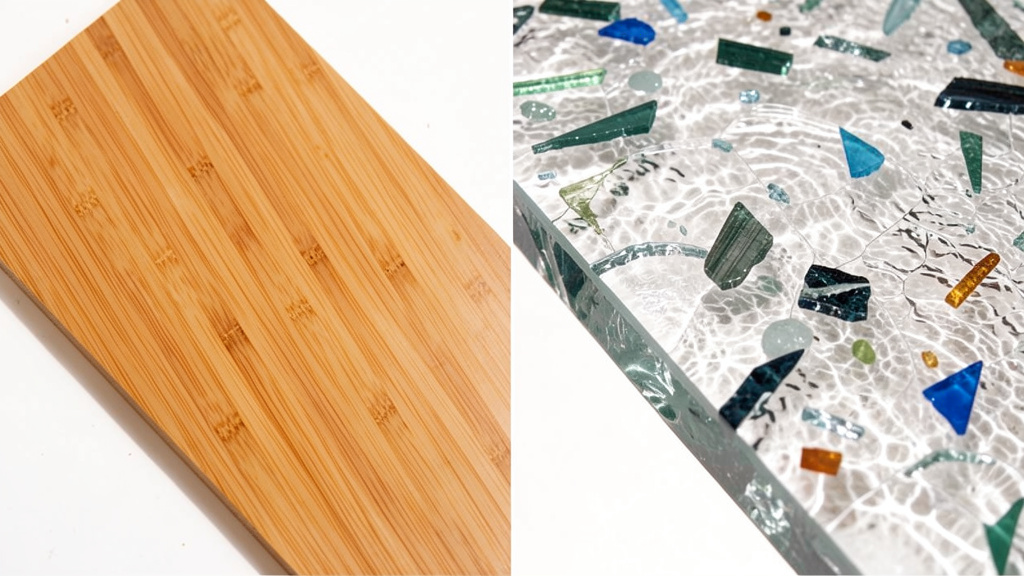
Move beyond marketing hype. Learn how to evaluate any building material for genuine environmental impact, health safety, and long-term value—room by room.
Choosing sustainable materials for your home shouldn’t feel like navigating a minefield of contradictory claims and vague promises. You’ve likely stood in a hardware aisle staring at labels boasting “eco-friendly,” “natural,” or “green” with no clear way to verify what those terms actually mean for your family’s health or the planet’s future. This comprehensive guide cuts through the confusion with a clear, actionable framework grounded in internationally recognized sustainability standards including ISO 14021 for environmental labels and the Cradle to Cradle Certified™ product standard. Complex lifecycle analysis principles are translated into practical decision-making tools applicable whether selecting paint for a nursery, flooring for a high-traffic hallway, or insulation for a renovation. By the end, you’ll possess a repeatable method to evaluate any material—not just follow a static list—empowering confident choices that align with your values without compromising performance or budget.
Introduction: Beyond the Greenwashing Fog
Walk into any home improvement store today, and you’ll encounter a landscape transformed by sustainability awareness. Aisles once dominated solely by conventional options now feature products adorned with leaf logos, earth-tone packaging, and earnest claims about environmental benefits. Yet beneath this surface-level progress lies a persistent challenge: the absence of universal definitions for terms like “sustainable,” “non-toxic,” or “recycled.” Research analyzing building product marketing claims indicates that a significant majority lack verifiable third-party certification or specific data to support them. This isn’t merely an academic concern—it directly impacts indoor air quality, long-term maintenance considerations, and the cumulative environmental footprint of your home.
Consider the well-intentioned homeowner who selects bamboo flooring because it’s marketed as “rapidly renewable.” Without deeper investigation, they might unknowingly choose a product manufactured with formaldehyde-based adhesives (compromising indoor air quality) or sourced from regions with questionable labor practices. Conversely, another homeowner might dismiss reclaimed wood due to perceived higher cost, unaware that its embodied energy savings and carbon sequestration benefits could outweigh the initial investment over decades. These scenarios highlight why a superficial understanding of “green materials” is insufficient. True sustainability requires examining the entire lifecycle: extraction, manufacturing, transportation, installation, use-phase performance, maintenance, and end-of-life disposition.
This guide addresses the critical gap between intention and informed action. Drawing from frameworks used by leading green building certifiers (LEED, Living Building Challenge, WELL Building Standard) and material health databases (Pharos Project, Health Product Declaration Collaborative), decades of research are distilled into a practical, room-by-room methodology. You’ll learn to decode certifications, ask the right questions of suppliers, prioritize based on your specific health concerns or environmental values, and recognize when a “lesser evil” choice makes strategic sense within budget constraints. Sustainability isn’t about perfection—it’s about progression. Every material decision made with clearer knowledge shifts market demand toward healthier, more responsible innovation. This journey begins not with a list of “approved” products, but with a reliable compass: the TRUST Framework.
The TRUST Framework: Your Compass for Sustainable Material Selection
Imagine having a consistent lens to evaluate any material—from the caulk sealing your windows to the shingles protecting your roof—without memorizing endless certifications or falling for clever marketing. The TRUST Framework provides exactly that. Developed through analysis of lifecycle assessment (LCA) methodologies and material health protocols, TRUST stands for Transparency, Renewability, Use-phase Performance, Sourcing Ethics, and Toxicity. Unlike simplistic checklists, this framework acknowledges trade-offs and contextual factors. A material strong in Renewability might require scrutiny in Toxicity; exceptional Use-phase performance could offset moderate transportation impacts. TRUST guides you to weigh these dimensions based on your priorities.
Why does this framework work where others fail? Most “green material” guides operate in one of two problematic modes: overwhelming technical depth (requiring engineering expertise) or oversimplified virtue-signaling (“just buy bamboo!”). TRUST bridges this gap by focusing on actionable verification points rather than abstract ideals. It empowers meaningful engagement with suppliers, interpretation of documentation, and nuanced decisions aligned with specific project constraints. Below, each pillar is dissected with concrete evaluation criteria, real-world application examples, and red flags to avoid. Mastering TRUST transforms passive consumption into active participation in shaping a healthier built environment.
T: Transparency in Material Disclosure
Transparency is the non-negotiable foundation of credible sustainability. If a manufacturer won’t disclose what’s in their product or how it’s made, genuine environmental or health claims cannot be verified. This pillar moves beyond trusting marketing copy to demanding evidence. The gold standard here is the Health Product Declaration (HPD). An HPD is a standardized report (following HPD Open Standard) that lists ingredients above threshold levels, including potential hazards identified against authoritative hazard lists like California Proposition 65 or the EU REACH SVHC list. Think of it as a “nutrition label” for building materials. Similarly, an Environmental Product Declaration (EPD) quantifies environmental impacts across a product’s lifecycle—global warming potential, water consumption, energy use—verified by a third party per ISO 14025. EPDs allow meaningful comparisons between similar products (e.g., two types of insulation).
How to apply this: Before purchasing any significant material (flooring, countertops, insulation, paint), visit the manufacturer’s website and search for “HPD,” “EPD,” or “Declare Label” (a simpler transparency label from the International Living Future Institute). Reputable companies publish these documents readily. If unavailable online, contact customer service: “Do you provide Health Product Declarations or Environmental Product Declarations for this product line?” A hesitant or negative response warrants caution. For smaller artisans or local suppliers who may lack formal HPDs, ask specific questions: “What binders/adhesives are used?” “Are finishes low-VOC?” “Can you share the Safety Data Sheet (SDS)?” The SDS reveals acute hazards though not full environmental impacts.
Real-world example: Comparing two quartz countertop brands. Brand A’s website has a sleek “Eco-Conscious” banner but no ingredient disclosure. Brand B provides a full HPD showing natural quartz aggregate, pigments, and a resin binder with low VOC content, plus an EPD indicating lower embodied carbon than industry averages. Brand B demonstrates transparency; Brand A relies on vague imagery. Even if Brand B’s product has minor drawbacks (e.g., resin isn’t bio-based), the transparency allows you to weigh trade-offs knowingly.
Common pitfalls to avoid:
– Confusing “recycled content” claims with full transparency: A product might state “made with recycled glass” but omit the resin binder’s composition. Demand the full picture.
– Accepting “proprietary formula” as an excuse: While some formulations are trade secrets, responsible manufacturers disclose hazard information for ingredients above threshold levels. Persistent refusal warrants skepticism.
– Overlooking installation materials: Adhesives, sealants, and underlayments often contain higher VOC levels than the primary material. Always request HPDs for these too.
Transparency isn’t about perfection—it’s about honesty. A product with documented impacts you can assess is infinitely more trustworthy than one hiding behind greenwashed slogans. This pillar alone significantly narrows consideration to credible options.
R: Renewability and Resource Efficiency
Renewability addresses the origin of raw materials and the rate at which Earth can replenish them. Truly renewable resources regenerate within a human timescale (years or decades), not geological timescales (millions of years). However, renewability alone is insufficient. A material can be rapidly renewable yet require significant water, pesticides, or land conversion. Therefore, this pillar combines renewability with resource efficiency—minimizing waste, energy, and water during extraction and manufacturing.
Key concepts to understand:
– Rapidly Renewable Materials (RRMs): Defined by LEED as materials harvested within a 10-year cycle. Examples: bamboo (matures in 3-5 years), cork (harvested from bark without felling the tree every 9-12 years), straw, wool, linoleum (made from linseed oil, pine resin, wood flour, jute). Crucial nuance: Bamboo’s renewability is negated if grown with heavy pesticides or processed with toxic adhesives. Always pair renewability checks with Toxicity (T) and Sourcing (S) evaluations.
– Recycled Content: Diverts waste from landfills and reduces demand for virgin resources. Differentiate between:
– Post-Consumer Recycled (PCR): Material reclaimed from finished products after consumer use (e.g., recycled glass countertops from discarded bottles). Highest environmental benefit.
– Post-Industrial Recycled (PIR): Waste generated during manufacturing (e.g., sawdust from mills turned into particleboard). Still valuable but less impactful than PCR.
– Embodied Energy/Carbon: The total energy consumed to produce a material. Lower is generally better, but must be weighed against Use-phase performance (U). Example: Aluminum has high embodied energy but is infinitely recyclable with significantly less energy than virgin production. Reclaimed brick has near-zero embodied energy compared to new brick.
How to apply this: For any material, ask: “What is the raw material source? Is it renewable within decades? What percentage is recycled (and is it PCR or PIR)? What is the manufacturing process’s energy/water intensity?” Prioritize materials with third-party verification of recycled content (e.g., SCS Recycled Content Certification) or sustainable harvesting (FSC for wood). When comparing options, consider durability—a less renewable material that lasts 100 years may have lower lifetime impact than a “renewable” material needing replacement every 15 years.
Real-world example: Choosing insulation. Fiberglass batts often contain recycled glass (PIR) but require significant energy to manufacture. Cellulose insulation is typically high in post-consumer recycled newspaper (PCR), treated with borates for fire resistance, and has very low embodied energy. However, cellulose can settle over time if not installed densely, potentially reducing effectiveness. Mineral wool (rock or slag wool) may contain high recycled content (often industrial slag), has excellent fire resistance, and doesn’t settle. Using TRUST: Cellulose scores high on Renewability (high PCR content, low embodied energy) but requires checking Toxicity (borate treatment) and Use-phase (installation quality critical). Mineral wool scores well on Renewability and Use-phase (stable performance), but verify Sourcing (slag origin). Neither is universally “best”; TRUST helps you choose based on your priorities.
Common pitfalls to avoid:
– Assuming “natural” equals renewable or low-impact: Old-growth timber is natural but not rapidly renewable. Some “natural” finishes contain toxic solvents.
– Ignoring transportation impacts: A locally sourced reclaimed wood beam may have lower total impact than bamboo shipped across the globe, even if bamboo is rapidly renewable. Factor in distance (see Sourcing pillar).
– Overlooking end-of-life: Is the material recyclable, compostable, or destined for landfill? Linoleum (natural materials) is biodegradable; vinyl flooring (PVC) is not. Renewability includes the full cycle.
Renewability and resource efficiency guide choices toward materials that work with natural systems, reducing pressure on finite resources while supporting circular economy principles.
U: Use-Phase Performance and Durability
A material’s environmental impact doesn’t end at installation. Its performance during use—energy efficiency, maintenance requirements, lifespan, and contribution to occupant comfort—often constitutes the largest portion of its total lifecycle impact. This pillar is frequently overlooked in “green material” discussions fixated solely on origin. A poorly insulating “natural” wall system forces higher heating/cooling energy use for decades, dwarfing the embodied carbon savings of its materials. Conversely, a highly durable countertop avoids the waste and resource consumption of multiple replacements.
Critical dimensions to evaluate:
– Energy Efficiency Contribution: How does the material affect your home’s operational energy? Insulation R-value, window U-factor, roofing solar reflectance (“cool roofs”), thermal mass of materials like tile or concrete. A material with moderate embodied carbon that significantly reduces heating/cooling energy over 30 years delivers net-positive environmental benefit.
– Durability and Lifespan: How long will it last under expected conditions? What maintenance is required? Reclaimed heart pine flooring may last 150+ years with periodic refinishing; cheap laminate may need replacement in 10-15 years. Calculate “cost per year of service”: ($ initial cost + maintenance costs) / expected lifespan. Often, higher upfront investment in durability pays off environmentally and financially.
– Indoor Environmental Quality (IEQ) Contribution: Beyond toxicity (covered in T), does the material regulate humidity (e.g., clay plaster), improve acoustics (cork underlayment), or enhance daylighting (light-colored, reflective surfaces)? These factors reduce reliance on mechanical systems.
– Adaptability and Repairability: Can it be easily repaired rather than replaced? Can it be adapted for future modifications? Solid wood cabinets can be refinished or reconfigured; particleboard cabinets often cannot.
How to apply this: For structural or envelope materials (insulation, windows, roofing, siding), prioritize Use-phase performance metrics. Request technical data sheets showing R-values, U-factors, or solar reflectance indices (SRI). For finishes (flooring, countertops), research real-world durability reviews. Ask: “What is the realistic lifespan in my climate and usage scenario? What maintenance schedule is required? What happens if it gets damaged?” When comparing two options with similar Transparency and Renewability scores, let Use-phase performance be the tiebreaker.
Real-world example: Selecting exterior siding. Option A: Fiber cement board. Higher embodied energy in manufacturing, but extremely durable (50+ year lifespan), fire-resistant, low maintenance (paint every 15 years), and available with recycled content. Option B: Cedar shingles. Renewable resource (if FSC-certified), lower embodied energy, but requires staining/sealing every 3-5 years, susceptible to fire and insect damage in some regions, lifespan 20-30 years with maintenance. Using TRUST: Fiber cement scores lower on initial Renewability but significantly higher on Use-phase (durability, low maintenance). In a fire-prone area, its safety benefit adds value. Cedar scores higher on initial Renewability but requires ongoing resource input (stains, labor) and may need earlier replacement. For a low-maintenance priority, fiber cement wins; for a preference for natural aesthetics and willingness to maintain, cedar may be suitable—if sourced responsibly (S pillar) and treated with low-toxicity preservatives (T pillar).
Common pitfalls to avoid:
– Prioritizing “green” origin over long-term function: Installing beautiful but poorly insulating straw bale walls in a humid climate without expert detailing could lead to moisture damage and premature failure—far less sustainable than a well-installed conventional insulated wall.
– Underestimating maintenance impacts: A “natural oil” finish for wood floors requiring reapplication every 6 months consumes resources and time over decades. A durable, low-maintenance finish might have a better lifetime profile.
– Ignoring climate context: A material ideal for passive solar heating in Minnesota (high thermal mass) may cause overheating in Arizona. Match material properties to your specific environment.
Use-phase performance ensures your sustainable choice delivers lasting value—reducing ongoing resource consumption, minimizing waste, and creating a more comfortable, resilient home for decades. It transforms sustainability from a one-time purchase decision into a long-term operational strategy.
S: Ethical and Local Sourcing
Sustainability extends beyond environmental metrics to encompass social equity and community impact. The Sourcing pillar examines labor practices, supply chain transparency, community engagement, and transportation impacts. A material can be non-toxic and renewable yet produced under exploitative conditions or shipped thousands of miles, undermining its holistic sustainability. Ethical sourcing ensures that people involved in creating materials are treated fairly, and local sourcing reduces carbon emissions from transport while strengthening regional economies.
Key evaluation criteria:
– Labor and Human Rights: Does the manufacturer adhere to fair labor standards? Look for certifications like Fair Trade (for materials like cotton, rubber, or certain woods), SA8000 (social accountability standard), or membership in the Ethical Trading Initiative. For wood products, FSC (Forest Stewardship Council) certification includes stringent criteria for indigenous rights, worker safety, and community benefits—unlike standards focusing primarily on forest management. Ask suppliers: “Can you describe your supply chain oversight? Do you audit supplier facilities?”
– Geographic Proximity (“Local”): Define “local” contextually—within your state, region, or country. Transporting materials 50 miles vs. 5,000 miles significantly reduces carbon footprint. Calculate rough transport impact: heavier materials (stone, brick, concrete) benefit most from local sourcing. A locally quarried slate roof has lower transport emissions than imported clay tiles, even if the clay tiles have other merits. Support regional artisans and mills preserving traditional crafts (e.g., local timber mills using urban wood waste).
– Community Impact: Does the company invest in local communities? Do they use urban wood waste (salvaging trees removed from cities)? Do they partner with social enterprises? Reputable companies often highlight these initiatives transparently.
– Circular Economy Integration: Does the supplier participate in take-back programs? (e.g., certain carpet or insulation manufacturers). Do they use waste streams from other industries? (e.g., wheatboard using agricultural straw waste).
How to apply this: For major purchases, research the company’s “Sustainability” or “About Us” page. Look for specific commitments, not vague statements. Search “[Company Name] + labor practices” for independent reporting. For wood products, insist on FSC certification (look for the FSC logo with chain-of-custody number). When possible, visit local suppliers—lumberyards, stone yards, salvage stores—to see materials firsthand and discuss origins. For online purchases, prioritize companies that disclose factory locations and shipping distances. Remember: “Local” isn’t automatically “ethical,” and “imported” isn’t automatically “unethical.” A Fair Trade-certified bamboo floor from a verified cooperative may have stronger ethical credentials than an uncertified local product with opaque labor practices. TRUST requires balancing all pillars.
Real-world example: Choosing kitchen cabinets. Option A: Mass-produced cabinets from a big-box store. Price is low, but supply chain is opaque—likely involving overseas manufacturing with unknown labor conditions, long shipping distances, and particleboard cores with formaldehyde binders. Option B: Cabinets from a local carpenter using FSC-certified maple from a regional mill, finished with plant-based oils. Higher upfront cost, but supports local economy, ensures ethical labor (you can visit the workshop), minimizes transport emissions, and uses transparent, low-toxicity materials. Option C: Cabinets made by a social enterprise that employs at-risk youth, using reclaimed wood salvaged from local demolition sites. Highest ethical score, unique character, but may have longer lead times. Using TRUST: Option A fails Transparency, Sourcing, and likely Toxicity. Option B excels in Sourcing (local, ethical labor), Transparency (verifiable materials), and Toxicity (natural finishes). Option C excels across all S pillars and Renewability (reclaimed wood). Your choice depends on budget and priorities, but TRUST reveals Option A’s hidden considerations.
Common pitfalls to avoid:
– Assuming “made in [your country]” guarantees ethics: Domestic factories can still have poor labor practices. Verify certifications or company policies.
– Over-prioritizing local over verified ethics: If no local option meets basic ethical standards (e.g., for a specific material), a certified imported product may be the more responsible choice. Context matters.
– Ignoring scale: A small local artisan may not afford expensive certifications but operates transparently. Build relationships; ask questions directly. Trust verified actions over absent paperwork.
Ethical and local sourcing transforms your purchase from a transaction into alignment with values—where environmental care and human dignity are interconnected. It connects your home to a web of responsible stewardship.
T: Toxicity and Indoor Air Quality
This pillar addresses the most immediate impact of materials: your health and the health of your household. Volatile Organic Compounds (VOCs), formaldehyde, phthalates, flame retardants, and other hazardous chemicals can off-gas from building materials for months or years after installation, contributing to respiratory irritation and other health considerations. Children, the elderly, and those with chemical sensitivities may be particularly affected. Toxicity evaluation requires scrutinizing not just the primary material, but adhesives, sealants, finishes, and installation components.
Critical hazard categories to recognize:
– VOCs (Volatile Organic Compounds): Chemicals that evaporate at room temperature. Found in paints, stains, adhesives, sealants, carpets, and composite wood products. Key metric: Look for products labeled “Zero-VOC” (<5g/L) or “Low-VOC” (<50g/L for flat paints; stricter thresholds exist for other products). Note: “Zero-VOC” refers only to the base paint; colorants added at the store may contain VOCs—request zero-VOC colorants.
– Formaldehyde: A compound used in resins binding particleboard, MDF, plywood, and some insulation. Off-gasses for years, especially in warm/humid conditions. Key metric: Specify materials compliant with CARB Phase 2 (California Air Resources Board) or TSCA Title VI (U.S. standard), which limit formaldehyde emissions. Better yet, seek products labeled “NAF” (No Added Formaldehyde) or “ULEF” (Ultra-Low Emitting Formaldehyde), using alternative binders like soy or MDI.
– Phthalates: Plasticizers used to soften PVC (vinyl) products—flooring, shower curtains, wall coverings. Linked to endocrine disruption concerns. Avoid PVC/vinyl whenever possible; choose alternatives like linoleum, cork, or rubber flooring.
– Halogenated Flame Retardants (HFRs): Added to foams (insulation, furniture), electronics, and some textiles. Persistent compounds that bioaccumulate; linked to health concerns. Look for insulation labeled “HFR-free” or using alternative fire safety methods (e.g., mineral wool is naturally fire-resistant).
– Heavy Metals: Lead (in old paints, some ceramics), mercury (in some switches), cadmium (in some pigments). Primarily a concern in older homes or imported products with lax regulation. Reputable new products in regulated markets avoid these, but verify.
How to apply this: Prioritize low-toxicity materials in spaces where you spend the most time (bedrooms, living areas) and for vulnerable populations (nurseries, children’s rooms). Always request HPDs (Health Product Declarations) to see full ingredient disclosure and hazard assessments. Look for third-party certifications that rigorously test emissions:
– GREENGUARD Gold (UL): Stringent limits on chemical emissions, specifically considering sensitive individuals like children and the elderly.
– FloorScore: Specifically for hard surface flooring and adhesives; ensures low VOC emissions.
– Cradle to Cradle Certified™: Assesses material health (including toxicity), recyclability, renewable energy use, water stewardship, and social fairness.
– Declare Label: “Nutrition label” format showing product ingredients, origin, and end-of-life; flags Red List chemicals (substances of concern like PVC, phthalates, HFRs).
Real-world example: Selecting paint for a nursery. Option A: Standard “low-odor” paint from a big brand. May meet basic VOC limits but contains biocides, mildewcides, and undisclosed proprietary ingredients. Option B: Paint certified GREENGUARD Gold with a published HPD showing zero VOCs (<5g/L), no antimicrobials, and pigments free of heavy metals. Option C: Natural clay or lime wash paint—mineral-based, zero VOCs, breathable (helps regulate humidity), but limited color range and requires skilled application. Using TRUST: Option A fails Transparency (no HPD) and Toxicity (undisclosed hazards). Option B excels in Transparency (HPD available), Toxicity (certified low emissions), and likely Sourcing. Option C excels in Toxicity (inherently non-toxic) and Renewability (natural minerals), but verify Sourcing (clay origin) and Use-phase (durability in high-moisture areas). For a nursery, where air quality is paramount, Option B or C is strongly preferred. The HPD for Option B allows confirmation of absence of specific concerns like antimicrobials.
Common pitfalls to avoid:
– Confusing “natural” with “non-toxic”: Natural oils (linseed, tung) can contain solvents; some natural pigments contain heavy metals. Always verify.
– Ignoring installation products: The lowest-VOC paint is compromised by a high-VOC primer or adhesive. Specify low-emission products for all components.
– Assuming “off-gassing is done after a few days”: Some materials (like certain composites) off-gas formaldehyde for years. Prioritize materials with verified low long-term emissions (CARB Phase 2, GREENGUARD).
– Overlooking moisture and mold: Even non-toxic materials can harbor mold if installed in damp conditions without proper moisture management. Toxicity intersects with building science—ensure proper ventilation and moisture control.
Toxicity evaluation is non-negotiable for creating a truly healthy home. It shifts the focus from “Does this look nice?” to “Does this support my family’s well-being?”—a question every material decision should address thoughtfully.
The Fundamental Principle: True sustainability is a dynamic balance—no single material excels in all TRUST dimensions. Your power lies in consciously prioritizing which pillars matter most for each specific application, armed with transparent data to make informed trade-offs.
Room-by-Room Sustainable Material Guide: Applying TRUST in Practice
Theory becomes transformative when applied to real decisions. This section translates the TRUST Framework into actionable guidance for every major area of your home. We address common dilemmas, decode marketing claims, highlight budget-smart strategies, and provide specific material comparisons. Remember: context is king. A solution ideal for a dry climate may require adaptation in humid regions. Always consider your local environment, usage patterns, and personal health priorities. For each room, materials are evaluated through the TRUST lens, emphasizing where trade-offs commonly occur and how to navigate them.
Flooring: Foundations of Foot Traffic and Family Life
Flooring endures constant wear, influences acoustics and thermal comfort, and significantly impacts indoor air quality. It’s also a major visual element. Let’s evaluate common options beyond surface aesthetics.
Solid Hardwood (Reclaimed or FSC-Certified):
– Transparency: Reputable suppliers provide origin documentation. FSC certification ensures chain-of-custody. Request HPD for finishes.
– Renewability: Reclaimed wood is the pinnacle—diverts waste, preserves character, near-zero embodied energy. New FSC-certified wood ensures sustainable forestry. Avoid uncertified tropical hardwoods unless verified ethical.
– Use-phase: Extremely durable (can be sanded/refinished multiple times), excellent thermal mass, improves home value. Requires maintenance (refinishing every 10-20 years). Can be noisy; add area rugs for acoustics.
– Sourcing: Prioritize locally milled wood (reduces transport). Reclaimed wood supports deconstruction industry. Verify FSC certification number.
– Toxicity: Inherently low-toxicity if finished with plant-based oils (linseed, tung) or water-based polyurethanes with GREENGUARD Gold certification. Avoid solvent-based finishes high in VOCs. Ensure adhesives (if used) are low-VOC.
– TRUST Verdict: Top choice when sourced responsibly and finished safely. Reclaimed wood scores highest across all pillars. Budget tip: Search architectural salvage yards for reclaimed flooring; often significantly cheaper than new reclaimed.
Bamboo:
– Transparency: Critical to verify. Many products lack HPDs. Seek brands publishing EPDs and HPDs.
– Renewability: Bamboo is rapidly renewable (3-5 years). But: Conventional farming often uses pesticides; processing frequently involves urea-formaldehyde resins. Strand-woven bamboo is denser but uses more adhesive.
– Use-phase: Hardness varies by species and manufacturing. Can be durable but prone to moisture damage (swelling, cupping) in humid climates or damp areas (basements, bathrooms). Not refinishable like solid wood.
– Sourcing: Most bamboo is imported. Verify ethical labor practices and environmental standards of the manufacturer. Transportation impact is significant.
– Toxicity: High risk of formaldehyde emissions if not specified as NAF (No Added Formaldehyde) or ULEF. Demand CARB Phase 2 or TSCA Title VI compliance documentation. Look for GREENGUARD Gold certification.
– TRUST Verdict: Proceed with caution. Only choose if you can verify NAF/ULEF binders, FSC-certified bamboo source, and ethical manufacturing. Otherwise, risks may outweigh renewability benefits. Not recommended for moisture-prone areas.
Cork:
– Transparency: Reputable brands provide HPDs and EPDs. Look for Declare Labels.
– Renewability: Harvested from cork oak bark without harming the tree (regenerates every 9-12 years). Supports biodiverse forests and rural communities. Often contains recycled content.
– Use-phase: Naturally resilient, comfortable underfoot, excellent sound absorber, provides thermal insulation. Resists mold, mildew, insects. Requires sealing; can be dented by sharp objects. Lifespan 20-30 years with maintenance. Not ideal for very wet areas.
– Sourcing: Primarily from Portugal and Spain. FSC certification ensures sustainable forest management. Transportation impact exists but offset by carbon sequestration benefits of cork forests.
– Toxicity: Naturally low-VOC. Verify binders in composite cork tiles are low-emission (look for GREENGUARD Gold). Finishes should be water-based or natural oils.
– TRUST Verdict: Excellent choice for living rooms, bedrooms, offices. Strong scores across all pillars when sourced from certified suppliers. Budget tip: Glue-down tiles are often cheaper than floating planks; DIY installation possible.
Linoleum (Real Linoleum, Not Vinyl):
– Transparency: Brands like Marmoleum (Forbo) publish comprehensive HPDs and EPDs. Declare Labels available.
– Renewability: Made from linseed oil (flax), pine resin, wood flour, jute backing, natural pigments. Biodegradable at end-of-life. Rapidly renewable inputs.
– Use-phase: Extremely durable (25-40 year lifespan), antimicrobial, static-resistant, comfortable underfoot. Requires periodic resealing (with linseed oil-based products). Can fade in direct sunlight. Not suitable for constant standing water.
– Sourcing: Forbo (Swiss) has strong ethical policies and regional manufacturing (reducing transport for North American/European buyers). Jute backing supports farming communities.
– Toxicity: Inherently low-VOC, no plasticizers (unlike vinyl). GREENGUARD Gold certified. Naturally inhibits bacterial growth—ideal for kitchens, playrooms.
– TRUST Verdict: Top-tier sustainable choice for kitchens, hallways, playrooms. Excels in Toxicity and Renewability. Budget tip: Sheet linoleum minimizes seams (better for moisture resistance) but requires professional installation; tiles are DIY-friendly. Compare cost per square foot over lifespan—linoleum often proves economical long-term.
Tile (Ceramic, Porcelain, Stone):
– Transparency: Request EPDs for embodied carbon data. Stone suppliers should disclose quarry location.
– Renewability: Ceramic/porcelain use abundant clay but are energy-intensive to fire. Recycled content options exist (e.g., tiles using recycled glass). Natural stone is non-renewable but extremely durable.
– Use-phase: Exceptional durability (50+ years), water-resistant, easy to clean. High thermal mass (good with radiant heat). Can be cold/hard underfoot; use area rugs. Grout requires sealing/maintenance.
– Sourcing: Prioritize locally quarried stone or regionally manufactured tile to reduce transport impact. Verify ethical labor at quarries. Recycled glass tile supports circular economy.
– Toxicity: Inert once fired—excellent for indoor air quality. Critical: Specify low-VOC, formaldehyde-free adhesives and grouts. Many standard thinsets and grouts contain high VOCs or antimicrobials. Look for products with HPDs and GREENGUARD certification.
– TRUST Verdict: Strong choice for wet areas (bathrooms, kitchens) when paired with low-toxicity installation materials. Recycled glass or locally sourced stone enhances sustainability profile. Budget tip: Seconds or discontinued tiles from suppliers can offer significant savings; check for defects.
Avoid: Vinyl (PVC) Flooring. Despite “eco” variants, PVC production involves chlorine, relies on phthalate plasticizers, and is problematic at end-of-life. GREENGUARD Gold certification reduces emissions during use but doesn’t address full lifecycle hazards. TRUST analysis consistently flags PVC as high-risk across Toxicity and Sourcing pillars. Opt for linoleum, cork, or tile instead.
Flooring Pro-Tip: Always acclimate materials to your home’s humidity before installation (follow manufacturer guidelines). Improper acclimation causes warping, gaps, or failure—wasting resources and money. For underlayment, choose recycled denim, cork, or rubber instead of standard foam (often PVC-based).
Walls and Paints: The Canvas of Indoor Air Quality
Walls cover vast surface areas; their materials directly influence air quality, acoustics, and thermal performance. Paint alone can be a major VOC source.
Paints and Finishes:
– Transparency: Demand HPDs. Reputable eco-brands publish full ingredient disclosure. Avoid brands refusing disclosure.
– Renewability: Look for bio-based ingredients (e.g., plant-derived solvents, mineral pigments). Recycled content is rare in paint but emerging.
– Use-phase: Zero-VOC paints perform as well as conventional today. Consider functionality: clay/lime plasters regulate humidity; magnetic primer adds utility. Durability varies—high-traffic areas need scrubbable finishes.
– Sourcing: Support companies using renewable energy in manufacturing. Local paint stores may mix colors with zero-VOC bases.
– Toxicity: Non-negotiable: Specify GREENGUARD Gold certified, Zero-VOC (<5g/L) paint. Verify colorants are also zero-VOC. Avoid antimicrobial/mildewcide additives unless essential for damp areas (and even then, seek safer alternatives like lime wash). Natural paints (clay, milk paint) are ultra-low toxicity but may lack durability in high-moisture zones.
– TRUST Verdict: Zero-VOC + GREENGUARD Gold is the baseline standard. For nurseries, bedrooms, or chemically sensitive individuals, natural clay or lime washes offer superior breathability and toxin-free composition. Budget tip: Many big-box stores now carry credible zero-VOC lines. Compare certifications, not just price.
Wall Coverings:
– Avoid: Vinyl (PVC) wallpaper—high in phthalates, VOCs during installation, problematic disposal.
– Choose:
– Grasscloth: Natural fibers (sisal, jute, seagrass). Verify low-VOC adhesives and backing. Biodegradable. Can be delicate; not for high-moisture areas.
– Recycled Paper Wallpaper: Brands use FSC paper and water-based inks. Request HPD for adhesive.
– Clay or Lime Plaster: Applied directly to walls. Regulates humidity, absorbs odors, zero VOCs. Requires skilled application but creates beautiful, breathable surfaces. Ideal for bedrooms, living rooms.
– TRUST Verdict: For health and sustainability, bare walls with zero-VOC paint are often best. If using coverings, prioritize natural fibers with transparent sourcing and low-toxicity installation.
Drywall and Alternatives:
– Standard Drywall: Gypsum core is abundant but mining has impacts. Paper facing can harbor mold if damp. Joint compound (“mud”) is a major VOC source—specify low-VOC or zero-VOC compound.
– Sustainable Alternatives:
– MgO Board (Magnesium Oxide): Fire-resistant, mold-resistant, often contains recycled content. Verify manufacturing emissions. Requires specific installation techniques.
– Hempcrete: Hemp hurd + lime binder. Excellent insulation, humidity regulation, carbon-sequestering. Not structural; used as infill. Emerging in North America; verify local availability and installer expertise.
– Reclaimed Wood Paneling: Adds warmth, character, and sequesters carbon. Ensure wood is de-nailed, cleaned, and checked for lead paint (if pre-1978). Lowers demand for new materials.
– TRUST Verdict: For most renovations, standard drywall with zero-VOC joint compound and paint is a practical, low-impact choice. Prioritize moisture management (proper vapor barriers) to prevent mold—more critical than exotic alternatives. For new builds or major retrofits in suitable climates, explore hempcrete with an experienced builder.
Walls Pro-Tip: Before painting, address air leaks! Caulk gaps around windows, doors, and outlets with low-VOC, acrylic latex caulk. This simple step improves energy efficiency (Use-phase) more than most “green” wall materials. Seal electrical boxes with foam gaskets—cheap, easy, and reduces drafts.
Kitchen and Bath: High-Stakes Zones for Health and Durability
Kitchens and bathrooms face moisture, heat, chemicals, and heavy use. Material choices here critically impact health (food prep surfaces, steam inhalation) and longevity.
Countertops:
– Recycled Glass (e.g., Vetrazzo, IceStone):
– TRUST: High PCR content (up to 100% recycled glass), inert surface (low toxicity), durable. Verify binder type—some use cement (high embodied energy), others use modified polyester (check HPD for VOCs). GREENGUARD certified options available. Local manufacturing reduces transport impact. Excellent choice for kitchens/baths.
– Paper Composite (e.g., Richlite, PaperStone):
– TRUST: Made from recycled paper + phenolic resin. Very durable, heat-resistant. Critical: Verify resin is formaldehyde-free. Not ideal for constant water exposure (seal edges). Strong Renewability score; check Toxicity documentation.
– Quartz (Engineered Stone):
– TRUST: 90-95% natural quartz + polymer resin. Extremely durable, non-porous. Major concern: Resin binders often contain VOCs; silica dust during fabrication poses health risks to workers. Demand HPD for specific product line. Some brands publish HPDs showing low emissions; others do not. Avoid if worker safety is a priority (S pillar). Not recyclable.
– Butcher Block (FSC-Certified Wood):
– TRUST: Renewable if FSC-certified. Naturally antimicrobial (maple, walnut). Requires diligent maintenance (mineral oiling) to prevent water damage/staining. Use food-safe oils (mineral oil, beeswax). Avoid in high-splash zones unless sealed meticulously. Excellent for islands or prep areas away from sink.
– Stainless Steel:
– TRUST: Highly recyclable (often high recycled content), inert, hygienic, durable. High embodied energy but long lifespan offsets this. Ensure sourced from mills using recycled content and ethical labor. Can show scratches/dents. Ideal for commercial-style kitchens or as accent surfaces.
– Avoid: Granite (mining impacts, potential radon emission—though rare; verify with supplier), Laminate (particleboard core with formaldehyde, PVC wear layer).
Countertop Strategy: For primary food prep near sink, choose recycled glass or well-sealed butcher block. For baking station, butcher block is ideal. For durability with low maintenance, recycled glass or stainless steel. Always request HPDs for binders/resins.
Cabinetry:
– The Core Issue: Particleboard/MDF cores are standard but often contain formaldehyde. Solid wood is ideal but expensive.
– Sustainable Path:
1. Refinish existing cabinets. Lowest impact option. Sand, repaint with zero-VOC paint, replace hardware. Dramatically extends life.
2. New cabinets with NAF/ULEF cores: Specify plywood or MDF cores certified CARB Phase 2 and labeled NAF (No Added Formaldehyde) or ULEF. Look for GREENGUARD Gold certification for the entire cabinet system.
3. FSC-Certified Solid Wood: Highest quality, repairable, longest lifespan. Ensure finishes are low-VOC.
4. Reclaimed Wood Cabinets: Unique character, highest renewability score. Work with a local carpenter.
– TRUST Verdict: Refinishing existing cabinets is the most sustainable choice. If replacing, prioritize NAF/ULEF cores with FSC-certified veneers or solid wood fronts. Avoid “green” cabinet lines that don’t disclose core material emissions. Budget tip: Refacing (replacing doors/drawer fronts only) costs significantly less than full replacement and drastically reduces waste.
Fixtures and Faucets:
– Water Efficiency: Choose WaterSense-labeled faucets, showerheads, toilets. Saves water and energy (less hot water used). Non-negotiable for sustainability.
– Materials: Specify lead-free brass (required by law in US for potable water, but verify). Avoid chrome plating with hexavalent chromium; look for PVD (Physical Vapor Deposition) coating—more durable, lower toxicity. Recycled content brass is available.
– TRUST Verdict: WaterSense certification is essential. For health, prioritize lead-free, PVD-coated fixtures. Support brands with take-back programs for old fixtures.
Kitchen/Bath Pro-Tip: Install a range hood vented outside (not recirculating). Crucial for removing cooking pollutants (particulates, NO2) that degrade indoor air quality—more impactful than countertop material choice for health. In bathrooms, ensure exhaust fan vents outside and is used during/after showers to control moisture and mold.
Insulation: The Unseen Sustainability Powerhouse
Insulation’s primary sustainability benefit is reducing operational energy use for decades—often outweighing its embodied impacts. However, material choice affects installation safety, indoor air quality, and end-of-life.
Cellulose (Recycled Paper):
– TRUST: High post-consumer recycled newspaper content. Treated with borates (low-toxicity) for fire/insect resistance. Very low embodied energy. Blown-in fills cavities completely, reducing air leaks. Can settle if not installed densely; requires experienced installer. Not ideal for very damp conditions. GREENGUARD certified options available. Excellent Renewability and Toxicity scores. Budget-friendly.
– Best for: Attic blow-in, wall cavity dense-pack retrofit. Prioritize installers certified by relevant industry associations.
Mineral Wool (Rock or Slag Wool):
– TRUST: Typically high recycled content (slag from steel industry, rock). Naturally fireproof (no chemical fire retardants), moisture-resistant, sound-absorbing. Higher embodied energy than cellulose but offset by performance. Inert—no off-gassing. Can irritate skin/lungs during installation (wear PPE), but safe once installed. GREENGUARD Gold certified. Strong scores across all pillars. Slightly higher cost than fiberglass.
– Best for: Firewalls, exterior walls (excellent thermal performance), basements (moisture resistant), soundproofing. Leading brands publish transparent EPDs.
Fiberglass:
– TRUST: Often contains recycled glass (PIR). Lower embodied energy than mineral wool. Critical: Specify formaldehyde-free binders (most major brands now offer this). Avoid older products with phenol-formaldehyde binders. Can irritate during install; ensure proper sealing to prevent fibers entering living space. Lower Renewability score than cellulose/mineral wool but widely available.
– Best for: Budget-conscious new construction where formaldehyde-free options are specified. Ensure installer uses appropriate PPE and seals edges meticulously.
Cotton/Denim (e.g., Bonded Logic UltraTouch):
– TRUST: High post-industrial recycled cotton denim. Treated with borates. Very low embodied energy, pleasant to handle. Good sound absorption. Higher cost, less R-value per inch than mineral wool. Can be susceptible to moisture if not protected. GREENGUARD certified. Strong Renewability and Toxicity scores.
– Best for: Interior wall soundproofing, eco-conscious retrofits where budget allows.
Avoid:
– Spray Polyurethane Foam (SPF): High embodied energy, uses blowing agents with high global warming potential (though newer formulations are improving), potential for off-gassing during/after install, difficult to remove/recycle. Only consider if other options are infeasible and installed by highly experienced crew using low-GWP blowing agents and proper safety protocols. Not recommended for DIY.
– Polystyrene (XPS, EPS): Petroleum-based, uses blowing agents with high global warming potential, persistent in environment, fire retardants often contain toxic compounds. EPS has slightly better profile than XPS but still problematic. Avoid where alternatives exist.
Insulation Strategy: Prioritize air sealing first (caulk, spray foam in small amounts for gaps—use low-VOC, water-based foam). Then choose insulation based on location: Cellulose for attics (cost-effective, high recycled content), Mineral Wool for walls/basements (fire/moisture resistance), Cotton for interior sound control. Always verify recycled content claims and binder chemistry via HPD/EPD. Hire certified installers—poor installation negates material benefits.
Windows and Doors: Balancing Light, View, and Efficiency
Windows are complex systems where frame material, glazing, and installation quality interact. Prioritize energy performance metrics over frame material alone.
Frame Materials:
– Wood (FSC-Certified): Renewable, excellent insulator, repairable. Requires maintenance (painting/staining). Best paired with aluminum or fiberglass cladding for exterior durability. Strong Sourcing score if local/regional wood. Verify low-VOC finishes.
– Fiberglass: Very stable (minimal expansion/contraction), excellent insulator, low maintenance, can be filled with insulation. Made from sand (abundant) but energy-intensive. Often contains recycled content. Long lifespan. GREENGUARD certified options available. Excellent all-around performer.
– Vinyl (PVC): Low maintenance, affordable. Major concerns: PVC production involves chlorine, phthalates as plasticizers, problematic end-of-life. Some brands offer lead-free, recycled-content vinyl with improved profiles. TRUST analysis flags high Toxicity and Sourcing risks. Only consider if budget is extremely constrained and you verify specific product HPDs showing low emissions. Not recommended.
– Aluminum: Strong, durable, highly recyclable (often high recycled content). Critical flaw: Poor insulator unless thermally broken (a plastic barrier separating interior/exterior metal). Non-thermally-broken aluminum windows create significant heat loss/gain. Specify thermally broken frames with high recycled content. Best for commercial aesthetics where thermal break is confirmed.
Glazing (The Glass):
– Non-negotiable: Double or triple-pane with Low-E (low-emissivity) coating. Low-E reflects infrared heat—keeping heat in during winter, out during summer. Argon or krypton gas fill between panes improves insulation.
– Key Metric: Look for ENERGY STAR Most Efficient certification and check the NFRC label for:
– U-Factor: Measures heat loss. Lower is better (aim for ≤0.27 in cold climates, ≤0.40 in mixed climates).
– Solar Heat Gain Coefficient (SHGC): Measures solar heat gain. Lower is better for hot climates (≤0.25); higher can be beneficial in cold climates needing passive solar gain (≥0.40). Match to your climate and window orientation.
– TRUST Verdict: Frame choice is secondary to glazing performance and proper installation. A well-installed vinyl window with excellent glazing outperforms a poorly installed wood window. However, for holistic sustainability, prioritize FSC wood-clad or fiberglass frames with high-recycled-content aluminum components, paired with triple-pane Low-E glazing where climate justifies it. Always get multiple quotes focusing on NFRC ratings, not just frame material.
Installation is Paramount: Even the best window fails if installed poorly. Specify installation details that integrate with your wall’s air and moisture barriers. Hire installers certified by the window manufacturer or organizations like the Efficient Windows Collaborative. Seal all gaps with low-VOC, flexible sealant. This step is more critical than choosing between wood and fiberglass frames.
Roofing: The First Line of Defense
Roofing faces extreme weather, UV exposure, and significantly impacts home energy use (via heat absorption) and stormwater management.
Metal Roofing (Standing Seam):
– TRUST: Often high recycled content (steel, aluminum); fully recyclable at end-of-life. Extremely durable (40-70 year lifespan), fire-resistant, lightweight. Critical: Specify “cool roof” coatings with high Solar Reflectance Index (SRI) to reflect heat—reduces cooling loads significantly. Aluminum has higher recycled content potential than steel. Local manufacturing reduces transport impact. Excellent Use-phase performance. Higher upfront cost offset by longevity.
– Best for: Most climates, especially hot/sunny regions (with cool coating). Ideal for rainwater harvesting (inert surface).
Clay or Concrete Tile:
– TRUST: Durable (50-100 years), fireproof, recyclable. High embodied energy in firing (clay) or cement production (concrete). Heavy—requires structural reinforcement. Sustainability boost: Specify locally manufactured tiles to reduce transport impact. Light-colored tiles have higher reflectance. Concrete tiles can incorporate recycled content. Strong Use-phase score due to longevity.
– Best for: Hot, dry climates (thermal mass helps); historic districts with aesthetic requirements.
Slate:
– TRUST: Natural stone, extremely durable (75-200 years), fireproof, recyclable. Major concerns: Heavy (structural reinforcement needed), mining impacts, transportation emissions (often imported). Prioritize locally quarried slate if available. Highest embodied energy but offset by multi-generational lifespan. Verify ethical quarrying practices.
– Best for: Historic homes, regions with local slate quarries, where budget and structure allow.
Asphalt Shingles:
– TRUST: Petroleum-based, low recycled content, short lifespan (15-30 years), not recyclable in many areas (ends in landfill). “Cool roof” versions exist with reflective granules. Lowest sustainability score across pillars. Only consider if budget is severely constrained and you verify local recycling programs for old shingles.
– Avoid if possible. If unavoidable, choose longest-warranty option to extend lifespan.
Green Roofs (Vegetated):
– TRUST: Living layer of plants on waterproof membrane. Benefits: Stormwater management (absorbs rain), reduces urban heat island effect, insulates building, creates habitat. Critical considerations: Requires structural engineering review (heavy when saturated), specialized waterproofing/root barrier, irrigation during establishment, ongoing maintenance. High upfront cost. Best for flat or low-slope roofs. Strongest ecological benefit but context-dependent.
– Best for: Urban buildings with structural capacity, committed owners, climates with adequate rainfall. Start small (e.g., garage roof).
Cool Roofs (Reflective Membranes):
– TRUST: White or reflective single-ply membranes (TPO, PVC) for flat roofs. High SRI reduces cooling energy dramatically. PVC concern: Same toxicity issues as vinyl flooring. Specify TPO (thermoplastic polyolefin) which is PVC-free, often contains recycled content, and is recyclable. ENERGY STAR certified options available.
– Best for: Flat or low-slope roofs in hot climates. Prioritize TPO over PVC.
Roofing Strategy: Prioritize longevity and reflectivity. A metal roof with cool coating offers the best balance of durability, recyclability, and energy savings for most homes. If replacing asphalt shingles, investigate local recycling programs to keep old material out of landfill. For new builds or major retrofits in suitable locations, explore green roof potential with a structural engineer. Always ensure proper attic ventilation regardless of roofing material—critical for moisture control and efficiency.
Outdoor Living: Decks, Fencing, and Landscaping
Outdoor materials face weather, UV degradation, and direct soil contact. Sustainability here involves durability, toxicity (leaching into soil), and end-of-life.
Decking:
– Avoid: Pressure-Treated Wood with ACQ/CA (alkaline copper quaternary). While arsenic-free (unlike old CCA), copper can leach into soil, harming plants/microbes. Not recommended for vegetable gardens or eco-sensitive sites.
– Avoid: PVC/Composite Decking with PVC core. High embodied energy, contains phthalates/stabilizers, not recyclable, can get very hot. “Capped” composites add another plastic layer.
– Choose:
– FSC-Certified Tropical Hardwood (e.g., Ipe): Extremely durable (25-40 years), naturally insect/mold resistant. Critical: Must be FSC-certified to ensure ethical sourcing and prevent deforestation. High transportation impact. Requires periodic oiling (use plant-based oils). Strong Renewability score only with FSC verification.
– Thermally Modified Wood: Softwood (ash, pine) heated to high temperatures without chemicals. Changes cell structure for durability/moisture resistance. No toxins, biodegradable. Requires sealing. Lower embodied energy than tropical hardwood. Emerging option—verify manufacturer sustainability practices.
– Black Locust (North American native): Naturally durable hardwood (20-30 year lifespan), grows rapidly in managed forests. Seek FSC-certified or locally harvested from sustainable sources. Lower transport impact than tropical woods. Excellent eco-choice where available.
– Recycled Plastic Lumber (RPL): Made from recycled milk jugs, detergent bottles. No maintenance, doesn’t splinter. Critical: Verify it’s 100% recycled HDPE (no PVC), and check for additives. Can sag over time; requires closer joist spacing. Not biodegradable but keeps plastic out of ocean. Strong Renewability score (PCR content). Choose brands with take-back programs.
– TRUST Verdict: Black Locust (if locally available) or FSC-certified Ipe are top natural choices. For lowest maintenance and waste diversion, verified recycled HDPE lumber is a strong contender. Avoid PVC composites and uncertified tropical woods.
Fencing:
– Reclaimed Wood: Salvaged from barns, pallets (ensure HT—heat treated—not chemically treated). Unique character, highest renewability score. Inspect for rot, nails, lead paint. Requires cleaning/sealing.
– FSC-Certified Cedar or Redwood: Naturally rot-resistant, beautiful. Ensure FSC certification. Requires maintenance. Local sourcing preferred.
– Metal (Aluminum, Steel): Durable, recyclable. Aluminum has high recycled content potential. Specify powder-coated (lower VOC than liquid paint). Good for modern aesthetics. Higher embodied energy offset by longevity.
– Living Fence (Hedgerow): Plant native shrubs/trees (e.g., arborvitae, holly). Provides habitat, sequesters carbon, beautiful. Requires time to establish. Best combined with a low structural fence initially.
– TRUST Verdict: Reclaimed wood or living fences offer highest sustainability. For durability with low maintenance, aluminum fencing with recycled content is excellent. Avoid pressure-treated wood for garden beds or eco-sensitive areas.
Landscaping and Hardscaping:
– Permeable Pavers: Allow rainwater to infiltrate soil, reducing runoff and replenishing groundwater. Options: gravel with stabilizing grid, porous concrete, interlocking concrete pavers with open joints filled with sand/grass. Critical for driveways, patios. Avoid standard concrete/asphalt which creates heat islands and stormwater issues.
– Local Stone: Use stone quarried regionally for patios, walls. Reduces transport impact, blends with landscape. Verify ethical quarrying.
– Reclaimed Brick/Stone: Salvaged from demolition sites. Unique character, near-zero embodied energy. Check for contaminants if from unknown sources.
– Mulch: Use arborist wood chips (often free from tree services) or shredded native bark. Avoid dyed mulches (dyes may contain heavy metals) or cypress mulch (threatens wetland habitats).
– TRUST Verdict: Prioritize permeability and native plants. Replace lawn with drought-tolerant native species—reduces water, fertilizer, pesticide use. Use permeable surfaces for all hardscaping. Source materials locally whenever possible. This approach supports local ecology, conserves resources, and creates resilient landscapes.
Outdoor Pro-Tip: Install a rain barrel under downspouts. Simple, low-cost way to harvest rainwater for irrigation—reduces municipal water use and stormwater runoff. Ensure barrel has screen to prevent mosquitoes. Check local regulations; some areas restrict rainwater collection.
Navigating Greenwashing: Red Flags and Verification Tactics
Even armed with the TRUST Framework, misleading claims persist. Greenwashing exploits genuine consumer concern with vague language, false certifications, or irrelevant boasts. Developing discernment is a sustainability skill. Below are common tactics and how to counter them.
The “Eco” Prefix Trap: Terms like “eco-friendly,” “green,” “natural,” or “earth-conscious” are unregulated marketing fluff. Response: Immediately ask: “What specific, verifiable attribute makes this eco-friendly?” Demand data: recycled content percentage, VOC levels, certification names. If the answer is vague (“made with natural ingredients”), proceed with caution.
The Single-Attribute Distraction: Highlighting one green feature while ignoring major flaws. Example: “Made with 30% recycled content!” (but bound with formaldehyde resin, packaged in PVC). Response: Apply the full TRUST Framework. Ask: “What about toxicity? Sourcing? Full lifecycle impact?” A truly sustainable product welcomes holistic scrutiny.
Fake or Meaningless Certifications: Logos designed to mimic legitimate certifications. Response: Memorize key legitimate certifications:
– Material Health: GREENGUARD Gold, Cradle to Cradle Certified™, Declare Label
– Wood: FSC (Forest Stewardship Council) – not PEFC or SFI alone
– Recycled Content: SCS Recycled Content Certification
– Energy/Water: ENERGY STAR, WaterSense
– Organic: USDA Organic (for textiles, cotton), GOTS (Global Organic Textile Standard)
When you see a logo, verify it on the certifier’s official website. Legitimate certifications have searchable databases.
The “Biodegradable” Bait-and-Switch: Claiming biodegradability without context. Most materials biodegrade eventually under specific conditions (industrial composting vs. landfill). Response: Ask: “Under what conditions and timeframe does this biodegrade? Is industrial composting required? What are the breakdown byproducts?” If specifics aren’t provided, be skeptical.
Hidden Trade-Offs: Promoting a “natural” material without disclosing high-impact processing. Example: Bamboo flooring marketed solely on renewability, omitting formaldehyde binders or long shipping distances. Response: Always investigate beyond the headline claim. Request HPDs/EPDs. Search for independent reviews.
Verification Protocol: Your 5-Step Defense
1. Demand Documentation: “Can you provide the Health Product Declaration (HPD) or Environmental Product Declaration (EPD) for this product?” Legitimate companies will have this readily available.
2. Decode Certifications: See a logo? Visit the certifier’s official website. Search their product database to confirm current certification status.
3. Research the Company: Search “[Company Name] sustainability report,” “[Company Name] labor practices.” Reputable companies transparently discuss practices.
4. Consult Independent Databases:
– Pharos Project: Comprehensive material health assessments.
– Health Product Declaration (HPD) Collaborative: Public library of HPDs.
– UL SPOT: Database of certified sustainable products.
5. Ask Suppliers Directly: “What is the recycled content percentage, and is it post-consumer or post-industrial?” “Are binders/adhesives formaldehyde-free?” “Can you confirm FSC chain-of-custody number?” Professional suppliers expect these questions.
When in doubt, choose the transparent option over the vague “green” claim. A manufacturer unwilling to disclose basic information fails the first pillar of TRUST. Your purchasing power rewards honesty and drives industry improvement. Sustainability is a journey of continuous learning—each experience refines discernment.
Budget-Conscious Sustainable Swaps: Smart Choices at Every Price Point
Sustainability is often wrongly framed as a luxury. Strategic choices can align environmental responsibility with fiscal responsibility. The key is prioritizing impact per dollar and leveraging lifecycle thinking. Below are actionable strategies organized by budget tier, emphasizing where small investments yield outsized returns.
The Foundational Tier: $0-$100 (Highest Impact per Dollar)
These actions require minimal spending but deliver significant sustainability and health benefits. Do these first, regardless of budget.
– Air Sealing: Buy a tube of low-VOC acrylic latex caulk ($5) and foam gaskets for electrical outlets ($10 for 20). Seal gaps around windows, doors, pipes, and outlets. Reduces energy use significantly, improves comfort, and is the single most cost-effective weatherization step. TRUST Link: Directly improves Use-phase performance of your entire building envelope.
– Water Efficiency: Install WaterSense-labeled aerators on faucets ($3-$8 each) and a low-flow showerhead ($15-$30). Saves water and energy (less hot water used). Payback period: often under 6 months. TRUST Link: Reduces operational resource consumption—core to sustainability.
– Paint Smart: When repainting, choose zero-VOC paint. Many major brands offer credible zero-VOC lines at standard price points. The health benefit (reduced VOC exposure) costs little extra. TRUST Link: Critical Toxicity reduction with minimal budget impact.
– Secondhand First: Before buying anything new (furniture, tools, decor), check local reuse centers, Habitat for Humanity ReStores, or salvage yards. Reusing items has near-zero embodied impact. TRUST Link: Maximizes Renewability (diverts waste) and Sourcing (local, circular economy).
The Strategic Tier: $100-$1,000 (Targeted Upgrades)
Focus spending where materials directly impact health or have high replacement frequency.
– Prioritize Bedrooms and Nurseries: Allocate budget to low-toxicity materials in spaces where you spend 8+ hours daily. Example: Replace a conventional mattress pad with an organic cotton or wool pad ($100-$300). Wool is naturally flame-resistant (avoiding chemical FRs) and regulates temperature. TRUST Link: Direct Toxicity reduction for vulnerable exposure periods.
– Lighting Overhaul: Replace all incandescent/halogen bulbs with ENERGY STAR LED bulbs ($2-$10 each). Use smart power strips ($25-$50) to eliminate “vampire” energy drain from electronics. Payback: 1-2 years via lower bills. TRUST Link: Dramatically improves Use-phase energy efficiency.
– Filter Your Water: Install a NSF-certified faucet filter ($30) or pitcher filter ($25). Reduces plastic bottle waste and exposure to contaminants. More sustainable than bottled water long-term. TRUST Link: Supports personal health (Toxicity) and reduces plastic waste (Renewability).
– DIY Natural Cleaners: Make all-purpose cleaner with vinegar, water, and citrus peels (cost: pennies per batch). Avoids VOCs and plastic packaging of commercial cleaners. TRUST Link: Eliminates Toxicity from cleaning products; ultra-low cost.
The Investment Tier: $1,000+ (Long-Term Value Plays)
These require larger outlays but deliver decades of savings and performance. Calculate “cost per year of service.”
– Insulation Upgrade: Adding attic insulation to recommended R-value costs $1,500-$3,000 but reduces heating/cooling bills significantly annually. Payback: 3-7 years. TRUST Link: Unmatched Use-phase performance improvement. Prioritize cellulose (high recycled content) installed by a certified pro.
– Energy Audit: Hire a BPI-certified auditor ($300-$500). They use blower doors and thermal imaging to pinpoint exact air leaks and insulation gaps. The report prioritizes cost-effective upgrades. Often subsidized by utilities. TRUST Link: Ensures spending targets highest-impact areas—maximizes ROI on all future upgrades.
– Appliance Replacement: Only replace if existing appliance is >10 years old. Choose ENERGY STAR Most Efficient models. A new heat pump water heater ($1,200-$2,500 after rebates) uses significantly less energy than conventional electric. TRUST Link: Massive Use-phase energy reduction. Check DSIRE database for local rebates/incentives.
– Reclaimed Materials for Renos: Source reclaimed wood flooring, brick, or beams from salvage yards. Cost can be significantly less than new “premium” materials while offering unique character and highest renewability score. TRUST Link: Excels in Renewability, Sourcing (local), and often Toxicity (older wood has off-gassed).
The Psychology of Sustainable Spending:
– The 1% Rule: Allocate 1% of your project budget to sustainability research/documentation. For a $10,000 kitchen reno, spend $100 on verifying material HPDs or consulting resources. Prevents costly oversights.
– Phase Your Project: Can’t afford FSC cabinets now? Install low-VOC painted plywood fronts with the intent to upgrade fronts later. Focus first on hidden but critical elements: air sealing, insulation, low-toxicity subfloors.
– Value Beyond Price: When comparing two options, calculate total cost of ownership: (Purchase Price + Estimated Maintenance Costs over 20 years) / Expected Lifespan. A $5/sq. ft. linoleum floor lasting 30 years with minimal maintenance may cost less per year than $3/sq. ft. vinyl lasting 10 years.
– Community Resources: Borrow tools from tool libraries. Share bulk material purchases with neighbors (e.g., gravel, mulch). Join local reuse groups for free materials. Sustainability thrives on community.
Sustainability isn’t about spending more—it’s about spending smarter. By directing resources to high-impact, health-critical areas first, you create a healthier home without financial strain. Every conscious choice, however small, compounds into meaningful change.
Your Questions, Answered
Q: Is “natural” always safer or more sustainable than synthetic?
A: Not necessarily. “Natural” is an unregulated marketing term with no legal definition in building products. Arsenic and lead are natural but highly toxic. Some natural materials (e.g., conventional cotton) require heavy pesticides and water. Conversely, well-designed synthetics can offer superior performance with lower lifecycle impacts (e.g., mineral wool insulation vs. some natural fiber insulations in humid climates). Always evaluate using the full TRUST Framework—transparency, renewability, use-phase, sourcing, and toxicity—not just the “natural” label. Request HPDs to verify actual ingredients and hazards.
Q: How do I verify a manufacturer’s recycled content claim?
A: Look for third-party certification, specifically the SCS Recycled Content Certification. This verifies both the percentage and whether it’s post-consumer (PCR) or post-industrial (PIR) recycled content through chain-of-custody auditing. Reputable manufacturers display the certification logo and often provide the certification number. If certification isn’t present, contact the company: “Can you provide documentation of the recycled content percentage and verification method for product [Name/Code]?” Vague answers like “industry standard” are red flags. Cross-reference claims with databases like UL SPOT or the manufacturer’s published EPDs.
Q: Are low-VOC paints truly non-toxic? What about colorants?
A: “Zero-VOC” paint bases (<5g/L VOCs) are a significant improvement over conventional paints, but the colorants added at the store can contain VOCs. Always specify zero-VOC colorants when purchasing. Additionally, “zero-VOC” refers only to volatile compounds; some paints may still contain other ingredients like biocides. For the highest assurance, choose paints with a published Health Product Declaration (HPD) and GREENGUARD Gold certification, which rigorously tests for chemical emissions. Natural clay or lime washes offer inherently low-toxicity alternatives but may have limitations in durability or color range.
Q: Is bamboo flooring a truly sustainable choice?
A: Bamboo’s renewability (maturing in 3-5 years) requires context. Significant considerations include: 1) Toxicity: Many bamboo products use urea-formaldehyde resins; demand documentation of NAF (No Added Formaldehyde) or ULEF binders and CARB Phase 2 compliance. 2) Sourcing: Most bamboo is imported; verify ethical labor practices and environmental standards of the specific manufacturer. 3) Durability: Strand-woven bamboo is hard but can be prone to moisture damage in humid climates. 4) Certification: Seek FSC certification for the bamboo source. Without verified NAF binders and ethical sourcing documentation, bamboo flooring may not align with holistic sustainability goals. Reclaimed wood or FSC-certified domestic hardwoods are frequently more trustworthy choices.
Q: What’s the difference between FSC and PEFC/SFI wood certifications? Which should I choose?
A: FSC (Forest Stewardship Council) is widely regarded for its comprehensive criteria, which include protections for indigenous rights, high-conservation-value forests, worker safety, and community engagement. Chain-of-custody tracking ensures wood originates from certified forests. PEFC (Programme for the Endorsement of Forest Certification) and SFI (Sustainable Forestry Initiative) focus primarily on forest management practices but have less stringent requirements regarding social equity and biodiversity protection in some regions. For projects prioritizing holistic sustainability—including social responsibility—FSC certification is generally the preferred choice. Always verify the specific certification label and chain-of-custody number on the product.
Q: How do I find a contractor experienced in sustainable materials?
A: Start by searching directories from green building organizations like the U.S. Green Building Council (USGBC) or local chapters of the American Institute of Architects (AIA) with sustainability focus. Ask potential contractors: “Can you share examples of projects where you specified low-VOC materials, reclaimed wood, or high-recycled-content products?” Request references from past clients who prioritized sustainability. Look for contractors who proactively discuss air sealing, moisture management, and material transparency—they understand sustainability is integrated into building science, not just product selection. Certifications like LEED Green Associate or BPI Building Analyst indicate relevant training.
Q: Can sustainable materials be affordable on a tight budget?
A: Absolutely. The most impactful sustainable choices often cost little or nothing: sealing air leaks with caulk, installing low-flow showerheads, choosing zero-VOC paint (now standard at many retailers), and sourcing secondhand materials from reuse centers. Prioritize “foundational tier” actions first—they deliver disproportionate benefits. For larger projects, phase your approach: install durable, low-toxicity subfloors now with the intent to add reclaimed wood flooring later. Remember that durability is sustainability: a slightly more expensive faucet that lasts 20 years is cheaper and greener than a cheap one replaced three times. Community resources like tool libraries and Buy Nothing groups further stretch budgets.
Q: How do sustainable materials affect home resale value?
A: While hard data varies by market, features tied to operational savings and health consistently appeal to buyers. ENERGY STAR windows, efficient insulation, and WaterSense fixtures reduce utility bills—a tangible selling point. Low-VOC materials and improved indoor air quality resonate with health-conscious buyers, especially families. Unique elements like reclaimed wood features or permeable landscaping can differentiate a property. Document your sustainable choices: keep records of certifications, HPDs, and energy audit results. This transparency builds trust and justifies value. As buyer awareness grows, homes with verified healthy materials and efficiency upgrades are increasingly competitive.
Q: What should I do with old materials during a renovation?
A: Prioritize the waste hierarchy: 1) Reuse: Donate usable cabinets, fixtures, or lumber to Habitat for Humanity ReStores or local reuse centers. 2) Recycle: Separate metals, clean wood, cardboard, and concrete for recycling—many demolition companies offer this service. Check if asphalt shingles or drywall can be recycled locally. 3) Responsibly Dispose: For non-recyclables, use licensed disposal services. For hazardous materials (lead paint debris, asbestos—do not handle yourself), hire certified abatement professionals. Plan deconstruction (carefully dismantling for reuse) instead of demolition where feasible—it preserves material value and may yield tax deductions for donations. Always check local regulations for disposal guidelines.
Q: Are there government incentives for using green materials?
A: Incentives vary significantly by location and change frequently. Focus on programs tied to performance outcomes rather than specific materials: federal tax credits for ENERGY STAR windows, doors, or insulation; rebates from utilities for energy audits, heat pump water heaters, or efficient HVAC systems. Some municipalities offer reduced permit fees for LEED-certified projects or density bonuses for green building. The Database of State Incentives for Renewables & Efficiency (DSIRE) is the most comprehensive U.S. resource—search by zip code. Always verify current eligibility with the administering agency before making purchasing decisions. Material-specific rebates (e.g., for recycled content) are less common than system-level incentives.
**Q: How do I dispose of old paint, stains, or chemicals safely