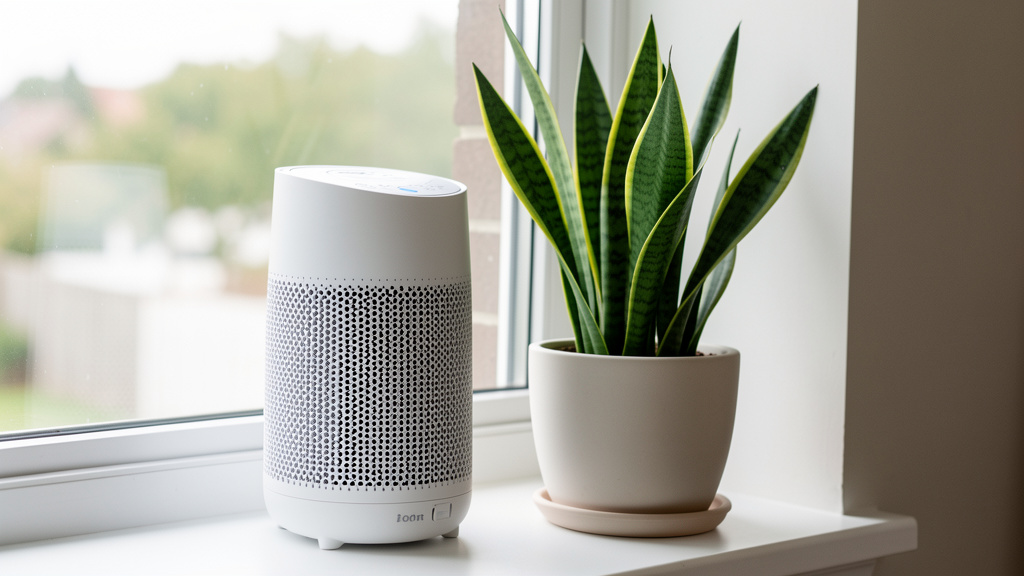
Move beyond quick fixes and air fresheners. Discover a systematic, evidence-informed approach to identify, address, and maintain cleaner indoor air—transforming your living space into a more supportive environment for daily well-being.
Indoor environments can sometimes contain elevated levels of pollutants compared to outdoor air, influenced by ventilation patterns, building materials, and daily activities. While individual experiences vary, research from organizations like the U.S. Environmental Protection Agency (EPA) and World Health Organization (WHO) indicates that thoughtful attention to indoor air quality (IAQ) supports respiratory comfort, restful sleep, and overall household wellness. This guide offers a clear, adaptable framework to assess your home’s air environment, implement targeted improvements aligned with your specific living conditions, and establish sustainable habits—without relying on unverified claims, expensive gadgets, or one-size-fits-all solutions. Whether you’re navigating seasonal allergies, managing humidity in a basement, or simply seeking a calmer home atmosphere, this resource meets you where you are with actionable, scalable steps grounded in building science and public health principles.
Introduction
Step inside any home, and your attention naturally settles on visible elements: furniture arrangement, lighting, surface cleanliness. Yet the air surrounding you—carrying microscopic particles, moisture fluctuations, and trace compounds from everyday activities—plays a quiet but significant role in daily comfort and long-term well-being. Given that many people spend the majority of their time indoors, the cumulative effect of the indoor environment warrants thoughtful consideration. Studies referenced by agencies like the CDC and ASHRAE (American Society of Heating, Refrigerating and Air-Conditioning Engineers) suggest correlations between well-managed indoor environments and reduced respiratory irritation, better sleep quality, and fewer allergy-related disruptions. Importantly, “healthy air” is not about clinical sterility—it’s about creating a balanced, responsive home ecosystem where air feels fresh, moisture is managed, and irritants are minimized through practical, consistent choices. This guide synthesizes widely accepted building science principles, public health guidance, and real-world adaptability to help you cultivate an indoor environment that aligns with your household’s unique needs, constraints, and rhythms. No prior expertise required—just curiosity and a willingness to observe.
The AIR Framework: A Sustainable Path to Healthier Indoor Air
Many IAQ efforts focus narrowly on purchasing an air purifier or swapping a filter—a reactive step that may address symptoms without resolving underlying patterns. Lasting improvement emerges from a cyclical, adaptable process. Drawing from established ventilation standards (ASHRAE 62.2), moisture management guidelines, and source-control best practices, we present the AIR Framework: a three-phase approach designed for real homes, real constraints, and real life. AIR stands for Assess, Intervene, Reinforce. This sequence ensures efforts are informed, targeted, and maintainable:
- Assess builds awareness without alarm—turning vague concerns into observable patterns.
- Intervene prioritizes actions by impact and feasibility, respecting budget, skill level, and home type.
- Reinforce embeds small, consistent habits that sustain progress without overwhelm.
The framework intentionally avoids rigid prescriptions. A solution ideal for a humid coastal home may differ from one suited to a dry, high-altitude dwelling—and that’s expected. The goal is not perfection, but progressive refinement. Skipping assessment risks misdirected effort; intervening without context leads to temporary fixes; reinforcing without reflection allows old patterns to resurface. Let’s walk through each phase with clarity and compassion.
Step 1: Assess Your Home’s Air Environment with Curiosity
Assessment is observation, not judgment. Begin by gathering gentle, non-intrusive clues over several days. No tools required initially—just mindful attention.
Start with a sensory walkthrough:
– Smell: Notice persistent mustiness (especially in basements, closets, or after rain), chemical-like odors near new furniture, or stuffiness that lifts when windows open.
– Sight: Check for condensation on windows (common in colder months), visible dust accumulation on surfaces within a day of cleaning, water stains on ceilings/walls, or mold-like discoloration in grout or corners.
– Feel: Note rooms that feel unusually humid (“sticky”) or dry (static shocks, scratchy throat upon waking).
– Context: Track correlations—do headaches arise after using certain cleaners? Does coughing increase overnight? Jot brief notes in a journal or phone app: Date, Room, Observation, Possible Link.
Introduce simple, low-cost tools gradually:
– Hygrometer ($10–$25): Measure relative humidity (RH). Ideal range: 30–50% year-round. Below 30% may dry mucous membranes; above 50% encourages dust mites and mold growth. Check readings morning/evening in key zones (bedroom, basement, bathroom).
– Carbon Monoxide (CO) Detector: Essential if you have gas appliances, a fireplace, or an attached garage. Install outside sleeping areas and on every level. Test monthly.
– Radon Test Kit: Recommended for all homes (EPA). Use a short-term kit (2–7 days) for initial screening; follow with long-term testing if results approach 2.0–4.0 pCi/L. Kits are available through state health departments or hardware stores.
– DIY Mold Test: Only if visible growth or persistent musty odor exists. Follow kit instructions precisely, including an outdoor control sample for context.
Key assessment principles:
– Pollutants vary room-to-room and season-to-season. Test multiple areas.
– Avoid overinterpreting single readings. Look for patterns over time.
– Seasonal awareness matters: Winter sealing traps pollutants; summer humidity fuels biological growth; spring/fall offer ideal ventilation windows.
– Common pitfall: Testing only when symptoms occur. Baseline readings (e.g., “quiet” mornings) provide crucial contrast.
This phase cultivates informed awareness—not anxiety. You’re gathering data to guide kind, purposeful next steps.
Step 2: Intervene with Precision, Prioritizing Source and Context
With assessment insights in hand, intervention becomes strategic. Always prioritize in this order: Source Control → Ventilation → Targeted Air Cleaning. This sequence maximizes impact while minimizing cost and complexity.
Source Control: Address Origins First
Eliminating or reducing pollutant sources delivers the most significant, lasting improvement.
– Chemical emissions: Switch to fragrance-free, plant-based cleaners. Store paints, solvents, or gasoline in a detached shed—not an attached garage. Air out new furniture, rugs, or mattresses in a garage or well-ventilated area for several days before bringing indoors.
– Biological triggers: Fix leaks within 48 hours. Use allergen-proof mattress/pillow covers. Groom pets in ventilated areas. Remove shoes at entryways; place washable mats inside and out.
– Combustion byproducts: If using a gas stove, run a range hood vented outside during and 15 minutes after cooking. Ensure fireplace dampers seal tightly when unused. Never idle vehicles in an attached garage.
– Budget-conscious tip: Start with one high-impact change—like implementing a shoe-free policy or switching to unscented laundry detergent. Small shifts compound.
Ventilation: Refresh Air Thoughtfully
Bring in fresh air without compromising comfort or safety.
– Natural ventilation: Open windows on opposite sides of the home for 10–15 minutes, twice daily (“shock ventilation”), especially during mild, low-pollen mornings. Avoid during high outdoor pollution (check AirNow.gov), heavy pollen seasons, or extreme temperatures.
– Spot ventilation: Run bathroom exhaust fans during and 20 minutes after showers. Use kitchen range hoods vented outside while cooking. Verify fans expel air outside (not into attics—a common installation flaw). Upgrade to ENERGY STAR models with humidity sensors for automatic operation.
– Whole-house options:
– ERV (Energy Recovery Ventilator): Transfers heat and moisture between incoming/outgoing air streams. Ideal for humid climates or tightly sealed homes.
– HRV (Heat Recovery Ventilator): Transfers heat only. Better suited for cold, dry climates.
– Retrofit consideration: Consult an HVAC professional to assess feasibility. For existing systems, setting the thermostat fan to “ON” (not “AUTO”) circulates air through filters more consistently—verify your system supports this.
– Climate adaptation:
– Humid regions: Pair ventilation with dehumidification; avoid opening windows during afternoon humidity peaks.
– Arid regions: Natural ventilation is highly effective; monitor indoor RH to stay above 30%.
– Wildfire season: Seal windows/doors; rely on recirculating HEPA filtration. Ventilate only when outdoor AQI is “Good” (0–50).
Air Cleaning: Targeted Support, Not a Standalone Fix
Use air cleaners only after addressing sources and ventilation. Match technology to your specific needs:
– For dust, pollen, dander: True HEPA filters (capturing 99.97% of particles at 0.3 microns). Place in bedrooms or main living areas. Calculate needed CADR (Clean Air Delivery Rate): smoke CADR should be ~⅔ of room square footage (e.g., 200+ for a 300 sq ft room). Verify AHAM certification.
– For odors, VOCs: Substantial activated carbon (5+ lbs of granular carbon). Thin mesh filters are ineffective. Ideal near known sources (e.g., workshop, new furniture).
– Critical cautions:
– Avoid ozone-generating devices. Ozone is a lung irritant; banned for residential use in California and discouraged by the EPA and American Lung Association.
– “HEPA-type” or “ionic” purifiers without CARB certification may emit ozone or underperform.
– UV-C lights inside sealed units may supplement HEPA by inhibiting microbial growth on filters—but never rely on them alone.
– Budget pathways:
– Upgrade central HVAC filter to MERV 13 only if your system manual confirms compatibility.
– During wildfire events: Build a Corsi-Rosenthal box (four MERV 13 filters taped around a box fan intake)—validated in peer-reviewed studies for emergency PM2.5 reduction.
– Prioritize one well-placed purifier in the bedroom over multiple weak units.
Intervention is iterative. After implementing one change (e.g., fixing a leak), observe for a week before adding the next. This prevents overwhelm and builds confidence.
Step 3: Reinforce Through Gentle, Sustainable Habits
Systems endure through integration into daily life—not perfectionism. Reinforcement turns intention into effortless routine.
Create a seasonal rhythm:
– Spring: Clean range hood filters; inspect exhaust fans; test CO/smoke detectors; check window screens.
– Summer: Monitor basement humidity daily; empty dehumidifier tanks promptly; clean AC condenser coils.
– Fall: Replace HVAC filters; seal window/door gaps (while ensuring ventilation isn’t blocked); test radon as seasons shift.
– Winter: Maintain indoor RH 30–40% to prevent window condensation; run exhaust fans during cooking/showering; ensure dryer vents expel outside and stay clear of snow.
Embed micro-habits:
– Place a bench and basket by the main entrance for shoe removal.
– Turn on the range hood before lighting the stove; leave it running after cooking.
– Squeegee shower walls and run the bathroom fan post-shower.
– Wash bedding weekly in warm water; vacuum mattresses seasonally.
– Set phone reminders for filter changes or humidity checks.
Leverage supportive tools:
– Smart hygrometers with app alerts notify you when RH exceeds thresholds.
– Smart plugs can schedule purifiers to run during high-pollen mornings.
– Keep spare HVAC filters visible near the furnace.
Listen to your household:
Note how family members feel—morning congestion, afternoon fatigue—and gently correlate with environmental factors. This biofeedback is valuable data. Involve children: “Let’s check the humidity together!” or “You’re in charge of the shoe basket.” Reinforcement thrives on shared ownership, not rigid rules. The aim is a home where clean air practices feel as natural as turning off lights when leaving a room.
The Fundamental Principle: Healthier indoor air emerges not from a single product, but from a compassionate, evolving relationship with your home—honoring its unique character while making consistent, informed choices that support well-being.
Understanding Common Indoor Air Factors: Clarity Over Complexity
Knowledge reduces anxiety. Below is a concise, evidence-grounded overview of frequently encountered indoor air factors—what they are, where they originate, and practical context. This isn’t about fear; it’s about recognition.
Particulate Matter (PM)
Microscopic solids or liquids suspended in air.
– PM10 (≤10 microns): Dust, pollen, mold spores. Typically trapped in upper airways.
– PM2.5 (≤2.5 microns): Fine particles from cooking, candles, traffic infiltration. Can reach deeper lungs.
– Context: Sunlight revealing dust motes is normal. Concern arises with persistent haze near stoves or rapid dust accumulation post-cleaning. Focus on source control (HEPA vacuuming, venting stoves) and filtration.
Volatile Organic Compounds (VOCs)
Gases emitted from solids/liquids at room temperature.
– Sources: New furniture (formaldehyde), paints, cleaners, air fresheners, “new car smell” items.
– Context: Strong chemical odors warrant ventilation. Many VOCs are odorless—rely on source reduction (choose low-VOC products) and airflow, not smell alone. Off-gassing decreases over time but accelerates in warmth/humidity.
Biological Factors
Living or once-living contaminants thriving under specific conditions.
– Mold/Mildew: Requires moisture + organic material. Address the moisture source first (leak, condensation); cleaning visible growth alone is temporary.
– Dust Mites: Feed on skin cells; thrive above 50% RH. Reduce humidity, use allergen-proof bedding, wash fabrics weekly.
– Pollen/Pet Dander: Enter via clothing, pets, open windows. HEPA filtration and entryway mats help significantly.
– Context: You cannot eliminate all biologicals—focus on managing the conditions they need (moisture, food sources).
Combustion Byproducts
Generated when fuels burn (gas, wood, candles).
– Carbon Monoxide (CO): Colorless, odorless. Install detectors on every level. Never use generators/grills indoors.
– Nitrogen Dioxide (NO₂): From gas stoves. Ventilate consistently. A blue flame indicates efficient burning; yellow/orange suggests incomplete combustion.
– Context: Proper ventilation during cooking or fireplace use is non-negotiable for safety.
Radon
Radioactive gas from soil decay; seeps through foundation cracks.
– Context: Second leading cause of lung cancer per EPA—but highly mitigatable. Testing is simple and essential for all homes, regardless of location. Mitigation systems (sub-slab depressurization) are effective if levels exceed action thresholds.
Other Considerations
– Asbestos/Lead: Primarily concerns during renovations in pre-1980s homes. Intact materials pose low risk; consult professionals before disturbing.
– Pesticides: Opt for integrated pest management (sealing entry points, traps) over sprays. Remove shoes to reduce tracked-in residues.
This knowledge empowers precise action. Musty basement smell + high humidity? Focus on moisture control—not just buying a purifier. Headaches after new furniture? Prioritize ventilation and time. Understanding transforms worry into wise response.
Room-by-Room Guidance: Practical Observations for Everyday Living
Apply your assessment insights with this gentle, non-judgmental walkthrough. Allocate 60–90 minutes. Bring a notebook, hygrometer, and flashlight. Observe with curiosity—not criticism.
Entryway
– Observe: Dirt accumulation near door; shoe storage; mat condition.
– Action: Place washable mats inside/outside. Install a bench with shoe storage. Make shoe removal a shared household norm.
– Why it matters: Reduces tracked-in pollen, pesticides, and soil particles.
Living Areas
– Observe: Dust buildup on electronics/shelves; furniture type (upholstered vs. hard surfaces); candle/incense use.
– Action: Vacuum upholstery weekly with HEPA attachment. Choose washable throws. Switch to LED candles. Open windows briefly after gatherings.
– Why it matters: Upholstered furniture harbors dust mites; candles add fine particles.
Kitchen
– Observe: Range hood operation (hold tissue to intake—should stick firmly); gas flame color (blue = efficient); under-sink leaks.
– Action: Always vent range hood outside while cooking. Fix leaks immediately. Store harsh cleaners in sealed containers; try vinegar/baking soda alternatives.
– Why it matters: Cooking generates PM2.5 and NO₂; proper ventilation protects respiratory health.
Bedrooms
– Observe: Morning window condensation; dust on nightstands; bedding age.
– Action: Encase mattresses/pillows in allergen-proof covers. Wash bedding weekly. Maintain RH 40–50%. Open windows 10 minutes upon waking to refresh air.
– Why it matters: We spend ~⅓ of life here; optimizing this space yields disproportionate comfort benefits.
Bathrooms
– Observe: Mold in grout/caulk; condensation on mirrors/walls; exhaust fan suction.
– Action: Run fan during and 20+ minutes after showering. Wipe surfaces dry. Clean mold with hydrogen peroxide (3%) or diluted vinegar. Re-caulk cracked seams.
– Why it matters: Moisture control prevents structural damage and biological growth.
Basement/Crawlspace
– Observe: Musty odors; water stains; efflorescence (white chalky deposits); stored chemicals.
– Action: Test for radon. Install dehumidifier (set to 50% RH). Elevate stored items on pallets. Move paints/gasoline to detached shed. Ensure sump pump discharge directs water away from foundation.
– Why it matters: Basements influence whole-house humidity; moisture here affects upper levels.
Attached Garage
– Observe: Seal integrity on door to house; chemical storage; vehicle exhaust smell indoors.
– Action: Install tight weatherstripping on interior door. Store chemicals in sealed containers in detached shed. Never idle vehicles inside.
– Why it matters: Garages are common infiltration points for CO, benzene, and VOCs.
HVAC System
– Observe: Filter condition (hold to light—replace if opaque); visible duct gaps.
– Action: Change filters per manufacturer (typically 1–3 months). Seal duct gaps with mastic tape (not duct tape). Schedule professional inspection if mold, pests, or debris are visible.
– Why it matters: Your system circulates air—keeping it clean supports whole-house efforts.
This audit reveals your home’s unique patterns. Photograph areas of note. Share findings with household members to build shared understanding. Revisit quarterly initially, then biannually. Progress, not perfection, is the goal.
Humidity: Finding Your Home’s Comfortable Balance
Humidity—the water vapor content in air—is a dynamic factor influencing comfort, material preservation, and biological activity. Mastery lies not in chasing a single number, but in understanding its relationship with temperature and your home’s structure.
Why “Relative” Humidity Matters
Relative humidity (RH) measures moisture relative to air temperature. Warm air holds more moisture than cold air. This explains:
– Condensation on cold windows: Warm indoor air contacts a cold surface (below dew point), releasing moisture.
– Winter dryness: Heating cold outdoor air raises temperature but not moisture content, lowering RH.
– Practical guidance: During cold weather, adjust target RH based on outdoor temperature to prevent window condensation (per ASHRAE):
– Outdoor ≤ 0°F: Keep indoor RH ≤ 20%
– Outdoor 0–10°F: Keep indoor RH ≤ 25%
– Outdoor 10–20°F: Keep indoor RH ≤ 30%
– Outdoor >20°F: Target 30–50% RH
Ideal Ranges by Context
– 30–40% RH: Ideal for cold climates in winter. Protects wood floors/furniture from cracking.
– 40–50% RH: Optimal for most seasons. Minimizes dust mite activity (thrives >50%) while supporting mucous membrane comfort.
– Below 30%: May cause dry skin, static, or throat irritation. Common in heated homes during winter.
– Above 50%: Encourages mold growth and dust mites. Common in basements, bathrooms, or humid climates.
– Special considerations: Infants/elderly may prefer 40–45% for respiratory comfort—but never exceed 50% due to mold risk.
Simple Monitoring & Adjustment
– Tools: Place affordable hygrometers ($10–$25) in basement, bedroom, and main living area. Check daily for one week to identify patterns.
– Reduce humidity:
– Run exhaust fans during cooking/showering.
– Use a portable dehumidifier in damp zones (choose Energy Star model with auto-humidistat and continuous drain option).
– Fix leaks promptly; ensure gutters direct water away from foundation.
– Increase humidity:
– Use evaporative (cool mist) humidifiers with daily cleaning to prevent microbial growth.
– Place shallow water pans near heat sources; hang dry laundry indoors.
– Critical safety: Clean humidifiers daily with vinegar; use distilled water in ultrasonic models to avoid “white dust.” Never let standing water stagnate.
– Behavioral shifts: Take shorter, cooler showers; cover pots while boiling; open closet doors periodically for airflow.
Myth Clarification
– Houseplants: Add negligible humidity and minimal air cleaning in real-home settings (per EPA and ASHRAE reviews). Enjoy them for well-being—but don’t rely on them for IAQ.
– AC as dehumidifier: Air conditioners remove moisture only while running. In humid climates with mild temps, dedicated dehumidification may be needed.
– Dehumidifier “waste”: They extract existing moisture—no water is consumed. Collected condensate is pure and safe for plants.
Humidity balance prevents structural issues (mold remediation is costly) and supports daily comfort. Start small: place one hygrometer today. Notice how RH shifts with weather and activities. Adjust gently. Your home will thank you.
Air Cleaning Devices: Navigating Choices with Clarity
The market offers countless “air purifiers,” but marketing terms often obscure functionality. This section cuts through noise with neutral, actionable criteria—emphasizing that devices are supplements to source control and ventilation, not replacements.
Technology Guide by Need
| Pollutant Concern | Effective Technology | Critical Details | Avoid |
|——————-|———————-|——————|——-|
| Dust, pollen, dander | True HEPA | Look for “True HEPA” or “H13/H14” certification. Verify AHAM CADR ratings. | “HEPA-type,” thin filters |
| Cooking odors, VOCs | Activated Carbon | Minimum 5 lbs granular carbon. Replace every 6–12 months. | Mesh filters with carbon dusting |
| Microbial concerns | HEPA + Sealed UV-C | UV must be inside unit, shining on filter. Replaces annually. | Standalone UV wands (ineffective/hazardous) |
| General air refresh | Ventilation + Filtration | Open windows when outdoor air is clean; upgrade HVAC filter if compatible | Ozone generators (lung irritant) |
Selection Checklist
1. Define your primary need: Based on assessment (e.g., “allergies” → HEPA; “new furniture smell” → carbon).
2. Match room size: Smoke CADR should be ~⅔ of room sq. ft. (e.g., 200+ CADR for 300 sq ft room).
3. Verify certifications: AHAM for CADR; CARB for ozone safety (critical for California residents).
4. Consider real-world use: Noise level on low setting (<30 dB for bedrooms); filter cost/availability; ease of maintenance.
5. Placement: Position purifier with clear airflow path (not blocked by furniture); prioritize bedrooms.
Budget Pathways
– Ideal ($300–$700): Units with true HEPA + substantial carbon (e.g., Coway Airmega, Austin Air HealthMate).
– Budget-conscious ($100–$250): Levoit Core series (AHAM verified); avoid units under $100 with insufficient media.
– Emergency: Corsi-Rosenthal box during wildfire smoke (validated by multiple university studies).
– HVAC filter upgrade: MERV 13 only if system manual confirms compatibility. Never force higher MERV without professional assessment.
Maintenance is Non-Negotiable
– Pre-filters: Vacuum/rinse monthly.
– HEPA/carbon filters: Replace per schedule (set calendar reminders).
– Exterior: Wipe housing weekly.
– Neglected units become pollutant reservoirs. Track usage; keep spare filters on hand.
Special Cases Clarified
– Mold: Purifiers capture airborne spores but do not fix the moisture source. Address leaks first.
– Viruses: HEPA captures virus-laden droplets. Ventilation (dilution) and source control (staying home when ill) are more impactful for infection control.
– Plants: Do not meaningfully clean air in real homes (NASA study context was sealed chambers with intense lighting). Enjoy for joy, not function.
Choose tools that align with your specific observations—not marketing promises. When integrated thoughtfully into the AIR Framework, they provide quiet, consistent support.
Supporting Vulnerable Household Members with Compassion
Every home holds unique needs. Infants, elderly individuals, or those managing respiratory sensitivities may experience indoor environments more acutely. The goal is inclusive care: elevating baseline air quality for all while adding gentle, targeted layers where helpful—without isolation or overwhelm.
For Infants and Young Children
Children breathe more air per body weight and spend time near floors where dust settles.
– Nursery focus: Choose GREENGUARD Gold-certified mattress/bedding. Use True HEPA purifier (CARB-certified) running continuously on low. Maintain RH 40–45%.
– Flooring: Hard surfaces preferred; if carpeted, enforce strict no-shoes policy and vacuum 2–3x weekly with HEPA vacuum.
– Toys/Furnishings: Select solid wood with non-toxic finishes (ASTM F963 certified). Avoid strong-smelling plastics. Store art supplies in sealed containers; choose AP-certified non-toxic products.
– Critical avoids: No essential oil diffusers, scented candles, or air fresheners near sleeping/play areas. Ban smoking/vaping anywhere near the home (thirdhand smoke residue lingers on surfaces).
– Proactive step: If home was built before 1978, test for lead dust on windowsills; use wet cleaning methods to avoid stirring particles.
For Elderly Family Members
Aging may bring reduced respiratory reserve or mobility constraints.
– Accessibility: Choose air purifiers/humidifiers with large buttons, filter-change indicators, or voice/app control. Place units where cords won’t trip.
– Humidity: Maintain 40–50% RH for respiratory comfort; use whole-house systems if possible to reduce manual tank emptying.
– Safety: Install CO/smoke detectors outside bedrooms; test monthly. Ensure exhaust fans run automatically via humidity sensors.
– Support: Create a simple maintenance schedule for caregivers (e.g., “Filter change: First Monday monthly”). Coordinate with healthcare providers to align IAQ efforts with health needs.
For Respiratory Sensitivities (Asthma, Allergies, MCS)
Work closely with healthcare providers to identify personal triggers.
– Allergen reduction: Keep RH <50%; use allergen-proof bedding; wash fabrics weekly in warm water; HEPA vacuum 2x weekly.
– Chemical sensitivity: Prioritize source control—fragrance-free products, low-VOC materials, extended off-gassing of new items. Ventilate aggressively during cleaning or cooking.
– Personalized zones: Create a “low-trigger” sanctuary room (bedroom) with minimal fabrics, HEPA filtration, and strict no-shoe policy.
– Communication: Share household IAQ efforts with visitors (“We keep scents minimal for comfort—thank you for understanding”).
Universal Principles
– Involve household members in age-appropriate ways (e.g., “You’re the humidity checker this week!”).
– Focus on progress, not perfection. One consistent change (like shoe removal) creates meaningful impact.
– Listen to bodily feedback: Note correlations between environment and comfort without self-judgment.
– Compassion first: IAQ efforts should reduce stress, not add it. Start small. Celebrate steps.
A healthy home environment honors each person’s experience while fostering shared well-being. These adaptations strengthen the entire household’s foundation.
Your Questions, Answered
Q: How can I assess air quality without buying expensive monitors?
A: Begin with free observational methods: track condensation, musty odors, dust patterns, and symptom correlations. Add a $15 hygrometer for humidity and EPA-recommended radon test kits ($15–$30). Professional assessments are valuable for persistent concerns but rarely needed initially.
Q: Are houseplants effective for cleaning indoor air?
A: While plants support well-being, EPA and ASHRAE reviews confirm they have negligible impact on air quality in real homes. The NASA study often cited used sealed chambers with intense lighting—not typical living conditions. Enjoy plants for joy, but prioritize ventilation and filtration for air management.
Q: How often should I change my HVAC filter?
A: Check monthly. Replace when light no longer passes through (typically every 1–3 months). Factors increasing frequency: pets, allergies, nearby construction, or wildfire season. Always confirm MERV 13 compatibility with your system manual first.
Q: What’s the safest way to address visible mold?
A: First, identify and fix the moisture source (leak, condensation). For small areas (<10 sq ft) on non-porous surfaces, clean with hydrogen peroxide (3%) or diluted vinegar. Wear an N95 mask. For larger areas, porous materials (drywall, carpet), or if health concerns exist, consult a qualified remediation professional. Never sand or dry-brush mold.
Q: Can improving indoor air help with seasonal allergies?
A: Yes—strategically. Keep windows closed during high-pollen times; use MERV 13 HVAC filters or HEPA purifiers in bedrooms; shower and change clothes after outdoor exposure; implement strict shoe removal. These steps reduce pollen load indoors, complementing medical management.
Q: Is a humidifier safe for my baby’s room?
A: If humidity is consistently below 30%, a cool-mist evaporative humidifier can help. Critical: Clean tank and base daily with vinegar to prevent mold/bacteria; use distilled water; place out of reach; maintain RH 40–45% (use a hygrometer). Ultrasonic models require distilled water to avoid mineral dust. When in doubt, consult your pediatrician.
Q: How do outdoor air quality alerts affect my indoor choices?
A: Check AirNow.gov daily. When AQI is “Moderate” (51–100) or higher: keep windows closed, run recirculating HEPA filtration, avoid vigorous indoor activity. Ventilate only during “Good” (0–50) periods. During wildfires, seal gaps around windows/doors temporarily.
Q: What’s the single most impactful step I can take today?
A: Implement a shoe-free policy at entryways. Place a bench and basket by the main door. This simple habit significantly reduces tracked-in pesticides, pollen, heavy metals, and dust—benefiting all household members immediately.
Q: Do “ionic” or “plasma” air purifiers work?
A: Many emit ozone, a lung irritant. The EPA and American Lung Association advise against ozone-generating devices. If considering ionization technology, verify CARB certification for ozone safety—but true HEPA with carbon remains the most reliably effective and safe choice for most homes.
Q: How does cooking affect indoor air, and how can I reduce impacts?
A: Frying, broiling, or gas cooking releases PM2.5 and NO₂. Always use a range hood vented outside during and 15 minutes after cooking. Open a nearby window for cross-ventilation. Use lids on pots. Consider induction cooktops for future upgrades (no combustion byproducts).
Q: Why does my home feel stuffy even with windows closed?
A: Stagnant air allows CO₂ and pollutants to accumulate. Try “shock ventilation”: open two opposite windows for 10–15 minutes to create cross-breeze. In tightly sealed modern homes, consider an ERV/HRV for consistent, energy-efficient air exchange—consult an HVAC professional for assessment.
Q: Can IAQ improvements support better sleep?
A: Research suggests correlations between optimized environments and sleep quality. Maintain bedroom RH 40–50%, keep temperatures cool (60–67°F), use HEPA filtration to reduce allergens, and minimize light/noise disruptions. Open windows briefly before bed if outdoor air is clean. Small adjustments often yield noticeable restfulness.
Conclusion and Your Next Step
Creating a healthier home environment is a journey of gentle, consistent choices—not a destination of perfection. You’ve now explored a framework designed to grow with your awareness and circumstances.
Recap of Core Principles
1. Assess with curiosity: Observe patterns without judgment. Data guides kindness, not fear.
2. Intervene strategically: Prioritize source control and ventilation before adding devices. Small, targeted actions create outsized impact.
3. Reinforce with compassion: Embed micro-habits that fit your life. Progress compounds through consistency, not intensity.
The 24-Hour Rule
Within the next day, take one tiny, concrete step:
→ Place a $15 hygrometer in your bedroom and basement.
→ Test your carbon monoxide detectors by pressing the “test” button.
→ Designate a shoe basket by your main entrance.
This single action builds momentum without overwhelm. You’ve already begun.
The Bigger Picture
Your home is more than a structure—it’s the backdrop of daily life, connection, and restoration. By tending to its air with patience and care, you cultivate a space that quietly supports resilience, comfort, and presence. These efforts ripple outward: reducing strain on healthcare systems, modeling mindful stewardship for children, and honoring the profound link between environment and well-being. You are not just improving air; you are nurturing sanctuary.
Every home has a unique story. Listen to yours with kindness. Adjust as seasons shift and needs evolve. You hold the wisdom to create an environment where your household can breathe deeply, rest fully, and thrive together.
Explore Our Complete System:
Creating a Low-Allergen Bedroom Sanctuary | Non-Toxic Cleaning: A Room-by-Room Guide | Understanding HVAC Filters: MERV Ratings Simplified | Seasonal Home Wellness Checklist | Radon Awareness: Testing and Peace of Mind | Humidity Harmony: From Basements to Bedrooms | Mindful Home Maintenance for Long-Term Comfort