The garden is the room most people forget to design. It gets planted, occasionally maintained, periodically rearranged — but rarely thought through with the same intention we bring to interiors. The result is outdoor space that exists but doesn’t really work: a patio that gets used twice a year, a lawn that serves mainly as a buffer between house and street, a garden that looks fine from the window but offers no real reason to be in it.
Designing outdoor space that you actually use requires the same thinking as designing interior space: What do you want to do here? What mood are you after? What time of day matters most? The garden that works is the one designed around specific activities and moments, not around an abstract idea of what a garden should look like.
Water in the Garden: Beyond the Swimming Pool
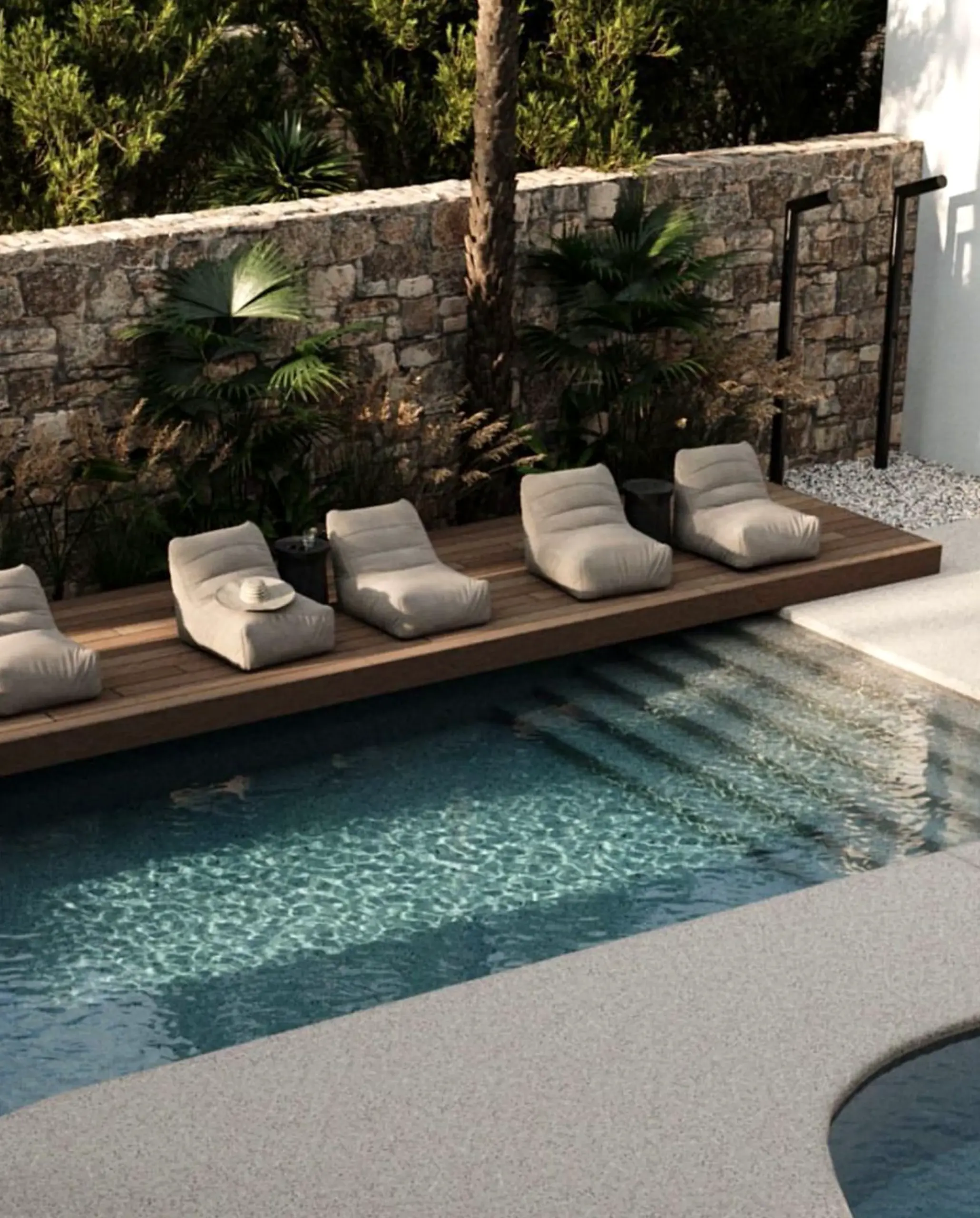
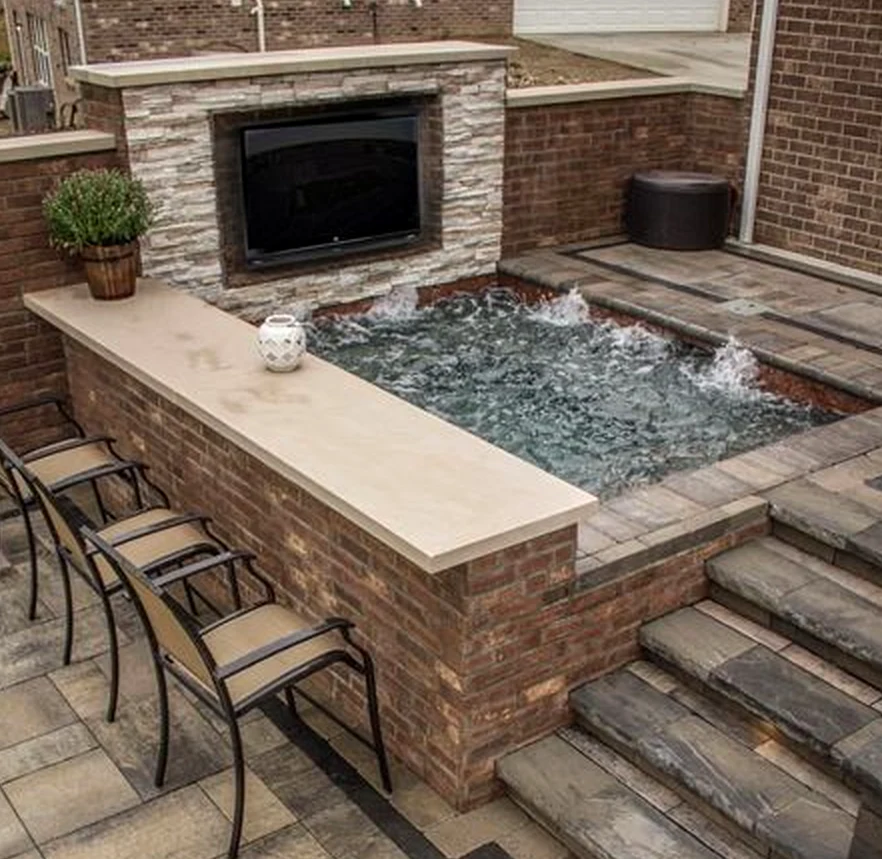
Water changes a garden entirely. It introduces sound, movement, and reflection — three qualities that shift the sensory experience of being outdoors in ways that no planting scheme can replicate. A still pool reflects sky and trees and shifts with light throughout the day. A fountain introduces sound that masks street noise and creates a sense of enclosure even in open spaces.
The swimming pool has long been the default water feature for anyone with sufficient space and budget. But there are more interesting options — natural swimming ponds that look like they’ve always been there, narrow lap pools that double as architectural elements, reflecting pools designed purely for stillness and visual effect. Water features don’t need to be functional to justify themselves. Their value is primarily atmospheric.
The Path as Experience
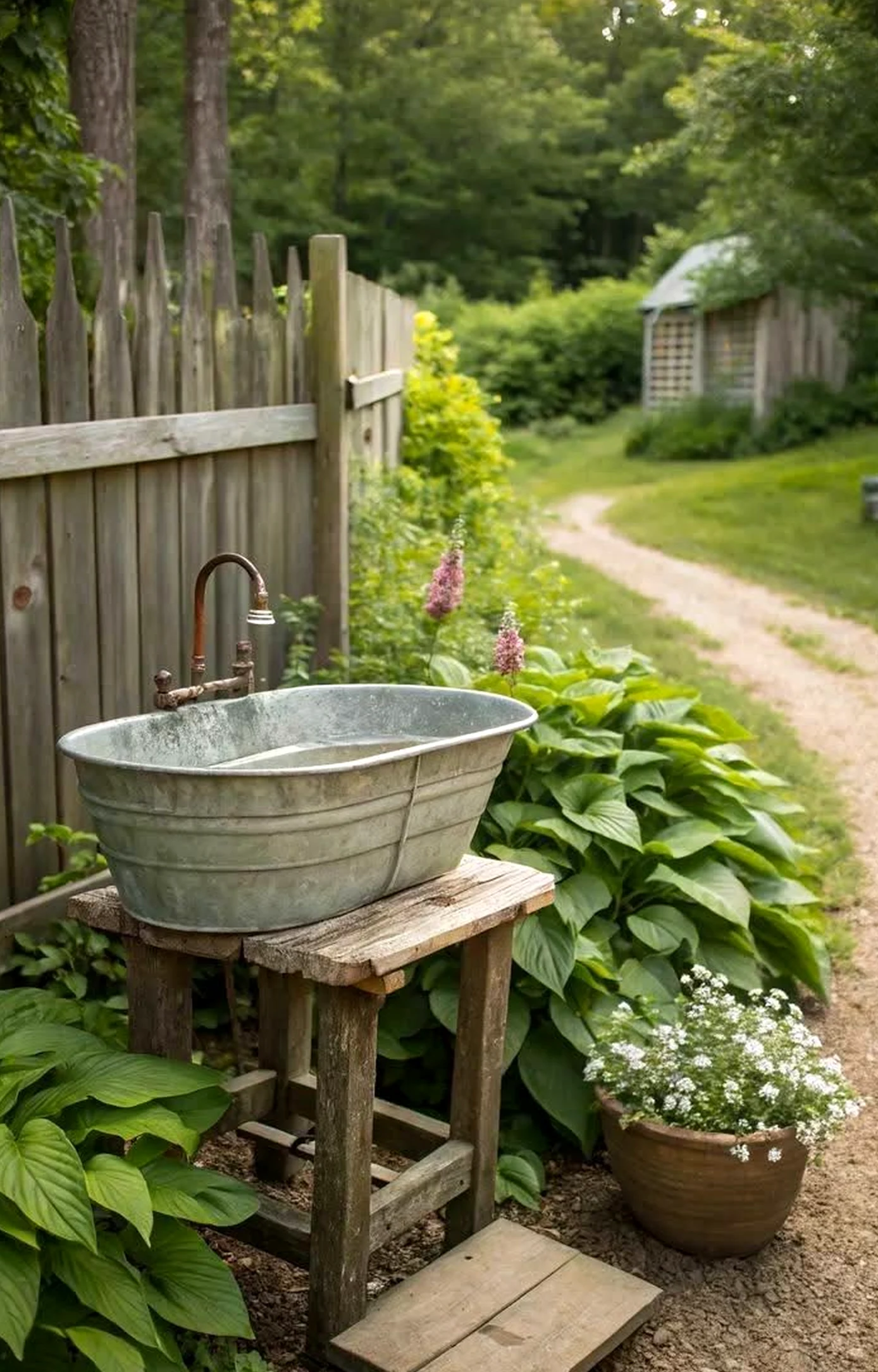
A garden path does more than connect A to B. It controls pace, frames views, creates anticipation. A straight path through a garden creates urgency — the eye travels immediately to the end point and the body follows quickly. A curved path creates mystery — you can’t see where it goes, so you slow down and look around.
Material matters here too. Gravel paths crunch underfoot and shift with use, becoming more themselves over time. Stone pavers create formality and visual weight. Grass paths between planted borders have a romantic, slightly overgrown quality that formal gardens rarely achieve. The best paths feel inevitable — as if the garden grew around them naturally.
Borrowed Landscape: Inviting the World Beyond Your Boundary
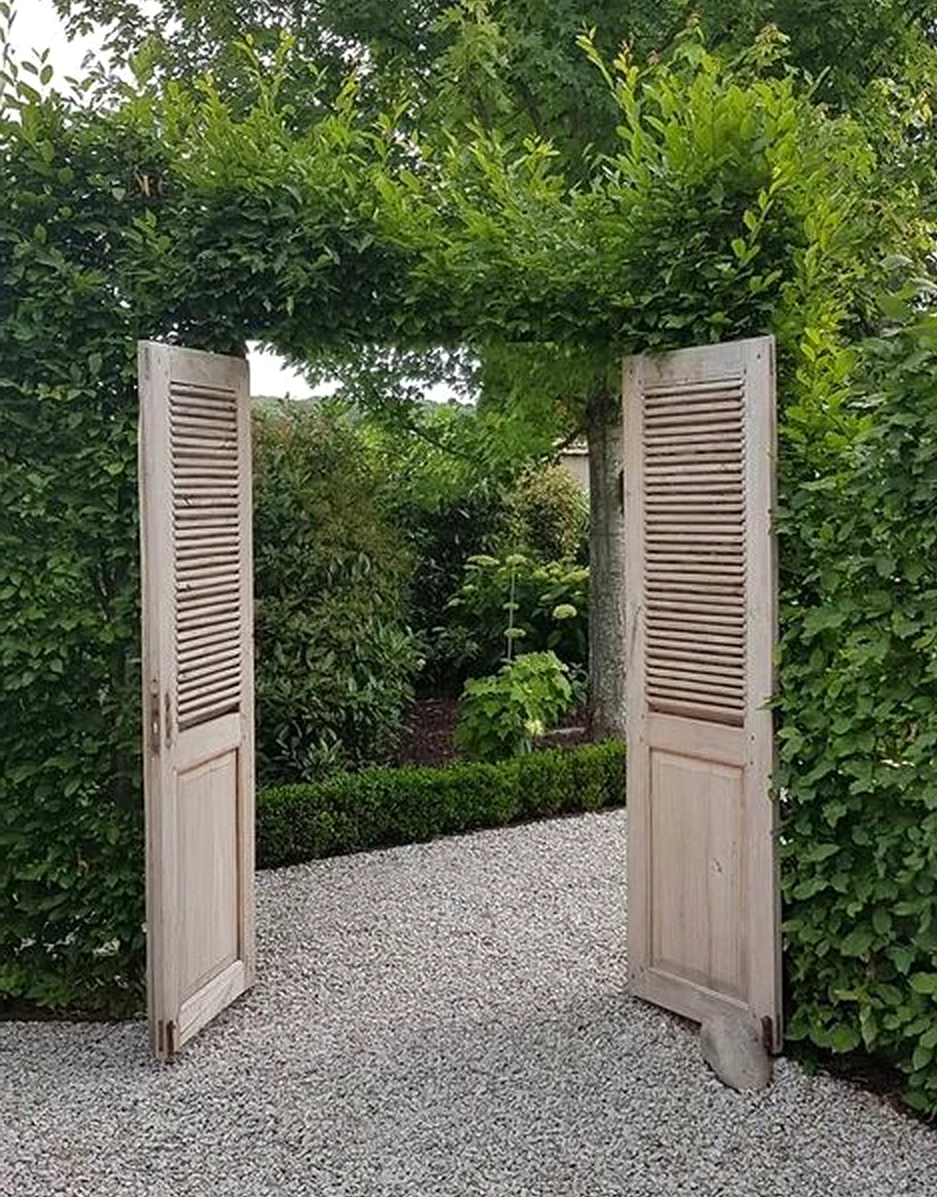
One of the most powerful tools in garden design is the borrowed landscape — the deliberate framing of views that extend beyond your own property. A garden gate positioned to frame a distant tree. A break in the hedge that draws the eye to fields beyond. A seating area oriented not toward the house but toward the sky above the roofline.
Designing with borrowed landscape requires you to look outward rather than inward — to understand your garden not as a self-contained space but as a foreground for everything around it. This is particularly powerful in gardens with limited space, where the view beyond can make the garden feel far larger than it is.
Stone as a building material in gardens has a quality that no manufactured alternative replicates: it carries time. A dry stone wall, a stone bench, a path of reclaimed flags — these elements look as though they have always been there because, in a sense, they have. Stone doesn’t date. It weathers, settles, and becomes more itself. In a garden designed for longevity rather than trend, stone is almost always the right choice.
Outdoor Living Rooms: Designed for Staying
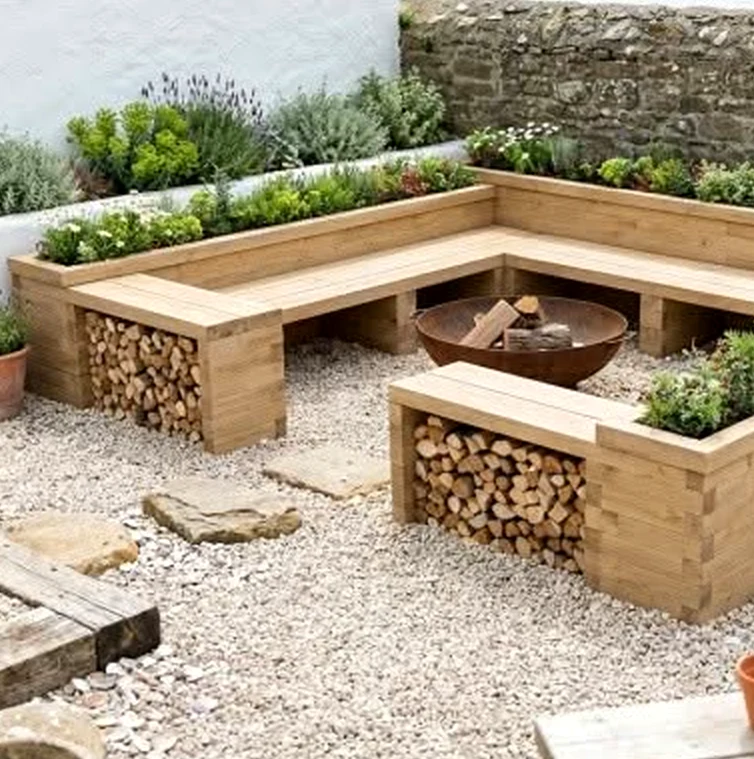
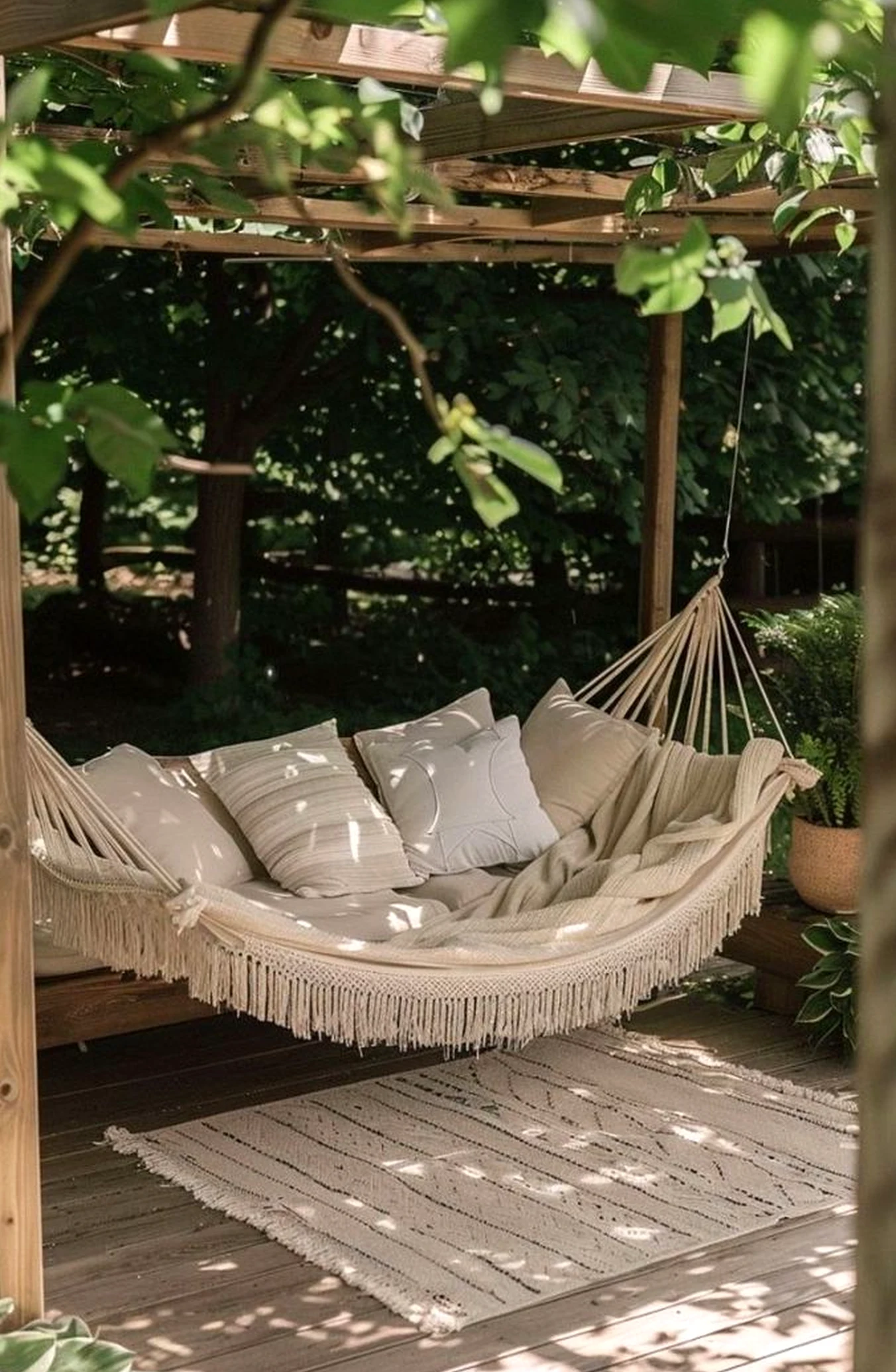
The outdoor living room has moved from aspirational concept to practical expectation for many homeowners. But a genuinely successful outdoor room is more than a sofa and a coffee table under a pergola. It requires thinking through all the same questions you’d ask of an interior room: Where does the light come from? Where is the shade at the times you’ll use it most? How is it enclosed — what gives it the sense of a room rather than just furniture in a garden?
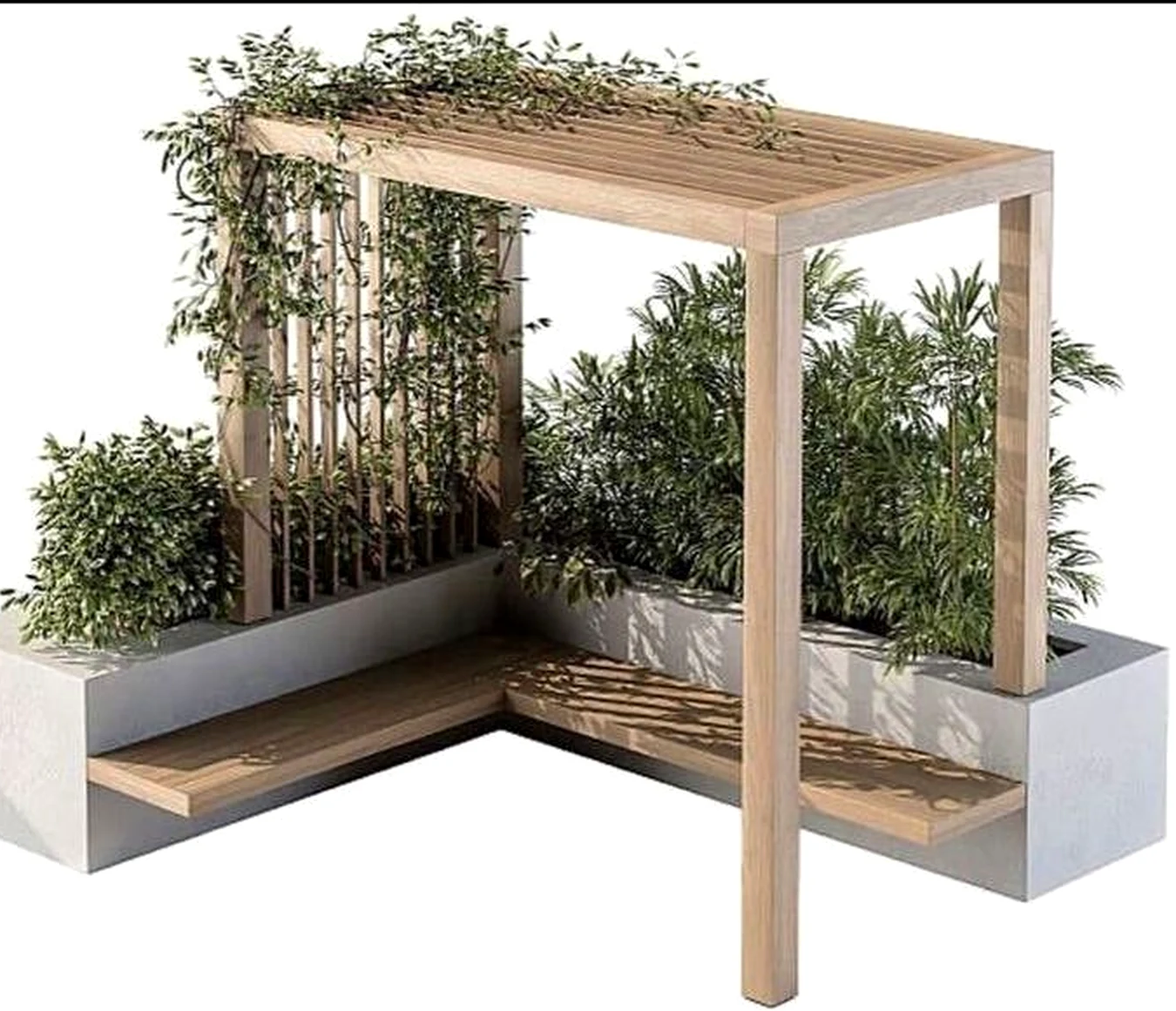
Enclosure is the key word. A room without walls isn’t a room — it’s a space. Creating enclosure outdoors requires planting, structure, or both: climbing plants on a trellis, a pergola overhead, hedging on three sides, a combination of low walls and tall grasses. The goal is to create somewhere that feels defined, contained, and sheltered — a destination within the garden rather than just furniture positioned in it.
Evening Gardens: Designed for After Dark
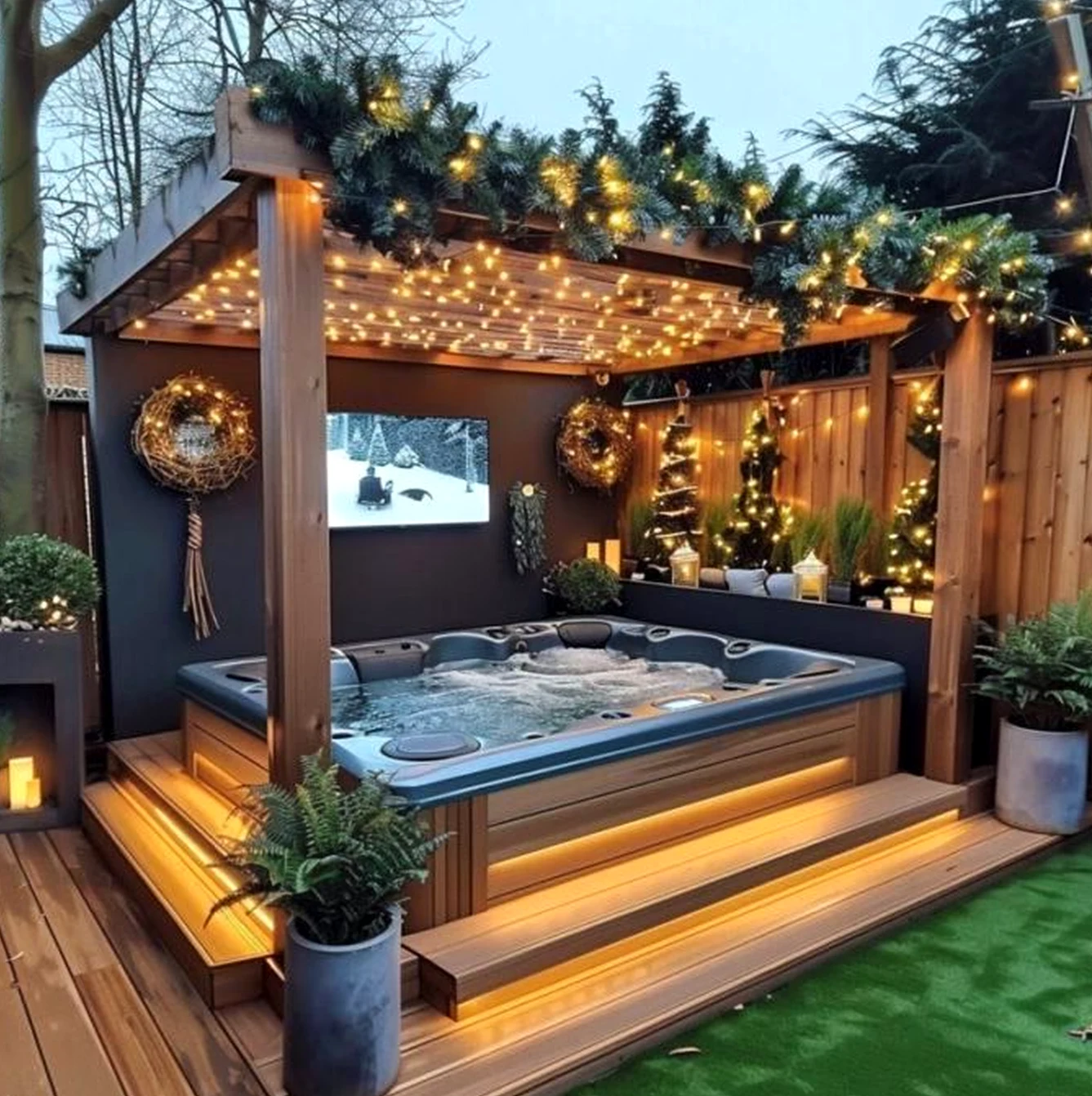
Most gardens are designed for daylight. But the outdoor spaces that get the most use are often the ones that work well in the evening — the pergola with the right lighting, the fire pit that extends autumn into something warmer, the terrace positioned to catch the last sun before it drops behind the roofline.
Lighting design in gardens is as important as in interiors, and it follows the same principles: layer your sources, avoid single overhead fixtures, and choose warmth over brightness. String lights in a pergola create a canopy effect. Uplighting through foliage casts shadow and depth. Path lights at ground level define edges without flooding the space with light. The goal is atmosphere, not illumination.
The Outdoor Table: Where Garden Life Happens
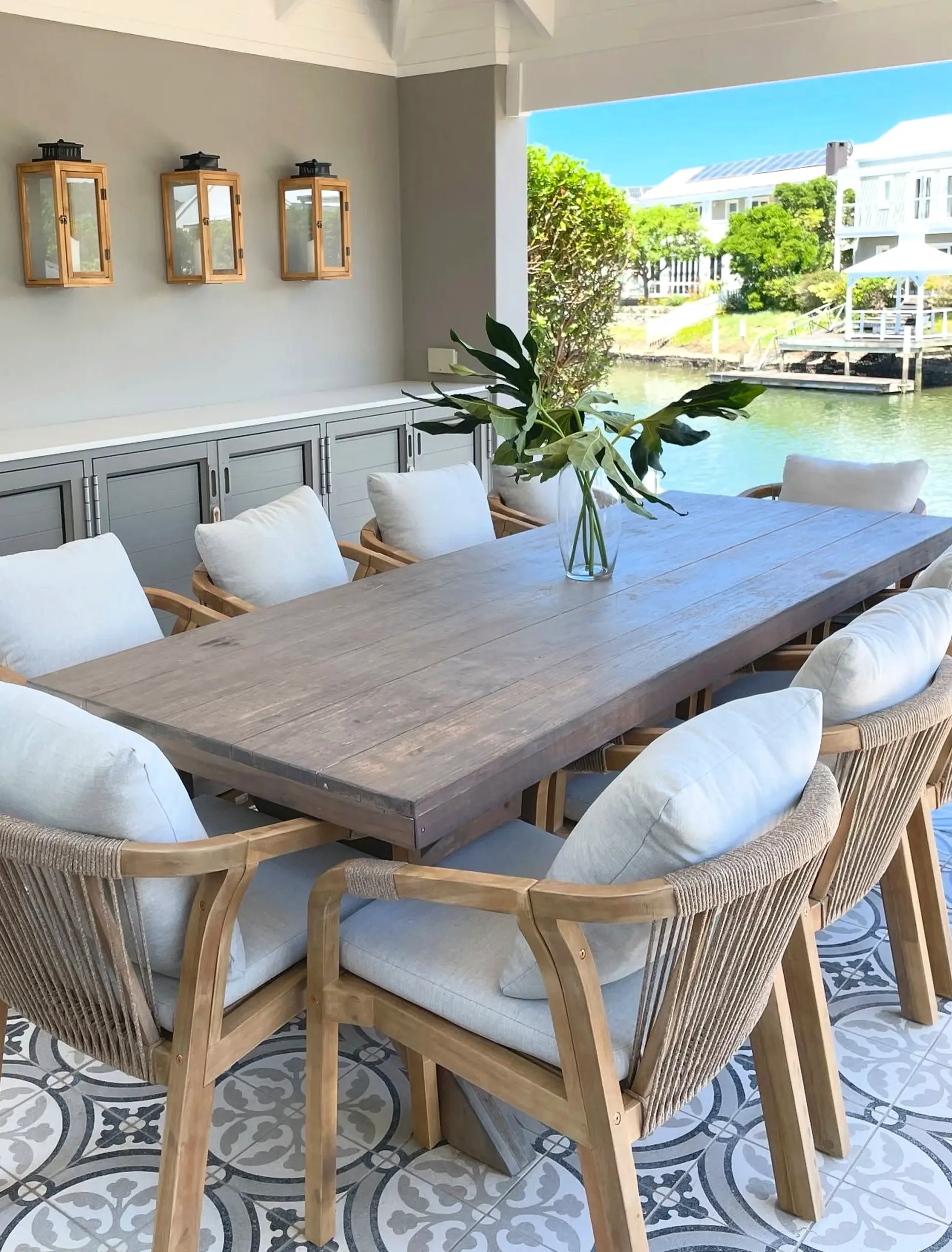
The outdoor dining table is often the piece of garden furniture that gets the most use and the least thought. It needs to work in all weathers, seat more people than expected, survive food and drink, and look good across multiple seasons and settings. Material here is everything: teak and iroko weather gracefully and need minimal maintenance; concrete and stone are indestructible but heavy; powder-coated steel is versatile and light; reclaimed wood carries character but needs care.
Think also about position. An outdoor dining table works best when it has some sense of enclosure — against a wall, under a pergola, within a defined terrace area — rather than floating in the middle of a lawn. People eat more comfortably when they have something behind them. The most used outdoor tables tend to have a wall at their back and an open view in front.
Planting for Smell as Much as Sight
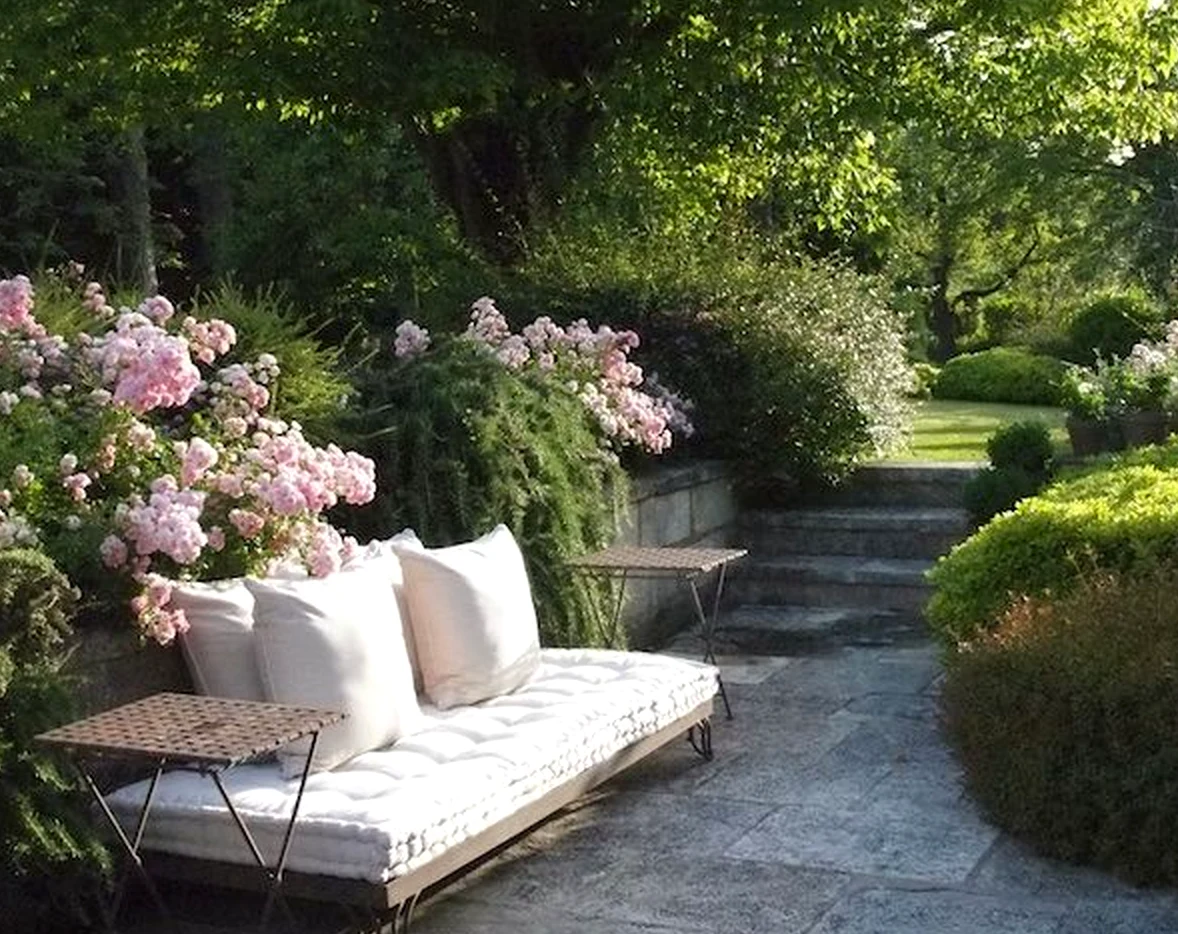
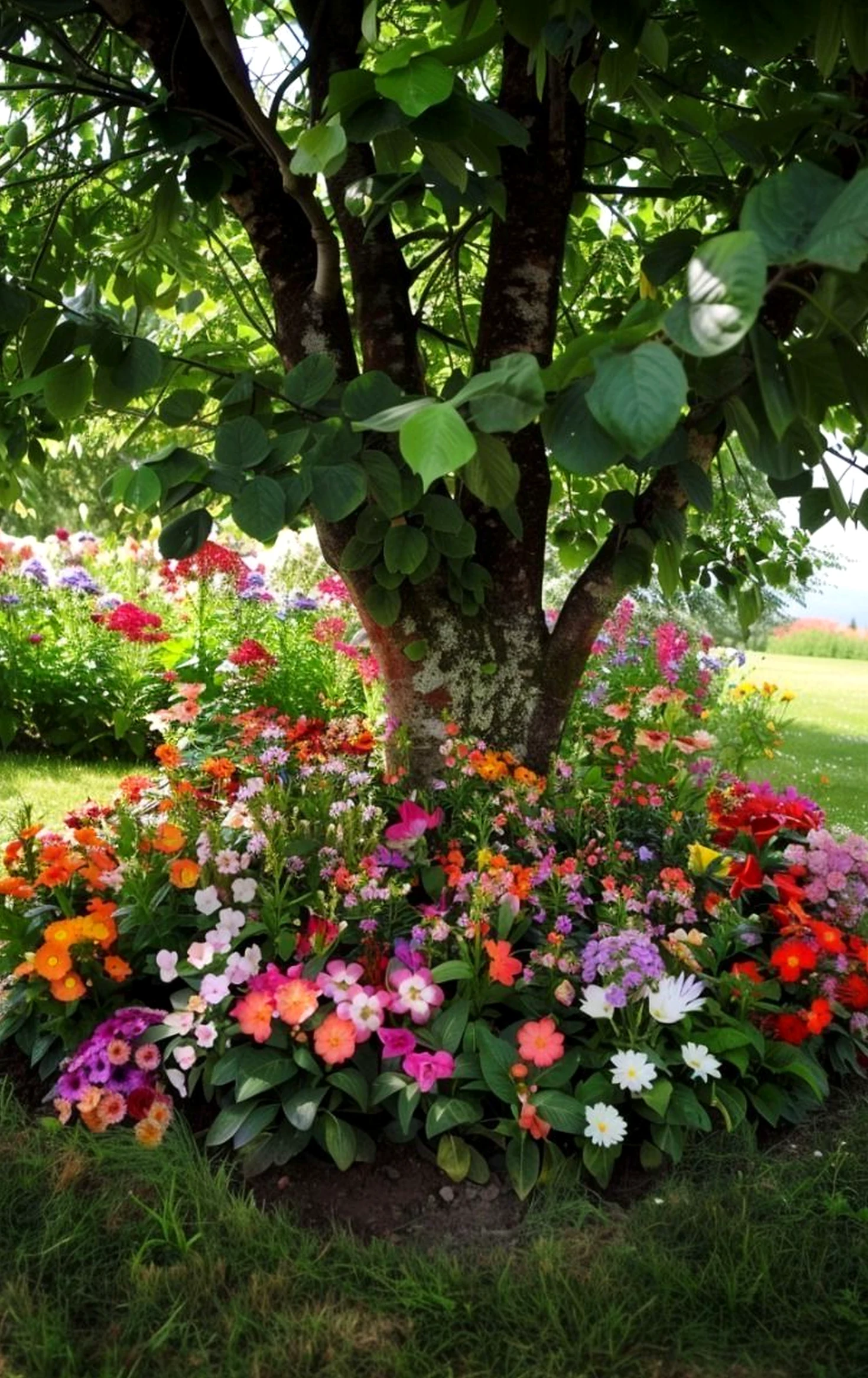
The sensory experience of a garden is built from far more than what you see. Smell is often the most powerful trigger of memory and mood — lavender in a border, jasmine on an arch, herbs bruised underfoot on a path, the particular smell of rain on warm stone. The gardens we remember most vividly tend to be fragrant ones.
Designing for fragrance means thinking carefully about placement. Scented plants work best close to where people sit or walk — beside a path, next to a bench, under a window or door. They lose most of their effect in the middle of a border where no one gets close enough to smell them. Put your roses where you’ll walk past them daily. Put your herbs where you’ll brush against them. The garden that engages all the senses is the one that stays with you.
The House Exterior as Garden Element
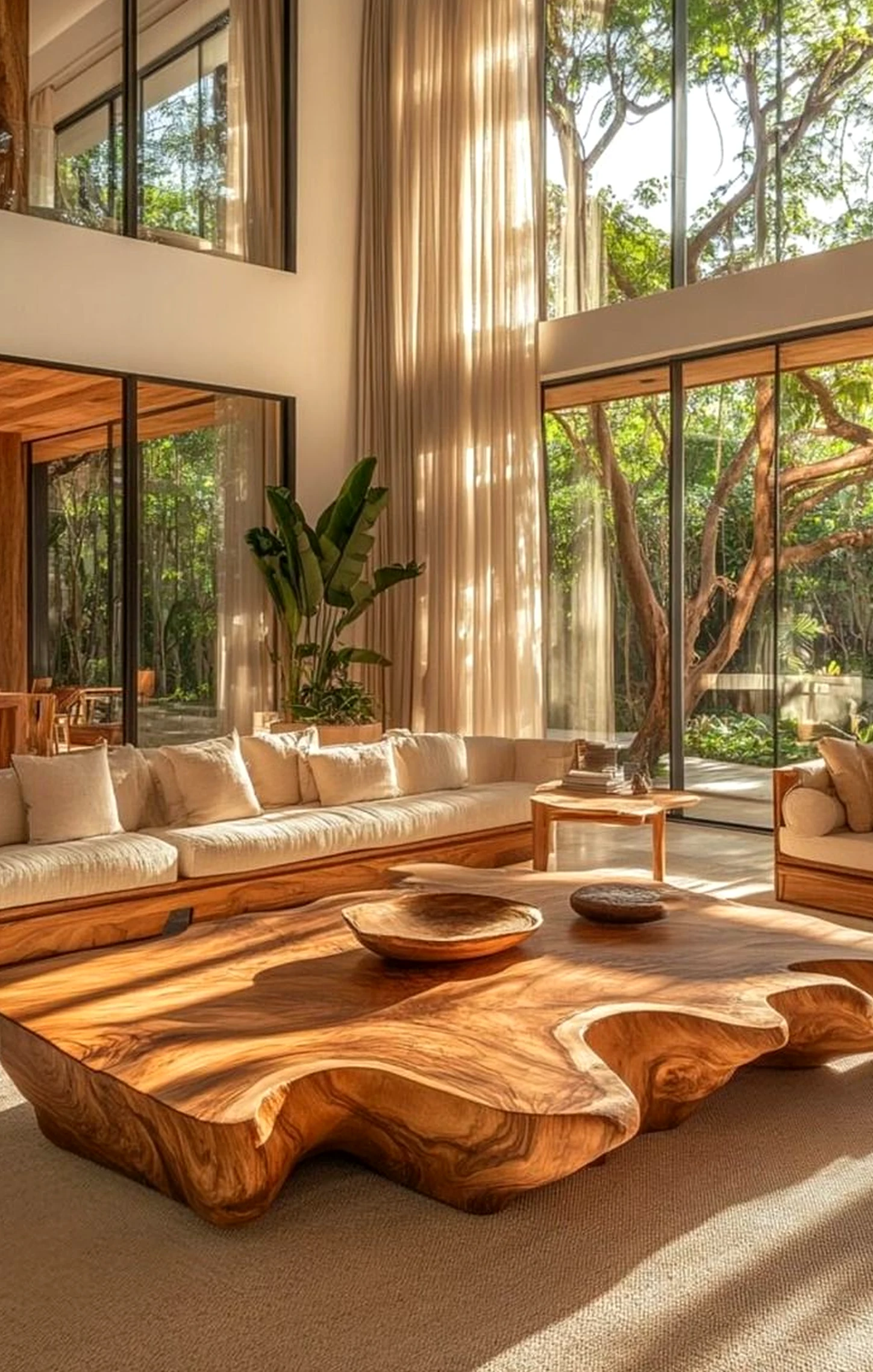
The boundary between house and garden is not a fixed line. The quality of that transition — how you move from inside to outside, how the architecture of the house relates to the landscape around it — defines the overall experience of both spaces. A house that turns its back on its garden, with a blank rear elevation and no considered threshold, makes the garden feel like an afterthought. A house that opens outward, with glazing that brings the garden into view from every room, with a threshold that eases the transition from interior to exterior, makes both spaces feel larger and more connected.
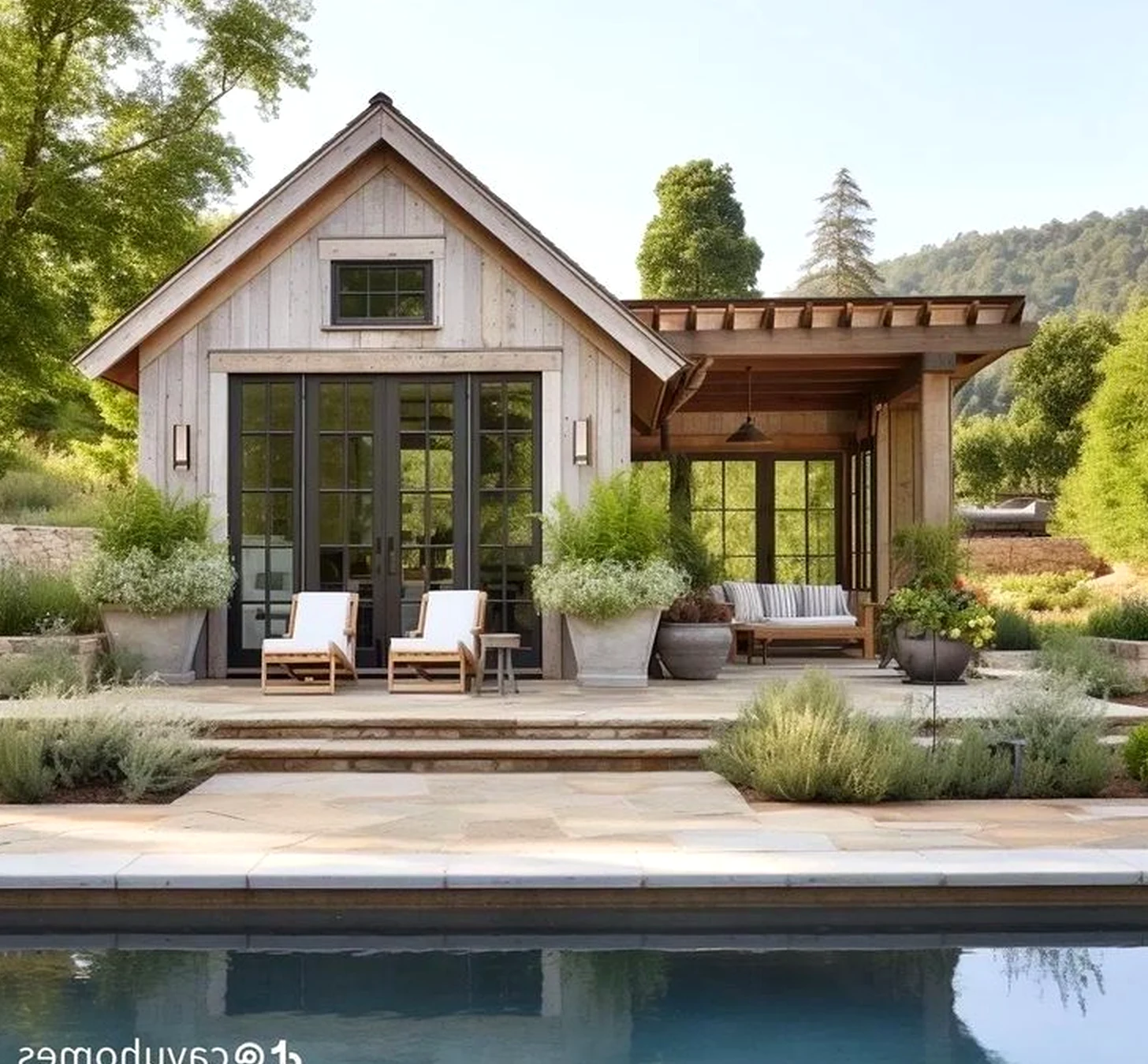
The outdoor spaces that work best are extensions of the life lived inside — not separate realms requiring a different mindset, but continuations of the same intention. A shaded reading corner in the garden. A dining table positioned to catch evening light. A deck that becomes, in summer, an additional room. These spaces don’t require a garden designer or a large budget. They require only attention to how you actually live and the willingness to design for that specific life rather than for an imagined ideal.