There is a kind of home that stops you at the threshold — not because it’s perfect, but because it feels deeply, unmistakably alive. Every object carries a story. Every corner holds an intention. This is not a home assembled from a catalog. It’s a home that grew, slowly and honestly, around the people living in it.
Creating that kind of space is less about following trends and more about listening — to yourself, to the light in your rooms, to the way you actually move through your day. The homes that resonate most deeply are the ones where someone made real choices: this chair because it was their grandmother’s, this color because it matches the sea they love, this shelf arrangement because it makes them smile every morning.
Start With What You Already Love
Before buying anything new, do a full audit of what you already own. Lay it all out — every object, every textile, every piece of art gathering dust in a closet. What stays? What genuinely brings you joy or serves a real purpose? The answer to that question is the foundation of your interior identity.
Most beautifully curated homes aren’t built from scratch. They’re built from layers — things collected over years, inherited, found at markets, gifted. The common thread isn’t a matching aesthetic; it’s a consistent sensibility. Develop yours by paying attention to what you keep returning to: what colors, what textures, what moods recur throughout your favorites.
The Kitchen as the Emotional Core
No room reveals more about how a family lives than the kitchen. It’s where the day begins, where people gather instinctively, where conversations happen over steam and spice. A kitchen that feels good isn’t necessarily a kitchen that looks expensive — it’s one that fits the rhythm of your life.
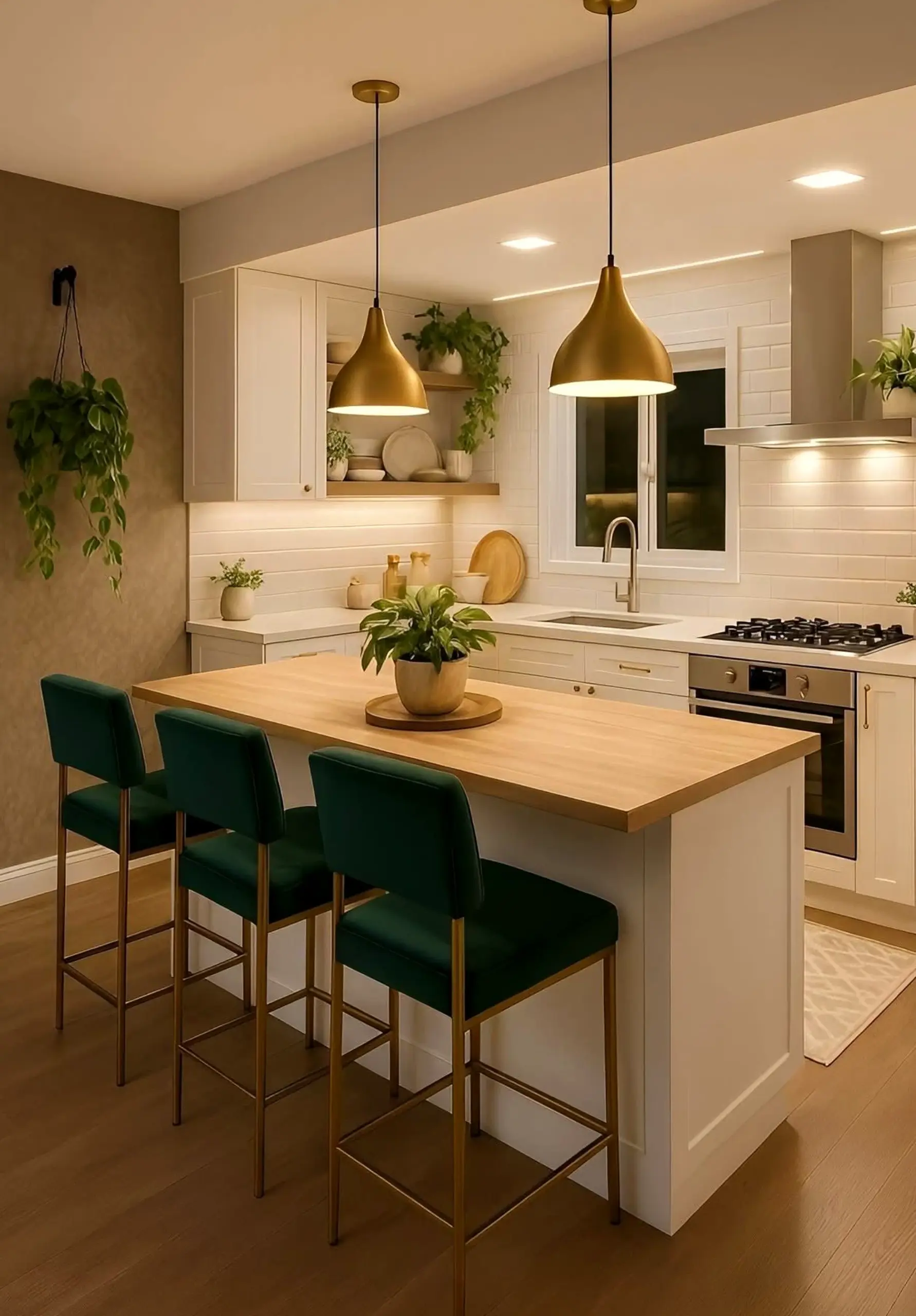
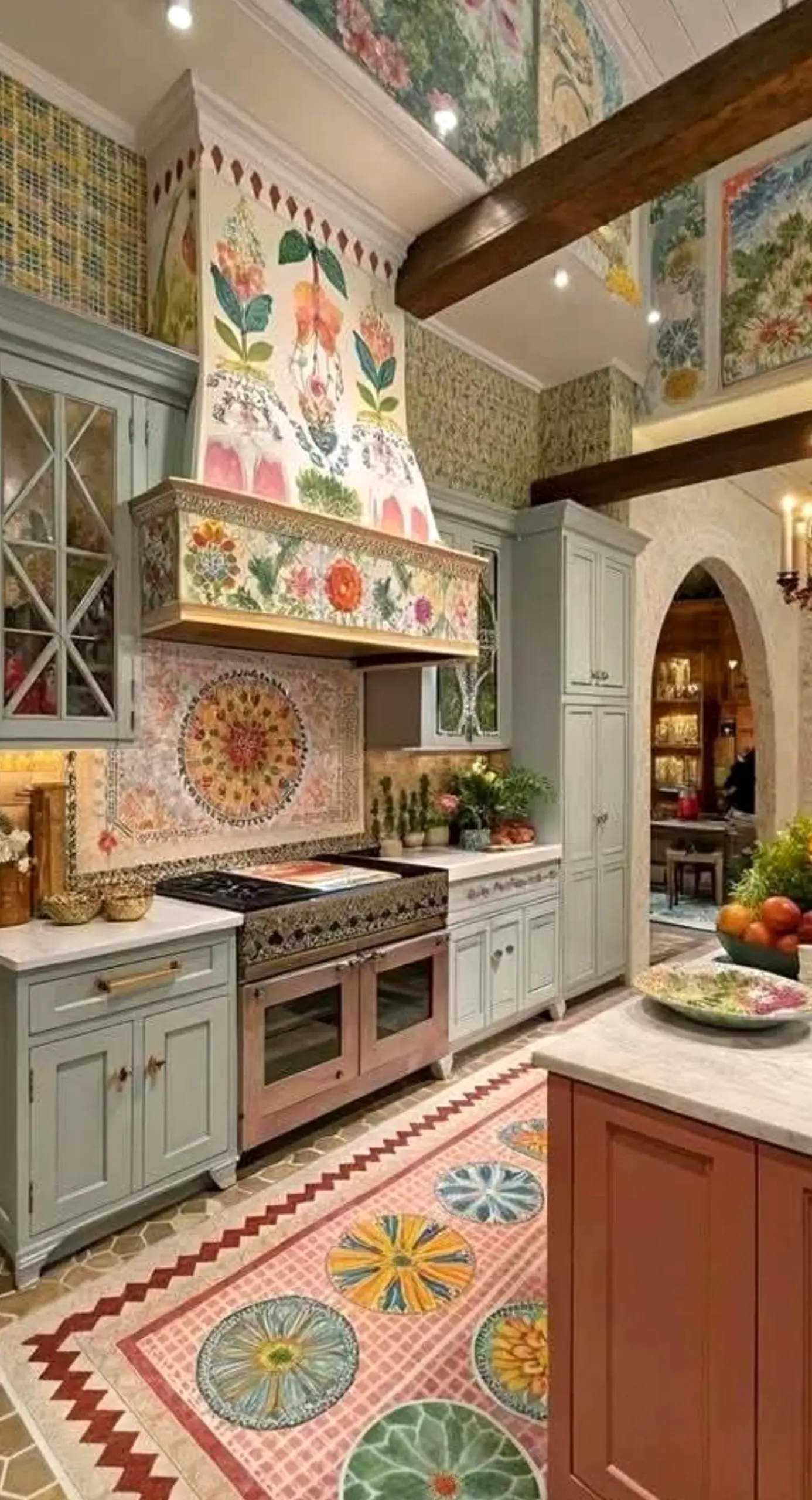
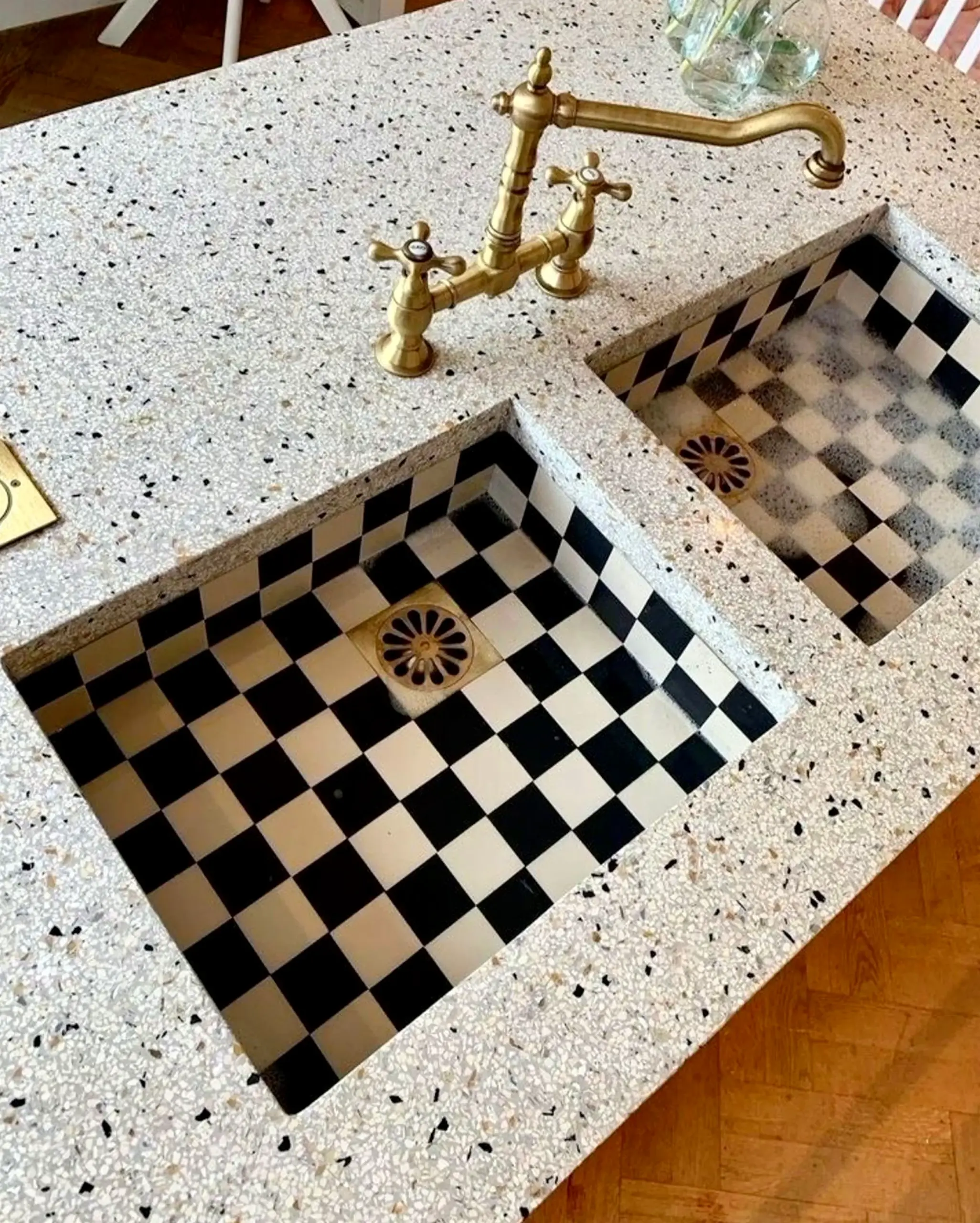
Open shelving displays your everyday rituals. A worn wooden island tells of years of meals. Handmade tiles on a backsplash add color without commitment. The most inviting kitchens tend to have one thing in common: they look used, in the best possible way.
Rooms With Character: Beyond the Matching Set
One of the most liberating interior decisions you can make is to stop buying matching sets. A bedroom doesn’t need a coordinated nightstand-dresser-headboard trio from the same retailer. A living room doesn’t need furniture that matches in material, leg style, and upholstery tone.
The most interesting rooms are assembled — a mid-century chair next to a modern sofa, vintage brass lamps against a freshly plastered wall. What holds it together isn’t matching; it’s proportion, color temperature, and the confidence of the choices made.
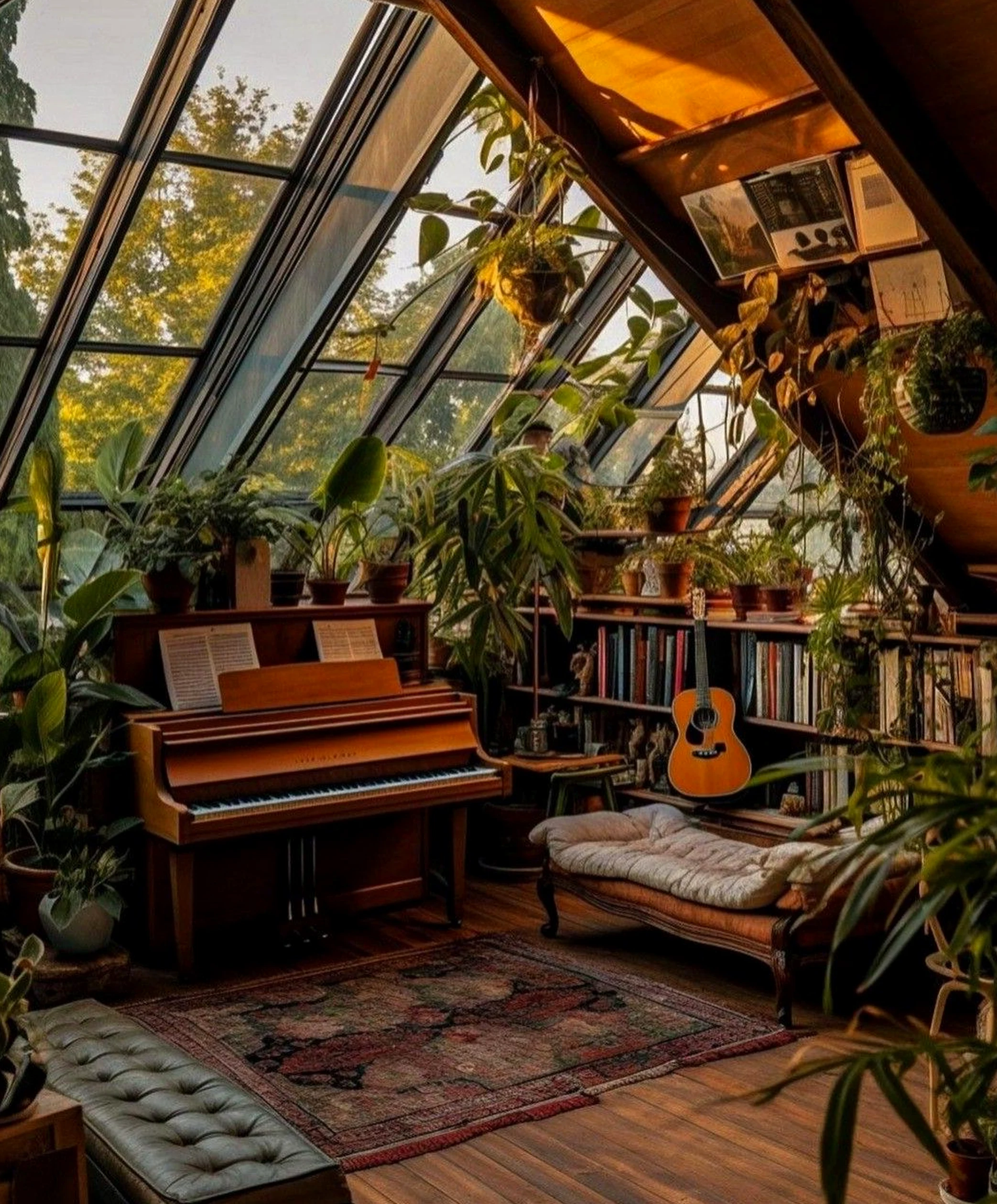
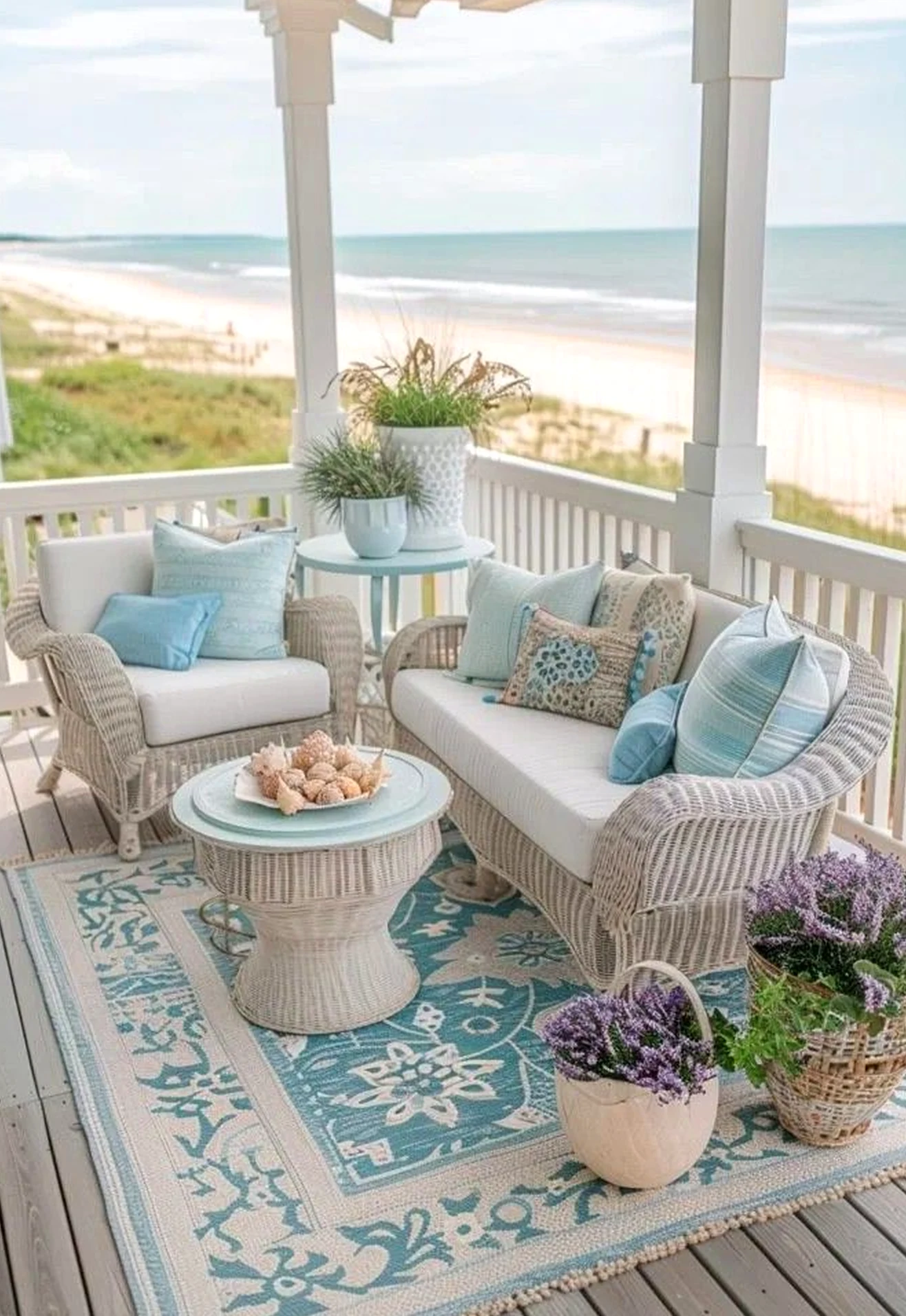
A greenhouse extension, a sunroom, a bay window nook — spaces that blur the boundary between inside and outside carry a particular kind of energy. They remind you that your home is not sealed off from the world. Light changes throughout the day. Plants grow. Weather moves across the glass. These rooms feel alive because they are.
The Creative Corner: Making Space for What You Love
Every home benefits from a dedicated space for the things that make you feel most yourself. For some it’s a painting corner. For others a reading chair in the right light. For others still it’s a home office designed not for productivity theater, but for actual focus and comfort.
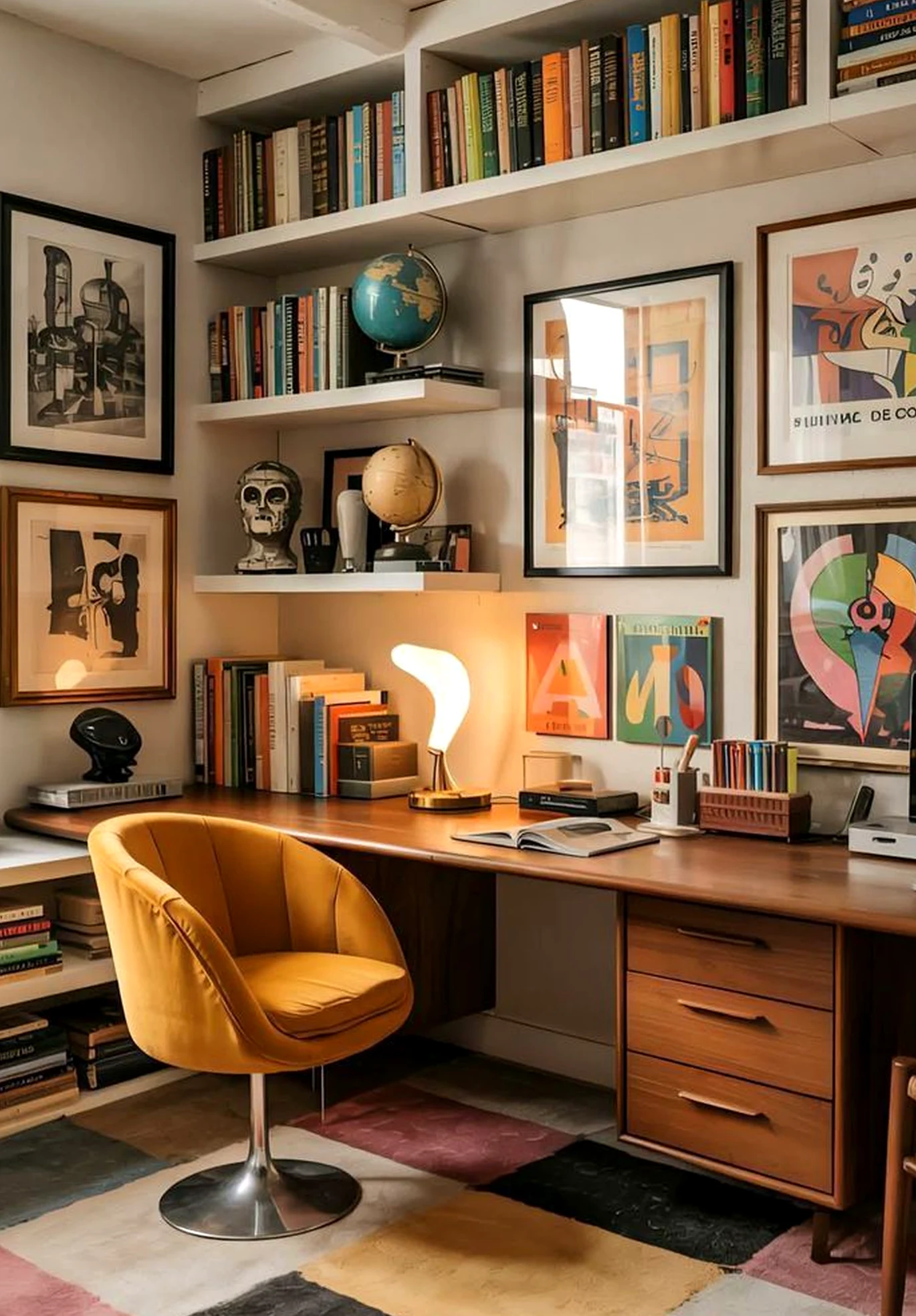
The mistake most people make with home offices is designing them to look professional rather than to work for how they actually think. If you need visual stimulation to concentrate, fill your shelves with objects and art. If you need calm, choose a single desk facing a window and nothing else on the wall. There is no universal formula — only yours.
Color as a Mood, Not a Statement
The most enduring color choices in interior design are the ones chosen for how they make you feel at 7am, not how they photograph. That deep terracotta that looks stunning on Instagram might feel oppressive at 6 in the morning. That pale sage that seems too subtle in a showroom might be exactly right in your north-facing bedroom.
Live with samples. Paint large swatches — at least A3 size — and observe them across different times of day and different light conditions. Observe how they interact with your floors, your furniture, your art. Color is not a final answer; it’s a conversation between a wall and everything else in the room.
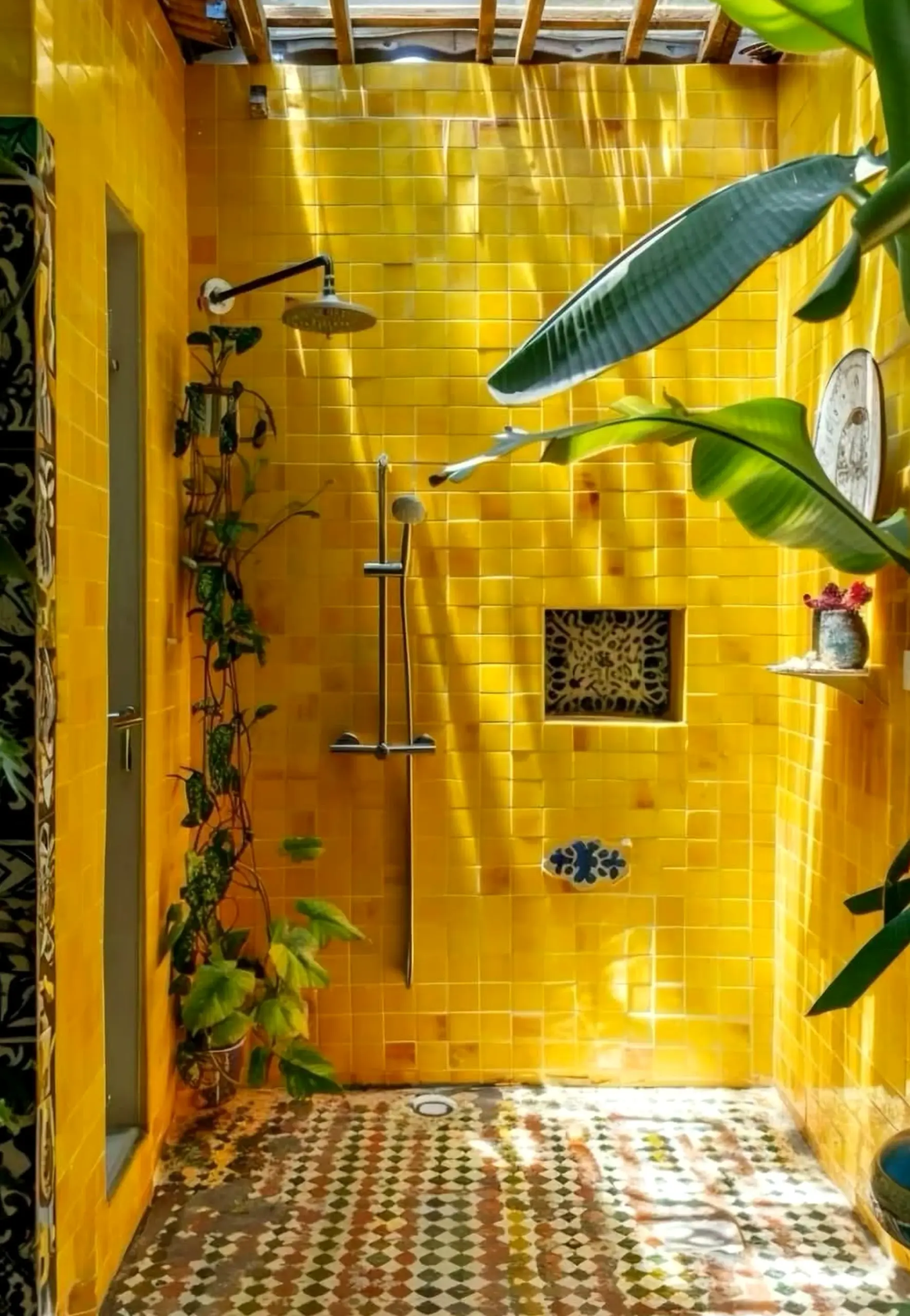
There is something quietly radical about a bathroom that feels like a room rather than a utility space. Patterned floors, a freestanding tub, a single piece of art on the wall — small gestures that say this room matters too. The bathroom is where the day begins and ends. It deserves the same intentionality as any other space in your home.
The Living Room: Designed for People, Not Occasions
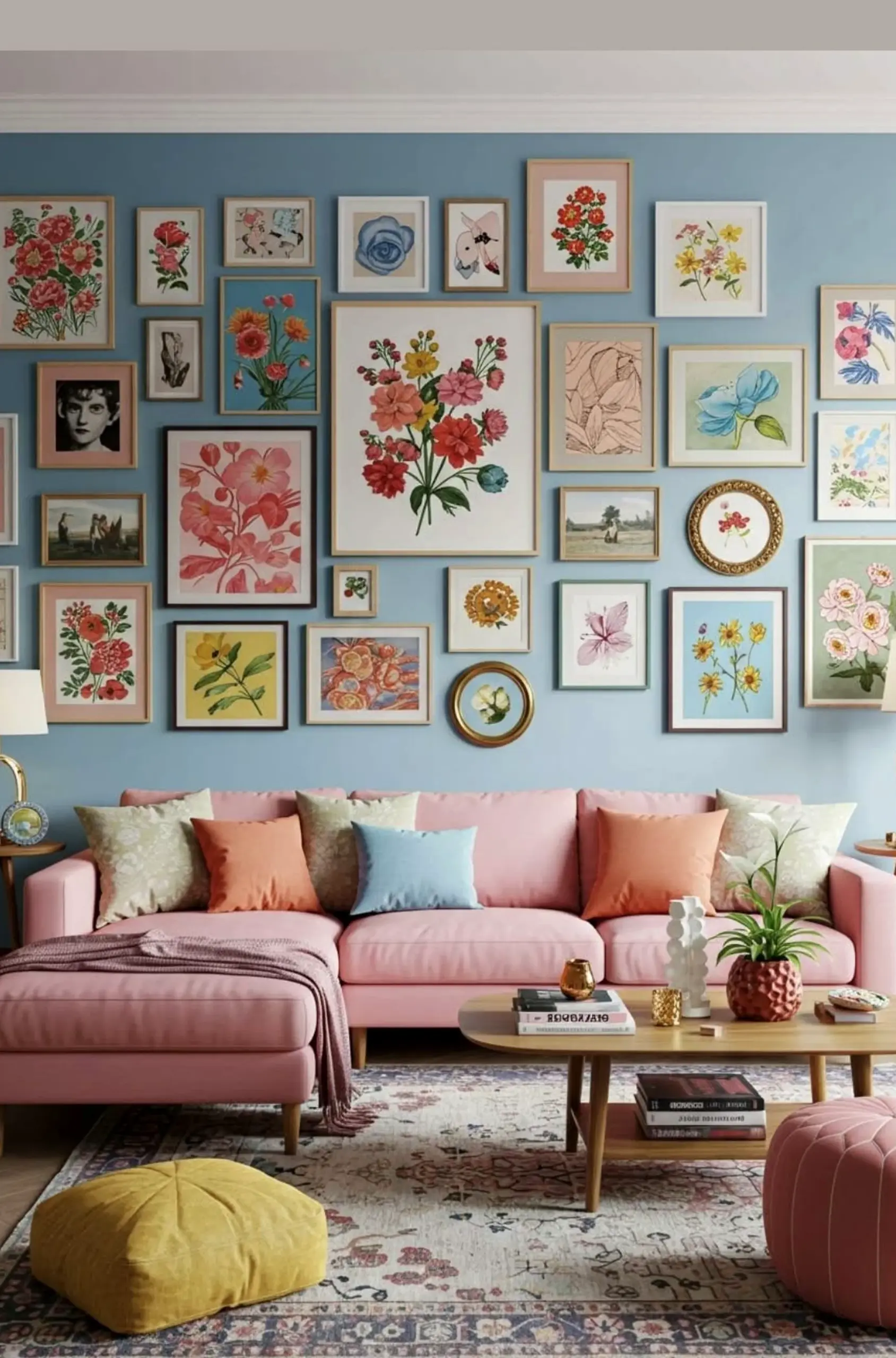
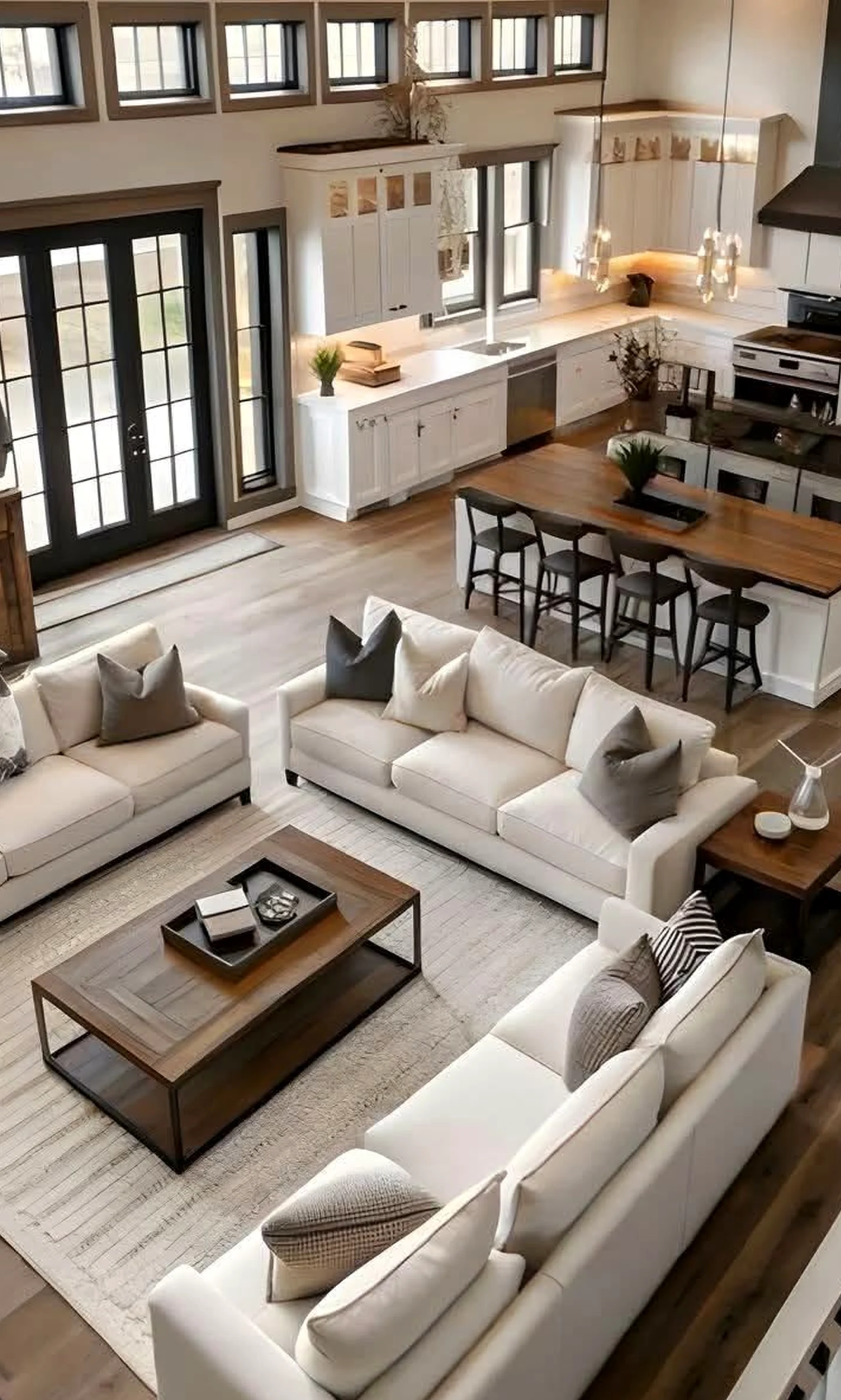
Many living rooms are designed for an imaginary occasion — the dinner party, the important guests, the photograph. The result is a room that no one actually sits in comfortably. The best living rooms are designed for the real life that happens in them: the Sunday reading, the film on a rainy evening, the conversation that goes on longer than expected.
This means prioritizing comfort over showpiece furniture, choosing lighting that adjusts to the mood rather than a single overhead fixture, and arranging seating for actual conversation rather than symmetrical optics. It also means having surfaces where you can actually put things down — books, glasses, a candle — without breaking a careful arrangement.
The Bedroom: The Room You Deserve
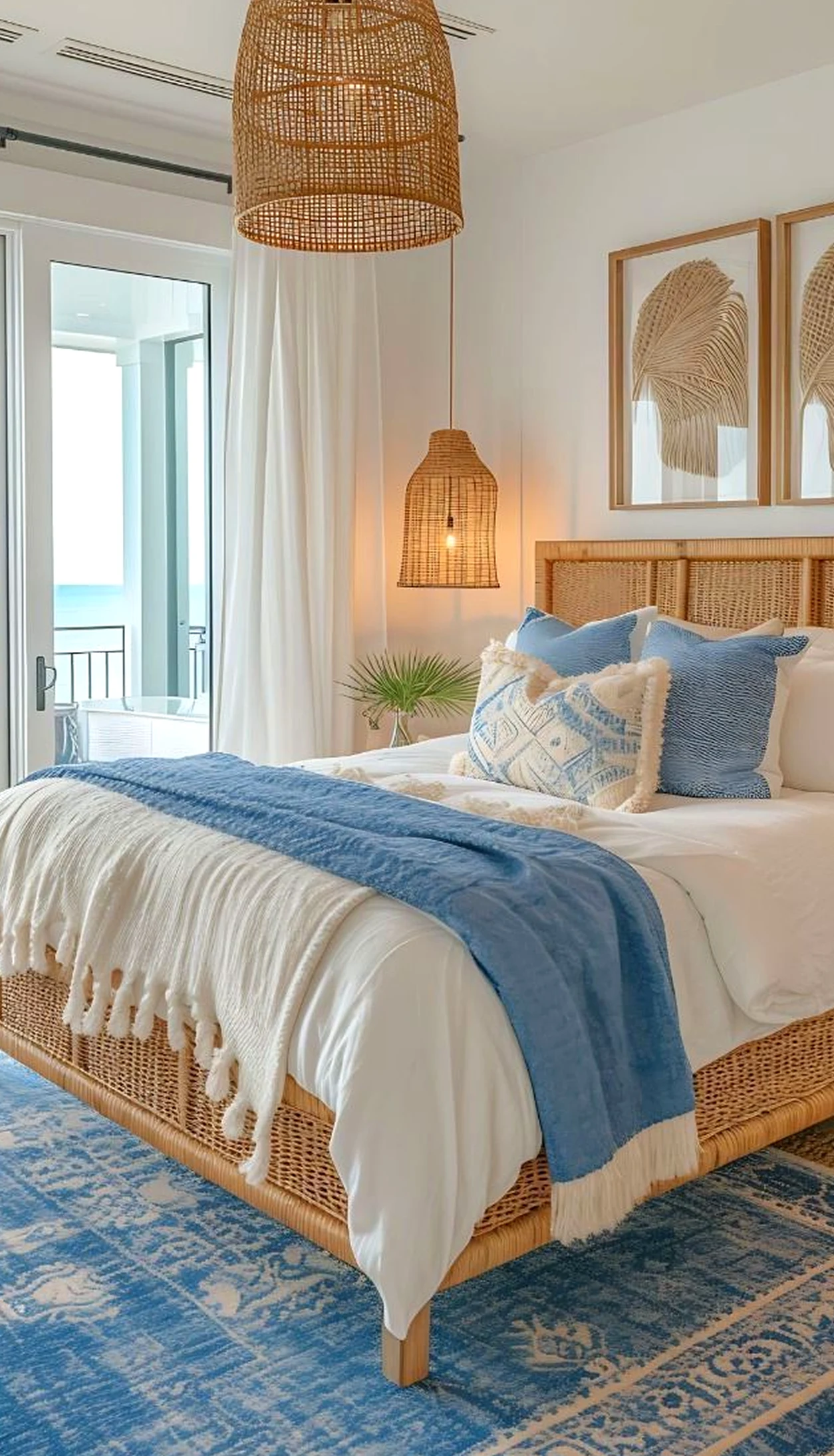
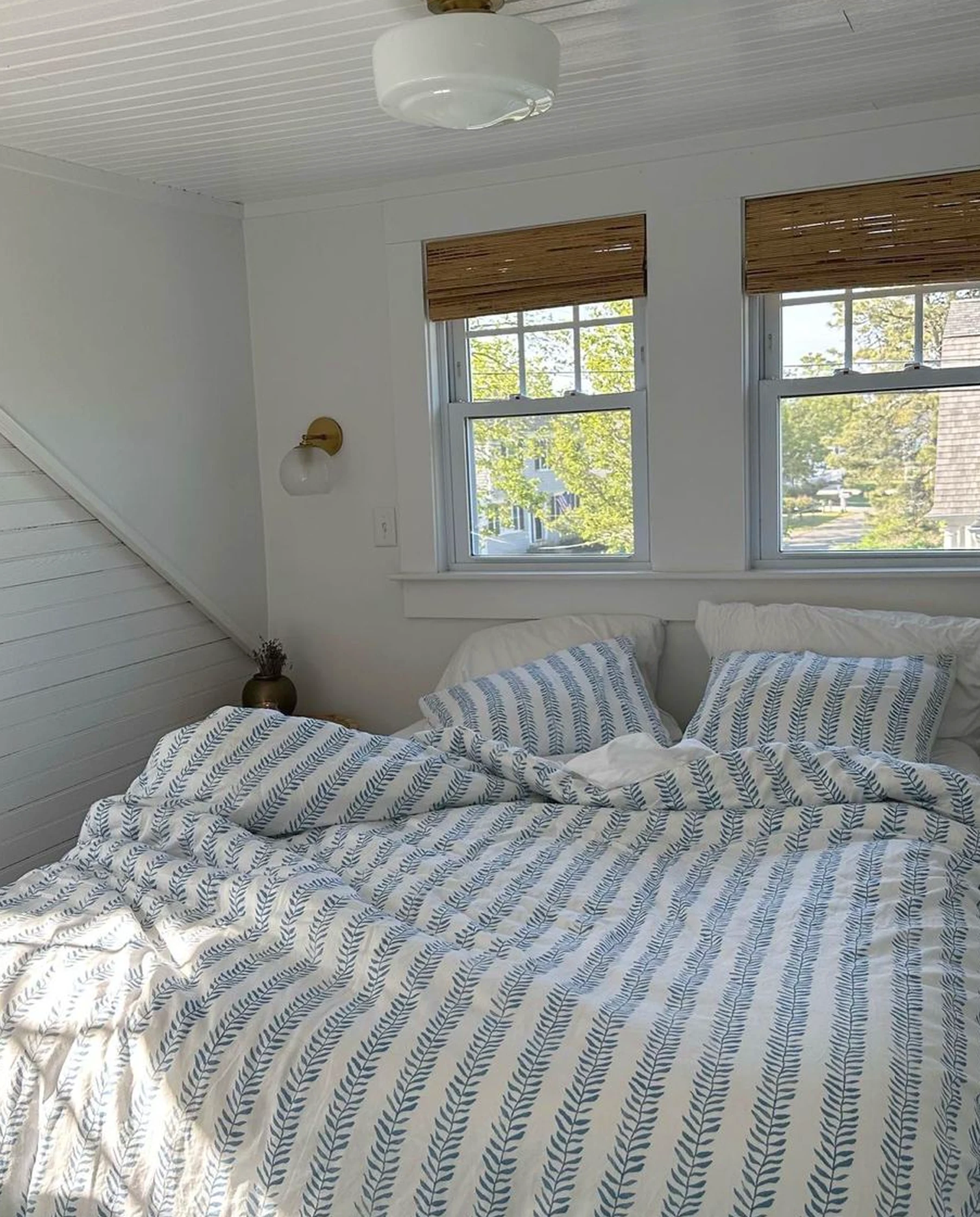
More than any other room, the bedroom is personal. It’s where you begin and end every day. It shapes the quality of your rest, your dreams, your mornings. And yet it’s often the last room people invest in — treated as storage overflow, homework space, anything-goes territory.
A bedroom designed for genuine restoration has a few consistent qualities: a bed that feels like a destination, textiles that are soft and layered, lighting that doesn’t glare (side lamps rather than overhead), and a level of visual calm that lets the mind slow down. It doesn’t need to be minimal — it needs to be intentional.
The Kitchen Island: The Room Within the Room
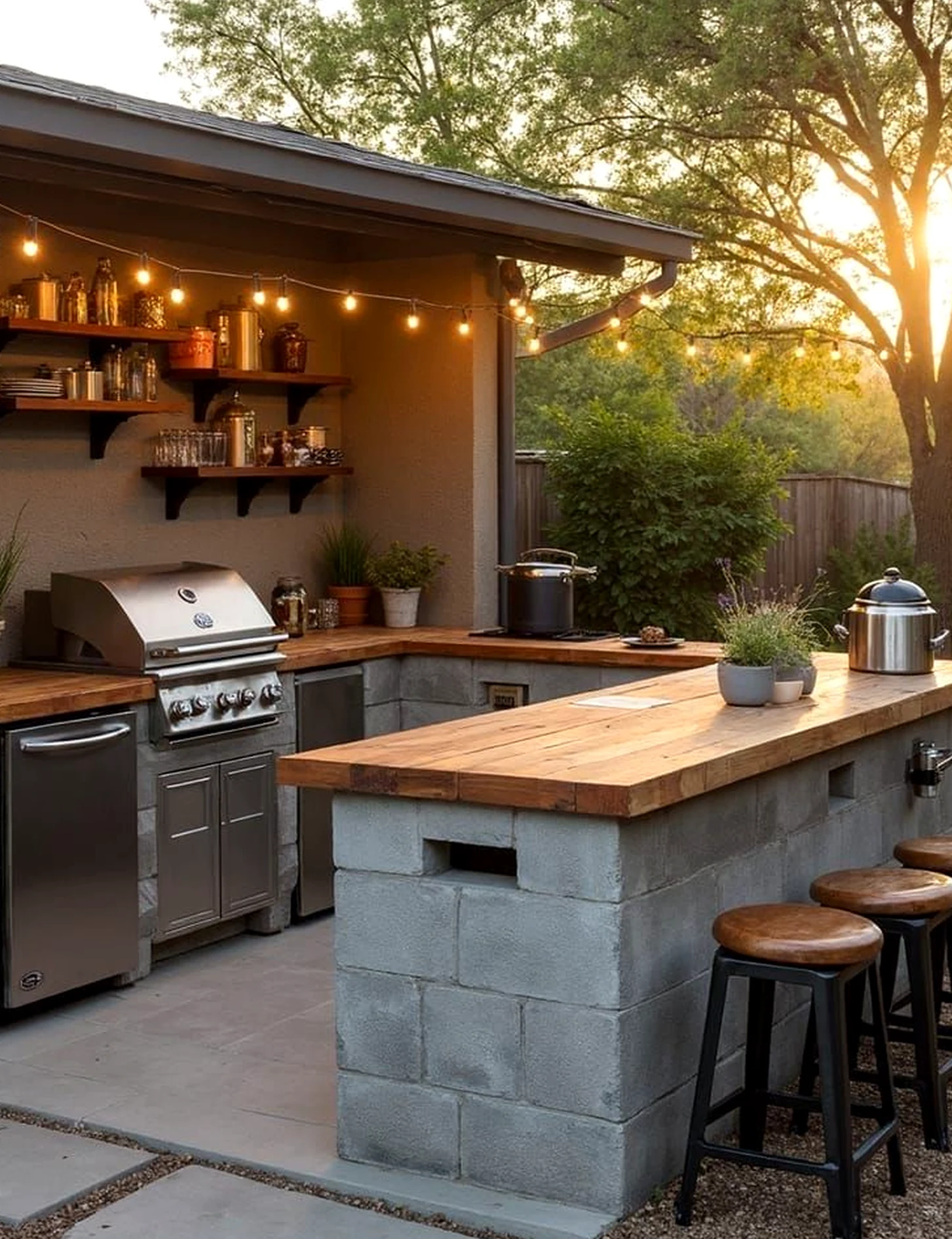
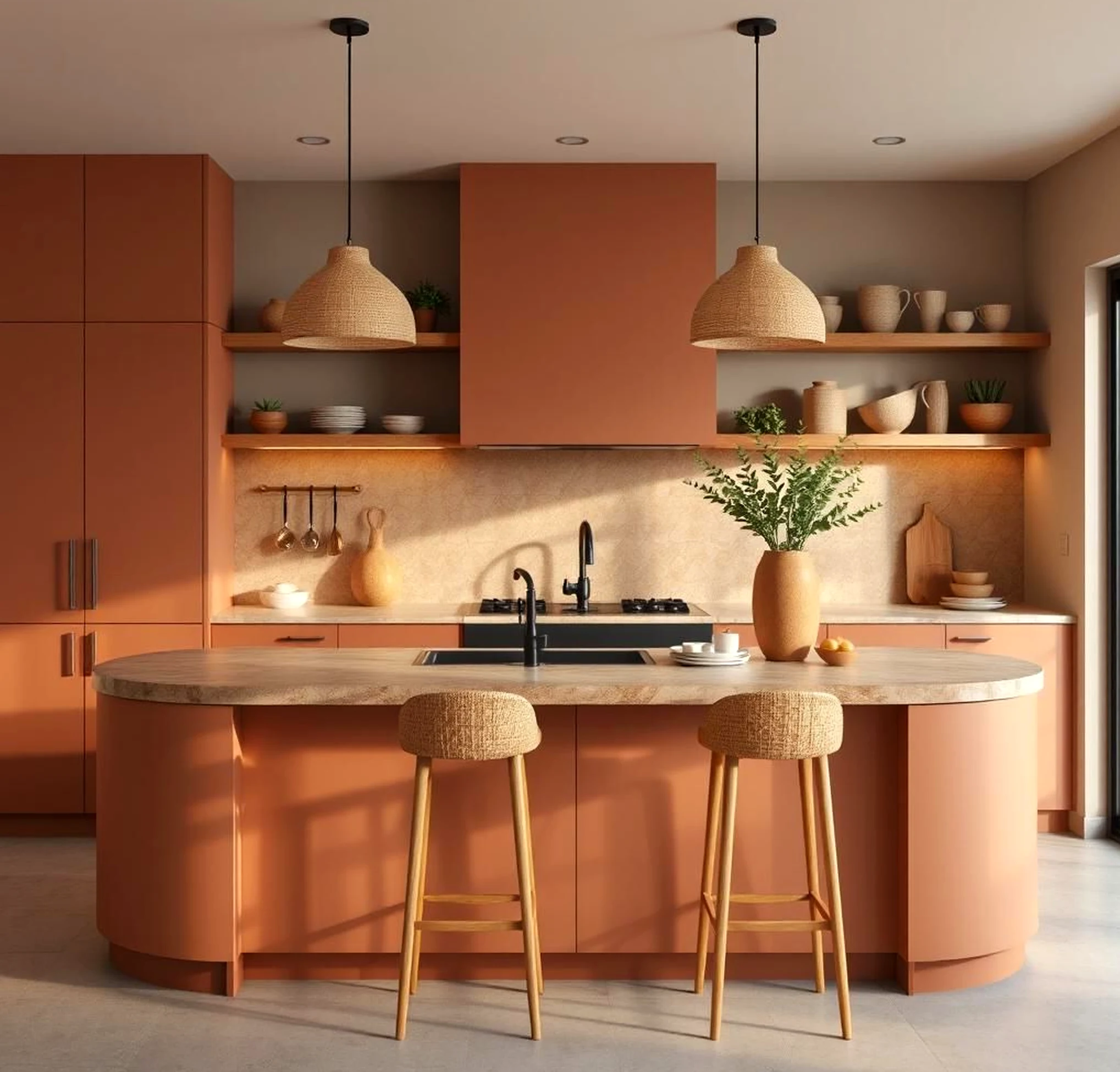
In open-plan homes, the kitchen island often does more social work than any other piece of furniture. It’s the place where guests instinctively gather when you cook, where children do homework while you make dinner, where the day is debriefed over a glass of wine. Its design should acknowledge this social function, not fight it.
That means comfortable seating, enough counter height for casual leaning, and a surface that can take real use — a chopping board, wine glasses, scattered spices — without looking neglected. The island that always looks immaculate probably isn’t being used properly.
The homes we remember most are rarely the grandest ones. They are the ones that felt inhabited — where someone had made real decisions, chosen things they loved, created spaces they actually lived in. That quality is available to any home, regardless of size or budget. It requires only attention, patience, and the willingness to choose for yourself rather than for an imagined audience.