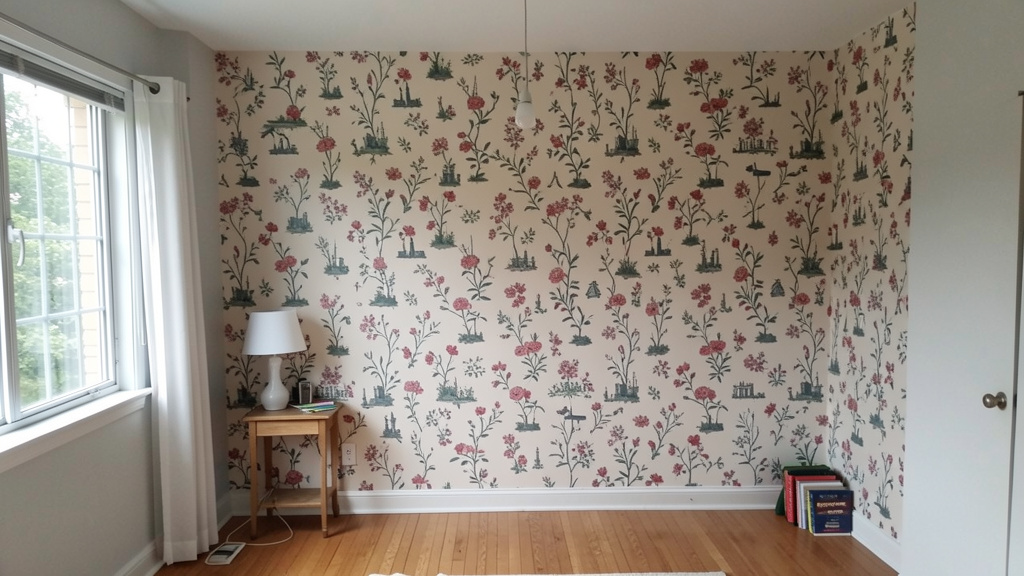
Elevate Your Space Legally, Safely, and Reversibly—Without Compromising Your Lease or Security Deposit
Renting a home doesn’t mean surrendering your right to comfort, style, or functionality. With intentional, reversible strategies grounded in lease awareness and surface-appropriate techniques, you can thoughtfully personalize any rental space while honoring your agreement. This guide provides a systematic framework, adaptable room-by-room solutions, landlord communication approaches, and practical protocols used across diverse rental contexts. Whether you’re in a short-term apartment or a multi-year home, discover how to create a space that reflects your needs—responsibly and confidently.
Introduction: Shifting from Limitation to Intentional Design
For years, renters navigated a false dichotomy: accept an impersonal space or risk penalties for customization. Today, evolving product innovation, clearer communication norms, and growing recognition of tenant stewardship have expanded possibilities for reversible enhancement. Yet persistent myths—”all adhesives damage paint,” “landlords always deny requests”—create unnecessary hesitation. The path forward lies in nuance: understanding which methods suit which surfaces, how to frame proposals collaboratively, and when reversibility is essential.
This journey begins not at the store, but with preparation. Before introducing any element, document your space thoroughly. Photograph every room under consistent lighting, noting existing marks, scuffs, or wear with clear timestamps. This visual record serves as objective reference during move-out. Next, review your lease’s “Alterations,” “Repairs,” or “Improvements” section. Highlight terms like “damage,” “permanent,” or “written consent.” While lease language sets boundaries, remember that many property managers appreciate tenants who proactively protect surfaces—such as using rugs to reduce carpet wear or window film to minimize UV fading. Local regulations may also inform your approach: some regions have specific provisions regarding accessibility modifications or security deposit handling. Always verify jurisdictional guidelines through official housing resources (.gov, .gov.uk sites). This preparatory step isn’t caution alone—it’s strategic respect. By operating within documented parameters, you build trust while crafting a space that feels authentically yours, temporarily.
The Reversible Renovation Framework: A Three-Layer Strategy for Confident Customization
Successful rental enhancements require more than product selection—they demand a holistic system addressing permissions, physical constraints, and timeline considerations. Developed through analysis of common lease structures, surface science principles, and tenant-landlord communication patterns, this framework eliminates guesswork. Apply these layers sequentially for every proposed change: Legal → Physical → Temporal. Skipping a layer increases risk of misunderstandings, unintended damage, or deposit complications.
Layer 1: The Legal Layer — Clarifying Permissions and Pathways
This layer establishes your foundational boundaries. Proceed methodically to align actions with expectations.
Step 1: Interpreting Lease Language Thoughtfully
Locate clauses addressing alterations. Common phrasing includes:
– “No nails, screws, adhesives, or modifications without prior written consent.”
– “Tenant responsible for returning premises to original condition.”
– “Painting prohibited; professional repainting required upon move-out if altered.”
Why this matters: Ambiguous terms like “adhesives” or “modifications” are frequent points of confusion. Documentation protects all parties.
How to proceed: Create a simple reference:
| Lease Clause | Clarifying Action |
|——————|————————|
| “No adhesives on walls” | Use tension rods for curtains; test removable products on furniture only |
| “Landlord approval required” | Draft a concise proposal before purchasing materials |
Key insight: “Written consent” includes email. If verbal approval is given, follow up politely: “Thank you for approving the removable window film. Confirming via email for mutual clarity.”
Common pitfall to avoid: Assuming “minor” equals “automatically permitted.” Lease terms govern; clarity prevents future disputes.
Step 2: Understanding Local Context
Housing regulations vary significantly by location:
– United States: The Fair Housing Act requires consideration of reasonable modifications for disabilities (e.g., grab bars), typically at tenant expense with restoration. State laws differ—some emphasize landlord reasonableness for minor changes; others prioritize lease terms.
– United Kingdom: The Homes (Fitness for Human Habitation) Act 2018 addresses repair obligations, while the Tenant Fees Act regulates deposit deductions. Decorative changes remain lease-dependent.
– European Context: In regions like Germany, customary installations (e.g., curtain rods) may be permitted if restored, but explicit approval is still advised.
Why this matters: Local statutes can inform interpretation. For instance, some jurisdictions define “normal wear and tear” to include minor, properly removed adhesive residue.
How to proceed: Search “[Your Region] tenant rights handbook” via official government housing portals. Bookmark the resource. For complex situations (accessibility needs, disputed clauses), consult tenant advocacy organizations.
Common pitfall to avoid: Relying solely on anecdotal advice. Regulations evolve; verify through authoritative sources.
Step 3: Framing Collaborative Proposals
Position requests around shared interests: property preservation, safety, and reduced long-term maintenance.
Why this matters: Landlords often respond positively to clear, reversible plans that demonstrate tenant responsibility.
How to proceed: Adapt this template (customize bracketed text):
Subject: Proposal: Reversible Enhancements for [Your Address] – Preservation Focused
Dear [Landlord/Property Manager Name],
I am committed to maintaining [Address] in excellent condition throughout my tenancy. To support this, I propose these fully reversible enhancements designed to protect surfaces:
– Install static-cling window film on south-facing windows to reduce UV exposure on flooring.
– Add adhesive-backed hooks inside kitchen cabinet doors for organization (no wall contact).
– Place a washable area rug with non-slip pad in the bedroom to minimize carpet wear.
All products are designed for damage-free removal and will be restored prior to move-out. I am happy to share product details or discuss alternatives. Thank you for considering this proposal—I believe these steps support the home’s long-term care.
Sincerely,
[Your Name]
[Phone Number]
Common pitfall to avoid: Leading with personal preference alone. Lead with stewardship. Attach product images highlighting “removable” features when helpful.The Fundamental Principle: Your lease defines boundaries; local context informs possibilities; proactive communication builds partnership. Honor all three to transform constraints into collaborative solutions.
Layer 2: The Physical Layer — Matching Methods to Surfaces and Conditions
No single solution works universally. Success depends on aligning technique with surface type, environmental factors, and item requirements. Replace trial-and-error with informed selection.
Surface Typology: Practical Guidance by Material
– Painted Drywall (Matte/Satin): Many removable adhesives perform well if paint is fully cured (typically 30+ days). Always test in an inconspicuous area first. Avoid high-moisture zones with standard adhesives.
– Textured Walls (Orange Peel, Knockdown): Adhesives often fail on uneven surfaces. Prioritize tension rods, freestanding furniture, or magnetic boards on easels. Some specialized hooks may work—test rigorously before full implementation.
– Tile (Ceramic, Porcelain): Ideal for quality suction cups or silicone-based adhesives. Clean thoroughly with isopropyl alcohol before application. Avoid grout lines (porous; poor adhesion).
– Glass/Mirrors: Use static-cling film or lever-lock suction cups. Never apply adhesives directly to antique or delicate mirror glass.
– Wallpaper (Vinyl, Paper): High risk. Adhesives may lift layers. Freestanding solutions are safest. If testing is unavoidable, use removable putty on a hidden edge and monitor closely.
– Wood Paneling/Veneer: Moisture-sensitive adhesives may cause warping. Opt for tension systems or furniture-mounted options.
– Plaster (Especially Older Homes): Brittle and fragile. Avoid wall contact entirely. Use floor-standing screens, rugs, or portable furniture to define spaces.
Illustrative example: A tenant in a historic unit with delicate plaster and vintage wallpaper found adhesive hooks unreliable. They installed a freestanding room divider to create a workspace nook and added battery-operated LED strips beneath shelf units for task lighting. Upon moving out, the unit was disassembled with no wall contact and no issues noted.
Contrasting scenario: A tenant applied heavy-duty adhesive hooks to textured bathroom tile in a humid environment. Humidity compromised adhesion; the hooks detached, causing minor damage. This underscores matching solutions to both surface and environmental conditions.
Understanding Adhesive Types and Real-World Performance
– Pressure-Sensitive (e.g., removable tapes): Low-tack, ideal for paper, photos, lightweight art (<1 lb). Minimal residue potential.
– Foam-Based Acrylic (e.g., many Command™ strips): Conforms to micro-textures. Bond strengthens over time. Removal requires slow, downward pull (180° angle).
– Silicone-Based: Waterproof and heat-resistant. Suitable for kitchens/bathrooms. May require gentle heat (hairdryer) for clean removal.
– Static Cling: No adhesive. Relies on surface tension. Perfect for glass windows, mirrors. Repositionable.
– Reusable Putty (Museum Putty): Moldable, non-drying. Best for lightweight frames on smooth surfaces. Test on porous walls first.
Weight Guidance: Product ratings assume ideal lab conditions (clean, dry, 70°F). Real-world variables (humidity, dust, temperature shifts) reduce capacity. Adopt a safety margin: if a hook is rated for 2 lbs, use it for items under 1 lb. For heavier items, distribute weight across multiple anchors rated for the load.
Practical tip: Before hanging valued items, conduct a short-term test: attach the anchor, apply equivalent weight, and observe over 24–48 hours, including after environmental shifts (e.g., morning humidity changes).
Environmental Factors That Influence Success
– Humidity: High moisture (>60% RH) weakens many adhesives. In bathrooms, prioritize suction cups with lever locks or tension rods. Ensure surfaces are dry during application.
– Temperature: Extreme cold or heat affects performance. Apply adhesives in climate-controlled spaces when possible. Avoid direct sun exposure on south-facing walls during hot months.
– Surface Cleanliness: Oils, dust, or residues prevent bonding. Wipe area with 70% isopropyl alcohol; allow to dry completely before applying any product.
– Paint Cure Time: Fresh paint (<30 days) hasn’t fully hardened. Adhesives may lift paint. Wait longer if possible; always test first.
Layer 3: The Temporal Layer — Aligning Effort with Your Tenancy Duration
Your lease timeline wisely informs investment depth. A solution ideal for a multi-year stay may be impractical for a brief tenancy. This layer helps optimize effort and resources.
Short-Term Lease (Under 12 Months)
Focus: Portability, minimal setup/teardown, immediate reversibility.
– Walls: Tension rod curtains as dividers; freestanding pegboards on casters; clip-on lamp shades.
– Floors: Area rugs with non-slip pads (easily removable); avoid floor decals.
– Storage: Rolling carts (kitchen, bathroom); over-door organizers with non-marking hooks.
– Lighting: Plug-in wall sconces with removable mounts (remove before move-out); smart bulbs in existing fixtures.
Rationale: Solutions move with you. Minimizes end-of-lease tasks while enhancing daily comfort.
Medium-Term Lease (1–2 Years)
Focus: Thoughtful enhancements with documented reversal plan.
– Walls: Removable wallpaper on one accent wall (with prior discussion); mapped gallery walls using tested adhesive strips.
– Floors: Peel-and-stick vinyl tiles in small, low-traffic zones (entryway, under desk). Critical: Test removal on a hidden spot after several weeks.
– Kitchen/Bath: Temporary tile stickers on smooth backsplash surfaces; adhesive under-cabinet lighting (manage cords carefully).
– Documentation: Photograph installation process. Retain product packaging showing “removable” claims.
Rationale: Deeper personalization is reasonable with tenure. Reversal becomes a manageable project with planning.
Long-Term Lease (2+ Years)
Focus: Higher-impact, reversible transformations with methodical reversal planning.
– Walls: Full-room removable wallpaper (premium brands designed for clean removal). Schedule reversal well before move-out.
– Floors: Interlocking vinyl plank tiles laid loose (not glued) over existing smooth flooring. Requires precise measurement.
– Built-ins: Freestanding shelving units secured with furniture anti-tip straps (designed for safety, not structural mounting).
– Advanced: Removable window film for privacy/UV control; tension-mounted closet systems.
Rationale: Significant time investment is justified. Reversal is integrated into move-out planning.
Key practice: For any medium/long-term project discussed with your landlord, note: “Per our understanding, I will restore [Area] to original condition by [Date]. I’ll provide photos upon completion.” This reinforces accountability and goodwill.
Room-by-Room Solutions: Practical Applications Across Surface Types
The Kitchen: Maximizing Function Without Compromising Surfaces
Kitchens face heat, moisture, grease, and frequent use. Prioritize safety, cleanability, and reversibility. Focus on vertical space and interior cabinet surfaces—areas less visible during inspections.
Backsplash Revitalization
Challenge: Stained, outdated, or damaged tile backsplash.
Solution Pathway:
– Ideal (With Landlord Awareness): Temporary tile stickers designed for heat/moisture resistance.
– Execution: Clean surface thoroughly with degreaser + isopropyl alcohol. Measure carefully; cut stickers with utility knife. Apply from bottom up, smoothing bubbles outward. Overlap edges slightly on grout lines for visual continuity.
– Why it works: Rigid PVC stickers mimic tile texture, resist heat (check product specs), and peel cleanly when removed properly.
– Weight Note: Suitable for lightweight utensil racks adhered directly to stickers.
– Budget Alternative: Removable washi tape border along top/bottom edges. Creates a framed effect. Remove slowly; residue typically wipes clean with alcohol.
– Emergency Fix: Frame a section with removable picture molding (adhesive-backed) to display recipe cards—distracts from backsplash flaws.
Critical Caution: Never apply stickers directly to grout. Grout is porous; adhesion fails, potentially trapping moisture. Apply only on smooth tile surfaces. Test one sticker; wait 48–72 hours before full application.
Illustrative example: A tenant covered a small cracked tile section behind the stove with a sample tile sticker. After extended use, it peeled off cleanly, having protected the area from further staining. The proactive step was noted positively during inspection.
Cabinet & Drawer Optimization
Challenge: Cluttered interiors, dated hardware, inefficient storage.
Solution Pathway:
– Interior Liners: Self-adhesive contact paper on cabinet/drawer interiors.
– Execution: Remove shelves. Measure surfaces. Cut paper slightly oversized; trim after application. Smooth from center outward.
– Why it works: Protects surfaces from spills/stains; refreshes appearance. Most quality liners peel cleanly after extended use. Matte finishes hide minor imperfections.
– Pro Tip: Line under-sink cabinet with waterproof vinyl liner to contain minor leaks.
– Hardware Refresh: Adhesive-backed cabinet knobs.
– Execution: Clean surface thoroughly. Press firmly for 30 seconds. Allow curing time per product instructions before use.
– Limitation: Best for lightweight cabinet doors. Test on one door first. Avoid high-use drawers subject to frequent force.
– Alternative: Slip decorative fabric or ribbon through existing pulls for instant color—zero adhesion.
– Interior Organization: Adhesive hooks inside cabinet doors for measuring cups, oven mitts, or pot lids. Use hooks rated for humid environments.
Common Pitfall: Overloading adhesive hooks inside cabinets. Distribute weight or use tension rod dividers inside deep cabinets for heavier items.
Documentation Tip: Photograph cabinet interiors before lining. Upon move-out, peel liners slowly; wipe any residual adhesive with appropriate cleaner. Landlords rarely inspect interiors deeply if exteriors are well-maintained.
Countertop & Workflow Enhancements
Challenge: Limited counter space, poor task lighting, surface clutter.
Solution Pathway:
– Vertical Storage: Tension rod shelf dividers inside deep cabinets create compartments for baking sheets or cutting boards.
– Freestanding Cart: Adds mobile prep space/storage. Locking casters prevent sliding.
– Under-Cabinet Lighting: Battery-operated LED strips.
– Execution: Clean underside of cabinet. Apply adhesive strip slowly. Route wires along cabinet seam. Secure battery pack with removable mounts.
– Reversal: Warm adhesive gently with hairdryer; peel slowly. Residue typically wipes with alcohol.
– Safety: Keep cords secured and away from walkways. Use cord clips.
– Magnetic Solutions: Adhesive magnetic strip on side of cabinet (not wall) for knives. Ensure strip rating exceeds total knife weight.
Critical Safety Note: Keep all adhesive-mounted items well away from heat sources (oven, stove). Heat rapidly degrades adhesives. Never mount near gas stove valves.
The Bathroom: Moisture-Resistant Strategies for Safety and Style
Bathrooms demand solutions engineered for humidity, water exposure, and slip resistance. Prioritize products explicitly rated for wet environments. Mold prevention is essential.
Shower & Tub Organization
Challenge: Cluttered caddies, soap scum buildup, lack of storage.
Solution Pathway:
– Tension Shower Caddy: Adjust width to fit snugly between walls. Choose rust-resistant materials (stainless steel, coated metal).
– Pro Tip: Place non-slip shelf liners inside compartments to prevent bottles from sliding.
– Suction Cup Systems: Quality lever-lock suction cups outperform basic versions.
– Execution: Clean tile/glass with vinegar solution. Press cup firmly while expelling air. Wait recommended time (often 24 hours) before loading.
– Why it works: Silicone cups with mechanical locks maintain seal despite steam and temperature shifts.
– Test Protocol: After installation, gently test daily for several days. If secure, load gradually.
– Adhesive Hooks for Towels: Silicone-based hooks on smooth tile surfaces. Avoid grout lines. Position where water spray is minimal.
Critical Note: Standard suction cups often fail within weeks due to micro-movements. Invest in quality systems designed for wet areas. If a suction cup detaches, replace it—reusing compromises the seal.
Illustrative example: A tenant installed a lever-lock suction caddy in their shower. After extended use, releasing the lock allowed clean detachment with no residue. The organized space was noted during routine inspection.
Mirror & Vanity Upgrades
Challenge: Small mirror, poor lighting, dated frame.
Solution Pathway:
– Mirror Framing:
– Washi Tape: Create geometric borders. Remove slowly; residue typically wipes easily.
– Removable Molding: Adhesive-backed foam molding. Cut miters carefully. Apply to mirror frame only (never glass surface).
– Natural Fiber: Adhere rope or twine around mirror perimeter using damage-free hooks for a textured look.
– Lighting Enhancement:
– Battery-Operated Vanity Lights: Mount adhesive-backed LED strips on top edge of mirror frame. Warm adhesive gently during removal.
– Plug-In Sconces: Mount to wall with weight-rated removable strips. Route cord along baseboard with adhesive cord covers.
– Critical Caution: Never apply adhesives directly to mirror glass. Risk of damaging the reflective backing exists. Always adhere to the frame.
– *Fog Reduction: Anti-fog spray applied to mirror surface. Wipe off after shower. Non-permanent and effective.
Toilet Area & Floor Solutions
Challenge: Inconvenient toilet paper holder, cold floors, limited storage.
Solution Pathway:
– Freestanding TP Stand: Place beside toilet. Choose weighted base for stability.
– Over-Toilet Shelving: Tension-mounted unit (no wall contact). Measure space precisely; unit must fit snugly.
– Floor Comfort:
– Bath Mat: Non-slip backing essential. Machine-washable.
– Temporary Floor Tiles: Peel-and-stick vinyl tiles only if floor is smooth vinyl/laminate. Test removal in closet first. Avoid on textured surfaces.
– Critical Warning: Avoid rugs with rubber backing on vinyl floors—they can cause permanent discoloration (“plasticizer migration”). Choose felt or mesh backing.
Hygiene Note: Clean suction cups and adhesive hooks periodically with vinegar solution to prevent mold buildup in crevices.
Living Areas & Bedrooms: Crafting Ambiance and Defining Zones
These spaces benefit most from aesthetic enhancements influencing mood, perceived space, and functionality. Focus on lighting, textiles, and strategic furniture placement to minimize wall dependencies.
Wall Decor Without Nails: A Tiered Approach
Challenge: Bare walls feel institutional; fear of damage deters personalization.
Solution Pathway by Weight/Surface:
– Ultra-Lightweight (<0.5 lb): Posters, photos, paper art
– Products: Museum Putty, removable poster tape.
– Technique: Apply putty to back of frame corners. Press firmly. For tape, use “hinge method”: tape top edge only, allowing bottom to lift slightly for airflow (reduces curling).
– Surface Note: Avoid on heavily textured walls—putty won’t seal. Use tension rod display instead.
– Lightweight (0.5–3 lbs): Small frames, canvas prints
– Products: Removable picture hanging strips rated for the weight.
– Technique: Clean wall. Apply strip to frame and wall per instructions. Press firmly. Allow curing time. To remove: pull tab straight down slowly.
– Critical Step: If paint feels soft or powdery during testing, choose freestanding display.
– Medium Weight (3–8 lbs): Medium frames, mirrors
– Products: Strips rated for the load.
– Technique: Use multiple strips per side for stability. For mirrors, consider adding a safety wire anchored to nearby furniture (not wall).
– Test Protocol: Hang item; wait 24 hours. Gently press center. If secure, proceed.
– Heavyweight (>8 lbs) or Textured Walls:
– Products: Tension curtain rods, freestanding shelves, leaning mirrors.
– Technique: Install tension rod between two walls. Hang art from rod with S-hooks. For shelves, choose ladder-style units placed against walls.
Illustrative example: A tenant created a multi-frame gallery wall using tested removable strips. They mapped the layout digitally first, labeled positions, and applied strips systematically. Upon moving out, every frame was removed with no surface impact.
Learning Point: Using inappropriate adhesives on valuable items risks damage. When uncertain, choose freestanding display methods.
Lighting Transformation: Layering Without Wiring
Challenge: Harsh overhead lights, insufficient task lighting, lack of ambiance.
Solution Pathway:
– Ambient Layer:
– Plug-In Wall Sconces: Mount with weight-rated adhesive strips. Route cord along baseboard with cord covers (paint covers to match wall if desired).
– String Lights: Drape over headboard, window frames, or shelves. Secure with mini adhesive hooks. Use warm white LEDs for coziness.
– Task Layer:
– Adjustable Floor Lamps: Arc lamps direct light over seating; architect lamps for desks.
– Clip-On Reading Lights: Attach to headboard or shelf edge (no wall contact).
– Accent Layer:
– Battery-Operated LED Candles: In hurricanes or lanterns for safe ambiance.
– Smart Bulbs: In existing lamps. Adjust color temperature via app (e.g., warmer light in evenings).
Safety Imperatives:
– Never run cords under rugs (fire hazard, tripping risk).
– Use surge protectors; avoid daisy-chaining power strips.
– Secure cords away from high-traffic areas using clips.
Pro Tip: Place lamps at varying heights (floor, table, shelf) to create dimensional light. This enhances perceived space and intentionality.
Flooring & Spatial Definition
Challenge: Worn carpet, unattractive flooring, undefined room zones.
Solution Pathway:
– Area Rugs:
– Sizing: Rug should extend 12–18 inches beyond furniture edges. In living rooms, front legs of sofa/chairs typically rest on rug.
– Backing: Non-slip pads are essential. Felt pads for hard floors; rubber mesh for carpet. Prevents slipping and reduces wear.
– Material: Low-pile rugs (flatweave, sisal) often hide imperfections better than high-pile options.
– Temporary Floor Tiles:
– Application: Only on smooth, clean vinyl, laminate, or tile. Never on carpet or textured floors.
– Execution: Dry-fit tiles first. Peel backing slowly. Press firmly. Leave small expansion gap at walls.
– Reversal: Lift corner gently; peel slowly. Residue typically wipes with appropriate cleaner (test first).
– Critical Test: Apply one tile in a closet. Wait several weeks. Attempt removal. If residue remains or floor discolors, abandon the project.
Psychological Impact: Rugs define “zones” in open layouts (sleeping area vs. living area), reducing visual chaos. Strategic placement can enhance spatial flow and perceived size.
Home Office & Study Nooks: Productivity Through Reversible Design
Remote work demands functional, distraction-minimized spaces. Solutions must support ergonomics, cable management, and acoustic comfort without permanent changes.
Desk Organization & Ergonomics
Challenge: Cluttered surface, poor monitor height, cable chaos.
Solution Pathway:
– Monitor Elevation:
– Adhesive Monitor Stand: Ensure rating exceeds monitor weight. Clean desk surface thoroughly. Allow curing time before placing monitor.
– Budget Alternative: Stack sturdy books covered with contact paper. Zero adhesion.
– Cable Management:
– Adhesive Cable Clips: Route cords along desk leg or wall. Remove with gentle heat if needed.
– Velcro Straps: Reusable, no residue. Bundle cords neatly.
– Critical: Avoid duct tape or masking tape—they often leave sticky residue.
– Vertical Storage:
– Pegboard on Door: Mount small pegboard to back of closet door using adhesive hooks. Holds supplies, headphones, notes. Zero wall contact.
– Tension Rod Shelf: Install horizontally between two walls above desk for reference books.
Acoustic & Privacy Solutions
Challenge: Noise distractions, lack of visual separation.
Solution Pathway:
– Room Dividers:
– Folding Screen: Freestanding, decorative. Place between desk and living area.
– Tension Rod Curtains: Install rod between walls; hang blackout or sheer curtains. Adjust opacity for privacy/light control.
– Sound Absorption:
– Freestanding Acoustic Panels: Place behind desk chair. Reduces echo.
– Heavy Curtains: On windows or as dividers. Absorb mid-frequency noise.
– Rug Layering: Thick rug under desk area dampens footfall noise.
Ergonomic Reminder: Position monitor top at or slightly below eye level. Use a footrest if needed. Take regular movement breaks—no solution replaces periodic activity.
Outdoor Spaces: Balconies, Patios, and Shared Yards
Even limited outdoor areas can become functional retreats with portable, non-invasive solutions. Always verify lease restrictions on outdoor modifications first.
Balcony & Patio Transformation
Challenge: Bare concrete, limited seating, lack of privacy.
Solution Pathway:
– Flooring:
– Outdoor Rug: Weather-resistant polypropylene. Defines space. Use rug pad designed for outdoors.
– Interlocking Deck Tiles: Snap-together tiles laid loose on concrete. No adhesive. Lift easily for cleaning.
– Furniture:
– Freestanding Sets: Choose lightweight aluminum or resin wicker. Add furniture pads to prevent surface scratching.
– Foldable Pieces: Ideal for small balconies; store when not in use.
– Greenery & Ambiance:
– Potted Plants: Group varying heights for visual interest. Use self-watering pots to reduce maintenance.
– String Lights: Hang between railings using removable hooks. Ensure lights are rated for outdoor/wet locations.
– Privacy Screen: Freestanding bamboo screen placed against railing (not attached).
Critical Checks:
– Confirm balcony weight limits (often specified in lease or building rules). Distribute weight evenly.
– Never drill into railings, walls, or floors.
– Store cushions indoors during inclement weather to prolong life.
Shared Yards or Ground-Level Spaces
Challenge: Lack of personal space, undefined areas.
Solution Pathway:
– Portable Fire Pit: Only if lease and local fire codes explicitly permit. Place on non-flammable surface (pavers). Never leave unattended.
– Freestanding Trellis: Position against fence (without attaching) for climbing plants. Creates a living privacy screen.
– Ground Cover: Outdoor rug or interlocking tiles within your designated zone.
Absolute Boundary: Never plant permanent gardens, install irrigation, or alter landscaping without explicit written permission. Even temporary planters can stain surfaces—place on protective trays.
Advanced Techniques for Problematic Surfaces
Mastering Textured Walls: When Standard Adhesives Fail
Textured surfaces (orange peel, knockdown, popcorn) challenge adhesive solutions. Success requires bypassing texture entirely.
Proven Strategies:
1. Tension Rod Systems:
– Application: Install rod horizontally between two parallel walls. Hang curtains, fabric, or lightweight shelves.
– Critical Measurement: Rod must be slightly longer than wall distance for secure tension. Test stability before loading.
– Weight Limit: Typically 5–10 lbs total. Ideal for room dividers or displaying textiles.
2. Freestanding Furniture as Anchors:
– Application: Place tall bookshelf against textured wall. Mount lightweight items to the shelf, not the wall.
– Stability: Secure shelf to wall with furniture anti-tip strap (designed for safety, using damage-free adhesive pads).
– Bonus: Shelf adds storage while visually softening wall texture.
3. Magnetic Board on Easel:
– Application: Lean large magnetic board against wall on an easel stand. Use magnets to display art, notes, photos.
– Advantage: Zero wall contact. Portable. Doubles as room divider.
4. Specialized Hooks (Use with Caution):
– Product: Hooks marketed for textured surfaces.
– Protocol: Clean area thoroughly. Press firmly per instructions. Wait recommended time. Test with very light weight. Monitor regularly for loosening.
– Reality Check: Success varies significantly by texture depth and paint condition. Reserve for non-valuable, lightweight items only.
Illustrative example: A tenant in a unit with pronounced knockdown texture found adhesive hooks unreliable. They installed a tension rod across a narrow hallway to hang a curtain, creating a functional closet space. A freestanding wardrobe against the bedroom wall provided additional storage. The solution required zero wall modification and was reversed cleanly at move-out.
Glass, Mirrors, and Delicate Finishes: Precision Protocols
Glass Surfaces (Windows, Shower Doors):
– Suction Cups: Clean glass thoroughly. Press cup while expelling air. Wait recommended time. For longevity, ensure the cup has a reliable locking mechanism. Release lock to remove.
– Static Cling Film: For privacy or decoration. Clean glass thoroughly. Apply film with water/vinegar mix; squeegee out bubbles. Removes instantly with no residue. Ideal for renters.
– Caution: Avoid adhesives on tempered glass edges or antique glass—they may compromise integrity or finish.
Antique or Delicate Mirrors:
– Never apply adhesives directly to glass. Risk of damaging the reflective backing is significant.
– Solution: Frame the mirror using removable washi tape on the frame only. Or, position a decorative screen in front to reduce visual dominance.
Wallpaper (Especially Vintage):
– Highest Risk Surface. Adhesives can lift layers instantly.
– Only Safe Approach: Freestanding solutions. Place a console table against the wall; style with lamps, books, plants. Hang art from ceiling using tension rods (if ceiling permits) or use a floor easel.
– If Testing is Unavoidable: Apply removable putty to an inconspicuous corner (inside closet). Wait several days. Attempt removal gently. If wallpaper lifts, abandon all wall contact.
Plaster Walls (Pre-1950s Construction):
– Extreme Caution: Plaster is brittle. Even light pressure can cause cracks.
– Solution: Avoid all wall-mounted items. Use floor lamps, area rugs, and freestanding furniture to define spaces. For art display, use a large freestanding screen.
– Professional Insight: Property managers of historic rentals often appreciate tenants who avoid wall contact entirely. Document existing plaster cracks upon move-in to avoid misattribution later.
When Things Go Wrong: Damage Control and Professional Repair Protocols
Despite careful planning, accidents can occur. Your response—calm, transparent, solution-oriented—shapes outcomes. Approach errors with responsibility and documentation.
Minor Surface Imperfections
Scenario: Scuff mark on wall from moving furniture; small adhesive residue.
Professional Protocol:
1. Assess: Is the mark superficial (surface dirt) or deeper (paint disturbance)?
2. Clean First: For scuffs, use a dry melamine foam sponge (Magic Eraser). Rub gently in circular motion. Test in hidden area first—some flat paints may dull with abrasion.
3. Residue Removal:
– Adhesive: Warm gently with hairdryer (low heat, 6 inches away) for 20–30 seconds. Wipe with cloth dampened with 70% isopropyl alcohol.
– Stubborn Residue: Apply dedicated adhesive remover sparingly; wait briefly; wipe. Follow with alcohol to remove oil residue.
4. Document: Photograph the area before, during, and after cleaning. If appropriate, notify landlord: “Noticed a minor scuff near the door. Cleaned successfully—photos attached for reference.”
Why this works: Proactive communication demonstrates responsibility. Most landlords appreciate tenants who address minor issues promptly.
Accidental Paint Disturbance or Small Hole
Scenario: Adhesive removes a small paint chip; existing nail hole.
Critical First Step: Do not attempt repair without landlord guidance. Many leases require landlord-approved vendors for repairs.
Professional Protocol:
1. Secure the Area: Place painter’s tape over the spot to prevent further disturbance.
2. Notify Promptly: Email landlord with clear photos: “While removing an approved adhesive hook, a small paint chip lifted (photo attached). I’ve stabilized the area. Please advise on your preferred repair process—I’m happy to follow your protocol.”
3. If Approved to Repair:
– Small Hole (<1/4″): Use lightweight spackle. Apply with putty knife. Sand lightly when dry. Touch up with exact paint match (save leftover paint from move-in; if none, take chip to paint store).
– Paint Chip: Clean area. Apply primer if needed. Feather paint outward with small brush.
4. Document Repair: Photograph repaired area. Provide receipt if materials were purchased.
Legal Insight: Many regions require landlords to provide itemized deduction statements within strict timelines post-move-out. Your documentation creates a clear record. Never conceal damage—transparency builds trust.
Significant Damage (Cracked Tile, Large Dent)
Scenario: Heavy item falls, damaging floor tile or wall.
Professional Protocol:
1. Safety First: Clear debris. Prevent injury.
2. Notify Within 24 Hours: Email with clear photos, description, and proposed solution: “A plant stand tipped, cracking the bathroom floor tile (photos attached). I take responsibility and am prepared to arrange repair per your preferred process—please advise.”
3. Offer Solutions: Landlords value tenants who focus on resolution. If permitted, provide contractor quotes.
4. Follow Through: Schedule repair promptly. Provide completion photos.
Psychological Insight: Honesty transforms a negative event into a trust-building opportunity. Landlords remember tenants who handle mistakes professionally.
The Move-Out Inspection: Your Final Step
1. Pre-Inspection (7 Days Before Move-Out):
– Walk through with your move-in photos. Note discrepancies.
– Clean thoroughly (professional cleaning receipts can serve as evidence of care).
– Address minor issues you’re authorized to fix.
2. During Inspection:
– Accompany landlord if possible. Carry your move-in photo documentation.
– Politely reference: “This baseboard mark was documented at move-in—photo dated June 1 shows it.”
– Take notes; request a signed inspection report.
3. Post-Inspection:
– If deductions seem inconsistent with evidence, send a polite, factual email with documentation: “Per our lease Section 4b and move-in photos, the carpet wear appears consistent with normal use. Attached are timestamped comparisons.”
– For significant disputes, reference local tenant resources or procedures.
Key Insight: Tenants who conduct pre-inspections and maintain clear documentation often navigate the move-out process more smoothly.
Communicating with Your Landlord: Scripts for Every Scenario
Words shape outcomes. Framing requests around shared interests—property preservation, safety, reduced long-term maintenance—shifts dynamics from restriction to partnership.
Script 1: Pre-Approval Request (Email Template)
Subject: Proposal: Reversible Enhancements for [Property Address] – Preservation Focused
Body:
Dear [Landlord/Property Manager Name],
I hope this message finds you well. I am committed to maintaining [Address] in excellent condition throughout my tenancy. To support this goal, I’d like to propose a few minor, fully reversible enhancements designed to protect surfaces:
– Install static-cling window film on south-facing living room windows to reduce UV exposure on flooring.
– Add adhesive-backed hooks inside kitchen cabinet doors for organizing utensils (zero contact with walls or finishes).
– Place a washable area rug with a non-slip pad in the bedroom to minimize carpet wear.
All products are designed for damage-free removal and will be restored to original condition prior to move-out. I am happy to provide product details, samples, or discuss alternatives at your convenience. Thank you for considering this proposal—I believe these steps support the home’s long-term care.
Sincerely,
[Your Full Name]
[Your Phone Number]
[Lease Start Date]
Why it works: Leads with stewardship (“protect surfaces,” “minimize wear”), specifies low-risk locations (“inside cabinet doors”), and offers collaboration. Avoids framing solely around personal preference.
Script 2: Post-Installation Notification (For Minor, Low-Risk Changes)
Subject: Update: Minor Organization Enhancement at [Property Address]
Body:
Dear [Landlord Name],
This is a brief update regarding a minor organizational addition in the bathroom: I installed a tension-mounted shower caddy to keep products contained and reduce soap scum buildup on tiles. The unit requires no drilling or adhesives and can be removed instantly. A photo is attached for reference. Please let me know if you have any concerns. I remain committed to preserving the property’s condition.
Best regards,
[Your Name]
Why it works: Positions change as maintenance (“reduce soap scum”), emphasizes reversibility (“removed instantly”), and provides visual proof. Reduces perceived risk.
Script 3: Damage Disclosure (Transparent & Solution-Oriented)
Subject: Maintenance Report: Minor Repair Needed at [Property Address]
Body:
Dear [Landlord Name],
I am writing to report a small accident that occurred today: while adjusting a shelf, a tool slipped and caused a minor dent in the baseboard near the kitchen doorway (photos attached, dated [Today’s Date]). I take responsibility. I have stabilized the area and would like to arrange for repair per your preferred process. Please advise—I can provide quotes from licensed professionals or follow your vendor protocol. I apologize for the oversight and appreciate your guidance.
Sincerely,
[Your Name]
[Your Phone Number]
Why it works: Immediate disclosure builds trust. Offering solutions (“provide quotes”) shows accountability. Using “maintenance report” frames it professionally.
Script 4: Dispute Resolution (Calm, Evidence-Based)
Subject: Clarification Request: Security Deposit Itemization for [Property Address]
Body:
Dear [Landlord Name],
Thank you for providing the security deposit itemization dated [Date]. I am reviewing the deductions and seek clarification on item #3: “$150 for wall repairs in living room.” Per our signed move-in inspection report (attached, page 2) and timestamped photos (attached), the noted marks were present prior to my tenancy. Additionally, all wall-mounted items were installed using damage-free methods per product instructions and removed without incident (removal photos attached). I kindly request reconsideration of this deduction based on the documented evidence. I am available to discuss this further and appreciate your fair review.
Respectfully,
[Your Name]
[Your Phone Number]
Why it works: References specific documents (“move-in inspection report, page 2”), provides counter-evidence (“removal photos”), and maintains a respectful, factual tone. Avoids accusations; focuses on resolution.
Your Questions, Answered
Q: Can my landlord legally deny all improvements, even removable ones like area rugs?
A: Lease agreements are binding contracts. If your lease states “No alterations of any kind,” even an area rug could technically fall under that clause (though enforcement for rugs is uncommon). However, framing requests around property preservation (“This rug will protect the carpet from wear”) often increases approval likelihood. Always seek clarity in writing. If denied, focus on freestanding, portable solutions requiring zero installation (floor lamps, folding screens, removable textiles).
Q: Are peel-and-stick wallpapers truly removable after 2+ years?
A: Premium brands use adhesives designed for clean removal, but success depends on multiple factors: wall surface smoothness, paint type and cure time, humidity levels, and removal technique. Critical protocol: Test a small piece in an inconspicuous area (inside closet). Wait several weeks. Remove slowly at a 180-degree angle. If residue remains or paint lifts, choose alternative solutions. Never use on wallpaper, plaster, or freshly painted walls (<60 days).
Q: What if my security deposit is withheld unfairly?
A: First, review your lease and local regulations. Most regions require landlords to provide an itemized deduction list within a specific timeframe. Gather evidence: move-in/move-out photos, lease clauses, communication records, receipts for cleaning/repairs. Send a polite, factual request for reconsideration referencing your evidence. For significant disputes, consult tenant advocacy organizations or local small claims procedures. Documentation is essential.
Q: Can I install a smart video doorbell (like Ring) if it’s adhesive-mounted?
A: Only with explicit written permission. Even battery-operated models involve surface contact and potential liability concerns (recording common areas, aesthetic policies). Propose alternatives: a freestanding doorbell camera on a small table near the door, or a plug-in indoor camera facing the entrance. Always discuss first—never assume permission.
Q: How do I remove adhesive hooks without damaging paint?
A: Follow product instructions precisely:
1. Hold the hook tab.
2. Stretch the strip straight down slowly (do not pull away from wall).
3. Continue stretching until the hook releases.
4. If residue remains, warm gently with a hairdryer (low heat, 6 inches away) for 20–30 seconds. Wipe with cloth dampened with rubbing alcohol.
Critical: Never yank or peel upward. Test removal technique on a hidden spot first. If paint feels soft or powdery, choose freestanding solutions instead.
Q: Are tension rods safe for heavy blackout curtains?
A: Tension rods work best for lightweight to medium-weight curtains. For heavier blackout curtains:
– Choose rods explicitly rated for higher weight (check product specifications).
– Ensure walls are parallel and smooth (textured walls reduce grip).
– Install rod at a slight upward angle for tighter fit.
– Test stability: apply gentle downward pressure before hanging curtains.
– For very heavy curtains, consider multiple rods or freestanding curtain tracks.
Q: Can I paint one wall if I repaint it perfectly before moving out?
A: Only with explicit written permission. Many leases require professional repainting regardless of tenant skill. Even careful repainting can lead to deductions for color mismatch (lighting affects perception), sheen differences, or application quality. Landlords often prefer original paint. Safer alternatives: removable wallpaper on one wall (with approval), large art pieces, or leaning a painted screen against the wall.
Q: What are the best no-damage solutions for renters with pets?
A: Focus on protection and containment:
– Walls: Use freestanding pet gates (avoid pressure-mounted gates that may scuff walls).
– Floors: Area rugs with non-slip pads in high-traffic zones; washable runners in hallways.
– Furniture: Removable, washable slipcovers; consult a veterinarian about claw caps for cats if appropriate.
– Scratching: Place sisal-wrapped scratching posts against walls—distracts from furniture.
Always discuss pet-related modifications with your landlord, especially if required by law (e.g., service/emotional support animals). Document existing pet-related wear at move-in.
Q: How do I handle improvements in a shared rental with roommates?
A: Obtain written agreement from all roommates and the landlord before proceeding on common areas. Document: who proposes the change, who pays, who reverses it upon move-out. Avoid modifications affecting shared spaces without unanimous consent. For individual rooms, focus on portable solutions each tenant controls. Clear communication prevents conflicts during move-out.
Q: Are there eco-friendly no-damage options?
A: Absolutely. Prioritize:
– Reusable systems (tension rods, freestanding furniture) over single-use adhesives.
– Brands with recycling programs for components.
– Secondhand furniture (thrift stores, community marketplaces)—reduces waste, adds character.
– LED lighting (lower energy use); smart power strips to reduce phantom load.
– Natural materials: jute rugs, bamboo organizers, cotton curtains.
Documenting sustainable efforts may resonate positively with some landlords.
Q: What if I’m in student housing or a dorm with strict no-adhesive policies?
A: Prioritize portability and zero-residue solutions:
– Tension shower caddies; over-door organizers with non-marking hooks.
– Removable washi tape for lightweight decor (test first; confirm policy allows).
– Clip-on desk lamps; string lights secured with mini binder clips (no adhesive).
– Foldable furniture (storage cubes, pop-up hampers).
Critical: Review housing policies thoroughly. Violations can trigger fines. When in doubt, choose freestanding items only.
Q: Can I install a portable washer/dryer unit?
A: Only with explicit written permission. Portable units require faucet adapters and drainage hoses, which carry leak risks. Landlords often deny due to liability concerns. Discuss: who covers repair costs if leaks occur, placement location (avoiding carpet), and utility implications. Never install without approval—water damage deductions are typically severe.
Conclusion and Next Step
Transforming a rental home is an act of mindful creation—not defiance. It requires balancing self-expression with stewardship, creativity with contractual respect, and personal comfort with shared responsibility. The Reversible Renovation Framework provides your compass: Legal awareness prevents conflict, surface science ensures execution, and temporal alignment optimizes effort. You’ve gained more than product recommendations—you’ve acquired a decision-making system applicable to every future living space.
The 24-Hour Rule: Your Immediate Action Plan
Within the next day, complete these three foundational steps:
1. Lease Review: Open your lease. Note every clause mentioning “alterations,” “repairs,” “improvements,” or “damage.” Save screenshots or notes.
2. Surface Survey: Walk each room. Note wall types (smooth? textured?), floor materials, existing fixtures. Identify 1–2 priority areas for enhancement.
3. Baseline Documentation: Take clear, timestamped photos of every room—walls, floors, fixtures, existing imperfections. Store digitally with cloud backup. Label files: “MoveIn_[Room]_[Date].”
The Big Picture
Rental living is not a waiting room for “real” homeownership. It is a valid, dynamic chapter deserving of comfort, beauty, and intentionality. When you enhance your space responsibly, you cultivate well-being while demonstrating respect for the property and its steward. This builds bridges—not just with landlords, but within your own experience of home. You prove that home is not defined by permanence, but by presence and care. By leaving your rental in equal or better condition than you found it, you honor the cycle of tenancy and pave the way for future renters to do the same. You are not just a tenant; you are a thoughtful temporary guardian of a space that will shelter others. Approach it with care, creativity, and confidence.
Explore Our Complete System:
How to Read Your Lease Agreement Like a Pro | Budget-Friendly Decor on a Rental Timeline | The Ultimate Guide to Security Deposit Protection | Smart Home Hacks for Renters (No Wiring Required) | Sustainable Living in a Rental: Zero-Waste Swaps | Tenant Rights Toolkit: Know Your Local Laws | The 30-Day Rental Refresh Challenge