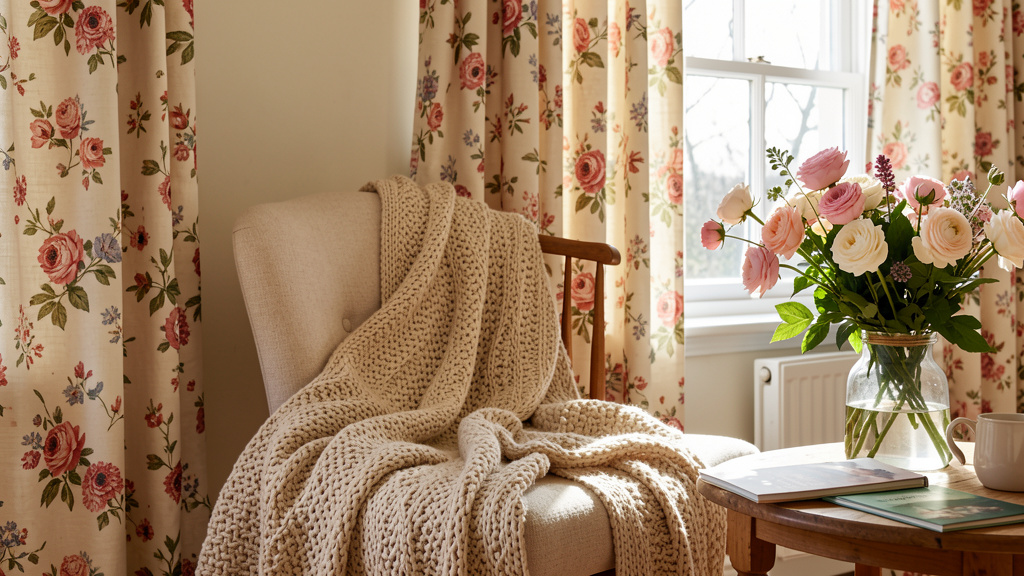
Create a sanctuary that feels authentically yours—where nostalgia meets intention, nature inspires daily rituals, and comfort is woven into every detail without sacrificing modern practicality.
Cottagecore interior design offers a deeply intentional approach to homemaking—one rooted in connection to nature, mindful consumption, and the quiet joy of simple pleasures. Far from demanding a thatched-roof cottage in the countryside, this philosophy adapts gracefully to urban apartments, suburban homes, and everything in between. This guide moves beyond Pinterest-perfect imagery to deliver a practical, room-by-room framework for cultivating warmth, authenticity, and serene functionality in your space—honoring tradition while thoughtfully integrating contemporary needs, spatial constraints, and personal values. Whether you’re navigating a compact city studio, a light-filled suburban ranch, or a rented space with modification limits, cottagecore invites you to build a home that feels like a true refuge.
Introduction
Step into a thoughtfully realized cottagecore-inspired space, and you may notice a gentle shift: the sharp edges of modern life soften. Sunlight filters through linen curtains onto floors with visible grain. A well-loved book rests beside a ceramic mug. There’s evidence of making—hand-stitched textiles, a jar of foraged branches, the subtle scent of beeswax. This isn’t accidental charm; it emerges from deliberate choices prioritizing sensory comfort, emotional resonance, and harmony with the natural world. Historically drawing from English countryside cottages, French maisons de campagne, Scandinavian hygge, and American farmhouse traditions, cottagecore’s modern interpretation synthesizes these influences into a flexible, deeply personal design language. Environmental psychology research suggests that spaces incorporating natural materials, organic textures, and biophilic elements may support reduced stress and greater emotional ease—a notion these traditions intuitively embraced. This guide honors that legacy while providing practical scaffolding for implementation within today’s living realities. The goal isn’t historical reenactment; it’s cultivating a home where you can breathe deeply and reconnect with what matters most to you.
The Rooted Comfort Framework: Three Layers to Authentic Cottagecore
Many attempts at cottagecore focus solely on surface aesthetics—adding a floral pillow or wicker basket—without establishing the foundational principles that give the style its depth. True cottagecore emerges from a layered approach. Think of it as building a home with intention, not just decorating a room. The Rooted Comfort Framework offers a flexible mental model to guide decisions large and small, from spatial flow to object curation. By progressing through these three interconnected layers—Foundation, Texture, and Soul—you create an environment that feels inherently lived-in, deeply personal, and resilient against passing trends. This isn’t about rigid rules; it’s a compass for choices that align with your values and daily rhythms.
Layer 1: Foundation – The Bones of Your Space
The Foundation layer establishes the structural and spatial groundwork. It addresses layout, architectural details, color palette, and lighting—the quiet backbone of your space. Skipping this step is like planting a garden in poor soil; initial blooms may appear, but long-term vitality suffers.
Spatial Flow and Layout Philosophy: Cottagecore spaces feel organic, not rigid. They embrace gentle asymmetry and encourage intuitive movement. Instead of pushing all furniture against walls in a formal arrangement, create intimate conversation nooks. Float a sofa slightly away from the wall to define a living area within an open plan. Position armchairs at subtle angles to invite connection. In a small apartment, use a low bookshelf or a vintage screen to create soft zones without blocking light. This supports the prospect and refuge principle: having a clear view of the room’s entrance (prospect) while feeling sheltered in your seating area (refuge). For example, placing a reading chair in a corner with a floor lamp and small side table creates an ideal refuge nook. Avoiding symmetrical, showroom-style layouts prevents a cold or institutional feel. A common consideration: overcrowding a room with furniture to “fill” space. Cottagecore thrives on negative space—the breathing room around objects that allows each piece to be appreciated. If your space feels cramped, try removing one item before adding another.
Architectural Details: Honoring and Enhancing: Original crown molding or exposed beams aren’t required. The key is intentional enhancement. If your home has existing character—like hardwood floors, a brick fireplace, or window trim—restore and highlight it. Sand and refinish worn floorboards instead of covering them. If architectural interest is minimal, add subtle, human-scale details. Install simple picture rail molding (painted to match walls for seamlessness) to hang art without wall damage—a thoughtful rental solution. Replace generic light switch plates with ceramic or unlacquered brass versions that develop a gentle patina. Swap builder-grade cabinet hardware for ceramic knobs, forged iron pulls, or repurposed vintage finds. In a modern boxy apartment, adding a slim painted wood shelf above a sofa introduces horizontal lines that soften geometry. The principle here is humanizing scale: breaking down vast surfaces into elements that feel crafted and proportional. Avoid overly ornate reproductions; a single well-chosen detail often speaks more clearly than multiple mismatched accents.
The Earth-Toned Palette: Nature’s Canvas: Cottagecore color draws directly from the landscape. Think muted moss greens after rain, warm beige of dried wheat, soft grey of river stones, blush of wild roses, deep indigo of twilight. This palette forms a serene backdrop that allows textures and personal objects to shine. Begin with a base of warm whites or very light creamy neutrals—not stark cool whites. Options like Benjamin Moore’s “White Dove” or Sherwin-Williams’ “Alabaster” provide a soft glow. Layer in mid-tone neutrals: oatmeal, warm greige, soft clay. Then introduce accent colors sparingly: sage green, dusty blue, terracotta, mustard, faded rose. Crucially, vary the saturation. Use a deep forest green on an accent wall, a muted sage on upholstery, and a pale seafoam in ceramic dishes. This creates depth without visual chaos. For renters or the commitment-wary, achieve this through large textiles: a warm-toned area rug, linen curtains in oatmeal, throws in clay and sage. A helpful consideration: avoid colors straight from the tube—royal blue, fire-engine red—which can disrupt the cottagecore atmosphere. Lean toward muted, desaturated, or “dusty” versions. Test paint samples on multiple walls and observe them at different times of day; north-facing light cools colors, while south-facing light enhances warmth.
Lighting: The Rhythm of Day and Night: Harsh overhead lighting contradicts cottagecore’s gentle ethos. Light should be layered, warm (2700K–3000K color temperature), and directional. Reduce reliance on a single ceiling fixture. Instead, create pools of soft illumination: a floor lamp with a fabric shade in a reading corner, wall sconces flanking a bed, a cluster of candles (real or high-quality flameless LED) on a mantel, fairy lights draped delicately over a headboard. Prioritize fixtures with natural materials: paper lanterns, woven rattan pendants, ceramic bases, unlacquered brass. In kitchens, under-cabinet lighting with a warm tone makes food preparation feel inviting. For task lighting (like a desk), choose an adjustable brass or green-shaded architect lamp. The goal is to mimic natural light’s gentle shifts—brighter in work areas, softer in relaxation zones. Avoid cool white bulbs (4000K+); they create a sterile atmosphere. Dimmer switches allow ambiance adjustment from morning clarity to evening intimacy. Remember: soft shadows add dimension and a sense of time passing—essential elements of a lived-in, comforting space.
Layer 2: Texture – The Sensory Experience
If Foundation is the skeleton, Texture is the nervous system—the element you feel before you consciously register it. Cottagecore is profoundly tactile, engaging sight, touch, sound, and scent. In our digital world, reintroducing rich textures becomes a quiet act of self-care, grounding us in the physical present.
Natural Fibers: The Heart of Tactility: Prioritize materials originating from the earth with visible evidence of their making. Linen is a cherished staple—used for curtains, bedding, table linens. Its inherent slubs (small knots in the weave) and gentle wrinkling aren’t flaws; they signal authenticity and character. Over time, linen softens beautifully. Cotton, particularly percale or brushed varieties, offers crisp comfort. Wool provides warmth and durability for rugs and throws—look for undyed or naturally dyed options. Jute, sisal, and seagrass create sturdy, earthy floor coverings (though they can be rough; layer a softer rug atop in seating areas). When possible, reduce reliance on synthetics like polyester or nylon, which often lack breathability and contribute to microplastic pollution. When evaluating textiles, ask: Does this feel alive? Does it invite touch? A smooth polyester blend may feel cold next to hand-loomed cotton’s gentle irregularities. For budget-conscious steps, begin small: swap polyester throw pillows for linen or cotton ones. Replace a vinyl shower curtain with a linen-look fabric liner (paired with a separate waterproof liner). Thrift stores often yield vintage wool blankets, cotton tablecloths, and linen napkins at accessible prices. A helpful nuance: texture isn’t just visual. Run your hand over potential fabrics. Does it feel substantial? Does it have a subtle resistance or softness that feels genuine? This sensory check helps distinguish meaningful materials from superficial imitations.
Wood: Celebrating Imperfection: Wood should feel warm, varied, and human-scaled—not uniform or glossy. Seek pieces with visible grain, knots, and subtle color shifts. Reclaimed wood carries history and reduces demand for new timber. Look for furniture with simple joinery (dovetail drawers, mortise-and-tenon legs) rather than particleboard assemblies. Mix wood tones intentionally. A room with only one wood tone can feel flat; instead, create harmony through proportion and balance. A dark walnut table might pair with lighter oak chairs and a medium-toned teak sideboard—ensuring no single tone dominates. Embrace patina: gentle scratches on a dining table tell stories of shared meals; a faded windowsill marks where sunlight has rested. Avoid high-gloss finishes; matte oils (tung oil, beeswax) enhance wood’s natural beauty while allowing it to age gracefully. For renters or tight budgets, focus on smaller wooden objects: a turned bowl for keys, wooden spoons displayed in a crock, a simple oak stool doubling as seating or a plant stand. Even painting a dated dresser in soft matte clay and replacing knobs with ceramic pulls transforms it—the subtle wood grain showing through adds depth. Contrast this with a room filled with identical, factory-finished “farmhouse” furniture in uniform white: it often feels sterile, not cozy.
Soft Furnishings: Layers of Comfort: This is where cottagecore truly comes alive. Move beyond sparse minimalism toward generous, intentional layering. Begin with a substantial natural-fiber area rug (wool, jute) to anchor the seating area. Layer a smaller, softer rug (like a vintage-inspired kilim) atop for added warmth. On seating, combine cushions of varying sizes, shapes, and textiles: a lumbar pillow in embroidered linen, a square cushion in faded floral cotton, a round bolster in nubby bouclé. Drape a chunky cable-knit wool throw over the sofa arm; keep a lighter cotton or linen blanket folded at the bed’s foot. Curtains should be floor-length, made of heavy linen or cotton, hung high and wide to maximize light and height. The magic lies in imperfect arrangement: cushions slightly askew, throws casually folded, curtains with gentle folds rather than razor-sharp pleats. This signals a space designed for living. Avoid perfectly matched “sets”; curate a collection over time. Mend a small tear in a cushion cover with visible sashiko stitching—a Japanese technique transforming repair into decoration, honoring the object’s history and aligning with cottagecore’s values of care. A helpful balance: in small or north-facing rooms with limited light, pair a nubby wool rug with lighter linen curtains and smooth ceramic accessories to prevent visual heaviness.
Sensory Details Beyond Sight: True texture engages all senses. Introduce the gentle clink of ceramic mugs, the soft rustle of linen sheets, the warm glow of candlelight on wood. Incorporate scent thoughtfully: a beeswax candle, a bowl of dried lavender, the earthy aroma of a well-watered fern. Place a small water feature (like a tabletop fountain with river stones) for soothing sound. Keep a basket of smooth river stones by the sink for a grounding tactile moment while washing hands. These micro-interactions transform routine actions into mindful rituals. Consider sound underfoot: bare wood floors can feel cold and echoey. Layering rugs absorbs sound, creating a quieter, more intimate atmosphere. In a home office nook, a small wool rug under the desk chair defines the space and adds comfort. These often-overlooked details are fundamental to cottagecore’s feeling—a holistic sensory experience nurturing well-being throughout the day.
Layer 3: Soul – Personal Meaning and Story
This is the most vital layer. Without Soul, cottagecore becomes a costume—a collection of props devoid of heart. Soul is the infusion of your story, your memories, your hands. It’s what makes your space uniquely yours and prevents it from resembling a catalog page. This layer is deeply personal, evolving slowly. It cannot be rushed or purchased wholesale. It requires mindfulness, curation, and the courage to display what matters to you.
Curating with Intention, Not Accumulation: Cottagecore is often mischaracterized as “cluttered.” Authentic cottagecore is curated abundance. Every object should earn its place through meaning, beauty, or utility. Before adding something new, ask: Does this spark genuine joy? Does it serve a purpose I value? Does it connect me to a person, place, or memory? Display a single seashell from a meaningful beach trip instead of a shelf of generic souvenirs. Frame a child’s drawing beside a vintage botanical print—the juxtaposition tells a richer story. Group objects by theme or color: white ceramic vessels on a windowsill, pressed wildflowers in simple frames, well-loved cookbooks with spines facing out. Negative space remains crucial; let objects breathe. A common friction point is sentimental attachment to items no longer serving you. The path isn’t forced minimalism, but thoughtful editing. Photograph items you can’t keep physically. Pass cherished objects to family who will use them. Repurpose: turn a lace tablecloth into pillow covers. The goal is a home that feels lightened, not burdened, by your history. Avoid thematic overload—don’t fill every surface with bird motifs just because “birds are cottagecore.” Let your interests guide you: if you love astronomy, display a vintage star chart; if you bake, showcase favorite ceramic mixing bowls.
The Art of Making and Mending: Cottagecore celebrates the handmade—not as a demand for perfection, but as an expression of care. You need not be a master craftsperson. Start small. Bake bread and display it in a woven basket. Press flowers from your garden (or a local park) between heavy book pages, then frame them. Learn basic visible mending (sashiko, darning) to repair a favorite sweater—transforming a flaw into a feature telling a story of care. Display your tools proudly: a wooden spoon in a ceramic crock, knitting needles in a project bag, a well-used mortar and pestle. These objects signal a life of engagement. For time-limited makers, “making” can be arranging a seasonal vignette: a bowl of autumn apples, foraged branches in winter, smooth stones after a beach walk. The key is intentionality—the conscious act of bringing nature and personal effort into your space. Avoid mass-produced “handmade-looking” items lacking authenticity. A slightly lopsided mug you threw in a pottery class holds infinitely more meaning than a factory-made replica labeled “artisan.” This layer connects deeply to mindfulness; the process of creating or arranging offers respite from passive consumption.
Nature as Co-Designer: Bring the outside in as a living, evolving element—not sterile decoration. Go beyond a single potted plant. Create a dedicated “nature table” (inspired by Waldorf education) on a windowsill or small shelf: change it seasonally with items collected on walks—pinecones in winter, cherry blossoms in spring, acorns in autumn. Display branches in a tall ceramic vase; their silhouette shifts with the light. Grow herbs on your kitchen windowsill for scent and utility. If you have outdoor space, even a tiny balcony, cultivate lavender, rosemary, or strawberries in containers. Without garden access, connect deeply with a few resilient houseplants: a snake plant thriving on neglect, a pothos trailing gracefully, a peace lily signaling when it needs water. The goal is relationship, not perfection. A slightly wilted leaf reminds you to care; new growth is a celebration. If allergies or pets are concerns, high-quality dried botanicals (pampas grass, eucalyptus, wheat stalks) offer lasting texture without maintenance. Remember: nature includes decay and change. A pressed fallen leaf, weathered driftwood—these imperfect elements hold profound beauty, reminding us of life’s cycles. This connection fosters biophilia, the innate human affinity for nature, which many find supports emotional well-being.
The Fundamental Principle: Cottagecore is not about replicating a historical aesthetic perfectly; it is about cultivating a feeling of rooted comfort that resonates with your daily life, values, and the unique story only you can bring to your home. Authenticity blooms from intention, not imitation.
Room-by-Room Implementation: Bringing Cottagecore to Life
Translating the Rooted Comfort Framework into specific rooms requires adapting its principles to each space’s function and constraints. This section provides actionable guidance for key areas, addressing common challenges with tiered solutions (Ideal, Budget-Conscious, Rental-Friendly). Cohesion comes from carrying your core palette and texture philosophy throughout—not from making every room identical.
The Living Room: Heart of the Home
The living room embodies cottagecore’s philosophy of comfort and connection—a place designed for conversation, quiet contemplation, and shared moments.
Foundation in Action: Arrange seating to face each other, creating an intimate circle. Float the sofa away from the wall if space allows. If you have a fireplace, make it the focal point. For lighting, reduce reliance on central overhead fixtures. Install wall sconces flanking the main seating area or a large window. Use multiple floor lamps with fabric shades (linen, paper) in corners to cast soft, upward light that bounces off the ceiling, eliminating harsh shadows. Choose a warm, creamy neutral for walls (Sherwin-Williams “Accessible Beige” offers versatility) to maximize light reflection in north-facing rooms. In open-plan spaces, use a large area rug (at least 8×10 ft) to visually anchor the living area. A common layout consideration: pushing all furniture against walls creates a vast, impersonal feel. Pulling pieces inward fosters cozy, human-scaled groupings.
Texture Layering: Begin with a substantial natural-fiber rug—wool for plush comfort, flat-weave jute for durability. Layer a smaller, softer rug (like a vintage-inspired kilim) in the seating area’s center. Upholster the main sofa in durable, textured fabric like performance linen (ideal for homes with pets/kids) or nubby bouclé. Armchairs can introduce subtle pattern: faded floral chintz or herringbone weave. Pile cushions in varying sizes (18×18″, 20×20″, lumbar) using linen, cotton velvet (in muted tones), and embroidered textiles. Drape a chunky knit wool throw over the sofa arm. Choose heavy, unlined linen curtains hung from a simple wooden rod, pooling slightly on the floor for softness. Incorporate wood through a reclaimed oak coffee table with visible grain, a turned wood side table, or woven willow baskets for blanket storage. Avoid matching furniture sets; mix a vintage armchair with a modern sofa for collected-over-time authenticity.
Infusing Soul: Create a dedicated reading nook: a comfortable armchair, a slim floor lamp with adjustable arm, a small side table for tea, a blanket folded over the chair. Display books with spines facing out on open shelves—grouped by color for visual calm or by subject for personal meaning. Curate a coffee table vignette: a low ceramic bowl holding smooth stones or pinecones, a single hardcover book with a beautiful cover, a small vase with one seasonal stem (lavender sprig, single sunflower). Hang art that resonates: a framed family recipe, a watercolor by a friend, a vintage botanical print from a flea market. Rotate seasonal elements: a woven basket of wool socks in winter, dried wheat in autumn. Avoid overcrowding shelves; leave space between objects. A gentle suggestion: Place a small, shallow dish of water near a window to attract birds—a living connection to the outdoors bringing gentle movement and sound.
Budget Path: Thrift a solid wood coffee table and sand/paint it in a soft matte finish. Sew simple cushion covers from discounted linen remnants. Use command hooks to hang a lightweight woven wall hanging. Layer inexpensive jute rugs.
Rental Path: Apply removable wallpaper on the lower half of one wall (subtle grasscloth texture or tiny floral) for faux wainscoting. Install peel-and-stick wood-look tiles around a non-functional fireplace. Use tension rods for curtains.
The Kitchen: Nourishment and Gathering
The cottagecore kitchen is a hub of warmth, utility, and sensory delight—a place for creating nourishment and connection, not just housing appliances. It celebrates the ritual of cooking and the beauty of everyday objects.
Foundation in Action: Maximize natural light. Keep windows unobstructed; use simple café curtains (half-length) in linen or cotton for privacy without blocking light. Replace harsh overhead lighting with pendant lights over the island or sink—choose woven rattan, ceramic, or seeded glass shades that diffuse light softly. For cabinetry, Shaker-style doors in a matte finish offer timeless appeal. Paint lowers in a warm, deep tone (sage green, clay) and uppers in warm white for grounding contrast. If stuck with builder-grade cabinets, focus on hardware: swap shiny chrome pulls for ceramic knobs, forged iron handles, or unlacquered brass that patinas beautifully. Open shelving (replacing upper cabinets on one wall) is a hallmark—but use it wisely. Display only beautiful, frequently used items: ceramic mixing bowls, vintage glassware, stacks of handmade pottery mugs. Keep clutter hidden. A critical nuance: open shelves require tidiness commitment; if your lifestyle is chaotic, limit them to one small section or use glass-front cabinets.
Texture Layering: Introduce wood through a large butcher block island top (sealed regularly with mineral oil), open shelving of reclaimed barn wood, or simple wooden utensils in a crock. Choose countertops with subtle variation: honed granite, soapstone, or concrete offer organic texture versus glossy quartz. Backsplashes can feature handmade zellige tiles (with intentional irregularities) or white subway tile in a herringbone pattern. For textiles, use linen or cotton tea towels on a wooden rack, a thick wool rug in front of the sink, cotton aprons with cross-back straps on hooks. If stainless steel appliances are unavoidable, minimize visual impact with panel-ready fronts or strategic placement. Choose unlacquered brass or oil-rubbed bronze over chrome faucets.
Infusing Soul: Make tools part of the decor. Hang copper pots (they develop beautiful patina) on a rack. Display favorite ceramic dishes openly. Keep a small herb garden on the windowsill—rosemary, thyme, mint—in simple terracotta pots. Create a “baking station”: wooden rolling pin, ceramic flour canister, vintage recipe box with handwritten cards. Dedicate a corner for a “tea ritual”: a tray with your favorite teapot, loose-leaf teas in glass jars, honey in a ceramic pot, a small honey dipper. Display cookbooks you actually use, spine-out, on a low shelf. A bowl of seasonal fruit (apples in fall, lemons in summer) adds color and utility. Avoid the “show kitchen” trap—don’t display unused items. Authenticity comes from evidence of living: a well-used rolling pin, a stained but beloved recipe card, the faint scent of baking bread. A gentle suggestion: Line cabinet interiors with vintage floral wallpaper or contact paper for a delightful surprise every time you open a door—a small act of joy just for you.
Budget Path: Paint existing cabinets (thoroughly clean, sand, prime, use high-quality cabinet paint). Replace hardware. Add open shelving using inexpensive brackets and sanded pine boards. Create a backsplash accent wall with removable peel-and-stick tiles.
Rental Path: Use removable hooks inside cabinet doors to hang utensils. Place a large, beautiful cutting board on the counter as a functional centerpiece. Use a tablecloth or runner on a dated countertop. Hang a fabric wall hanging behind the stove (ensuring fire-safe distance).
The Bedroom: A Sanctuary for Rest
The bedroom must prioritize calm, restoration, and sensory comfort above all. This is your personal retreat—a space designed to signal safety and support deep rest. Every choice should nurture gentle waking and unwinding.
Foundation in Action: Position the bed so your head rests against a solid wall (not under a window) for psychological security. Avoid placing the bed directly opposite the door; angle it slightly if possible for dynamic flow. Maximize blackout potential: install blackout roller shades behind decorative linen curtains. This gives control—soft filtered light by day, complete darkness for sleep. For lighting, eliminate overhead lights if possible. Use matching wall sconces flanking the bed (with dimmers) for ambient light and reading. Add a small table lamp on a dresser for soft task lighting. Paint walls in the softest, most muted tones: a barely-there blush (Benjamin Moore “First Light”), whisper of sage, or warm greige. Avoid pure white—it can feel stark. If your room has architectural interest (like a sloped attic ceiling), paint it the same color as walls to create a cozy, enveloping feel.
Texture Layering: Invest thoughtfully here—texture directly impacts rest. Begin with high-thread-count (300–500) cotton percale or linen sheets in natural, undyed tones or soft whites. Layer with a wool or cotton blanket at the foot of the bed, and a down or down-alternative duvet with a textured cover (matelassé, waffle weave, linen). Choose a headboard upholstered in soft, nubby fabric like bouclé or velvet (in a muted tone) for tactile comfort when sitting up. Rugs are essential: a plush wool rug on each side of the bed provides warm footing upon waking. Curtains should be heavy linen or cotton duck, floor-length, hung high to maximize perceived height. Incorporate wood through bedside tables with visible grain, a simple wooden bench at the bed’s foot, or woven willow baskets for storing extra blankets. Avoid synthetic fabrics next to skin and glossy furniture finishes—they can disrupt serenity.
Infusing Soul: Create a dedicated “unwinding ritual” station: a small tray on the nightstand holding a ceramic cup for water, a single essential oil roller (lavender, chamomile), a bookmarked book, a small dish for jewelry. Display only what supports rest: one meaningful piece of art above the bed (a calming landscape, pressed flower frame), a single framed photo of a loved one. Keep surfaces clear—clutter signals stress. Use a woven basket instead of a plastic laundry hamper. Place a small, low-maintenance plant like a snake plant or ZZ plant in the corner for gentle life. Scent is powerful: tuck a sachet of dried lavender into your pillowcase, or use a diffuser with cedarwood oil before bed. Avoid electronics in the bedroom if possible; if not, keep them out of sight. A gentle suggestion: Keep a small journal and pen on the nightstand for capturing thoughts or morning gratitude—this externalizes mental clutter, supporting deeper sleep.
Budget Path: Dye existing white sheets with natural dyes (onion skins for pale yellow, avocado pits for blush pink). Sew simple pillow shams from discounted linen. Use thick, folded wool blankets from thrift stores as a bedspread. Paint a dated headboard in a soft matte color.
Rental Path: Use removable adhesive hooks to hang a lightweight macramé wall hanging above the bed. Place a large area rug to cover dated flooring. Use command strips to mount small floating shelves for bedside essentials. Layer multiple inexpensive throw blankets for texture.
The Bathroom: A Spa-Like Retreat
Transforming the bathroom from purely functional to a serene, cottagecore-inspired retreat offers daily opportunities for mindful ritual and sensory renewal.
Foundation in Action: Maximize perceived space and light. Paint walls and ceiling the same soft, warm white for an airy, cohesive feel. If you have tile, consider painting it (using specialized tile paint) in soft sage or clay for instant warmth—test durability first in a small area. Replace harsh overhead lighting with wall sconces flanking the mirror (providing shadow-free light for grooming) and add a small, dimmable ceiling light for ambient glow. Install a rainfall showerhead for sensory luxury. If possible, replace a standard vanity with a repurposed antique dresser (sealed properly for moisture resistance) topped with a vessel sink. For rentals or minor updates, focus on hardware: swap chrome faucet handles and towel bars for unlacquered brass or oil-rubbed bronze.
Texture Layering: Introduce warmth underfoot with a thick, absorbent cotton bath mat (or a small wool rug outside the splash zone). Hang plush, oversized cotton towels on a wooden ladder rack or rustic hooks. Use woven seagrass or willow baskets for storing extra towels, toilet paper, or bath products—choose open-weave styles allowing airflow to prevent mildew. Replace a plastic shower curtain with a fabric liner (linen-look cotton) paired with a separate waterproof liner behind it. Add wood through a small teak stool in the shower (naturally water-resistant), a turned wood soap dish, or bamboo organizers. For countertops, display items in ceramic or glass containers: soap dispenser, toothbrush holder, cotton balls in a small bowl. Avoid cold, hard surfaces everywhere; layer soft textiles and warm materials to balance necessary tile and porcelain.
Infusing Soul: Create a “bathing ritual” kit: a wooden tray holding a natural loofah, a bar of artisan soap wrapped in paper, bath salts in a ceramic dish, a folded linen hand towel. Place a single stem of eucalyptus in the shower (secured with a rubber band around the faucet)—steam releases its calming scent. Keep a small, framed print or pressed flower under glass on the counter. Use a vintage-inspired apothecary jar for cotton swabs. Scent is key: a reed diffuser with lavender and bergamot, or a beeswax candle (lit safely before bathing). Keep surfaces meticulously clear—only display daily-use items. Store everything else in baskets or cabinets. A gentle suggestion: Line the inside of cabinet doors with pretty paper for a hidden moment of delight. Place a small, smooth river stone by the sink—a tactile reminder to pause and breathe during handwashing.
Budget Path: Paint existing vanity cabinet. Recover a plain mirror frame with twine or thin rattan. Sew simple shower curtain ties from linen scraps. Fill apothecary jars with bulk bath salts.
Rental Path: Use removable adhesive hooks for towels and baskets. Place a large, beautiful tray on the counter to corral daily items. Use a fabric shower curtain liner with a separate waterproof liner. Add a small potted air plant (Tillandsia) that thrives in humidity.
The Entryway: A Welcoming Threshold
The entryway sets the tone for your entire home. It should feel like a gentle transition from the outside world into your sanctuary—a place to shed the day’s stresses literally and figuratively.
Foundation in Action: Create clear zones for key functions: a place to sit while removing shoes, a spot for keys/mail, space for outerwear. If space allows, a narrow console table (12–14″ deep) against the wall is ideal. Position a small bench or stool nearby. Install wall hooks at varying heights (for adults and children) instead of a bulky coat closet—this feels more open. Ensure excellent lighting: a wall sconce or small pendant above the console table provides welcoming illumination. Paint the entry wall a slightly deeper, warmer tone than the rest of the house (soft terracotta, moss green) to create an intimate “porch” feeling that draws you in. A mirror is highly recommended—it reflects light, makes the space feel larger, and offers a final check before leaving.
Texture Layering: Ground the space with a durable, textured floor mat: coir (for scraping shoes) layered over a softer cotton or jute rug. Choose a console table with visible wood grain or a painted finish showing subtle brushstrokes. Drape a linen runner across the table. Use a ceramic bowl or woven willow basket for keys—avoid plastic trays. Hang coats on wooden or ceramic hooks. Place a small vintage suitcase or lidded seagrass basket under the bench for seasonal items (gloves, scarves). Incorporate greenery: a hardy snake plant in a terracotta pot, or a small vase with a single seasonal branch (birch twigs in winter, dogwood in spring).
Infusing Soul: Make it deeply personal. Hang a small chalkboard or framed print with an inspiring word (“Breathe,” “Welcome,” “Home”). Display a single framed photo of a cherished place or person. Keep a small basket of dog leashes or children’s hats visible but tidy. Place a tiny dish of smooth stones by the door—a tactile reminder to leave worries outside. Rotate seasonal elements: a small pumpkin in autumn, a sprig of holly in winter. The key is intentional simplicity; this space should feel calm, not chaotic. Avoid dumping mail, shoes, and bags haphazardly. A gentle suggestion: Keep a small spray bottle with water and a drop of essential oil (lemon, peppermint) by the door to freshen outerwear or the air—a subtle sensory reset upon entering.
Budget Path: Thrift a small wooden stool and paint it. Use a vintage tray from a flea market as a console surface. Sew a simple bench cushion cover from durable linen. Create wall hooks from interesting branches sanded smooth and mounted with strong brackets.
Rental Path: Use a freestanding coat rack in a corner. Place a large, attractive basket for shoes. Use removable adhesive hooks for keys and lightweight items. Lean a large floor mirror against the wall.
The Home Office: Productivity Meets Peace
Blending cottagecore warmth with home office functionality requires balancing focus and comfort. The goal is a space that inspires creativity and calm without sacrificing efficiency—a true “thinking nook.”
Foundation in Action: Position your desk to face into the room or toward a calming window view, not directly at a blank wall or with your back to the door. This supports both focus and a sense of security. Prioritize task lighting: an adjustable architect lamp with a warm LED bulb (3000K) positioned to illuminate your work surface without screen glare. Supplement with soft ambient light from a floor lamp in the corner. Paint walls in a very light, warm neutral to keep the space feeling open, or use a soft, muted green (like sage) on the wall behind your desk—many find green supports concentration and reduces eye strain. Keep cables managed with woven cord covers or ceramic clips to maintain visual calm. Ensure your chair is ergonomically supportive; comfort is essential for sustained work.
Texture Layering: Choose a desk with a warm wood top (even if the base is metal) or place a large cutting board or wooden tray on a glass/metal desk to introduce organic texture. Use a wool or cotton rug under the desk chair to define the space and absorb sound. Select an office chair upholstered in textured fabric like wool blend or performance linen. Layer textiles: a linen desk pad, a chunky knit mouse pad, a cotton throw draped over the chair back. Store supplies in woven seagrass baskets, ceramic pencil holders, or vintage wooden boxes. Avoid cold, reflective surfaces dominating the space; balance metal elements with ample wood and fabric.
Infusing Soul: Curate your view. Place a small, low-maintenance plant (ZZ plant, peace lily) within sight—biophilic design may support mood and focus. Create an “inspiration board” using a vintage frame with cork backing or linen stretched over cardboard; pin sketches, quotes, fabric swatches, or photos that fuel your work. Display only meaningful items: a favorite pen in a ceramic holder, a framed photo of a mentor, a smooth stone from a meaningful hike used as a paperweight. Establish micro-rituals: light a small beeswax candle before deep work, keep a beautiful ceramic mug for tea, use a physical notebook for brainstorming. Schedule “nature breaks”: set a timer to look out the window at the sky or a tree for 60 seconds every hour. Avoid cluttering surfaces with unused gadgets. A gentle suggestion: Place a small dish of lavender buds or rosemary sprigs on your desk—the subtle scent may enhance focus. At day’s end, perform a “closing ritual”: tidy the surface, close the notebook, cover the keyboard with a linen cloth. This physical act signals work completion, protecting your sanctuary.
Budget Path: Repurpose a sturdy wooden door on trestles as a desk. Use thrifted ceramic mugs as pen holders. Create a bulletin board from a vintage window frame and cork sheet. Sew a simple desk pad from linen remnants.
Rental Path: Use a room divider screen (with nature-inspired print or woven texture) to separate the office zone. Place the desk in a closet nook if space is limited (add shelving above). Use command strips to mount lightweight shelves. Choose a fold-down wall desk that tucks away.
Adapting Cottagecore for Modern Realities
The true strength of cottagecore lies in its adaptable principles—thoughtfully applied to contemporary living challenges. This section addresses common friction points with practical, compassionate solutions.
Small Spaces and Apartments: Cozy, Not Cramped
Cottagecore does not require sprawling square footage. Its emphasis on human scale, layered textiles, and intentional curation is ideally suited for compact living. The key is strategic editing and vertical thinking.
Maximize Vertical Space Thoughtfully: Install floating shelves (using sturdy brackets) at varying heights to draw the eye upward and create storage without floor clutter. Style minimally: group books by color, add one small plant per shelf, include a single meaningful object. Avoid floor-to-ceiling shelving that feels oppressive; leave breathing room. Use space above doorways for narrow shelves storing infrequently used items. Hang plants in macramé hangers from ceiling hooks (check rental rules) to bring greenery up and free floor space. A tall, narrow bookshelf (like IKEA Billy) painted in a soft matte color becomes a room divider and storage solution without overwhelming the space.
Define Zones Without Walls: In studios, use furniture placement and rugs to create distinct areas. Place a low bookshelf or slender console table behind the sofa to separate living and sleeping zones. Use two different (but coordinating) rugs: a larger jute rug under living area seating, a smaller wool rug beside the bed. A folding screen covered in linen or nature-inspired fabric provides instant privacy and visual separation. Choose dual-purpose furniture: an ottoman with hidden storage, nesting tables, a daybed functioning as sofa and guest bed. Avoid bulky furniture; opt for slender profiles with visible legs to maintain sightlines and airiness.
Light is Your Most Valuable Asset: In small or dark spaces, maximizing light is critical. Keep windows completely unobstructed. Use sheer linen curtains to diffuse light while maintaining privacy. Place mirrors strategically opposite windows to reflect and amplify natural light—lean a large floor mirror against a wall. Choose light, warm wall colors (soft whites, pale warm greys) to bounce light around the room. Layer lighting meticulously: a floor lamp in the corner, wall sconces if possible, small table lamps. Avoid dark, heavy colors on large surfaces—they absorb light. A gentle suggestion: Place a small, battery-operated LED candle on a high shelf; its gentle flicker draws the eye upward and adds warmth without heat or flame risk.
Curate Ruthlessly, Display Intentionally: In tight quarters, every object must earn its keep. Edit belongings down to what you truly love and use. Display items in collections rather than scattering them: all ceramics on one shelf, all books grouped together. Use vertical storage solutions like over-the-door organizers. Store off-season clothing under the bed in flat, lidded seagrass baskets. Embrace “negative space”—leave surfaces clear. A single beautiful object on a shelf has more impact than a crowded display. Remember: cottagecore in a small space is about quality of experience, not quantity of stuff. A perfectly placed reading nook with a single armchair, floor lamp, and small side table creates profound coziness without consuming significant square footage. Restraint creates calm.
Open Floor Plans: Creating Intimate Havens
Open-concept layouts challenge cottagecore’s signature coziness. The solution lies in creating visual “rooms” within the room using furniture, textiles, and lighting.
Anchor Each Zone with Purposeful Rugs: This is highly effective. Choose distinct but harmonious rugs for each functional area. In the living zone, a large (9×12 ft) wool rug anchors the seating group. In the dining area, a durable flat-weave rug (sisal, jute) defines the table space. In the kitchen zone, a smaller, washable cotton rug sits in front of the sink. Ensure rugs are large enough that furniture legs rest partially on them—this visually “grounds” each area. Coordinate colors: if the living room rug has warm beige tones, choose a dining rug with subtle beige accents. Avoid matching rugs exactly; variation adds collected authenticity.
Strategic Furniture Placement as Architecture: Float furniture groupings away from walls to create intimate conversation areas. Position the back of a sofa toward the dining area to define the living space without blocking sightlines. Use a console table behind the sofa (styled simply with a lamp and small plant) to reinforce zone separation. In larger spaces, a low bookshelf (no taller than 4 feet) can act as a room divider between living and dining areas while maintaining light flow. Avoid lining all furniture against perimeter walls—that emphasizes cavernous feel. Create inward-facing arrangements encouraging connection within each zone.
Layered Lighting for Zoned Ambiance: Move beyond a single overhead fixture. Install separate dimmer circuits for different zones if possible during renovation. Otherwise, use multiple independent light sources: pendant lights over the dining table, floor lamps and wall sconces in the living area, under-cabinet lighting in the kitchen. This allows illuminating only the zone in use—soft light in the living room for evening relaxation while keeping the kitchen dark. Choose fixtures with warm-toned shades (fabric, paper, woven) to cast gentle, directional light. A gentle suggestion: Place a tall floor lamp with an upward-facing shade in a dark corner; it bounces light off the ceiling, reducing harsh shadows and making the entire area feel more intimate.
Textural Transitions for Flow: Carry your core color palette and material language throughout for cohesion, but allow subtle variations to signal zone changes. In the living area, emphasize soft textures (plush rugs, linen upholstery). In the dining area, introduce more durable surfaces (wooden table, leather or performance fabric chairs) while maintaining wood tones relating to living area furniture. Use curtains on large windows to soften the entire space. Avoid abrupt stylistic shifts—a starkly modern kitchen island next to a heavily rustic living area creates visual discord. Find bridges: if the kitchen has stainless steel appliances, incorporate unlacquered brass hardware on cabinets and light fixtures to warm the space and connect to warmer metals elsewhere. The goal is a harmonious journey through the space.
Rental-Friendly Approaches: Beauty Without Damage
Renting need not mean resigning yourself to beige walls and builder-grade fixtures. With creativity and respect for your lease, you can cultivate deep cottagecore charm without losing your security deposit. The mantra: enhance, don’t alter.
Walls: Color and Character Without Paint: Removable wallpaper offers stunning cottagecore-appropriate designs: subtle grasscloth textures, delicate botanical prints, tiny florals, soft watercolor washes. Apply to an accent wall (behind bed or sofa), inside a bookshelf, or on the lower half of a wall to mimic wainscoting. Test adhesion first. For larger walls, use large-scale fabric wall hangings (vintage kantha quilts, macramé) secured with removable adhesive hooks. Create a gallery wall using framed art, pressed botanicals, woven textiles—all hung with command strips rated for weight. For transformative effect, use removable wood-look vinyl tiles to create a faux accent wall around a non-functional fireplace or as a backsplash behind a console table.
Floors: Warmth Over Cold Surfaces: Area rugs are essential. Layer a large, durable jute or sisal rug as a base, then add a softer, decorative rug (vintage-inspired kilim, chunky knit) on top in key zones. This instantly covers dated carpet or cold laminate/vinyl flooring. Choose rugs with natural fibers and muted colors aligning with your palette. For high-traffic areas, use coir mats layered over cotton rugs. Avoid rugs with rubber backing that may stain; use rug pads designed for rentals (non-slip, non-staining). A gentle suggestion: Place small, attractive baskets near seating areas to corral slippers or blankets—adding texture and function while keeping floors clear.
Hardware and Fixtures: Temporary Upgrades: Swap light switch plates and outlet covers for ceramic, wood-look, or unlacquered brass versions—simply unscrew old ones and screw in new; keep originals to reinstall. Replace cabinet and drawer pulls with ceramic knobs, vintage-inspired bin pulls, or simple wooden knobs (save originals). For lighting, use plug-in wall sconces (with cord cover kits) instead of hardwiring. Place attractive floor lamps and table lamps strategically to reduce reliance on unattractive overhead fixtures. Use removable adhesive hooks inside cabinet doors to hang utensils, measuring cups, or jewelry organizers—maximizing vertical space without damage.
Window Treatments: Softening the Frame: Avoid drilling for curtain rods. Use tension rods inside the window frame for café curtains. For floor-length curtains, use tension rods designed for wider spans or temporary clamp systems. Choose heavy linen or cotton curtains in warm neutrals to soften harsh window lines and filter light beautifully. For added privacy without blocking light, apply removable static-cling window film with subtle etched glass or floral patterns to bathroom or street-facing windows. Always review your lease agreement and, when in doubt, get written permission for any modification. Document the space with photos before moving in. The goal is a home that feels authentically yours while maintaining a positive landlord relationship.
Budget-Conscious Strategies: Soulful Style Without Splurge
Cottagecore’s ethos aligns beautifully with mindful consumption and resourcefulness. Authentic charm rarely comes from expensive, mass-produced items; it blossoms from care, creativity, and seeing potential in the overlooked. This approach is financially accessible and deeply aligned with the style’s values.
Master the Art of Thrifting and Flea Marketing: This is highly effective for budget-friendly, authentic cottagecore. Visit thrift stores, estate sales, flea markets, and online marketplaces regularly. Look beyond surface dirt or dated finishes. A solid wood chair with worn upholstery can be reupholstered with discounted linen. A chipped ceramic pitcher becomes a charming vase. A stack of vintage linen napkins can be transformed into pillow covers. Develop an eye for bones: solid wood construction, dovetail joints, heavy weight (indicating quality materials). Ignore color and finish initially—paint and fabric can be changed. Focus on shape and proportion. Go with a list: “wooden stool,” “ceramic bowl,” “linen tablecloth.” Be patient; treasures emerge over time. A gentle suggestion: Visit stores on discount days and build rapport with staff—they may set items aside. Clean and repair items thoroughly; a little elbow grease yields immense satisfaction.
Embrace DIY with Humble Materials: You don’t need advanced skills. Start with low-stakes projects. Dye plain cotton or linen items using natural dyes: avocado pits create soft blush pink, onion skins yield golden yellow, black beans produce slate blue. Sew simple cushion covers using no-sew fabric glue or basic stitches. Create wall art by pressing leaves or flowers between heavy books, then framing them in thrifted frames (spray-painted matte). Make your own cleaning products using vinegar, baking soda, and essential oils stored in beautiful glass spray bottles—a functional, sensory, economical touch. Repurpose creatively: turn an old ladder into a blanket rack, use vintage suitcases as side tables, transform mason jars into soap dispensers. Imperfections in handmade items are not flaws; they are signatures of care. Avoid comparing your efforts to professionally produced items; celebrate the unique character they bring.
Prioritize and Phase Your Investments: Transformation need not happen overnight. Identify “high-impact, low-cost” zones first. The entryway and living room seating area are seen most frequently; start there. Invest in foundational textiles that get heavy use: a quality wool rug for the living area (thrifted or on sale), durable linen curtains. Save splurges for items significantly impacting daily well-being: a comfortable armchair for reading, high-quality cotton sheets. For less critical items, embrace temporary solutions: use a folded vintage quilt as a bedspread, display books on simple cinder blocks and stained wood planks. Track sales at stores known for natural materials (IKEA’s linen lines, Target’s Threshold collection, MagicLinen during seasonal sales). Join Buy Nothing groups—people often give away furniture, fabric scraps, or plants freely. Remember: The most valuable element you bring is time—time spent curating, mending, arranging. This intentional engagement imbues your space with meaning no amount of money can purchase. A single, carefully chosen thrifted ceramic bowl holding keys speaks deeply of cottagecore values.
Sustainability and Ethical Sourcing: The Conscious Cottagecore Path
True cottagecore is inherently sustainable. Its roots lie in pre-industrial ways of living that honored resourcefulness, seasonal cycles, and deep connection to place. In today’s context, embracing cottagecore authentically means extending that mindfulness to how we acquire and care for our belongings. This isn’t about perfection; it’s about conscious progression—making choices aligned with care for people, planet, and future generations. This layer transforms cottagecore from aesthetic into meaningful lifestyle philosophy.
The Hierarchy of Sustainable Sourcing: When acquiring items, consider this mindful sequence:
1. Use What You Have: Before buying, look critically at existing possessions. Can that dated dresser be painted? Can worn sheets become cleaning rags? Can books be rearranged to create a new vignette? This is the most sustainable choice.
2. Buy Secondhand: Thrift stores, antique shops, estate sales, flea markets, and online marketplaces are treasure troves. Buying used extends resource life, keeps items from landfills, and often yields unique, high-quality pieces with history. A solid wood table from the 1950s is typically more durable and environmentally sound than a new particleboard equivalent.
3. Choose Natural, Renewable, and Biodegradable Materials: When buying new is necessary, prioritize materials that come from and return to the earth: organic cotton, linen (from flax), hemp, wool, Tencel™ (from sustainably managed wood pulp), bamboo (ensure responsible processing), solid wood (FSC-certified), rattan, seagrass, jute, sisal. These materials are generally more durable, breathable, and have a lower environmental footprint over their lifecycle compared to synthetics (polyester, acrylic, nylon, vinyl) derived from fossil fuels, which shed microplastics and persist in landfills.
4. Support Ethical and Transparent Brands: Research companies prioritizing fair labor practices, safe working conditions, living wages, and environmental stewardship. Look for certifications like Fair Trade, GOTS (Global Organic Textile Standard), FSC (Forest Stewardship Council), or B Corp status. Smaller artisans often share their processes openly—support them when possible. Avoid fast furniture and decor brands known for exploitative practices and planned obsolescence.
5. Invest in Quality and Timelessness: Choose well-made items with simple, classic designs that won’t feel dated. A solid wood chair with sturdy joinery will last decades and can be reupholstered; a flimsy chair with glued joints ends up in a landfill. This “buy once” mentality reduces long-term consumption. Consider total cost of ownership: a $200 wool rug lasting 20 years is more economical and sustainable than five $40 synthetic rugs replaced every four years.
Caring for What You Own: The Art of Maintenance: Sustainability extends to stewardship. Extend the life of belongings through mindful care:
* Textiles: Wash linens and cottons in cold water on gentle cycles. Air dry when possible. Mend small tears promptly with visible mending techniques (sashiko, darning) that celebrate repair. Store woolens with cedar blocks instead of mothballs.
* Wood: Clean with a barely damp cloth and mild soap. Re-oil butcher block surfaces regularly with food-grade mineral oil. Touch up minor scratches with a walnut (rub over the scratch) or matching wood marker. Accept patina as beauty—scratches and dents tell a story of use and love.
* Metals: Allow unlacquered brass and copper to develop natural patina—it’s part of their charm. Clean only if desired with natural methods (lemon juice and salt for copper). Avoid harsh chemical polishes.
* Plants: Learn specific needs to avoid overwatering. Use rainwater or filtered water if tap water is hard. Propagate cuttings to share with friends.
Mindful Consumption as a Core Value: Cottagecore invites us to slow down and question why we want to acquire something. Before purchasing, pause and ask:
* Do I truly need this, or is it an impulse driven by social media or fleeting trend?
* Where was this made, and under what conditions?
* What is this item made of, and what will happen to it at the end of its life?
* Do I have space for it, and will it bring genuine joy or utility?
* Could I borrow, rent, or make this instead?
This reflective practice cultivates gratitude for what we already possess and reduces the environmental and emotional burden of excess. It aligns perfectly with cottagecore’s emphasis on simplicity, intentionality, and finding abundance in the everyday. A home filled with a few cherished, well-cared-for objects holds more soul than one overflowing with cheap, disposable decor. This conscious approach isn’t restrictive; it’s liberating. It frees us from relentless consumption and redirects energy toward creativity, connection, and care—values at the heart of the cottagecore spirit. When selecting materials for significant projects, prioritizing certifications like FSC or GOTS provides assurance of ethical sourcing, turning everyday choices into quiet acts of stewardship.
Navigating Common Pitfalls: What to Avoid
Even with good intentions, cottagecore attempts can stumble into pitfalls undermining authenticity and comfort. Recognizing these patterns empowers confident course-correction.
The “Costume” or “Theme Park” Trap: Creating a space that feels like a stage set rather than a lived-in home. Symptoms include: excessive use of a single motif (every surface covered in roosters), overly matchy-matchy furniture sets purchased new from a “cottagecore” collection, pristine items showing no sign of use, lack of personal objects. Solution: Anchor design in your life. Display your actual books, your child’s artwork, the mug you use daily. Mix eras and styles thoughtfully—a vintage armchair beside a modern reading lamp. Allow items to show gentle wear; it signifies a home that is loved and used. Curate, don’t collect. Choose one or two meaningful motifs (if any) and use them sparingly. A single ceramic rooster on a shelf is charming; a shelf filled with rooster figurines, rooster-print curtains, and rooster-themed tea set feels like a theme park. Authenticity blooms from personal resonance, not thematic saturation.
Overwhelm Through Excessive Clutter: Confusing “curated abundance” with “hoarding.” Symptoms include: surfaces buried under stacks of books and trinkets, inability to find everyday items, feeling visually “shouted at” by competing patterns. Solution: Embrace editing. Regularly assess belongings. Does each item serve a purpose, spark genuine joy, or hold deep sentimental value? If not, thank it and let it go. Group similar items together (all books on shelves, all ceramics on one surface) for visual order. Use closed storage (baskets with lids, cabinets) for necessary but not beautiful items. Leave generous negative space around objects. Remember the Japanese concept of ma—the beauty of empty space. A single wildflower in a simple vase has more impact than a crowded bouquet. Restraint is a form of respect—for your space and your peace of mind.
Ignoring Function for Form: A beautiful space that doesn’t support daily life is ultimately frustrating. Symptoms include: impractical dining table too small for family meals, delicate white linen upholstery in a home with toddlers or pets, inadequate lighting for reading or cooking. Solution: Begin every design decision with function. How do you actually live in this space? Measure carefully. Test furniture arrangements with painter’s tape. Prioritize durability where needed (performance fabric on a family sofa, wipeable surfaces in the kitchen). Ensure task lighting is sufficient. Choose rugs appropriate for the zone (easy-to-clean flat-weave in high-traffic areas). Beauty and function are not opposites; the most enduring cottagecore elements are both lovely and useful—a well-crafted wooden spoon, a sturdy ceramic mug, a comfortable reading chair. Design with your life, not against it.
Color and Pattern Chaos: Cottagecore palettes are nuanced, not chaotic. Symptoms include: clashing bright colors with no unifying thread, too many competing patterns, colors that feel cold or synthetic. Solution: Establish a cohesive color story first. Choose one dominant neutral (warm white, oatmeal), one secondary neutral (warm grey, clay), and one or two accent colors (sage, terracotta) drawn from nature. Vary saturation and scale of patterns. Pair a large-scale floral pillow with a small-scale stripe or solid textured fabric. Use the “rule of three”: limit prominent patterns in one vignette to three. When in doubt, add more texture (linen, wool, wood grain) instead of more pattern. Always lean toward muted, earthy tones. Test colors and patterns together in the actual space under its specific lighting. A harmonious palette creates calm; discordant colors create visual noise.
Neglecting Scale and Proportion: Furniture and decor disconnected from room size disrupt harmony. Symptoms include: massive sofa overwhelming a small living room, tiny artwork floating on a vast wall, furniture crammed tightly. Solution: Measure your room and create a simple floor plan. Measure potential furniture and cut paper templates to scale to test arrangements. In small rooms, choose furniture with slender profiles and visible legs. In large rooms, group furniture into intimate zones and use larger-scale art or mirrors. Ensure artwork is proportional to furniture below it (generally 2/3 the width of the sofa or bed). When arranging objects on shelves, vary heights and group in odd numbers (3, 5), but leave ample space between groupings. Good proportion creates ease; poor proportion feels accidental.
Forgetting the Human Element: A space can be perfectly styled yet feel cold without evidence of its inhabitants. Symptoms include: no personal photos, no books actually being read, surfaces too pristine to use. Solution: Weave your story into your home. Display photos in simple frames. Keep current books on bedside tables. Leave knitting in a basket by the sofa. Show tools of your craft—a painter’s brushes, a writer’s favorite pen. These “imperfect” touches signal a home for living, not just looking. They invite connection. Cottagecore is ultimately about cultivating warmth and belonging; that warmth comes from the people within the space. Allow your home to reflect your evolving journey—it’s perfectly okay if the vignette on your coffee table changes weekly. This dynamic quality is a hallmark of an authentic, soulful home.
Your Questions, Answered
Q: I live in a hot, humid climate. Won’t all this wood, linen, and wool cause mold or mildew issues?
A: Humidity requires thoughtful material choices. Prioritize naturally moisture-resistant woods like teak, cedar, or bamboo for items in damp areas. For textiles, choose tightly woven cotton or linen (which breathe well) over heavy wools in high-humidity zones; save wool rugs for drier bedrooms. Ensure excellent ventilation—use exhaust fans, open windows when weather permits, and consider a dehumidifier in particularly damp spaces. For storage, use cedar blocks or silica gel packets inside baskets and cabinets. Avoid placing fabric directly against exterior walls where condensation may form. In very humid climates, high-quality synthetic blends designed for moisture-wicking can be a practical choice for upholstery where durability is needed. Always allow air circulation around furniture.
Q: How do I incorporate cottagecore if I have young children or pets? Won’t it just get destroyed?
A: Cottagecore is inherently family-friendly with practical adaptation. Focus on durable, washable natural fibers: performance linen (treated for stain resistance), tightly woven cotton canvas, or indoor/outdoor rugs made from polypropylene (mimicking jute but spill-proof). Choose furniture with sturdy construction and rounded edges. Embrace the “lived-in” aesthetic—minor scuffs on a wooden table or a slightly faded rug tell a story of a home full of life. Involve children: let them choose a small plant for their room, help press flowers for art, or select bedding color within your palette. Designate “kid zones” with durable baskets for toys. For pets, provide their own cozy spots: a woven seagrass bed, a wool blanket in their crate. Remember, the goal isn’t a pristine showroom; it’s a warm, welcoming home accommodating all its inhabitants. The patina of use is part of the charm.
Q: Is cottagecore just for women? It feels very “frilly” and feminine.
A: This misconception stems from oversimplified portrayals. Authentic cottagecore transcends gender. Its core values—connection to nature, craftsmanship, simplicity, comfort—are universal. The aesthetic can be interpreted with varying degrees of softness. For a more grounded interpretation, emphasize: rich wood tones (walnut, oak), leather accents, darker earth tones (forest green, charcoal grey, deep brown), sturdy textures (rough-hewn wood, thick wool, forged iron), and functional objects (tools, maps, scientific illustrations). Think of a naturalist’s study, a woodworker’s workshop, or an angler’s cabin. Avoid stereotypical motifs if they don’t resonate. Focus on elements bringing you peace: the texture of a well-used leather chair, the warmth of a wood stove, the satisfaction of a hand-forged tool. Cottagecore is about creating a sanctuary reflecting your soul, not conforming to stereotypes. Many find deep resonance in its emphasis on craftsmanship, self-reliance, and connection to land.
Q: I’m on a very tight budget. Where should I spend my limited funds for the biggest impact?
A: Prioritize foundational textiles affecting daily comfort and setting the tone:
1. Curtains: Heavy linen-look curtains in a warm neutral instantly soften windows, filter light, and add significant texture. Thrift fabric or look for sales.
2. Area Rug: A large, natural-fiber rug (jute, sisal) defines a space, adds warmth, and ties a room together. Thrift stores often have affordable wool rugs.
3. Bedding: High-quality cotton or linen sheets directly impact sleep quality. Start with one good set.
4. Lighting: Replace harsh bulbs with warm 2700K LEDs. Add one affordable floor lamp with a fabric shade.
After these, focus on free enhancements: deep cleaning, rearranging furniture, styling shelves with existing items, foraging branches for vases. Paint is powerful but requires investment; if possible, paint one accent wall in a warm, muted tone. Remember, time and creativity are your most valuable resources—mending, dyeing, arranging costs little but yields immense satisfaction and authenticity.
Q: How do I keep a cottagecore home clean? It seems like all the textures and open shelves would collect dust.
A: Mindful design reduces cleaning burden. Choose low-pile rugs (flat-weave jute, sisal) over deep shag for easier vacuuming. Opt for closed storage (cupboards with doors, lidded baskets) for dust-prone items, reserving open shelves for frequently used or easily wiped items. Select smooth finishes for high-touch surfaces (sealed wood dining table) over heavily textured ones that trap grime. Establish simple routines: a 10-minute nightly tidy-up, wiping surfaces as you go. Use natural cleaning solutions (vinegar, castile soap, baking soda) stored in beautiful glass bottles—they’re effective, economical, and align with the aesthetic. Embrace that a lived-in home isn’t a dirty home. A few scattered books or a used mug signifies life, not neglect. Focus cleaning energy on areas impacting health and comfort (kitchen, bathroom).
Q: Can cottagecore work in a modern minimalist home?
A: Absolutely. Cottagecore and minimalism share a focus on intentionality—minimalism through reduction, cottagecore through curation. Blend principles: maintain minimalism’s clean lines and uncluttered surfaces while introducing cottagecore’s warmth through texture and natural materials. For example, keep your sofa’s simple silhouette but upholster it in textured linen; display a single meaningful ceramic vase instead of multiple decor items; use a warm, muted color palette. Focus on quality over quantity. This hybrid approach creates a serene yet inviting space honoring both philosophies. The key is ensuring every added texture or object serves a clear purpose or brings genuine joy.
Q: How do I incorporate dark colors without losing the cottagecore feel?
A: Dark colors can add depth and coziness when used thoughtfully. Limit them to accent walls, cabinetry (like kitchen lowers), or substantial furniture pieces (a walnut dining table). Balance dark elements with ample light-reflecting surfaces: warm white walls, light wood floors, linen curtains, and layered lighting. Choose dark shades with earthy undertones—charcoal grey with brown hints, forest green, deep terracotta—rather than cool, stark blacks. In small or north-facing rooms, use dark colors sparingly to avoid a cave-like feel. Always test samples in your space at different times of day. Remember, cottagecore is about warmth; if a dark color feels cold or oppressive in your space, opt for a softer, muted tone instead.
Q: What are the best low-maintenance plants for a cottagecore home?
A: Choose resilient plants thriving with minimal care while adding organic texture. Snake plants (Sansevieria) tolerate low light and infrequent watering. ZZ plants (Zamioculcas) have graceful arching stems and survive neglect. Pothos vines trail beautifully from shelves and purify air. For sunny spots, consider hardy rosemary (useful in cooking) or aloe vera. In humid bathrooms, air plants (Tillandsia) require only occasional misting. Group plants in simple terracotta pots or vintage ceramic containers for cohesive styling. Remember: a few thriving plants bring more life than many struggling ones. Start with one or two and expand as you learn their needs. Even dried botanicals like eucalyptus or wheat stalks offer lasting texture without maintenance.
Conclusion: Weaving Cottagecore into Your Everyday
Recap: The journey into cottagecore interior design is not about achieving perfection, but about cultivating intention. Remember the three foundational layers of the Rooted Comfort Framework: establish a serene Foundation with earth-toned palettes and warm lighting; enrich your space with authentic Texture through natural fibers and imperfect wood; and most importantly, infuse your home with Soul by curating objects of personal meaning and embracing the art of making and mending. These layers work together to transform any space—regardless of size, location, or budget—into a sanctuary supporting your well-being and reflecting your unique story.
The 24-Hour Rule: Within the next day, choose one small, manageable action. Open a window, step outside, and place a single stem of greenery (a branch from your walk, a sprig of herbs) in a simple vessel on your kitchen table. Notice how this tiny gesture shifts the feeling of the space. This micro-step builds momentum without overwhelm.
The Big Picture: Cottagecore is more than an aesthetic; it is a gentle invitation toward mindfulness, sustainability, and deep-rooted comfort. By choosing natural materials, honoring craftsmanship, and creating spaces that nurture rather than impress, you participate in a broader cultural shift toward intentional living. Your home becomes a living expression of values that ripple outward—inspiring care for your community, your environment, and yourself. Start where you are, use what you have, and let your sanctuary grow alongside you, season by season.
Explore Our Complete System:
The Art of Slow Living: Complementing Your Cottagecore Home | Seasonal Home Rituals: Deepening Your Connection to Nature | Thrift Like a Pro: A Guide to Finding Cottagecore Treasures | Mindful Making: Simple Crafts for the Cottagecore Lifestyle | Sustainable Home Care: Natural Cleaning for Your Sanctuary | Creating a Cottagecore Garden: From Balcony to Backyard | The Philosophy of Enough: Decluttering with Intention