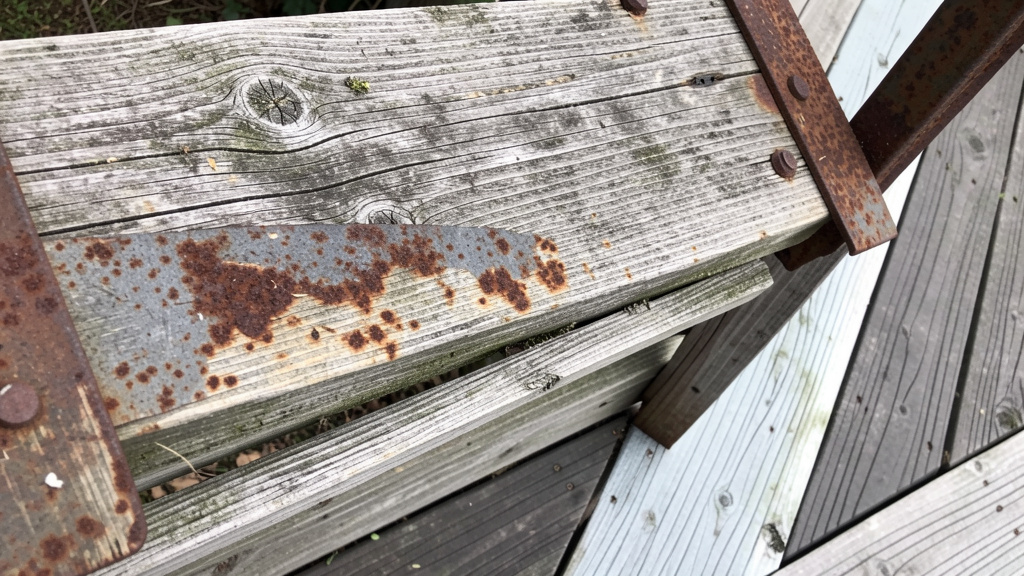
Stop guessing which materials will stand the test of time. We break down observable aging patterns, maintenance considerations, and contextual factors across common building materials—so you can choose thoughtfully for projects designed to endure.
Choosing building materials involves more than today’s aesthetics or initial cost—it’s a long-term relationship with your environment. That deck installed this season will face years of sun, moisture, temperature shifts, and daily use. Marketing materials rarely show Year 10: the subtle patina on cedar, the gradual color shift in vinyl, or the surface texture changes in composite. This guide synthesizes widely documented field observations, material science principles, and industry standards to illuminate how materials evolve across climates, applications, and time. By focusing on observable patterns rather than promises, we provide a grounded framework for selecting materials aligned with your specific context, values, and willingness to engage in ongoing stewardship.
Introduction: Why “Time” Is the Most Overlooked Specification
Step into any home improvement store, and materials appear flawless under showroom lighting. Brochures highlight vibrant finishes and idealized textures. What’s rarely addressed? The journey ahead. The quiet question every thoughtful homeowner might consider: “How will this material respond to my specific environment over the coming years—and what role will I play in its care?” Material selection rarely fails due to initial quality alone, but often stems from mismatched expectations about long-term behavior. Pressure-treated pine may present a lower initial investment than cedar, yet if it requires frequent attention and shows visible wear within a few years, its long-term value shifts. Conversely, materials like copper roofing begin with a bright finish but gradually develop a protective patina—a transformation celebrated by many as part of its character over decades.
This gap between presentation and performance arises because material behavior is deeply contextual. Sunlight affects surfaces differently based on intensity and exposure duration. Moisture interacts uniquely with each material depending on humidity cycles, drainage, and airflow. Temperature fluctuations cause expansion and contraction. Biological factors like mold, insects, or salt air introduce additional variables. These are not flaws—they are natural interactions. The insight lies in aligning material properties with your location, usage patterns, and personal capacity for maintenance. A coastal property faces different considerations than an arid inland site. A household with limited time for upkeep may prioritize different attributes than one that enjoys seasonal care rituals.
Understanding material aging isn’t about anticipating failure—it’s about cultivating informed partnership. Every material has a distinct aging signature: some develop graceful patinas (like teak or copper), others maintain consistent appearance with minimal intervention (like quality vinyl or aluminum), and some require periodic attention to preserve their original state (like natural wood). By examining documented aging patterns across diverse settings—not just laboratory conditions—we shift from reactive fixes to proactive planning. This guide offers a practical lens for evaluating longevity, whether you’re selecting decking, siding, fencing, or outdoor structures. Our aim is to support decisions rooted in realism, respect for materials, and alignment with your lived experience.
The Time-Tested Material Evaluation Framework: Beyond the Showroom Floor
Before exploring specific materials, establish a consistent method for evaluating longevity. Most comparisons isolate single traits: “Is vinyl stronger than wood?” or “Does composite resist fading better?” These questions overlook the interconnected reality of material performance. True durability emerges from the dynamic relationship between three contextual layers. We call this the Environmental-Maintenance-Cost (EMC) Framework. It transforms abstract “durability” into a personalized, actionable perspective.
Layer 1: Environmental Exposure Profile (Your Site’s Unique Conditions)
Materials respond uniquely to their surroundings. Overlooking this layer risks premature wear. Begin by observing your project’s specific conditions:
- Sun Exposure & UV Intensity: South- or west-facing surfaces receive stronger, longer sun exposure. UV radiation gradually affects surface appearance across nearly all materials—lightening wood tones, potentially accelerating fading in darker pigments, or contributing to surface texture changes in polymers. Local climate resources can help gauge regional intensity.
- Moisture Patterns: Consider more than annual rainfall. Daily dew cycles, proximity to irrigation, splash zones near downspouts or pools, soil contact points, and airflow all influence moisture retention. Materials behave differently when moisture lingers versus when it drains and dries quickly.
- Temperature Swings: Significant daily or seasonal temperature changes cause materials to expand and contract. In regions with wide swings, attention to installation details—like expansion gaps—is especially important for materials sensitive to thermal movement.
- Biological Factors: Humid climates may encourage mold or mildew on shaded surfaces. Certain regions face specific insect pressures. Even “resistant” materials benefit from design choices that promote drying and airflow.
- Physical Stressors: High-traffic areas experience more surface wear. Locations near driveways or play zones face greater impact risk. Roofing materials endure weather events and occasional foot traffic.
Why this layer matters: A material thriving in one setting may underperform in another. Ipe decking offers exceptional density and stability but requires thoughtful installation in consistently damp, shaded areas to prevent surface slipperiness. Vinyl fencing performs reliably across many climates but benefits from proper spacing in regions with intense sun exposure to accommodate thermal movement. Always consider your specific location—not generic claims—when evaluating suitability.
Layer 2: Maintenance Trajectory (Understanding the Care Journey)
Every material follows a care pathway. Some require initial attention that diminishes over time. Others need consistent, light upkeep. “Low-maintenance” doesn’t mean “no maintenance”—it means the required care aligns with your capacity and preferences.
- Initial Phase (Years 0–2): Critical setup steps. Pressure-treated wood needs adequate drying time before sealing. Proper flashing and drainage details during installation prevent future moisture issues across nearly all material types.
- Ongoing Phase (Years 3–15+): Frequency and nature of care. Wood siding may benefit from periodic cleaning or refinishing. Composite decking typically requires seasonal debris removal and occasional cleaning. Copper roofing develops patina naturally with no intervention needed.
- Long-Term Phase (15+ Years): Materials may show cumulative effects of environmental exposure. This isn’t necessarily failure—it’s evolution. Recognizing expected changes helps distinguish normal aging from issues needing attention.
- Observing Early Signals: Learning to spot subtle shifts—like minor discoloration in shaded composite areas or slight fastener corrosion in coastal settings—allows timely, simple care before small issues grow.
Practical Reflection: Before selecting, visualize the care routine. Can you comfortably access all areas for cleaning? Does the suggested maintenance rhythm feel manageable alongside your other commitments? Honesty here prevents future neglect. Consider both time and effort: rinsing a deck seasonally differs significantly from sanding and refinishing wood every few years.
Layer 3: Contextual Value Assessment (Looking Beyond the Price Tag)
Initial cost is just one piece. A broader view considers installation quality, expected care, regional labor rates, and your personal valuation of time and aesthetics.
Illustrative Perspective:
– Scenario A: A wood deck may have a lower initial investment. However, if it requires refinishing every few years, those recurring efforts and costs accumulate.
– Scenario B: A composite deck typically involves a higher initial investment but generally requires less frequent intervention. Over decades, the difference in annualized effort and expense may narrow considerably.
Adding your personal context deepens this view: If your time is limited or physically demanding tasks are challenging, the reduced upkeep of certain materials may hold significant value. Conversely, if you find satisfaction in hands-on care, wood’s refinishing ritual might be a rewarding part of ownership. There is no universal “best value”—only what aligns with your situation. When possible, discuss realistic timelines and care needs with experienced local installers familiar with materials in your area.
The Guiding Insight: Material longevity emerges from the relationship between the material’s inherent properties, your specific environment, your care practices, and your expectations. The most suitable choice is the one whose aging journey resonates with your willingness to engage with it over time.
Deep Dive: Material Performance Over Time—Observed Aging Patterns
Natural Wood: A Living Material in Dialogue with Environment
Wood responds dynamically to its surroundings—it absorbs and releases moisture, reacts to light, and evolves visibly. Understanding species-specific tendencies supports informed choices.
Cedar & Redwood: Graceful Evolution
- Initial Characteristics: Naturally contain oils and extractives offering resistance to decay and insects. Warm amber tones, straight grain. Cedar is lighter in weight; redwood slightly denser.
- Early Years (1–5): Surface gradually shifts toward silvery-gray due to UV exposure breaking down surface lignin. This is a natural protective response, not decay. Minor surface checking (small cracks) may appear on exposed edges. In humid or shaded zones, mildew spots can occur but are typically surface-level and cleanable.
- Mid-Term (5–15 Years): Patina becomes more uniform. Checking may deepen slightly but rarely affects structural soundness when properly installed. Vertical applications (siding, fencing) often age more evenly than horizontal surfaces where water may pool temporarily.
- Long-Term (15+ Years): Wood stabilizes. Grain texture becomes more pronounced. With good airflow, proper installation above ground level, and attention to drainage, structural integrity can remain strong for decades. Field observations note cedar fences in moist climates maintaining soundness at the base when installed with gravel barriers and adequate clearance from soil.
- Care Considerations:
- To preserve original color: Apply penetrating oil finishes periodically (timing varies by climate and exposure). Requires surface preparation.
- To embrace natural aging: Regular rinsing; clean mildew spots with mild oxygen-based solutions.
- Note: Avoid chlorine-based cleaners, which can damage wood fibers. Oxygen bleach alternatives are gentler.
- Points to Observe: Rot typically initiates at soil contact points without barriers. Cupping may occur if boards are installed too tightly or lack airflow underneath. Using corrosion-resistant fasteners is essential, especially with modern preservative-treated woods.
Pressure-Treated Pine (PTP): Practical with Nuance
- Initial Characteristics: Typically Southern Yellow Pine treated with preservatives (like ACQ or copper azole). Often has a greenish tint that fades to honey brown. Arrives with higher moisture content—requires drying time before finishing.
- Early Years (1–5): Color shifts toward gray-brown. Surface checking is common. Sealing too soon (before wood dries) can trap moisture, leading to finish failure. Greenish residues near fasteners may appear temporarily as preservatives stabilize.
- Mid-Term (5–15 Years): Checking and surface texture changes become more visible. Structural performance remains generally sound when installed correctly—with proper joist spacing, flashing, and drainage. However, persistent moisture in joints or at connection points can invite localized issues over time.
- Long-Term (15+ Years): Performance varies notably by installation quality and site conditions. Well-drained, ventilated installations in moderate climates often serve reliably for 15+ years. Consistently damp or poorly drained settings may show earlier signs of wear at critical points.
- Care Considerations:
- Allow adequate drying time post-installation (typically 60–90 days; confirm readiness with a water absorption test).
- Apply water-repellent finishes as recommended.
- Inspect fasteners periodically; modern preservatives require corrosion-resistant hardware (hot-dipped galvanized or stainless steel).
- Key Insight: Installation details profoundly impact longevity. Proper flashing, slope for drainage, and clearance from soil are as critical as the wood itself.
Tropical Hardwoods (Ipe, Cumaru, Tigerwood): Density and Stability
- Initial Characteristics: Very dense woods with rich tones. Naturally resistant to insects, decay, and fire. Require pre-drilling for fastening due to hardness.
- Early Years (1–5): Gradual transition toward silvery-gray patina. Minimal checking due to low moisture absorption. In shaded, damp areas, superficial black spot fungus may appear (cosmetic, removable with appropriate cleaners).
- Mid-Term (5–15 Years): Patina stabilizes to a uniform silver-gray. Exceptional dimensional stability—minimal warping or cupping. Walking surfaces develop a smooth, worn character.
- Long-Term (15+ Years): Structural integrity remains robust in documented field applications. Surface erosion may occur in high-traffic zones, but boards rarely require replacement. Historical examples include marine docks in challenging environments remaining serviceable for decades.
- Care Considerations:
- Natural aging: Seasonal rinsing; clean mold/mildew as needed.
- Color retention: Requires specialized penetrating oils formulated for dense hardwoods, applied regularly. Standard deck stains often fail on these surfaces.
- Sustainability note: Look for certifications like FSC to support responsible forestry practices.
- Observation: Color variation between boards may become more apparent over time. Fastener choice matters—stainless steel is recommended to prevent corrosion or staining.
Engineered Wood Products: Precision and Context
Plywood vs. OSB: Performance in Protected Applications
- Plywood (Exterior Grade):
- Performs reliably when shielded by roofing or siding. Edges may swell if exposed to moisture during construction but stabilize once protected. Modern adhesives resist delamination under normal conditions.
- OSB (Oriented Strand Board):
- Also performs well in protected applications. Edges are more prone to temporary swelling if wet during installation but recover when dried and sealed. OSB absorbs and releases moisture at different rates than plywood—adequate ventilation behind cladding is essential in humid climates.
- Shared Guidance: Both materials serve effectively for decades when installed correctly: seal cut edges, ensure proper ventilation in wall/roof assemblies, and protect from prolonged weather exposure during construction. Independent studies (such as those by APA – The Engineered Wood Association) indicate comparable long-term performance in properly detailed assemblies. The key is installation quality, not inherent material superiority.
MDF & Particleboard: Strictly Interior Applications
- Critical Boundary: These materials are formulated for dry, interior environments only. Even moisture-resistant variants are not suitable for exterior use or areas with humidity fluctuations.
- Response to Moisture: Exposure to rain or sustained humidity causes rapid swelling, loss of structural integrity, and irreversible damage.
- Why: Wood particles are bonded with resins vulnerable to water. No surface treatment makes them reliably weatherproof.
- Guidance: For any application with potential moisture exposure—outdoor furniture, shed interiors, garage walls near doors—choose exterior-grade plywood, solid wood, or non-wood alternatives. This boundary is consistently reinforced across building science resources.
Wood-Plastic Composites (WPC): Evolving Technology
Composites blend wood fibers with polymers. Performance varies significantly between generations and formulations.
First-Generation Composites (Pre-2010 Era)
- Observed Patterns: Earlier formulations sometimes showed noticeable fading, surface chalking, or mold retention in shaded, damp areas. Hollow profiles occasionally experienced sagging if span requirements weren’t met.
- Context: Manufacturing has advanced considerably. Many early products are no longer available, and lessons learned drove significant improvements.
Modern Capped Composites (Contemporary Formulations)
- Design: A protective polymer capstock layer encapsulates the core, enhancing resistance to moisture, stains, and surface degradation.
- Early Years (1–5): Minimal color shift in most formulations. Surface remains smooth. Mold resistance is improved but not absolute—debris left in shaded areas can still encourage growth.
- Mid-Term (5–15 Years): Capstock may show fine surface scratches in high-traffic zones, but the core remains protected. Lighter colors generally show less visible change than very dark tones. Thermal expansion is normal on hot days; proper spacing during installation prevents issues.
- Long-Term (15+ Years): Real-world data is still accumulating. Accelerated weathering tests and early field observations suggest potential for multi-decade service with gradual, even aging. Structural performance depends heavily on correct installation (joist spacing, fastening systems).
- Care Considerations:
- Regularly sweep away debris (leaves, pine needles) that can trap moisture.
- Clean mold/mildew annually with manufacturer-recommended cleaners. Avoid chlorine bleach.
- Rinse periodically; use soft brushes for cleaning. Pressure washing requires extreme caution (low pressure, wide fan tip, held at a distance).
- Regional Note: In consistently humid or shaded settings, more frequent cleaning may be needed to maintain appearance. In sunny climates, UV resistance is a key formulation focus—review product specifications for regional suitability.
Vinyl (PVC): Consistent Appearance with Climate Awareness
Vinyl offers uniform aesthetics and low upkeep but responds to environmental conditions.
Siding Performance Patterns
- Early Years (1–5): Light colors remain vibrant. Darker colors may show subtle fading in intense sun exposure. Modern formulations minimize chalking.
- Mid-Term (5–15 Years): Gradual, even color shift may occur on sun-exposed walls. Chalking (a slight powdery surface) is part of the UV protection mechanism in some formulations—sacrificing a microscopic layer to protect the material beneath.
- Long-Term (15+ Years): Color stability varies by pigment and formulation. Lighter colors generally maintain appearance longer. In regions with extreme cold, very old vinyl may become less flexible over decades—proper installation (allowing for contraction) mitigates risk.
- Climate Considerations:
- Hot Climates: Vinyl expands when warm. Installation must include adequate expansion gaps to prevent buckling.
- Cold Climates: Vinyl contracts in freezing temperatures. Proper nailing (allowing movement) prevents stress. Impact resistance is lower in extreme cold.
- Care: Annual rinsing. For mildew, a diluted vinegar solution is often effective. Avoid abrasive cleaners that scratch the surface.
- Selection Tip: Thicker panels (e.g., 0.046″ vs. 0.040″) offer enhanced impact resistance and stability. Review warranty details carefully—coverage for fading may vary by color.
Fencing & Decking Notes
- Fencing: Hollow rails require adherence to span specifications to prevent sagging over time. Post caps may become brittle with age.
- Decking: Modern cellular PVC decking (solid core) addresses earlier concerns about heat softening. Thermal movement remains a consideration—always use fastening systems designed for the material.
Metals: Strength with Environmental Awareness
Aluminum: Lightweight and Corrosion-Resistant
- Siding & Gutters: Painted finishes maintain color well. Anodized finishes develop a subtle, uniform matte patina over time. Highly resistant to corrosion, even in coastal environments.
- Decking & Railings: Powder-coated aluminum decking resists moisture, insects, and UV degradation. Surface coatings may show minor scratching in high-use areas, but the substrate remains protected.
- Critical Detail: Avoid direct contact with dissimilar metals (like untreated steel) without isolation to prevent galvanic corrosion. Use compatible fasteners (stainless steel or coated).
- Care: Rinse periodically. Oxidation on bare aluminum can be cleaned with mild acidic solutions (like diluted vinegar).
Steel: Strength Requires Protection
- Galvanized Steel (Zinc-Coated): Zinc layer sacrificially protects the steel. White rust (zinc oxide) on scratches is cosmetic. Longevity depends on coating thickness and environment—coastal or de-icing salt exposure accelerates depletion.
- Galvalume® (Zinc-Aluminum Coated): Offers enhanced barrier and sacrificial protection. Widely specified for roofing in demanding environments. Cut edges demonstrate better self-healing properties.
- Stainless Steel:
- Grade 304: Suitable for most inland applications.
- Grade 316: Contains molybdenum for superior resistance in coastal or high-salt environments. Recommended for critical hardware, fasteners, or railings near oceans.
- Care Reality: Inspect periodically for scratches exposing base metal; touch up with appropriate primer. In coastal zones, rinse salt deposits regularly with fresh water.
- Guidance: Match the steel type and protection level to your environment. For structural elements in harsh settings, the investment in higher-grade materials pays dividends in longevity.
Copper: The Patina Journey
- Aging Process:
- Begins bright metallic red.
- Shifts to mottled brown within months.
- Develops uniform chocolate brown over several years.
- In moist environments, gradually transitions to blue-green patina (verdigris) over decades.
- Why It Matters: Patina is a stable, protective layer that halts further corrosion. Historic copper roofs remain functional after a century.
- Important Consideration: During early aging stages, runoff can stain light-colored surfaces below (stone, concrete, wood). Install temporary drip edges or sacrificial strips during the initial transition period.
- Care: None required. Cleaning removes the developing patina and restarts the process. Many value the evolving appearance as part of copper’s character.
- Perspective: Architects often specify copper for projects where the aging process is embraced as aesthetic evolution. If consistent color is essential, pre-patinated options or alternative metals may be preferable.
Masonry & Stone: Time-Tested Endurance
Concrete: Strength with Detail Sensitivity
- Critical Early Phase: Proper curing (keeping moist for ~28 days) is essential for surface durability. Inadequate curing can lead to dusting or scaling.
- Early Years (1–5): Minor hairline cracks may appear from shrinkage or settlement—often cosmetic. Efflorescence (white salt deposits) can occur in damp conditions; usually removable and not structurally significant.
- Mid-Term (5–20 Years): Cracks may widen if underlying movement continues. Spalling (surface flaking) can occur if water penetrates and freezes repeatedly.
- Long-Term (20+ Years): Structural integrity often remains sound with proper reinforcement, but surface maintenance becomes increasingly important.
- Care Protocol:
- Apply breathable penetrating sealers (silane/siloxane) after initial cure; reapply per manufacturer guidance (typically every few years).
- Fill cracks wider than 1/8″ with appropriate concrete caulk.
- Clean gently; avoid high-pressure washing that can etch the surface.
- Insight: Stamped or colored concrete may show more visible aging than plain poured concrete due to surface treatments. Integral color and quality sealers support longer-lasting appearance.
Brick & Natural Stone: Craftsmanship Endures
- Brick Veneer:
- Mortar joints are the maintenance focus. Hairline cracks are common; repointing (replacing deteriorated mortar) is typically needed every few decades. Bricks themselves can last centuries.
- Critical Detail: Weep holes at the base must remain unobstructed to allow moisture escape. Blocked weep holes can lead to trapped moisture and spalling.
- Natural Stone:
- Granite: Extremely dense and durable. Ages with subtle darkening. Ideal for high-traffic or demanding locations.
- Limestone/Sandstone: Softer stones develop gentle erosion patterns over time. More vulnerable to acid rain or freeze-thaw cycles without proper sealing.
- Care: Repoint mortar when it crumbles under light pressure. Clean stone with pH-neutral cleaners. Seal porous stones periodically with breathable sealers.
- Historical Context: Ancient stone structures endure due to material suitability, craftsmanship, and environmental compatibility—not just the stone itself. Modern applications benefit from the same principles: right material, skilled installation, appropriate detailing.
Emerging & Niche Materials: Evolving Options
Bamboo: Sustainable Potential with Caution
- Reality Check: Most exterior “bamboo” products are strand-woven composites (bamboo fibers + resin), not solid bamboo.
- Observed Patterns: Early products sometimes showed significant fading, surface checking, or moisture-related issues. Premium composites with robust coatings and warranties show improved performance.
- Guidance: Research thoroughly. Look for independent testing reports (like ICC-ES evaluations) and clear, long-term warranties from reputable manufacturers. Best suited for protected or low-moisture applications with diligent care. Not yet universally proven for harsh, wet, or high-UV exposures. Proceed with verified product data.
Recycled Plastic Lumber (RPL): Pure Polymer Solution
- Composition: Made from post-consumer plastics (e.g., milk jugs). Contains no wood fibers.
- Advantages:
- Zero moisture absorption—immune to rot, swelling, or insect damage.
- Resists stains, salts, and chemicals.
- Color stability is generally good with UV inhibitors.
- Considerations:
- Expands and contracts significantly with temperature—requires specialized installation techniques.
- Lower stiffness than wood; may feel less rigid underfoot if spans are too wide.
- Aesthetic is distinctly synthetic; lacks wood grain texture.
- Ideal Uses: Docks, boardwalks, park benches—where moisture resistance is paramount and appearance is secondary.
- Care: Rinse occasionally. Surface scratches don’t compromise integrity.
- Environmental Note: Diverts plastic waste, though end-of-life recycling can be complex. Some manufacturers offer take-back programs—verify availability.
Cross-Application Comparison: Aligning Material with Purpose
Material performance shifts based on application. Context is everything. Below is a synthesized overview of considerations for common uses, reflecting patterns observed across climates and installations. Costs are illustrative estimates; actual pricing varies by region, project size, and labor rates.
Decking Material Considerations
| Material | Climate Considerations | Typical Care Needs | Value Perspective | Key Consideration |
|---|---|---|---|---|
| Ipe Hardwood | Adaptable; ensure drainage | Rinse seasonally; oil if retaining color | Higher initial investment; decades of service | Requires pre-drilling; develops smooth patina |
| Capped Composite | Adaptable; shade = clean more | Sweep debris; clean mold annually | Moderate-high initial cost; low ongoing effort | Dark colors may show more change; thermal movement |
| Aluminum Decking | Excellent for coastal/snow | Rinse periodically; inspect fasteners | Higher initial investment; minimal upkeep | Professional installation recommended; conductive |
| PTP Pine | Best in dry, sunny areas | Clean regularly; refinish every few years | Lower initial cost; higher long-term effort | Splinter risk increases with age; fastener choice critical |
| Recycled Plastic | Ideal for wet environments | Rinse occasionally; check support spans | Moderate cost; very low maintenance | Noticeable thermal expansion; synthetic feel |
Insight: For households prioritizing low upkeep and safety (e.g., families with children), capped composite’s consistent surface and mold resistance often justify investment. For those who enjoy hands-on care, PTP’s refinishing process can be satisfying. In corrosive environments (coastal), aluminum’s inert nature offers peace of mind. Always view installed examples of similar age in your area when possible.
Siding Material Considerations
| Material | Fade Notes (Dark Colors) | Moisture Response | Repair Context | Well-Suited For |
|---|---|---|---|---|
| Fiber Cement | Excellent with pre-finish | Low (if edges sealed) | Moderate skill needed | High-wind areas; fire zones; classic aesthetics |
| Vinyl | More noticeable shift | None | Straightforward | Budget-conscious; low-maintenance priority |
| Cedar Shakes | Patina expected | Requires upkeep | Skilled craftsmanship | Dry climates; rustic aesthetics; hands-on owners |
| Brick Veneer | None | Low (weep holes vital) | Specialized | Permanent investment; high-resale areas |
| Stucco | Good (integral color) | Moderate (cracks matter) | Skilled application | Arid climates; Southwestern styles |
Critical Detail: Fiber cement’s performance hinges on installation quality. Unsealed cut edges can absorb moisture, leading to swelling or paint issues. Demand that installers seal field cuts or use factory-cut edges. In humid regions, stucco over wood framing requires meticulous moisture management—consult local experts familiar with regional best practices.
Fencing: Balancing Privacy, Aesthetics, and Care
- Wood (Cedar/Redwood): Ages to silver-gray gracefully. Benefits from periodic cleaning or refinishing. Lifespan often 15–25 years with care. Ideal for: Those appreciating natural aesthetics in climates with good airflow; owners comfortable with seasonal upkeep.
- Vinyl: No painting needed. May develop slight surface chalking over time. Hollow rails require proper post spacing to prevent sagging. Lifespan commonly 20–30+ years. Ideal for: Low-maintenance focus; families (no splinters); consistent appearance preference.
- Aluminum: Powder-coated finishes last many years. Completely rust-proof. Modern designs offer residential appeal. Lifespan 30+ years. Ideal for: Pool areas; coastal zones; contemporary architecture.
- Wrought Iron: Timeless elegance. Requires periodic repainting to maintain finish and prevent rust. Ideal for: Decorative accents; historic properties; where durability outweighs upkeep.
- Composite: Resists rot but may show mold in shaded, damp yards. Can sag if spans are too wide. Lifespan 15–25 years. Ideal for: Moderate climates with sun exposure; low-upkeep preference.
Installation Tip: For wood fences, orient boards with growth rings curving downward (“cup down”) to shed water more effectively. Include small gaps (≈1/4″) between boards to promote airflow and reduce moisture retention.
Outdoor Furniture: Endurance Through Use
- Teak: Develops silvery patina; natural oils resist decay. Lasts decades with minimal care. Consideration: Heavy; premium cost.
- Marine-Grade Polymer: Recycled plastic. Impervious to elements. Very slight fading possible over many years. Consideration: Can feel less “natural”; check cold-weather flexibility ratings.
- Powder-Coated Aluminum: Lightweight, rust-proof. Chips in finish may expose metal—touch up promptly. Consideration: Cushions require separate storage or covers.
- Wrought Iron: Very stable. Rust develops if finish is compromised. Consideration: High maintenance; often requires seasonal repainting.
- Caution: Low-cost “all-weather” wicker (resin over steel frame) often fails within a few years as resin cracks, moisture reaches the frame, and rust expands. Invest in frames with quality coatings and robust construction.
The Hidden Influencers: Installation and Usage Patterns
Material choice influences only part of the outcome. Installation quality and how a structure is used profoundly shape its lifespan.
Installation Details That Support Longevity
- Moisture Management: Maintain clearance (≈1/4″) between decking and house siding to allow airflow. Use flashing tape on ledger boards. Ensure all surfaces slope away from the structure for drainage.
- Flashing Precision: Critical at roof valleys, windows, doors, and chimneys. Flashing must be integrated behind cladding layers, not applied over them, to direct water outward.
- Ground Clearance: Wood posts should never sit directly in soil. Use concrete piers with post anchors; maintain ≥2″ clearance between wood and soil/gravel.
- Fastener Compatibility: Match fasteners to materials and environment. Stainless steel (316 for coastal) for hardwoods or corrosive settings; hot-dipped galvanized for pressure-treated wood; coated fasteners for composites. Dissimilar metals in contact can accelerate corrosion.
- Expansion Accommodation: Follow manufacturer spacing guidelines for composites, vinyl, and metals. Concrete requires control joints to manage cracking.
Usage Habits That Influence Aging
- Traffic Patterns: High-use areas (deck steps, gate handles) show wear faster. Rotate furniture periodically to distribute wear.
- Chemical Exposure: Pool chlorine can affect nearby surfaces; rinse after heavy use. De-icing salts accelerate corrosion on metals and stain concrete—use sparingly and rinse when possible.
- Debris Management: Leaves or pine needles left on surfaces hold moisture. Sweep regularly, especially in fall.
- Repairs: Address small issues promptly. Use compatible repair methods—non-breathable sealants over efflorescence on brick can trap salts and worsen damage. Fix the source, not just the symptom.
Climate-Informed Practices
- Coastal (Salt Air):
- Prioritize non-corrosive metals (aluminum, stainless 316).
- Rinse surfaces periodically with fresh water.
- For wood, ensure excellent airflow underneath structures.
- Humid/Tropical (Mold-Prone):
- Choose capped composites with mold inhibitors; clean shaded areas quarterly.
- Elevate structures for airflow; consider fans under decks in persistent dampness.
- Specify paints with mildewcides for applicable surfaces.
- Arid/Sunny (High UV):
- Prioritize UV-resistant formulations. Lighter colors reflect heat and show less thermal movement.
- For wood, apply protective finishes within recommended timeframes after installation.
- Freeze-Thaw (Cold Climates):
- Use air-entrained concrete mixes; apply sealers designed for freeze-thaw resistance.
- Avoid porous stones like limestone in exposed locations; choose granite.
- Ensure perfect drainage to prevent ice dam formation.
Navigating Real-World Constraints: Practical Pathways
Even thorough research meets real-life limits: budget, regulations, or personal preferences. Here’s how to navigate common tensions thoughtfully.
“I Appreciate Wood’s Beauty But Prefer Lower Upkeep”
- Pathway:
- Embrace Natural Aging: Choose cedar or redwood and welcome the silvery patina. Minimal care needed beyond occasional rinsing. Many find this weathered look timeless.
- Strategic Blending: Use real wood for visible accents (trim, rail caps) paired with low-maintenance materials for larger surfaces.
- Thermally Modified Wood: Heat-treated woods (e.g., Kebony, Thermory) offer enhanced stability and decay resistance with a natural aesthetic. Higher initial cost, but bridges the gap between wood character and reduced maintenance.
- Perspective: All wood evolves. If regular refinishing isn’t feasible, selecting a material that ages gracefully with minimal intervention aligns expectations with reality.
“My Budget Is Limited, But I Want Lasting Value”
- Pathway:
- Phased Approach: Install a sound foundation with pressure-treated framing now. Plan to upgrade visible surfaces later when budget allows.
- Smart Allocation: Invest in critical hidden elements (flashing, drainage, quality fasteners) using appropriate materials. Allocate budget-conscious choices to visible surfaces you may refresh sooner.
- DIY Where Appropriate: Pressure-treated wood is DIY-friendly for skilled homeowners. Hire professionals for complex, safety-critical elements (ledger board attachment, structural flashing).
- Reflection: Calculate effort alongside cost. If your time is limited, a slightly higher initial investment in lower-maintenance materials may reduce long-term stress. Value is personal.
“My HOA Requires Vinyl Siding, But I Seek Visual Warmth”
- Pathway:
- Elevate Within Guidelines: Select premium-thickness vinyl (0.046″+) with deep embossing to mimic wood texture. Matte finishes and earthy tones (stone, sand) often read as more natural than bright white.
- Accent Thoughtfully: Use vinyl on main walls but incorporate fiber cement shingles on gables, stone veneer at the foundation, or stained wood trim around windows to add dimension.
- Engage Constructively: Share high-quality samples of modern vinyl with HOA members. Present data on longevity, warranty coverage, and property value consistency.
- Guidance: Work within regulations while thoughtfully enhancing aesthetics. Small, compliant details create significant visual impact.
“I Prioritize Sustainability—How Does That Align with Durability?”
- Pathway:
- Define Priorities: Does “eco-friendly” mean recycled content? Local sourcing? Low embodied energy? Long service life? Clarify what matters most to you.
- Proven Sustainable Choices:
- FSC-Certified Wood: Responsibly harvested cedar or redwood offers decades of service and biodegradability.
- Recycled Content: Aluminum (often 95%+ recycled) lasts 50+ years with infinite recyclability.
- Local Stone: Minimizes transport emissions; lasts generations.
- Emerging Options: Hempcrete shows promise for walls but lacks decades of field data—best for non-structural applications initially.
- Core Insight: The most sustainable choice is often the one that lasts longest with the least disruptive maintenance. A well-cared-for wood deck serving 30 years may have a lower lifetime environmental impact than a composite deck replaced twice in the same period. Durability and stewardship are deeply sustainable acts.
Materials Requiring Extra Caution
- OSB for Roof Sheathing in Consistently Humid Climates: Slower drying characteristics increase moisture risk if ventilation is inadequate. Plywood may be preferred where humidity is persistent—discuss with a local roofing professional.
- MDF or Particleboard Near Moisture: Even in garages or sheds with occasional dampness. Failure is highly likely. Choose exterior-grade plywood or solid wood alternatives.
- Untreated Wood in Ground Contact: Will deteriorate rapidly. Always use pressure-treated wood rated for ground contact or non-wood alternatives (concrete, recycled plastic).
- Unverified Composite Products: Without clear, independent testing reports (ICC-ES) or transparent warranty terms. Stick with established brands offering local support and clear documentation.
- Incompatible Fasteners: Galvanized steel fasteners with modern ACQ-treated wood accelerate corrosion. Always use hardware rated for the specific material and environment.
Your Questions, Answered
Q: How can I assess a material’s warranty realistically?
A: Warranties reflect manufacturer confidence but require careful reading. First, review exclusions—most exclude issues from improper installation, lack of maintenance, or environmental factors beyond control. Check if the warranty is transferable (relevant for resale). Research the company’s reputation: search for “[Brand] warranty experience” to find homeowner insights. Most importantly, look for references to independent testing standards (e.g., ASTM, ICC-ES reports). A warranty backed by verifiable test data offers more confidence than marketing claims alone.
Q: Does sealing a wood deck annually significantly extend its life?
A: For wood decks, appropriate sealing after proper drying helps slow surface graying and checking. However, timing matters: sealing too soon (before wood dries) traps moisture and causes finish failure. Over-applying sealant builds film that peels. For composites, sealing is unnecessary and may void warranties—cleaning suffices. Remember: installation quality (drainage, flashing, spacing) has a far greater impact on deck longevity than surface treatments alone.
Q: My cedar fence is turning gray. Is this a problem?
A: Gray is typically not decay—it’s UV exposure creating a stable, protective patina. Many homeowners prefer this weathered look for its timeless character. If you wish to preserve the original amber tone, apply a penetrating oil finish within the first year and reapply periodically. However, once gray has set in, restoring the original color evenly is difficult. Embracing the patina often means less maintenance and a naturally evolving aesthetic. Clean mildew spots gently with an oxygen-based solution as needed.
Q: Are “maintenance-free” composite decks truly maintenance-free?
A: No exterior material is entirely maintenance-free. Capped composites require less maintenance than wood, but neglect leads to issues. In shaded, damp areas, mold and mildew can grow on any surface. Debris left for extended periods may cause staining. Plan for seasonal sweeping and annual cleaning with a composite-safe cleaner. Think “low-maintenance,” not “no-maintenance.” Budgeting 2–4 hours per year supports long-term appearance.
Q: How do I know when pressure-treated wood is dry enough to seal?
A: Use the water test: Sprinkle water on the wood. If it beads up, the surface is still too wet. If it absorbs readily, it’s ready. This typically takes 60–90 days after installation but varies by climate, sun exposure, and airflow. Sealing too early traps moisture inside, causing peeling and potentially accelerating decay. Patience during this phase prevents future problems.
Q: Does vinyl siding color impact its performance?
A: Yes. Dark colors absorb more heat, leading to greater thermal expansion. In hot climates, this increases the importance of correct installation with adequate expansion gaps. Dark colors may also show more noticeable fading over decades. Light colors (beige, light gray, white) reflect heat and UV, maintaining dimensional stability and color consistency longer. If choosing dark siding, select premium-thickness panels and confirm the installer follows expansion guidelines meticulously. Verify warranty coverage specifics for your chosen color.
Q: Can I replace individual damaged decking boards?
A: Yes, but color matching can be challenging. New boards—wood or composite—will be noticeably brighter than aged material. For wood, weathering accelerators exist but yield inconsistent results. For composites, exact color matching after years of UV exposure is unlikely. Best practice: Replace entire sections (e.g., all boards on one deck quadrant) for visual harmony. If spot-replacing due to budget, place new boards in less prominent areas and accept temporary mismatch until a full refresh is feasible.
Q: How do I prevent rust stains on light-colored decking from furniture?
A: Prevention is most effective:
1. Choose furniture with powder-coated aluminum or stainless steel frames.
2. Place non-absorbent pads (rubber, plastic) under all metal leg contacts.
3. Apply clear nail polish to exposed screw heads on metal furniture frames.
If stains occur, act promptly: Mix oxalic acid crystals (available at hardware stores) with warm water, apply to the stain, wait briefly, then rinse thoroughly. Always test cleaners in an inconspicuous area first. Avoid chlorine bleach on composites.
Q: Is “premium” grade material worth the extra cost?
A: Often yes for visible, weather-exposed surfaces—but context matters. For structural elements meeting code (joists, framing), standard grade is typically sufficient. For surfaces facing weather (decking, siding), premium grades often offer:
– Thicker protective capstock (composites)
– Higher concentrations of UV inhibitors
– Better color consistency and longer warranties
Calculate the differential: If premium costs $2 more per square foot on a 300 sq. ft. deck ($600 total) but meaningfully extends service life and reduces upkeep, it may be a wise investment. For hidden elements, allocate budget where it delivers the most visible and functional return.
Q: How do I decide between repair and replacement?
A: Consider this framework:
– Repair if: Damage is localized (<10% of the surface), structural integrity is sound, and repair cost is less than one-third of replacement cost. Examples: One rotted deck board; re-caulking window flashing.
– Replace if: Damage is widespread, structural concerns exist, recurring repairs exceed half the replacement cost, or materials are obsolete. Examples: Multiple warped composite boards; siding with deep moisture penetration; ledger board showing decay.
When uncertain, consult an independent inspector (not affiliated with a replacement contractor). A second opinion provides clarity.
Conclusion and Your Next Step
Material longevity isn’t about perfection—it’s about partnership. The cedar fence developing a silvery patina? That’s a natural response to sun and rain, not failure. The composite deck maintaining its form after years of use? That’s thoughtful engineering meeting realistic expectations. The enduring insight woven throughout this guide is this: There is no single “best” material—only the most suitable choice for your environment, your capacity for care, your budget reality, and your aesthetic values. Embrace aging as part of your home’s story. A weathered teak bench holds memories of seasons shared; a patinated copper roof speaks of decades weathered with grace. These are not flaws—they are marks of time honored.
Three Anchoring Principles for Lasting Choices
- Honor Your Micro-Environment: Study your specific site—sun paths, drainage patterns, wind exposure. A material thriving nearby may not suit your unique conditions. Local observation trumps generic advice.
- Value Installation Excellence: Meticulous installation of a mid-tier material consistently outperforms careless installation of a premium one. Invest in skilled craftsmanship, proper flashing, and attention to moisture management. These details are non-negotiable for longevity.
- Adopt a Stewardship Mindset: View routine care not as a burden, but as active partnership with your home. A seasonal rinse, an annual inspection, a timely repair—these small, consistent acts compound into decades of reliable service and deepened connection.
The 24-Hour Invitation: One Small Step
Within the next day, step outside and observe one material on your property—a deck board, a section of siding, a fence post. Don’t judge; simply notice. What do you see? Color shifts? Texture changes? Signs of wear or resilience? Ask gently: “What has this endured? What might it need now?” Take a photo if it helps. This quiet act cultivates awareness—the foundation of all wise future choices. You’ve just shifted from passive ownership to engaged stewardship.
The Larger View: Building with Intention
Every material choice reflects values. Selecting thoughtfully is an act of respect—for your resources, your time, your community, and the future. It’s choosing enduring quality over disposability. It’s finding satisfaction not in perfection, but in the quiet pride of a porch that welcomes guests for twenty years, a fence that stands through seasons, a home that tells a story of care. You now hold a framework for decisions that resonate across time. Go build with intention.
Explore Our Complete System:
The Thoughtful Deck Builder’s Guide: From Foundation to Finishing Care | Siding Selection Decoded: Fiber Cement, Vinyl, and Wood Across Climates | Climate-Wise Landscaping: Plants and Hardscapes for Your Region | Home Structure Awareness: Recognizing Common Wear Patterns | The Stewardship Approach: Simple Habits for Long-Term Home Care | Budget-Aligned Building: Strategic Choices for Every Project Phase | Sustainable Material Pathways: Choices That Endure and Respect Resources