Unlock the Alchemy of Decomposition: A Science-Guided Path to Creating Nutrient-Dense Soil Amendment for Healthier Plants, a Healthier Planet, and a More Sustainable Home
Imagine transforming yesterday’s coffee grounds, vegetable peels, and fallen leaves into a dark, crumbly, earthy-smelling substance that enriches your garden soil, meaningfully reduces household waste volume, and supports ecological balance by returning nutrients to the earth. This accessible practice lies at the heart of mindful resource stewardship. Whether you have a sprawling backyard, a modest balcony, or only a kitchen counter, this guide clarifies the science, dispels common misconceptions, and offers a flexible system tailored to your space, climate, and lifestyle. We’ll walk you through selecting the right method, balancing materials for reliable decomposition, navigating seasonal shifts, troubleshooting with confidence, and ultimately harvesting rich compost to nurture your plants and close the loop on organic waste.
Introduction: Composting as Everyday Ecological Stewardship
Composting is a practical expression of working with natural systems. It mirrors the quiet, continuous recycling observed on forest floors—where fallen leaves, spent plants, and organic matter are gradually transformed by microbes, fungi, and invertebrates into stable, life-supporting humus. By intentionally creating conditions that support this process at home, we redirect organic materials away from landfills, where limited oxygen leads to methane production—a greenhouse gas significantly more potent than carbon dioxide over time. Food scraps and yard trimmings represent a major portion of municipal waste streams globally. Choosing to compost even a portion of this material reduces landfill burden and supports localized resource cycles.
For gardeners, finished compost—often called “black gold”—offers multifaceted soil benefits. It gently improves soil structure: loosening dense clay for better root penetration and helping sandy soils retain moisture and nutrients. It delivers a balanced spectrum of plant-available nutrients in a slow-release form that won’t overwhelm delicate roots. Equally important, it introduces and sustains beneficial soil life—microbes and fungi that suppress disease, break down organic compounds, and form symbiotic relationships with plant roots. This understanding, reflected in decades of agricultural research and extension guidance worldwide, frames composting not as rigid recipe-following, but as tending a living system. Success emerges from observing, adapting, and supporting natural processes. This guide translates foundational principles into clear, actionable steps designed for real-world application across diverse living situations.
The Compost Mastery Framework: A Three-Layer System for Reliable Success
Rather than fragmented tips, lasting composting success comes from a cohesive framework. The Compost Mastery Framework provides a adaptable structure built across three interdependent layers: a strong Foundation enables confident Execution, which in turn allows thoughtful Optimization. This progression builds competence through understanding—not memorization—so you can adjust to changing seasons, materials, or space constraints with clarity and purpose.
Layer 1: The Foundation – Understanding Core Principles (The “Why”)
Establishing these four essential pillars prevents most common challenges. They apply universally across all composting methods. Mastery here transforms uncertainty into informed action.
Pillar 1: Material Balance – Fueling Decomposers Effectively
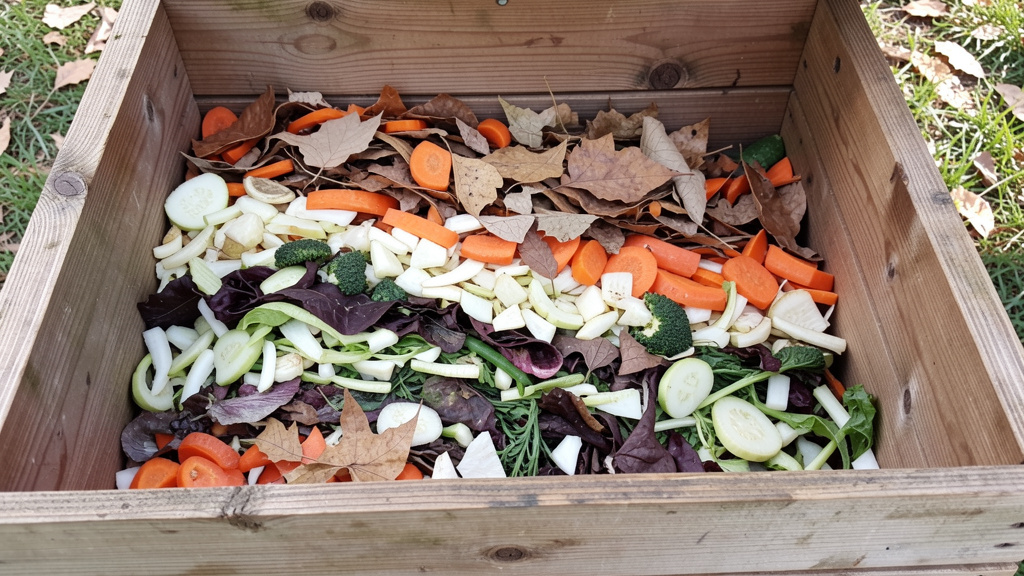
All compostable materials fall into two broad categories: carbon-rich “browns” (dry leaves, straw, shredded cardboard, untreated sawdust, paper) and nitrogen-rich “greens” (vegetable scraps, coffee grounds, fresh grass clippings, plant trimmings). Browns supply energy; greens supply protein for microbial reproduction. An imbalanced mix slows decomposition or causes odors.
Practical Application: Skip complex ratios. Use the Handful Test: For every bucket (or large handful) of greens added, incorporate two to three buckets of browns. Layer thoughtfully: 2–3 inches of browns, then 1–2 inches of greens. Coffee grounds, though dark, behave like greens—always mix thoroughly with browns to prevent clumping. Grass clippings mat easily; spread thinly and blend immediately with ample browns like chopped straw. A well-balanced pile feels like a damp sponge—moist but not dripping—and typically warms noticeably within a day or two.
Scenario Insight: A gardener adds a full bag of fresh grass clippings. Within days, ammonia odor appears. Diagnosis: nitrogen overload. Solution: Turn the pile while mixing in several times the volume of dry leaves or shredded cardboard. Odor subsides as balance returns. This illustrates why observing material interactions matters more than rigid lists.
Pillar 2: Moisture – Sustaining Microbial Activity
Decomposers require consistent moisture to function. Too dry, and activity pauses; too wet, and oxygen is displaced, inviting odor-causing anaerobic conditions. Weather, input moisture content, and pile size all influence this balance.
Practical Application: Perform the Squeeze Test weekly. Grab a handful from the pile’s center and squeeze firmly. One or two drops of moisture? Ideal. A steady stream? Too wet—add dry browns (shredded cardboard absorbs well) and turn. Crumbly with no moisture? Too dry—lightly sprinkle while turning to distribute evenly. In rainy climates, loosely cover piles with a breathable tarp. In arid zones, occasional light watering during turning may be needed. Aim for uniform dampness throughout.
Regional Note: In consistently dry regions, piles may require more frequent moisture checks. In humid or rainy areas, focus shifts to ensuring excess water drains away. These adaptations reflect responsive stewardship, not failure.
Pillar 3: Aeration – Supporting Aerobic Decomposition
Beneficial decomposers need oxygen. As materials settle or moisture accumulates, air pockets diminish. Without replenishment, anaerobic conditions develop, slowing breakdown and causing sour smells.
Practical Application: Turning reintroduces oxygen. Frequency depends on your goals. For active decomposition, turn when the pile no longer feels warm (typically every 1–2 weeks). Use a pitchfork for open piles or a corkscrew aerator for bins. Tumblers simplify this via rotation. Alternative strategies: build piles over a base of small twigs for airflow channels, or insert perforated pipes vertically before the pile heats significantly. Listen to your pile: an earthy scent signals health; sour or rotten notes indicate a need for air and possibly added browns.
Observation Tip: Two identical piles built Monday. One turned Wednesday; the other untouched. By Friday, the turned pile feels warm and smells richly earthy. The untouched pile emits a sour odor. Oxygen availability is the decisive difference.
Pillar 4: Particle Size and Surface Area – Encouraging Efficient Breakdown
Smaller pieces expose more surface area to microbes, accelerating decomposition. However, uniformly fine particles can compact and restrict airflow. A varied texture supports both speed and structure.
Practical Application: Chop or shred where practical. Run a mower over fallen leaves. Dice tough vegetable scraps (corn cobs, broccoli stems). Crush eggshells. For woody prunings, chip if possible. Avoid powder-fine consistency; mix shredded inputs with coarser browns like straw. A helpful guideline: items larger than your thumb benefit from size reduction. Even brief prep significantly shortens the composting cycle.
Illustration: Whole corn cobs may persist for many months. Chopped into small segments and layered with coffee grounds and paper, they integrate fully within a standard cycle. This isn’t about perfection—it’s about intentional preparation that respects natural processes.
The Fundamental Principle: Composting is not waste disposal—it is cultivating a thriving microbial habitat. Your role is steward: providing balanced food (material mix), water (moisture), air (aeration), and space (particle diversity) so nature’s recyclers can work effectively. Viewing your pile through this lens makes every action purposeful and troubleshooting intuitive.
Layer 2: Execution – Selecting and Implementing Your Method (The “How”)
With foundational understanding, choose the method aligning with your space, time, waste volume, and climate. There is no single “best” approach—the best system is the one you engage with consistently. Each option below integrates the Four Pillars. Select based on your reality.
Method 1: Open Bin System (The Adaptable Backyard Solution)
Ideal for: Homes with yard access, moderate to large organic waste volumes, gardeners preferring hands-on engagement.
Setup: Build a simple three-bin system from reclaimed pallets (secured safely) or use a single purchased bin (3–5 cubic feet capacity). Place directly on soil to welcome earthworms and soil organisms. Choose level, well-drained ground with partial sun (full sun dries piles quickly; deep shade retains excess moisture).
Step-by-Step:
1. Base Layer: Start with 4–6 inches of coarse browns (small twigs, straw) for drainage and airflow.
2. Layer Mindfully: Alternate browns and greens using the Handful Test. Lightly moisten dry layers as you build. Aim for a minimum pile size of roughly 3 ft x 3 ft x 3 ft to retain heat effectively.
3. Maintain: Check moisture weekly via Squeeze Test. Turn every 1–2 weeks. Always bury kitchen scraps under 6–8 inches of browns to deter pests.
4. Harvest: When material is dark, crumbly, and earthy-smelling (timing varies by climate and management), sift out large undecomposed bits (return to active pile) and use the finished compost. In a three-bin flow: Bin 1 collects new material; Bin 2 actively composts; Bin 3 cures/harvests. Rotate as bins fill.
Pillar Focus: Keep a dedicated container of dry leaves or shredded cardboard beside the bin for immediate coverage of kitchen scraps. Monitor moisture closely during extreme weather. Pre-shredding leaves accelerates results.
Adaptive Tip: Build bins from free pallets (call local businesses). Line interiors with hardware cloth to discourage rodents while permitting airflow. If pests access the bin, immediately bury exposed food deeply under browns and secure the lid.
Method 2: Compost Tumbler (Efficiency for Limited Spaces)
Ideal for: Patios, small yards, those seeking faster turnaround with minimal physical effort, strong pest deterrence.
Setup: Choose a dual-chamber model for continuous use. Position on stable, level ground in a sunny spot to support warmth. Ensure easy access for loading/unloading.
Step-by-Step:
1. Charge Fully: Fill one chamber completely with a balanced mix of browns and greens. Moisten to damp-sponge consistency. Avoid adding scraps gradually over weeks—a full chamber heats more effectively.
2. Rotate Regularly: Spin 5–10 times every few days. This thoroughly aerates contents and redistributes moisture.
3. Monitor Progress: When material no longer generates noticeable warmth and appears dark and crumbly, let it cure inside the tumbler for 1–2 weeks before harvesting.
4. Continuous Flow: While one chamber processes, fill the second. Harvest the first when ready, then restart the cycle.
Pillar Focus: Precision during initial loading matters—imbalance is harder to correct once sealed. Avoid overwatering; tumblers retain moisture well. Chop materials slightly smaller than for open bins. Never underfill; thermal mass is essential for activity.
Real-World Insight: A household collects kitchen scraps in a countertop pail. Weekly, they combine scraps with shredded paper and stored autumn leaves in the active chamber, spin briefly, and continue daily life. Within weeks, rich compost nourishes container plants. The system fits seamlessly into routine with minimal space.
Method 3: Vermicomposting (Worm Composting for Indoor/Small Spaces)
Ideal for: Apartments, homes without outdoor access, primarily kitchen-scrap generators, educators, those seeking odorless indoor processing. Produces nutrient-dense castings and liquid amendment.
Setup: Use a purpose-built worm bin or DIY stacked totes with drainage. Essential: Red wiggler worms (Eisenia fetida), not garden earthworms. Bedding: moistened shredded newspaper/cardboard (non-glossy), coconut coir, or aged compost. Location: Dark, temperature-stable area (ideally between 55°F–77°F / 13°C–25°C)—under sinks, in closets, basements, or garages.
Step-by-Step:
1. Prepare Habitat: Fill bin 2/3 full with damp, fluffed bedding. Add a small handful of soil (provides grit and microbes). Gently introduce worms (start with ½ lb for a standard bin).
2. Feed Gradually: Bury small amounts of appropriate scraps (fruit/veggie peels, coffee grounds, tea bags) under bedding in rotating spots. Begin with modest quantities; increase as worm population grows.
3. Maintain Balance: Bedding should feel like a damp sponge. If condensation drips, add dry bedding. If surface feels dry, mist lightly. Harvest castings when original bedding is mostly converted to dark granules (every few months) using migration or screening methods.
4. Liquid Note: Drain accumulated liquid (“leachate”) regularly. Dilute significantly (1:10 or more) with water and use promptly on ornamental plants only. True aerated compost tea requires additional steps.
Pillar Focus: Bedding is the carbon source. Maintain a thick layer over food. Overfeeding causes odors and fruit flies. Chop scraps finely.
Critical Guidance: Avoid meat, dairy, oily foods, large citrus quantities, or onions. These disrupt the ecosystem and risk harming worms. Stick to plant-based kitchen scraps and coffee grounds.
Adaptive Scenario: An apartment dweller maintains a bin under the kitchen sink. Evening scraps are buried under bedding. After several months, harvested castings revitalize houseplant soil. The system remains discreet, odor-free, and deeply satisfying.
Method 4: Bokashi Fermentation (Processing All Food Scraps)
Ideal for: Households wanting to process meat, dairy, cooked foods, or bones; apartment dwellers; those using it as a pre-compost step. Note: Bokashi is anaerobic fermentation, not finished composting. Fermented output requires burial or integration into an active compost system.
Setup: Airtight bucket with spigot + Bokashi bran (wheat/rice bran inoculated with beneficial microbes).
Step-by-Step:
1. Layer and Sprinkle: Add food scraps. Generously sprinkle bran over each layer (especially proteins/fats). Press down firmly to eliminate air pockets. Seal tightly after each addition.
2. Drain Liquid: Every 2–3 days, drain accumulated liquid. Dilute heavily (1:100) and use immediately on lawns or ornamentals (strong odor; not for edibles).
3. Ferment: When full, seal completely and store undisturbed in a warm spot for approximately two weeks. Contents develop a sour, pickled scent—this is normal. Absence of foul rotting odor indicates success.
4. Integrate: After fermentation:
– Bury: Dig a trench 12–18 inches deep in garden soil, add contents, cover thoroughly. Decomposition completes in several weeks.
– Compost Pile: Mix thoroughly into an active, balanced compost pile. Fermentation pre-digests materials, accelerating final breakdown.
Pillar Focus: Airtight seal is essential during fermentation. When integrating output, mix deeply with soil or ample browns—fermented mass is nitrogen-dense. Chop large items to increase surface area for microbes.
Urban Application: A city resident fills the bucket over two weeks, drains liquid for balcony herbs (heavily diluted), then transports fermented contents to a community garden plot for burial. All food scraps are utilized without odor or pests at home.
Method 5: Trench or Pit Composting (Direct Soil Enrichment)
Ideal for: Gardeners with available beds, seeking simplest “no-bin” approach, integrating nutrients exactly where plants will grow. Excellent for seasonal garden cleanup.
Setup: No container needed. Select a garden area where planting won’t occur for several months (rotate locations yearly). Dig a trench 12–18 inches deep.
Step-by-Step:
1. Deposit and Cover: Place kitchen scraps and soft yard waste directly into the trench. Immediately cover with at least 6–8 inches of soil to deter animals and contain odors.
2. Decompose In Place: This is a slower, cold process. Allow 6+ months before planting directly above. Earthworms and soil life gradually incorporate nutrients. Plant on either side of the trench while decomposition occurs.
Pillar Focus: Less critical to balance inputs precisely due to soil integration, but mixing scraps with some browns (leaves) aids breakdown. Chop scraps to speed underground decomposition.
Historical Context: Adapted from intensive gardening traditions where trenches between crop rows were filled with organic matter, covered, and planted above—building fertility without importing amendments.
Modern Use: In raised beds, dig a shallow central trench in fall, fill with scraps, cover with soil. By spring, the area is rich with earthworm activity and ready for nutrient-hungry crops.
Method 6: Sheet Composting / Lasagna Gardening (No-Dig Bed Creation)
Ideal for: Converting grass or poor soil into garden beds, suppressing weeds, building fertility with minimal labor. A form of in-place cold composting.
Setup: Select your future bed area. No digging required.
Step-by-Step:
1. Weed Barrier: Lay overlapping cardboard or several newspaper layers directly on vegetation. Wet thoroughly.
2. Layer Organically: Alternate browns (straw, shredded leaves, finished compost) and greens (grass clippings, buried kitchen scraps, manure). Build 12–24 inches high. Finish with a brown layer to deter pests and retain moisture.
3. Decompose: Allow layers to break down over many months. Seedlings can be planted through the layers after a few months; for optimal results, wait until materials fully integrate. Water occasionally if dry.
Pillar Focus: Maintain approximate brown:green layering. Cardboard base acts as initial carbon source. Keep layers moist but not soggy. Avoid compacting layers.
Transformation Example: A gardener covers a weedy patch with cardboard in autumn, layers leaves, grass clippings, and straw, then waters well. By spring, weeds are suppressed, cardboard has softened, and the bed is ready for transplanting tomatoes directly into rich, loose soil—no digging required. Research supports that no-dig methods preserve soil structure and microbial networks while building organic matter effectively.
Method 7: Community Composting (Shared Resource Participation)
Ideal for: Urban residents without space, those preferring drop-off convenience, building neighborhood resilience.
Execution:
1. Locate a Site: Research municipal curbside programs, community gardens, farmers’ markets, or drop-off hubs accepting compostables.
2. Collect Responsibly: Use a small countertop pail (with filter lid) lined with paper bags. Store full bags in the freezer to prevent odors and fruit flies until drop-off.
3. Follow Guidelines Strictly: Sites specify accepted materials (e.g., no meat/dairy, no bioplastics). Adherence keeps the shared system healthy.
4. Engage: Many sites welcome volunteers for turning piles or harvesting compost—great learning opportunities.
Pillar Focus: Your contribution quality matters. Ensure scraps are clean (remove stickers), and consider donating browns (like bagged leaves in autumn) to support the site’s balance.
Community Insight: Successful programs foster connection—participants might receive compost vouchers, share gardening tips, or collaborate on local sustainability initiatives. Starting one involves partnering with gardens, schools, or community centers, securing space, building bins, and creating clear signage.
Layer 3: Optimization – Troubleshooting, Enhancing, and Evolving (The “Master”)
Challenges are natural learning points. This layer builds diagnostic confidence and offers pathways to refine your practice over time.
Diagnosing Common Compost Conditions
| Observation | Likely Cause | Responsive Action | Preventive Practice |
|---|---|---|---|
| Pile remains cool/inactive | Too small; too dry; insufficient nitrogen; cold weather | Increase volume; moisten while turning; add nitrogen-rich materials (manure, grass); insulate with straw or tarp | Maintain adequate pile size; monitor moisture; balance inputs; position in sunnier spot if possible |
| Sour/rotten egg odor | Lack of oxygen (anaerobic conditions); excess moisture | Turn pile thoroughly; mix in generous dry browns (cardboard, straw) | Turn regularly; ensure proper drainage; maintain balanced moisture |
| Ammonia-like smell | Excess nitrogen (too many greens) | Turn pile; incorporate large volume of carbon-rich browns | Consistently apply Handful Test; always cover kitchen scraps with browns |
| Pile soggy or matted | Too much moisture; dense materials (e.g., thick grass layers) | Turn pile; add bulky dry browns; improve base drainage | Mix grass clippings thoroughly with browns; cover during heavy rain; avoid large wet additions |
| Pest interest (rodents, raccoons) | Exposed food; inclusion of prohibited items | Bury all food deeply under browns; secure bin with tight lid/latch; remove meat/dairy/oils | Never add prohibited items; use animal-resistant bins; maintain thick brown cover layer |
| Fruit flies | Exposed kitchen scraps; uncovered bin | Bury scraps deeper; add 2-inch brown layer on top; use vinegar trap nearby | Cover new additions immediately; keep collection pail sealed; freeze scraps before adding |
| Slow decomposition | Imbalance; large particle size; dryness; cold | Chop materials smaller; adjust browns/greens ratio; moisten; turn; insulate | Pre-process materials; monitor balance and moisture; locate pile thoughtfully |
| Ants present | Pile too dry | Moisten thoroughly while turning | Maintain consistent damp-sponge moisture level |
| Weeds sprouting | Seeds survived decomposition | Remove weeds; ensure future piles reach sufficient heat through balance and size | For hot composting, monitor warmth; turn when cooling; avoid adding mature weed seeds |
Deep Dive: Addressing Ammonia Odor
This signals nitrogen excess—common after adding large amounts of fresh grass or scraps. Respond promptly:
1. Pause adding greens.
2. Turn the pile vigorously while incorporating several times the volume of dry browns (shredded cardboard works quickly).
3. Assess moisture; add dry browns if overly wet.
4. Within hours, odor should diminish.
Prevention is simpler: keep a ready supply of browns beside your bin. Cover every addition of kitchen scraps immediately with a generous layer of browns. This single habit prevents most odor issues.
Thoughtful Enhancements for Continued Growth
Compost Tea Considerations: A liquid amendment made by steeping finished compost in water.
– Non-Aerated: Steep compost in dechlorinated water (1:5 ratio) for several days. Strain and dilute before soil application. Use promptly.
– Aerated (ACT): Suspend compost in water with microbial food (molasses, kelp); bubble air continuously for 24–48 hours. Use immediately as soil drench or foliar spray.
Safety Note: Avoid using compost containing manure from carnivores or material from diseased plants for tea applied to edible crops. When in doubt, apply tea only to ornamentals or lawns.
Supporting Active Decomposition: To encourage temperatures that reduce weed seeds and pathogens:
1. Build piles to adequate size (minimum 3 ft³).
2. Balance materials carefully using the Handful Test.
3. Maintain damp-sponge moisture.
4. Turn when warmth diminishes. A well-tended pile can yield finished compost in weeks to months.
Tip: Inserting a perforated pipe vertically during setup creates a passive air channel, reducing turning frequency.
Seasonal Awareness:
– Cool Months: Insulate piles with straw bales, tarps, or old blankets. Reduce turning to conserve warmth. Decomposition slows naturally—continue adding materials; activity resumes with warming temperatures. Move worm bins indoors or to protected spaces.
– Warm Months: Monitor moisture closely; water lightly during turning if dry. Provide afternoon shade for bins in full sun. Turn more frequently if pile feels excessively hot. Ensure good drainage in humid climates.
Philosophy: Seasonal shifts aren’t setbacks—they’re part of the rhythm. Adapt your attention, not your commitment.
Scaling Thoughtfully:
– Multiple Bins: Implement a three-bin flow for continuous production (Active, Curing, Ready).
– Dedicated Zones: Large properties might include a leaf mold pile (slow decomposition of leaves into soil conditioner) or brush pile for habitat.
– Animal Integration: Where permitted and appropriate, chickens can help turn piles and consume certain scraps. Rabbit manure integrates readily into compost systems.
– Community Sharing: Offer surplus compost to neighbors, community gardens, or schools. Document your journey to encourage others.
Example: A household maintains a three-bin system for general waste, a worm bin for extra kitchen scraps, a leaf enclosure for autumn harvest, and uses Bokashi for occasional meat scraps buried in a designated orchard area. This integrated approach matches their space, waste stream, and gardening goals without overwhelm.
Beyond the Pile: Integrating Compost into Garden and Lifestyle
Creating compost is one phase; applying it thoughtfully completes the cycle. Viewing composting within broader household ecology deepens its impact.
Using Finished Compost Effectively
Recognizing Readiness: Finished compost is dark, crumbly, and smells richly earthy—like forest soil. Original materials should be unrecognizable (small twigs can be sifted out and returned to the active pile). Volume reduces significantly. Perform the “bag test”: Seal a handful in a plastic bag for 24–48 hours. Open; an earthy scent confirms readiness. Sour or ammonia notes indicate more curing time is needed. Patience ensures quality.
Application Guidance:
– Soil Amendment: Before planting, spread 1–3 inches over garden beds. Gently incorporate into the top several inches of soil. For established beds or lawns, apply a thin layer (¼–½ inch) as a top-dressing in spring or fall; soil life will integrate it gradually.
– Potting Mix: Blend screened compost with coconut coir/peat moss and perlite/vermiculite (e.g., 1:1:1 ratio). Always screen compost for containers. Never use 100% compost in pots—it may retain too much moisture.
– Mulch: Apply 2–3 inches of partially finished (screened) compost around plants to suppress weeds and conserve moisture. Keep away from plant stems to prevent rot.
– Lawns: Spread a very thin layer (¼ inch) of finely screened compost in spring or fall. Rake gently and water lightly.
– Liquid Feed: Use properly prepared compost tea for targeted nutrient support (follow safety notes above).
Timing Considerations:
– Vegetable Gardens: Best applied in early spring before planting or in fall after harvest. Fall application allows integration over winter.
– Flower Beds & Perennials: Apply as growth resumes in spring or after flowering in fall.
– Trees & Shrubs: Apply a wide, shallow ring of compost (avoiding trunk contact) in spring or fall, mimicking natural forest litter.
– Containers: Refresh top inch of soil annually with compost, or incorporate when repotting.
Important Boundaries:
– Do not use compost containing recognizable weed seeds, diseased plant material, or pesticide residues on food crops.
– Avoid direct contact between compost and plant stems or tree trunks.
– Never apply unfinished compost (still warm or containing visible scraps) near plants—it may temporarily tie up soil nitrogen.
– Exercise caution with compost containing pet waste; avoid use on edible gardens due to potential pathogen risks.
The Expanding Perspective: Composting Within Sustainable Living
Engaging with composting often cultivates broader awareness of resource flows and consumption patterns.
- Waste Stream Awareness: Noticing what leaves your home encourages mindful choices—selecting products with minimal packaging, buying in bulk where practical, or choosing compostable packaging when available. A brief waste audit can reveal simple reduction opportunities.
- Food Respect: Seeing food scraps transform fosters greater appreciation for food. This often leads to improved meal planning, better storage techniques (e.g., herb jars, proper produce separation), and creative use of leftovers—naturally reducing waste at the source.
- Soil Health Ripple Effects: Compost-amended soil retains moisture more effectively, reducing irrigation needs—a meaningful advantage in water-conscious regions. Healthy soil biology also supports plant resilience, potentially decreasing reliance on external inputs.
- Community Connection: Sharing knowledge, surplus compost, or harvests strengthens neighborhood ties. Participating in or supporting community compost initiatives builds local capacity and shared purpose.
- Educational Value: Composting offers tangible lessons in ecology, decomposition, and cycles for learners of all ages—whether in classrooms, backyards, or community gardens.
Reflection: For many, composting becomes a quiet anchor—a daily practice connecting household actions to larger ecological patterns. It cultivates patience, observation, and a sense of contribution. The shift isn’t always dramatic, but cumulative: less waste to discard, richer garden soil, deeper appreciation for natural processes, and conversations sparked with neighbors. It’s a practice that grows outward from a simple pile.
Your Questions, Answered
Q: I live in an apartment with no outdoor space. Can I compost?
A: Yes. Vermicomposting (worm bin) is highly effective indoors when maintained properly—kept under a sink or in a closet, it processes fruit/vegetable scraps, coffee grounds, and tea bags odorlessly. Bokashi fermentation works well in small spaces; the bucket stays under the sink, and fermented output can be buried in a houseplant pot (sparingly, mixed deeply with soil), shared with a community garden, or taken to a municipal drop-off site. Many cities now offer curbside compost collection—check local waste services. Start modestly: a small worm bin handles typical kitchen scraps for 1–2 people.
Q: What should I avoid putting in my compost?
A: To maintain a healthy, pest-free system, avoid: meat, fish, bones, dairy, fats/oils (attract pests, cause odors); pet waste (potential pathogens); plants with evident disease or persistent weeds with mature seeds (unless managing a verified hot pile); coal/charcoal ash; glossy/colored paper; synthetic chemicals or treated wood. When uncertain, leave it out. Focus on fruit/vegetable scraps, coffee grounds, tea bags, eggshells, yard trimmings, and plain paper/cardboard.
Q: How long does composting take?
A: Timing varies widely based on method, management, climate, and materials. An actively managed pile with balanced inputs and regular turning may yield compost in weeks to a few months. A passive, unturned pile or trench system may take many months to over a year. Vermicomposting produces usable castings in several months. Bokashi fermentation takes about two weeks, followed by several weeks for buried output to fully integrate into soil. Cold weather naturally slows the process. Focus on consistent, attentive care rather than speed—decomposition follows its own rhythm.
Q: My pile smells unpleasant. What should I do?
A: Odors signal an imbalance. A rotten egg (sulfur) smell indicates insufficient oxygen. Turn the pile immediately and mix in dry, bulky browns (shredded cardboard, straw) to absorb moisture and create air channels. An ammonia scent suggests too many nitrogen-rich materials. Turn and incorporate a generous amount of carbon-rich browns. Ensure moisture resembles a damp sponge—not soggy, not dry. Prevention is key: always cover kitchen scraps with browns, maintain balanced inputs, and turn regularly. For worm bins, reduce feeding temporarily and add dry bedding.
Q: Can I compost during winter?
A: Absolutely. In cold climates, decomposition slows or pauses when frozen but resumes with warming temperatures—this is normal. To support activity longer: insulate piles with straw bales, tarps, or old blankets; position in sunnier spots; maintain adequate pile size; continue adding materials (store dry browns like leaves for winter use). For vermicomposting, move bins indoors to a garage, basement, or closet within the ideal temperature range. Tumbler contents may freeze solid in extreme cold; adding insulation around the unit can help. Remember: a dormant winter pile is not a failed pile—it’s resting.
Q: Is it safe to compost weeds?
A: Young weeds without flowers or seeds are generally safe. Weeds with mature seeds or persistent roots (like bindweed or quackgrass) require caution. Only add these if you consistently manage a hot pile verified to reach temperatures sufficient for seed destruction (monitored with a thermometer). For cold or passive systems, it’s safer to exclude problematic weeds or dispose of them via municipal green waste (often processed at industrial-scale hot facilities). When in doubt, solarize weeds first: seal in a black plastic bag in full sun for several weeks to kill seeds before composting.
Q: How is compost different from fertilizer?
A: Compost is a soil amendment; fertilizer is a plant nutrient supplement. Compost improves soil structure, water retention, aeration, and microbial life—creating a healthier environment for plants to access nutrients naturally. Fertilizers (organic or synthetic) deliver concentrated, specific nutrients for direct plant uptake. Compost builds the foundation; fertilizer addresses specific deficiencies. In healthy, compost-rich soil, plants often thrive with little or no additional fertilizer. Think of compost as nourishing the entire soil ecosystem, while fertilizer targets the plant directly.
Q: How do I manage fruit flies in my worm bin?
A: Prevention and simple fixes usually resolve this. Ensure all food scraps are buried completely under 2–3 inches of bedding. Pause feeding for a week to let worms catch up. Place a small jar with apple cider vinegar and a drop of dish soap nearby as a trap. Freeze kitchen scraps for 48 hours before adding to kill any eggs. Always cover new food with fresh bedding, avoid overfeeding, and confirm the bin lid seals tightly. A layer of damp newspaper on top of the bedding creates an additional barrier. Gently fluff the top bedding layer if flies persist to disrupt breeding sites.
Q: Can I compost plants that had disease?
A: It’s generally not advisable to compost plants with serious soil-borne diseases (like tomato blight or clubroot) in home systems. Home piles rarely achieve and maintain the consistent high temperatures needed to eliminate all pathogens. Risk of reintroducing disease to your garden is significant. When possible, dispose of diseased material in municipal trash (not green waste streams). Healthy plant trimmings without disease signs are safe to compost. For greater confidence, maintain separate systems: one for general waste, and a dedicated, carefully monitored hot pile for higher-risk materials.
Q: How do I confirm my compost is ready to use?
A: Finished compost is dark, crumbly, and has a pleasant, earthy aroma—reminiscent of forest soil. It no longer generates noticeable heat. Original materials should be unrecognizable (small woody bits can be sifted out and returned to the active pile). Perform the “bag test”: Place a handful in a sealed plastic bag for 24–48 hours. Open it; an earthy smell confirms readiness. A sour or ammonia odor means it needs more time to cure. When uncertain, allow additional curing time. Unfinished compost can temporarily compete with plants for soil nitrogen as it continues breaking down.
Q: Is composting worthwhile for a small household?
A: Yes. Even modest households generate regular organic waste—coffee grounds, tea bags, vegetable peels, eggshells, paper towels. Diverting this stream reduces landfill contribution and creates valuable amendment for houseplants, containers, or a small garden bed. A single worm bin processes typical daily scraps for 1–2 people, diverting meaningful waste annually. Beyond tangible output, composting cultivates awareness of consumption and waste, often inspiring broader sustainable habits. Starting small builds confidence and demonstrates impact without overwhelm. Every diverted scrap contributes.
Q: What is composting’s environmental significance compared to landfilling food waste?
A: The difference is meaningful. In landfills, organic waste decomposes without oxygen, producing methane—a greenhouse gas with significantly higher short-term warming potential than carbon dioxide. Composting is an oxygen-rich process that primarily yields carbon dioxide (part of the natural carbon cycle) and water vapor. Furthermore, applying compost to soil sequesters carbon, enhances soil’s water-holding capacity (reducing irrigation needs), supports plant growth (which absorbs CO₂), and decreases reliance on energy-intensive synthetic fertilizers. By composting, you actively transform a waste stream into a resource that supports soil health and climate resilience—one kitchen scrap at a time.
Conclusion and Your Next Step
Composting weaves together practical action and ecological awareness. You now hold a flexible framework—the Compost Mastery Framework—to guide your journey: understand the foundational pillars, select a method aligned with your life, and refine through observation and care. This practice is more than soil enrichment; it’s a tangible step toward resource mindfulness, closing loops within your household and community. There is no single “perfect” way—only your evolving, responsive practice.
Three Anchors for Lasting Practice
- Return to the Pillars: When uncertainty arises, revisit material balance, moisture, aeration, and particle size. These universal principles apply across all methods and seasons. They are your compass.
- Honor Your Context: Choose the method that fits your space, time, climate, and waste stream. Starting small with a worm bin or Bokashi bucket is wise. Consistency matters far more than scale.
- Embrace Observation: Composting is dynamic. Weather shifts, inputs vary, systems evolve. View each observation—noticing moisture, temperature, texture—as valuable feedback. Adjust gently. Celebrate progress: the first harvest of rich compost, reduced kitchen waste, thriving plants.
The 24-Hour Step: One Small Action
Knowledge gains meaning through action. Within the next day, take one concrete step:
– New to composting? Place a small lidded container (a reused jar or tub) on your counter to collect scraps tomorrow. Research one local method (worm bin, drop-off site) for five minutes.
– Reviving a system? Perform one check: Squeeze-Test moisture, turn the pile and add browns if needed, or cover it lightly if rain is forecast.
– Experienced composter? Share openly: text a neighbor about your setup, post one tip in a community group, or offer surplus compost to a local garden.
This single action breaks inertia. Momentum grows from motion. Begin where you are.
The Wider View: From Soil to System
Each handful of compost you create reflects a choice—to see potential in what was discarded, to participate in renewal, and to nurture the living ground beneath us. This practice quietly challenges throwaway culture, affirming that waste is often a misplaced resource. As you enrich your garden, you also cultivate resilience: in your soil, your habits, your connections. You join countless others worldwide healing soil, conserving resources, and building localized solutions. Composting teaches that with patience, attention, and care, decay becomes renewal. Your journey starts with one layer, one turn, one mindful choice. The earth meets every effort with growth. Begin today.
Explore Our Complete Sustainable Living System:
Building Healthy Soil: Beyond Compost Amendments | Zero-Waste Kitchen: Practical Strategies for Every Home | Water-Wise Gardening: Conserving Resources Without Sacrificing Beauty | The Beginner’s Guide to Raised Bed Gardening | Seed Saving 101: Preserving Heirloom Varieties for Future Seasons | Natural Pest Control: Encouraging Beneficial Insects in Your Garden | Rainwater Harvesting: Simple Systems for Home and Garden