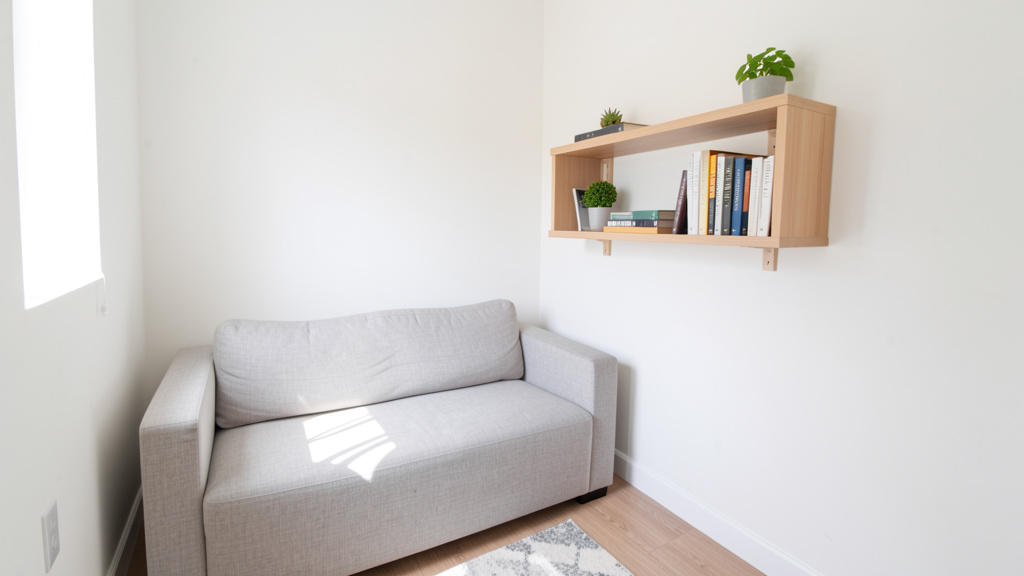
Practical, Proven Strategies to Maximize Comfort, Style, and Function Without Sacrificing an Inch
You stand in your living room, surrounded by potential yet constrained by square footage. The space feels cramped when guests visit, furniture arrangements never quite work, and that dream of a cozy yet functional gathering spot seems out of reach. What if the solution isn’t about finding more space—but unlocking the hidden potential in every inch you already have? This comprehensive guide reveals a systematic approach to transforming small living rooms through intentional design choices, spatial awareness, and adaptable solutions that create rooms feeling simultaneously expansive, inviting, and authentically yours.
Introduction
Small living rooms exist in apartments across bustling cities, historic homes with charmingly compact layouts, modern condos prioritizing location over footprint, and starter homes where every square foot carries weight. The frustration is universal: you want a space that welcomes conversation, accommodates occasional guests, reflects your personal style, and provides daily comfort—all without triggering claustrophobia or constant rearrangement anxiety. This isn’t merely about aesthetics; it’s about solving real human problems within physical constraints. Drawing from established principles in spatial psychology, ergonomic design research, and analysis of numerous documented small-space transformations, this guide moves beyond fleeting trends to deliver foundational strategies. These approaches respect architectural realities while empowering you to create environments where function and beauty coexist harmoniously. The journey begins not with furniture shopping, but with a fundamental shift in perspective: your small living room isn’t a limitation—it’s an invitation to design with greater intention.
The Big Impact Framework: Five Sequential Steps to Spatial Transformation
The Big Impact Framework is a methodology developed through analysis of successful small-space implementations across diverse architectural contexts. Unlike fragmented tips found online, this system operates sequentially: each step builds upon the previous one, creating cumulative effects that reshape perception and function. Skipping steps risks undermining the entire strategy. This isn’t about “hacks” but about cultivating spatial intelligence—the ability to read a room’s potential and respond with precision. Implement these steps in order, allowing each phase to inform the next. You’ll discover that transformation emerges not from one dramatic change, but from the thoughtful integration of multiple calibrated decisions.
Step 1: Master the Floor Plan (The Blueprint Phase)
Before moving a single piece of furniture, you must understand your room’s skeletal structure. This phase separates enduring solutions from temporary fixes. Begin by creating an accurate scaled drawing. Measure every wall, noting dimensions carefully. Include permanent features: door swings (mark the arc they travel), window placements and depths, electrical outlets (count and locate them precisely), radiators, fireplaces, or architectural details like columns or alcoves. Transfer these measurements to graph paper (¼ inch = 1 foot is standard) or use a free digital tool like Roomstyler or MagicPlan. This step is highly recommended as it serves as your strategic command center, providing clarity before physical changes begin.
Why this step is essential: Human perception of space is heavily influenced by traffic flow. Studies in environmental psychology confirm that blocked pathways or awkward navigation trigger subconscious stress. A precise floor plan reveals hidden opportunities: that narrow gap beside the door might accommodate a slim console; the alcove opposite the window could become a dedicated reading nook. Without this blueprint, design decisions lack foundational context.
How to execute correctly:
1. Measure thoroughly: Use a reliable tape measure. Note ceiling height—critical for vertical strategies later.
2. Map human movement: With colored pencils, trace primary pathways (entrance to seating area, kitchen access). Ensure generous clearance for main routes; adequate space for secondary paths supports comfortable navigation.
3. Identify focal points: What draws the eye upon entering? A window with a view? A fireplace? A blank wall? Your furniture arrangement should acknowledge this natural anchor.
4. Test arrangements virtually: Cut scaled paper shapes representing your existing furniture. Slide them across your floor plan. Experiment with orientations you’d never consider physically—floating the sofa away from walls, angling chairs. Photograph promising layouts.
Common mistakes to avoid:
– Ignoring door swings: Placing furniture where a door hits it creates daily frustration and potential damage.
– Overlooking outlet placement: Positioning seating far from power sources leads to inconvenient cord management.
– Forgetting scale: A massive sectional might fit dimensionally but dominate visually, shrinking perceived space. Your floor plan reveals this before delivery.
– Neglecting sightlines: Consider sightlines from seated positions. Does the arrangement block views to windows or key areas?
Real-world example: Sarah lived in a pre-war apartment with a door opening directly into the center of the longest wall. Her previous layout placed the sofa against that wall, forcing guests to navigate a narrow path. Her floor plan revealed the door’s swing consumed significant wall space. Solution? She floated a narrow sofa perpendicular to the door, creating a defined entry zone behind it (holding a slim console table) and opening the main area. The pathway widened noticeably. The initial hesitation about “using space behind the sofa” vanished when she added a narrow bookshelf there—gaining storage while improving flow. The floor plan made this counterintuitive solution visible and safe to test.
The Fundamental Principle: Space is not merely the area within walls—it is the volume defined by floor, walls, ceiling, and the pathways connecting them. Master the blueprint, and you master the experience.
Step 2: Choose Furniture with Purpose (The Multi-Tasking Mandate)
In small living rooms, every piece of furniture should justify its presence through multiple functions, appropriate scale, and visual lightness. This step moves beyond the myth that small spaces require miniature furniture. Instead, they benefit from strategic furniture. A single versatile ottoman serving as footrest, extra seating, surface, and hidden storage often outperforms several single-purpose items. The goal is curated utility, not minimalism for its own sake.
Why this step transforms perception: Visual clutter is a primary contributor to feelings of confinement. Each additional piece adds visual weight and fragments the space. Multi-functional items reduce object count while increasing utility. Furthermore, furniture scale directly impacts spatial perception. Appropriately scaled pieces create balance, while oversized items can trigger subconscious feelings of constraint.
How to execute correctly—evaluating every potential piece through three lenses:
Lens 1: Function Multiplicity
– Ideal: Pieces serving multiple core functions. Example: A storage ottoman with a removable tray top (seating + storage + surface). A quality sofa bed for occasional guests. Nesting tables that tuck compactly when not in use.
– Budget: Repurpose existing items with dual roles. A vintage trunk becomes a coffee table with storage. A sturdy ladder holds throws and displays art. A wall-mounted drop-leaf table folds flat when not needed.
– Adaptable Fix: If using a single-function item temporarily, maximize its utility. Store items inside hollow bases where safe. Use radiator covers (with non-combustible items only) for displaying small plants or art.
Lens 2: Visual Weight Management
– Legs enhance openness: Choose sofas, chairs, and tables with exposed legs where possible. This allows light and sightlines to travel under the furniture, creating a sense of airiness. Solid bases can visually anchor pieces heavily.
– Material transparency: Incorporate pieces with visual permeability. Acrylic side tables minimize visual bulk. Glass-topped coffee tables maintain surface utility while feeling lighter. Open-shelf bookcases feel less imposing than closed cabinets (though closed storage has value for hiding clutter—see Step 5).
– Scale calibration: Measure potential pieces against your floor plan. A sofa should occupy a balanced proportion of its wall. For compact rooms, consider “apartment depth” models with reduced depth. Prioritize seat depth that suits your needs and space.
Lens 3: Strategic Placement Logic
– Float intentionally: Consider floating key pieces (like the sofa 6–12 inches from the wall) to create depth, define zones, and enhance perceived space. Use the space behind for a narrow console, floor lamp, or vertical element.
– Create conversation clusters: Arrange seating to face each other within a comfortable distance for conversation. Avoid lining chairs along a single wall. Two armchairs angled toward a sofa often create better intimacy than three chairs in a row.
– Anchor with rugs: A rug should be large enough that the front legs of key seating pieces rest on it. This visually “grounds” the arrangement and defines the living area, especially crucial in open-plan spaces. Ensure adequate floor shows around the rug’s perimeter.
Common mistakes to avoid:
– Pre-packaged suites: Buying a matching living room set often means pieces are scaled for average rooms, not your specific space. Mix and match intentionally.
– Ignoring seat height: Ensure seating pieces have compatible seat heights for visual harmony and comfort.
– Overlooking arm depth: In tight spaces, chairs with narrow arms (or armless slipper chairs) provide more usable seating width without increasing footprint.
– Forgetting usability: Consider how furniture will be used daily. A deep seat might look cozy but may not suit all body types; firm seating can aid standing in spaces with limited leverage room.
Real-world example: Mark’s compact living room felt like a furniture obstacle course. His deep sectional dominated the space, leaving only a narrow path to the balcony door. Applying the Multi-Tasking Mandate, he replaced it with a compact apartment-depth sofa (floating slightly from the wall), two armless slipper chairs that could tuck under a console when not in use, and a lift-top coffee table. The lift-top provided hidden storage while offering a temporary surface. The armless chairs freed up width per chair. The visual lightness of tapered legs and a glass coffee table made the floor visible, expanding the perceived space. The arrangement created a clear pathway to the balcony and a defined conversation circle. Function multiplied while visual clutter diminished.
Step 3: Harness Light and Color (The Perception Shift)
Light and color are powerful, accessible tools for altering spatial perception. They operate on neurological and psychological levels, influencing mood, focus, and the sense of dimension. This step moves beyond oversimplified advice to a nuanced strategy leveraging layered lighting and intentional color choices. The goal is to sculpt the space visually, guiding the eye, creating depth, and evoking desired emotional responses.
Why this step is transformative: Human vision relies on contrast and shadow to perceive depth. Strategic lighting creates dimension where physical depth is limited. Color choices affect perceived distance—cool tones can recede, warm tones can advance. Mastering these elements supports a more spacious, comfortable feel. Poor lighting, conversely, can flatten a room, emphasize clutter, and contribute to eye strain.
How to execute correctly—implementing a three-layer lighting system and a calibrated color strategy:
Layer 1: Ambient Lighting (The Foundation)
This provides overall, shadow-minimizing illumination. Avoid relying solely on a single overhead fixture, which can create harsh shadows.
– Ideal: Recessed LED downlights (if ceiling allows) spaced evenly, or a flush-mount ceiling fixture with a diffuser. Install on a dimmer switch for mood control.
– Budget: Replace bulbs with warm-white (2700K–3000K) LEDs in existing fixtures. Add plug-in wall sconces (using cord covers) to bounce light off walls, creating ambient glow.
– Adaptable Fix: Position a floor lamp with an upward-facing shade in a corner to bounce light off the ceiling.
Layer 2: Task Lighting (The Precision Tool)
This illuminates specific activities: reading, working, dining.
– Ideal: Wall-mounted swing-arm lamps beside seating (saves table space). Under-cabinet lighting on a console behind a floated sofa.
– Budget: Slim LED clip-on lamps for bookshelves or side tables. Plug-in swing-arm lamps mounted on shelves.
– Adaptable Fix: A small, focused lamp on a side table angled precisely where light is needed.
Layer 3: Accent Lighting (The Detail Enhancer)
This highlights architectural features, art, or creates visual interest.
– Ideal: Picture lights above artwork. LED strip lighting inside open shelves or under floating shelves.
– Budget: Battery-operated LED puck lights inside a bookshelf. A small LED tape light behind the TV to reduce eye strain.
– Adaptable Fix: Place a small lamp on a shelf behind decorative objects to cast interesting shadows.
Color Strategy: Beyond Simplistic Rules
– Ceiling Strategy: Paint the ceiling a shade lighter than the walls. This can push the ceiling visually upward. For lower ceilings, a high-gloss finish on the ceiling (applied meticulously) reflects light, enhancing the effect.
– Wall Strategy: Choose a cohesive palette of 3–4 colors max. For enhancing spaciousness:
– Cool, receding colors: Soft blues, greens, lavenders can make walls feel farther away.
– Monochromatic schemes: Different shades of one color create seamless flow, reducing visual “stops.”
– Strategic accent walls: Consider using an accent wall on the shortest wall. Painting the longest wall a darker color may make the room feel narrower. An accent wall behind a floated sofa can add depth.
– The Dark Color Consideration: Deep colors (navy, charcoal, forest green) can work beautifully in small rooms when used intentionally. They create intimacy and sophistication. Key: Ensure abundant layered lighting to prevent a cave-like feel. Use dark colors on all walls for enveloping coziness, or on a single feature wall paired with lighter adjacent walls. Always test large swatches at different times of day.
– Flooring & Large Surfaces: Light-colored floors reflect light upward. If you have dark floors, a large, light-colored area rug can break up the expanse and define the seating zone.
Common mistakes to avoid:
– Over-lighting: Too many bright light sources create visual chaos. Dimmers provide essential control.
– Ignoring Color Temperature: Mixing cool white and warm white bulbs in the same space creates a disjointed feel. Stick to one temperature family (warm white is generally more inviting for living rooms).
– Painting All Walls Different Colors: This visually chops the room into smaller segments. Cohesion supports spaciousness.
– Neglecting Trim: Painting trim the same color as walls creates a seamless look. Using contrasting trim defines details but can make walls feel “boxed in” in very small rooms—test both approaches.
Real-world example: Lena’s north-facing living room felt perpetually dim. Her beige walls absorbed available light. She implemented the Perception Shift: Walls were painted a warm, light greige. The ceiling received a high-gloss pure white finish. She installed dimmable recessed LED lights (3000K) for ambient light. Task lighting came from two wall-mounted swing-arm lamps. Accent lighting included LED strips under her floating TV console and battery puck lights inside her open bookshelf. She added a large, light-beige wool rug and chose furniture in light wood tones and cream upholstery. The result was transformative: the room felt noticeably more spacious and brighter even on cloudy days, and radiated warmth. Layered lighting allowed her to set intimate moods or bright functionality. The cohesive color palette eliminated visual friction, making the space feel calm and intentional.
Step 4: Curate Vertical Space (The Forgotten Frontier)
When floor space is precious, the vertical plane—from floor to ceiling—becomes valuable real estate. This step systematically utilizes walls, doors, and space above furniture to add function, storage, and visual interest without consuming floor area. It’s not about covering every inch of wall; it’s about strategic, purposeful curation that draws the eye upward, enhancing perceived height and freeing the floor below.
Why this step unlocks hidden capacity: Human eyes naturally scan vertically. Drawing attention upward can make ceilings feel higher and rooms feel more expansive. Utilizing vertical storage keeps frequently used items accessible while reducing floor clutter. Spatial perception studies note that rooms with elements reaching toward the ceiling feel more volumetric.
How to execute correctly—implementing vertical strategies by zone:
Zone 1: Walls (Beyond Basic Shelving)
– Ideal: Custom floor-to-ceiling built-in shelving units. Include a mix of closed cabinets (for hiding clutter) and open shelves (for displaying curated items). Integrate lighting within the unit.
– Budget: Tall, narrow bookcases placed strategically. Secure to wall with anti-tip brackets. Style shelves using intentional grouping: books, decorative objects, and negative space. This prevents a cluttered look.
– Adaptable Fix: Floating shelves installed at varying heights. Focus on one wall section. Use sturdy brackets rated for the weight. Place heavier items on lower shelves. Critical: Leave ample space between shelves to avoid a cramped feel.
Zone 2: Above Furniture (The Overlooked Zone)
– Ideal: Mount a slim console table or narrow shelf above the back of a floated sofa. Use for books, a small plant, or a discreet soundbar. Install a narrow ledge above a radiator cover (ensuring safe distance from heat) for displaying small art.
– Budget: Hang a single large piece of art or a mirror centered above the sofa. Ensure the bottom edge is appropriately spaced above the sofa back.
– Adaptable Fix: Use removable adhesive hooks above a door (on the wall) to hang lightweight items like scarves or a small woven basket for remotes.
Zone 3: Doors and Partitions (Functional Surfaces)
– Ideal: Install a full-height pegboard panel on a closet door or unused wall section. Customize with hooks, shelves, and bins. Paint to match the wall or use as a feature.
– Budget: Over-the-door organizers with clear pockets for storing magazines or remote controls. Choose slim profiles.
– Adaptable Fix: Adhesive-backed magnetic strips inside a cabinet door to hold small metal tools.
Zone 4: The Ceiling (Strategic Accent)
– Ideal: A statement pendant light hung at the correct height draws the eye up and defines the seating area. In rooms with higher ceilings, subtle crown molding painted the same color as the ceiling can enhance height.
– Budget: Paint ceiling beams the same color as the ceiling to make them recede. Use a lighter shade on the ceiling than walls.
– Adaptable Fix: Ensure all ceiling fixtures are clean and updated. A dated, bulky fixture can visually weigh down the space.
Common mistakes to avoid:
– Shelving overload: Covering every inch of wall with shelves creates visual chaos. Embrace negative space. Less is often more impactful.
– Ignoring scale: Tiny shelves on a large wall look lost; massive shelves in a small room feel overwhelming. Scale shelves proportionally.
– Poor installation: Shelves must be securely anchored, especially for heavy items. Use a level. Crooked shelves create visual unease.
– Cluttered displays: Treat open shelves like a gallery. Edit ruthlessly. Group items intentionally. Dust regularly.
Real-world example: David’s studio apartment living area shared space with his sleeping zone. Floor space was at a premium. He implemented vertical curation: A floor-to-ceiling wardrobe system (secured to studs) housed all clothing and linens. Above his compact sofa, he installed two floating shelves holding only his favorite books and a single small plant. On the wall beside his desk nook, a pegboard panel organized headphones and notebooks—keeping the tiny desk surface clear. A single pendant light hung over his small dining table drew the eye upward and defined that zone. The result? His compact studio felt organized, intentional, and surprisingly spacious. Vertical solutions kept the floor clear for movement and created distinct functional zones without physical barriers. Guests consistently remarked on the room’s sense of openness.
Step 5: Edit Ruthlessly (The Psychology of Less)
This final framework step is often the most impactful. Editing isn’t about deprivation; it’s about curation. It’s the conscious process of removing items that don’t serve a clear purpose (functional, aesthetic, or deeply meaningful) to elevate the value of what remains. In small spaces, clutter contributes to visual noise and cognitive load. Every unnecessary object competes for attention and fragments the space visually. This step applies thoughtful curation: does this item earn its place?
Why this step is the keystone: Research indicates that visual clutter can compete for attention and increase stress. A curated environment reduces decision fatigue, enhances the perceived quality of remaining items, and allows architectural features and intentional design choices to shine. Editing transforms a room from “filled” to “complete.”
How to execute correctly—a systematic, compassionate editing process:
Phase 1: The Inventory Audit
Remove everything from surfaces, shelves, and storage within the living room. Place items in four labeled categories:
1. Keep (Essential): Items used regularly, deeply valued, or irreplaceable. Must pass the “function/beauty/significance” test.
2. Relocate: Items that belong elsewhere in the home.
3. Donate/Sell: Items in good condition but no longer needed or loved. Be honest.
4. Discard: Broken, stained, or unusable items. Recycle responsibly.
Phase 2: The Reintroduction Protocol
Do not return all “Keep” items immediately. Reintroduce items slowly, with intention:
– The One-In, One-Out Practice: For every new item brought into the living room, consider removing one existing item. This maintains equilibrium.
– Surface Discipline: Limit tabletops to a few curated items max. A lamp, a small plant, a single art object. Clear surfaces feel expansive.
– Storage Boundaries: Assign specific homes for categories. “All remotes live in this woven box.” “Board games live in this ottoman.” When storage is full, editing may be needed before adding more.
– Digital Declutter: Apply the same principle to digital surfaces visible in the room (TV screensaver, tablet). A clean digital interface supports a calm physical environment.
Phase 3: Maintenance Rituals
Editing is ongoing, not a one-time event.
– Daily Reset: Spend a few minutes returning items to their designated homes. This prevents clutter accumulation.
– Seasonal Review: Periodically revisit the “Keep” category. Tastes change; needs evolve.
– The Guest Perspective: Before expecting visitors, do a quick scan. Would a guest feel overwhelmed by visual noise? Remove temporary items that migrated into the space.
Common mistakes to avoid:
– Sentimental Overload: Keep one meaningful item from a category (e.g., one child’s artwork framed). Photograph bulky sentimental items and store the photos digitally.
– “Just in Case” Holding: Be thoughtful with items kept “just in case.” If unused for a significant period (and not seasonal), consider if it’s truly needed.
– Ignoring Scale of Decor: A massive sculpture on a small console table overwhelms the space. Choose decor scaled to the surface and room. When in doubt, go smaller.
– Forgetting “Breathing Room”: Leave empty space around objects. Negative space is essential for visual rest and highlighting what matters.
Real-world example: Chloe loved collecting vintage ceramics. Her small living room shelves were crammed, creating a visually frantic feeling. She felt anxious but couldn’t part with her treasures. Applying the Edit Ruthlessly protocol, she emptied all shelves. She kept only her absolute favorite pieces—the ones that truly resonated. She donated the rest. She reintroduced the selected pieces onto her floating shelves, giving each ample space. She added a small, focused light above the shelf to highlight them. The transformation was profound. The room felt instantly calmer, larger, and more sophisticated. Her remaining ceramics were elevated to art objects, appreciated daily instead of lost in the clutter. The anxiety vanished, replaced by pride in her curated collection. She realized the clutter had been hiding the beauty of her true favorites.
Beyond the Framework: Addressing Specific Small-Space Challenges
The Big Impact Framework provides the foundational strategy. However, real-world rooms present unique constraints. This section tackles frequent friction points with targeted solutions, ensuring the framework adapts to your specific reality. These are not alternatives to the framework but specialized applications of its principles.
Conquering Awkward Corners and Alcoves
No room is perfectly rectangular. Corners cut off by staircases, protruding chimneys, or deep window wells present opportunities.
- The Deep Corner (Over 24 inches deep): Transform into a dedicated micro-zone. Ideal for a compact floor lamp + slim armchair + small side table creating a reading nook. Add a tall, narrow plant to soften the angle and draw the eye up. For storage, install a custom triangular shelf unit or use a narrow, tall bookcase turned diagonally. Framework Link: Applies Step 4 (Vertical Space) and Step 2 (Multi-Tasking Furniture).
- The Shallow Alcove (Under 18 inches deep): Perfect for vertical storage. Install floating shelves at varying heights. Use for displaying a curated collection. Avoid deep shelves where items get lost. A full-length mirror mounted on the back wall reflects light and creates an illusion of depth. Framework Link: Step 4 (Vertical Space) and Step 3 (Perception Shift).
- The “Dead” Corner Beside a Door: Often ignored, this space is prime real estate. Install a very narrow console table or a single floating shelf. Use for a small vase, a key bowl, or a discreet wireless charger. Ensure it doesn’t interfere with the door swing (check your floor plan from Step 1!). Framework Link: Step 1 (Blueprint Phase) is critical here.
Navigating Low Ceilings (< 8 Feet)
Low ceilings can feel oppressive, but strategic choices mitigate this.
- Vertical Lines are Key: Install floor-to-ceiling curtains hung as close to the ceiling as possible. This draws the eye upward. Choose narrow vertical stripes on an accent wall (use sparingly) or on upholstery. Avoid horizontal stripes that emphasize width.
- Furniture Profile: Select low-slung furniture. A sofa with a lower seat height and back prevents the ceiling from feeling lower. Avoid tall bookcases that reach the ceiling; opt for pieces that stop well below.
- Lighting Strategy: Avoid bulky chandeliers or pendant lights that hang low. Choose flush-mount or semi-flush ceiling fixtures. Use wall sconces and floor lamps that direct light upward to wash the walls and ceiling with light. Framework Link: Step 3 (Perception Shift) is paramount here.
- Color Continuity: Paint walls, trim, and ceiling the same light, warm color. This eliminates visual “stops.” A high-gloss ceiling finish (applied meticulously) can reflect light upward.
Defining Zones in Studio Apartments or Open-Plan Living
When the living room shares space with other functions, creating distinct zones without walls is essential.
- Rugs as Zone Anchors: Use a large area rug under the living room seating area. Choose a rug with a distinct pattern or color that differs from adjacent zones. Ensure furniture legs rest on the rug to define the space clearly. Framework Link: Step 2 (Multi-Tasking Mandate—rugs serve dual purpose).
- Furniture as Soft Dividers: Position the back of your sofa toward another zone. This creates a natural, low barrier. Add a narrow console table behind the sofa to reinforce the division. A tall, narrow bookcase (open on both sides) can separate zones while maintaining light flow. Framework Link: Step 1 (Blueprint Phase) is critical to plan traffic flow.
- Lighting Differentiation: Use distinct lighting “scenes” for each zone. Warm, ambient lighting over the living area; focused task lighting over the dining table. Smart bulbs or separate dimmer switches allow activating only the zone in use. Framework Link: Step 3 (Perception Shift).
- Strategic Greenery: Place a tall, leafy plant at the boundary between zones. It acts as a living room divider that softens the transition without blocking light. Framework Link: Step 4 (Vertical Space).
Working with Shared Walls and Noise Concerns
In apartments or attached homes, sound transmission impacts comfort.
- Textural Absorption: Heavy textiles absorb sound. Hang thick, floor-length curtains over shared walls. Use a large area rug with a dense pad underneath. Choose upholstered furniture near the shared wall.
- Strategic Bookshelves: Place a tall, filled bookcase against the shared wall. Books and the shelf structure act as a sound buffer. Ensure it’s securely anchored. Framework Link: Step 4 (Vertical Space) serves a dual acoustic purpose.
- Acoustic Panels (Discreet): Modern acoustic panels come in fabric-wrapped designs that look like art. Mount one or two tastefully on the shared wall. They absorb mid-to-high frequency sounds significantly.
- Ambient Sound Strategy: A small white noise machine or speaker playing subtle ambient sound can mask intermittent noises from neighbors, reducing distraction. Place it near the shared wall.
Budget-Conscious Implementation: Impactful Solutions Across Financial Realities
Transforming a small living room doesn’t require a large budget. Strategic choices maximize impact. This tiered approach ensures progress is possible regardless of financial constraints. Focus investment on foundational pieces and save on easily changeable items.
| Solution Category | Budget-Conscious Approach | Mid-Range Approach | Investment Approach |
|---|---|---|---|
| Core Seating | Refinish & reupholster a thrifted armchair. Use slipcovers on existing sofa. | Quality apartment-sized sofa. Armless chairs for flexibility. | Custom-built sofa to exact room dimensions. High-resilience foam, durable fabric. |
| Lighting | Update all bulbs to warm LED (2700K). Clip-on book lights. Battery puck lights for shelves. | Plug-in wall sconces (cord covers). Quality floor lamp with dimmer. Swing-arm task lamp. | Hardwired wall sconces. Recessed lighting install. Statement pendant light. |
| Storage & Surfaces | Floating shelves. Over-door organizers. Decorative baskets for hidden storage. | Slim console table behind sofa. Lift-top storage coffee table. Tall narrow bookcase. | Custom floating shelves with integrated lighting. Built-in shelving unit. |
| Textiles & Color | Paint one accent wall. Large thrifted rug cleaned & repaired. Sew own pillow covers. | Professional paint job (all walls/ceiling). New area rug (8×10 ft, wool blend). Curtains. | Custom window treatments. High-end wool rug. Professional color consultation. |
| Vertical Solutions | Adhesive hooks for lightweight items. Removable wallpaper accent on small wall section. | Pegboard panel (painted). Secure tall bookcase to wall. Full-length mirror. | Custom floor-to-ceiling built-in shelving/cabinetry. |
| Editing & Curation | Free! Dedicate time to the Inventory Audit (Step 5). Use boxes you already have. | Hire a professional organizer for a few hours to guide the edit and setup systems. | Full interior design consultation focused on spatial planning and curation. |
Key Budget Principles:
1. Paint Offers High Impact: A fresh coat of paint (especially on ceiling and trim) provides significant visual improvement for minimal cost. Primer is recommended on dark walls.
2. Prioritize Lighting Layers: Updating bulbs and adding one strategic plug-in lamp often has more impact than a new decorative item. Prioritize function.
3. Thrift with Intention: Visit thrift stores or online marketplaces with your floor plan and measurements. Look for solid wood frames that can be refinished. Exercise caution with upholstered items due to hygiene and structural concerns.
4. Phase Your Projects: Start with Step 1 (Floor Plan) and Step 5 (Edit). Then implement Step 3 (Lighting/Color) as Phase 1. Phase 2 could focus on one key furniture piece. This prevents overwhelm and spreads cost.
5. Honor Your Energy: If DIY brings joy, focus budget on materials. If DIY causes stress, allocate budget to purchase ready-made solutions. Your mental energy is a valuable resource.
DIY Projects for Meaningful Impact
Hands-on projects add personal meaning and value. These projects were selected for high visual/function impact relative to skill level and time investment. Always prioritize safety: wear eye protection, follow tool instructions, and know your limits. Consult a professional for structural or electrical work.
Project 1: The Floating Media Console (Weekend Project)
Why it works: Eliminates bulky TV stands, frees floor space, creates clean lines, and utilizes wall space below eye level.
Materials Needed:
– Wood board (or plywood cut to size)
– Heavy-duty floating shelf brackets (rated for the intended weight)
– Wood screws, drywall anchors (if not hitting studs), level, drill, stud finder
– Sandpaper, wood stain/paint, finish
– Optional: Cable management clips
Step-by-Step:
1. Measure & Plan: Determine ideal height. Mark bracket locations on wall. Crucially: Use stud finder. Brackets MUST be anchored into wall studs for safety with TV weight. If studs don’t align, consult a professional—do not rely solely on drywall anchors for heavy loads.
2. Prepare Shelf: Cut board to desired length. Sand thoroughly. Apply stain/paint and finish. Let dry completely.
3. Install Brackets: Following bracket instructions precisely, mount brackets securely into studs. Use level constantly.
4. Mount Shelf: Slide shelf onto brackets. Ensure it’s secure and level.
5. Mount TV & Manage Cables: Mount TV to wall above the console (using a separate TV mount secured to studs). Route cables down the wall behind the console. Use adhesive cable clips to secure them neatly.
6. Style Minimally: Add one or two small items: a slim vase, a small stack of books. Keep it minimal.
Safety Note: If your TV is large or heavy, or if you cannot secure brackets into studs, do not attempt this project. Purchase a low-profile media stand designed for your TV size. Safety is non-negotiable.
Project 2: Custom Ottoman with Hidden Storage (Intermediate Weekend)
Why it works: Solves multiple needs: extra seating, footrest, surface (with tray), and concealed storage.
Materials Needed:
– Sturdy storage ottoman base (thrifted trunk, plastic storage bin with lid, or unfinished wooden cube)
– High-density foam cushion (cut to size)
– Batting, upholstery fabric, staple gun, staples
– Decorative legs (optional), furniture glides
– Strong adhesive
Step-by-Step:
1. Prepare Base: Clean thoroughly. Sand wooden surfaces lightly if painting. Paint base a neutral color if desired.
2. Create Cushion: Place foam on batting, wrap batting around foam edges, and staple securely to the bottom of the foam. Repeat with upholstery fabric over the batting, pulling taut and stapling evenly. Trim excess.
3. Attach Cushion: Apply strong adhesive to the top of the ottoman base. Center the cushion and press firmly. Weight it down per adhesive instructions.
4. Add Legs (Optional): If base allows, attach decorative tapered legs. Add furniture glides for floor protection.
5. Final Touch: Place a large, beautiful tray on top when used as a surface. Store blankets inside for cozy moments.
Pro Tip: Choose a durable, easy-clean fabric like indoor-outdoor performance fabric. This ottoman will get heavy use.
Project 3: Strategic Mirror Installation for Light Amplification (Half-Day Project)
Why it works: Mirrors reflect light, double visual interest, and create a sense of depth. Placed correctly, they make a room feel instantly larger and brighter.
Materials Needed:
– Mirror (size proportional to wall)
– Mirror mounting clips or heavy-duty mirror adhesive (Z-clips recommended for safety)
– Level, measuring tape, pencil, drill, stud finder
– Safety gloves and goggles
Step-by-Step:
1. Choose Location Strategically: Best spots: opposite a window (to reflect natural light), at the end of a narrow hallway, or on a wall adjacent to a light source. Avoid placing directly across from cluttered areas.
2. Measure & Mark: Hold mirror in place. Mark top corners lightly. Use level to ensure marks are horizontal. Determine mounting method:
– For heavy mirrors: Must use mirror clips anchored into wall studs. Locate studs. Position clips on studs.
– For lighter mirrors: High-quality mirror adhesive can be used on solid surfaces, but clips are safer. Follow product instructions meticulously.
3. Mount Securely: Install clips or apply adhesive per instructions. Have a helper hold the mirror while you secure it. Double-check level.
4. Style Minimally: Place a small, low table below the mirror if space allows. Style with one simple item: a single candle, a small plant. Avoid cluttering the area below.
Critical Safety Note: Never hang a heavy mirror with only picture wire or small nails. The risk of it falling is severe. When in doubt about weight or mounting, consult a professional. Safety is non-negotiable.
Navigating Real-World Friction Points: Adaptive Solutions
Even with a solid framework, real-world constraints create friction. This section addresses nuanced scenarios with adaptable alternatives grounded in practicality.
“I Have to Keep This Large Family Heirloom Piece”
Family furniture carries emotional weight. Forcing its removal causes distress. The solution is strategic integration.
- Acknowledge its Role: Accept that this piece will be a focal point. Design around it.
- Scale the Rest: If the heirloom is large, scale down all other furniture significantly. Choose a slim sofa, armless chairs, and minimal side tables. The contrast prevents visual competition.
- Repurpose Functionally: Can the piece store media equipment, board games, or off-season clothing? Give it an active role. Update hardware for a fresher look if appropriate.
- Create Visual Breathing Room: Place the heirloom on its own wall if possible. Ensure clear space around it. Use lighting to highlight it intentionally, making it a deliberate feature.
- Color Harmony: If the piece is dark wood, incorporate smaller accents of similar wood tone elsewhere. If painting is acceptable (consult family!), a light, modern color can reduce its visual weight while preserving structure.
“My Room Has Limited Natural Light”
North-facing rooms, basement apartments, or spaces blocked by buildings present unique challenges. The goal shifts to creating a warm, inviting ambiance.
- Embrace Warmth: Commit to warm white (2700K) or soft white (2200K–2400K) lighting. This creates a cozy, intimate atmosphere.
- Layer Warm Light: Ambient: Use multiple light sources (floor lamps) instead of one overhead light. Task: Ensure every seating area has dedicated warm task lighting. Accent: Install LED strip lights with warm color temperature under shelves or along cabinets to create a soft glow.
- Reflective Surfaces Strategically: Place mirrors opposite your main artificial light sources to bounce warm light around the room. Use metallic finishes (brass, gold, copper) on lamps or decor to catch and reflect light.
- Color Palette for Ambiance: Avoid stark white, which can feel clinical. Choose warm, rich colors: deep creams, warm taupes, soft terracotta, muted olive green. These colors interact beautifully with warm light. A dark accent wall can feel luxurious with ample warm lighting.
- Texture Enhances Light: Incorporate highly textural elements: a chunky knit throw, a bouclé pillow, a sisal rug, velvet upholstery. These surfaces catch light at different angles, adding visual interest.
“I Need to Accommodate Frequent Overnight Guests”
Sacrificing daily livability for rare guests creates frustration. The solution lies in furniture that transforms seamlessly.
- Sofa Bed Evaluation: Prioritize models with a true mattress (innerspring or high-density foam). Test sit and lie down if possible. Apartment-sized models exist. Place it where the mechanism can operate freely.
- The Murphy Bed Alternative: For dedicated guest use, a wall-mounted Murphy bed is superior. When closed, it functions as a cabinet, bookshelf, or desk. Requires professional installation but maximizes daily floor space. Ideal for regular multi-night stays.
- Daybed Strategy: A comfortable daybed with a trundle provides dedicated seating that converts to two single beds. Style the daybed with abundant pillows to look intentional as seating.
- Air Mattress Protocol: If space only allows an air mattress, create a dedicated storage solution. Use a large, attractive storage ottoman that holds the mattress, pump, and bedding. Keep high-quality bedding stored with it. This reduces setup friction.
“I Share the Space with Young Children or Pets”
Durability, safety, and easy cleanup are essential. Design choices must support real life.
- Fabric First: Choose performance fabrics rated for stain resistance and durability (e.g., Crypton, Sunbrella Indoor). Darker colors or tightly woven patterns hide wear better. Avoid delicate fabrics.
- Furniture Safety: Round sharp corners on tables with edge guards. Secure all tall furniture (bookcases, TVs) to wall studs with anti-tip straps—non-negotiable for safety. Choose ottomans or poufs without hard edges for play areas.
- Storage for Chaos: Integrate abundant, accessible storage at child height. Low, open bins labeled with pictures encourage toy cleanup. Baskets under a console table hold dog leashes or pet beds. A dedicated “landing zone” basket by the door catches shoes and bags.
- Rug Reality: Choose low-pile, synthetic rugs (polypropylene, nylon) that can be spot-cleaned. Avoid high-pile wool rugs that trap crumbs. A rug pad is essential to prevent slips.
- Vertical Boundaries: Use baby gates not just for safety, but to define zones. Choose stylish gates that complement decor. For pets, create a dedicated “pet nook” in a corner with a comfortable bed—giving them their own space.
Your Questions, Answered
Q: How do I make a small living room feel bigger without moving walls or spending money?
A: Focus on high-impact, zero-cost actions: 1) Edit thoughtfully—remove items that do not serve a functional or aesthetic purpose to reduce visual clutter. 2) Rearrange using your floor plan—float the sofa, create clear pathways. 3) Optimize lighting—replace bulbs with consistent warm white (2700K) LEDs, add lamps to eliminate dark corners. 4) Deep clean windows and mirrors to maximize existing light reflection. These actions shift perception significantly before any purchase.
Q: What is a common furniture mistake for a small living room?
A: Choosing a sofa that is too deep or too long for the wall, forcing other furniture into cramped arrangements. This single choice heavily influences traffic flow and visual balance. Always measure against your floor plan and prioritize appropriately scaled models. A slightly smaller sofa that allows comfortable movement and additional functional pieces creates a more usable and spacious-feeling room.
Q: Can I use dark colors on the walls in a small living room?
A: Yes, with intentionality and attention to lighting. Dark colors (navy, charcoal, forest green) create intimacy and sophistication. To prevent a cave-like feel: 1) Ensure abundant layered lighting—especially ambient and accent lighting to wash walls. 2) Use the dark color on all walls for enveloping cohesion, or only on the shortest wall as a feature. 3) Pair with light-colored floors, ceilings, and large furniture pieces. 4) Incorporate reflective surfaces (mirrors, metallic accents). Test large swatches at different times of day before committing.
Q: How large should my area rug be in a small living room?
A: The rug should be large enough that the front legs of all primary seating pieces rest on it. This visually anchors the furniture grouping and defines the living area. For most compact living rooms, an 8×10 foot rug is a good minimum target. Avoid rugs that float in the center of the room—this chops the space visually. Ensure adequate floor shows around the rug’s perimeter to frame it properly. If budget is tight, prioritize rug size over thickness—a thinner, larger rug is generally more effective than a thick, small one.
Q: Are sectionals ever suitable for a small living room?
A: Yes, but only specific types. Avoid standard L-shaped sectionals designed for large rooms. Look for: 1) “Apartment-sized” sectionals with a compact chaise. 2) Sectionals where the chaise is on the short end of the room, not blocking pathways. 3) Modular sectionals configurable to your exact footprint. Always test the configuration on your floor plan. If the sectional consumes most of the floor area or blocks primary pathways, choose a sofa + two armchairs—they offer more flexible arrangement and visual lightness.
Q: How do I store blankets and pillows without making the room look messy?
A: Integrate storage into existing furniture and use discreet containers. 1) Choose an ottoman or coffee table with hidden storage. 2) Use a large, attractive woven basket placed beside the sofa—toss blankets and pillows inside at the end of the day. 3) Install a discreet wall-mounted blanket ladder in a corner. 4) Store off-season items in vacuum-sealed bags in closet storage. The key is having a designated, easy-to-access home for these items so they aren’t left draped haphazardly.
Q: What’s the best way to arrange furniture in a small living room that also serves as a hallway?
A: Prioritize clear, unobstructed pathways. 1) Create a “buffer zone”: Place a narrow console table against the wall along the pathway. This defines the walkway while providing surface space. 2) Float seating away from the main traffic path. Position the sofa parallel to the pathway. Use armless chairs that can be tucked closer to the wall when needed. 3) Use area rugs to define the seating zone distinctly from the pathway zone. 4) Install wall-mounted lighting along the pathway for safety and ambiance. Your floor plan is critical here to map the exact pathway width.
Q: Should I avoid patterns in a small living room to keep it feeling calm?
A: Not necessarily—patterns add personality when used strategically. The key is scale and cohesion. 1) Vary pattern scale: Mix a large-scale pattern (on curtains) with a medium-scale pattern (on pillows) and a small-scale or textural pattern (on a throw). 2) Stick to a cohesive color palette: Limit patterns to 2–3 core colors that appear elsewhere in the room. 3) Balance with solids: Ensure most large surfaces (walls, sofa base) are solid colors. Use patterns as accents. Intentional pattern use adds richness without sacrificing calm.
Q: How high should I hang curtains in a small living room with standard ceilings?
A: Hang curtain rods as close to the ceiling as possible—ideally a few inches below the ceiling molding. This draws the eye upward, making ceilings appear higher. Extend the rod beyond the window frame on each side. This allows curtains to be fully opened without blocking light and makes the window appear larger. Choose floor-length curtains. Avoid hanging rods at the top of the window frame—this emphasizes the window’s actual size. This is one of the most impactful, low-cost changes.
Q: Is it better to have one large piece of art or a gallery wall in a small living room?
A: For most small living rooms, one large piece of art is the stronger choice. It creates a single, powerful focal point that simplifies the visual field. A large mirror also works exceptionally well for expanding space. If you prefer a gallery wall: 1) Keep it tightly curated—5–7 pieces max. 2) Use matching frames for cohesion. 3) Arrange the grouping before hanging. 4) Keep the entire grouping contained to one wall section. 5) Ensure ample negative space around the grouping. A well-executed gallery wall can be stunning; when in doubt, start with one impactful piece.
Q: How do I incorporate plants without making the room feel crowded?
A: Choose quality over quantity and leverage vertical space. 1) Go tall, not wide: Select one or two tall, narrow plants (snake plant, ZZ plant) placed in corners. They draw the eye up without consuming floor width. 2) Hang them: Use macrame hangers or wall-mounted planters for trailing plants near windows. 3) Shelf life: Place small succulents on floating shelves. 4) Scale matters: Avoid many small plants scattered on surfaces—they create visual noise. One statement plant has more impact. 5) Consider faux: High-quality faux plants provide greenery without maintenance, especially in low-light areas.
Q: When should I consider consulting a professional designer?
A: Consider consultation if: 1) You face complex structural constraints (awkward angles, very low ceilings) and feel overwhelmed. 2) You’ve tried multiple arrangements without success. 3) You have a significant budget for furniture/build-ins and want to avoid costly mistakes. 4) You need help navigating building considerations (e.g., for built-in storage near electrical). Many designers offer affordable hourly consultations (2–3 hours) specifically for space planning and furniture layout—this can be a cost-effective investment to get the foundational plan right. Look for designers specializing in small spaces.
Conclusion and Your Path Forward
Transforming a small living room is not about conquering square footage; it’s about cultivating intentionality. The Big Impact Framework—Mastering the Floor Plan, Choosing Purposeful Furniture, Harnessing Light and Color, Curating Vertical Space, and Editing Ruthlessly—provides a sequential, thoughtful path to unlock the hidden potential within your walls. You’ve explored solutions for specific friction points, budget-conscious strategies, and DIY projects that deliver meaningful returns. Remember the core truth revealed throughout this guide: spaciousness is a perception shaped by deliberate choices, not merely a measurement on a blueprint.
Recap: The Three Foundational Pillars
1. Clarity Before Action: Never skip understanding your space’s flow, focal points, and constraints. This prevents errors and reveals creative solutions.
2. Function Informs Form: Every object should justify its presence. Prioritize multi-functional pieces with appropriate scale and visual lightness. Beauty emerges from thoughtful utility.
3. Curation Over Accumulation: Editing is not deprivation—it’s elevation. Removing the non-essential allows what remains to shine, reduces cognitive load, and creates a sanctuary of calm.
The 24-Hour Observation Practice: Your Immediate Next Step
Before purchasing a single item or moving furniture, commit to this simple, powerful action: Spend the next 24 hours observing your living room with fresh eyes. Sit in each potential seating spot at different times of day. Note where light falls, where shadows gather, where pathways feel tight, where your eyes naturally rest. Jot down three specific observations (“Door swing limits chair placement,” “Afternoon sun highlights this corner,” “This surface collects daily items”). This observation period costs nothing but yields invaluable insight. It transforms you from a frustrated occupant into an informed designer of your own experience. This single act of mindful observation is the most strategic investment you can make today.
The Bigger Picture: Small Spaces, Richer Living
Embracing the constraints of a small living room cultivates a deeper relationship with your home. It encourages mindfulness about possessions, intentionality in design, and creativity in problem-solving. These skills extend far beyond interior design—they foster a mindset of resourcefulness and appreciation for what you have. Your small living room is not a compromise; it is a canvas for crafting a space that is deeply personal, highly functional, and radiates calm intention. It proves that impact is not measured in square feet, but in thoughtfulness. You now hold the framework. Begin with observation. Proceed with confidence. Your transformed space awaits.
Explore Our Complete System:
Maximizing Natural Light in Any Room | The Ultimate Guide to Multi-Functional Furniture | Color Psychology for Homeowners: Choosing Hues That Heal | DIY Storage Solutions That Don’t Look DIY | Creating Distinct Zones in Open-Plan Living | The Mindful Home: Editing Your Space for Calm and Clarity | Small Space, Big Style: Accessorizing with Intention