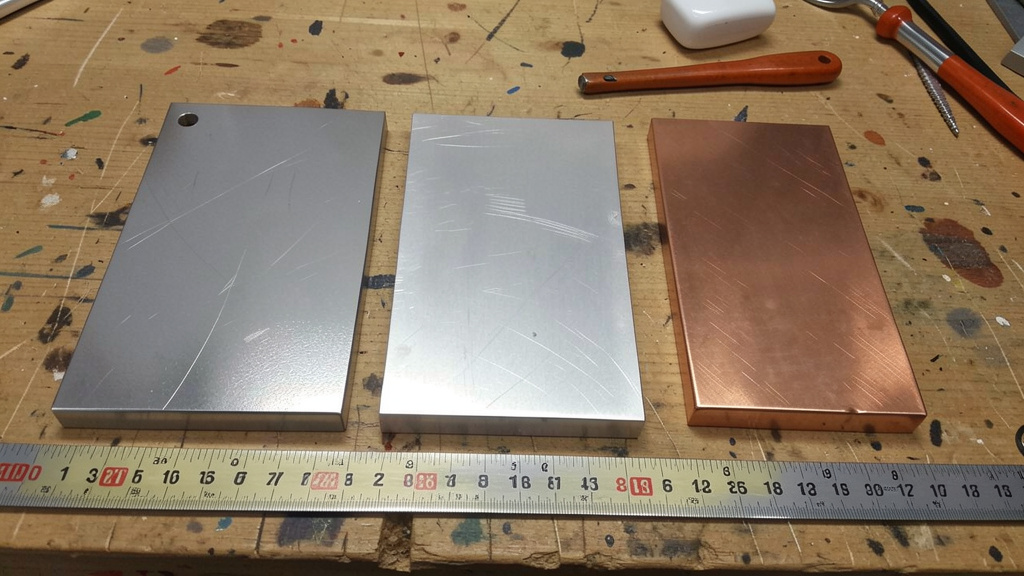
Move beyond guesswork with a clear, adaptable system for selecting metals that align with your project’s demands, environment, and capabilities—without overpromising or oversimplifying.
Selecting an inappropriate metal for a home project can lead to premature deterioration, safety concerns, or unnecessary expense. Yet many resources offer oversimplified comparisons that overlook critical variables like regional climate, material interactions, tool access, or long-term maintenance realities. This guide delivers a structured, adaptable decision framework grounded in material science principles, environmental considerations, and practical fabrication insights. Whether you’re installing garden edging, reinforcing a deck, crafting custom shelving, or restoring historic details, you’ll gain the clarity to choose steel, aluminum, or copper with confidence—tailored precisely to your situation.
Introduction
Hardware store aisles present metals as interchangeable commodities, yet real-world outcomes reveal stark differences. A copper rain chain installed against light-colored siding may leave persistent stains. Standard steel brackets on a coastal pergola can show advanced corrosion after a single rainy season. These outcomes aren’t failures of effort—they reflect gaps in contextual understanding. Metal selection is not about identifying the “strongest” or “most beautiful” material in isolation. It’s a deliberate alignment of material behavior with environmental exposure, functional demands, fabrication constraints, and aesthetic expectations over time.
This guide synthesizes established engineering principles, corrosion science, and practical building knowledge into an accessible, repeatable process. We explore how metals respond to humidity, salt, temperature shifts, and contact with other materials. We address nuanced concerns like galvanic corrosion risks, patina evolution, hidden labor costs, and regional code considerations. By focusing on your project’s unique conditions—not generic property charts—you’ll develop judgment that prevents costly missteps and unlocks thoughtful, durable solutions.
The Three-Layer Metal Selection Framework
Memorizing tensile strength values or conductivity ratings rarely solves real problems. Lasting decisions emerge from filtering options through three sequential layers. This framework—used by builders and designers to avoid material mismatches—transforms complexity into clarity. Apply each layer thoughtfully. Skipping Layer 1 to prioritize cost or appearance alone is the most frequent path to regret.
Layer 1: Define Your Project’s Non-Negotiables
Before evaluating any metal, articulate what your project must achieve. Ambiguity here undermines all subsequent choices. Consider these dimensions concretely:
- Structural Role: Is the metal bearing weight (joist hangers, beam supports), enclosing space (roofing, siding), serving decoratively (wall art, trim), or enabling function (gutter system, conduit)? A railing post demands rigidity; a decorative panel prioritizes formability.
- Load Requirements: Estimate forces involved. Will it support 50 lbs (floating shelf brackets) or 500+ lbs (deck ledger)? Note dynamic loads (swaying gate) versus static loads (storage rack). When uncertain, consult span tables for your application—never estimate.
- Dimensional Stability Needs: Must the piece maintain precise dimensions despite temperature swings? Aluminum expands nearly twice as much as steel per degree Fahrenheit. Critical for tight-tolerance joints or assemblies exposed to sun.
- Fabrication Complexity: Will you cut, bend, drill, or join it? Honestly assess your tools (angle grinder, drill, sheet metal snips) and skill level. Choosing a metal requiring specialized equipment you lack guarantees frustration.
- Aesthetic Timeline: Do you want the metal to remain visually consistent for decades? Or do you welcome evolution—like copper’s transition from rose-gold to verdigris? Define your desired endpoint.
Why this layer matters: Selecting copper for a structural garden arbor because “it looks warm” overlooks its lower rigidity compared to steel. Defining “must support climbing vines without visible sag” immediately redirects focus to metals with appropriate strength-to-weight ratios, while preserving aesthetic goals through finish choices (e.g., powder-coated steel).
How to apply it: Create a simple checklist. For a backyard bench frame: “Support 400 lbs total,” “Resist bending under load,” “Withstand outdoor exposure,” “Fabricatable with circular saw and drill,” “Neutral color preferred.” This instantly prioritizes criteria.
Common pitfalls to avoid:
– Vague goals: “I need something strong.” Clarify: Strong in tension? Compression? Impact resistance? Context defines meaning.
– Ignoring assembly constraints: Selecting thick steel plate without confirming your drill bits can penetrate it.
– Over-engineering: Using marine-grade stainless steel for an indoor coat rack adds cost without functional benefit. Match capability to actual demand.
Layer 2: Map Your Environmental Challenges
Location and installation site exert continuous pressure on metal performance. Ignoring environmental context is the leading cause of premature failure. Analyze these conditions deliberately:
- Moisture Exposure Level:
- Dry Indoor: Climate-controlled interior (bookshelf brackets). Minimal corrosion risk.
- Damp Indoor: Bathroom, basement (higher humidity, occasional splashes). Requires corrosion-resistant finishes.
- Sheltered Outdoor: Covered porch, carport (protected from rain but exposed to humidity, dew, temperature swings).
- Full Exposure: Uncovered deck, fence post (direct rain, UV, freeze-thaw cycles).
-
Immersion/Wet: Pond edge, gutter base (constant/frequent water contact).
-
Atmospheric Aggressors:
- Coastal/Salty Air: Chlorides accelerate corrosion—especially on steel. Requires marine-grade alloys or robust barriers.
- Industrial/Polluted Air: Sulfur compounds create acidic conditions that degrade coatings.
- High Humidity: Persistent moisture prevents drying cycles, enabling oxidation.
-
De-Icing Salts: Critical for structures near treated roads or walkways. Highly corrosive.
-
Temperature Extremes & Fluctuations:
- Surface temperatures in direct sun (dark metals absorb significant heat).
- Minimum temperatures (some metals become brittle below freezing).
-
Daily/seasonal swing range (drives expansion/contraction stress).
-
Contact with Other Materials:
- Pressure-treated wood (copper-based preservatives can corrode aluminum).
- Concrete (highly alkaline; may require barrier).
- Dissimilar metals (creates galvanic corrosion risk—addressed later).
Why this layer matters: Aluminum performs well in coastal settings when properly alloyed (e.g., 5052) and finished. Standard 6061-T6 without protection may develop pitting in aggressive salt environments. Mapping “full exposure + coastal” flags the need for specific alloys or shifts consideration to copper or coated steel.
How to apply it: Visit the installation site at different times of day. Note sun exposure duration, wind direction (carrying salt/pollution), proximity to sprinklers, and drainage. For coastal projects, consult local building department guidelines—they often publish region-specific material recommendations.
Common pitfalls to avoid:
– Assuming “outdoor” is uniform: A metal suitable for a shaded north wall may fail rapidly on a sun-baked south fence.
– Overlooking microclimates: The base of a downspout experiences far more moisture than the top of the same gutter run. Design accordingly.
– Ignoring chemical exposure: Standard steel brackets mounting acidic potting soil planters accelerate rusting.
Layer 3: Align with Your Resources and Abilities
The theoretically ideal metal is impractical if you cannot source, afford, or work with it. This layer grounds decisions in reality:
- Budget Realities (Beyond Purchase Price):
- Material Cost: Raw price per unit (copper typically exceeds steel; aluminum varies by alloy).
- Fabrication Cost: Special tools? Shop fees for cutting/bending?
- Finishing Cost: Painting bare steel, anodizing aluminum, patina management for copper.
-
Lifetime Value: A $20 bracket needing replacement every 3 years may cost more long-term than a $60 option lasting 15+ years.
-
Tool & Skill Assessment:
- Cutting: Can your tools handle the metal’s hardness? Hacksaws work for thin copper/aluminum; steel often requires angle grinders.
- Joining: Welding capability? Aluminum typically requires TIG; copper is rarely welded DIY. Riveting, bolting, or adhesives may be more accessible.
-
Finishing: Space/skills for sanding, priming, painting? Or preference for “install and forget” materials?
-
Sourcing & Availability:
- Is the specific alloy available locally (Home Depot, Metal Supermarkets)? Specialty alloys may require online orders with lead times.
-
Minimum order quantities: Need one 4-ft piece? Confirm retail cut options.
-
Maintenance Commitment:
- Willing to reapply protective coatings periodically? Or need minimal-upkeep solution? Be realistic about future diligence.
Why this layer matters: A DIYer with only a drill and circular saw selecting thick-walled steel tubing for a desk frame may struggle to cut or drill it. Layer 3 redirects toward thinner-walled steel, aluminum extrusions designed for mechanical assembly, or simplified designs—achieving the goal without tool frustration.
How to apply it: Use a quick-reference table:
| Resource | My Capacity | Project Requirement | Match? |
|---|---|---|---|
| Budget | $150 total | $200 material est. | ❌ |
| Tools | Drill, hacksaw | Cut 1/4″ steel | ❌ |
| Skill | Basic drilling | Weld joints | ❌ |
| Time | 1 weekend | 3 weekends fab | ❌ |
Common pitfalls to avoid:
– Focusing solely on upfront cost: Ignoring lifetime value leads to recurring expenses.
– Overestimating capability: Watching fabrication videos ≠ hands-on proficiency. Start with simpler projects.
– Underestimating finishing time: Sanding rust from large steel surfaces is labor-intensive. Factor prep into decisions.
The Guiding Principle: The most suitable metal emerges from the intersection of your project’s functional needs (Layer 1), environmental context (Layer 2), and practical constraints (Layer 3). Prioritize this alignment over isolated properties like “strength” or “cost.”
Steel Deep Dive: The Structural Workhorse
Steel encompasses a family of iron-carbon alloys engineered for diverse purposes. Its core strengths include high strength-to-weight ratios (in structural grades), affordability, and recyclability. Its primary vulnerability—corrosion—requires intentional management through alloy selection, coatings, or environmental control.
Understanding Steel Subtypes
-
Mild Steel (Low Carbon Steel, e.g., A36):
Contains 0.05%–0.25% carbon. Offers excellent weldability, machinability, and formability. Relatively soft, making it accessible for cutting with standard tools.
Primary Consideration: Highly susceptible to rust without protection.
Typical Applications: Indoor structural frames (workbenches, shelving), non-critical outdoor projects with robust painting (garden trellises if meticulously maintained), art where rust is part of the aesthetic.
Practical Insight: Bare mild steel used outdoors without thorough surface preparation and coating will show corrosion relatively quickly. Mill scale (the blue-gray manufacturing coating) must be removed before priming for adhesion.
Common Oversight: Assuming “rust-proof” paint applied over mill scale provides lasting protection. Proper surface prep is non-negotiable. -
Galvanized Steel:
Mild steel coated with zinc via hot-dip (thicker, spangled finish) or electro-galvanizing (smoother, thinner). Zinc acts sacrificially, corroding before the underlying steel. Hot-dip generally offers greater longevity in harsh conditions.
Typical Applications: Roofing, gutters, fencing, deck hardware, agricultural structures.
Critical Nuance: Cutting or drilling exposes raw steel. “Touch up” cut edges with zinc-rich paint (e.g., cold galvanizing compound) to maintain protection.
Safety Note: Welding galvanized steel releases zinc oxide fumes. If welding is necessary, remove galvanizing at the weld zone first, ensure strong ventilation, and wear appropriate respiratory protection. Recoat after welding. -
Stainless Steel (Alloy Family):
Contains chromium (minimum 10.5%), forming a passive oxide layer that resists corrosion. Grades vary significantly: - 304 / 18-8 (A2): Suitable for most indoor and mild outdoor environments (urban, non-coastal). Resists oxidation up to approximately 1600°F.
- 316 / Marine Grade (A4): Contains molybdenum (2%–3%), enhancing resistance to chlorides (salt water, de-icing salts). Recommended for coastal installations, pool areas, or chemical exposure.
-
430: Lower cost, magnetic, less corrosion resistant. Best for decorative indoor trim. Avoid for wet or structural uses.
Important Clarification: Stainless steel is not immune to corrosion. “Tea staining” or pitting can occur if the passive layer is damaged (e.g., by steel wool scratches, embedded iron particles) and not allowed to self-repair. Clean with dedicated stainless brushes and mild soap.
Regional Consideration: In areas using heavy road salt, 316 is often preferred over 304 for outdoor hardware near walkways. -
Weathering Steel (e.g., Corten):
Alloy designed to form a stable, adherent rust-like patina that protects the base metal. Requires wet/dry cycles to develop properly; performance varies in constantly wet or arid climates.
Typical Applications: Architectural sculptures, planter boxes, retaining walls in suitable climates (moderate rainfall, good drainage).
Critical Warning: Initial runoff (first 1–3 years) can stain adjacent light-colored surfaces (concrete, stone, wood). Always incorporate runoff management: drip edges, gravel trenches, or barriers. Not recommended for small-scale DIY projects where runoff control is difficult.
Steel Fabrication & Finishing Guidance
- Cutting:
- Thin Sheet/Tube (<1/8″): Metal-cutting circular saw blade, reciprocating saw with metal blade, aviation snips (sheet).
- Thick Plate/Structural (>1/8″): Angle grinder with cutoff wheel (wear full-face shield), chop saw with abrasive blade.
-
Tip: Clamp securely. Cut slowly to avoid overheating. Lubricate thick cuts with cutting oil.
-
Joining:
- Welding: MIG is most accessible for mild steel. Requires practice. Never weld galvanized without removing coating first at the joint. Stainless requires specific consumables and technique.
- Mechanical Fastening: Bolts, screws, rivets. Use fasteners compatible with your steel type (galvanized or stainless) to minimize galvanic risk. Pre-drill to prevent work-hardening.
-
Adhesives: High-strength epoxies (e.g., J-B Weld SteelStik) suit non-structural repairs or bonding dissimilar materials. Surface prep is critical.
-
Finishing for Longevity (Non-Stainless):
- Surface Prep: Remove all rust, mill scale, oil, dirt. Sandblasting is ideal; wire wheel works for small jobs. Wipe with acetone.
- Prime Immediately: Bare steel can flash-rust in humid air within hours. Use rust-inhibiting or zinc-rich primer.
- Topcoat: Apply two thin coats of exterior-grade enamel or epoxy paint.
- Maintenance: Inspect annually. Touch up scratches promptly.
Alternative Approach: For non-structural outdoor items (garden art), some embrace natural rust progression. Periodic boiled linseed oil applications may slow oxidation and darken the patina aesthetically—though this is not structural protection.
Steel Project Spotlight: Perennial Garden Edging
Scenario: Durable, low-profile edging separating lawn from flower beds, resisting mower contact and soil pressure. Midwest climate, non-coastal.
Layer 1: Non-structural but needs rigidity; minimal load; maintain shape; simple fabrication; neutral aesthetic.
Layer 2: Full soil contact, moisture exposure, occasional impact.
Layer 3: Budget-conscious; tools: drill, hacksaw, mallet; low maintenance desired.
Selection: 16-gauge Galvanized Steel Coil Edging.
Why it aligns:
– Galvanizing withstands soil moisture better than painted mild steel.
– Thin gauge allows hand-bending into curves (using a mallet against a 2×4 form) while holding shape.
– Low profile (3–4″ height) stays hidden by mulch/grass.
– Cost-effective (~$1.50/linear foot).
– Installation: Unroll, shape along trench edge, secure with included galvanized stakes every 18″. No cutting/welding needed.
Long-Term Observation: Over several years, minor white rust may appear on the top edge where soil contact is intermittent, but structural integrity typically remains sound with zero maintenance beyond occasional stake tightening. Painted mild steel alternatives often require repainting every few years; Corten risks staining light mulch.
Aluminum Deep Dive: The Lightweight Corrosion-Resistant Choice
Aluminum’s strengths include a favorable strength-to-weight ratio, inherent corrosion resistance (via a protective oxide layer), and ease of fabrication. It does not rust like steel. Considerations include lower stiffness than steel (potential for flex under load), specific alloy requirements for harsh environments, and joining techniques.
Decoding Aluminum Alloys and Tempers
Aluminum is almost always used as an alloy. The designation (e.g., 6061-T6) indicates composition and treatment:
– First Digit: Primary alloying element (e.g., 5xxx = Magnesium, 6xxx = Magnesium + Silicon).
– Temper Suffix (e.g., -T6, -H32): Indicates heat treatment or strain hardening. Critical for strength and application suitability.
-
6061-T6:
Balanced strength, weldability (with TIG), machinability, and corrosion resistance. Widely available as extrusions, plate, rod.
Typical Applications: Pergola frames, modern furniture, bike racks, non-marine outdoor structures.
Environmental Note: While corrosion-resistant, standard 6061-T6 may develop pitting in constant saltwater immersion. For full coastal exposure, consider 5052 or 6063-T5. -
6063-T5 / T6:
Slightly lower strength than 6061 but superior surface finish for anodizing and extrusion. Common in architectural contexts.
Typical Applications: Window/door frames, handrails, decorative trim. Preferred alloy for consistent anodized results. -
5052-H32:
Magnesium alloy offering enhanced resistance to saltwater and chemicals. Non-heat-treatable; strength from strain hardening.
Typical Applications: Marine hardware (non-structural), coastal signage, chemical tanks. Often outperforms 6061 in salt-laden environments. -
3003-H14:
Manganese alloy. Good corrosion resistance, excellent workability, moderate strength.
Typical Applications: Gutters, downspouts, flashing, HVAC ductwork. Cost-effective for formed sheet applications where ultimate strength isn’t critical.
Aluminum Fabrication & Finishing Guidance
- Cutting:
- Aluminum cuts more easily than equivalent-thickness steel.
- Thin Sheet/Extrusions: Aviation snips, hacksaw with fine-tooth blade (32 TPI), circular saw with carbide blade (dedicated to non-ferrous metals).
- Thick Plate: Angle grinder (slower speed than for steel), band saw, jigsaw with bi-metal blade.
-
Tip: Aluminum is “gummy.” Use blades designed for non-ferrous metals, apply beeswax or cutting fluid, and cut slowly to reduce heat and sticking.
-
Joining (Key Consideration for DIY):
- Mechanical Fastening (Recommended): Bolts, screws, rivets. Crucially: Use stainless steel fasteners (304 minimum, 316 for coastal) with nylon washers or sealant to prevent galvanic corrosion (aluminum is anodic to steel/stainless). Avoid aluminum rivets for structural joints.
- Adhesive Bonding: Structural adhesives (e.g., Loctite PL Premium, specialized epoxies) work well. Requires meticulous surface prep: clean with acetone, lightly abrade, follow adhesive instructions. Often stronger than rivets for shear loads.
- Welding: TIG is standard but requires skill, specialized equipment, and argon gas. MIG is possible but challenging for beginners. Generally not recommended for novice DIYers; prioritize mechanical or adhesive methods.
-
Pro Tip: For rivets, apply a dab of clear silicone or zinc-rich primer in the hole before insertion to break electrical contact.
-
Finishing for Performance:
- Anodizing: Electrochemical process thickening the oxide layer. Creates a hard, durable, corrosion-resistant surface that can be dyed. Highly recommended for outdoor aluminum, especially in harsh environments. Provides superior UV and wear resistance versus paint. DIY kits exist for small parts; professional anodizing yields best results for structural pieces.
- Powder Coating: Durable decorative finish. Requires professional application for quality adhesion (proper aluminum pre-treatment is essential).
- Painting: Possible with self-etching primer (phosphoric acid-based) designed for aluminum, followed by topcoat. Less durable long-term than anodizing for high-wear areas.
- Maintenance: Wipe periodically with mild soap and water. Avoid abrasive cleaners. Anodized surfaces can be polished with aluminum-specific products if needed.
Aluminum Project Spotlight: Coastal Deck Railing System
Scenario: Replace corroded railings on a deck 500 feet from the Atlantic Ocean. Must withstand salt spray, humidity, UV, with minimal maintenance.
Layer 1: Structural safety component (must meet load requirements); aesthetic integration; moderate fabrication complexity.
Layer 2: Full exposure to salt-laden winds, high UV, humidity; contact with pressure-treated wood deck.
Layer 3: Budget allows quality material; tools: drill, level, saw; desires low-maintenance solution.
Selection: 6063-T5 Aluminum Extruded Railing System (professionally anodized clear or bronze).
Why it aligns:
– 6063 alloy provides optimal surface for anodizing, enhancing long-term corrosion resistance against salt air.
– Anodized layer is integral to the metal—not a coating that chips—offering UV stability and scratch resistance.
– Lightweight simplifies handling and installation.
– Non-conductive; with nylon isolation washers, minimizes galvanic risk with stainless fasteners and protects against corrosion from wood preservatives.
– Modern extrusions often include hidden fastening for clean aesthetics.
Installation Nuance: Used stainless steel (316) fasteners with nylon isolation sleeves where aluminum contacts pressure-treated wood posts. This prevents galvanic corrosion and mitigates reaction with copper-based wood preservatives.
Long-Term Observation: Over a decade, properly anodized aluminum railings in this context typically show no significant corrosion, pitting, or finish degradation. Occasional washing removes salt deposits. Painted steel alternatives often require repainting every few years; unanodized aluminum may show pitting in aggressive coastal settings.
Copper Deep Dive: The Aesthetic and Functional Specialist
Copper is valued for its warm appearance, malleability, thermal/electrical conductivity, and distinctive patina evolution. Its primary residential roles are aesthetic (roofing, accents, art) and functional (plumbing, electrical). Understanding its oxidation lifecycle is essential for managing expectations.
Copper’s Oxidation Lifecycle
Copper does not rust (iron oxide). It oxidizes in stages:
1. Initial (Day 1): Bright, shiny rose-gold.
2. Tarnish (Weeks–Months): Develops dull brown or purple hues (copper oxide).
3. Patina (Years–Decades): In outdoor environments with moisture, CO₂, and pollutants, forms basic copper carbonate—the stable, protective blue-green layer known as verdigris. This patina significantly slows further corrosion.
Environmental Influence:
– Urban/Industrial: Faster patina development (10–20 years) due to sulfur pollutants.
– Rural: Slower progression (20+ years).
– Coastal: Rapid initial oxidation; salt may influence patina stability. Runoff staining risk is elevated.
– Sheltered (e.g., under eaves): May remain brown for decades with minimal green development.
Key Insight: Preventing patina formation on outdoor copper long-term is generally not feasible. Management focuses on timeline expectations and runoff control.
Common Copper Alloys for Residential Use
-
C110 (Electrolytic Tough Pitch – ETP Copper):
~99.9% pure copper. Excellent conductivity, superb malleability, easy to solder.
Typical Applications: Roofing, flashing, gutters, downspouts, decorative panels, plumbing tube.
Practical Note: Malleability allows precise shaping around complex contours. Avoid direct contact with untreated cedar or redwood (tannins may cause staining); use a barrier like roofing felt if needed. -
C220 (Commercial Bronze – 90% Cu, 10% Zn):
Technically a brass. Rich gold color, more rigid than pure copper, better wear resistance.
Typical Applications: Architectural trim, nameplates, decorative hardware, marine hardware (better salt resistance than pure copper).
Why Choose: When copper’s warmth is desired with slightly greater structural rigidity. Patina develops similarly with subtle color variations. -
C260 (Cartridge Brass – 70% Cu, 30% Zn):
Stronger and harder than C220. Excellent cold-working properties.
Typical Applications: Custom knobs, pulls, marine fittings, intricate decorative elements.
Consideration: Contains zinc, which may dezincify (zinc leaches) in acidic or saline environments over very long periods. Generally suitable for typical residential decorative uses. -
Architectural Bronze (Often C385):
Contains lead for machinability. Used for extruded shapes (window frames). Not recommended for DIY fabrication due to lead content and specialized machining needs. Stick to copper or commercial bronze for hands-on projects.
Managing Aesthetics and Runoff
- Accelerating Patina (For Aged Look):
- DIY Methods: Vinegar/salt/ammonia mixtures. Results are highly variable based on copper purity, temperature, humidity. Test on scrap first.
- Commercial Solutions: Patina accelerants offer more consistency but still require careful application.
-
Realistic Expectation: DIY patination is unpredictable. For critical projects, embracing natural evolution or consulting a specialist is often wiser.
-
Slowing Patina (Preserving Bright Finish):
- Clear Coatings: Acrylic lacquers (e.g., Incralac) or waxes (Renaissance Wax). Important: UV exposure degrades most coatings outdoors within 1–5 years, potentially causing cloudiness or peeling. Requires meticulous prep and reapplication.
-
Best Practice: Reserve bright-finish preservation for indoor applications (light fixtures, range hoods, cabinet hardware) where UV and moisture are controlled. Outdoors, coatings often create more maintenance than natural patina.
-
Managing Runoff Staining (Critical):
Copper runoff contains compounds that can stain light surfaces (concrete, stone, vinyl siding, light wood) blue-green. Prevention is essential: - Design Runoff Paths: Angle elements so runoff drips onto gravel, soil, or dark surfaces.
- Install Drip Edges: Extend bottom edges beyond surfaces below.
- Barrier Coatings: Apply clear, non-yellowing sealant to surfaces below copper before installation (allows runoff to be wiped off before staining sets).
Prevention Example: For a copper rain chain on light siding, extend the bottom cup beyond the wall edge to drip onto river rock. Without this, staining may be difficult to remove.
Copper Fabrication Guidance
- Cutting:
- Sheet (up to 16ga): Aviation snips (dedicated to copper if possible), jeweler’s saw, utility knife (score repeatedly on thin sheet).
- Tube/Rod: Tube cutter (plumbing tube), hacksaw with fine blade (32 TPI).
-
Tip: Support workpiece well to avoid bending. Deburr edges thoroughly—copper edges can be sharp.
-
Shaping & Forming:
- Copper’s malleability allows hand-forming over forms (sandbags, wooden molds) using rawhide or plastic mallets.
-
Annealing (Advanced): If copper work-hardens (becomes stiff/brittle during bending), it can be softened by heating evenly with a propane torch until dull red, then quenching in water. Requires extreme caution: Hot metal and steam pose serious burn risks. Use proper safety gear (gloves, face shield) in a safe area. For most DIY projects, gentle, gradual bending avoids needing annealing.
-
Joining:
- Soldering: Primary DIY method. Use lead-free plumbing solder and acid-core flux specifically for copper. Propane torch sufficient for small joints. Clean surfaces meticulously with emery cloth first. Ideal for gutters, downspouts, sculptures.
- Mechanical Fastening: Use copper, brass, or stainless steel fasteners. Avoid steel fasteners—they rust and stain copper. Rivets (copper or stainless) work well.
- Adhesives: High-strength epoxies bond copper well for non-structural applications (e.g., attaching sheet to substrate). Surface must be impeccably clean and slightly abraded.
Copper Project Spotlight: Heritage-Style Garden Rain Chain
Scenario: Replace a downspout section with a decorative copper rain chain on a craftsman-style bungalow. Must handle roof runoff, complement home aesthetic, develop pleasing patina. Non-coastal location; installed against dark brown wood siding.
Layer 1: Functional water conveyance; high visual prominence; non-structural; simple assembly.
Layer 2: Full exposure to rain, sun, seasonal debris.
Layer 3: Moderate budget; tools: snips, drill, soldering torch; embraces natural patina evolution.
Selection: 16-ounce C110 Copper Sheet cut into cups, linked with copper wire.
Why it aligns:
– Pure copper develops the classic patina timeline—shiny to brown to subtle green accents over years.
– Malleability allows easy hand-forming of cups using a wooden mold and mallet.
– Copper wire links eliminate galvanic corrosion concerns.
– Weight sufficient to hang straight without excessive swinging.
Critical Installation Step: Extended the bottom cup 6 inches beyond the foundation wall edge, directing final drip onto a small river rock bed. Prevents concentrated runoff from eroding soil or splashing mud onto the chain.
Long-Term Observation: The chain typically loses initial shine within months, blending with aged wood trim. Over several years, a rich brown develops; delicate green highlights may appear on undersides exposed to dew. Dark wood siding minimizes visible staining risk due to drip extension and rock bed. Functions reliably with minimal maintenance beyond occasional debris removal. Painted steel alternatives risk chipping and rust; aluminum lacks the warm aesthetic evolution.
Head-to-Head Comparison: Contextual Decision Guidance
Theory gains value through application. This section translates framework layers into clear pathways for common scenarios, moving beyond simplistic tables to contextual reasoning.
Comparative Property Reference (Foundational Context)
| Property | Mild Steel | Galvanized Steel | Stainless 304 | Aluminum 6061-T6 | Copper C110 |
|---|---|---|---|---|---|
| Relative Strength | Very High | Very High | High | Medium-High | Low |
| Weight (Density) | Heavy | Heavy | Heavy | Light | Medium |
| Corrosion Resistance | Poor | Good | Excellent | Very Good | Excellent* |
| Coastal Suitability | Poor | Fair (touch-up) | Excellent (316) | Good (5052 best) | Fair (runoff risk) |
| DIY Cutting Ease | Moderate | Moderate | Hard | Easy | Very Easy |
| DIY Joining Ease | Easy | Easy | Moderate | Moderate | Easy |
| Typical Cost | $ | $$ | $$$$ | $$$ | $$$$$ |
| Aesthetic Evolution | Rust (unprotected) | White rust → Gray | Stable Silver | Stable/Anodized | Shiny → Brown → Green |
| Recyclability | Excellent | Excellent | Excellent | Excellent | Excellent |
| Thermal Conductivity | Low | Low | Low | Very High | Extremely High |
| Electrical Conductivity | Poor | Poor | Poor | Good | Excellent |
*Copper’s corrosion resistance comes from protective patina; runoff management is critical.
Note: “Strength” requires context. Steel has higher yield strength; aluminum offers better strength-to-weight ratio. Application dictates relevance.
Scenario-Based Selection Pathways
Scenario 1: Outdoor Kitchen Countertop Frame
Requirements: Support heavy stone countertop (300+ lbs), resist grease/splashes, withstand sun/rain, modern aesthetic. Sheltered location (covered area).
Analysis:
– Layer 1: High structural load, aesthetic visibility.
– Layer 2: Sheltered outdoor (humidity, heat, occasional splashes).
– Layer 3: Budget allows quality; tools available for cutting/drilling.
Recommended Path: Stainless Steel 304 (Square Tubing).
Reasoning: Unmatched strength for load demands. 304 resists kitchen grease, humidity, and splashes effectively. Powder-coated black offers modern look with added scratch resistance. Aluminum lacks rigidity for heavy stone spans without excessive bulk. Galvanized steel’s zinc coating may degrade with acidic food exposure over time.
Adaptive Alternative: Powder-coated mild steel if kept meticulously dry and coated—but stainless provides greater longevity for this critical application. Budget-conscious? Use galvanized steel frame with stainless top rail.
Scenario 2: Lightweight Garden Trellis for Climbing Vines
Requirements: Support vine weight, allow curved design, low maintenance, blend with garden. Full sun/rain exposure; soil contact at base.
Analysis:
– Layer 1: Light structural load, high aesthetic importance, needs formability.
– Layer 2: Full weather exposure, soil moisture.
– Layer 3: Budget-conscious; simple tools (snips, mallet).
Recommended Path: Galvanized Steel Coil Edging or Wire Mesh.
Reasoning: Cost-effective, readily available, galvanizing withstands soil moisture. Easily bent into organic shapes. Develops subtle gray patina that integrates into garden scenery. Aluminum extrusions cost more with minimal functional benefit for this light-duty use. Copper is prohibitively expensive and unnecessary.
Pro Tip: Sink base 6″ into soil or secure with landscape staples. For decorative arches, 1/4″ galvanized steel rod (cut with angle grinder) creates durable, elegant structures.
Scenario 3: Modern Indoor Floating Shelves
Requirements: Support books/decor (50–100 lbs per shelf), clean lines, hidden support, contemporary look. Dry indoor environment.
Analysis:
– Layer 1: Moderate load, critical aesthetic (visible brackets), precision required.
– Layer 2: Dry indoor.
– Layer 3: Moderate budget; tools: drill, level.
Recommended Path: Aluminum 6061-T6 Extruded Brackets (Anodized Black).
Reasoning: Lightweight yet strong for shelf loads. Anodized finish is scratch-resistant with sleek appearance. Extrusions provide precise, clean lines. Easier to drill and mount than steel. Stainless steel brackets work but are heavier and costlier with minimal indoor benefit.
Installation Key: Mount brackets into wall studs whenever possible. Aluminum’s lower density aids precise leveling during installation.
Scenario 4: Historic Home Gutter Repair Section
Requirements: Match existing half-round copper gutters, handle roof runoff, last decades, preserve historic character. Full weather exposure.
Analysis:
– Layer 1: Functional water management, critical aesthetic match.
– Layer 2: Constant moisture cycles, potential debris.
– Layer 3: Budget allows authenticity; soldering skills available or hireable.
Recommended Path: C110 Copper Sheet (Soldered).
Reasoning: Only copper matches existing system aesthetically and functionally. Longevity (many decades) justifies cost. Patina blends seamlessly with original gutters. Aluminum or steel patches risk galvanic corrosion at joints and visual mismatch.
Critical Step: Clean existing copper thoroughly at joint area. Use lead-free plumbing solder and acid flux designed for copper. Ensure proper slope (1/4″ per 10 ft). Install copper straps for support—never use steel fasteners directly against copper.
Scenario 5: Coastal Dock Ladder
Requirements: Support adult weight in/out of water, constant saltwater exposure, resist marine growth, safe grip. Critical safety component.
Analysis:
– Layer 1: High load, constant immersion, safety-critical.
– Layer 2: Full saltwater immersion, UV, biofouling risk.
– Layer 3: Safety and longevity prioritized; professional fabrication likely needed.
Recommended Path: Marine-Grade Aluminum 5052-H32 (Anodized) OR Stainless Steel 316.
Reasoning:
– Aluminum 5052: Excellent saltwater corrosion resistance, lightweight (easier handling), anodizing adds abrasion resistance. Less prone to marine growth adhesion than steel.
– Stainless 316: Ultimate strength and corrosion resistance. Heavier, which may aid stability. Higher cost.
Avoid: Galvanized steel (zinc degrades rapidly in saltwater), standard aluminum alloys (pitting risk), copper (too soft, expensive, promotes growth).
Professional Insight: Many marine suppliers offer pre-fabricated ladders in these materials. For DIY, ensure all fasteners are 316 stainless with isolation washers. Add non-slip tape or grooves to rungs.
Critical Mismatches to Avoid
Even suitable metals fail in incompatible contexts. Key mismatches:
- Bare Mild Steel in Constant Moisture: Gutters, downspouts, soil-contact edging, boat trailers. Rust is highly likely. Always choose galvanized, stainless, aluminum, or copper with appropriate protection.
- Aluminum Directly Against Pressure-Treated Wood (Without Barrier): Modern ACQ/Copper Azole lumber is corrosive to aluminum. Causes pitting and failure. Always use a barrier (bituthene tape, plastic washer) or choose stainless steel connectors.
- Copper Runoff on Light Surfaces: Never install copper roofing, gutters, or art where runoff contacts light concrete, stone, vinyl siding, or light wood without managed drip paths. Staining can be very difficult to remove.
- Dissimilar Metals in Wet Environments Without Isolation: Steel bracket bolted directly to aluminum railing in rain accelerates corrosion. Always use isolation (nylon washers, sealant) and compatible fasteners (stainless).
- Thin-Gauge Steel for Structural Loads: Using light-gauge steel studs for heavy shelf brackets risks bending failure. Verify thickness meets load requirements. When uncertain, consult span tables or choose thicker material.
Mastering Metal Joining and Environmental Interactions
How metals connect and interact with their surroundings significantly impacts longevity. This section addresses critical processes often overlooked.
Galvanic Corrosion: Understanding and Prevention
Galvanic corrosion occurs when two dissimilar metals contact electrically while exposed to an electrolyte (water, moisture, salt spray). One metal (anode) corrodes preferentially to protect the other (cathode). The greater the difference in their positions on the galvanic series, the faster the anode corrodes.
Galvanic Series Reference (Most Anodic/Corrodes First → Most Cathodic/Protected):
Magnesium → Zinc → Aluminum → Mild Steel → Cast Iron → Stainless Steel (Active) → Lead → Tin → Brass → Copper → Stainless Steel (Passive) → Titanium
Real-World Example: Aluminum pergola frame secured to pressure-treated wood posts with zinc-plated steel bolts. Over time:
1. Zinc plating corrodes first.
2. Bare steel contacts aluminum. Aluminum (more anodic) corrodes rapidly around bolt holes.
3. Copper salts from treated wood accelerate corrosion.
Result: Structural weakening requiring repair.
Prevention Protocol:
1. Avoid Dissimilar Metal Contact: Design using the same metal family where possible (e.g., aluminum frame with aluminum brackets).
2. Isolate Electrically: Break the electrical path:
– Nylon or plastic washers/spacers between metals.
– Heavy-duty sealant (butyl tape, polysulfide) on mating surfaces.
– Plastic sleeves on bolts passing through dissimilar metals.
3. Choose Compatible Fasteners: Select fasteners close to the base metal on the galvanic series.
– For Aluminum: Stainless steel (304/316) with isolation, or aluminum fasteners for non-critical joints.
– For Steel: Galvanized or stainless fasteners.
– For Copper: Copper, brass, or stainless fasteners.
4. Strategic Coating: Coat both metals, especially the cathode (more noble metal). Coating only the anode is risky—if the coating chips, corrosion concentrates intensely at the scratch.
Special Case: Pressure-Treated Wood: Modern ACQ and Copper Azole lumber is highly corrosive to aluminum and mild steel. Always:
– Use hot-dipped galvanized (G185) or stainless steel (304 minimum, 316 for ground contact/coastal) fasteners and connectors.
– Place a barrier (bituthene tape, plastic sheeting) between aluminum flashing/brackets and the wood.
– Never use aluminum nails or brackets directly on ACQ lumber.
Safe and Effective Metal Cutting Practices
Safety First (Non-Negotiable):
– Eye Protection: Safety glasses minimum; full-face shield for angle grinders or cutoff wheels.
– Hearing Protection: Metal cutting generates high noise levels.
– Respiratory Protection: N95 mask minimum for dust; P100 respirator for fine metal particles (especially when cutting galvanized steel).
– Gloves: Heavy-duty leather gloves protect from sharp edges. Deburr immediately after cutting.
– Work Area: Clear, well-lit, stable surface. Secure workpiece with clamps—never hold by hand.
Metal-Specific Cutting Guidance:
| Metal | Recommended DIY Tools | Blade/Accessory Tips | Critical Technique |
|——————–|——————————–|——————————————|—————————————————–|
| Mild/Galv Steel| Angle grinder, Metal chop saw | Cutoff wheel (thin), Metal-cutting blade | Cut slowly; support both sides to prevent binding. Deburr immediately. |
| Stainless Steel| Angle grinder, Band saw | Cutoff wheel, Slow-speed saw | Use cutting fluid to reduce heat/work-hardening. Avoid overheating. |
| Aluminum | Hacksaw, Jigsaw, Snips | Fine-tooth blade (32 TPI), Non-ferrous blade | Apply beeswax to blade. Cut slowly to avoid gumming. Support thin sheet. |
| Copper | Tube cutter, Snips, Hacksaw | Fine-tooth blade, Copper-specific snips | For tube: Rotate cutter evenly. For sheet: Score deeply before bending/snipping. |
Deburring is Essential: Sharp edges from cutting are hazardous and accelerate corrosion. Always deburr using:
– A file (mill bastard file).
– A dedicated deburring tool.
– Sandpaper (80–120 grit).
– Countersink bit for holes (lightly).
Finishing for Longevity: The Preparation Imperative
“The quality of the finish depends overwhelmingly on surface preparation.” Skipping prep guarantees premature failure.
Surface Preparation Protocol:
– Remove Contaminants: Clean with acetone or denatured alcohol to remove oil, grease, fingerprints.
– Remove Rust/Scale (Steel): Wire wheel (angle grinder), sandblasting (ideal), or chemical rust remover.
– Prepare Aluminum: Use a stainless steel wire brush dedicated only to aluminum (steel brushes embed particles causing corrosion). Lightly sand with 120-grit for adhesion.
– Prime Promptly: Bare steel can flash-rust in humid air within hours. Apply primer within 1–2 hours of final prep.
Primer Selection Guide:
| Substrate | Environment | Recommended Primer | Purpose |
|—————–|——————|—————————————-|———————————————-|
| Bare Steel | Indoor/Dry | Rust-inhibiting enamel primer | Seals surface, prevents flash rust |
| Bare Steel | Outdoor/Moisture | Zinc-rich (galvanizing) primer | Sacrificial protection; bonds to steel |
| Galvanized Steel | Any | Wash with white vinegar first, then etching primer | Removes “wet storage stain”; enables adhesion |
| Aluminum | Any | Self-etching primer (phosphoric acid-based) | Chemically bonds to oxide layer |
| Stainless Steel | Any | Light sanding + epoxy primer | Creates mechanical key for adhesion |
| Copper | Indoor Only | Clear lacquer (Incralac) | Slows tarnish; not recommended for outdoors |
Topcoat Strategies:
– Exterior Steel/Aluminum: 100% acrylic latex enamel or oil-based alkyd enamel. Two thin coats > one thick coat.
– High-Wear Areas (Railings, Gates): Epoxy topcoat or professional powder coating for extreme durability.
– Aesthetic Finishes:
– Textured Look: Hammer-finish paint.
– Metallic Effect: Metallic powder mixed into clear coat (test first).
– Natural Patina: For Corten or mild steel art, boiled linseed oil may darken rust patina (reapply periodically; not structural protection).
Navigating Real-World Constraints
Even thorough planning encounters limitations. Practical solutions for common challenges:
Budget Constraints: Strategic Material Allocation
Challenge: “Stainless steel is beyond my project budget.”
Solution: Hybrid material approach. For a deck railing:
– Structural posts: Galvanized steel (strong, cost-effective).
– Top/bottom rails: Aluminum extrusions (lightweight, corrosion-resistant aesthetic).
– Fasteners: Stainless steel 304 with nylon isolation washers at aluminum/steel joints.
Why it works: Places higher-cost material only where its properties are critical (fasteners resisting corrosion), uses economical materials for bulk structure. Isolation prevents galvanic issues. Embrace natural weathering of galvanized steel (soft gray patina) as an aesthetic feature requiring no painting.
Challenge: “Professional anodizing/powder coating is too expensive.”
Solution:
– For aluminum: Source pre-anodized extrusions (many suppliers sell these). Focus on mechanical assembly (bolts, rivets). Avoid painting if possible—adhesion challenges often lead to peeling.
– For steel: Invest time in meticulous surface prep and high-quality paint. A well-prepared and painted galvanized steel piece often outlasts a poorly finished alternative.
– Material honesty: Allow galvanized steel to weather naturally; let copper develop patina. These require zero ongoing finish maintenance.
Tool Limitations: Designing Within Capabilities
Challenge: “I don’t own a welder, but the design requires welding.”
Solution: Redesign for mechanical fastening.
– Use gusset plates (triangular brackets) bolted to joints for added strength.
– Choose extrusions with integrated T-slots (e.g., 80/20 aluminum framing) using bolts and connectors—no welding needed.
– Explore structural adhesives (Loctite PL Premium, epoxy films) for non-critical joints. Test strength on scrap first.
Insight: Many modern modular framing systems (Unistrut, Kee Klamp) are engineered for bolt-together assembly with high strength. Research “modular metal framing” for DIY-friendly options.
Challenge: “My drill struggles with thick steel.”
Solution:
– Use cobalt drill bits (M35 or M42 grade) designed for hard metals. Standard HSS bits dull quickly.
– Drill pilot holes: Start small (1/8″), gradually increase size.
– Apply cutting oil to lubricate and cool the bit.
– Drill at slow speed with steady pressure. Let the bit cut; don’t force it.
– For very thick steel: Consider taking the piece to a local metal shop for drilling (often inexpensive per hole).
Sourcing Challenges: Finding Appropriate Materials
Challenge: “My local store sells generic ‘aluminum’ with no alloy info.”
Solution:
– For non-structural uses (decorative trim, light brackets), generic extrusions are usually 6063 or 6061—sufficient for most DIY.
– For critical structural/coastal uses: Order from reputable online metal suppliers (OnlineMetals, MetalSupermarkets.com). They provide mill certificates specifying alloy/temper.
– Call ahead: Local metal suppliers often cut to size and can advise on appropriate alloys. Bring your project specs.
Challenge: “I need a small piece of copper sheet, but stores sell large sheets.”
Solution:
– Roofing suppliers often sell copper flashing in smaller rolls (e.g., 6″x50′).
– Search for “copper sheet scrap” or “copper craft remnants” on eBay/Etsy (artists sell off-cuts).
– Plumbing supply houses may have off-cuts from gutter work.
– Repurpose: Cleaned old copper pipes can be flattened for small projects; vintage unlined copper cookware (if safe) can be cut.
Environmental and Regulatory Awareness
- Lead Safety (Pre-1978 Structures): Assume lead paint is present. Avoid dry-sanding or torch-cutting painted steel. Use wet methods, HEPA vacuum, and P100 respirator. Follow EPA RRP guidelines. When uncertain, test or consult a professional.
- Metal Waste Disposal: Scrap metal is highly recyclable. Most scrap yards accept clean steel, aluminum, copper—and may pay for it. Separate metals for maximum value and recycling efficiency. Never burn galvanized steel; zinc fumes are toxic.
- Local Building Codes: For structural elements (deck ledgers, railings, pergola posts), material choice and installation must comply with local codes. Consult your municipal building department before purchasing materials. They may specify fastener types, spacing, or require engineering review. Safety is non-negotiable.
Project Applications: Framework in Practice
Case Study 1: Rustic Modern Garden Arbor (Midwest Climate)
Challenge: 7′ tall arbor for climbing roses. Must withstand snow load, humidity, freeze-thaw cycles. Client desires “industrial yet warm” aesthetic. Budget: ~$300 materials.
Layer 1: Structural (support vines + light snow); moderate fabrication (bending curves); aesthetic: dark finish with visible texture.
Layer 2: Full exposure; freeze-thaw cycles; non-coastal; soil contact at base.
Layer 3: DIYer with angle grinder, drill, basic welding skill; prefers low maintenance.
Initial Consideration: Copper for warmth. Rejected: Lower rigidity for structural spans; higher cost; runoff staining risk on light gravel path.
Framework Application:
– Layer 1 eliminated copper for primary structure. Steel offered necessary strength.
– Layer 2 demanded corrosion protection. Galvanized steel chosen over bare mild steel.
– Layer 3: Welding capability allowed custom design; accepted minor maintenance for weld touch-ups.
Solution:
– Material: 1.25″ x 0.065″ wall hot-dip galvanized steel square tubing.
– Fabrication: Cut with angle grinder. Welded joints (galvanizing ground off at weld zones for safety/adhesion).
– Critical Step: After welding, cleaned areas and applied zinc-rich “cold galvanizing” paint to restore corrosion protection.
– Finishing: Allowed natural weathering. Galvanizing developed soft gray patina within a year, blending with garden.
Outcome (Multiple Seasons Later): Structure remains rigid. Minor cosmetic white rust may appear on weld touch-ups. Annual hose-down suffices for maintenance. Total cost: ~$220. Success Factor: Alignment of steel’s strength, galvanizing’s protection, and acceptance of natural weathering as an intentional aesthetic.
Case Study 2: Coastal Bathroom Vanity Frame (Humid Environment)
Challenge: Custom floating vanity frame for a bathroom with high humidity and occasional salt-air exposure (coastal home with operable windows). Must support 150 lbs (stone top + sink), resist corrosion, modern aesthetic. Budget: ~$150.
Layer 1: Structural support; partially visible; precision required for level mounting.
Layer 2: Damp indoor environment with salt-laden air; constant humidity; potential condensation.
Layer 3: Moderate DIY skill; tools: drill, level, saw; desires minimal maintenance.
Initial Consideration: Stainless steel for “marine” association. Rejected: Overkill for indoor use; higher cost; more difficult to cut/drill with basic tools.
Framework Application:
– Layer 2 was decisive: Salt air demands high corrosion resistance even indoors. Aluminum’s natural oxide layer is well-suited.
– Layer 1: Aluminum 6061-T6 provided ample strength for the load in a compact profile.
– Layer 3: Aluminum’s ease of cutting/drilling matched available tools; anodized finish eliminated painting need.
Solution:
– Material: 1″ x 1″ x 1/16″ wall 6061-T6 aluminum square tubing, clear anodized.
– Fabrication: Cut with hacksaw (fine blade, wax-lubricated). Deburred edges meticulously. Assembled with stainless steel socket-head cap screws and nylon washers at all joints.
– Mounting: Used stainless steel toggle bolts rated for hollow walls (confirmed stud locations where possible). Applied clear silicone sealant at wall contact points to block moisture ingress.
Outcome (Multiple Years Later): Frame remains rigid and corrosion-free. Anodized finish shows no degradation despite daily humidity. Client appreciates the clean look of exposed aluminum edges. Total time: ~4 hours. Cost: ~$110. Success Factor: Aluminum’s inherent corrosion resistance matched the environmental challenge; workability aligned with DIY capabilities. Avoiding over-engineering saved cost and effort.
Case Study 3: Heritage Home Gutter Repair (Pacific Northwest)
Challenge: Repair a 4-foot section of leaking half-round copper gutter on a 1920s Craftsman home. Must match existing patina, handle heavy rainfall, last decades. Budget: ~$200.
Layer 1: Functional water management; critical aesthetic match; non-structural but must hold shape.
Layer 2: Full exposure to rain, high humidity, acidic oak debris; existing gutter has decades-old brown patina.
Layer 3: Basic soldering skills; tools: propane torch, snips, hammer; embraces patina evolution.
Initial Consideration: Aluminum gutter section for ease/cost. Rejected: Visual mismatch; galvanic corrosion risk at copper/aluminum joint; shorter lifespan in acidic debris environment.
Framework Application:
– Layer 1 demanded material match for aesthetics and system compatibility. Copper was essential.
– Layer 2: Copper’s longevity in wet environments and compatibility with existing system were paramount.
– Layer 3: Soldering capability made copper feasible; acceptance of natural patina timeline avoided coating frustrations.
Solution:
– Material: 16-ounce C110 copper sheet (matching original gauge).
– Fabrication: Created wooden mold matching half-round profile. Cut and formed copper over mold using rawhide mallet.
– Joining: Cleaned existing gutter edges with emery cloth. Applied acid-core copper flux. Soldered new section with lead-free plumbing solder and propane torch. Ensured tight, watertight seam.
– Critical Detail: Installed copper straps (not steel nails) every 18″ for support. Extended downhill end slightly to ensure water flows into existing downspout.
– Patina Integration: Cleaned entire gutter run gently with vinegar/water solution to encourage uniform patina development. Did not artificially age the new section.
Outcome (Following Seasons): New section tarnished to uniform dark brown, blending seamlessly with original gutter. No leaks. Color difference minimized over time. Cost: ~$85 materials. Success Factor: Respecting material properties (patina evolution) and using compatible techniques (copper straps, proper soldering) ensured functional and aesthetic harmony. Avoiding shortcuts preserved historic integrity.
Your Questions, Answered
Q: Can I use regular steel bolts to attach an aluminum railing to my deck?
A: Not recommended. In outdoor environments, this creates a galvanic cell where aluminum (anode) corrodes rapidly around the steel bolt (cathode). Always use stainless steel bolts (304 minimum, 316 for coastal areas) with nylon isolation washers between the aluminum and bolt head/nut. This breaks electrical contact and prevents accelerated corrosion.
Q: How do I remove white rust from galvanized steel?
A: White rust is zinc corrosion (zinc oxide/hydroxide), not steel rust. For light cases: Scrub gently with a nylon brush and mild detergent solution. Rinse thoroughly. For heavier buildup: Use a solution of 1 part white vinegar to 1 part water. Apply with cloth, wait 5–10 minutes, scrub gently, rinse extremely well, and dry completely. Apply zinc-rich paint to exposed areas if needed. Prevention is key: Ensure galvanized items dry thoroughly after exposure to moisture.
Q: Will copper stain my light-colored concrete patio?
A: Copper runoff, especially during initial oxidation, can leave blue-green stains on light concrete, stone, or pavers. Prevention is essential: Design drip edges to direct runoff onto gravel, soil, or dark surfaces. Install a gravel trench below copper elements. Applying a clear, non-yellowing sealant to the concrete before installing copper may allow runoff to be wiped off before staining sets. Test sealant compatibility first.
Q: Is aluminum safe to use with modern pressure-treated wood?
A: Direct contact between aluminum and ACQ or Copper Azole treated lumber can cause rapid corrosion of the aluminum. Always use a barrier: bituthene tape, plastic washers, or a non-absorbent spacer between the aluminum and wood. For fasteners and connectors in contact with treated wood, use hot-dipped galvanized (G185) or stainless steel (304 minimum, 316 for ground contact).
Q: How often should I maintain a galvanized steel garden trellis?
A: Properly installed hot-dip galvanized steel in typical garden conditions often requires minimal maintenance for many years. Inspect annually for scratches or damage to the coating. Touch up exposed areas promptly with zinc-rich paint. In harsh environments (coastal, high humidity), more frequent checks may be warranted. Avoid abrasive cleaning methods that damage the zinc layer.
Q: Can I paint over galvanized steel?
A: Yes, but surface preparation is critical. First, wash the surface with white vinegar or a commercial cleaner to remove “wet storage stain” (white oxidation). Rinse and dry thoroughly. Then apply a primer specifically formulated for galvanized metal (etching primer or galvanized metal primer). Finish with a compatible topcoat. Skipping prep or using the wrong primer leads to peeling.
Q: What’s the difference between 304 and 316 stainless steel for outdoor use?
A: Both resist corrosion well. 316 contains molybdenum (2%–3%), which significantly improves resistance to chlorides—making it preferable for coastal areas, pool surroundings, or locations exposed to de-icing salts. 304 is suitable for most non-coastal outdoor applications. In high-salt environments, 316 provides greater long-term confidence.
Q: How do I safely cut galvanized steel?
A: Wear a P100 respirator, safety glasses (or face shield), hearing protection, and gloves. Cut in a well-ventilated area. Use an angle grinder with a cutoff wheel or a metal-cutting blade on a circular saw. Avoid overheating. Never burn or weld galvanized steel without removing the coating first and using proper ventilation/respiratory protection—zinc fumes are hazardous. Deburr edges immediately after cutting.
Q: Will aluminum railing get too hot to touch in direct sun?
A: Aluminum conducts heat readily. In prolonged direct sun, especially dark-finished aluminum, surfaces can become uncomfortably warm. Lighter colors reflect more heat. For railings in full sun, consider design elements that minimize direct hand contact (e.g., intermittent grips) or choose materials with lower thermal conductivity like powder-coated steel or wood caps. Test mock-ups in your specific sun exposure.
Q: Can I use copper flashing with cedar shingles?
A: Direct contact between copper and untreated cedar (or redwood) can cause dark staining due to chemical reactions with wood tannins. Install a barrier such as roofing felt or ice-and-water shield between the copper flashing and cedar shingles. This prevents staining while maintaining flashing function. Always follow manufacturer recommendations for your specific roofing materials.
Q: How do I choose the right gauge/thickness for my project?
A: Gauge requirements depend on load, span, and application. Consult engineering span tables for structural elements (shelving, railings). For non-structural uses (decorative trim, light edging), common gauges are:
– Heavy-duty frames: 11–14 gauge steel
– Garden edging/trellis: 16–18 gauge steel or aluminum
– Decorative panels: 20–24 gauge steel or aluminum
When uncertain, choose a thicker gauge for added rigidity and durability. Local building codes may specify minimum requirements for structural applications—always verify.
Q: Is recycled content important when selecting metals?
A: Steel, aluminum, and copper are among the most recycled materials globally. Using recycled-content metals reduces environmental impact without compromising performance. Many suppliers offer metals with certified recycled content. At end-of-life, these metals remain highly recyclable. Discuss sustainability goals with your supplier—they can often provide options aligned with green building practices.
Conclusion and Next Step
Selecting the right metal is less about memorizing specifications and more about thoughtful alignment. By working through the Three-Layer Framework—clarifying your project’s non-negotiables, mapping environmental realities, and honestly assessing your resources—you transform uncertainty into confident action. Steel offers unmatched structural capability when protected appropriately. Aluminum delivers lightweight corrosion resistance ideal for outdoor living. Copper provides timeless aesthetic evolution and functional versatility where its properties align with project needs.
- Recap: The three pillars of sound metal selection are:
- Define functional and aesthetic requirements clearly (Layer 1).
- Honestly assess environmental exposure and material interactions (Layer 2).
-
Match choices to your budget, tools, skills, and maintenance willingness (Layer 3).
-
The 24-Hour Rule: Before purchasing materials, spend 20 minutes at your project site at different times of day. Note sun exposure, moisture patterns, wind direction, and proximity to potential corrosives (sprinklers, road salt, treated wood). Take two photos. This small investment prevents major missteps.
-
The Big Picture: Thoughtful metal selection contributes to project longevity, safety, and sustainability. Choosing materials that perform well in their specific context reduces waste, minimizes replacement needs, and honors the craft of building. Your informed choices today create resilient, beautiful spaces for years to come.
Explore Related Guidance:
Understanding Fasteners for Outdoor Projects | Sustainable Material Choices for Homeowners | DIY Surface Preparation Mastery | Navigating Local Building Codes for Metal Installations | Historic Home Restoration: Material Compatibility Guide | Coastal Construction: Material Selection Beyond the Basics | Tool Essentials for Metalworking Beginners