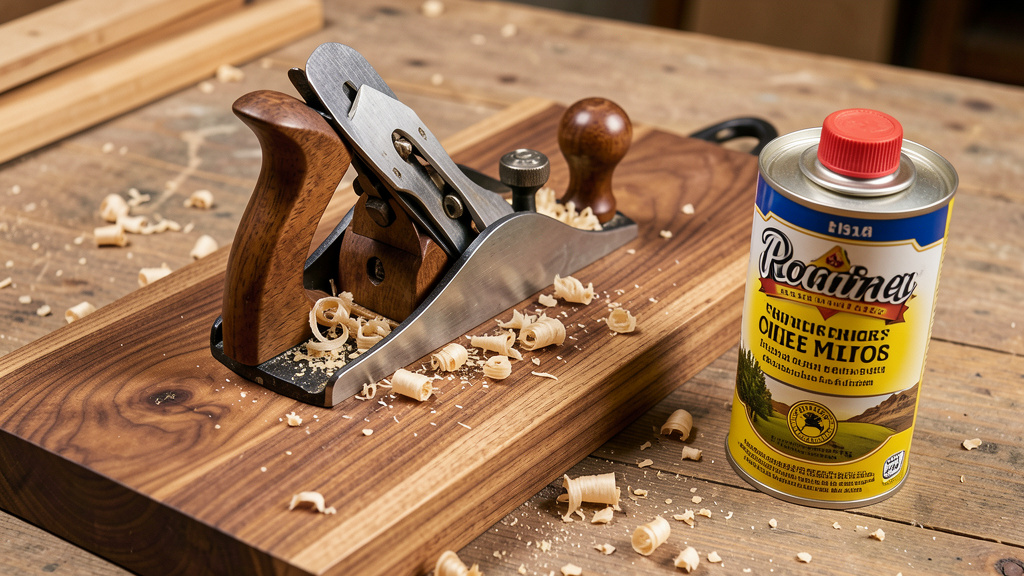
Develop enduring projects through material awareness, adaptable techniques, and intentional choices—regardless of your current skill level, available tools, or workshop environment.
Woodworking harmonizes artistry with material science. This guide clarifies the complete journey—from selecting wood suited to your project’s environmental context to executing joinery that accommodates natural movement. You’ll gain a flexible framework that adapts to your constraints, tools, and goals, helping each step contribute meaningfully to results that age with grace. This is not about perfection on the first attempt, but about building reliable judgment through informed practice.
Introduction
Visit any collection of historic woodcraft—from Shaker furniture to Japanese temple joinery—and you witness wood’s enduring legacy. These pieces survive not through exotic materials or complex machinery, but because their makers deeply understood wood’s inherent nature. Centuries of global tradition, reinforced by contemporary material science, reveal a consistent insight: lasting success begins with understanding the material itself. Wood is dynamic—it responds to humidity, temperature, and time. Recognizing this transforms common frustrations into opportunities for thoughtful design. Whether you’re assembling a simple shelf with basic tools or crafting furniture in a dedicated space, this guide offers a cohesive system—grounded in observable principles—to help you work with wood’s characteristics. We move beyond isolated project steps to share a transferable approach that builds confidence through understanding, not memorization.
The Wood Intelligence Framework: Three Interconnected Pillars
Approach woodworking as a responsive dialogue with material, not a rigid sequence of tasks. The Wood Intelligence Framework organizes this practice into three reinforcing pillars. Together, they cultivate intuitive judgment: understanding wood informs tool choices; precise technique deepens material awareness; thoughtful execution reinforces foundational knowledge. This cyclical relationship empowers problem-solving across diverse projects. Mastery emerges through consistent application of these principles, not through accumulating tools or shortcuts.
Pillar 1: Understanding Wood as a Responsive Material
Wood is hygroscopic—it continuously exchanges moisture with surrounding air. When humidity rises, wood absorbs vapor and expands; when humidity falls, it releases moisture and contracts. This movement follows predictable patterns based on grain orientation, species, and environmental conditions. A board may shift noticeably in width seasonally while remaining stable in length. Designing with this behavior prevents cracked panels, seized drawers, or failed joints. Embracing wood’s responsiveness is the foundation of durable craftsmanship.
Decoding Grain Direction: Your Visual Compass
Grain direction guides every interaction with wood. Imagine fibers as microscopic channels running parallel to the tree’s growth. Cutting with the grain yields smooth results; cutting across or against it invites tear-out or resistance. Key patterns include:
- Straight Grain: Fibers run parallel to board length. Offers predictable machining and strength. Common in quartersawn oak or maple.
- Curly/Interlocked Grain: Fibers twist directionally (e.g., tiger maple, sapele). Creates visual depth but challenges planing—requires sharp tools and shallow passes.
- Wavy Grain: Rippling pattern (e.g., figured cherry). Beautiful for panels but prone to tear-out; may benefit from scraping over sanding.
- End Grain: The exposed surface of tree rings. Highly absorbent—critical for strong glue joints but requires sealing before finishing.
Practical Exercise: Hold a scrap board under bright light. Tilt slowly to observe how light reflects differently along versus across the grain. Run a fingernail with the grain—it glides smoothly. Run it against the grain—you’ll feel resistance. Before any cut, pause and ask: “Which way is the grain flowing here?” On complex curves (like chair legs), grain direction shifts. Map it visually, like reading terrain.
Moisture Content: The Silent Influence on Stability
Moisture content (MC) is the ratio of water weight to dry wood weight. Green lumber may exceed 30% MC; kiln-dried stock for indoor use typically targets 6–8% MC; outdoor projects tolerate 12–15% MC. Why it matters: wood shrinks primarily across the grain (radially and tangentially), not along its length. A 12-inch-wide oak board moving between seasonal humidity levels may shift 1/8 inch in width—enough to stress rigid joints.
Measuring and Managing MC:
– Moisture Meters: Pinless meters offer quick, non-destructive checks. Pin-type meters are economical but leave tiny marks. Calibrate regularly and measure multiple board areas—edges, center, ends—as moisture distributes unevenly.
– Acclimation Protocol: Allow lumber to rest in your workshop at least 72 hours before milling. Stack boards with narrow wood spacers (“stickers”) between layers for airflow. Cover loosely with breathable cloth (not plastic). In humid regions, extend to 5–7 days; in arid zones, monitor closely after 48 hours. Track ambient humidity with a hygrometer.
– Regional Awareness: Woodworkers in climates with wide seasonal swings (e.g., Midwest U.S.) design differently than those in stable coastal zones. For wide panels in variable environments, use narrower boards (≤4 inches) with alternating grain orientation to balance movement. In consistently humid areas, select species with lower movement tendencies where critical.
Illustrative Example: A cabinetmaker assembled a solid cherry tabletop without accommodating seasonal movement. Within months, the panel developed a crack along the seam—a repair requiring disassembly and redesign. The solution incorporated floating breadboard ends and client education on environmental control. Prevention required minutes of planning; correction demanded significant time and resources.
Species Considerations: Beyond “Hardwood vs. Softwood”
“Hardwood” (angiosperms: oak, maple, walnut) and “softwood” (gymnosperms: pine, cedar, fir) describe botanical origins, not actual density. Balsa (a hardwood) is softer than yellow pine (a softwood). Select species based on project demands, not labels. Below is a practical reference for commonly available woods, emphasizing behavior and suitability:
| Species | Ideal Applications | Key Considerations | Movement Tendency* | Workability Notes |
|---|---|---|---|---|
| Black Walnut | Fine furniture, accents | Darkens with light exposure; moderate movement | Medium | Cuts cleanly; sands well; avoid steel wool with oil finishes (may cause staining) |
| Hard Maple | Butcher blocks, tool handles | Very dense; prone to blotching with stains | Higher | Requires sharp tools; use sanding sealer before staining; excellent for turning |
| Cherry | Cabinets, instruments | Lightens noticeably with age (pink → amber); moderate movement | Medium | Glues reliably; finishes smoothly; avoid excessive sanding |
| White Oak | Outdoor furniture, wet environments | Water-resistant due to tyloses; heavy; strong | Medium-High | Challenging to hand-plane; pre-bore for fasteners; suitable for steam bending |
| Poplar | Paint-grade frames, hidden parts | Inexpensive; color variations common; soft | Low-Medium | Dents easily; sands quickly; ideal for structural elements not seen |
| Eastern Pine | Rustic projects, temporary forms | Soft; resin content may gum blades | Medium | Use sharp carbide blades; forgiving for beginners |
| Cedar | Outdoor storage, closet lining | Naturally insect-resistant; aromatic; less stable for precision work | Higher | Blunts tools faster; avoid reactive metal fasteners |
| Birch (Ply) | Cabinets, jigs, templates | Stable core; void-free options available; edge treatment critical | Very Low (plywood) | Sand edges thoroughly before finishing |
| Teak | Marine settings, outdoor | Oily; verify sustainable sourcing | Low | Clean surface with solvent before gluing; use stainless fasteners |
| Ash | Tool handles, bent laminations | Strong in bending; check local availability due to pest concerns | Medium-High | Pronounced grain; steams well for bending |
| Mahogany | Fine furniture, marine | Stable; rich color; confirm responsible sourcing | Low | Cuts smoothly; takes polish well |
| Bamboo | Flooring, cutting boards | Technically a grass; hardness varies by manufacturing | Low | Abrasive on blades; verify formaldehyde ratings for indoor use |
*Movement tendencies reflect typical tangential shrinkage behavior. Actual response varies by individual board, growth conditions, and environment. Data aligns with USDA Forest Products Laboratory references.
Critical Insight: Movement tendencies help anticipate seasonal shifts. A 10-inch-wide white oak panel in a climate with significant humidity variation may shift enough to stress a rigid joint. When feasible, choose quartersawn lumber: cut radially from the log’s center, it typically exhibits less width movement than plainsawn and displays distinctive ray fleck (especially in oak). Always consult species-specific resources for critical projects.
Reading Lumber Characteristics: Working With, Not Against
No board is flawless. Learning to assess characteristics—and decide whether to work around, incorporate, or set aside—is a mark of growing skill. View these not as defects, but as part of wood’s story. A knot may weaken a structural beam yet add character to a decorative panel.
- Wane: Bark or missing wood along an edge. Consideration: Remove if structural integrity is compromised; embrace as organic detail on live-edge pieces.
- Cup: Curvature across the width. Consideration: Place cupped side down during glue-ups; joint one face flat first. Severe cupping may indicate improper drying.
- Bow: Curvature along the length. Consideration: Joint one edge straight before ripping; repurpose bowed stock for curved elements.
- Twist: Spiral distortion. Consideration: Often unsuitable for flat panels; consider for non-critical parts or alternative uses.
- Checks: Surface cracks along growth rings. Consideration: Shallow checks may plane out; deep checks compromise strength in load-bearing parts.
- Sapwood vs. Heartwood: Sapwood (lighter, outer rings) is less dense and more permeable. Heartwood (darker, inner core) generally offers greater durability and color consistency. Consideration: For outdoor exposure, specify heartwood where available. Aesthetically, intentional sapwood inclusion can create visual interest.
Practical Tip: At the lumberyard, bring a straightedge and flashlight. Lay the straightedge along the board; gaps reveal bow or twist. Sight down the edge like aiming a rifle. Tap the board—hollow sounds may indicate internal separation. Building rapport with suppliers often yields access to better material and informed guidance.
Pillar 2: Tool Selection and Application—Matching Method to Material
Tools extend your understanding. A sharp, well-suited tool reveals wood’s potential; mismatched or dull tools create unnecessary struggle. This pillar focuses on intentional tool selection based on project needs, material behavior, and your constraints—not accumulation. We emphasize why certain approaches succeed, with adaptable pathways for varying resources.
The Layout Foundation: Precision Before Cutting
Accuracy compounds. Small layout errors magnify during assembly. Invest early in reliable measuring and marking tools.
- Tape Measure: Choose a blade with clear fractional markings (down to 1/16 inch) or metric increments. A “true zero” hook compensates for thickness during inside/outside measurements. Technique: For inside measurements (e.g., cabinet opening), extend the tape until the hook contacts one side, note where the case meets the other side. Verify critical dimensions with a story stick (scrap wood marked with key measurements).
- Combination Square: Essential for verifying 90° and 45° angles. Select stainless steel with a hardened blade. Verification: Before purchase, draw a line along the blade, flip the square, and check alignment. Any gap indicates inaccuracy.
- Marking Knife vs. Pencil: Pencils leave wide lines (up to 1/16 inch)—ambiguous for precision work. A marking knife scores a fine groove with the grain, guiding saw teeth and reducing tear-out. Application: Use a knife for joinery layout and final visible cuts; pencil for rough layout or hidden areas. Adaptable Path: Sharpen an old utility blade and mount it securely in a small wood block for a functional marking tool.
Layout Philosophy: Move beyond “measure twice, cut once.” Adopt: “Measure once, mark precisely, verify alignment, then cut.” For repetitive parts (shelf standards, chair legs), create a dedicated jig with stop blocks. Story sticks prevent cumulative tape measure errors in complex assemblies.
Cutting Tools: Aligning Blade Action with Grain
Cutting reveals wood’s response. The right approach minimizes tear-out and preserves material integrity.
- Handsaws: Offer direct feedback and quiet operation. Rip saws (teeth filed for cutting with grain) excel on thick stock; crosscut saws slice cleanly across grain. Japanese pull-stroke saws (dozuki for joinery, ryoba for versatility) require less effort and leave thinner kerfs. Learning Path: Begin with a 10-inch dovetail saw on scrap wood. Focus on letting teeth do the work—light pressure, consistent rhythm.
- Circular Saw: Achieves straight cuts on sheet goods with a clamped straightedge guide. Setup: Use a thin-kerf, 40-tooth blade for plywood to reduce chip-out; set depth so blade extends ~1/4 inch below material. Refinement: Apply painter’s tape along the cut line; place the “good” side down for cleaner top surfaces on plywood.
- Table Saw: Delivers repeatable straight cuts. Critical Practices: Use a riving knife to reduce kickback risk; employ push sticks for narrow cuts; select blades purposefully (ATB for crosscuts, FTG for ripping/dados). Dust Awareness: Attach dust collection where possible—fine wood particles pose health risks per OSHA/NIOSH guidelines.
- Jigsaw: Handles curves and interior cutouts. Refinement: Match blade direction to material (down-cut for laminates with good side up); clamp sacrificial backing to minimize tear-out on exit. Drill starter holes at tight curve apexes to pivot the blade smoothly.
- Band Saw: Efficient for curves and resawing. Setup Tip: Adjust blade guides to lightly contact the blade behind the gullets. Test tracking on scrap before committing to project pieces.
Maintenance Ritual: Sharpness supports safety and quality. Dull blades require excessive force, increasing slip risk. Establish a sharpening station: diamond plates for chisels/planes, a jig for consistent angles, a strop for final polish. Sharpen proactively. Listen to the cut: a sharp blade produces clean shavings; a dull blade burns or screams.
Shaping and Smoothing: Progressing Thoughtfully
Shaping defines form and feel. Patience here prevents irreversible damage.
- Hand Planes: Teach grain awareness while producing refined surfaces. Start with a #4 bench plane. Setup: Flatten the sole on sandpaper adhered to glass; sharpen the iron; adjust the cap iron close to the edge; set a narrow mouth for fine cuts. Grain Strategy: Plane with the grain. If tear-out occurs, try planing at a slight angle across the grain or switch to a card scraper. For difficult grain, reduce the mouth opening and take thinner shavings.
- Routers: Enable precise edges, joints, and profiles. Safety: Unplug when changing bits; feed against bit rotation (standard direction); start at lower speeds for large bits. Dust Management: Attach vacuum extraction directly to the base where feasible.
- Sanders: Progress systematically. Random orbital sanders minimize swirl marks. Grit Sequence: Begin at a grit that addresses tool marks (e.g., 120), then advance incrementally (150, 180, 220). Never skip more than one grit level. Verification: Wipe the surface with mineral spirits after each grit—it reveals hidden scratches. Stop at 180 grit for oil finishes (allows penetration); proceed to 220 for film finishes. Caution: Avoid sanding through veneer (often ~1/32 inch thick); sand end grain one grit finer than face grain to balance finish absorption.
Joinery Considerations: Strength Aligned with Movement
Joints must balance structural needs with wood’s natural movement.
- Clamps: Essential for reliable glue-ups. Maintain a variety: F-clamps for cabinets, pipe clamps for long edges, band clamps for irregular shapes. Refinement: Wax clamp bars with paste wax to prevent glue adhesion; use cauls (scrap wood blocks) to distribute pressure and protect surfaces.
- Biscuit Joiner: Primarily aids alignment for panels and frames. Clarification: Biscuits add minimal structural strength—they are alignment aids. For wide solid-wood panels, rely on proper glue technique and movement-accommodating design.
- Pocket Hole Jig: Creates strong, hidden joints for carcases and face frames. Critical Adjustment: Set drill depth precisely for material thickness. Use coarse-thread screws for softwoods, fine-thread for hardwoods. Limitation: Avoid pocket holes on end grain (weak hold) or in solid-wood areas subject to significant seasonal movement.
Tool Philosophy: Depth of skill with a few tools surpasses superficial familiarity with many. A woodworker proficient with a sharp chisel, hand plane, and backsaw can accomplish remarkable work. Track your projects for several weeks: What tasks cause repeated friction? That insight guides your next intentional tool investment.
Pillar 3: Technique Integration—A Cohesive Workflow
Technique synthesizes material knowledge and tool application. This pillar walks through a representative project lifecycle (a simple floating shelf), highlighting decision points where understanding wood prevents common pitfalls. The sequence emphasizes why steps matter, not just how.
Phase 1: Milling to Final Dimensions (The Reference Sequence)
Rough lumber requires systematic preparation. Follow this order to avoid compounding errors:
- Acclimate: Store rough lumber stacked with stickers in your workshop for 5–7 days. Monitor MC until stable (minimal change over 48 hours).
- Joint One Face: Run the concave side down on the jointer to create a flat reference face. Take light passes (≤1/32 inch). Verify flatness by sighting down the board against light.
- Plane to Thickness: Place the jointed face down on the thickness planer. Plane incrementally to target thickness. Verification: Measure thickness at ends and center—consistency confirms sharp knives and proper feed rate.
- Joint One Edge: With the flat face against the jointer fence, joint one edge square to the reference face. Confirm 90° with a combination square.
- Rip to Width: On the table saw, rip parallel to the jointed edge using the fence for consistency. Safety: Stand slightly offset from the blade path; use a push stick for the final inches.
- Crosscut to Length: Use a miter saw or table saw with a crosscut sled. Precision Tip: Cut one end square first, then measure from that reference end for the final cut—this compensates for minor width variations.
Why Sequence Matters: Skipping steps creates cumulative error. Attempting to plane an unjointed board yields taper. Cutting to length before milling wastes material when hidden flaws appear. This sequence ensures dimensional accuracy and flatness. For the floating shelf: Mill stock to final thickness (e.g., 7/8 inch) and width (e.g., 7 inches), leaving length slightly oversized until final fitting.
Phase 2: Joinery Execution—Designing for Movement
The shelf requires a hidden cleat for wall mounting. Instead of rigidly gluing the cleat (which restricts movement and risks cracking), use a floating design:
- Prepare Cleat: Mill a hardwood strip to shelf length. Round the front edge slightly for comfort.
- Route Slot in Shelf: On the shelf underside, centered width-wise, route a slot the full length (stop 1 inch from ends to prevent blowout). Depth and width must match the cleat tongue.
- Shape Cleat Tongue: Cut a matching rabbet along the cleat’s top edge. Test fit—should slide smoothly with light finger pressure.
- Assemble Floating Joint: Apply glue only to the cleat tongue. Slide into the shelf slot. Clamp lightly across the cleat (not the shelf face). Why it works: The cleat anchors to the wall. The shelf slides freely within the slot as humidity changes, relieving stress.
Joinery Guidance Matrix:
– Butt Joint + Pocket Screws: Efficient for carcases (cabinets, boxes). Avoid in solid-wood panels without movement accommodation.
– Dado/Rabbet: Excellent for shelves in cabinets—captures movement within the groove. Depth typically 1/3 material thickness.
– Mortise and Tenon: Timeless strength for frames (doors, tables). Tenon thickness ≈ 1/3 stock thickness.
– Dovetail: Maximum mechanical strength for drawers. Requires practice but highly rewarding.
– Biscuit/Dowel: Primarily alignment aids—do not rely solely on them for structural integrity in solid wood subject to movement.
Glue Application Principles: Yellow PVA glue suits most woodworking. It is water-resistant (not waterproof) and creates bonds stronger than wood when applied correctly. Key practices:
– Apply glue to one surface of the joint (prevents “starved” joints from excess glue).
– Use a brush or roller for thin, even coverage—not the bottle nozzle.
– Clamp until a thin, consistent bead of squeeze-out appears. Wipe excess promptly with a damp cloth.
– Clamp time: 30 minutes for initial set; 24 hours for full strength. Temperature matters—curing slows significantly below 50°F (10°C).
Phase 3: Surface Preparation—Foundations for Finishing
Sanding prepares wood to accept finish uniformly. Rushing guarantees visible flaws later.
- Scrape if Needed: For difficult grain (walnut, mahogany), a cabinet scraper after planing shears fibers cleanly without clogging pores.
- Progressive Sanding: Start at a grit that removes mill marks (typically 120). Sand with the grain only. Verify progress by wiping with mineral spirits. Advance to 150, then 180. For oil finishes, 180 grit often suffices.
- Break Edges: Lightly round all sharp edges with folded 220-grit sandpaper. A subtle 1/32-inch chamfer prevents finish pooling and improves tactile feel—especially important for high-use surfaces.
- Dust Removal: Vacuum thoroughly, then wipe with a tack cloth. A final wipe with mineral spirits on a lint-free cloth removes residual dust; allow to dry completely.
Common Pitfalls to Avoid:
– Sanding across the grain then with the grain (cross-grain scratches remain visible under finish).
– Lingering in one spot with an orbital sander (creates dips). Maintain fluid, overlapping motions.
– Skipping grit levels (e.g., 120 to 220)—deep scratches require excessive effort to remove later.
Phase 4: Finishing—Protection and Enhancement
Finish serves three purposes: protect from moisture/UV, enhance wood’s character, and provide tactile quality. Selection depends on use case:
| Finish Type | Suitable For | Application Approach | Drying Consideration | Maintenance Notes |
|---|---|---|---|---|
| Tung Oil | Cutting boards, children’s items | Wipe on, wait 15 min, wipe off excess | 24–48 hours | Reapply periodically; food-safe when fully cured |
| Danish Oil | Furniture, tool handles | Wipe on liberally; repeat 2–3 coats | 8–12 hours | Light sanding (400 grit) between coats |
| Shellac | Antiques, sealing knots | Brush or pad; thin with denatured alcohol | ~30 minutes | Sensitive to alcohol/heat; use dewaxed for topcoats |
| Polyurethane | Floors, high-wear surfaces | Brush (oil-based) or wipe (water-based) | 4–24 hours | Lightly sand between coats with 320 grit |
| Wax | Final polish over other finishes | Apply thin layer; buff after 20 min | ~1 hour | Reapply every 6–12 months; not standalone protection |
Floating Shelf Finish Protocol:
1. Pre-Stain Conditioner (if using blotch-prone wood like pine): Apply, wait 5 minutes, wipe off excess.
2. Stain (optional): Test on scrap first. Apply with cloth, wipe off excess after 5–15 minutes. Dry 24 hours.
3. Topcoat: For indoor use, apply 3 coats of satin water-based polyurethane. Thin the first coat slightly (10% water) for better penetration. Lightly sand with 320 grit between coats. Final coat: after drying, lightly sand with 400 grit, then buff with 0000 steel wool and paste wax for a smooth feel.
4. Critical Step: Finish all surfaces—including hidden edges, the slot interior, and the back. Unfinished areas absorb moisture unevenly, potentially causing warping. This step is essential for long-term stability.
Finish Issue Guidance:
– Bubbles: Caused by vigorous brushing, shaking the can, or high humidity. Stir gently; apply smoothly; ensure adequate workshop ventilation. Sand lightly and recoat if needed.
– Dust Nibs: Work in a clean area; strain finish through a fine mesh; sand lightly between coats.
– Sticky Surface: Incomplete curing due to cold temperatures, thick application, or incompatible layers. Lightly sand, ensure proper conditions, and reapply thinly.
The Fundamental Principle: Wood responds to its environment. Every decision—from initial milling to final finishing—benefits from acknowledging wood’s natural tendency to expand, contract, and adapt. Designing joints that accommodate movement, finishing all surfaces uniformly, and allowing proper acclimation are not compromises; they are respectful collaborations with the material. This awareness addresses a leading cause of common woodworking challenges.
Navigating Environmental and Project-Specific Contexts
Woodworking outcomes are shaped by location, workshop conditions, and the project’s intended environment. This section translates core principles into context-aware practices.
Climate Awareness and Workshop Practices
Humidity drives wood movement. Understand your region’s typical equilibrium moisture content (EMC)—the stable moisture level wood reaches in a given environment. Use this as a general reference (values align with USDA Forest Service data):
| Climate Context Example | Typical Indoor EMC Range | Practical Adjustments |
|---|---|---|
| Arid Regions | 6–7% | Extend acclimation time; consider workshop humidification; avoid very wide solid panels |
| Humid Subtropical | 9–10% | Use dehumidification if possible; design with movement gaps; favor stable species |
| Marine Coastal | 11–12% | Monitor seasonal shifts closely; floating panel constructions are highly beneficial |
| Continental (Seasonal) | 7% (winter) → 10% (summer) | Design for significant movement; use quartersawn lumber; incorporate expansion gaps |
| Tropical | 12–14% | Prioritize naturally durable species; ensure ventilation; verify finish compatibility |
*EMC values are approximate averages for typical indoor conditions. Actual values vary with specific temperature, humidity, and building practices.
Workshop Environment Considerations:
– Target Conditions: 65–75°F (18–24°C), 35–50% relative humidity where feasible. A basic hygrometer/thermometer provides essential feedback.
– Seasonal Adjustments:
– Winter: Heating reduces humidity significantly. Place water containers near heat sources; avoid storing projects directly against heat vents.
– Summer: Air conditioning removes moisture but can create microclimates. Keep wood away from direct airflow from AC units.
– Material Stabilization: If wood arrives at an unexpected MC (e.g., kiln-dried stock shipped to a humid area), allow gradual acclimation in the workshop. Avoid rapid moisture changes.
Indoor vs. Outdoor Project Considerations
The same wood behaves differently based on exposure. Match techniques to the environment.
Indoor Projects (Furniture, Cabinets, Decor):
– Material: Kiln-dried to 6–8% MC. Prioritize stability through species selection or cut (e.g., quartersawn).
– Joinery: Glued joints are suitable where movement is accommodated (floating panels, breadboard ends with elongated holes).
– Finish: Focus on aesthetics and moderate protection. Film finishes (polyurethane) or penetrating oils work well.
– Critical Practice: Finish all surfaces equally. An unfinished underside absorbs ambient moisture unevenly, potentially causing cupping.
Outdoor Projects (Benches, Planters, Decking):
– Material: Naturally durable species (cedar, redwood, white oak, teak) or properly treated lumber for ground contact. Verify modern treatment standards (e.g., ACQ); avoid older CCA-treated wood for children’s areas.
– Design Essentials:
– Prevent Trapped Moisture: Include gaps between boards (≥1/4 inch) for drainage and expansion. Avoid flat horizontal surfaces where water pools.
– Promote Airflow: Elevate projects off the ground with feet or stands. Use corrosion-resistant fasteners (stainless steel or hot-dipped galvanized).
– Seal End Grain: Apply wood preservative to all cut ends—moisture enters significantly faster through end grain.
– Finish: Use flexible, UV-resistant finishes like spar urethane or exterior-grade oil. Reapply annually. Avoid rigid film finishes that crack as wood moves.
– Illustrative Contrast: A garden bench built with tightly fitted, painted slats traps moisture, leading to joint failure and rot. The same bench designed with spaced slats, corrosion-resistant fasteners, and a breathable oil finish demonstrates significantly longer service life.
Sustainable Material Choices and Workshop Practices
Wood is renewable when managed responsibly. Your choices support forest health and community well-being.
- Certifications to Recognize:
- FSC (Forest Stewardship Council): Widely respected standard for responsibly managed forests. Look for the FSC logo.
- SFI (Sustainable Forestry Initiative): North American program with credible oversight.
- PEFC (Programme for the Endorsement of Forest Certification): International framework supporting sustainable forestry.
- Mindful Selection:
- Verify documentation for exotic species (e.g., rosewood, ebony, mahogany), which face sustainability challenges.
- Prefer reclaimed wood (barn wood, salvaged flooring) where structurally sound and free of hazards (nails, chemicals).
- Choose locally abundant species to reduce transport impact and support regional economies.
- Inquire about urban lumber programs—many municipalities mill trees removed from public spaces.
- Workshop Resourcefulness:
- Save cutoffs >6 inches for jigs, drawer dividers, or small projects.
- Use untreated sawdust sparingly in garden paths or compost.
- Donate usable scraps to schools, community workshops, or makerspaces.
Safety as an Integrated Practice
Safety is a continuous mindset woven into preparation, execution, and environment—not a checklist of rules. Woodworking hazards (cuts, dust, noise) are largely preventable through proactive habits. This section emphasizes sustainable safety culture.
A Layered Approach to Risk Reduction
Safety professionals prioritize solutions that address hazards at the source. Apply this perspective:
- Elimination: Can the hazard be removed? Example: Use hand tools for very small cuts instead of power tools near fingers.
- Substitution: Replace higher-risk options. Example: Water-based finishes reduce VOC exposure compared to solvent-based alternatives.
- Engineering Controls: Physical modifications. Examples:
- Table saw riving knife (reduces kickback risk)
- Dust collection at the source (captures particles before becoming airborne)
- Magnetic switches on power tools (prevent unintended restarts)
- Administrative Practices: Procedures and habits. Examples:
- Consistent cleanup routine after each session
- “Two-hand rule” for table saw operation (one hand on workpiece, one on push device)
- Taking breaks during extended sessions to maintain focus
- PPE (Personal Protective Equipment): Essential final layer. Minimum considerations:
- Eye Protection: ANSI Z87.1-rated safety glasses. Goggles with indirect vents offer enhanced dust protection during sanding.
- Hearing Protection: Rated NRR 25+ for prolonged exposure. Consistent noise above 85 dB (common with many power tools) can cause permanent hearing loss.
- Respiratory Protection: N95 mask for sanding; half-face respirator with P100 cartridges for finishes/solvents. Note: Hazardous dust and vapors are often odorless—rely on protection, not smell.
- Hand Protection: Never wear gloves near rotating blades (entanglement hazard). Use cut-resistant gloves only for handling rough material or during assembly.
Dust Management: Addressing a Documented Hazard
Wood dust is classified as a Group 1 carcinogen by the International Agency for Research on Cancer (IARC). Fine particles (<10 microns) pose respiratory risks, with hardwood dust (oak, beech) carrying elevated concerns.
- Dust Collection Essentials:
- Source Capture: Attach hoses directly to tool ports where possible.
- Airflow: Systems should provide adequate CFM (cubic feet per minute) at the tool—typically 350+ CFM for effective capture.
- Filtration: Use filters rated for fine particles (1-micron or better). Standard shop vacuums often lack sufficient filtration.
- Maintenance: Empty collection bins before half-full; clean filters regularly.
- Workshop Layout for Safety:
- Position tools with clear access to exits.
- Maintain ample workspace around tools (minimum 3-foot clearance).
- Store flammables (finishes, solvents) in approved metal cabinets away from heat.
- Keep an ABC-type fire extinguisher accessible and inspected annually.
- Readiness: Post emergency contacts visibly. Maintain a well-stocked first-aid kit. Know the location of the nearest eyewash station for chemical exposure.
Ergonomics: Supporting Long-Term Well-Being
Woodworking should not cause pain. Prevent repetitive strain through mindful habits:
- Workbench Height: Ideally at elbow height when standing (typically 36–38 inches). Adjust to avoid back strain or shoulder fatigue.
- Tool Handling:
- Keep hands behind the cutting edge (use push sticks/blocks consistently).
- Maintain neutral wrist positions during sanding or chiseling.
- Take brief breaks every 20–30 minutes to stretch wrists, shoulders, and back.
- Lighting: Use bright, shadow-minimizing task lighting (5000K LED) focused on the work area. Reduce glare on tools and surfaces.
- Mental Readiness: Avoid power tool use when fatigued, stressed, or under the influence of medications that impair focus. If frustration arises, pause. Step away. Return with renewed attention.
Reflective Insight: A woodworker, fatigued after a long day, bypassed standard safety practice during a table saw cut. The result was a serious hand injury requiring surgery and extended recovery. Their reflection: “I knew the procedure. I skipped it because I was tired. Those few seconds of rushing cost months of healing.” Safety reflects respect—for the craft, the material, and yourself.
Troubleshooting Common Challenges
Even experienced woodworkers encounter issues. A systematic approach turns setbacks into learning. Below are frequent scenarios, their likely roots (tied to Pillar 1 principles), and actionable steps. Keep this as a practical reference.
Tear-Out During Planing or Routing
Observation: Rough, splintered surface instead of smooth cut.
Likely Causes: Cutting against grain direction; dull blade; excessively deep cut.
Responsive Steps:
1. Confirm Grain Direction: Sight down the board. Adjust cutting direction to follow the grain slope. If tear-out persists, try planing at a 30° angle across the grain.
2. Verify Tool Sharpness: A sharp blade severs fibers cleanly. Test on softwood end grain—it should produce clean shavings without pressure.
3. Reduce Cut Depth: Take lighter passes (e.g., 1/64 inch on hand planes; shallow router passes).
4. Support the Cut: For crosscuts on sheet goods, score the cut line deeply with a utility knife first. Clamp a backer board behind the exit point.
Prevention: Always test cuts on scrap from the same board before proceeding on the project piece.
Wood Splitting During Assembly
Observation: Cracks radiating from fastener holes or clamp points.
Likely Causes: Driving fasteners into end grain; overtightening clamps; insufficient pilot holes; wood too dry.
Responsive Steps:
1. Pilot Holes Are Essential: Drill pilot holes matching the screw shank diameter (not threads) for hardwoods; slightly smaller for softwoods. Depth should match screw length.
2. Counterbore for Heads: Drill a wider recess for screw heads to sit below the surface; fill later with plugs if desired.
3. Moderate Clamp Pressure: Apply pressure gradually. Stop when a thin, consistent glue bead appears—not when wood visibly deforms. Use cauls to distribute pressure.
4. Assess Moisture: If wood feels unusually dry (<6% MC), lightly dampen the area with a cloth 10 minutes before assembly to allow slight fiber flexibility.
Prevention: Dry-fit assemblies first. Mark clamp and fastener locations. Verify screw lengths.
Glue Joint Failure
Observation: Joint separates easily; glue remains on one surface only (“starved joint”).
Likely Causes: Insufficient glue; uneven pressure; surfaces not flat/clean; glue applied to both surfaces.
Responsive Steps:
1. Surface Preparation: Ensure mating surfaces are flat, clean, and free of dust or oil. Wipe with a tack cloth immediately before gluing.
2. Glue Application: Apply a thin, even layer to one surface only. Use a brush for consistent coverage.
3. Clamping Pressure: Apply sufficient pressure for a thin, uniform squeeze-out bead along the entire joint. Wipe excess within minutes.
4. Curing Conditions: Allow minimum 30 minutes for initial set; 24 hours before stressing. Maintain workshop temperature above 60°F (15°C).
Prevention: Test glue bond strength on scrap pieces cured 24 hours. Failure should occur in the wood, not the glue line.
Blotchy or Uneven Finish Appearance
Observation: Stain absorbs unevenly, creating dark splotches (common on pine, cherry, maple).
Likely Causes: Natural density variations; inconsistent sanding; heavy stain application.
Responsive Steps:
1. Pre-Stain Conditioner: Apply to blotch-prone woods. Wait until tacky (5–15 minutes), then apply stain.
2. Gel Stains: Thicker viscosity sits more evenly on the surface than liquid stains.
3. Water Popping: Lightly mist the surface with water, let dry completely (≈1 hour). This raises grain uniformly; sand lightly with 220 grit before staining.
4. Wipe-On Method: Apply stain liberally with a cloth, then immediately wipe off excess. Work in manageable sections.
Prevention: Always test stain on scrap from the same board. Absorption varies even within species.
Project Warping After Completion
Observation: Panel cups, twists, or bows after finishing or seasonal change.
Likely Causes: Uneven moisture exchange (unfinished surfaces); inadequate acclimation; design not accommodating movement.
Responsive Steps:
1. Minor Warp: For slight cupping, place the concave side up in a moderately humid environment (e.g., bathroom after a hot shower) for 24 hours with even weight. Reassess.
2. Significant Warp: If possible, disassemble. Re-mill affected components after re-acclimating.
3. Prevention Protocol:
– Acclimate wood thoroughly (7+ days) in the workshop environment.
– Finish all surfaces uniformly—including interiors, edges, and hidden faces.
– Design for movement: floating panels, elongated screw holes, breadboard ends with sliding pins.
– Consider quartersawn lumber for critical flat panels.
– Balance glued panels by alternating board grain directions.
Key Insight: Warping after completion most often traces to skipped acclimation or uneven finishing. These deliberate steps prevent significant rework.
Saw Blade Burn Marks
Observation: Dark, scorched lines along the cut path.
Likely Causes: Dull blade; slow feed rate; blade misalignment; pitch buildup.
Responsive Steps:
1. Clean the Blade: Soak in blade cleaner or mild oven cleaner solution (15 minutes); scrub gently with a brass brush. Rinse thoroughly.
2. Check Alignment: Verify blade parallelism to the fence/miter slots per tool manual. Misalignment causes binding.
3. Adjust Feed Rate: Maintain a steady, moderate pace. Too slow generates heat; too fast causes rough cuts. Listen for a smooth, consistent sound.
4. Assess Blade Condition: Carbide blades can be professionally sharpened multiple times. Replace if performance doesn’t improve after cleaning and alignment checks.
Prevention: Clean blades periodically. Store blades protected. Note performance changes over time.
Your Questions, Answered
These questions reflect recurring themes across woodworking communities, workshops, and lumberyards. Answers integrate practical guidance with underlying principles.
Q: How do I know if my wood is dry enough to use?
A: Measurement is essential—never guess. Use a calibrated moisture meter. For indoor projects in climate-controlled spaces, target 6–8% MC. For outdoor projects, 12–15% MC is generally acceptable. Acclimate wood in your workshop for at least 72 hours, then measure multiple spots (edges, center, ends). If readings vary by more than 1%, continue acclimating. Remember: wood seeks equilibrium with its surroundings. A board stable in one environment may shift if moved. When uncertain for indoor use, slightly drier is preferable—but avoid below 5% MC, which can increase brittleness.
Q: Can I use construction-grade lumber (like 2x4s) for furniture?
A: Proceed thoughtfully. Construction lumber is graded for structural strength, not appearance or stability. It often contains knots, wane, or inconsistent moisture. However, it can suit painted projects, rustic pieces, or hidden structural elements if carefully selected. Choose boards labeled “STUD” or “SELECT” with minimal visible flaws. Acclimate thoroughly (2+ weeks). Avoid for fine furniture, visible surfaces requiring smooth finishes, or precision joinery. For budget-conscious visible projects, seek “appearance-grade” pine or poplar—they cost slightly more but reduce preparation time significantly.
Q: Why does my hand plane keep chattering or skipping?
A: Chattering typically stems from one of three issues: (1) The blade isn’t seated firmly against the frog—adjust the lever cap screw until snug, then ease slightly; (2) The sole isn’t flat—lap it on sandpaper adhered to glass until contact is uniform; (3) Planing against the grain direction—reverse direction or adjust the attack angle. For difficult grain, reduce the mouth opening and take thinner shavings. A sharp blade is fundamental—dull blades skip and tear.
Q: What’s the safest way to cut small pieces on a table saw?
A: For pieces under 6 inches long or 2 inches wide, keep hands entirely clear of the blade path. Use a zero-clearance insert to prevent small pieces from falling into the throat plate. Employ a dedicated push stick with a hook feature for secure control. For very small cuts, use a crosscut sled with stop blocks—this positions hands away from the blade. Whenever feasible, cut small parts on a band saw or with hand tools. Safety is about designing risk out of the process, not testing skill against hazard.
Q: How do I fix dried glue squeeze-out?
A: Dried PVA glue is water-soluble but stubborn. Gently scrape excess with a chisel held flat against the wood (bevel up) to avoid digging in. Dampen a cloth with warm water and lay it over the residue for 5 minutes to soften. Wipe away. For persistent spots, use a plastic scraper (old credit card) or 0000 steel wool with mineral spirits. Prevention: Keep a damp cloth and plastic scraper within reach during glue-ups. Wipe squeeze-out while still tacky (within 5 minutes).
Q: Is a thickness planer necessary if I have a jointer?
A: For working with rough lumber, yes—they serve complementary roles. A jointer creates one flat face and one square edge. A thickness planer makes the opposite face parallel to the first reference face. You cannot achieve consistent thickness with a jointer alone. Budget-conscious path: Start with a benchtop planer and use a local makerspace or lumberyard for jointing the first face. Hand planes can thickness small pieces but require significant skill and time investment.
Q: Why does my finish feel sticky weeks after application?
A: Sticky finish indicates incomplete curing, commonly caused by: high humidity during application, overly thick coats, incompatible finish layers (e.g., oil-based poly over unwaxed shellac), or low workshop temperature. Solution: Lightly sand the entire surface with 320-grit sandpaper to remove the tacky layer. Wipe clean. Ensure the workshop is around 70°F (21°C) with moderate humidity (<50%). Apply the next coat thinly. For severe cases, complete stripping and restarting under proper conditions may be necessary.
Q: How can I distinguish heartwood from sapwood, and does it matter?
A: Heartwood is typically the darker, inner core of the tree; sapwood is the lighter, outer layer. Heartwood contains natural extractives that generally enhance decay and insect resistance; sapwood is more permeable and prone to staining. For outdoor projects or high-durability needs (table legs, outdoor furniture), specifying “all-heartwood” lumber is advisable. For painted indoor projects, sapwood is usually acceptable. Aesthetically, some woodworkers intentionally incorporate sapwood for contrast (e.g., “sap lines” in walnut). When purchasing, ask your supplier—they often separate grades.
Q: What’s a frequent early challenge for new woodworkers?
A: Rushing the preparation phase—skipping acclimation, overlooking grain direction, or forcing tools. Woodworking rewards patience. Closely related: not finishing all surfaces of a project. An unfinished underside absorbs ambient moisture unevenly, potentially causing warping that undermines careful work. Building habits early—verify grain direction, allow acclimation time, finish completely—prevents common frustrations later. Small, consistent practices yield significant long-term results.
Q: Can I combine different wood species in one project?
A: Yes—with thoughtful consideration. Key factors: (1) Movement Compatibility: Pair species with similar movement tendencies where joined directly (e.g., cherry and walnut work well; avoid rigidly joining oak to maple without movement accommodation). (2) Color Evolution: Some woods darken noticeably with age (cherry, walnut); others remain stable (maple, ash). Test samples in indirect sunlight for a week to observe changes. (3) Hardness Contrast: Avoid placing very hard wood against soft wood in high-wear areas—softer wood may wear faster. (4) Design Intent: Mixed species can create striking contrast (e.g., walnut accents on maple). Build a small prototype first to assess long-term behavior and aesthetic harmony.
Conclusion and Your Path Forward
Woodworking is a practice of deepening awareness—a dialogue with material shaped by patience, observation, and respect. You now hold the Wood Intelligence Framework: a adaptable system designed not to prescribe every action, but to equip you with principles that serve any project, toolset, or environment. Let’s reaffirm the core.
Recap: The Three Pillars in Daily Practice
- Understand Wood’s Nature: It responds to humidity and time. Read the grain. Know your material. Measure moisture thoughtfully. Design with these characteristics.
- Align Tools with Tasks: Choose tools that solve specific challenges. Maintain sharpness consistently. Prioritize engineering controls and habits that support safety. Let tools extend your understanding.
- Execute Techniques Mindfully: Mill in sequence. Join with movement in mind. Sand progressively. Finish completely. Each step builds toward resilience—or reveals an opportunity to learn.
These pillars reinforce one another. When a panel shifts, Pillar 1 guides diagnosis (moisture imbalance), Pillar 2 informs prevention (acclimation protocol), and Pillar 3 supports correction (finishing practice). This is cultivated judgment, not rote memorization.
The 24-Hour Observation Practice: Your Immediate Step
Before your next project, dedicate 24 hours to focused observation:
Visit a lumberyard or hardware store. Examine wood grain and characteristics across ten different boards.
– Note species labels and visual patterns.
– Run your hand along surfaces—feel the difference between quartersawn and plainsawn grain.
– Observe color variations, knots, and figure.
– If possible, use a moisture meter (borrow or use store equipment) to note readings.
– Ask staff about regional wood behavior or selection tips.
– Photograph grain patterns that intrigue you for future reference.
This practice builds foundational material literacy no video can replicate. You’ll return to your workshop seeing wood not as uniform stock, but as a responsive material with unique character. This awareness prevents more issues than any advanced technique.
The Broader Context: Craft as Connection
Every piece you create links you to forests, seasons, and generations of makers. Choosing certified wood supports regenerative forestry. Repairing a wobbly chair honors resourcefulness over disposability. Teaching a child to sand a birdhouse shares patience and care. Woodworking, at its heart, is intentional and deeply human—a meaningful counterpoint to hurried routines. Your projects carry layered stories: the tree’s growth, your thoughtful hands, the space where it resides. Honor that continuity with curiosity, care, and humility.
The workshop awaits—not as a stage for perfection, but as a space for growth. Begin where you are. Celebrate clean cuts. Learn from tear-out. Share your progress. The wood is ready. So are you.
Explore Our Complete System:
The Complete Guide to Wood Species and Their Best Applications | Hand Tool Fundamentals: Building Skill Without Power Tools | Joinery Deep Dive: From Butt Joints to Dovetails | Finishing Mastery: Choosing and Applying the Perfect Coat | Workshop Setup on Any Budget: Safety, Efficiency, and Joy | Sustainable Woodworking: Ethical Sourcing and Waste Reduction | Troubleshooting Wood Movement: A Seasonal Maintenance Guide