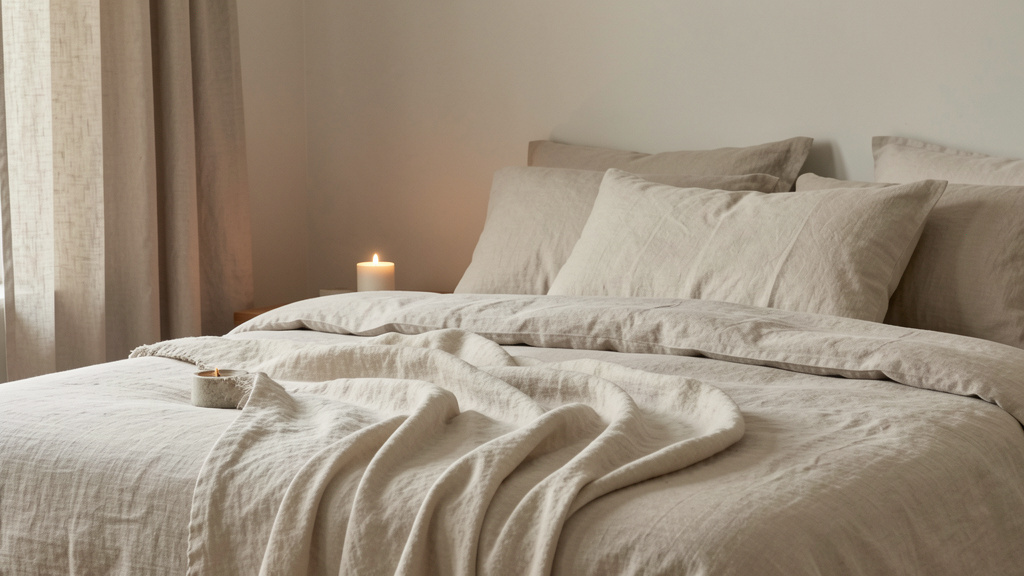
Transform your sleeping space into a haven of calm by thoughtfully integrating insights from environmental psychology, circadian science, and timeless design principles.
Your bedroom serves as more than just a place to rest after a long day—it is a critical environment supporting your nervous system’s nightly reset. However, many bedrooms may unintentionally hinder rest through common stressors: layouts contributing to visual clutter, lighting choices that may interfere with natural melatonin rhythms, or color selections that energize rather than calm. This guide moves beyond fleeting design trends to offer a practical, adaptable approach for cultivating a space that supports deep sleep, emotional restoration, and genuine sanctuary. Informed by research in sleep medicine, environmental psychology, and universal design principles, the following pages provide thoughtful considerations for aligning elements—from textile choices to spatial arrangements—with your body’s innate need for restorative downtime.
Introduction: Why Your Bedroom Environment Matters
Consider that the average person spends approximately one-third of their life in the bedroom. Despite this significant investment of time, this space is often treated as an afterthought—a repository for laundry, digital devices, or unresolved daily stress. Emerging research indicates meaningful connections between our physical surroundings and physiological well-being. For instance, studies published in the Journal of Environmental Psychology have suggested associations between visually cluttered sleeping environments and elevated cortisol levels upon waking compared to more intentionally arranged spaces. Similarly, guidelines from sleep health organizations note that bedroom design elements can influence sleep onset latency (time to fall asleep), sleep efficiency (proportion of time in bed spent asleep), and subjective sleep quality.
This extends beyond aesthetics alone. Effective sanctuary design often draws from principles in neuroscience, ergonomics, and emotional resonance. When environmental elements align with biological needs—such as supporting circadian rhythms through thoughtful lighting, reducing cognitive load with intentional organization, and incorporating calming sensory inputs—conditions may be fostered where rest feels more accessible. This guide draws from interdisciplinary research to offer a practical framework. Moving beyond vague suggestions like “add plants” or “choose calming colors,” it provides research-informed considerations adaptable to various room sizes, budgets, architectural contexts, and personal needs. Whether starting anew or refreshing an existing space, this approach offers a foundation for cultivating a bedroom that thoughtfully supports your well-being.
The Sanctuary Framework: Four Interlocking Pillars for Restorative Design
Analysis of bedroom design transformations alongside environmental psychology literature and sleep science research reveals a recurring pattern: restorative bedrooms often embody four foundational pillars. These are not isolated tips but interconnected systems that compound in effect. Neglecting one pillar may leave the sanctuary feeling incomplete; thoughtfully addressing all four helps create an environment where calm becomes the default state. This framework—Calm Foundation, Sensory Harmony, Personal Sanctuary, and Sustainable Systems—provides a flexible blueprint for your transformation. Each pillar includes adaptable considerations, nuanced insights, and practical options for real-world constraints. Let’s explore how these elements work together to support rest.
Pillar 1: Calm Foundation – Layout, Color, and Core Elements
The foundation of a restful bedroom begins with spatial intelligence. How furniture flows, how light enters, and how color influences perception form the bedrock upon which all other elements rest. This pillar addresses the structural and visual groundwork that either supports or undermines tranquility before decorative touches are added.
Step 1: Master the Layout for Flow and Function
Layout subtly guides movement and emotional response. A thoughtfully arranged space creates intuitive pathways and signals safety; a cluttered or obstructed layout may introduce subconscious friction.
Why this step matters: Environmental psychology identifies “prospect and refuge” as a recurring human preference in restorative spaces. Prospect refers to having a clear view of entrances (reducing unease about unseen activity), while refuge describes feeling sheltered and protected. Bed placement influences this dynamic. Additionally, research suggests morning light exposure upon waking may support natural circadian regulation. Strategic positioning relative to windows can gently reinforce this rhythm.
Practical considerations:
– Bed Positioning: Place the bed diagonally opposite the door when possible—providing visual awareness of the entrance (prospect) while allowing the wall behind the headboard to create psychological refuge. Avoid positioning where you face a blank wall upon waking, which some find disorienting. Instead, orient toward a window with a pleasant view or a calming focal point like artwork.
– Clear Pathways: Maintain approximately 24 inches of clear walking space around furniture where feasible. In compact rooms, prioritize the path from bed to door and bed to bathroom. Use painter’s tape on the floor to map pathways before moving furniture. Test flow safely: walk the route to identify unexpected obstacles.
– Defining Zones in Multi-Functional Rooms: If your bedroom includes a work or sitting area, create visual separation using area rugs (a 5×8 rug under the bed defines the sleep zone), room dividers, or strategic furniture placement. Position work areas so they are not visible from the bed to support psychological separation between “work mode” and “rest mode.” A bookshelf placed perpendicular to the bed or a simple folding screen can effectively block visual access to non-sleep activities.
– Nightstand Ergonomics: Ensure nightstands are level with or slightly higher than your mattress surface. Reaching upward may strain shoulders; reaching downward may disrupt sleep posture. For varying height preferences, consider asymmetrical nightstands or adjustable-height options.
Common considerations to note:
– Bed Facing Door: Placing the bed directly opposite the door may create a sense of exposure for some individuals. In Feng Shui tradition, this is sometimes called the “coffin position”; in Western environmental psychology, it may trigger subtle vigilance. If space allows, repositioning can enhance comfort.
– Bed Under Window: Avoid placing the head of the bed directly under a window if drafts, street noise, or early light are concerns. If unavoidable due to room constraints, consider blackout curtains, thermal window film, or a solid headboard for buffering.
– Visual Complexity: Every additional piece of furniture increases visual information for the brain to process. In rooms under 12×12 feet, evaluate the necessity of large dressers (under-bed storage may suffice), benches, or multiple chairs. Simplicity often supports cognitive calm.
Adaptable examples:
– Studio Layout: Use a low-profile platform bed with built-in drawers. Position against the longest wall with the headboard facing inward. Place a narrow console table behind the sofa (facing the bed) to create a visual barrier. A floor-length curtain on a tension rod can be drawn at bedtime to psychologically define the sleep zone.
– Irregular Room Shapes: Float the bed away from walls to create symmetry where possible. Use custom-cut rugs to define the sleep area within non-rectangular footprints. Embrace architectural quirks—position a reading chair in a sunny alcove rather than fighting the space.
A Guiding Insight: Your bedroom layout should feel like a gentle exhale—the moment you cross the threshold, physical and visual pathways guide you intuitively toward rest without demanding conscious navigation.
Step 2: Harness the Psychology of Color with Nuance
Color communicates subtly with our emotional centers. While “calming colors” are frequently recommended, the nuance lies in undertones, saturation levels, lighting conditions, and personal resonance. A color perceived as soothing in one context may feel cold or sterile in another.
Why this step matters: Research in environmental psychology suggests cool-toned blues and greens may support relaxation for some individuals, while warm neutrals may feel cozier in low-light settings. Cultural associations and personal history also shape color perception. Lighting dramatically alters appearance—north-facing rooms with cool light may benefit from warmer undertones to avoid a clinical feel.
Practical considerations:
– Understanding Undertones: Hold paint swatches against a pure white sheet of paper in your actual room at different times of day. Does that “greige” lean pink (warm), green (cool), or purple (complex)? Cool undertones (blue, green, gray) may recede visually; warm undertones (yellow, red, brown) may feel enveloping. For versatile calm, consider neutralized colors—those with subtle gray or beige bases that soften intensity.
– The 60-30-10 Harmony Approach: A classic design ratio applied intentionally:
– 60% Dominant: Walls, large rugs, bed base. Choose a soft, neutral foundation (e.g., warm white like Benjamin Moore’s White Dove, or a muted clay like Sherwin-Williams Accessible Beige).
– 30% Secondary: Upholstery, curtains, substantial textiles. Introduce gentle depth (e.g., soft sage green or warm taupe).
– 10% Accent: Artwork, throw pillows, small decor. Use sparingly for emotional resonance (e.g., muted terracotta for earthiness, deep navy for depth).
– Ceiling Consideration: Painting the ceiling 1–2 shades lighter than walls can create a “sky effect,” enhancing perceived height. In low-ceilinged rooms, a barely-there warm white (like Cloud White) may prevent a cave-like feeling.
– Accent Wall Strategy: If used, place behind the headboard rather than opposite the bed. This creates a grounding focal point. Choose deep, muted tones—forest green, charcoal gray, or clay red—rather than bright primaries.
Common considerations to note:
– Sample Swatch Limitations: Viewing a small chip under store lighting is unreliable. Paint large poster boards (at least 2×2 feet) and observe them over 48 hours in your actual light.
– Over-Saturation: Even “calm” colors may feel stimulating when too intense. Muted versions (with gray or beige added) often support rest better than highly saturated hues.
– Existing Elements: Harmonize your palette with permanent features—wood floor tones, tile colors, or architectural details. Pull a thread from your rug or a vein in stone to inform wall color.
Budget-conscious adaptations:
– No-Paint Shift: Adjust your color story through textiles. Layer cream, oat, and soft clay-toned bedding over existing walls. Add a large area rug in a neutral base to visually anchor the space.
– Strategic Accent: Paint the inside of a bookshelf, the back panel of a built-in, or the underside of a floating shelf in your chosen accent color for subtle depth.
– Art as Anchor: Curate artwork with a cohesive color story. Three similarly framed prints featuring your accent color can tie the room together effectively.
Contextual considerations:
– Sun-Drenched Climates: Warm neutrals with clay or sand undertones may harmonize with outdoor light. Cool grays might clash with golden-hour warmth.
– Overcast Regions: Slightly warmer base tones (ivory over stark white) may counteract gray skies. A hint of peach or butter yellow in textiles can add necessary warmth.
– Humid Environments: Consider paints with mold-resistant properties. Matte or eggshell finishes may hide minor wall imperfections better than gloss.
Step 3: Select Furniture That Supports Serenity
Furniture should recede into the background of awareness—not demand attention. Every piece ideally justifies its presence through function, comfort, or meaningful resonance. Cluttered arrangements may increase visual processing load, even during rest.
Why this step matters: Studies in environmental psychology suggest visual complexity in sleeping environments may correlate with increased time to fall asleep for some individuals. Each unnecessary object introduces micro-decisions (“Should I move that chair?”), potentially depleting cognitive resources needed for relaxation. Ergonomics also directly impact physical comfort: a poorly proportioned nightstand may disrupt sleep continuity.
Practical considerations:
– Bed Selection:
– Height: When seated on the edge of the mattress, knees should form approximately a 90-degree angle with feet flat on the floor. Standard bed heights (18–25 inches to top of mattress) suit most adults.
– Scale: In rooms under 12×12 feet, a queen bed (60×80 inches) often leaves adequate circulation space. Measure your room and create paper templates of furniture footprints before purchasing.
– Headboard: Upholstered headboards may absorb sound and provide comfort for reading. Wood or metal offers clean lines. Height should feel proportional—typically 14–24 inches above the mattress top. For low ceilings, a low-profile headboard may prevent visual crowding.
– Storage Strategy: Prioritize closed storage where possible. Cabinets with doors contain visual clutter; open shelves display it. Under-bed storage with smooth-gliding drawers keeps seasonal items accessible without sacrificing floor space. A storage bench at the foot of the bed may serve dual purposes.
– Nightstand Essentials: Minimum surface area should accommodate a lamp, water glass, and one small item. Depth of 16–20 inches prevents items from feeling cramped. In tight spaces, wall-mounted shelves with integrated lighting may replace bulky nightstands.
Common considerations to note:
– Matching Sets: Bedroom suites can sometimes feel institutional. Mixing materials intentionally (e.g., wood bed frame with a metal-and-glass nightstand) may create visual interest. Maintain cohesion through consistent finish tones.
– Proportional Balance: Oversized furniture in a small room may dominate psychologically. When in doubt, choose pieces slightly smaller than initially considered.
– Vertical Rhythm: Varying heights create gentle visual movement. Avoid all pieces being identical in height—slightly different nightstand heights or pairing a low dresser with a tall floor lamp can add dimension.
Adaptable solutions:
– Compact Bedroom (Under 100 sq ft): Opt for a platform bed with integrated drawers. Replace nightstands with slender wall-mounted shelves. Choose a narrow dresser (30 inches wide) placed perpendicular to the bed to define zones without blocking flow. A fold-down desk mounted on the wall serves dual purpose when needed.
– Shared Spaces: For roommates or siblings, use identical bed frames but allow personalized bedding and one dedicated shelf per person. A room divider between beds provides visual privacy while maintaining shared aesthetics.
– Meaningful Heirlooms: Honor cherished furniture by reupholstering dated headboards in neutral, textured fabric. Refinish wood pieces to harmonize with your undertone palette. One meaningful antique can anchor the room’s narrative.
Pillar 2: Sensory Harmony – Orchestrating Light, Texture, and Sound
Sanctuary is experienced through multiple senses. This pillar moves beyond visual design to thoughtfully curate the sensory landscape. When lighting supports natural rhythms, textiles invite comfort, and soundscapes promote calm, your environment may collaborate with your biology rather than working against it.
Step 1: Layer Lighting for Circadian Consideration
Light is a powerful environmental cue for circadian regulation. Exposure to blue-rich light after sunset may delay melatonin release for some individuals. Conversely, warm, dim light in the evening may signal readiness for rest. Most bedrooms rely solely on harsh overhead fixtures, creating physiological conflict at the very moment relaxation is sought.
Why this step matters: Research from sleep medicine institutions indicates that evening exposure to shorter-wavelength light (below 530nm) may delay melatonin onset. Strategic lighting design supports biological hygiene. Layered lighting also creates dimensional warmth, reducing harsh shadows that may trigger subconscious alertness.
Practical considerations:
– Three-Layer Lighting Approach:
– Ambient Layer (General Illumination): Provides overall soft glow. Avoid bare overhead bulbs. Instead:
– Install dimmable LED recessed lights (2700K–3000K color temperature) on a dimmer switch.
– Use a central fixture with a fabric shade that diffuses light downward.
– Place plug-in wall sconces with upward-facing shades to bounce light off ceilings.
– Task Layer (Focused Function): Enables specific activities without flooding the room.
– Bedside wall-mounted swing-arm lamps (with dimmers) provide reading light without disturbing others.
– Under-cabinet LED tape lighting inside closets (motion-activated) eliminates fumbling.
– A small, focused desk lamp if workspace exists (used only during designated hours).
– Accent Layer (Atmosphere & Safety): Creates emotional resonance and safe navigation.
– Plug-in LED puck lights inside drawers or under the bed frame (set to warm white, 2200K) for nighttime trips.
– A dimmable floor lamp with a linen shade to highlight artwork or plants.
– Fairy lights woven through a headboard (use warm white only).
- Evening Lighting Protocol:
- 2 Hours Before Bed: Transition to warm light only (under 2700K). Smart bulbs (like Philips Hue) can be programmed to shift from daylight (5000K) at noon to candlelight (2200K) by evening.
- Bedtime: Ambient light should resemble candlelight (under 50 lumens). Dimmers enable this gradual reduction.
- Overnight: If nightlights are needed, red or amber bulbs (wavelengths above 600nm) are less likely to interfere with melatonin. Place low to the ground along pathways.
Lighting Considerations Guide:
| Lighting Element | Recommended Color Temp | Dimmable? | Placement Tip | Purpose Consideration |
|---|---|---|---|---|
| Overhead Ambient | 2700K–3000K | Essential | Centered, not directly over bed | General safe illumination |
| Bedside Task | 2700K | Essential | 42–48″ above mattress | Focused activity without glare |
| Under-Bed Safety | 2200K (amber) | Optional | Front edge of frame | Night navigation |
| Closet Task | 3000K | Recommended | Inside top shelf | Accurate color matching |
| Accent Wall Wash | 2700K | Recommended | Floor or shelf level | Depth and visual interest |
Common considerations to note:
– Screen Light: Minimize phone/tablet use in bed. If essential, enable “night shift” mode and keep devices face-down. Charging devices across the room may reduce temptation to check them.
– Single Light Source: One overhead light creates harsh shadows. Layering ensures functional zones remain usable at lower overall brightness.
– Switch Accessibility: Dimmer switches at both door entry and beside the bed (via 3-way wiring) prevent stumbling in the dark.
Budget-friendly implementations:
– No-Wiring Solutions: Plug-in wall sconces with USB ports, battery-operated LED puck lights with remote dimmers, clip-on reading lights for headboards.
– Smart Bulb Strategy: Start with two smart bulbs in bedside lamps. Program gradual warming after sunset for significant impact at minimal cost.
– DIY Diffusion: Place sheer fabric over existing harsh fixtures. Wrap warm-white string lights around a wire frame inside a large mason jar for soft bedside glow.
Adaptable scenarios:
– Shift Workers: Combine blackout curtains with a dawn simulator alarm clock. Program smart lights to mimic daylight at your intended “morning” time.
– Children’s Rooms: Dimmable nightlights with timers that fade after 30 minutes. Warm-white LED strips under bed frames for comfort.
– Historic Homes: Focus on portable solutions: quality floor lamps with fabric shades, multiple table lamps on dimmer plugs, battery-operated wall sconces.
Step 2: Curate Textiles for Tactile Comfort and Thermal Balance
Your skin is highly sensitive to textile properties. Scratchy sheets, overheating, or inadequate support may contribute to micro-awakenings. Textile selection involves balancing comfort, climate, and personal preference.
Why this step matters: Research in sleep journals has indicated that moisture-wicking, temperature-regulating bedding may support fewer nighttime awakenings for some individuals. The weight and texture of blankets may engage deep pressure touch stimulation—a technique associated with reduced anxiety for certain people. Every textile layer ideally serves a purpose aligned with comfort and climate.
Practical considerations:
– Sheet Selection:
– Material Options:
– Long-Staple Cotton (Egyptian, Pima): Breathable, durable, softens with washing. Suitable for many climates. Look for “single-ply” construction.
– Linen: Naturally moisture-wicking and thermoregulating. Excellent for warm sleepers or humid climates. Wrinkles are inherent to the fabric’s character.
– Tencel™ (Lyocell): Made from sustainable wood pulp. Silky-smooth, highly breathable. Ideal for sensitive skin.
– Bamboo-Derived Rayon: Soft and cooling; verify OEKO-TEX® certification for chemical safety.
– Thread Count Context: Between 300–600 is often optimal for quality cotton. Higher counts may indicate multi-ply threads or chemical finishes that reduce breathability. Feel matters more than number—sample when possible.
– Weave Types:
– Percale: Crisp, cool feel. Tight plain weave. Preferred by warm sleepers.
– Sateen: Smooth, luminous finish. Softer drape. Often chosen for cooler climates.
– Jersey: Knit fabric (like t-shirts). Stretchy and casual. Good for restless sleepers.
- Blanket and Duvet Strategy:
- Layering Principle: Multiple thin layers allow micro-adjustments for temperature changes.
- Base: Lightweight duvet insert (300–500 fill power down alternative)
- Middle: Quilt or coverlet for visual texture
- Top: Weighted blanket (7–12 lbs for adults) if preferred, or cashmere throw for warmth
- Fill Power Context: For down/feather blends, 600+ fill power indicates larger, loftier clusters providing warmth with less weight. Down alternatives offer hypoallergenic options.
-
Weighted Blanket Guidance: If exploring weighted blankets, choose approximately 10% of body weight plus 1–2 pounds. Ensure even weight distribution. Consult a healthcare provider if you have circulatory or respiratory conditions.
-
Additional Textiles:
- Place a plush rug (wool or high-pile synthetic) beside the bed for barefoot comfort.
- Upholstered headboards in performance fabrics may offer stain resistance.
- A small woven basket for storing extra throws adds organic texture.
Textile Considerations Guide:
| Need | Commonly Recommended Material | Rationale | Care Note |
|---|---|---|---|
| Warm Climate | Linen or Tencel™ | Wicks moisture, breathes well | Linen wrinkles; Tencel gentle wash |
| Cooler Climate | Flannel (brushed cotton) | Traps warm air in brushed fibers | Wash cold to prevent pilling |
| Sensitive Skin | OEKO-TEX® certified cotton | Verified low chemical residue | Wash new textiles before use |
| Anxiety Support | Weighted blanket (glass beads) | Deep pressure touch stimulation | Spot clean; check weight guidance |
| Pet-Friendly | Performance velvet/microfiber | Resists claws, hides hair | Vacuum regularly |
Common considerations to note:
– Synthetic Fabrics: Polyester blends may trap heat and moisture for some sleepers. Exceptions exist for specifically engineered moisture-wicking performance sheets.
– Over-Layering: Too many heavy blankets may cause overheating. Start minimal—duvet insert plus one lightweight layer—and adjust as needed.
– Pillow Compatibility: Pillowcase material should complement pillow fill. Silk cases may reduce hair friction with down pillows; cotton breathes well with memory foam.
Budget-conscious strategy:
– Strategic Investment: Prioritize quality for items touching skin directly (sheets, pillowcases). Decorative layers (coverlets, accent pillows) may be more budget-friendly.
– Seasonal Rotation: Own two duvet inserts—one lightweight for warmer months, one medium-weight for cooler months. Swap inserts rather than full sets.
– Thrifted Textiles: Vintage wool blankets (washed thoroughly) can serve as decorative layers. Natural fibers often age beautifully.
Special considerations:
– Skin Sensitivities: GOTS (Global Organic Textile Standard) certified organic cotton may be preferable. Avoid chemical softeners—wash new textiles 2–3 times before use. Silk pillowcases may reduce facial friction.
– Humid Climates: Prioritize moisture-wicking materials (linen, Tencel™). Down alternatives may be preferable to down fills in damp conditions. Pair with room ventilation.
– Mobility Considerations: Sheets with deep pockets (18+ inches) stay secure on thick mattresses. Satin or silk pillowcases may reduce neck strain from fabric resistance.
Step 3: Design for Sound and Acoustic Comfort
Unwanted noise may fragment sleep architecture through micro-arousals—even without full awakening. Conversely, intentional soundscapes may mask disruptions and support relaxation. The goal is not absolute silence but acoustic comfort—managing sound to align with rest needs.
Why this step matters: Organizations like the World Health Organization note that chronic nighttime noise exposure may impact health. However, complete silence may feel unnerving to some. Thoughtful sound management supports rest without adding stress.
Practical considerations:
– Sound Absorption:
– Soft Surfaces: Area rugs with thick pads absorb footfall and echo. Heavy curtains (velvet, blackout-lined) dampen street noise. Upholstered headboards reduce sound reflection.
– Furniture Placement: Bookshelves filled with books against shared walls act as natural barriers. Position the bed away from noisy exterior walls if possible.
– Door Seals: Adhesive weatherstripping around bedroom doors blocks hallway noise. A draft stopper at the base prevents sound leakage.
– Sound Masking:
– White Noise Machines: Generate consistent frequencies to cover intermittent sounds. Place between noise source and bed.
– Pink Noise: Deeper and more balanced than white noise (emphasizes lower frequencies), resembling steady rain. Some research suggests pink noise may support stable deep sleep.
– Nature Soundscapes: Gentle rain, ocean waves, or forest sounds provide psychological comfort. Avoid bird sounds (may trigger dawn response) or sudden noises.
– Smart Speaker Setup: Create a bedtime routine: “Start sleep sounds” triggers 60 minutes of pink noise at low volume, fading out automatically.
- Personalized Approaches:
- Light Sleepers: Prioritize physical soundproofing (rugs, curtains) combined with consistent pink noise.
- Partner Snoring: Position sound machine near the snorer’s side. Dual-sided devices may emit different volumes per side.
- Urban Settings: Combine window film with a dedicated sound machine. Place machine near the noisiest window.
Sound Solution Considerations:
| Challenge | Physical Approach | Sound Masking Option | Practical Tip |
|---|---|---|---|
| Street Traffic | Heavy curtains + window film | Pink noise machine | Place machine near window |
| Partner Snoring | Custom-molded earplugs | Dual-zone white noise device | Angle machine toward snorer’s side |
| Room Echo | Thick rug + upholstered headboard | Nature sounds (steady rain) | Add fabric wall hanging |
| Light Sound Sensitivity | Acoustic panels (as art) | Brown noise (deeper spectrum) | Use timer to fade after 45 minutes |
| Children’s Night Wakings | Solid core door + door sweep | Gentle lullaby playlist | Set volume low |
Common considerations to note:
– Volume Level: Sound masking should be barely audible—like distant rainfall. If consciously noticeable, it may become a distraction.
– Morning Transition: Program sound machines to gradually increase volume 30 minutes before wake time with gentle sounds to ease awakening.
– Maintenance: Clean machine filters monthly. Dust accumulation alters sound quality.
Budget adaptations:
– DIY Absorption: Hang thick tapestries or quilted wall hangings on bare walls. Place rolled towels at door bases temporarily. Stack books vertically against shared walls.
– Free Sound Apps: Use smartphone apps like myNoise or Noisli. Place phone in a bowl to amplify sound naturally—never under pillow.
– Repurposed Items: An old comforter draped over a clothes rack against a noisy wall provides temporary dampening.
Adaptable scenarios:
– Nursing Parents: Use a sound machine in the baby’s room set to pink noise to mask household sounds. Place monitor away from crib to reduce static.
– Bedroom Office: Install a room divider with acoustic panels between zones. Use noise-canceling headphones during work hours to prevent sound association with sleep space.
– Travel: Pack compact silicone earplugs and download a white noise app. Request rooms away from elevators when booking.
Pillar 3: Personal Sanctuary – Infusing Meaning Without Clutter
A sanctuary feels uniquely yours—a reflection of inner values made tangible. Yet personalization can lead to visual chaos if uncurated. This pillar explores how to embed emotional resonance through intentional selection, transforming your bedroom into a deeply personal refuge without overwhelming cognitive load.
Step 1: Curate Meaningful Decor with Intention
Every object ideally earns its place through function, beauty, or profound emotional significance. Clutter isn’t just physical—it represents cognitive load. Each unconsidered item demands micro-attention, potentially fragmenting the ability to relax.
Why this step matters: Neuroscience research suggests visual clutter may activate brain regions associated with stress responses. Conversely, environments with intentional negative space may allow mental disengagement from decision-making, facilitating transition into rest mode. Personal items should comfort, not complicate.
Practical considerations:
– Surface Curation: Limit horizontal surfaces (nightstands, dressers) to three intentional items maximum. Example nightstand composition:
1. Functional item (lamp)
2. Sensory item (small plant or essential oil diffuser)
3. Emotional item (single framed photo or meaningful object)
This creates visual breathing room while preserving personality.
– Art Selection:
– Scale: Art above the bed should span approximately 2/3 to 3/4 of the headboard width.
– Subject: Choose imagery evoking calm—abstract landscapes, soft botanical prints, serene monochromatic photography. Avoid chaotic scenes or stimulating subjects.
– Grouping: For multiple pieces, maintain consistent framing and uniform spacing (2–3 inches between frames). Create a paper template first to avoid wall damage.
– Memory Objects:
– Rotate Seasonally: Store meaningful souvenirs in a dedicated box. Display 2–3 items per season, swapping during quarterly resets.
– Group by Theme: Cluster travel mementos on one small tray. Display family photos in identical frames. One well-chosen object often holds more emotional weight than many scattered items.
– Functional Integration: Turn a meaningful scarf into pillow shams. Frame a child’s drawing under glass as bedside art.
Common considerations to note:
– Surface Clutter: Nightstands often become dumping grounds. Designate a small lidded box for “temporary” items and clear it daily.
– Shared Spaces: In couples’ bedrooms, blend styles intentionally. Create a shared vision first. Allocate one small surface per person for individual expression.
– Visual Weight: Dark, heavy objects feel grounding at floor level but may feel oppressive at eye level. Place substantial items low (ottoman, trunk), lighter items high (floating shelves).
Real-world curation examples:
– Minimalist with Heart: A single large-scale photograph of a beloved landscape above the bed. One smooth river stone on the nightstand. A hand-thrown ceramic mug for water. Every item tells a story without visual noise.
– Eclectic Collector: Group 12 small vintage perfume bottles on a mirrored tray. Display three framed textile swatches from meaningful travels. Use consistent black frames to unify disparate items.
– Family-Focused: One framed photo of children on the dresser—rotated monthly. A small basket holding a favorite childhood book. A quilt made by a relative folded at the foot of the bed.
Step 2: Integrate Nature’s Calm Through Biophilic Design
Humans often feel affinity for nature—a concept termed “biophilia.” Integrating natural elements may reduce stress markers and enhance restoration. This isn’t about creating an indoor jungle; it’s about subtle, strategic connections to the living world that signal safety and renewal.
Why this step matters: Studies in environmental psychology suggest that views of nature or natural elements may support faster stress recovery. In bedrooms, biophilic elements work synergistically with other pillars: plants add life, natural materials provide comforting textures, and organic shapes counteract rigid built environments.
Practical considerations:
– Plant Selection for Low Light & Low Maintenance:
– Snake Plant (Sansevieria): Tolerates low light and infrequent watering. Converts CO2 to oxygen at night. Place in corners or on dressers.
– ZZ Plant (Zamioculcas zamiifolia): Glossy leaves add architectural interest. Survives low light and drought. Ideal for windowless bedrooms.
– Pothos (Epipremnum aureum): Trailing vines soften shelves. Grows in water or soil. Propagate easily.
– Peace Lily (Spathiphyllum): Elegant blooms. Signals when thirsty (droops slightly). Keep away from pets.
– Care Tip: Water only when top 1–2 inches of soil are dry. Use pots with drainage holes. Wipe leaves monthly with a damp cloth.
– Natural Material Integration:
– Wood: Live-edge shelves, walnut nightstands, bamboo flooring. Wood grain provides organic visual rhythm.
– Stone: River rock collection in a ceramic dish. Marble coasters. Slate trivet under a diffuser.
– Fiber: Jute or sisal rugs. Seagrass baskets for storage. Linen curtains with visible weave.
– Water Element: A small tabletop fountain with gentle trickle (place away from bed). Or a beautiful glass carafe of water on the nightstand.
– Nature-Inspired Patterns:
– Wallpaper Accent: Subtle leaf-print or wood-grain mural behind the bed.
– Textile Motifs: Bedding with organic patterns (fern prints, watercolor washes) rather than geometric designs.
– Artwork: Black-and-white nature photography. Pressed botanicals under glass.
Biophilic Element Safety Guide:
| Element | Pet-Safe? | Light Need | Maintenance | Best Placement |
|---|---|---|---|---|
| Snake Plant | ❌ | Very Low | Very Low | Corner, high shelf |
| ZZ Plant | ❌ | Low | Very Low | Dresser, desk |
| Pothos | ❌ | Medium | Low | Hanging planter |
| Spider Plant | ✅ | Medium | Low | Hanging basket |
| Boston Fern | ✅ | High | Medium | Bright window spot |
| River Rocks | ✅ | None | None | Decorative bowl |
| Wood Elements | ✅ | None | Dust occasionally | Furniture, shelves |
| Water Feature | ✅ | None | Weekly cleaning | Away from bed |
Common considerations to note:
– Plant Quantity: Too many plants create visual busyness. Start with one statement plant and one small accent plant.
– Pet Safety: Research every plant thoroughly using resources like the ASPCA Toxic and Non-Toxic Plants database. When in doubt, choose high-quality artificial plants with realistic texture.
– Maintenance Level: Avoid high-maintenance plants requiring precise humidity. Your sanctuary shouldn’t add chores.
– Artificial Plants: Modern silk varieties can be indistinguishable from real ones. Choose options with realistic texture and subtle color variations. Dust monthly.
Budget-friendly biophilia:
– Foraged Elements: Collect interesting twigs, pinecones, or smooth stones on walks. Display in a simple ceramic vase.
– Nature Photography: Print your own landscape photos in black and white. Frame in thrifted frames painted a consistent color.
– Window Focus: If you have a view of trees or sky, enhance it. Keep windows clean. Position bed to frame the view. Add sheer curtains to soften without blocking.
– Scent Connection: Use essential oil diffusers with nature-inspired scents (cedarwood, lavender). Ensure oils are pet-safe if applicable.
Adaptations for constraints:
– No Windows/Low Light: Focus on materials and imagery. A large nature photograph above the bed. Wood-grain contact paper on dresser fronts. Stone-textured ceramic lamp base.
– Allergies: Choose hypoallergenic plants like peace lilies (though keep away from pets). Air plants (Tillandsia) displayed in glass globes require minimal medium.
– Rental Restrictions: Use removable peel-and-stick wallpaper with botanical patterns. Place plants on furniture rather than mounting shelves.
Step 3: Create a Pre-Sleep Ritual Nook
Sanctuary design supports behavior. Dedicating a small space for wind-down rituals creates a physical trigger for mental transition from daytime activity to nighttime calm. This isn’t about adding furniture—it’s about carving psychological space for practices that signal “rest begins here.”
Why this step matters: Behavioral psychology identifies “implementation intentions”—specific if-then plans tied to environmental cues—as supportive of habit formation. A dedicated ritual nook transforms abstract intentions (“I should read before bed”) into automatic behaviors triggered by the space itself, reducing decision fatigue when energy is low.
Practical considerations:
– Nook Identification:
– Ideal: A corner with natural light or a calming view.
– Minimum: A cleared space on a bench at the foot of the bed, or a designated chair pulled slightly away from main flow.
– No Space? Transform your bed’s edge: keep a small tray with ritual items (book, tea mug) on the nightstand, designating it exclusively for pre-sleep use.
– Essential Elements:
– Seating: A comfortable armchair with lumbar support. Add a small ottoman or folded blanket for foot elevation.
– Lighting: A dedicated warm-task lamp (2700K) with dimmer, positioned to illuminate reading material without glare.
– Surface: A small side table (12×12 inches minimum) for tea mug, journal, or essential oils.
– Sensory Anchors: A dedicated throw blanket. A small dish for diffuser oils. A journal and pen always at ready.
– Ritual Suggestions:
– Digital Sunset: Place phone in another room. Use the nook for 20 minutes of analog activity.
– Gratitude Journaling: Keep a dedicated notebook. Write three specific gratitudes.
– Gentle Stretching: Keep a folded yoga mat nearby for 5 minutes of restorative poses.
– Herbal Tea: Prepare tea mindfully. Sip while looking out the window.
– Reading: Choose physical books only—no backlit screens. Keep a “currently reading” stack of three books max.
Common considerations to note:
– Multitasking: This space should not double as a work zone. No laptops, bills, or to-do lists. Psychological separation is key.
– Over-Engineering: Start minimal. A chair + lamp + small table is sufficient. Avoid excessive decor.
– Ergonomics: Test seating thoroughly. Knees should be level with or slightly below hips. Armrests should support elbows at 90 degrees.
Space-constrained solutions:
– Studio Apartment: Use a folding screen to temporarily define the nook during ritual time. Store flat against a wall when not in use.
– Tiny Bedroom: Convert the top of a storage ottoman into a ritual surface. Keep ritual items inside the ottoman. Pull it beside your bed each evening.
– Shared Bedroom: Use a small lap desk on your side of the bed. Designate 20 minutes before lights out as personal ritual time with agreed-upon quiet.
– No Extra Furniture: Claim the edge of your bed. Sit upright with back against headboard. Keep ritual items in a dedicated basket under the bed.
Ritual adaptation examples:
– Anxiety Support: Include a weighted lap pad (3–5 lbs) on the chair. Keep a smooth stone or worry beads in the side table drawer. Diffuse lavender oil during ritual time.
– Parents of Young Children: Create a “mini-ritual” station on your nightstand. After children are asleep, spend 10 minutes with tea and journaling right in bed. Consistency matters more than duration.
– Shift Workers: Design the nook for “pre-sleep” regardless of clock time. Use blackout curtains to simulate night. Keep ritual items in a portable caddy.
Pillar 4: Sustainable Systems – Maintenance and Long-Term Harmony
A sanctuary is a living system requiring gentle stewardship. Without sustainable rhythms, even beautifully designed spaces may gradually revert to chaos. This pillar provides practical frameworks to preserve your sanctuary’s integrity with minimal effort, ensuring it continues to support well-being over time.
Step 1: Establish a Gentle Daily Reset Routine
Consistency supports sustainability. A brief, non-negotiable daily ritual prevents accumulation of disorder that would otherwise require overwhelming cleanups. This isn’t deep cleaning—it’s strategic recalibration preserving the sanctuary’s psychological integrity.
Why this step matters: Environmental psychology research suggests visual disorder may correlate with increased procrastination and decreased focus. A daily reset isn’t about perfection—it’s about preserving the cognitive calm your sanctuary provides.
Practical considerations:
– The 5-4-1 Framework (5 minutes AM, 4 minutes PM, 1 minute before bed):
– Morning (5 minutes):
1. Make the bed upon rising (creates instant order)
2. Open curtains/blinds fully (welcomes natural light)
3. Clear nightstands of stray items
4. Fluff pillows and straighten throw blanket
5. Take any clothing to hamper or closet
– Evening (4 minutes):
1. Return items that migrated into bedroom (mugs, books)
2. Clear floor of stray items (shoes, bags)
3. Wipe surfaces with microfiber cloth if dusty
4. Prepare ritual nook items for next evening
– Pre-Sleep (1 minute):
1. Final visual sweep—remove one item that doesn’t belong
– Habit Stacking: Anchor the reset to existing habits:
– “After I brush my teeth in the morning, I make the bed.”
– “Before I start dinner, I do the evening bedroom sweep.”
– “After I set my alarm, I do the pre-sleep sweep.”
Common considerations to note:
– Flexibility: Missing one day doesn’t invalidate the system. Resume immediately without self-judgment. Perfectionism undermines sustainability.
– Simplicity: If 10 minutes feels daunting, start with just bed-making. Add one element weekly until the routine feels natural.
– Root Causes: If laundry consistently piles up, place a hamper inside the closet door. If books accumulate, add a small shelf beside the ritual nook.
Adaptations for real life:
– Low Energy Days: Reduce to “one thing” daily—just make the bed, or just open the curtains. On difficult days, that single action preserves sanctuary integrity.
– Shared Spaces: Create a shared reset checklist on the closet door. Use a magnetic board with movable tokens (“Done” / “To Do”). Makes responsibility visible and shared.
– Traveling: Pack a “sanctuary kit”—travel-sized linen spray, eye mask, earplugs. Upon returning home, the first reset ritual reestablishes normalcy.
Step 2: Seasonal Refresh Strategy
Sanctuaries may evolve with biological and emotional needs across seasons. Winter may call for deeper warmth; summer may demand breathability. Intentional seasonal shifts prevent stagnation and align your environment with natural rhythms.
Why this step matters: Circadian research suggests sleep needs and thermal preferences may shift subtly with seasons. Additionally, controlled environmental changes may combat “hedonic adaptation”—the tendency to stop noticing positive aspects of our surroundings over time. Seasonal refreshes renew appreciation.
Practical considerations:
– Quarterly Reset Protocol (15 minutes per season):
– Spring (Renewal):
– Swap heavy duvet for lightweight insert
– Change bedding to lighter colors (ivory, sky blue)
– Add fresh greenery (potted herbs on windowsill)
– Deep clean windows for maximum light
– Declutter one category (e.g., off-season pajamas)
– Summer (Cooling):
– Switch to linen or percale sheets
– Remove heavy rugs; expose cool flooring if possible
– Add a small tabletop fan for air movement (not pointed at bed)
– Incorporate watery elements (glass vase with river stones)
– Diffuse citrus or peppermint oils for perceived coolness
– Autumn (Grounding):
– Layer in textured throws (chunky knit, faux fur)
– Shift color palette to warm neutrals (clay, ochre, rust)
– Add ambient lighting layers (extra string lights, candle holders)
– Introduce earthy scents (cedarwood, patchouli)
– Prepare weighted blanket for cooler nights
– Winter (Nesting):
– Use highest-fill-power duvet insert
– Add plush rug beside bed for barefoot comfort
– Incorporate warm metallics (brass lamp, copper tray)
– Display meaningful seasonal objects sparingly
– Ensure all lighting is warm temperature (2700K max)
– The “One In, One Out” Rule: For every new seasonal item brought in, remove one item to store. Prevents accumulation and maintains visual calm.
Common considerations to note:
– Gradual Shifts: Avoid overhauling completely. Focus on layering—adding/removing textiles is often sufficient. Core furniture and wall colors should remain constant.
– Local Climate: Adjust timing to your region. Desert climates may skip “winter” layering; tropical zones might emphasize cooling year-round.
– Storage: Designate clear storage bins labeled by season. Store off-season items in under-bed containers or high closet shelves.
Budget-conscious seasonal shifts:
– Textile Rotation: Own two sets of duvet covers and sheet sets. Swap these seasonally—most impactful change for minimal cost.
– Nature’s Calendar: Bring in seasonal elements freely available: pinecones in winter, flowering branches in spring. Display in simple vessels.
– Lighting Adjustment: Change bulb color temperatures seasonally if using smart bulbs. Warmer in winter (2200K), slightly cooler in summer (2700K).
– Art Rotation: Keep 2–3 sets of framed art. Swap seasonally—botanical prints for spring, abstract warm tones for autumn.
Step 3: Annual Sanctuary Review and Evolution
Once yearly, conduct a mindful assessment of your sanctuary’s effectiveness. Needs change—health shifts, relationship dynamics evolve, personal style matures. This review ensures your space continues to serve your current reality.
Why this step matters: Environments that no longer align with our needs may create subtle friction. A bedroom designed for single life may feel isolating after partnership; a space optimized for child-rearing may lack adult tranquility once children leave home. Annual review transforms your sanctuary from static decoration into a responsive partner in well-being.
Practical considerations:
– Sanctuary Reflection Worksheet (Complete in 20 minutes):
1. Comfort Check: Note sleep quality observations over the past month. Identify specific disruptions (too hot? noise? discomfort?).
2. Emotional Resonance: Upon entering the room, what’s your immediate feeling? (Calm? Anxious? Neutral?) Be honest.
3. Functionality Review: What daily friction points exist? (Can’t reach charger? No place for morning water?)
4. Personal Alignment: Does the space reflect who you are now? Release items tied to past identities no longer serving you.
5. Future Vision: What emerging needs require accommodation? (New health consideration? Desire for meditation space?)
– Action Protocol:
– Address one “friction point” within 48 hours
– Schedule one “evolution project” for the next quarter
– Release one item that no longer serves you (donate, recycle, discard)
Common considerations to note:
– Personal Metrics: Judge solely by how the space serves your rest and restoration—not against external ideals.
– Prioritization: If the review reveals multiple issues, prioritize the one causing most daily friction. Solve that first.
– Shared Spaces: In shared bedrooms, conduct separate reflections then discuss. Find compromise solutions honoring both needs.
Real-world evolution examples:
– Empty Nest Transition: Remove twin beds from guest room now used as personal sanctuary. Add deep reading chair and expanded ritual nook. Repurpose closet space for meditation cushion storage.
– Chronic Pain Adaptation: After review reveals morning stiffness, add bedside grab bar (disguised as modern towel rack). Switch to adjustable bed base. Place frequently used items at waist height.
– Style Maturation: Remove trendy decor accumulated over years. Keep only pieces with deep meaning. Shift color palette to more sophisticated neutrals. Invest in one timeless art piece reflecting current values.
Navigating Common Challenges: Practical Solutions for Real Bedrooms
No sanctuary exists in a vacuum. Real homes present real constraints—shared spaces, tight budgets, architectural quirks. This section addresses frequent friction points with adaptable, psychologically-informed solutions honoring both practical limitations and restorative goals.
The Shared Bedroom: Harmonizing Two Styles and Needs
Creating sanctuary in a shared bedroom requires balancing individual needs without compromising the space’s restorative purpose. Conflicting temperature preferences, sleep schedules, or design tastes can create tension if not addressed intentionally.
A Collaborative Approach:
– Joint Visioning Session:
1. Independently complete the Sanctuary Reflection Worksheet
2. Share responses focusing on needs (“I need complete darkness to sleep”) not wants (“I want black walls”)
3. Identify non-negotiables vs. flexible preferences
4. Co-create a shared vision statement: “Our bedroom is a place where we both feel safe, respected, and restored”
– Personal Zones Within Shared Space:
– Bedside Autonomy: Allow different nightstand setups. One partner may need a CPAP station; another may prefer essential oils. Use matching lamps for visual cohesion but permit individual surface items.
– Temperature Balance: Invest in dual-zone bedding—a king-sized duvet with separate inserts per side. Use layered blankets so each person controls their microclimate. Place a small fan on one side if needed (angled away from partner).
– Lighting Compromise: Install dual dimmer switches or smart bulbs with individual control. Agree on “lights out” protocol—perhaps one partner uses a sleep mask while the other reads with a book light.
– Style Blending:
– Create a shared color palette of 3–4 neutral base colors both partners approve
– Allow individual expression through textiles: different throw pillows, separate blanket layers
– Choose furniture with clean lines serving as neutral canvas
– Rotate seasonal decor—each partner selects items for alternating seasons
Real compromise scenario: Partner A prefers bold color; Partner B needs visual calm. Solution: Paint walls a warm neutral both approve. Partner A selects one vibrant artwork; Partner B chooses calming bedding. They agree vibrant items stay confined to one small shelf. The space feels cohesive yet honors individuality.
The Small Bedroom: Maximizing Calm in Minimal Square Footage
Tiny bedrooms (under 120 sq ft) present unique challenges—every inch counts. However, small spaces can foster profound intimacy and simplicity when designed intentionally.
Space-Amplifying Strategies:
– Vertical Space:
– Install floor-to-ceiling shelving on one wall (painted same color as walls to recede visually)
– Use wall-mounted folding desk that tucks away completely
– Hang full-length mirror opposite window to double perceived space and light
– Mount TV on wall with articulating arm to free up dresser space
– Furniture for Small Footprints:
– Platform bed with built-in drawers eliminates need for separate dresser
– Choose nightstands with open bases (floating shelves, hairpin legs) to maintain sightlines
– Opt for narrow depth furniture (dressers under 18″ deep)
– Use ottoman with storage at foot of bed instead of bench
– Visual Expansion:
– Monochromatic color scheme (walls, ceiling, large furniture in same undertone family)
– Sheer curtains extending beyond window frame to ceiling
– Large-scale art instead of multiple small pieces
– Glossy finishes on one accent piece (lamp base, tray) to reflect light
Tiny bedroom layout example (10×10 ft room):
– Bed centered on longest wall (queen size fits with 24″ clearance on sides)
– Floating shelves replace nightstands on both sides
– Narrow dresser (30″ wide) placed perpendicular to bed foot, creating zone separation
– Full-length mirror on closet door
– Area rug (5×8) defines sleep zone without overwhelming space
Critical small-space considerations:
– Furniture Quantity: Resist adding chairs, benches, or extra tables. Every piece must earn its footprint.
– Color Choices: While moody colors work in large rooms, small spaces often benefit from light-reflective surfaces. If craving depth, use dark color on one accent wall only.
– Pattern Balance: Choose one patterned textile (rug or duvet cover) and keep all else solid. Too many patterns create visual chaos in tight quarters.
The Multi-Functional Room: Creating Sleep Sanctuaries in Shared Spaces
When bedroom doubles as office, gym, or living area, psychological separation becomes critical. Your brain must distinguish “sleep space” from “work space” to support rest responses.
Zone Definition Approach:
– Physical Barriers:
– Room divider screen (6–8 ft wide) placed between bed and work area
– Bookshelf positioned perpendicular to bed (open back faces work zone)
– Curtains on ceiling track to fully enclose bed area at night
– Area rug under bed only (different texture/color than rest of floor)
– Visual Separation:
– Paint wall behind bed a different (calming) color than work wall
– Use distinct lighting zones—warm light over bed, task lighting over desk
– Store work items in closed cabinets; never leave laptop visible from bed
– At day’s end, perform “zone reset”: clear desk surface, close laptop, draw divider
– Behavioral Boundaries:
– Establish strict “no work in bed” rule
– Create transition ritual between work and rest (e.g., 10-minute walk after closing laptop)
– Use scent association: diffuse lavender only during sleep hours; citrus during work hours
Studio apartment example:
– Bed placed against longest wall with headboard facing inward
– Floor-to-ceiling curtain track installed across room width
– During day: curtains open, bed made with neutral bedding
– At night: curtains drawn around bed area, warm lights activated, work items covered
– Psychological shift reinforced by consistent ritual
Budget Constraints: High-Impact, Low-Cost Sanctuary Upgrades
Creating sanctuary doesn’t require renovation budgets. Strategic, low-cost interventions deliver disproportionate impact when aligned with core principles.
The $100 Sanctuary Starter Kit:
1. Blackout Curtains ($30): Often the most impactful single purchase for light management. Install properly (extend beyond window frame, floor-length).
2. Dimmer Plug ($15): Converts any lamp into dimmable light source. Place on bedside lamp.
3. Quality Cotton Sheets ($40): Invest in what touches your skin. 300-thread count percale.
4. Small Area Rug ($15): 2×3 ft beside bed for barefoot comfort. Natural fiber preferred.
Free Sanctuary Enhancements:
– Declutter Session: Remove 10 items that don’t serve rest or joy. Immediate visual calm.
– Furniture Rearrangement: Shift bed to command position. Create clear pathways.
– Digital Sunset Protocol: Charge phone outside the bedroom. Use an analog alarm clock.
– Window Optimization: Clean windows thoroughly. Open curtains fully each morning.
Thrift Store Strategy:
– Target Items: Solid wood nightstands (sand and repaint), vintage trays (for organization), ceramic vases (for plants), wool blankets (for layering)
– Transformation Tips:
– Spray paint mismatched lamps same matte black
– Recover dated headboard with neutral fabric
– Group thrifted frames in identical color for gallery wall
– Quality Check: Inspect wood joints, test drawers, check for odors before purchasing
Phased Implementation Plan:
– Month 1: Address lighting (add dimmers, warm bulbs) and declutter
– Month 2: Upgrade textiles (sheets, duvet cover)
– Month 3: Add biophilic elements (one plant, nature art)
– Month 4: Establish daily reset routine
Small, consistent steps build lasting sanctuary without financial strain.
Your Questions, Answered
Q: What’s one impactful change I can make tonight for better sleep?
A: Focus on light management. Charge your phone outside the bedroom, use dimmable warm-white lamps only in the evening, and ensure windows are covered if streetlights penetrate your room. Research consistently indicates that reducing blue-rich light exposure before bed supports natural melatonin production for many individuals.
Q: How do I choose a white paint that doesn’t look cold?
A: Avoid pure whites which may read clinical under artificial light. Select “warm whites” with subtle yellow, beige, or pink undertones. Test large swatches (2×2 ft) on multiple walls at different times of day. Reliable options often include Benjamin Moore White Dove (soft warm), Sherwin-Williams Alabaster (balanced neutral), or Accessible Beige (warm greige). Always compare against your fixed elements—wood floors, countertops—to ensure harmony.
Q: Are weighted blankets effective, and how do I choose one?
A: Some clinical studies suggest weighted blankets may support reduced anxiety and improved sleep quality for certain adults, particularly those with insomnia or sensory processing differences. If exploring this option, choose a blanket weighing approximately 10% of your body weight plus 1–2 pounds. Ensure even weight distribution (glass beads are often preferred) and a removable, washable cover. Start with short sessions to assess comfort. Consult a healthcare provider if you have circulatory issues, respiratory conditions, or other health concerns.
Q: My partner and I have different temperature needs while sleeping. What are practical solutions?
A: This is very common. Implement layered bedding: each person controls their microclimate with individual throws or lighter/heavier blankets. Consider a dual-zone duvet insert (king size with separate chambers) or use two twin XL blankets tucked under a single duvet cover. Add a small, quiet fan on one side (angled away from the other person) for localized cooling. Moisture-wicking sheets (Tencel™ or bamboo-derived) may help regulate temperature for both sleepers. Avoid heated mattress pads which can create uneven warmth.
Q: How often should I replace my mattress?
A: Mattress lifespan varies based on construction, usage, and individual needs. General guidance suggests evaluating replacement every 7–10 years. Consider replacement if you notice: consistent morning stiffness not present when sleeping elsewhere; visible sagging or lumps; increased allergy symptoms; or if the mattress is over 8 years old. When shopping, spend time lying in your typical sleep position on candidates. Prioritize support that maintains spinal alignment. Many companies offer trial periods; use the full duration to assess true comfort.
Q: What plants are safe for bedrooms with cats or dogs?
A: Many common plants are toxic to pets. Verified safe options include Spider Plant (Chlorophytum comosum), Boston Fern (Nephrolepis exaltata), Parlor Palm (Chamaedorea elegans), and Calathea varieties. Always verify using the ASPCA Toxic and Non-Toxic Plants database before introducing any plant. Place plants on high shelves inaccessible to curious pets. For peace of mind, high-quality artificial plants with realistic texture provide biophilic benefits without risk.
Q: I live in an apartment with street noise. Beyond earplugs, what helps?
A: Combine physical sound dampening with strategic masking. Install heavy blackout curtains with thermal lining—they absorb significant noise. Apply removable acoustic window film (like Indow inserts) which creates an air gap to block sound transmission. Place a thick rug with dense pad over hard floors. Then layer sound masking: use a dedicated white noise machine (not phone app) placed between the noise source and your bed, set to pink noise at barely audible volume. For severe cases, consider custom-fit silicone earplugs (like Loop Experience) which reduce noise without complete isolation.
Q: How do I make a bedroom feel calming when young children share the space?
A: Create visual separation between adult and child zones. Use low bookshelves as room dividers. Paint the adult side of the room in calming neutrals; allow children’s area to have playful accents. Implement strict “toy curfew”—all items returned to labeled bins before bedtime. Use storage beds with drawers for toys. Choose durable, washable textiles in solid colors. Most importantly, establish a consistent pre-sleep ritual that signals transition to rest for everyone. Progress toward calm matters more than perfection.
Q: Are essential oil diffusers safe to use overnight?
A: Exercise caution with overnight diffusion. Continuous exposure may cause respiratory irritation for some individuals, especially those with asthma. If using, choose a diffuser with an auto-shutoff timer (30–60 minutes max). Select gentle oils like lavender or cedarwood at low concentration (3–5 drops). Ensure the room is well-ventilated. Never use citrus oils (phototoxic) or strong stimulants like peppermint before bed. For safer alternatives, apply diluted oil to a cotton ball placed near (not in) the diffuser, or use a linen spray on pillowcases instead of continuous diffusion.
Q: What’s the truth about thread count in sheets?
A: Thread count is often overemphasized in marketing. Quality depends more on fiber type, staple length, and weave than thread count alone. For cotton sheets, 300–600 thread count of single-ply, long-staple fibers (Egyptian, Pima) often indicates quality. Counts above 800 may use multi-ply threads (twisting thinner threads together) to inflate numbers—these can feel heavier but less breathable. Prioritize feel over number: run your hand over samples. Percale weaves (crisp) suit warm sleepers; sateen (smooth) suits cooler climates. Certifications like OEKO-TEX® Standard 100 verify absence of harmful chemicals.
Q: How can I incorporate family photos without visual clutter?
A: Curate thoughtfully. Select only 3–5 images that evoke genuine calm or joy. Display them consistently: identical frames (all black, all natural wood), uniform matting, and consistent sizing. Group them intentionally—a single gallery wall on one surface rather than scattered throughout the room. Rotate selections seasonally to keep meaning fresh. For digital alternatives, use a single digital frame programmed to display a slow slideshow of curated images, eliminating physical clutter.
Q: My bedroom has no closet. How do I manage clothing storage?
A: Create intentional storage zones that feel designed. Use a freestanding wardrobe or armoire as a room divider between sleep and dressing areas. Install open clothing racks with matching hangers—but keep items behind sliding panels or curtains when not in use. Utilize under-bed storage with smooth-gliding drawers for off-season items. Implement a strict “one in, one out” rule to prevent accumulation. Make storage part of the aesthetic: choose beautiful baskets, uniform hangers, and intentional folding methods so storage elements feel like decor rather than clutter.
Conclusion and Your Next Step
You now hold a flexible framework for cultivating a bedroom that supports rest, restoration, and personal well-being. We’ve explored interconnected systems that create restorative environments: the Calm Foundation of intentional layout and color; the Sensory Harmony of circadian-aligned lighting and tactile textiles; the Personal Sanctuary of meaningful curation; and the Sustainable Systems that maintain this harmony long-term. Each pillar reinforces the others, creating a synergistic effect where thoughtful design supports biological and emotional needs.
This journey isn’t about achieving perfection. It’s about cultivating a space that honors your humanity—your need for safety, your biological rhythms, your emotional landscape. Sanctuary design is deeply personal. What calms one person may not resonate with another. Trust your own responses. Notice how your body feels upon entering the space. Does your breath deepen? Do your shoulders relax? These somatic cues are your most reliable guides.
The 24-Hour Invitation: Your Immediate Step
Knowledge finds purpose in gentle action. Tonight, before bed, complete this single, specific task: Remove one item from your bedroom that does not serve rest, joy, or essential function. It could be the stack of unread magazines on the nightstand, the clothing draped over the chair, the work laptop charging on the dresser. Place it in a box designated for donation, recycling, or relocation to its proper home. Do not overthink it. Do not aim for perfection. Simply create one small pocket of intentional space. Tomorrow morning, notice the subtle shift—the visual calm, the mental clarity. This tiny act affirms that meaningful transformation begins not with grand gestures, but with consistent, compassionate choices aligned with your well-being.
Continue Your Sanctuary Journey:
Creating Calm in Compact Spaces | The Mindful Morning Routine | Sustainable Home Textiles Guide | Restorative Rituals for Modern Life | Biophilic Design Beyond Plants | Seasonal Home Transitions | The Art of Intentional Decluttering