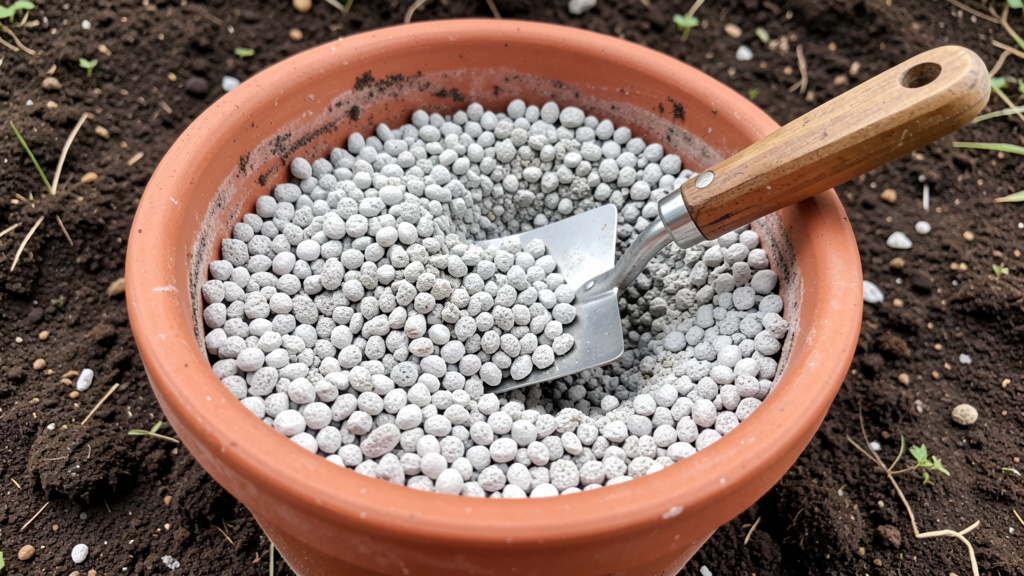
Unlock vibrant, resilient indoor plants by mastering the invisible foundation of plant health—where science meets soil, drainage becomes design, and the right pot transforms potential into vitality.
Forget everything you thought you knew about “just adding dirt.” A significant proportion of indoor plant challenges trace back to the growing medium beneath the surface. While care guides often emphasize light and water, the substrate environment silently shapes root function, nutrient access, and long-term resilience. This guide dismantles common misconceptions, clarifies the science of container substrates, and delivers a practical framework to align soil structure, drainage strategy, and container choice with your plant’s biological needs. Whether you’re reviving a struggling fern or crafting a custom blend for a rare aroid, you’ll gain the insight to make intentional, informed choices that support sustained plant health.
Introduction: Why What Happens Below the Surface Shapes Everything Above
Beneath every leafy canopy lies a dynamic ecosystem of physical structure, moisture dynamics, air exchange, and microbial activity. This subterranean environment isn’t passive filler—it’s where roots absorb water and nutrients, sense environmental cues, and interact with beneficial organisms. When the substrate aligns with a plant’s evolutionary adaptations, growth flourishes. When misaligned, decline begins invisibly: roots may suffocate in compacted mix, struggle in overly rapid drainage, or become vulnerable to pathogens in persistently saturated conditions.
Horticultural research and widespread observation across diverse growing environments—from botanical collections to home settings—reveal a consistent pattern: successful indoor gardeners approach soil, drainage, and pots as an integrated system. Consider the contrast: a desert-native cactus requires a gritty, fast-draining matrix mimicking arid scree, while a forest-floor calathea thrives in a moisture-retentive yet well-aerated blend resembling decomposing leaf litter. Using a single generic mix for both sets the stage for struggle. This guide empowers you to become an intentional ecosystem designer. We’ll move systematically through plant biology fundamentals, substrate science, drainage physics, and container dynamics—equipping you with adaptable frameworks to diagnose issues, customize solutions, and cultivate confidence in every planting decision.
The Soil-Pot-Drainage Triangle: A Unified Framework for Plant Vitality
Imagine three interlocking circles: Soil Composition, Drainage Strategy, and Pot Selection. Their intersection defines root-zone health. Adjust one element without considering the others, and the system destabilizes. This isn’t abstract theory—it’s applied physics and biology. A perfectly formulated succulent mix becomes problematic in a deep ceramic pot with minimal drainage. Conversely, a moisture-loving fern in a coarse orchid mix inside a porous terracotta pot may dry too rapidly, regardless of watering frequency. The Soil-Pot-Drainage Triangle reframes plant care as intentional system design: your goal is equilibrium where water moves predictably, air circulates freely, roots expand comfortably, and biological activity thrives.
This framework replaces fragmented tips (“add perlite!”) with logical sequencing:
1. Begin with the plant’s native habitat cues (its biological preferences).
2. Design the substrate mix to reflect key aspects of that habitat’s structure.
3. Engineer drainage to manage water movement through that specific mix.
4. Select the pot whose material, size, and features support steps 2 and 3.
Breaking this sequence often leads to recurring issues. Let’s explore each component with clarity and context, starting with the most foundational insight: understanding your plant’s origin story.
Step 1: Decode Your Plant’s Native Habitat—The Biological Compass
Before measuring components, pause. Visualize where your plant evolved. This mental exercise is among the most valuable diagnostic tools in container horticulture. Plants carry deep physiological adaptations to ancestral environments. Ignoring these cues is like mismatching footwear to terrain. Translate habitat into substrate needs through these representative examples:
-
Arid Environment Species (Many Cacti, Agave, Echeveria): Envision sun-exposed slopes of gravel, sand, and decomposed granite. Rain is infrequent but intense; water vanishes quickly. Roots evolved for rapid moisture uptake followed by extended dry periods.
→ Substrate Guidance: Prioritize high porosity. Mixes should drain readily, retain minimal capillary moisture, and provide abundant air space. Organic content is typically low (<25%). Particle size is often medium to coarse (3–8mm) to resist compaction.
→ Context Note: “Succulent” describes water-storing tissue, not habitat. Holiday cacti (Schlumbergera) are tropical forest epiphytes needing more moisture retention—always verify species-specific needs. -
Epiphytic Canopy Dwellers (Orchids, Anthurium crystallinum, Hoya): Picture plants anchored to tree branches in humid forests. Roots are exposed to air movement, dappled light, and intermittent moisture from rain or fog. They absorb water quickly but require drying periods to prevent decay.
→ Substrate Guidance: Use an open, chunky matrix mimicking bark pockets. Water should flow through the mix rapidly. Roots need direct air contact between waterings. Components must be coarse and slow-decomposing (bark, cork, LECA).
→ Seasonal Note: In lower-light winter months, extend drying time between waterings to match reduced metabolic activity. -
Tropical Forest Floor Residents (Calathea, Maranta, Fittonia): Imagine the dim, humid understory with a spongy layer of decomposing leaves and humus. Moisture is consistently available but never stagnant; rain filters through canopy and drains through organic layers.
→ Substrate Guidance: Seek balanced moisture retention and aeration. Mixes benefit from significant organic matter (coir, composted bark) blended with inorganic aerators (perlite, pumice) to maintain air channels. Drainage should be efficient but not instantaneous.
→ Humidity Synergy: This substrate works best alongside elevated ambient humidity (pebble tray, grouping, humidifier). The mix holds moisture, but foliage still benefits from humid air. -
Seasonal or Adaptive Habitat Plants (ZZ Plant, Snake Plant, Pothos): Think of species from regions with wet/dry cycles. They evolved water-storing tissues and adaptable roots tolerant of fluctuating moisture.
→ Substrate Guidance: Versatility is key—a mix that holds adequate moisture during growth periods but drains sufficiently to prevent rot during slower seasons. Moderate organic content (40–60%) blended with reliable aerators offers resilience.
→ Adaptive Tip: In cooler months or lower light, reduce watering frequency even with the same mix.
Why this step matters: Misidentifying habitat leads to persistent mismatches. Planting a moisture-adapted African violet in a gritty cactus mix may cause chronic dehydration; placing a desert euphorbia in dense, moisture-retentive soil increases rot risk. Spend a few minutes researching your plant’s origin using botanical databases, university extension resources, or reputable plant society sites. Habitat specificity outweighs broad labels like “tropical.”
Common Pitfall to Avoid: Assuming “likes humidity” means “likes soggy soil.” Many humidity-loving plants (e.g., epiphytic orchids) require rapid root-zone drying. Always distinguish between aerial humidity needs and root-zone moisture requirements.
Step 2: Build the Ideal Substrate Mix—Component by Component, Purpose by Purpose
With habitat insights in hand, construct a purposeful blend. True potting mixes (not soil—critical distinction ahead) are engineered for container physics: lightweight, porous, and sterile. Mastery comes from understanding what each ingredient does, enabling informed customization rather than rigid recipe-following.
Critical Distinction: Potting Mix vs. Garden Soil
Never use unamended garden soil or topsoil for indoor plants. Outdoor soil compacts severely in containers, impedes drainage, restricts root oxygen, and may introduce pests, pathogens, or weed seeds. Potting mixes are soilless blends of processed organic and inorganic materials designed specifically for container dynamics. This isn’t semantics—it’s foundational to root health.
Organic Components: Moisture Management & Structure
These materials originate from plant-based sources. They primarily influence water retention, nutrient availability (as they slowly decompose), and microbial habitat. Decomposition is gradual; mixes may need refreshing every 1–2 years as structure changes.
| Component | Primary Role | Ideal Form | Best Suited For | Practical Notes |
|---|---|---|---|---|
| Coconut Coir | Reliable moisture retention, neutral pH (~5.8–6.8), renewable | Buffered bricks, chips, or fine grade | Most houseplants; sustainable peat alternative; tropicals, ferns | Choose “buffered” to reduce salts; rewets easily when dry; chips add structure |
| Sphagnum Peat Moss | High moisture retention, acidic pH (~3.5–4.5) | Sphagnum (long-fiber) or milled | Acid-preferring plants (some gesneriads); seed starting | Non-renewable harvest concerns; hydrophobic when dry; sustainability drives coir preference |
| Composted Bark (Pine/Fir) | Structure, moderate moisture retention, slow decomposition | Small to medium chips (⅛”–½”) | Aroids, orchids, moisture-balanced mixes | Must be composted (fresh bark ties up nitrogen); provides microbial habitat |
| Worm Castings | Gentle nutrients, soil structure enhancement, microbial inoculant | Fine, crumbly texture | All mixes (5–15%); stressed plants; seedlings | Not a standalone substrate; rich but low-salt; boosts biological activity |
| Leaf Mold | Superior moisture retention, mimics forest floor | Crumbly, fully decomposed | Ferns, calatheas, woodland species | Time-intensive to produce; hard to source commercially; excellent for humidity lovers |
| Rice Hulls (Parboiled) | Structure, moderate retention, renewable | Whole or ground | Sustainable perlite alternative; general mixes | Parboiled = sterile/stable; adds silica; decomposes slowly; improves aeration |
Sustainability Insight: The horticultural field increasingly favors coconut coir—a renewable byproduct of coconut processing—over peat moss due to peat bog conservation concerns. Modern buffered coir offers reliable performance with a more neutral pH suitable for most houseplants. When selecting coir, “buffered” or “low EC” indicates salts have been rinsed, reducing risk to sensitive roots.
Inorganic Components: Aeration, Structure & Longevity
These mineral-based materials do not decompose. They create permanent air pockets, resist compaction, improve drainage consistency, and add stability. They form the structural backbone of long-lasting mixes.
| Component | Primary Role | Ideal Size | Best Suited For | Practical Notes |
|---|---|---|---|---|
| Pumice | Aeration, drainage, slight moisture wicking, weight | Small to medium (⅛”–⅜”) | Succulents, cacti, aroids, heavy plants; premium aerator | Volcanic rock; won’t float; maintains structure long-term; heavier = less tipping |
| Perlite | Aeration, drainage, lightweight | Medium (⅛”–¼”) | Universal aerator; tropicals, seed starting, budget blends | Volcanic glass; pH neutral; can be dusty (rinse first); may float to surface |
| Horticultural Charcoal | Filters impurities, reduces odors, inhibits mold | Small chunks (¼”) | Terrariums, orchid mixes, moisture-prone blends | Use horticultural grade (not activated charcoal); visual appeal in clear pots |
| LECA (Clay Pebbles) | Extreme aeration, capillary systems, inert | 4mm–10mm | Semi-hydro setups, orchid toppers, rooting cuttings | Reusable; requires specific watering approach; excellent for moisture-sensitive plants |
| Coarse Sand | Weight, drainage (only if truly coarse) | Gritty (1mm+) | Cacti/succulent mixes needing ballast | Critical: Must be horticultural/poultry grit. Fine sand fills air spaces, worsening drainage. Rarely essential; pumice often superior. |
| Vermiculite | Moisture/nutrient retention, seed starting | Medium | Seedlings, moisture-loving plants needing gentle hold | Holds water on surface; compresses over time; less common in modern houseplant mixes |
Practical Comparison: Perlite vs. Pumice
Both improve aeration, but differ meaningfully. Perlite is lightweight, white, and creates large air pockets—ideal for general use but can be dusty and float. Pumice is denser, gray, and has internal porosity that wicks minimal moisture while maintaining surrounding air space. It won’t float, adds stability for top-heavy plants, and lasts longer without breaking down. For long-term plantings (e.g., large aroids), pumice often provides more consistent structure. For budget-conscious or lightweight needs (hanging baskets), perlite remains effective. Rinse either before use to reduce dust.
Habitat-Aligned Blend Formulas (By Volume)
Ratios are flexible starting points. Adjust based on your environment (humidity, light), watering habits, and plant response. Always pre-moisten dry components like coir before mixing for even hydration. Wear a mask when handling dusty materials.
-
Versatile Tropical Blend (Pothos, Philodendron, Monstera, ZZ, Snake Plant):
- 3 parts Coconut Coir (buffered)
- 2 parts Composted Pine Bark (small chips)
- 2 parts Pumice (medium)
- 1 part Worm Castings
- Why it works: Coir provides dependable moisture retention; bark adds structure and mimics organic debris; pumice ensures lasting aeration; castings contribute gentle nutrition and microbial life. This blend typically maintains structure for 12–18 months.
- Budget Path: Substitute perlite for pumice.
- If Compaction Occurs: During repotting, gently loosen roots and refresh with this amended mix. Hold fertilizer for 4–6 weeks post-repot.
-
Arid Climate Blend (Desert Cacti, Echeveria, Haworthia):
- 2 parts Pumice (small)
- 1 part Coarse Horticultural Grit or additional Pumice
- 1 part Coconut Coir (buffered)
- Optional: ½ part Horticultural Charcoal
- Why it works: High mineral content (≈75%) enables rapid drainage. Minimal organic matter reduces moisture retention that could encourage rot. Pumice’s micro-porosity offers just enough surface moisture for roots without saturation.
- Reality Check: Many commercial “Cactus & Succulent” mixes retain too much moisture. Amend store-bought versions 50/50 with extra pumice or perlite.
- Test: Pour water through a cup of mix—it should exit promptly with minimal pooling. Squeeze a handful; it should crumble immediately.
-
Epiphyte & Orchid Blend (Phalaenopsis, Anthurium, Hoya, Dischidia):
- 3 parts Fir Bark (medium grade, composted)
- 1 part LECA (small) or Large Perlite chunks
- 1 part Horticultural Charcoal
- Optional: Handful of Long-Fiber Sphagnum Moss (for dry-home environments)
- Why it works: Bark chunks create essential air pockets. LECA/perlite prevents settling. Charcoal helps maintain a clean microclimate within the mix. Roots grow through and around components, requiring air exposure between waterings.
- Watering Cue: Water thoroughly until clear runoff appears; wait until roots turn silvery-green (not bright green) before next watering.
- Repotting Window: Ideal during active growth when new roots are 1–2 inches long.
-
Moisture-Lover’s Blend (Calathea, Maranta, Ferns, Fittonia):
- 2 parts Coconut Coir (buffered)
- 1 part Leaf Mold or additional Coir
- 1 part Perlite (medium) or Pumice
- ½ part Worm Castings
- Optional: Light top-dressing of Sphagnum Moss
- Why it works: Higher organic content maintains consistent moisture without waterlogging. Perlite/pumice preserves essential air channels. Leaf mold specifically supports fungal-friendly environments these plants favor.
- Humidity Reminder: Pair with elevated ambient humidity. The mix retains moisture, but foliage still requires humid air to prevent tip burn.
- If Hydrophobic: If water beads and runs off, submerge pot in room-temperature water for 20–30 minutes to rehydrate the mix thoroughly.
-
Seed Starting & Propagation Blend:
- 2 parts Coconut Coir (fine)
- 1 part Perlite (fine)
- 1 part Vermiculite
- Why it works: Fine texture supports delicate roots; vermiculite holds moisture gently against seed coats/cuttings; perlite prevents surface crusting. Sterile components reduce damping-off risk. Avoid fertilizers initially—seed leaves provide early nutrition.
- Pro Tip: Moisten mix to “damp sponge” consistency before filling trays. Cover with dome until germination; place in warm spot (70–75°F / 21–24°C).
Mixing Protocol for Consistency:
1. Prepare: Use a clean tub (not kitchenware), measuring scoop, gloves, and mask for dusty components.
2. Pre-Moisten: Dampen coir/peat until uniformly moist (not soggy). Rinse perlite/pumice to reduce dust.
3. Combine Dry: Mix all dry components thoroughly for 3–5 minutes until uniform—clumps create dry/wet pockets.
4. Final Moisture: Sprinkle water while mixing until entire batch feels evenly damp (like a wrung-out sponge). Squeeze test: holds shape briefly, then crumbles.
5. Rest (Optional but Helpful): Cover and let sit 12–24 hours for moisture/pH stabilization before use.
6. Store Unused Mix: Transfer to an airtight container; label with contents and date. Store in a cool, dry place.
Step 3: Engineer Drainage—Beyond the Drainage Hole Myth
Drainage is a system involving mix composition, pot design, and watering practice—not merely a hole in the bottom. Persistent myths cause recurring issues. Let’s clarify with soil physics.
Debunking the Gravel Layer Myth: Understanding the Perched Water Table
Traditional advice suggests adding gravel, rocks, or shards to pot bottoms “to improve drainage.” Research from institutions like the University of Florida IFAS Extension indicates this practice is often counterproductive for standard container planting. Here’s why:
Water moves through substrate via capillary action. In a uniform mix, drainage stops when gravity overcomes capillary forces, leaving a saturated zone at the bottom called the perched water table (PWT). The PWT’s height depends only on the mix texture above it—not what lies below. Adding a coarse layer (gravel) beneath a finer mix creates a textural barrier. Water draining through the mix pools above the gravel layer because capillary forces weaken at the interface. Result: The saturated zone rises higher into the root zone, increasing the volume of oxygen-poor soil where roots are vulnerable.
Evidence-Based Approach:
– Use a uniform substrate mix throughout the entire pot.
– Ensure the mix contains adequate inorganic components (pumice, perlite) to minimize PWT height within the mix itself.
– Select pots with multiple drainage holes (not just one) near the absolute lowest point of the base.
– Place a single coffee filter, small piece of landscape fabric, or curved pottery shard directly over the holes only to prevent soil loss—not as a deep layer. This maintains uniform texture from top to bottom while protecting drainage pathways.
– After watering thoroughly, empty saucers or cachepots within 15–20 minutes. Allowing pots to sit in runoff water re-saturates the lower mix, counteracting drainage efforts.
When Layered Systems Are Appropriate (Intentional Design)
The gravel myth applies to standard soil-in-pot scenarios. Layered approaches have valid niches when designed deliberately:
- Semi-Hydroponics (LECA Systems): Roots grow within inert LECA pebbles suspended above a water reservoir (separated by a false bottom or net pot). Moisture reaches roots via capillary action through the LECA, while the bulk root mass stays highly aerated. Requires specific double-walled pots and consistent reservoir management. Suitable for rot-prone plants (certain orchids, hoyas) or growers needing watering flexibility.
- Closed Terrariums: In sealed glass with no drainage holes, a true drainage layer is essential: bottom to top—activated charcoal (filters), LECA/gravel (reservoir), sphagnum moss barrier (prevents mixing), specialized terrarium mix. This manages the closed water cycle. Never replicate this layering in standard pots with drainage holes.
- Very Large Planters (18″+ diameter): For weight/cost reduction, lightweight filler (upside-down plastic pots, foam in mesh bags) may occupy the bottom third only if the plant’s root ball remains entirely within the upper two-thirds filled with proper mix. Roots never contact filler, preserving drainage integrity in the active root zone. Ensure filler doesn’t block drainage holes.
Drainage Hole Essentials: Quantity, Size, Placement
- Number: One hole is often insufficient. Pots ≤6″: minimum one ½” hole. Pots 8″–12″: 2–3 holes. Large planters (14″+): 4+ holes. More holes promote even, rapid drainage.
- Size: Holes should be ≥¼” diameter. Tiny holes clog easily with soil or roots.
- Placement: Holes must be at the absolute lowest interior point. Some decorative pots have raised feet but holes drilled on the side above the base—this traps water. Inspect carefully before purchasing.
- No-Hole Pots: If your favorite container lacks holes, do not drill unless experienced (requires diamond bit, water cooling, slow speed). Instead, use it strictly as a decorative cachepot (see Pot Selection section). Long-term planting without drainage significantly increases rot risk.
Watering-Drainage Feedback Loop
Your technique interacts with the system. After thorough watering (until clear runoff exits all holes):
– Empty saucers promptly.
– Observe runoff: Clear = clean leaching; cloudy = possible compaction/decomposition; colored = mineral salts or microbial activity. This visual cue helps diagnose mix health over time.
– Adjust frequency based on plant response, season, and environment—not a rigid calendar.
Step 4: Select the Perfect Pot—Material, Size, Shape, and Function
The pot actively influences moisture dynamics, temperature stability, root development, and overall plant resilience. Selection should align with your plant’s needs, your mix’s properties, and your growing environment.
Pot Material Properties: Physics in Practice
| Material | Moisture Interaction | Temperature Notes | Weight/Stability | Root Environment | Ideal Pairings | Key Considerations |
|---|---|---|---|---|---|---|
| Terracotta / Unglazed Clay | Porous walls wick moisture; dries faster than non-porous pots | Breathable; buffers soil temperature swings | Heavy; very stable | Allows slight air exchange; encourages dense root growth | Arid-climate plants, humid climates, overwatering tendencies | Salts may appear on surface (harmless); fragile; stains; ideal safety net for moisture-sensitive plants |
| Ceramic (Glazed) | Non-porous; moisture retention similar to plastic | Good insulator; protects roots from temperature extremes | Heavy; very stable | Smooth walls; roots may circle if pot too large | Moisture-loving plants (ferns, calatheas), dry climates, decorative display | Must have drainage holes; heavy when wet; choose based on plant needs, not just aesthetics |
| Plastic (PP, PE) | Non-porous; retains moisture longest | Poor insulator; soil temp closely matches air | Very light; may tip | Smooth walls; roots can circle in oversized pots | Seed starting, propagation, hanging baskets, budget-conscious growers | Lightweight, versatile, affordable; degrades in UV; choose BPA-free; recycle responsibly |
| Concrete / Cement | Slightly porous; dries slower than terracotta | High thermal mass; stabilizes soil temperature | Extremely heavy | Similar to terracotta but less breathable | Large floor plants, patios, modern aesthetics | Naturally alkaline (may raise pH over time); seal interior for acid-preferring plants; very heavy |
| Wood (Cedar, Teak) | Moderately porous; breathes like terracotta | Good insulator; protects roots | Moderate weight | Natural texture; discourages circling | Rustic aesthetics, outdoor use, large planters | Use rot-resistant woods; line with plastic (punctured for drainage) to extend life; avoid treated lumber |
| Self-Watering (Reservoir) | Wicks moisture upward via capillary action | Varies by outer material | Varies | Roots grow toward moisture; requires specific mix | Busy schedules, moisture-loving plants, travel | Not for succulents/cacti; use coir/perlite-heavy mix; monitor reservoir; clean regularly to prevent algae |
Critical Insight on Material Choice: Terracotta’s moisture-wicking property is contextual. In humid environments or for growers prone to overwatering, it provides a helpful drying buffer. In arid homes or for forgetful waterers, it may require too-frequent watering. Match material to your specific conditions and habits, not just the plant’s theoretical needs. A fern in terracotta in a dry climate will struggle; the same fern in glazed ceramic in a humid bathroom may stay too wet. Observe and adapt.
Pot Size: The Goldilocks Principle
Too small: Roots become pot-bound, circling tightly, restricting uptake, causing stunted growth and rapid drying. Too large: Excess soil stays wet long after watering, creating anaerobic conditions favorable to pathogens. Aim for the root ball to occupy 70–80% of the new pot’s volume. Repotting guidelines:
* Small plants (<6″ pot): Move up 1–2 inches in diameter (e.g., 4″ → 6″).
Medium plants (6″–10″ pot): Move up 2 inches (e.g., 8″ → 10″).
Large plants (>10″ pot): Move up 2–4 inches max. For massive specimens, annual top-dressing (replacing top 1–2″ of soil) is often preferable to frequent large repots.
Exceptions:
– Fast growers (Monstera, Fiddle Leaf Fig): May tolerate a slightly larger jump (3″) during active spring/summer growth.
– Slow growers/Succulents: Move up only 1 inch, or refresh soil in the same pot.
– Shallow-rooted plants* (Snake Plant, ZZ): Prefer squat pots; avoid deep pots that hold excess wet soil below the root zone.
Shape Considerations:
– Standard (Height ≈ Width): Versatile for most plants (Pothos, Peace Lily).
– Squat/Wide (Width > Height): Ideal for shallow-rooted or offsetting plants (Spider Plant, Haworthia). Reduces risk of bottom soil staying soggy.
– Tall/Deep (Height > Width): Necessary for plants with deep root systems (some palms, Bird of Paradise). Avoid for shallow-rooted species.
– Azalea Pots (Shorter profile): Designed for plants preferring shallower root zones; minimizes excess wet soil volume.
The Cachepot Strategy: Aesthetic Freedom, Functional Safety
Love a beautiful pot without drainage holes? Use it correctly as a cachepot (decorative outer container). Place your plant in a functional nursery pot (plastic or terracotta) with drainage holes. Water thoroughly in the sink, allow full drainage (15+ minutes), then place the drained inner pot inside the cachepot. This preserves container aesthetics while maintaining proper drainage. Check the cachepot weekly for trapped water. This method protects surfaces and extends the life of decorative containers.
The Fundamental Principle: “A thoughtfully designed substrate achieves its purpose only when paired with a pot that supports its drainage characteristics. Conversely, even the most perfectly drained pot cannot compensate for a mix that suffocates roots. Sustainable plant health emerges at the intentional intersection of substrate science, drainage physics, and container function.”
Troubleshooting Your Current Setup: Diagnosing Substrate and Drainage Issues
Symptoms appear above ground, but causes often originate below the soil line. Approach issues systematically before adjusting light, fertilizer, or reaching for treatments. Most challenges relate to moisture balance.
Symptom: Yellowing Lower Leaves, Soft or Mushy Stems
- Likely Cause: Prolonged soil saturation leading to root dysfunction or rot. Roots deprived of oxygen cannot transport water/nutrients effectively; lower leaves (farthest from roots) yellow first. Soft stems suggest decay progression.
- Diagnostic Check: Gently remove plant. Healthy roots: firm, white/tan, earthy smell. Compromised roots: brown/black, slimy, foul odor.
- Action Path:
- Rescue: Shake off old mix. Sterilize scissors; trim all mushy roots back to healthy tissue. Dip remaining roots in diluted hydrogen peroxide (1:3 with water) or dust with cinnamon (natural antifungal).
- Repot: Use clean pot (same size or slightly smaller) with fresh, well-aerated mix (increase pumice/perlite ratio). Terracotta pot preferred for faster drying.
- Recovery Care: Wait 7–10 days before first light watering to allow root wounds to callus. Place in bright, indirect light (avoid direct sun stress). Do not fertilize for 6–8 weeks.
- Prevention: Adopt the “finger test” (insert to second knuckle; water only if dry) or use a moisture meter alongside observation. Ensure multiple drainage holes. Empty saucers promptly.
Symptom: Crispy Brown Leaf Tips/Edges, Wilting Despite Moist Soil
- Likely Cause: Underwatering or root constraint (pot-bound) or salt buildup. Crispy tips often signal inconsistent moisture access. If soil feels dry deep down: underwatering. If soil feels moist but plant wilts: roots may be damaged (rot) or constrained (circling), preventing uptake. White crust on soil/pot rim indicates mineral salt accumulation, which can draw moisture away from roots.
- Diagnostic Check: Lift pot—is it unusually light? Check root ball for tight circling at drainage holes. Inspect soil surface for crust.
- Action Path:
- Underwatered: Soak pot in room-temperature water basin for 30 minutes. Drain thoroughly. Establish consistent watering based on plant needs.
- Pot-Bound: Repot into next size up with fresh mix. Gently tease apart circling roots before planting.
- Salt Buildup: Flush soil thoroughly: slowly pour water through mix until runoff runs clear for 5+ minutes. Repeat 2–3 times. Use distilled, rainwater, or filtered water going forward. Reduce fertilizer frequency. Scrape off visible crust.
Symptom: Soil Dries Extremely Quickly, Frequent Wilting
- Likely Cause: Hydrophobic mix (common with dried peat-heavy blends), undersized pot, insufficient moisture-retentive components, or environmental stress (heat, airflow, low humidity).
- Diagnostic Check: Water beads and runs down pot sides without soaking in? Soil pulls away from pot edges?
- Action Path:
- Rehydrate: Submerge entire pot in water for 1–2 hours until bubbling stops. Drain thoroughly.
- Amend Future Mixes: Increase moisture-retentive components (coir, vermiculite) in next repot. Pre-moisten dry components before mixing.
- Environmental Adjust: Move away from heating vents, radiators, or intense direct sun. Increase ambient humidity via grouping, pebble tray, or humidifier.
- Pot Size Check: If roots are circling and soil volume is minimal, repot to next size up.
Symptom: Fungus Gnats Swarming Soil Surface
- Likely Cause: Consistently moist top layer of soil (especially fine organic mixes), providing ideal breeding conditions for larvae that feed on organic matter and tiny root hairs.
- Diagnostic Check: Tiny black flies (⅛”) hovering near soil. Larvae: translucent with black heads, visible in top ½” of soil.
- Action Path:
- Dry Top Layer: Allow top 1–1.5 inches of soil to dry completely between waterings. This disrupts the gnat lifecycle.
- Top Dressing: Apply ½” layer of coarse sand, fine gravel, or food-grade diatomaceous earth to create a dry barrier adults avoid.
- Biological Control: Apply Bacillus thuringiensis israelensis (BTI)—sold as Mosquito Bits/Dunks. Harmless to plants/pets; targets larvae. Soak bits in water, water plant with solution.
- Traps: Place yellow sticky traps just above soil line to reduce adult population.
- Prevention: Avoid overwatering. Use well-aerated mixes with less fine organic matter on the surface. Water from the bottom occasionally to keep surface drier.
Symptom: White, Fuzzy Mold on Soil Surface
- Likely Cause: Saprophytic fungus feeding on decaying organic matter in consistently damp, low-airflow conditions. Usually harmless to the plant but signals overly moist soil and poor ventilation.
- Action Path:
- Remove: Scrape off top ½ inch of affected soil.
- Improve Airflow: Position a small fan nearby (not blowing directly on plant) to increase surface evaporation.
- Adjust Watering: Allow top inch of soil to dry before watering again.
- Top Dress: Lightly dust surface with cinnamon (natural fungistat) or activated charcoal chips.
- Prevention: Ensure mix has adequate aeration (perlite/pumice). Avoid overcrowding plants. Never let pots sit in water.
DIY vs. Store-Bought Mixes: Making Informed, Sustainable Choices
Bagged mix labels can be misleading. “All-Purpose,” “Moisture Control,” or “Cactus” blends vary widely in composition. Understanding components empowers smarter selection or amendment.
Decoding Common Bagged Mix Types
- “All-Purpose Potting Mix”: Typically 60–80% peat/coir, 10–20% compost/bark, 10–20% perlite/vermiculite. Often includes synthetic fertilizer (“feeds up to X months”) and moisture-retaining crystals.
→ Verdict: A functional base for easy-care tropicals if amended. Add 25–50% extra pumice or perlite to improve long-term aeration and counteract compaction. Avoid mixes heavy on vermiculite or hydrogels for most houseplants—they retain excessive moisture. - “Cactus & Succulent Mix”: Often still contains 40–60% peat/coir. May include sand (verify coarse grade; fine sand is ineffective).
→ Verdict: Rarely sufficient alone for true desert species. Amend 50/50 with extra pumice or perlite. Making your own arid blend offers greater control. - “Orchid Mix”: Usually bark-based. Check grade: “Fine” for seedlings; “Medium” versatile; “Chunky” for mature plants. May include sphagnum moss or charcoal.
→ Verdict: Often usable straight from bag for orchids/epiphytes. Inspect bark size—should be uniform chunks (¼”–½”). Rinse if dusty. - “Moisture Control” / “Water Saving”: Contains hydrogel crystals designed to absorb and slowly release water.
→ Verdict: Generally not recommended for discerning indoor growers. Crystals create inconsistent moisture pockets, degrade unpredictably (6–12 months), and may mask poor watering habits. Better to select a mix with appropriate organic/inorganic balance and learn your plant’s true needs. - “Organic” Certified Mixes: Contain compost, worm castings, kelp meal instead of synthetics.
→ Verdict: Excellent for nutrient density and microbial life. Still verify base components—ensure adequate perlite/pumice is included. May have a stronger earthy scent.
When to DIY: The Case for Custom Blending
- You have specific plant needs (rare aroids, sensitive orchids, diverse collection).
- You prioritize sustainability (choosing coir over peat, locally sourced bark).
- You value long-term mix integrity (using pumice for durability over perlite).
- You enjoy the process and have storage space for components.
- Cost-effective for large collections (bulk components often cheaper per volume).
When Store-Bought Makes Sense
- You’re building foundational skills; start with a quality “All-Purpose” mix amended with extra aerator.
- You need convenience for a single plant or urgent repot.
- Storage space for bulk components is limited.
- You select reputable brands known for transparent ingredient lists (research online before purchasing).
The Hybrid Approach: Smart Amending (Highly Recommended)
This balances convenience and performance for most growers:
1. Purchase a high-quality base mix (e.g., Espoma Organic, FoxFarm Ocean Forest).
2. Empty into a clean tub.
3. Add 25–50% volume of your chosen aerator (pumice preferred for longevity).
4. Mix thoroughly until uniform.
5. Use immediately or store in an airtight container.
This leverages commercial mixes’ balanced nutrition while dramatically improving aeration—the most common failure point of bagged soils. For succulents, amend “Cactus Mix” 50/50 with pumice. For moisture-lovers, add extra coir to an all-purpose mix.
Sustainability in Practice: Ethical Sourcing & Waste Reduction
- Peat Alternatives: Prioritize coir (renewable coconut byproduct) or composted bark. Support brands committed to peat-free formulations.
- Bulk Buying: Purchase components like pumice, perlite, or coir bricks in larger quantities to reduce packaging waste. Share with fellow plant enthusiasts.
- Reuse Pots: Clean thoroughly with 10% bleach solution between uses to prevent disease spread. Remove mineral deposits with a vinegar soak.
- Repurpose Spent Mix: Healthy old mix (disease/pest-free) can be added to outdoor compost bins or used to top-dress garden beds. Do not reuse for new indoor plants—it’s depleted of structure and nutrients.
- Source Locally: Check if local nurseries sell bulk bark fines, compost, or pumice, reducing shipping emissions.
Specialized Guidance for Popular Plant Groups: Habitat-Informed Solutions
Move beyond generic advice with tailored insights for common—and challenging—houseplants.
Aroids (Monstera, Philodendron, Anthurium, ZZ Plant)
- Habitat Insight: Many are hemiepiphytes—starting on forest floor, then climbing trees with aerial roots absorbing moisture from air and debris. Roots need consistent moisture and exceptional aeration.
- Ideal Mix: 3 parts coir, 2 parts composted bark (small/medium chips), 2 parts pumice, 1 part worm castings. For climbing varieties, incorporate sphagnum moss into mix or wrap moss pole.
- Pot Choice: Terracotta or plastic with multiple drainage holes. Size: Increase by 2″ diameter when roots circle pot or emerge from holes. Install moss pole during repotting for seamless integration.
- Seasonal Note: Water when top 1–2 inches feel dry. In lower-light winter months, extend drying time between waterings. Mist aerial roots lightly in dry homes. Occasional yellow leaf after repotting is normal adjustment—await new growth.
Succulents & Cacti (Echeveria, Haworthia, Christmas Cactus, Barrel Cactus)
- Habitat Insight: “Succulent” describes water-storing tissue, not habitat. Christmas Cactus (Schlumbergera) is a tropical forest epiphyte needing more moisture than desert cacti. Always verify species-specific needs.
- Desert Types Mix: 3 parts pumice, 1 part coir, optional coarse grit. Should drain readily.
- Holiday Cactus Mix: 2 parts coir, 1 part bark, 1 part perlite. Needs more retention; water when top inch feels dry.
- Pot Choice: Unglazed terracotta ideal for desert types—wicks moisture. Pot only 1–2″ wider than root ball. Shallow pots often better for rosette forms.
- Critical Guidance: Water deeply only when soil is completely dry (chopstick test: insert, remove—if clean, water). Significantly reduce watering frequency during winter dormancy. Avoid moisture-retentive mixes for true desert species.
Orchids (Phalaenopsis “Moth Orchid,” Dendrobium, Cattleya)
- Habitat Insight: Nearly all common houseplant orchids are epiphytes. Velamen-covered roots photosynthesize and require air exposure. Medium is merely an anchor.
- Ideal Mix: Medium-grade composted fir bark, supplemented with charcoal and perlite/LECA. Pre-made orchid mixes are often reliable. For Phalaenopsis in dry homes (<40% humidity), add 20% long-fiber sphagnum moss.
- Pot Choice: Clear plastic pots with side slits AND bottom holes are optimal. Allows light to roots (supports photosynthesis) and maximizes airflow. Terracotta acceptable if well-vented.
- Watering Ritual: Soak pot thoroughly until water runs clear. Drain completely. Water again only when roots turn silvery-white (not bright green). Frequency depends entirely on environment—observe roots, not calendar. Fertilize weakly (¼ strength) during active growth spikes.
Ferns & Calatheas (Maidenhair Fern, Boston Fern, Prayer Plant, Rattlesnake Plant)
- Habitat Insight: Forest floor dwellers craving consistent moisture, high humidity, and protection from direct sun. Roots are fine and shallow, easily damaged by drying or compaction.
- Ideal Mix: 2 parts coir, 1 part leaf mold (or extra coir), 1 part perlite, ½ part worm castings. Light top-dress with sphagnum moss to retain surface moisture.
- Pot Choice: Glazed ceramic or plastic to retain moisture. Shallow, wide pots suit root systems. Ensure drainage holes—these plants dislike “wet feet” despite needing consistent moisture.
- Non-Negotiable: Humidity support is essential. Pebble tray is minimum; humidifier ideal. Group plants. Avoid terracotta—it dries too rapidly. Water when top ½ inch feels dry; never let soil dry completely. Brown edges typically indicate low humidity or inconsistent moisture.
Foliage Giants (Fiddle Leaf Fig, Rubber Plant, Bird of Paradise)
- Habitat Insight: Fast-growing trees/shrubs needing robust root support and consistent moisture during growth seasons. Sensitive to root disturbance.
- Ideal Mix: 3 parts coir, 2 parts composted bark, 2 parts pumice, 1 part worm castings. Extra pumice prevents compaction in large volumes.
- Pot Choice: Heavy ceramic or concrete pot for stability. Increase size gradually (2–4″ max per repot). Repot only in spring/summer during active growth. Support tall stems if needed.
- Repotting Caution: These plants resent root disturbance. Repot only when roots visibly circle pot or emerge from holes. Water deeply after repotting; place in bright, indirect light; avoid fertilizing for 6–8 weeks. Some leaf drop after repotting is common—be patient.
The Repotting Process: Timing, Technique, and Aftercare for Smooth Transitions
Repotting is a significant event for your plant. Done thoughtfully, it supports years of growth. Done hastily, it causes stress. Approach with care.
When to Repot: Reading the Signals
- Roots emerging from drainage holes or circling tightly at soil surface.
- Water runs straight through without absorbing (severe compaction or root-bound).
- Stunted growth: new leaves smaller than previous; lack of new growth despite proper light.
- Soil depletion: mix breaks down to muddy sludge; dries unevenly; heavy salt crust forms.
- Time since last repot: Most tropicals: every 1–2 years. Succulents/cacti: every 2–3 years. Slow growers (ZZ, Snake Plant): every 3–4 years.
- Optimal Timing: Early spring (start of active growth season). Avoid repotting during flowering, dormancy (late fall/winter), or when plant shows acute stress (pests, disease, recent relocation).
Step-by-Step Repotting Protocol
- Prepare Workspace: Cover surface with newspaper. Gather: clean new pot, pre-moistened fresh mix, sterilized scissors/pruners (70% isopropyl alcohol), trowel, gloves, watering can.
- Pre-Water (Optional but Helpful): Water plant 1–2 days prior. Slightly moist soil is easier to work with than bone-dry or soggy soil.
- Remove Plant Gently: Turn pot sideways, support stem base with hand, tap rim firmly on table edge. Slide plant out. Never pull stem. If stuck, run a knife around inner edge or gently squeeze plastic pot.
- Inspect & Prepare Roots: Examine root ball. Trim any mushy, black, or dry/brittle roots. For pot-bound plants with dense circling roots, make 3–4 shallow vertical slices (½” deep) down the sides and gently tease apart outer roots. This encourages outward growth. For severely bound plants, carefully remove up to ⅓ of old soil from root ball.
- Prepare New Pot: Place mesh screen or coffee filter over drainage holes. Add 1–2 inches of fresh mix to bottom.
- Position Plant: Center plant in pot. Adjust height so top of root ball sits ½”–1″ below rim (allows space for watering). Add mix around sides, gently firming with fingers or chopstick to eliminate large air pockets. Do not pack soil tightly.
- Finalize: Water thoroughly until clear runoff appears. This settles soil and ensures root contact. Add more mix if soil level drops significantly. Wipe pot clean. Place in bright, indirect light—avoid direct sun for 2–4 weeks during recovery.
- Aftercare: Do not fertilize for 4–6 weeks (new roots are sensitive). Water sparingly until new growth appears—fresh mix holds moisture well. Monitor for stress (some leaf drop is normal). Patience is key; recovery takes time.
When to Avoid Repotting
- Plant is actively flowering (wait until blooms fade).
- Plant shows signs of acute stress (pest infestation, severe disease, recent move).
- It’s late fall or winter (dormancy period for most plants).
- You just brought the plant home (allow 2–4 weeks to acclimate first).
- The plant is thriving in its current pot (if it isn’t broken, don’t fix it).
Refreshing Without Full Repot: Top-Dressing for Large Specimens
For massive floor plants where repotting is impractical:
1. Gently remove top 1–2 inches of old soil (avoid damaging surface roots).
2. Replace with fresh, nutrient-rich mix (e.g., coir + worm castings).
3. Water lightly to settle.
4. Repeat annually in spring. This replenishes surface nutrients and improves soil structure without disturbing the root system.
Your Questions, Answered
Q: How do I know if my plant needs a different substrate mix?
A: Persistent symptoms despite appropriate light and watering are key indicators. If a moisture-loving plant (like a calathea) consistently shows dry, crispy edges even with frequent watering, the mix may drain too rapidly. If a succulent’s leaves remain soft despite infrequent watering, the mix likely retains too much moisture. The most reliable confirmation comes during repotting: healthy, firm, white/tan roots in a well-structured mix indicate suitability. Observing improved plant response after switching to a habitat-aligned mix provides practical validation.
Q: Can I reuse old potting mix from a previous plant?
A: Generally not recommended. Spent mix is typically depleted of nutrients, its structure has broken down (leading to compaction), and it may harbor pathogens, pests, or residual salts. Exception: If the previous plant was healthy and disease-free, and the mix is primarily inorganic (like an orchid bark mix), you may sterilize it by baking at 200°F (93°C) for 30 minutes, then blend with 50% fresh components. For most organic-based mixes, composting the old soil or using it in outdoor beds is the safer, more sustainable choice.
Q: My moisture meter says “dry,” but the plant looks wilted. What’s happening?
A: Moisture meters measure electrical conductivity, not true volumetric moisture—readings can be skewed by mix composition (bark chunks, perlite), salt buildup, or sensor placement. Always combine meter readings with the finger test (insert to second knuckle) and plant observation. Wilting despite moist soil usually indicates root issues (rot, pot-bound) preventing water uptake—not lack of water. Check root health promptly.
Q: Is tap water problematic? What about the white crust on my soil?
A: Tap water quality varies. Hard water (high minerals) causes white crust on soil/pot rims. While not immediately toxic, heavy buildup can affect soil chemistry over time. Softened water (high sodium) is more problematic—sodium can damage soil structure. For sensitive plants (calatheas, carnivorous plants) or heavy crust, use distilled water, rainwater, or filtered water. To address existing crust: gently scrape off the top soil layer and flush the remaining mix thoroughly with clean water. Letting tap water sit uncovered for 24 hours allows chlorine (not chloramine) to dissipate.
Q: How does substrate mix affect fertilizing?
A: Mix composition directly influences nutrient needs. Blends rich in worm castings or compost provide gentle, slow-release nutrition, reducing the need for frequent feeding. Inert mixes (like semi-hydro LECA) require consistent nutrient application with every watering. During active growth (spring/summer), fertilize every 2–4 weeks at half-strength. Reduce or pause in fall/winter dormancy. Always water soil before applying liquid fertilizer to prevent root burn. When in doubt, under-fertilize—excess causes salt buildup and leaf tip burn.
Q: Is making worm castings worthwhile?
A: Vermicomposting (using red wiggler worms) transforms kitchen scraps into nutrient-rich castings. It requires a small bin, bedding (shredded cardboard), worms, and plant-based scraps (no meat/dairy). Benefits include free high-quality amendment, waste reduction, and educational value. For a small plant collection, purchasing castings is practical. For dedicated growers or eco-conscious households, vermicomposting offers sustainable, cost-effective soil enrichment. Start small with a commercial worm bin kit if interested.
Q: Why do some plants need “chunky” mixes while others need “fine” mixes?
A: It aligns with root morphology and native substrate. Plants with thick, fleshy roots (orchids, hoyas) evolved in coarse environments (tree bark); fine soil would pack around roots, restricting air and moisture exchange. Plants with fine, fibrous roots (ferns, African violets) evolved in soft humus; chunky mixes wouldn’t provide sufficient contact for moisture/nutrient uptake. Matching particle size to root type ensures optimal contact while maintaining necessary air space—a key principle of substrate design.
Q: What’s the most common beginner mistake with soil and pots?
A: Using containers without drainage holes combined with moisture-retentive soil. This creates conditions where excess water cannot escape, significantly increasing rot risk. The second most frequent issue is overpotting—placing a small plant in a vastly oversized container. The excess soil stays wet for extended periods, overwhelming the plant’s ability to use moisture. Prioritize pots with drainage holes and select size based on current root ball, not future potential size.
Q: How should I store unused potting mix?
A: Transfer to an airtight container (plastic tub with tight lid, heavy-duty zip-top bag). Store in a cool, dark, dry place. Moisture and heat accelerate decomposition and invite pests. Label with contents and date. Properly stored, inorganic components (perlite, pumice) last indefinitely. Organic components (coir, bark) remain viable for 1–2 years. Discard if mold, insects, or sour odors appear.
Q: Are “moisture-control” mixes with water-absorbing crystals advisable?
A: While non-toxic, they are generally not recommended for attentive indoor gardeners. Crystals create inconsistent moisture distribution—some areas stay overly wet while others dry out. They degrade unpredictably over time (6–12 months), altering drainage properties unexpectedly. They may also encourage reliance on automation over observation. Developing an understanding of your plant’s true water needs and using a well-structured mix with balanced components offers more reliable, long-term results.
Conclusion and Your 24-Hour Action Plan
We’ve explored the hidden ecosystem that sustains your indoor plants—from the evolutionary cues of native habitats to the precise physics of particle interaction, from evidence-based drainage principles to intentional container selection. Mastery of this foundation transforms plant care from reactive guesswork into proactive, confident stewardship. You now hold a adaptable framework—the Soil-Pot-Drainage Triangle—to assess needs, diagnose challenges, and cultivate conditions where roots thrive. Remember the core insight: Healthy roots enable healthy plants. Every thoughtful choice in substrate, drainage, and pot ripples upward through the entire organism.
This knowledge invites a deeper relationship with your plants. You begin to see your Monstera not just as foliage, but as a forest climber adapted to airy bark pockets; your terracotta pot becomes an active partner in moisture management; the perlite in your mix transforms from “filler” to a guardian of root-zone oxygen. You move beyond generic care tags toward responsive, observant partnership with living systems.
Recap: Three Enduring Principles
- Habitat as Compass: Begin every decision by considering your plant’s native environment. This guides mix design, pot choice, and watering rhythm.
- System Integrity: Evaluate soil, drainage, and pot as an interconnected whole. Optimizing one element in isolation often creates new imbalances.
- Observation Over Assumption: Your plant communicates constantly. Read the leaves, feel the soil, check the roots. Adjust based on evidence, not calendars or trends.
The 24-Hour Rule: One Small Step Forward
Within the next day, select one plant in your space. Gently inspect its pot (check drainage holes) or carefully feel the soil surface. Ask:
“Does this setup align with what I know about this plant’s needs?”
If unsure, spend five minutes researching its native habitat. Then take one micro-action:
→ If roots peek from drainage holes, note a repotting date for next spring.
→ If the pot lacks drainage holes, commit to using it only as a cachepot moving forward.
→ If the soil feels hardened, add “amend mix with pumice” to your next shopping list.
This single act of mindful attention shifts you from passive owner to intentional cultivator—for both your plants and your growing expertise.
The Broader Perspective: Cultivating Presence
Mastering substrate science is more than horticultural technique; it’s a practice in patience, observation, and respect for natural systems. In a world of instant solutions, tending to the hidden world beneath the soil teaches profound lessons: that vital work often happens out of sight, that balance outweighs force, and that thriving emerges from creating supportive conditions. As you nurture these quiet ecosystems on your windowsill, you cultivate not just plants, but presence. You join a timeless tradition of growers who understand that to care for life, we must first honor its foundations. Your journey as a thoughtful plant steward continues—one intentional choice at a time.
Explore Our Complete Plant Care System:
The Light Language: Decoding Sunlight for Every Indoor Plant | Water Wisdom: The Science of Hydration Beyond the Calendar | Pest Patrol: Organic Defense Strategies for a Healthy Indoor Jungle | Propagation Mastery: Multiply Your Collection with Confidence | Seasonal Shifts: Adapting Care Through the Year’s Rhythms | Humidity Hacks: Creating Microclimates for Tropical Treasures | Root Rescue: Advanced Techniques for Reviving Struggling Plants